Professional Video Crews for Studio and Location Productions
Professional Video Production Begins With the Right Crew
For businesses, corporations, advertising agencies, and marketing professionals, professional video production has become an essential component of effective visual communication.
From corporate interviews and executive presentations to advertising campaigns, product demonstrations, training programs, and recruitment videos, organizations rely on quality video to communicate their messages and strengthen their brands.
However, producing successful commercial video involves considerably more than purchasing expensive cameras or hiring someone to operate recording equipment.
The quality of a professional video production depends on the experience, technical knowledge, creative judgment, and coordination of the crew working behind the cameras.
Professional camera operators, lighting technicians, sound engineers, producers, and editors each contribute specialized skills that influence the finished production.
Just as important is selecting the appropriate environment for filming.

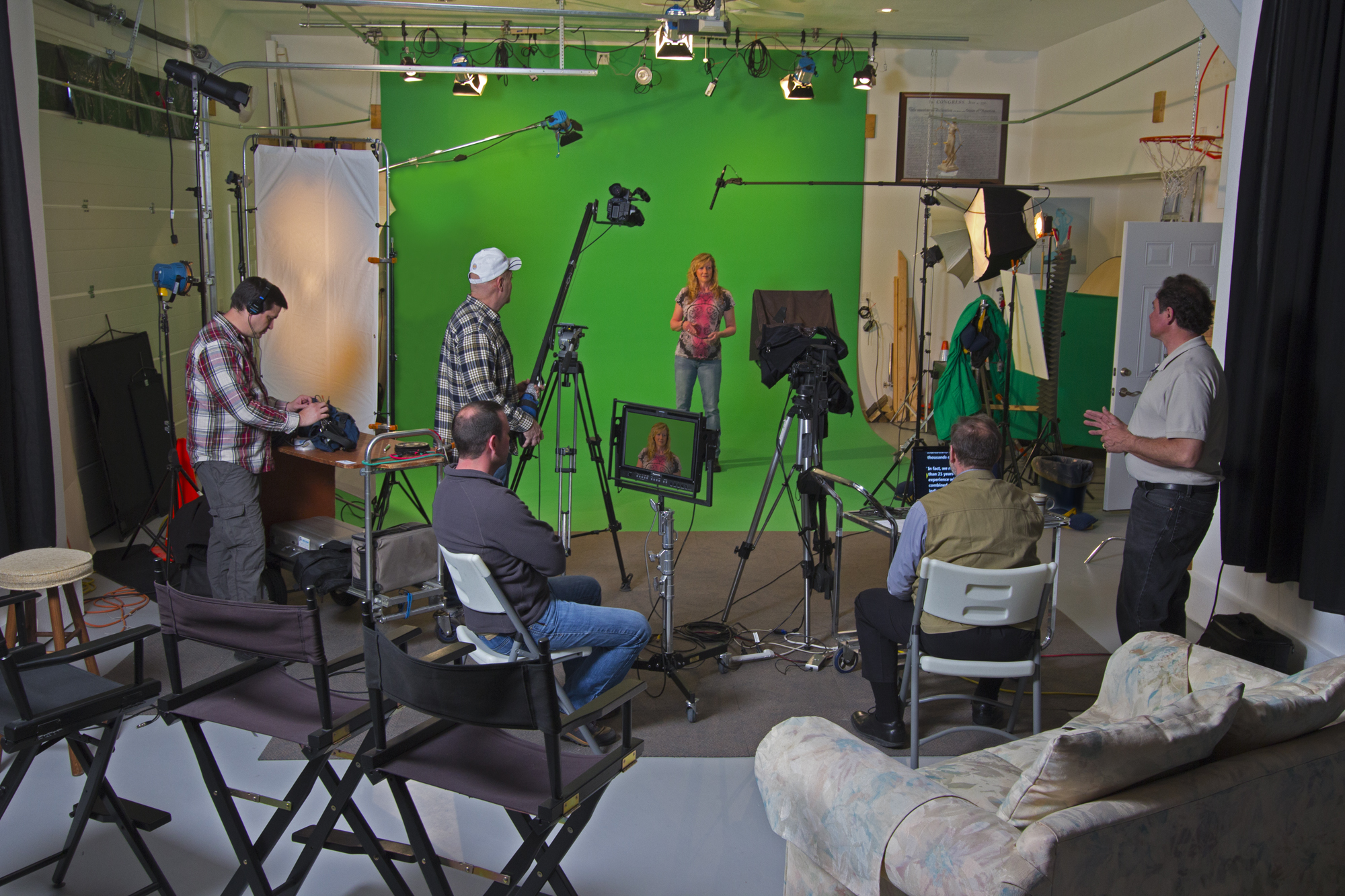
A controlled video production studio offers consistent lighting, predictable acoustics, and efficient production conditions. Location video production allows organizations to showcase their employees, facilities, products, and services in authentic business environments.
Experienced professional video crews understand how to work effectively in both settings.
For marketing directors and corporate communications professionals, selecting the right crew and production approach can improve video quality, minimize unnecessary costs, and create more versatile visual content.
Why Experienced Professional Camera Crews Make a Difference
Modern video cameras offer remarkable image quality, but professional equipment alone does not guarantee successful results.
An experienced camera operator understands exposure, lens selection, composition, camera movement, depth of field, color temperature, lighting relationships, and technical recording specifications.
More importantly, professional videographers know how to apply these technical elements to tell a compelling visual story.
A corporate interview requires different camera techniques than an industrial facility tour, executive presentation, commercial advertisement, or promotional documentary.
Experienced video crews adapt their equipment and shooting methods to the specific requirements of each assignment.
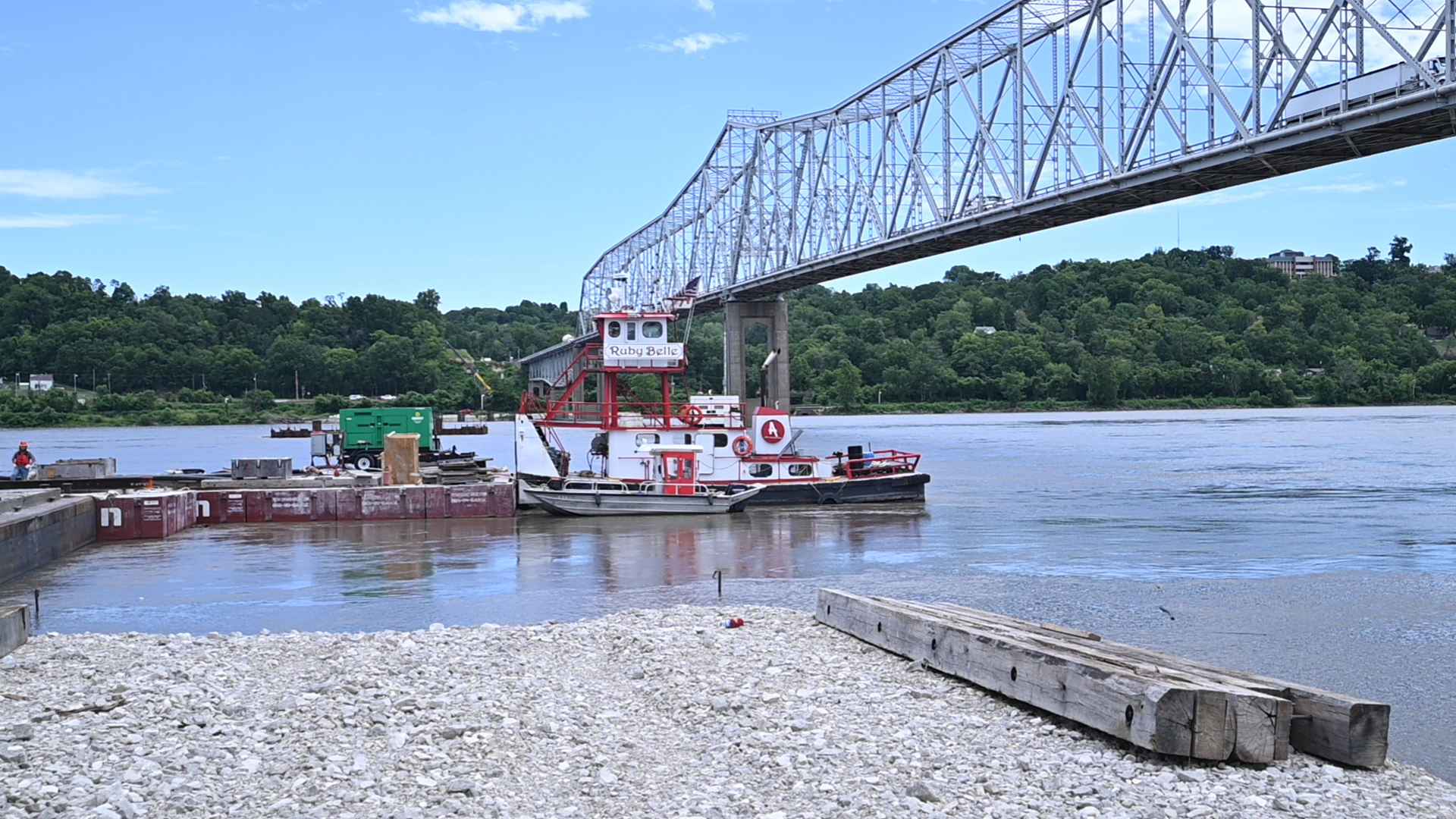
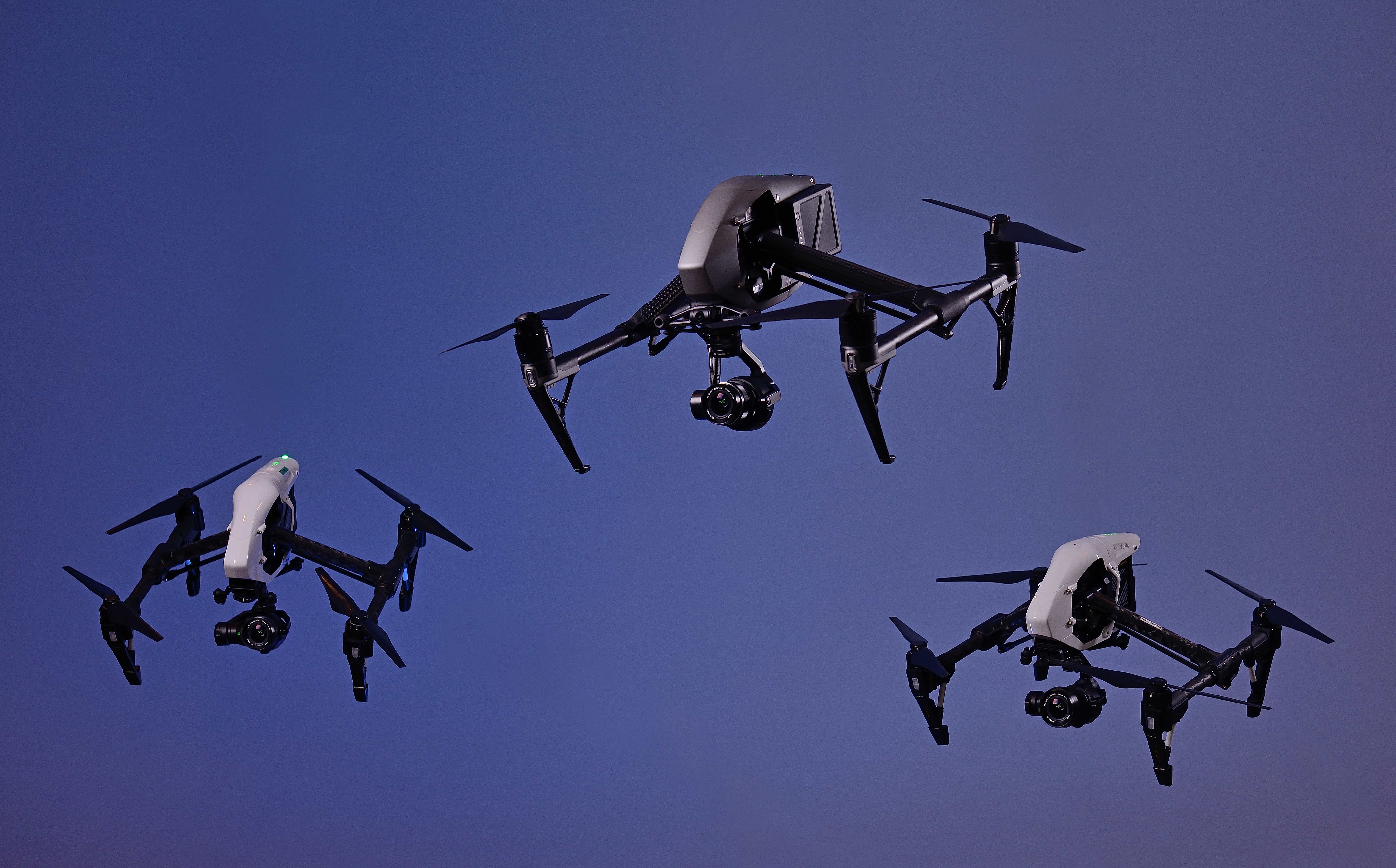
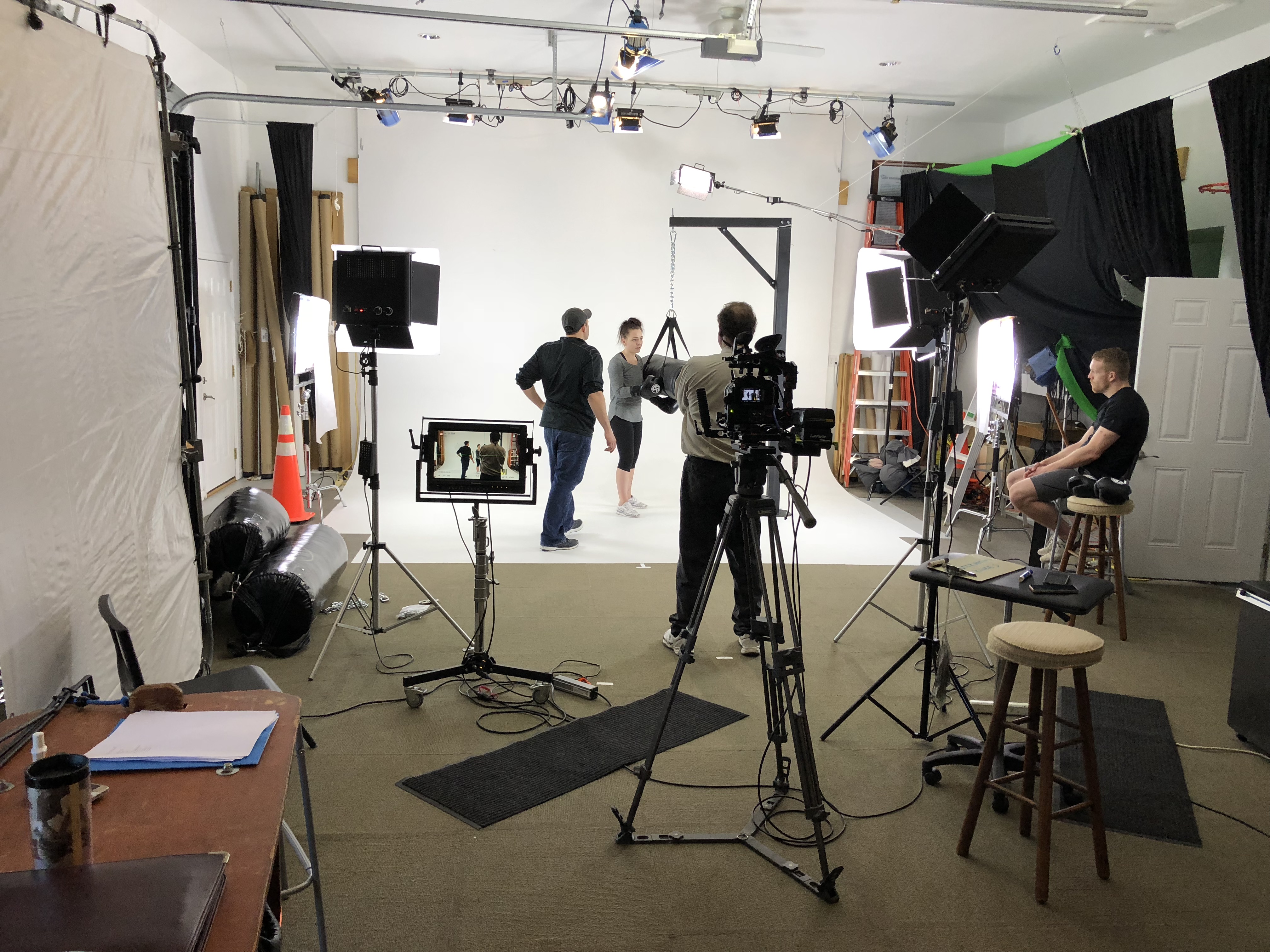
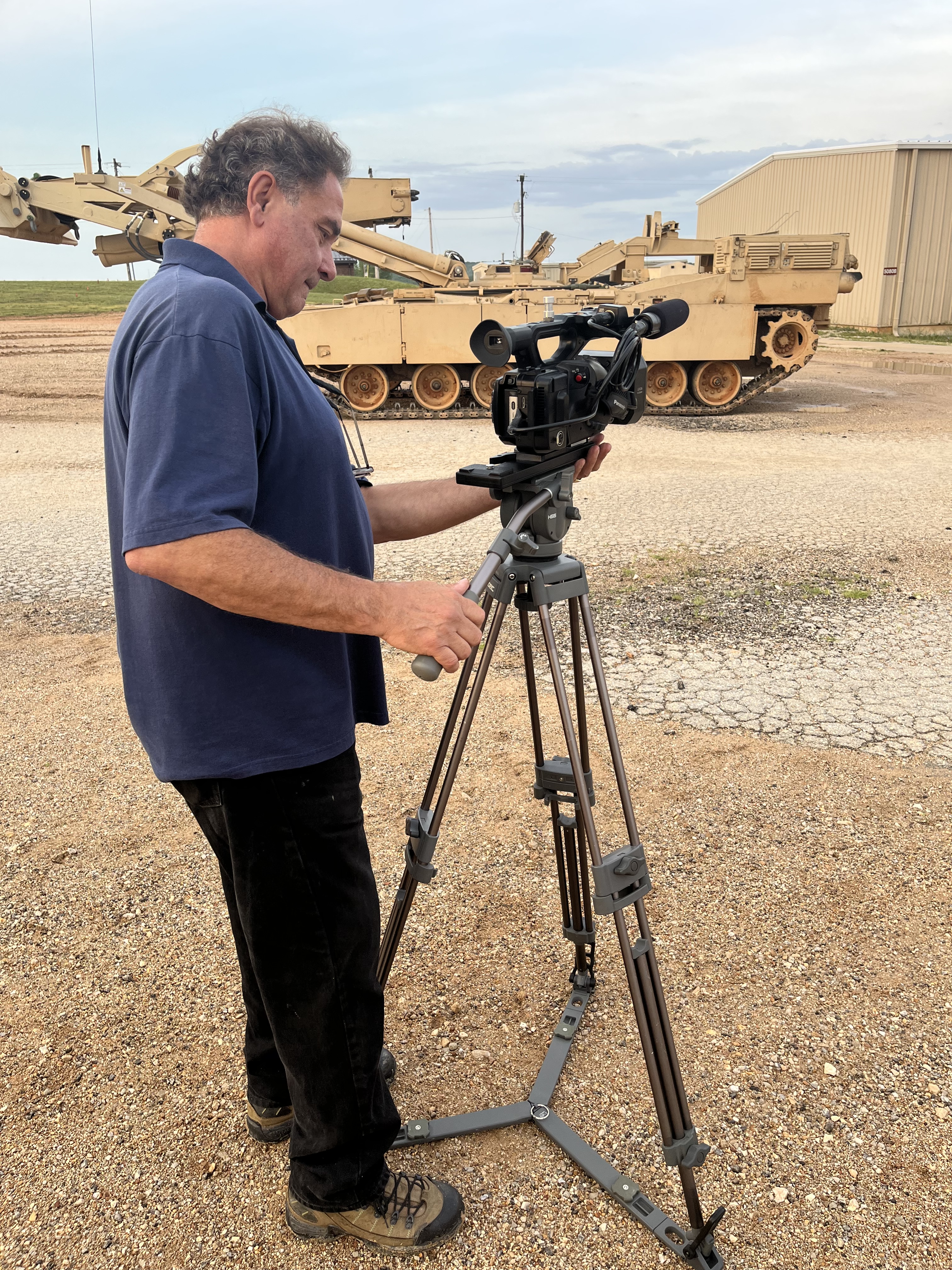
Professional Camera Operators Understand Visual Communication
Commercial video production requires more than simply recording what happens in front of the lens.
Camera operators make continuous decisions about subject placement, framing, backgrounds, movement, perspective, and visual continuity.
These decisions influence how audiences interpret a company’s message.
For example, an executive interview intended to communicate authority and credibility may benefit from carefully controlled lighting, a flattering camera angle, and a professional background.
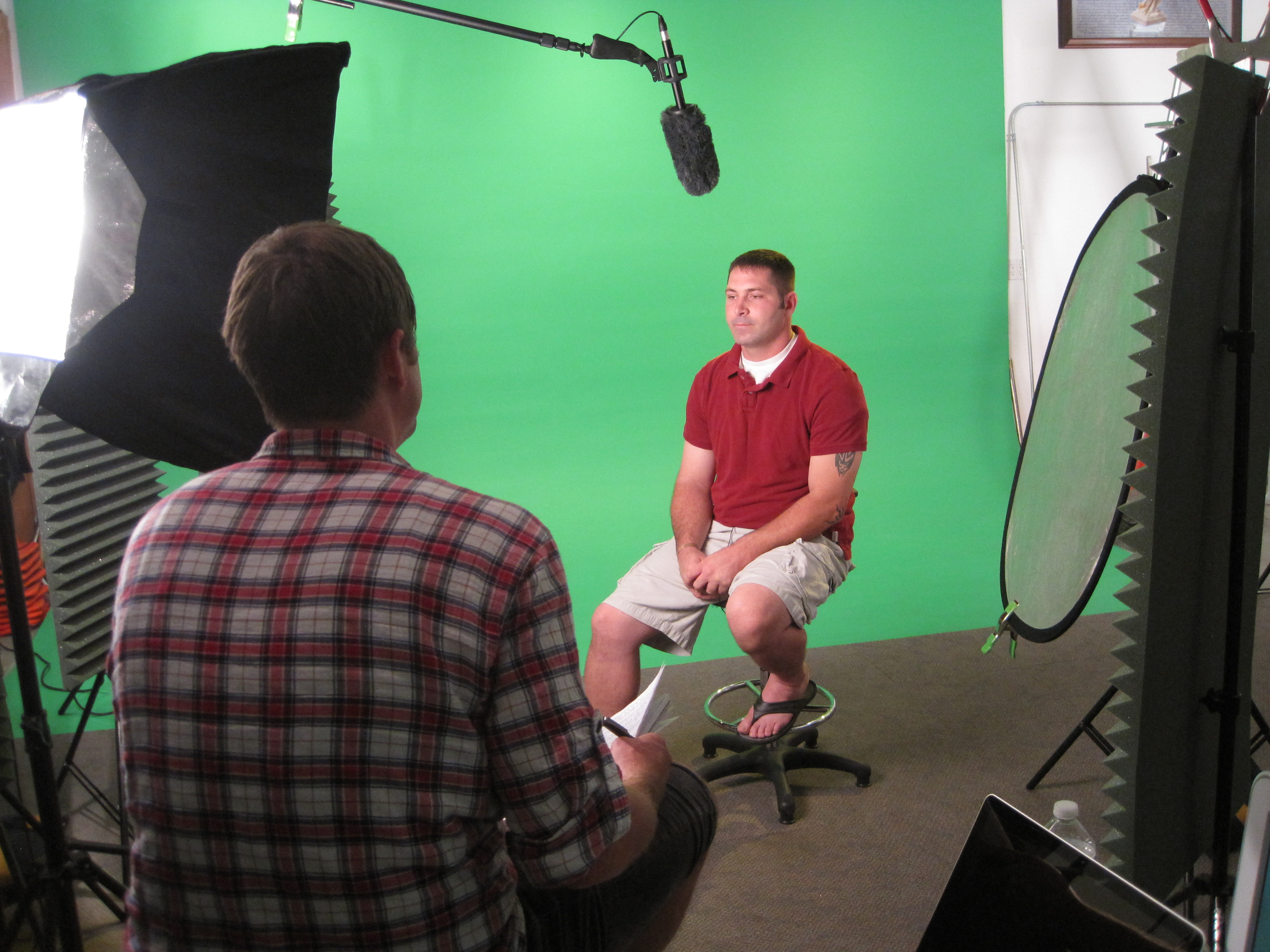
A recruitment video, by comparison, may emphasize natural camera movement, employee interactions, and authentic workplace activities to communicate company culture.
Professional crews understand these differences and make creative decisions that support the communication objective.
Studio Video Production: Consistency, Control, and Efficiency
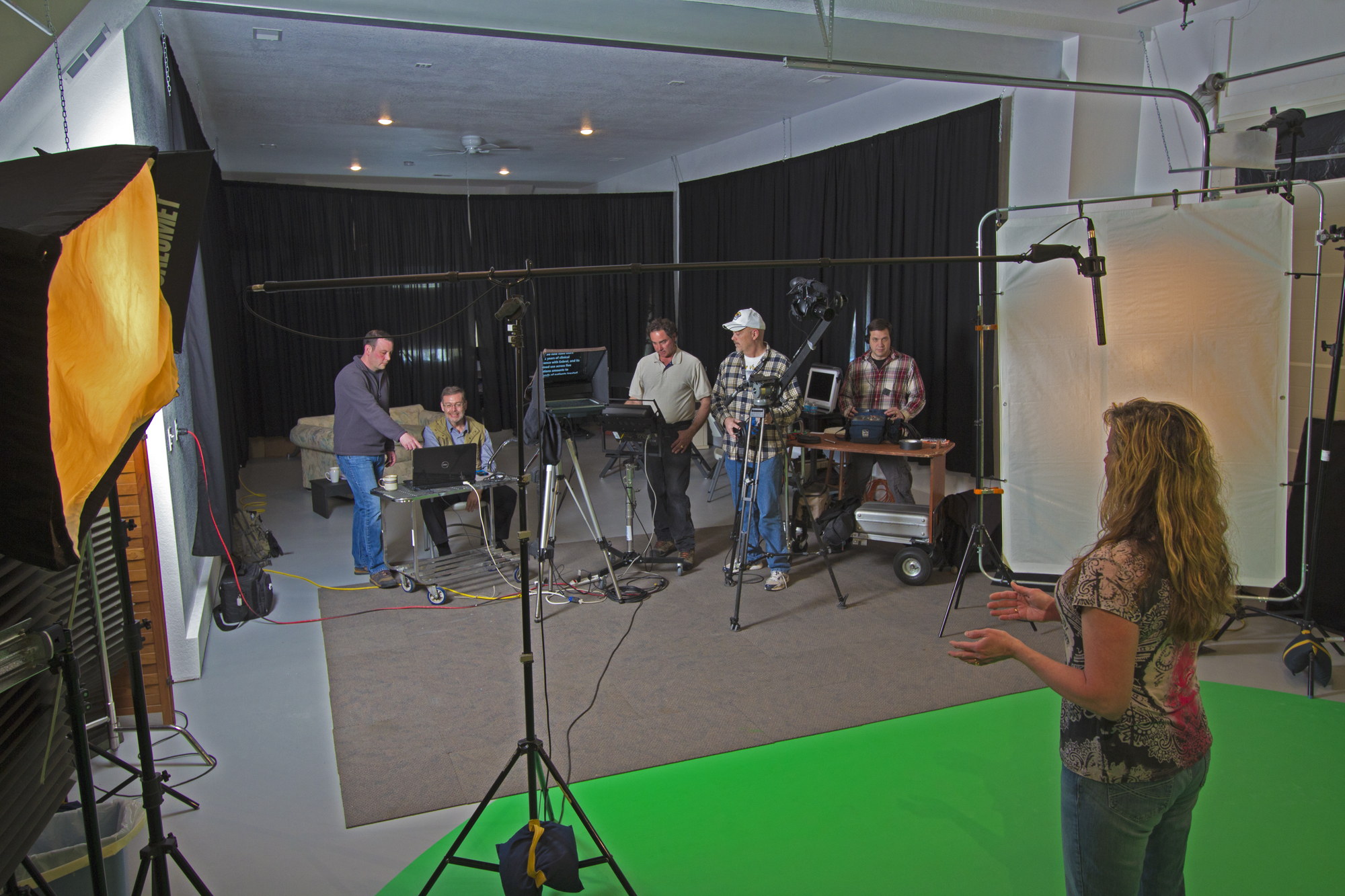
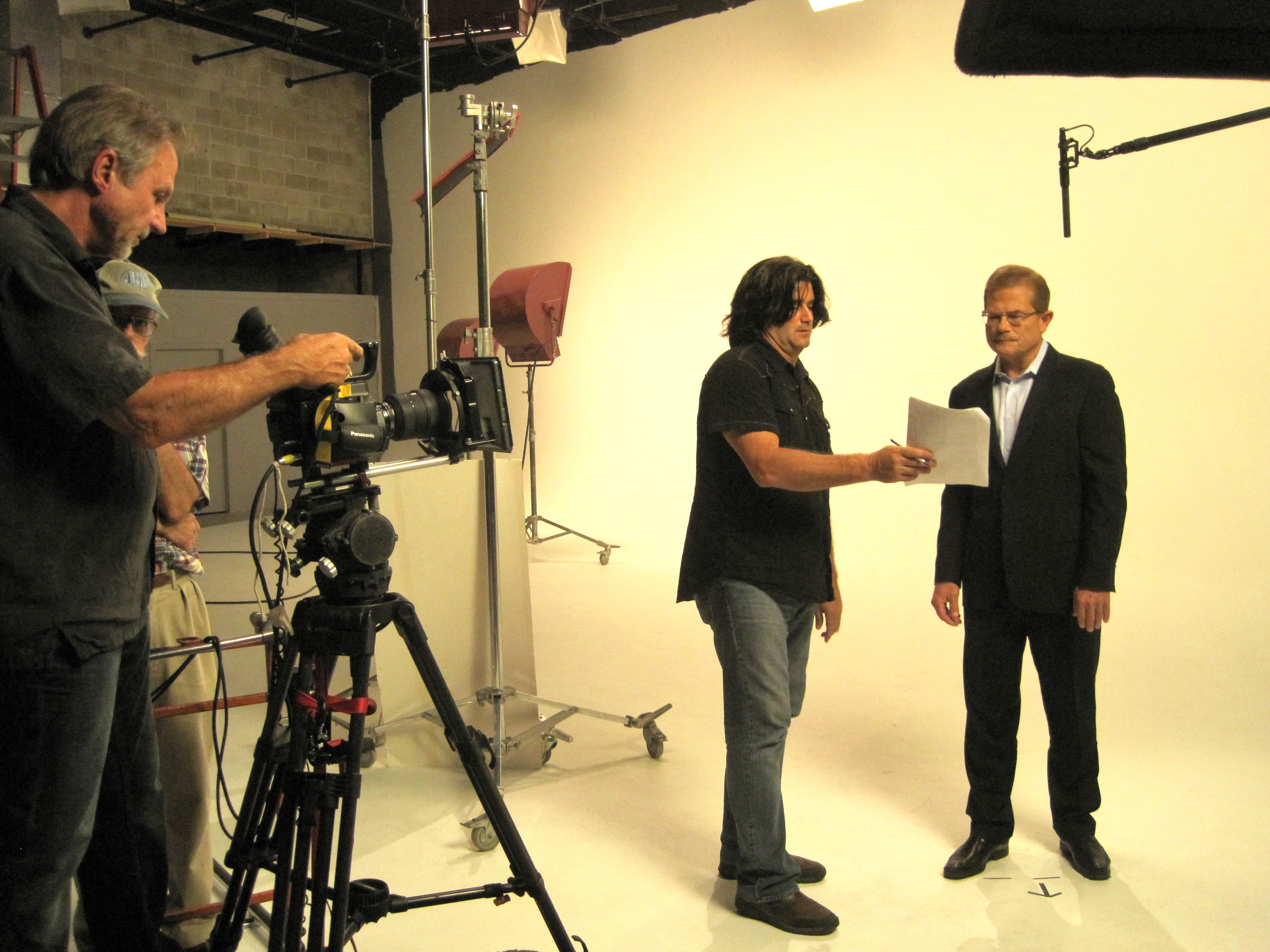
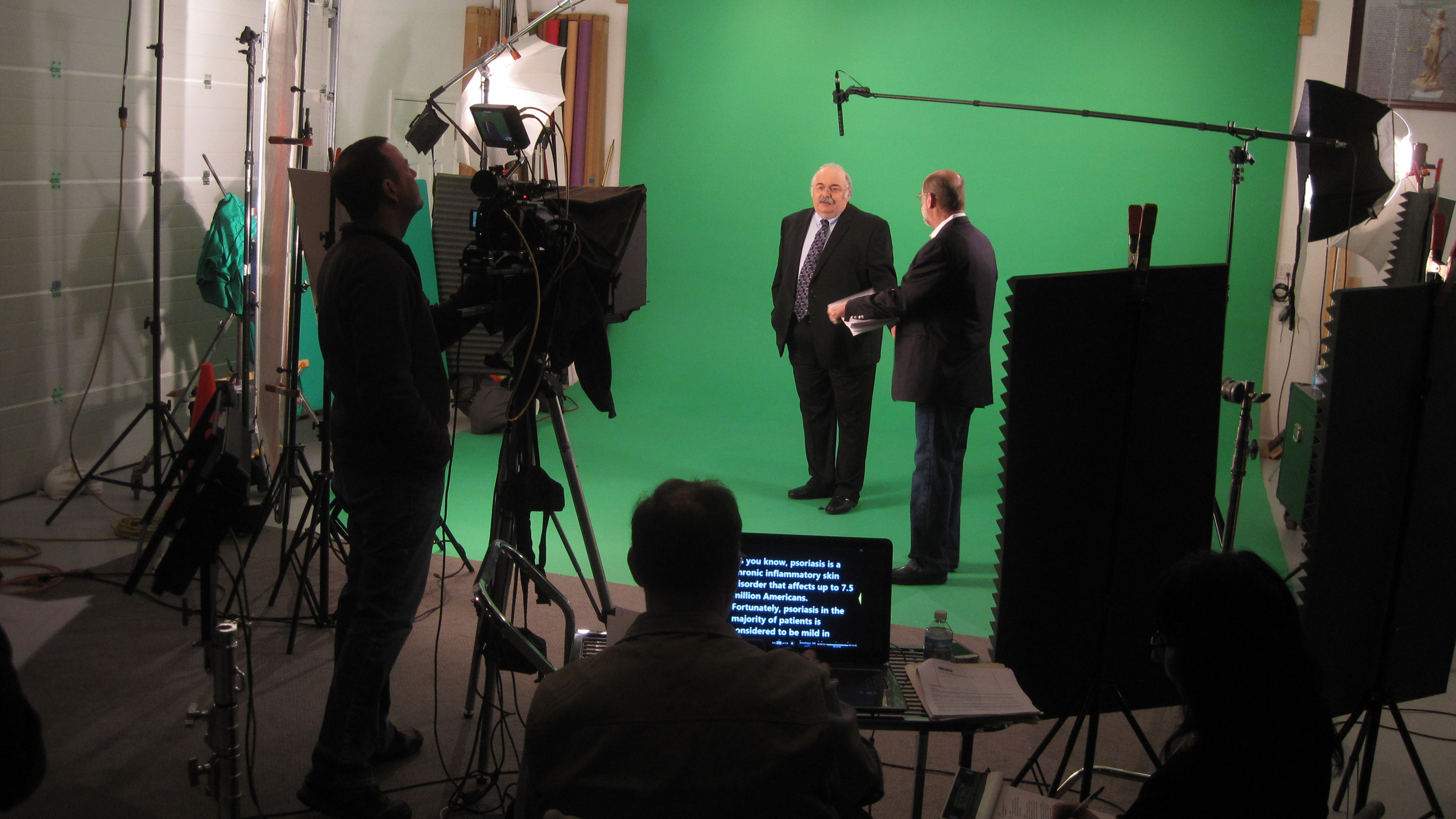
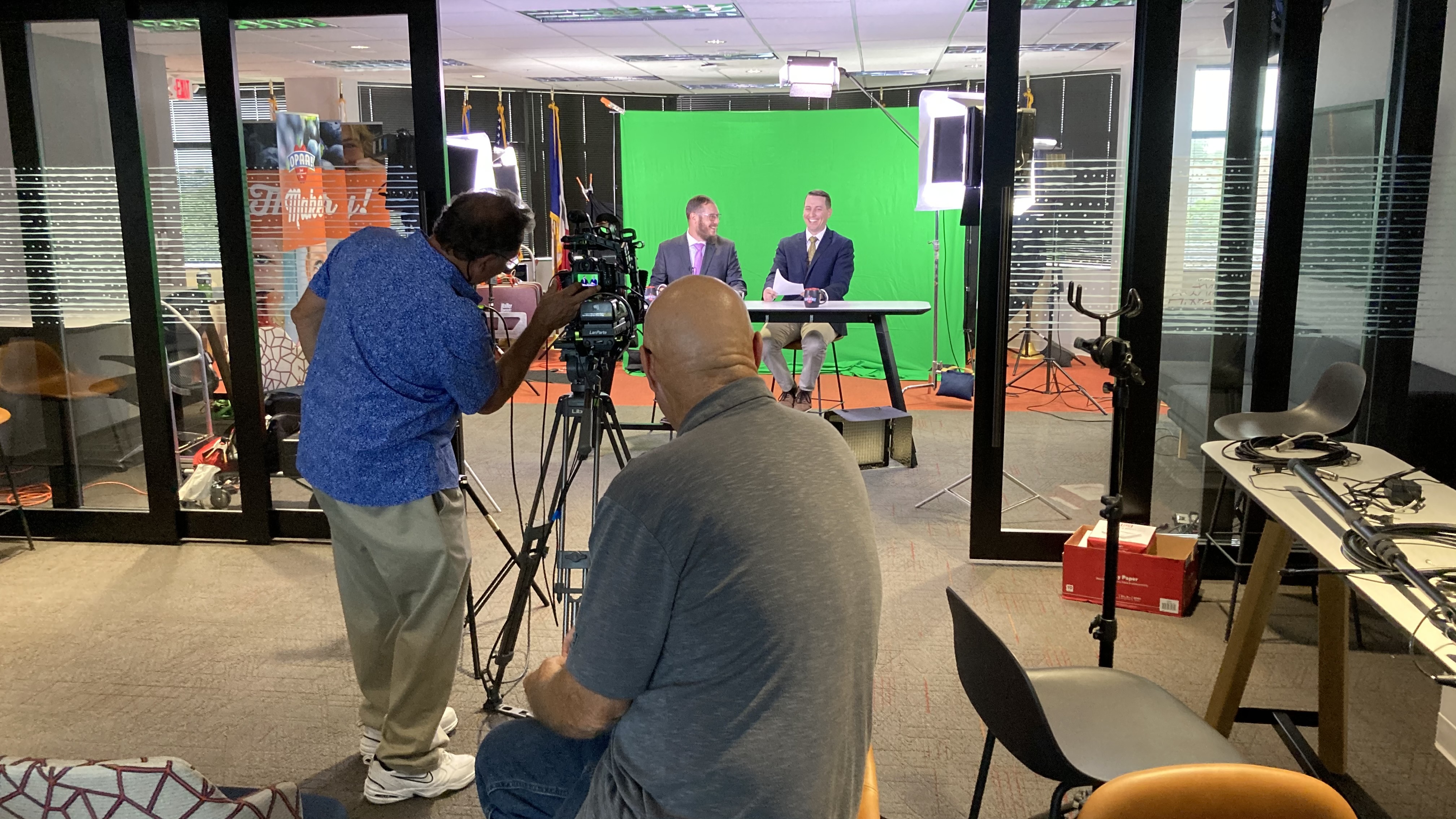
A professionally equipped video studio provides significant advantages for many commercial productions.
Unlike active offices, conference rooms, manufacturing facilities, or outdoor environments, a controlled studio allows production crews to manage lighting, camera placement, backgrounds, and sound with greater precision.
This is particularly valuable for organizations producing executive interviews, employee training videos, corporate presentations, product demonstrations, and digital marketing content.
Professional Studio Lighting
Lighting establishes the visual character of a video production.
Experienced lighting technicians understand how to create dimension, control highlights, manage shadows, balance skin tones, and separate subjects from their backgrounds.
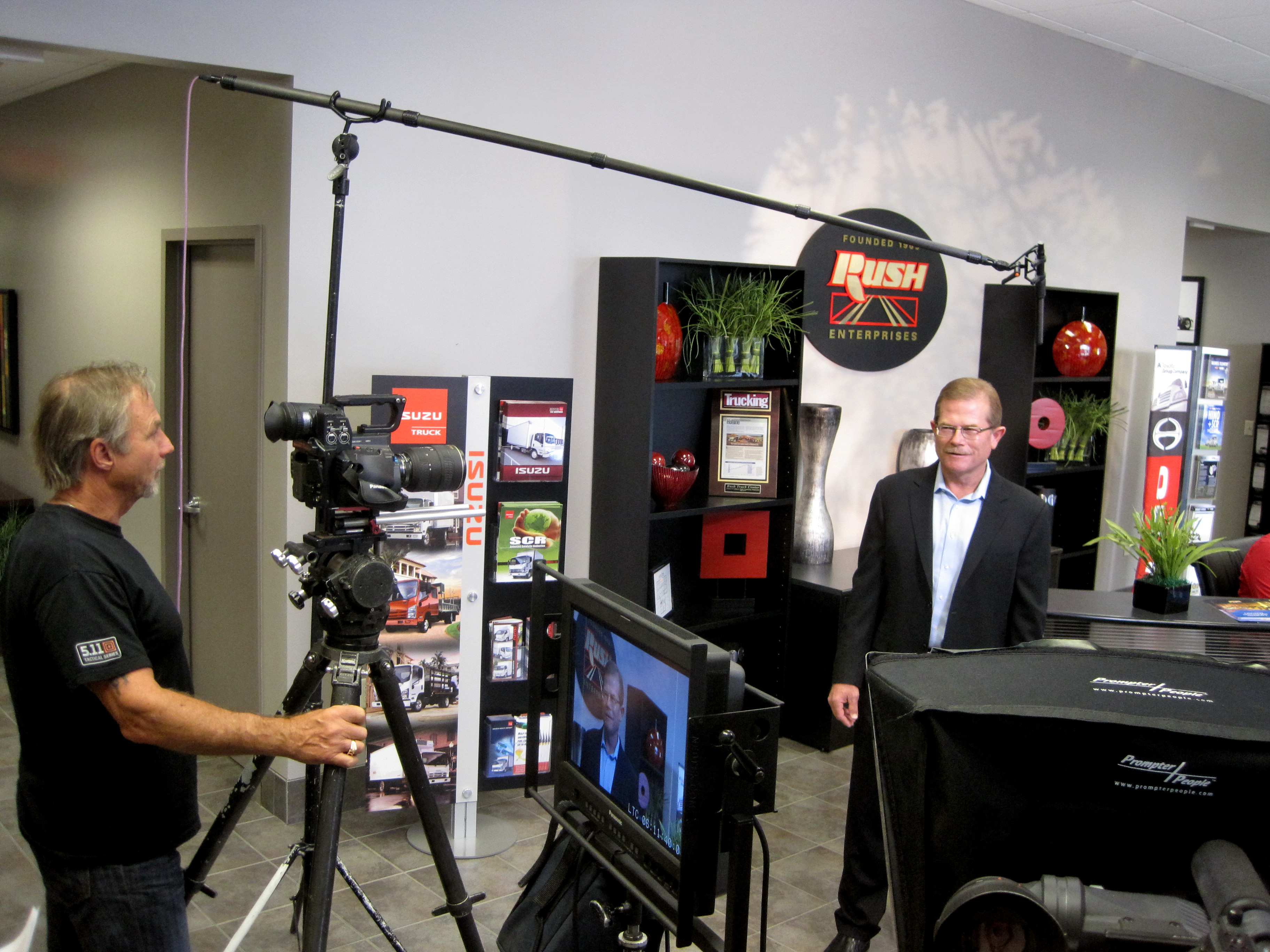
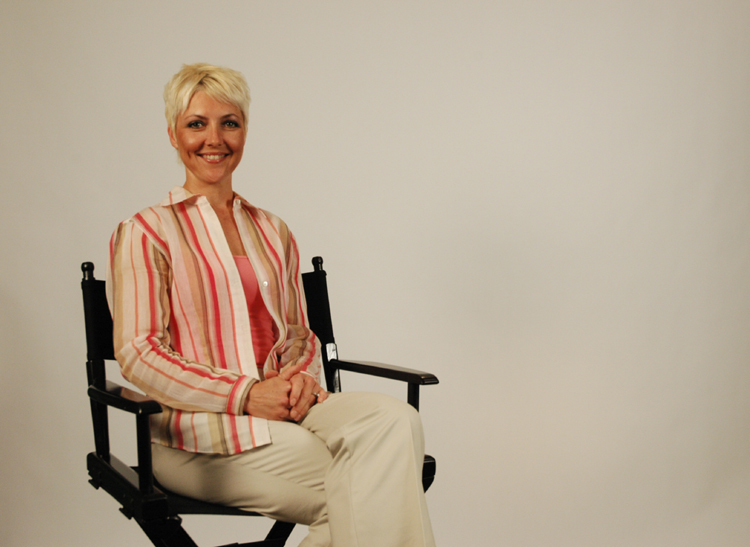
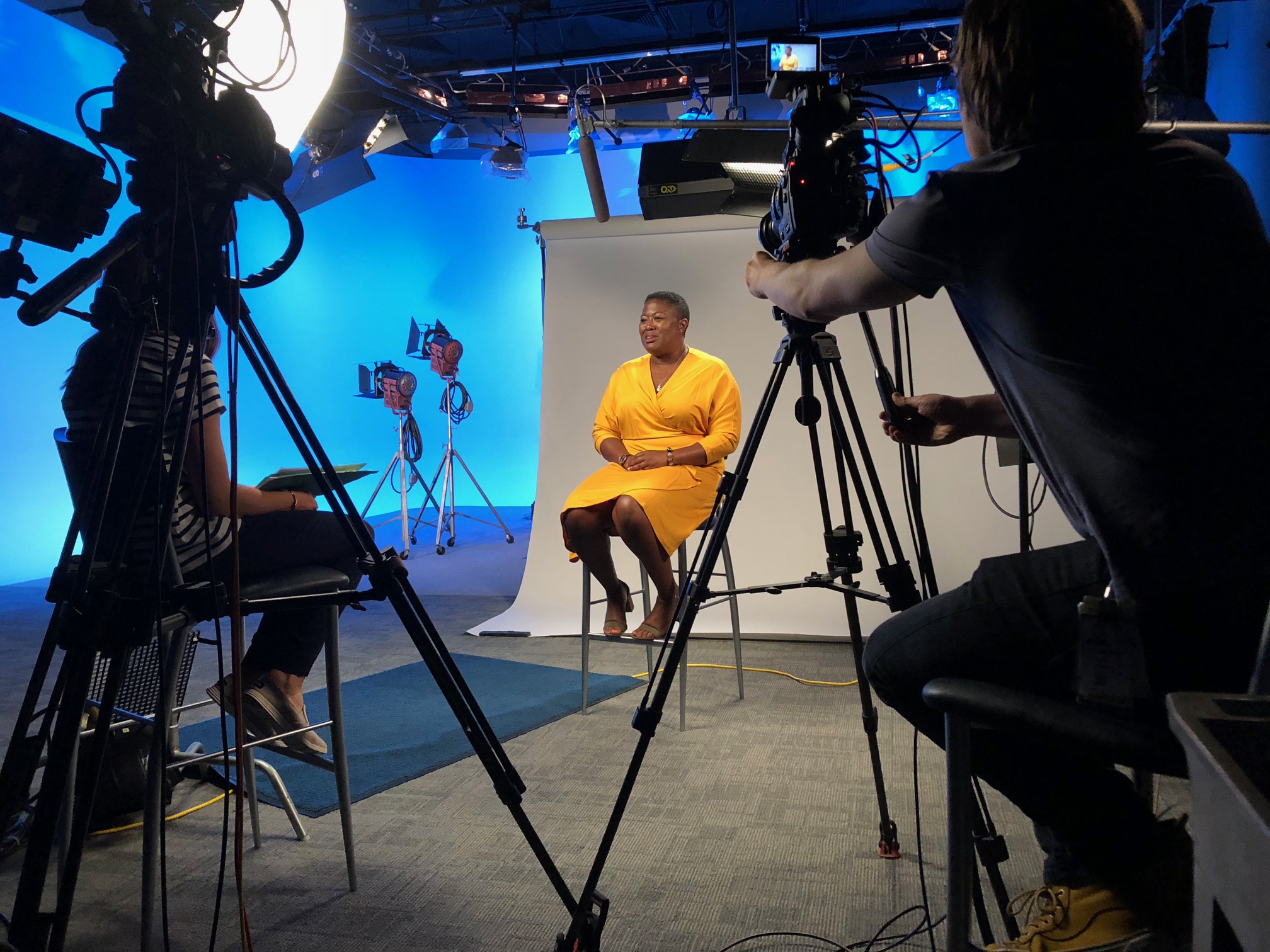
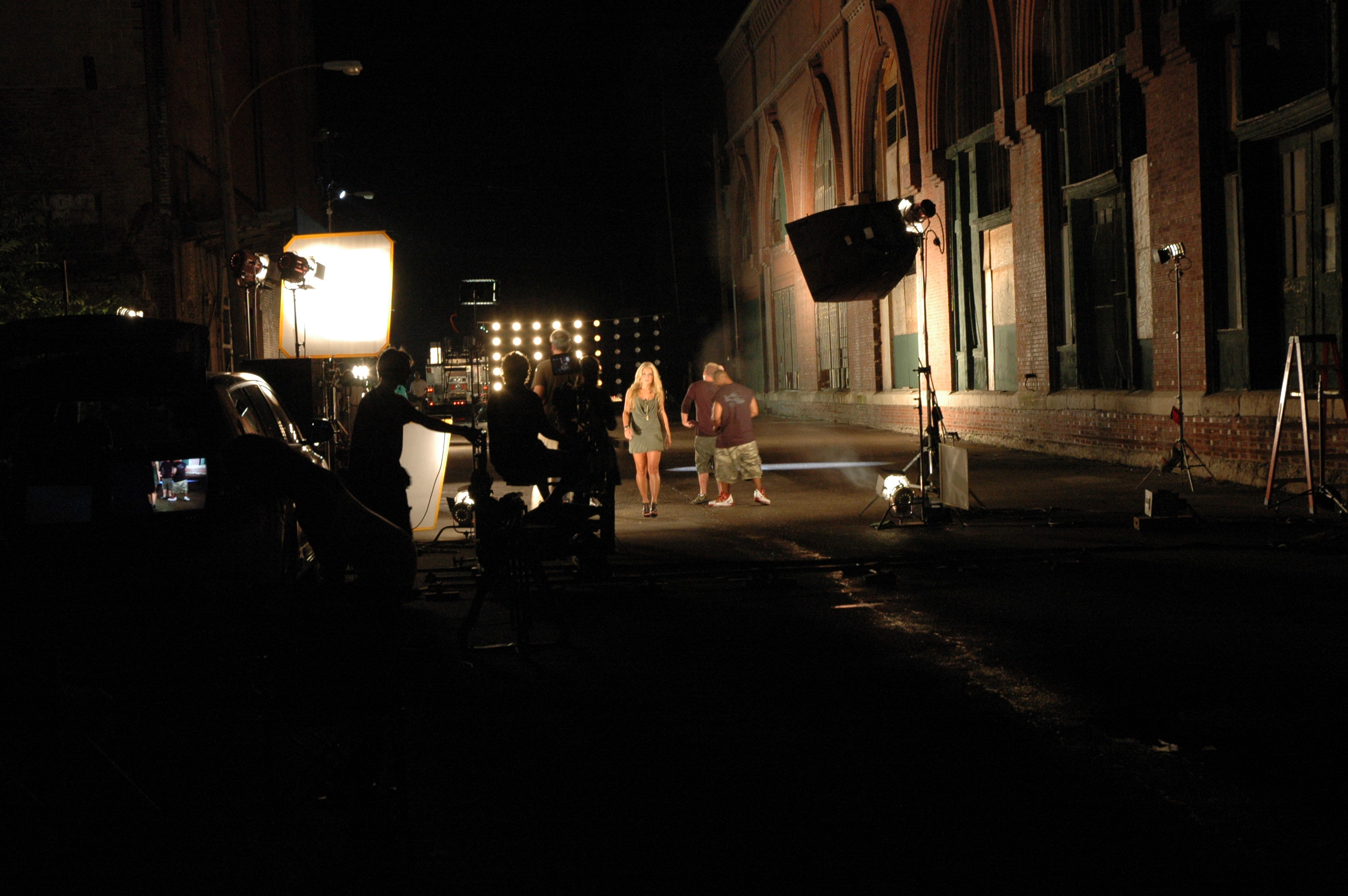
Professional studio lighting systems can be adjusted for different subjects and repeated across multiple recording sessions.
This consistency is especially important when companies produce a series of interviews or training videos over an extended period.
A Private Environment for Corporate Interviews
Executives, employees, and customers often feel more comfortable speaking on camera in a private, professional environment.
A dedicated video studio eliminates many distractions associated with busy workplaces.
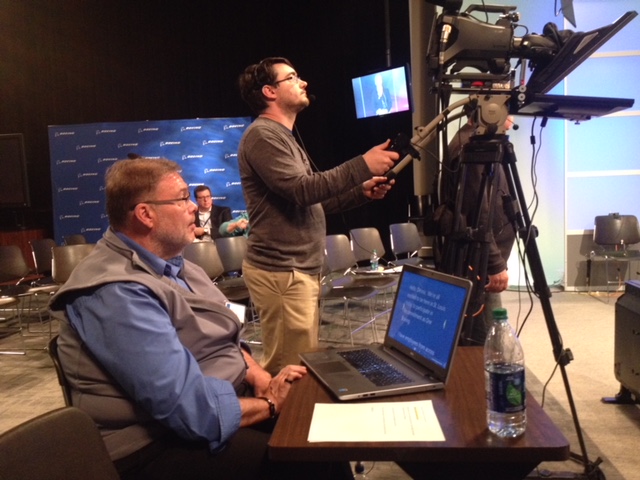
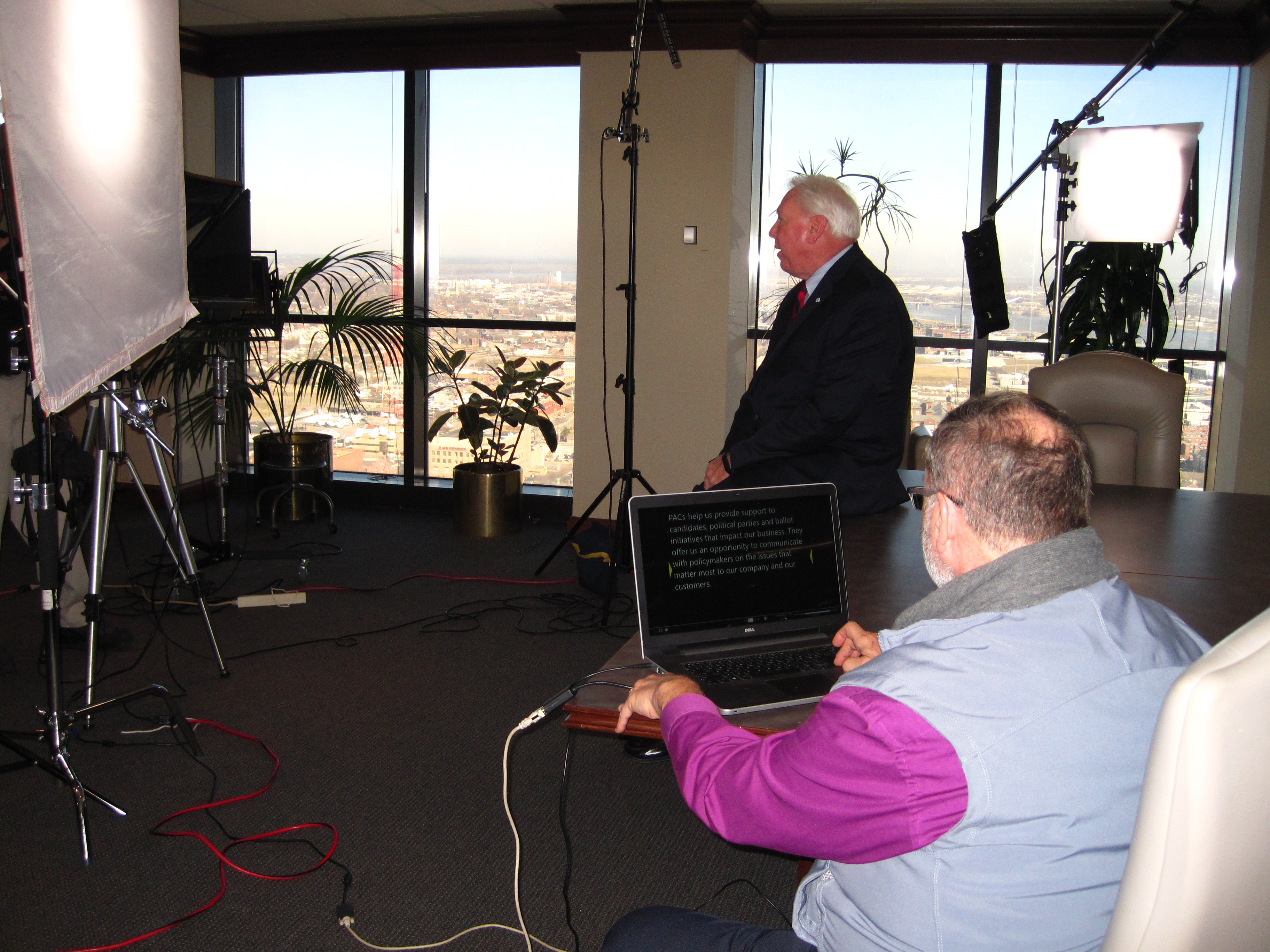
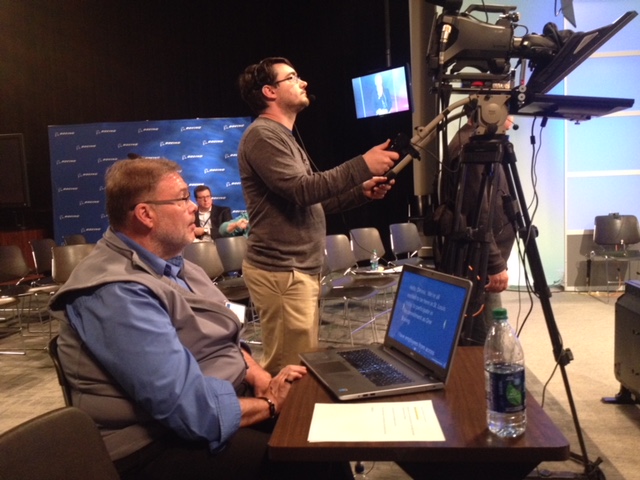
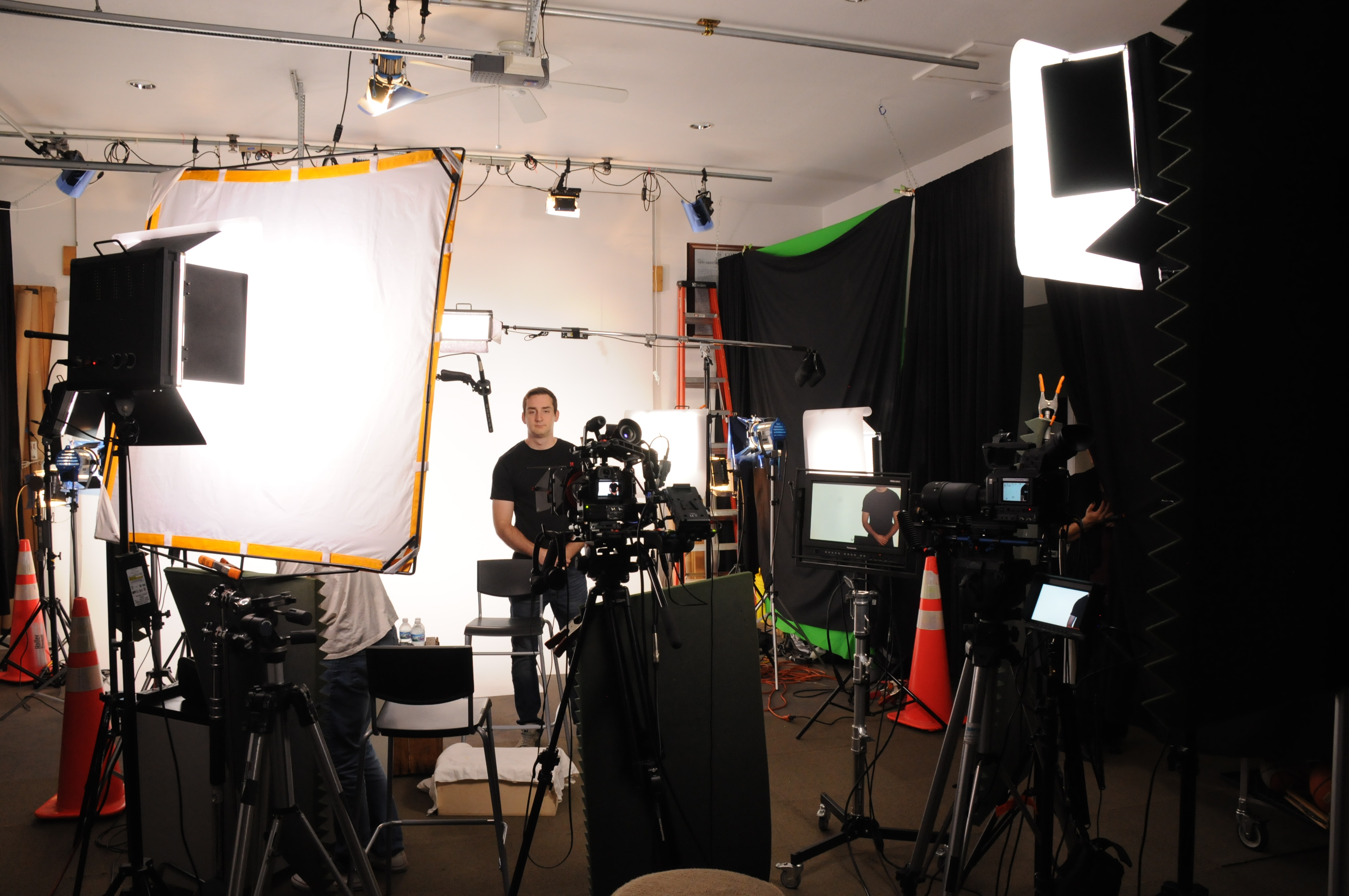
It also allows production crews to organize camera equipment, lighting, microphones, teleprompters, monitors, and background elements before participants arrive.
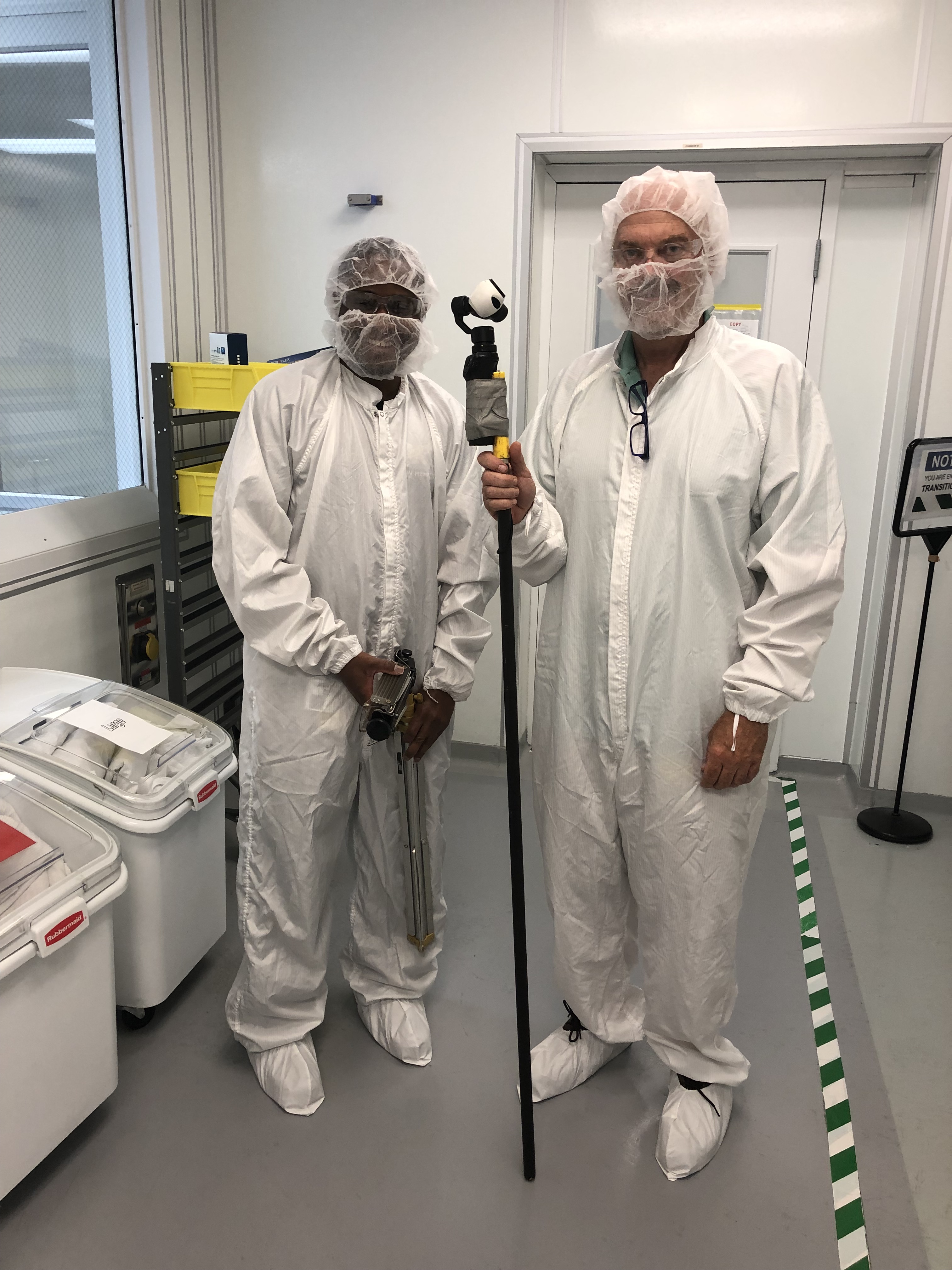
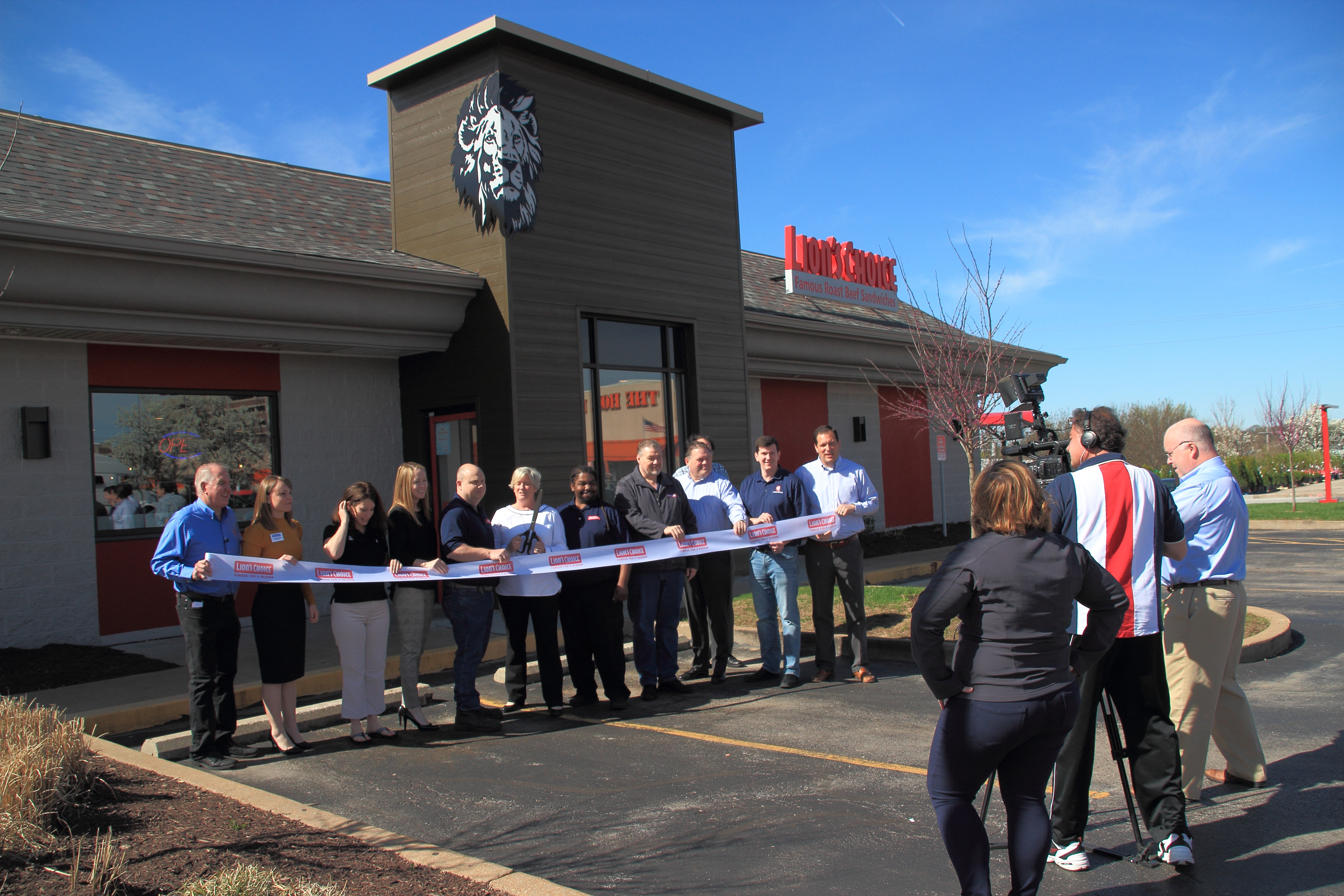
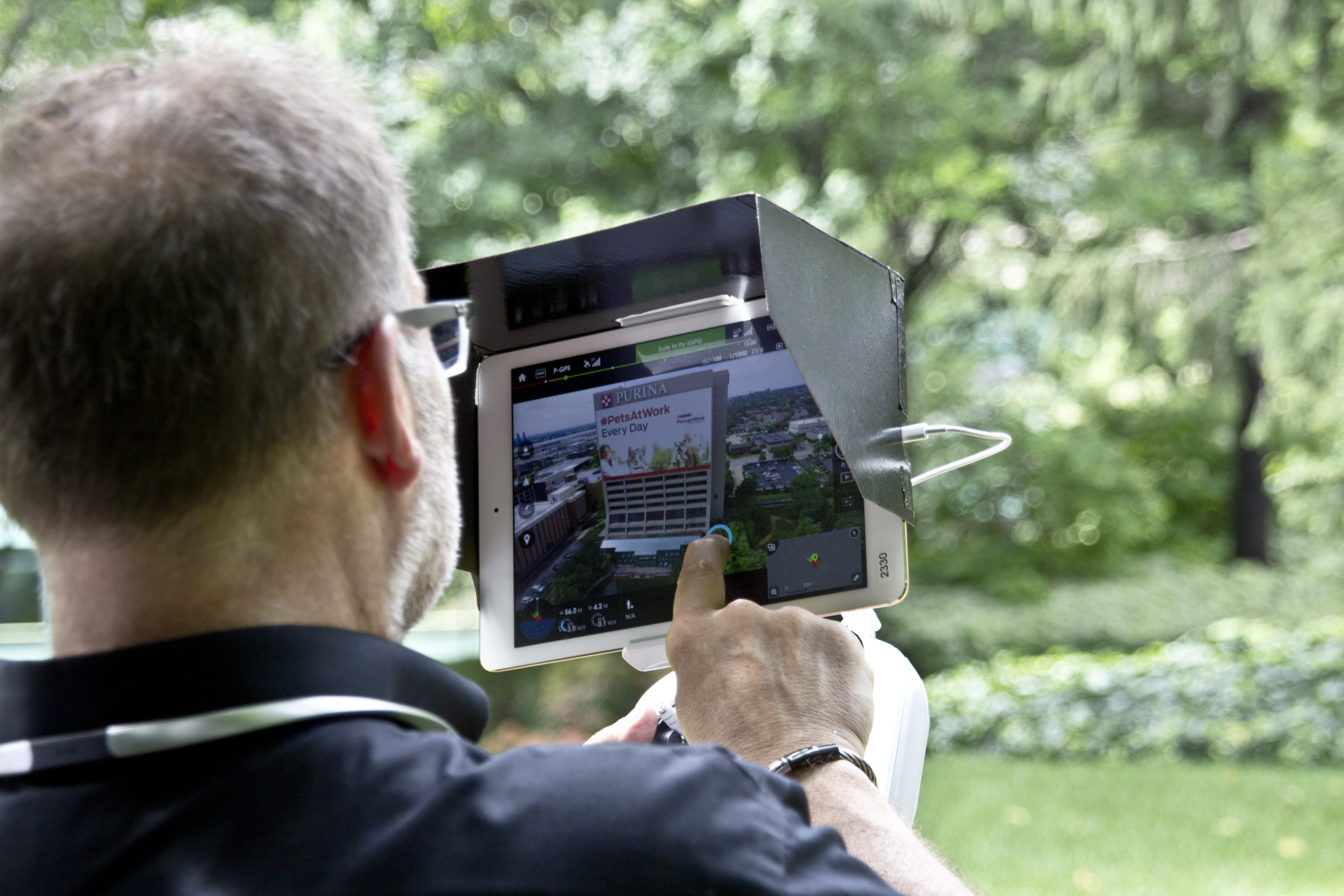
The result is a more organized recording experience that makes better use of executive and employee time.
Custom Interview Sets and Backgrounds
Professional video studios offer opportunities to create customized visual environments.
Furniture, props, practical lighting, corporate branding, and background elements can establish a specific appearance consistent with the company’s marketing objectives.
An executive interview may require a sophisticated business setting, while a training video might benefit from a simpler presentation environment.
A well-equipped studio provides the flexibility to create different looks without relocating the entire production.
When Location Video Production Is the Better Approach
Not every corporate video should be produced in a studio.
In many cases, the strongest visuals come directly from the environments where businesses operate.
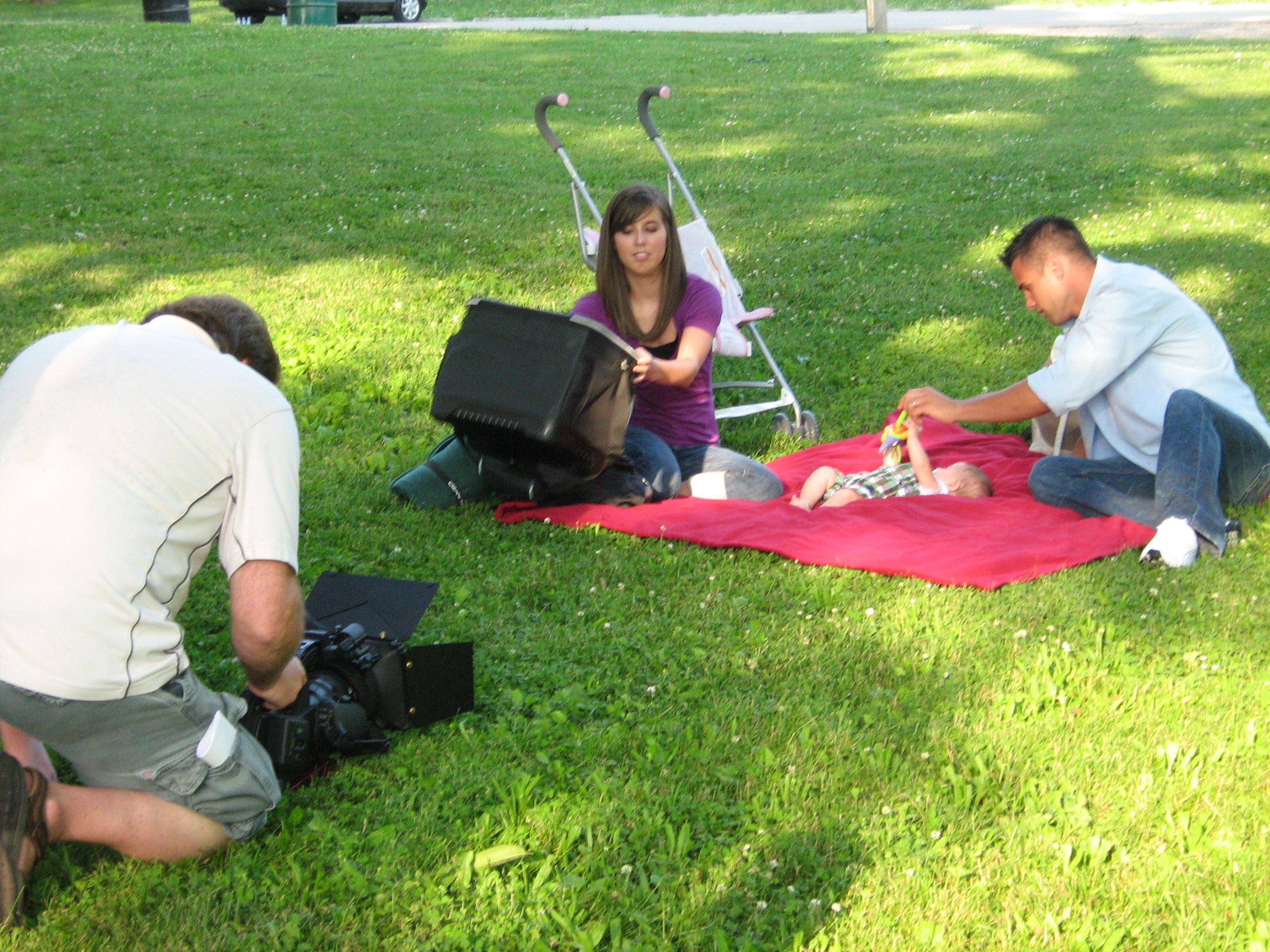
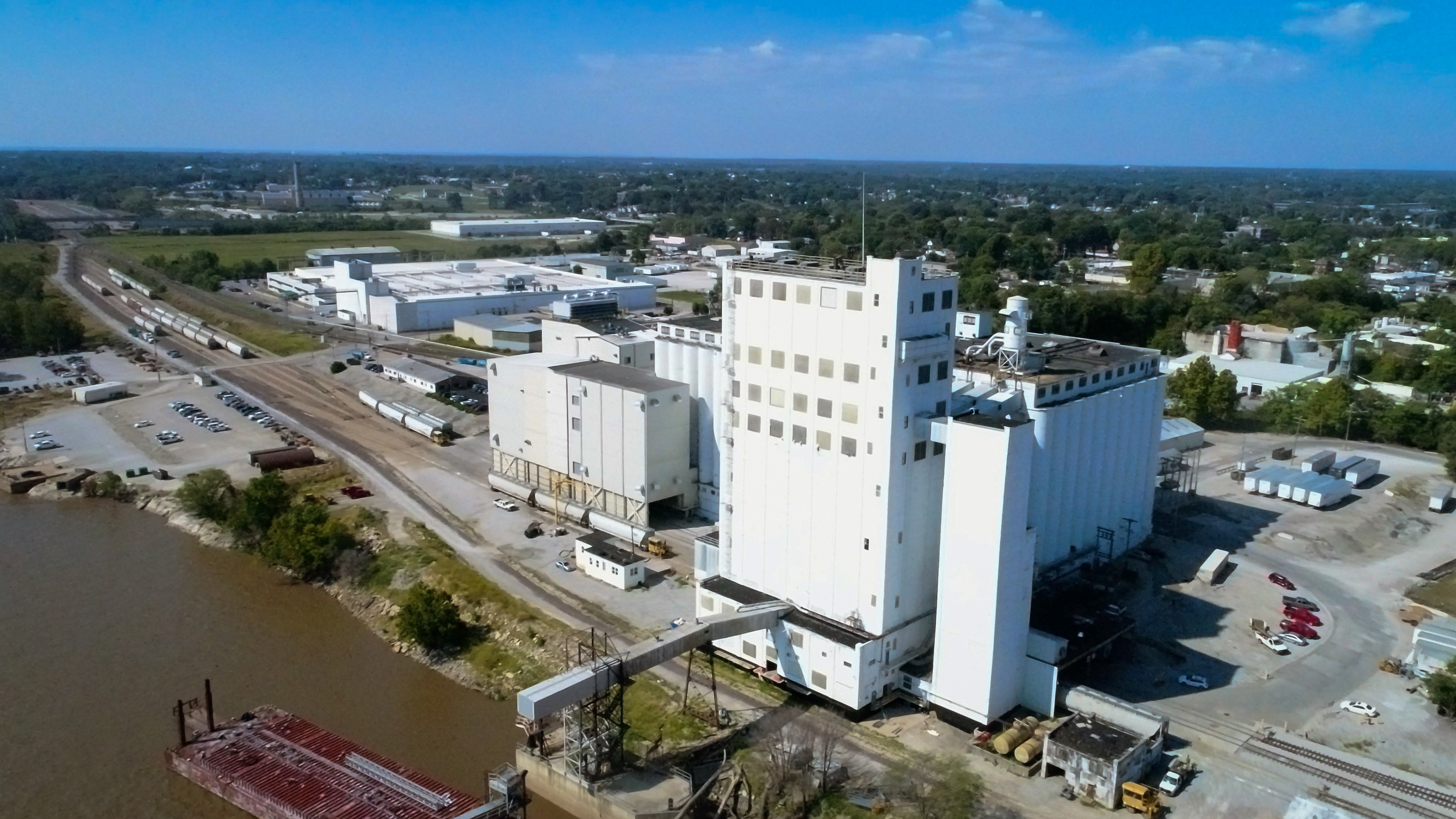
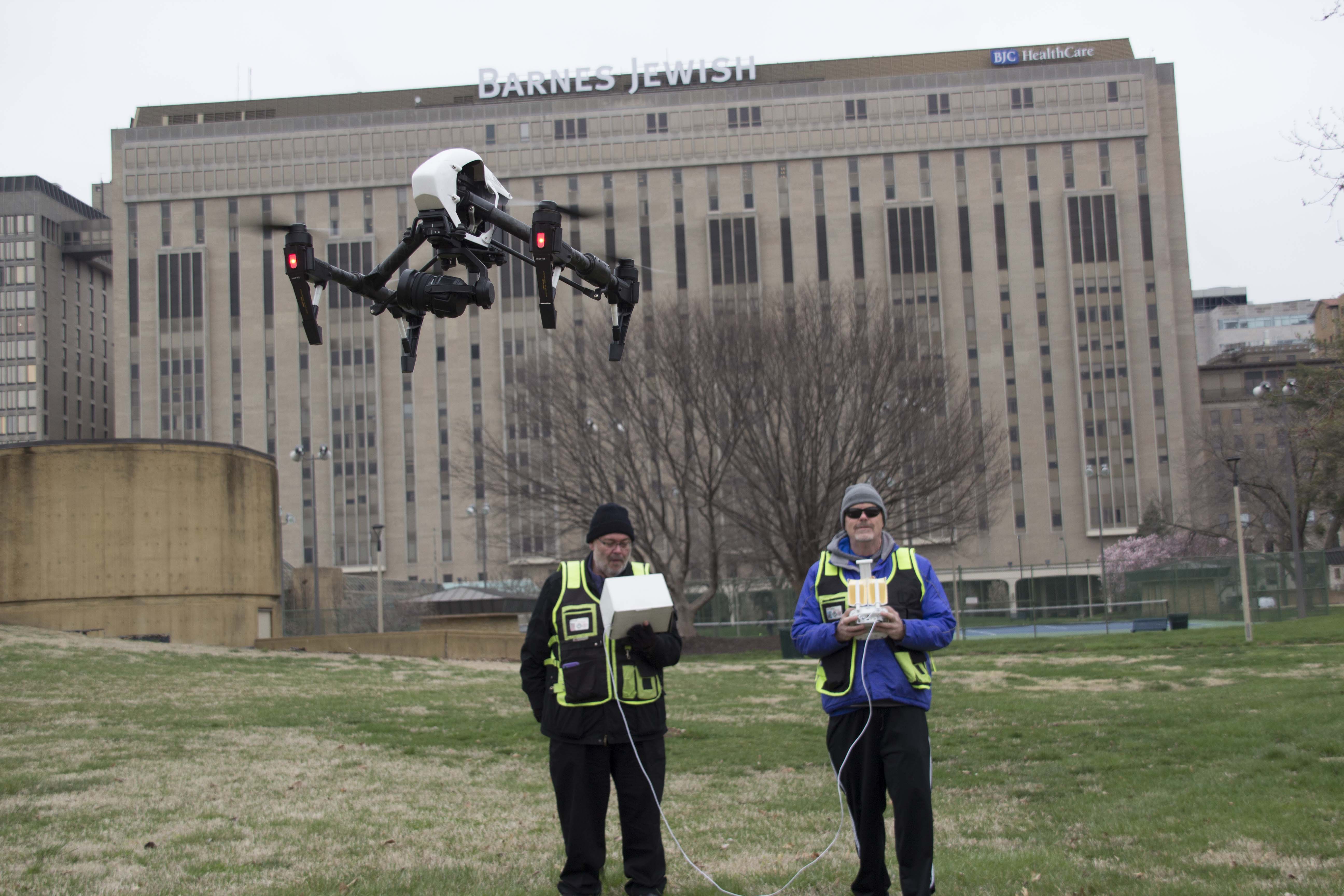
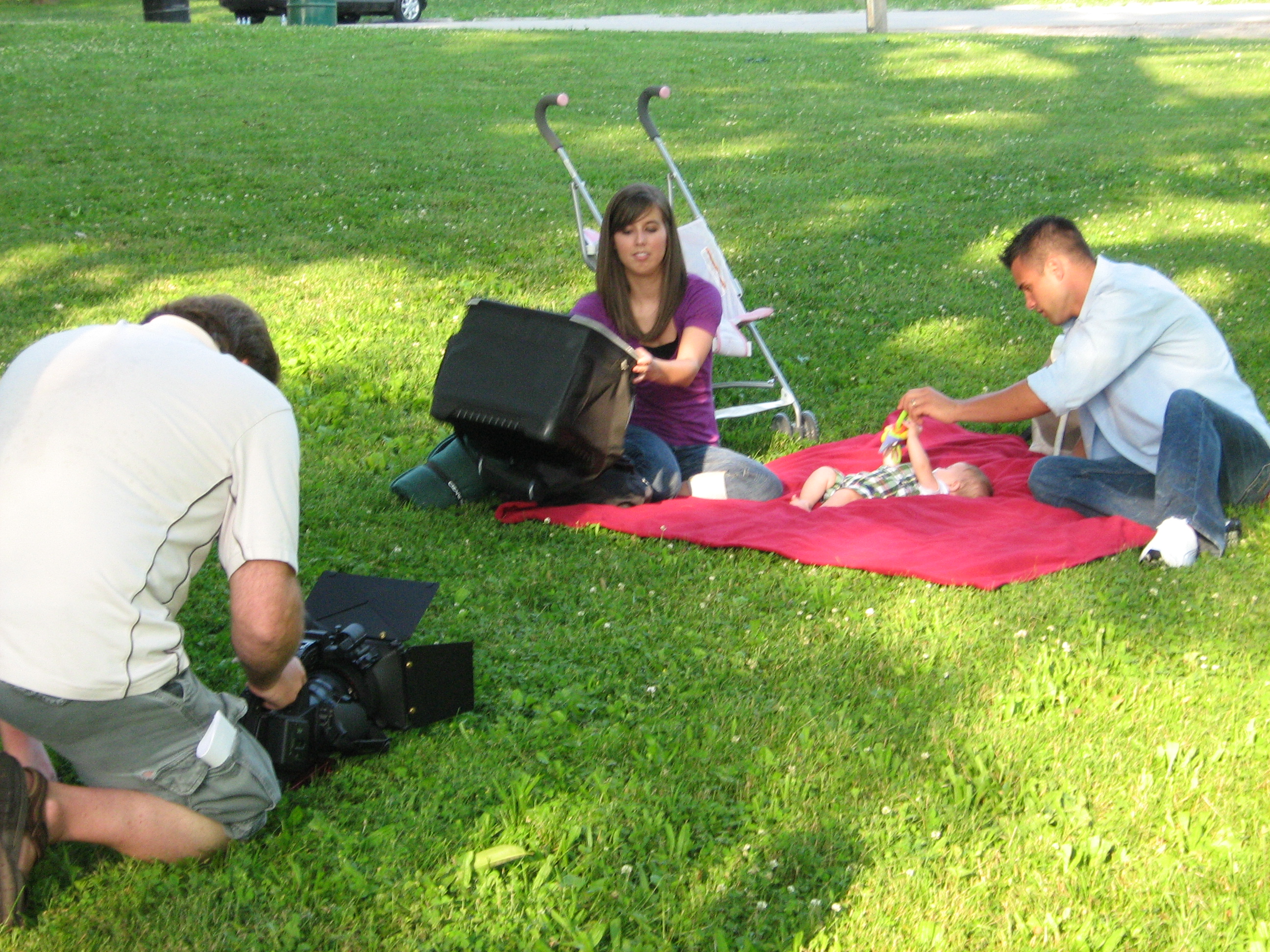
Location video production allows organizations to show their people, facilities, processes, and capabilities in authentic settings.
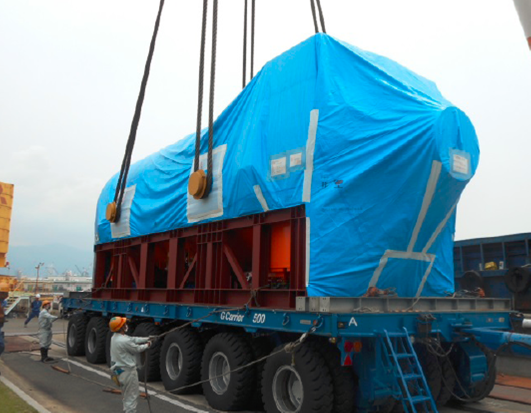
A manufacturing company may want to demonstrate its production systems. A healthcare organization may need to document its facilities and professional staff. A construction company might require footage of active projects and completed developments.
These productions require experienced crews capable of adapting to changing conditions.
Managing Real-World Production Challenges
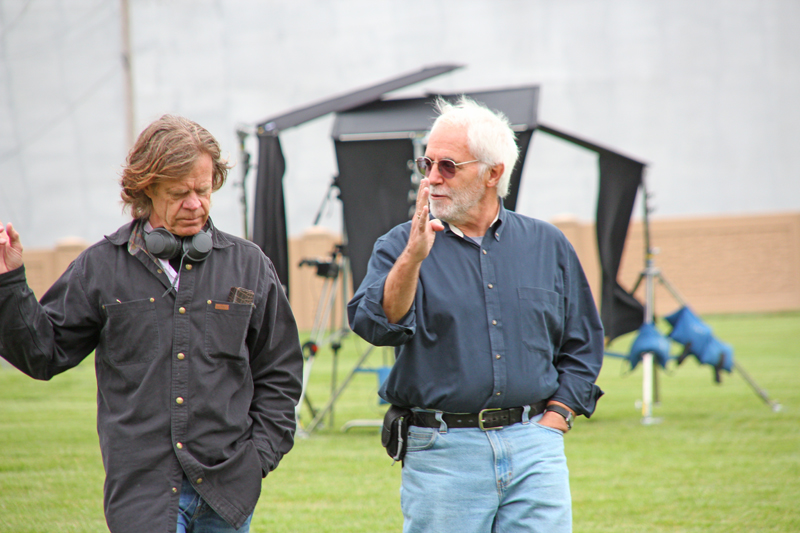
Unlike a controlled studio, location filming introduces variables that can affect video and audio quality.
These include changing daylight, mixed lighting sources, machinery noise, HVAC systems, reflective surfaces, restricted camera positions, limited electrical access, and ongoing business activity.
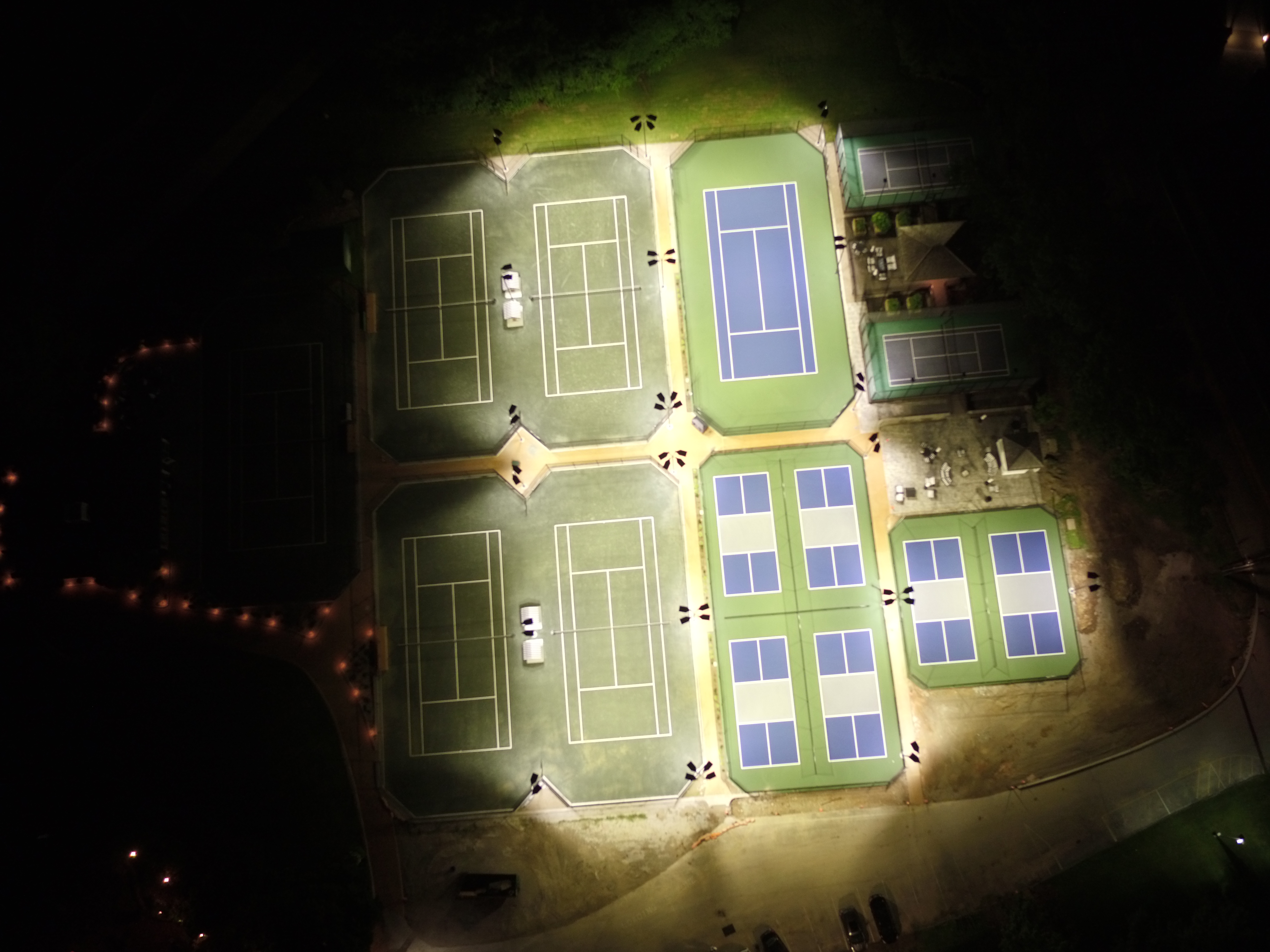

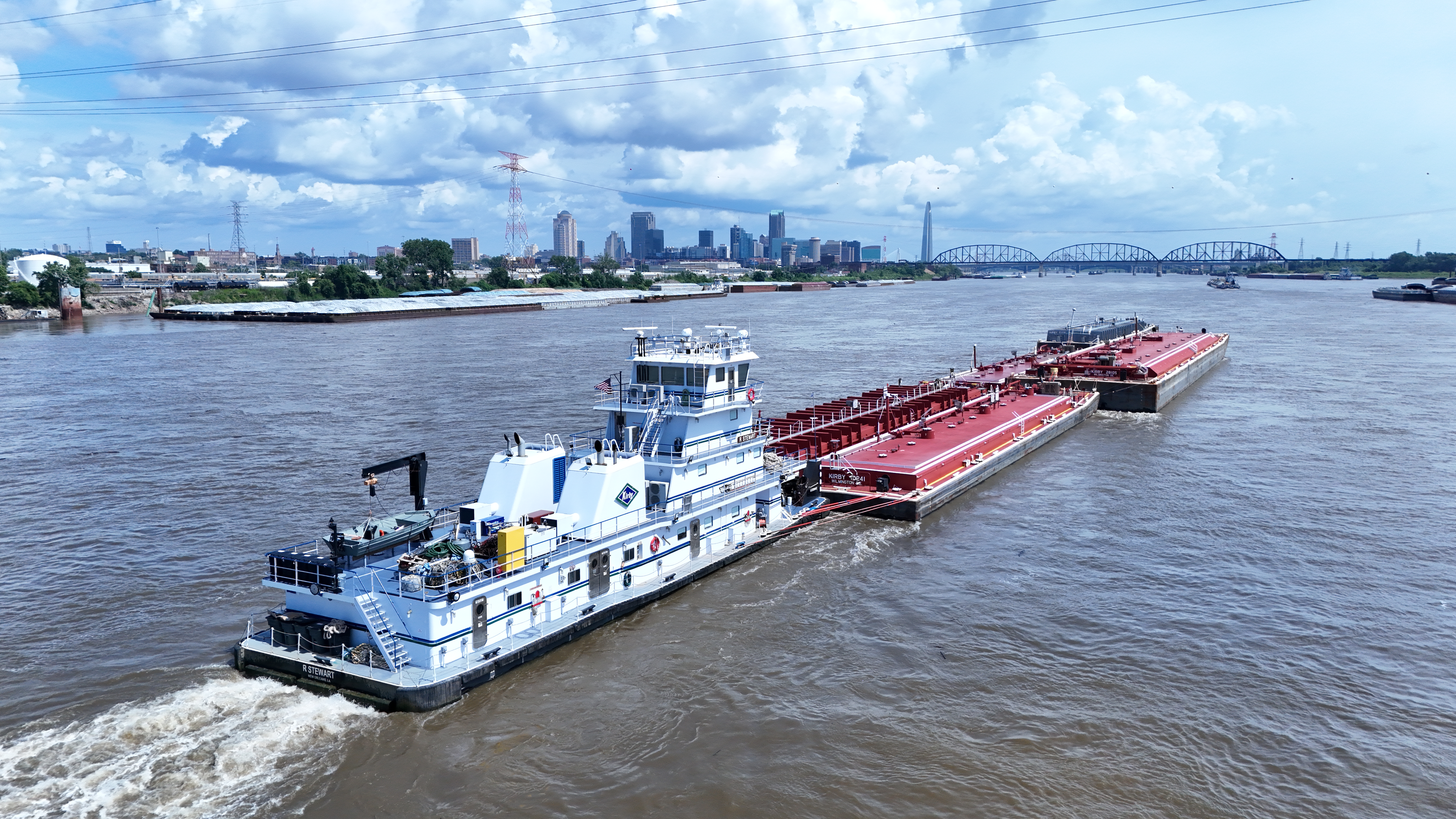

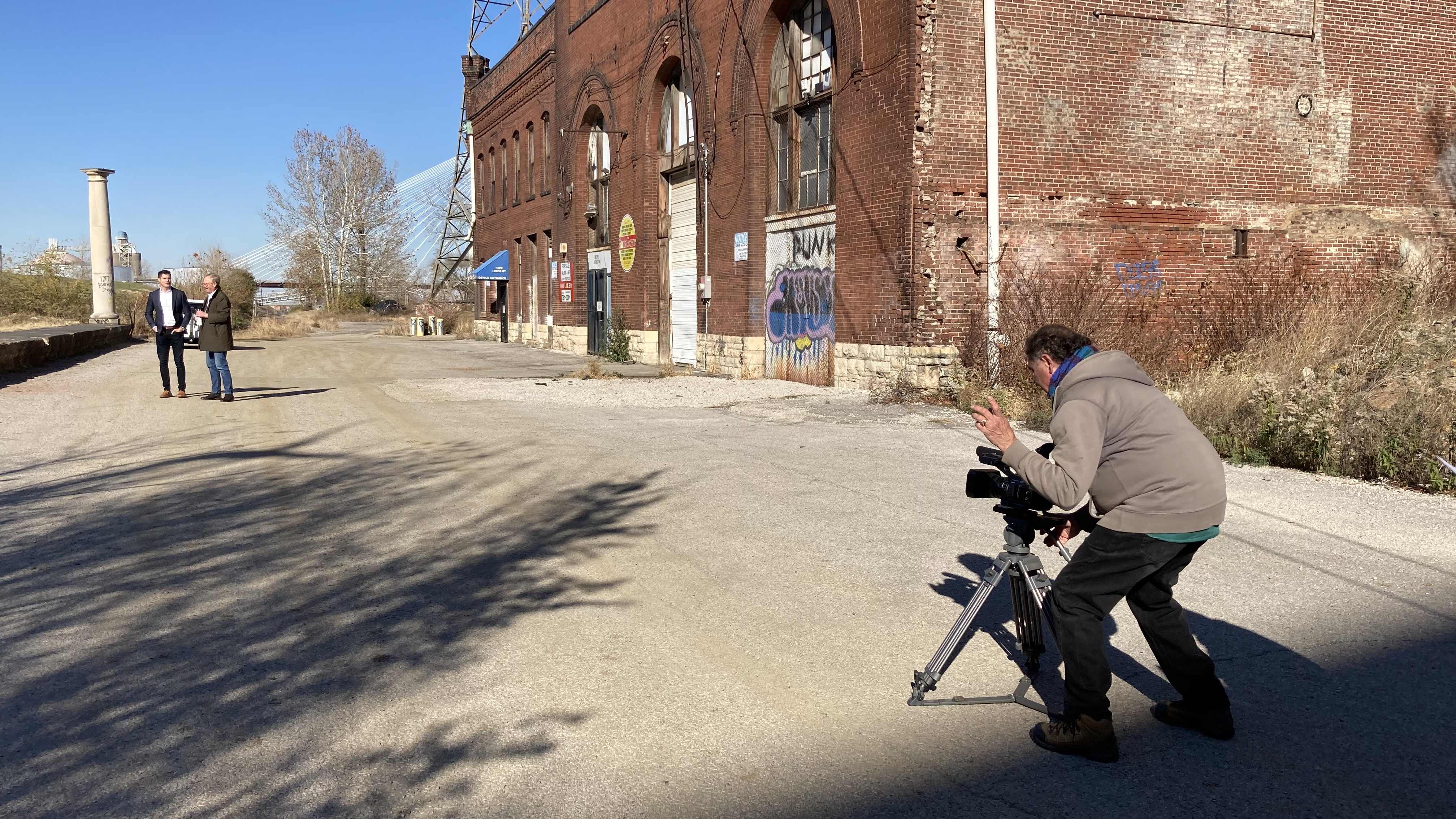
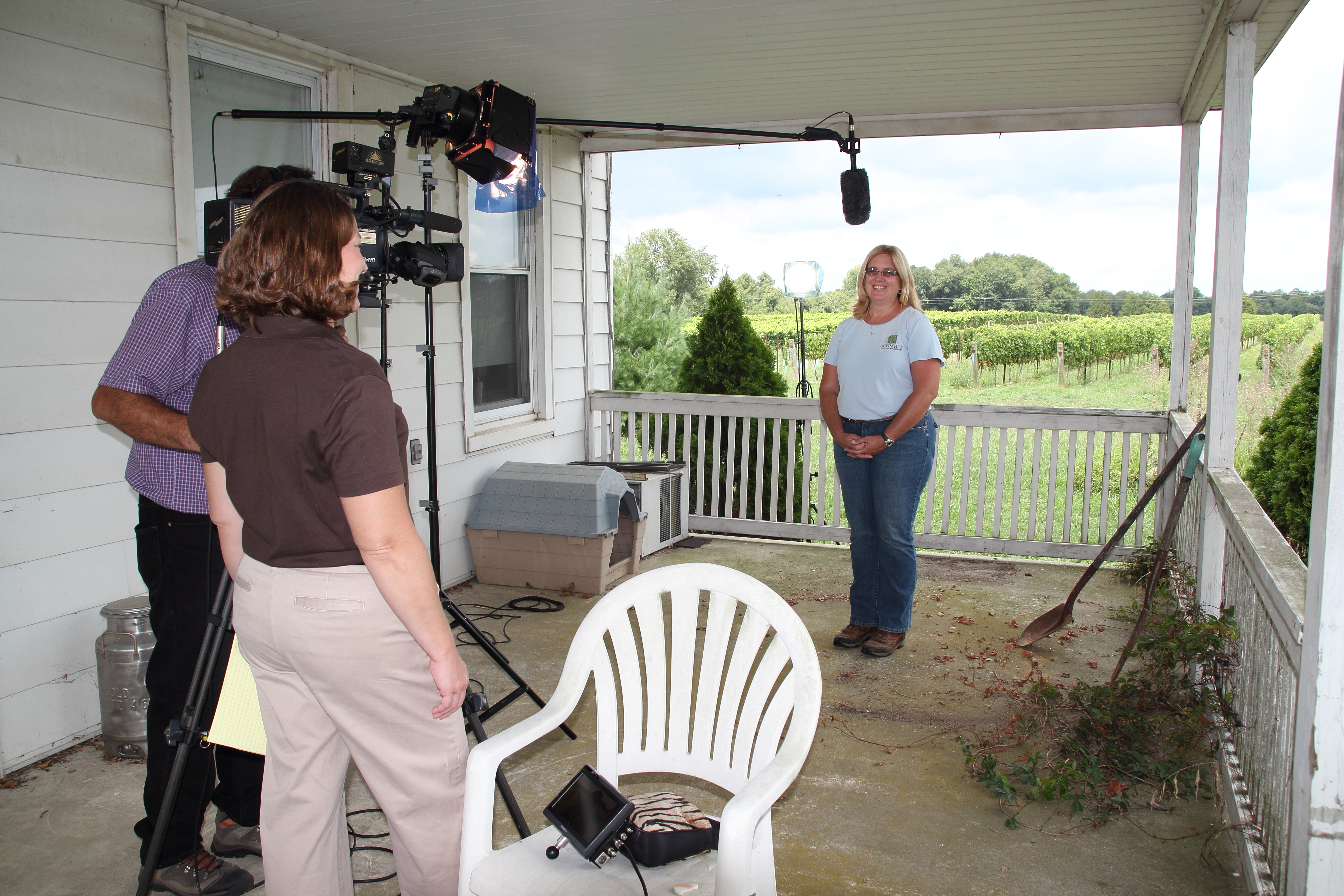
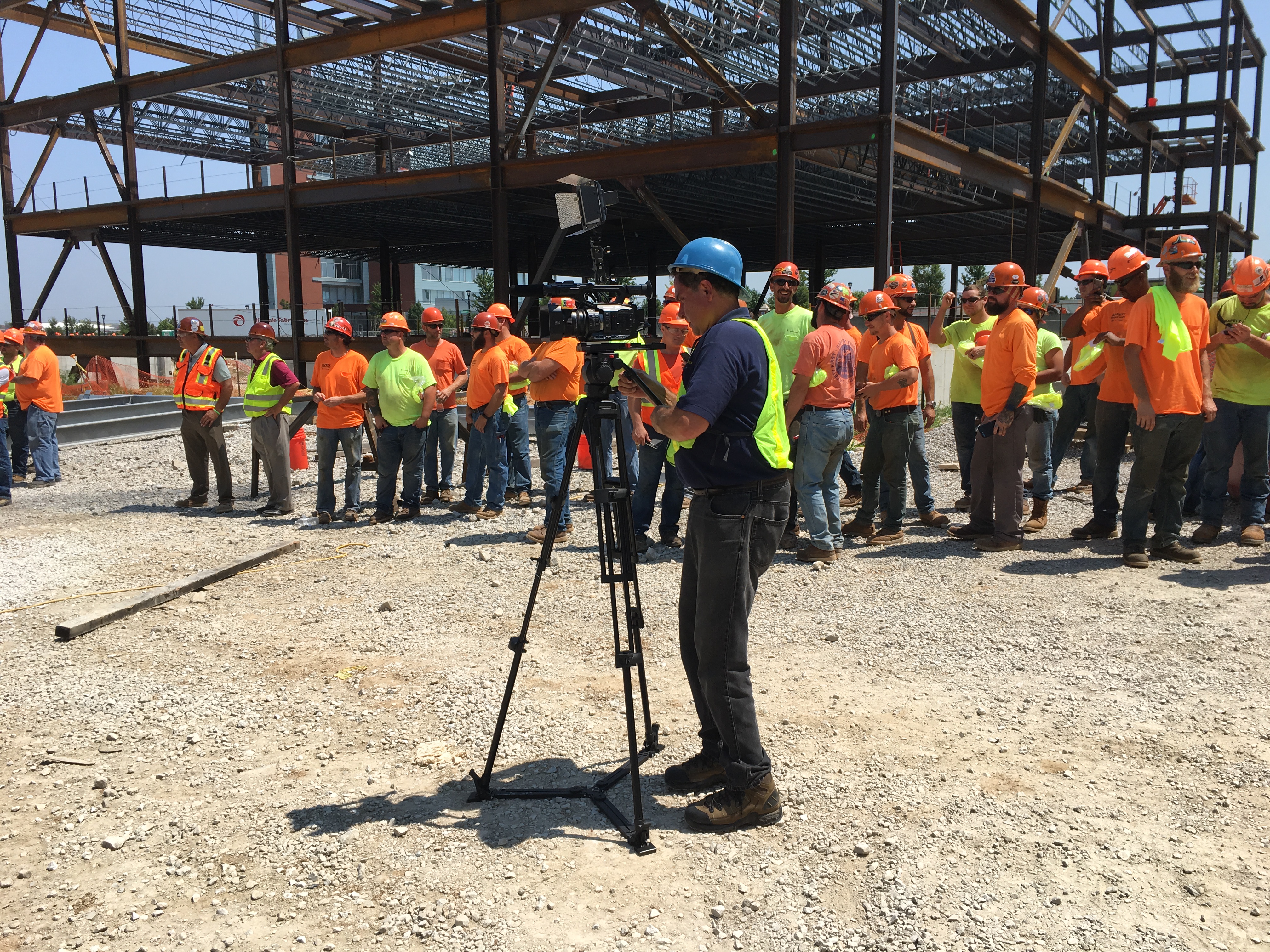
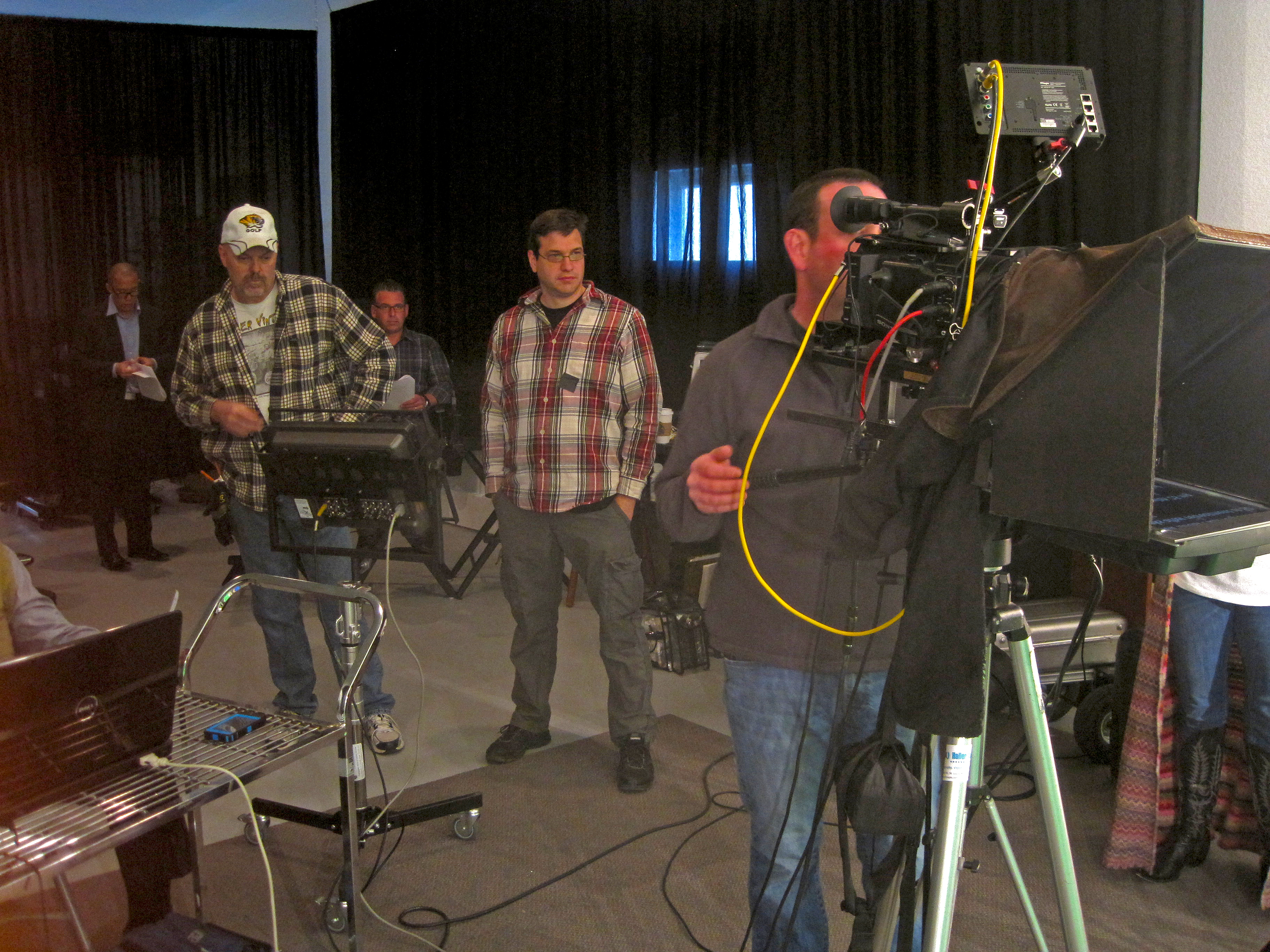
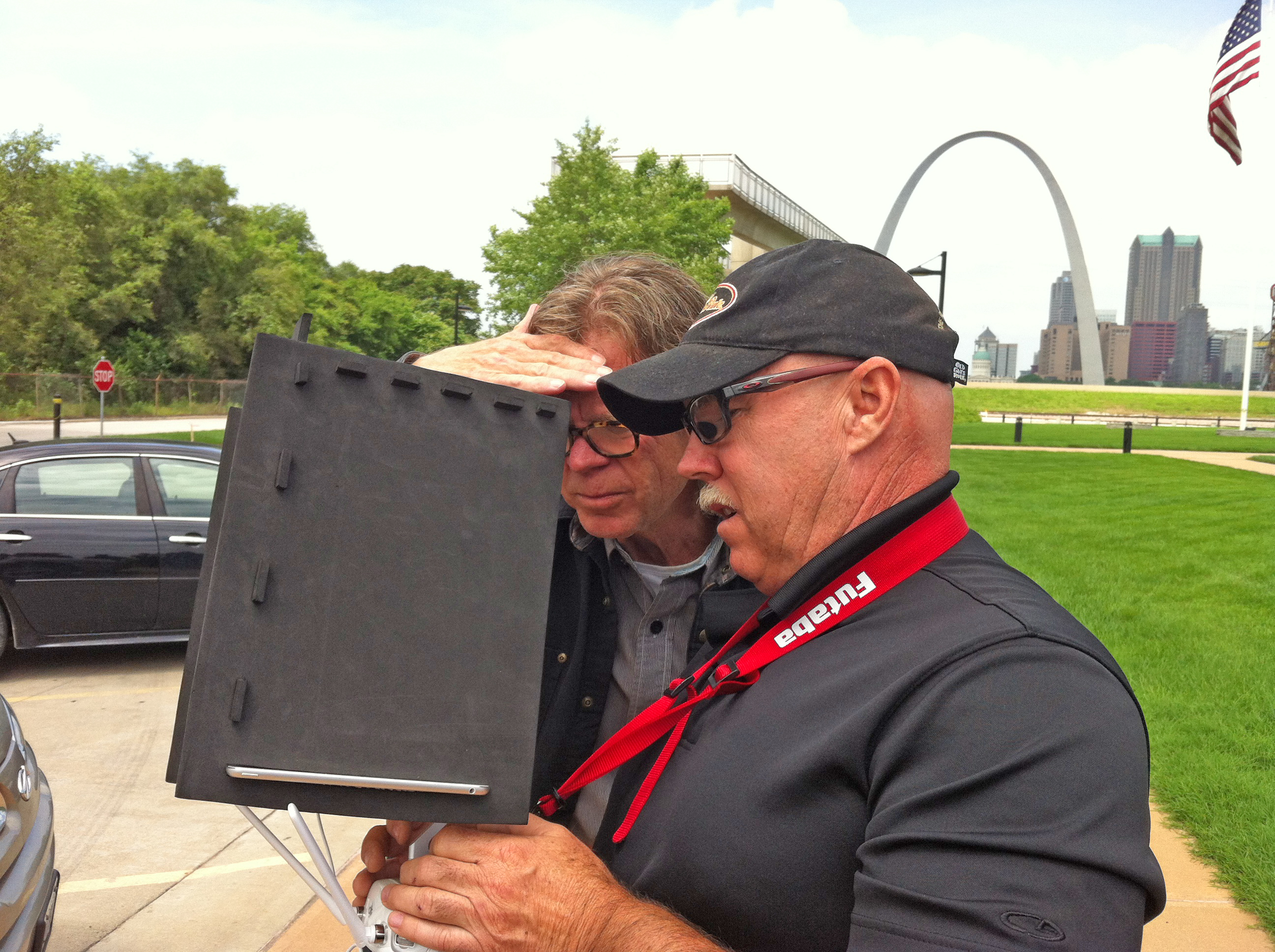
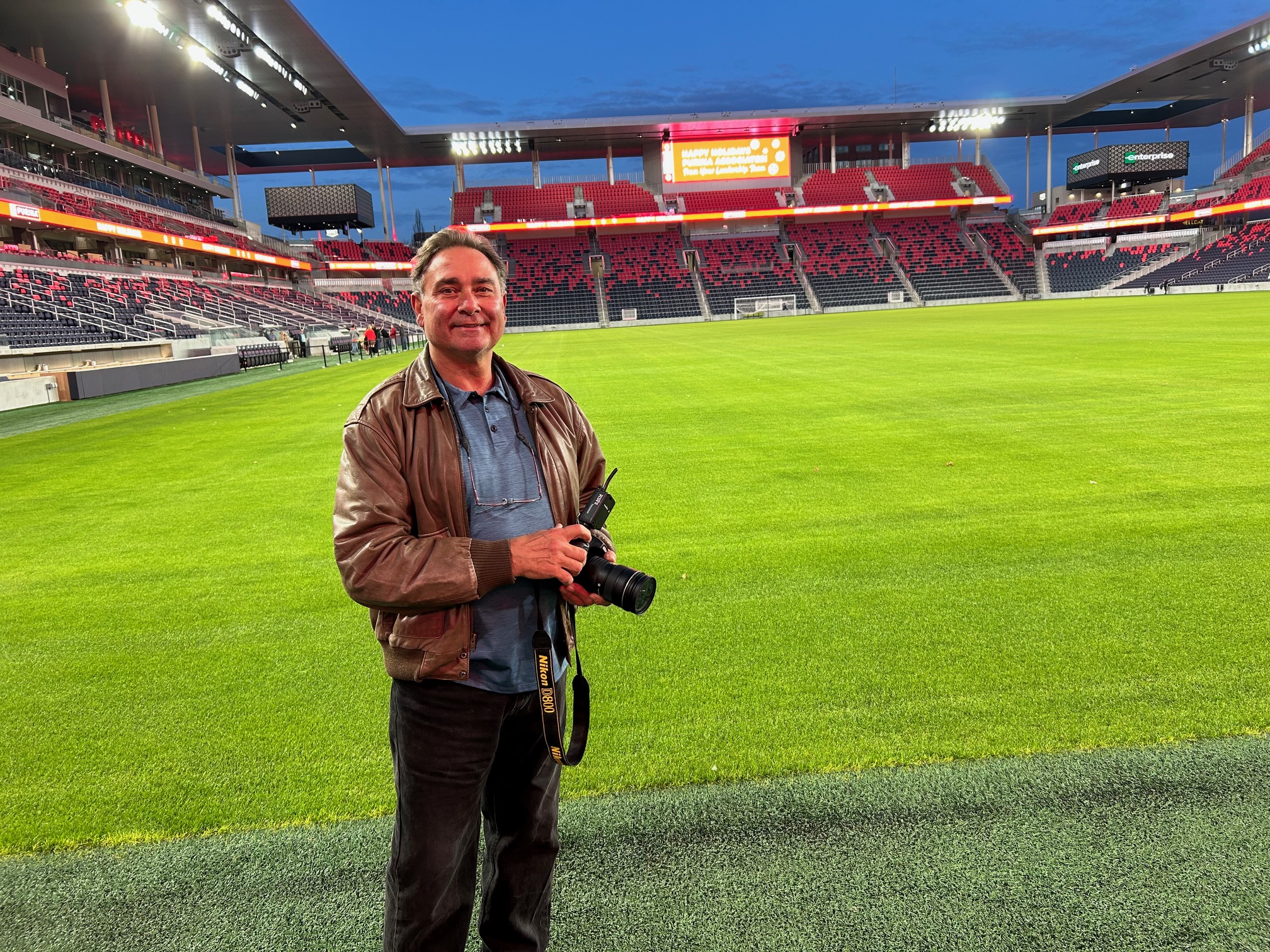
Professional location crews anticipate these challenges and select the appropriate cameras, lenses, microphones, lighting equipment, and support systems.
They also understand how to work efficiently around normal business operations while respecting safety requirements and production schedules.
Successful location video production requires both creative judgment and practical problem-solving experience.
Location Scouting: Planning Before the Cameras Arrive
Location scouting is an important part of professional video production that is frequently underestimated.
A location that appears visually attractive may present significant technical challenges.
Experienced location scouts evaluate the environment from the perspective of the camera crew, sound technicians, lighting personnel, and production schedule.
Important considerations include natural and artificial lighting, ambient noise, power availability, camera positions, equipment access, parking, loading areas, and necessary filming permissions.
For example, a corporate conference room may appear ideal for an interview but contain large windows with changing daylight, reflective walls, or noisy ventilation equipment.
Discovering these conditions during scouting allows the production team to make necessary adjustments before filming begins.
Careful pre-production planning reduces avoidable delays, protects production budgets, and helps ensure the crew arrives prepared to produce professional results.
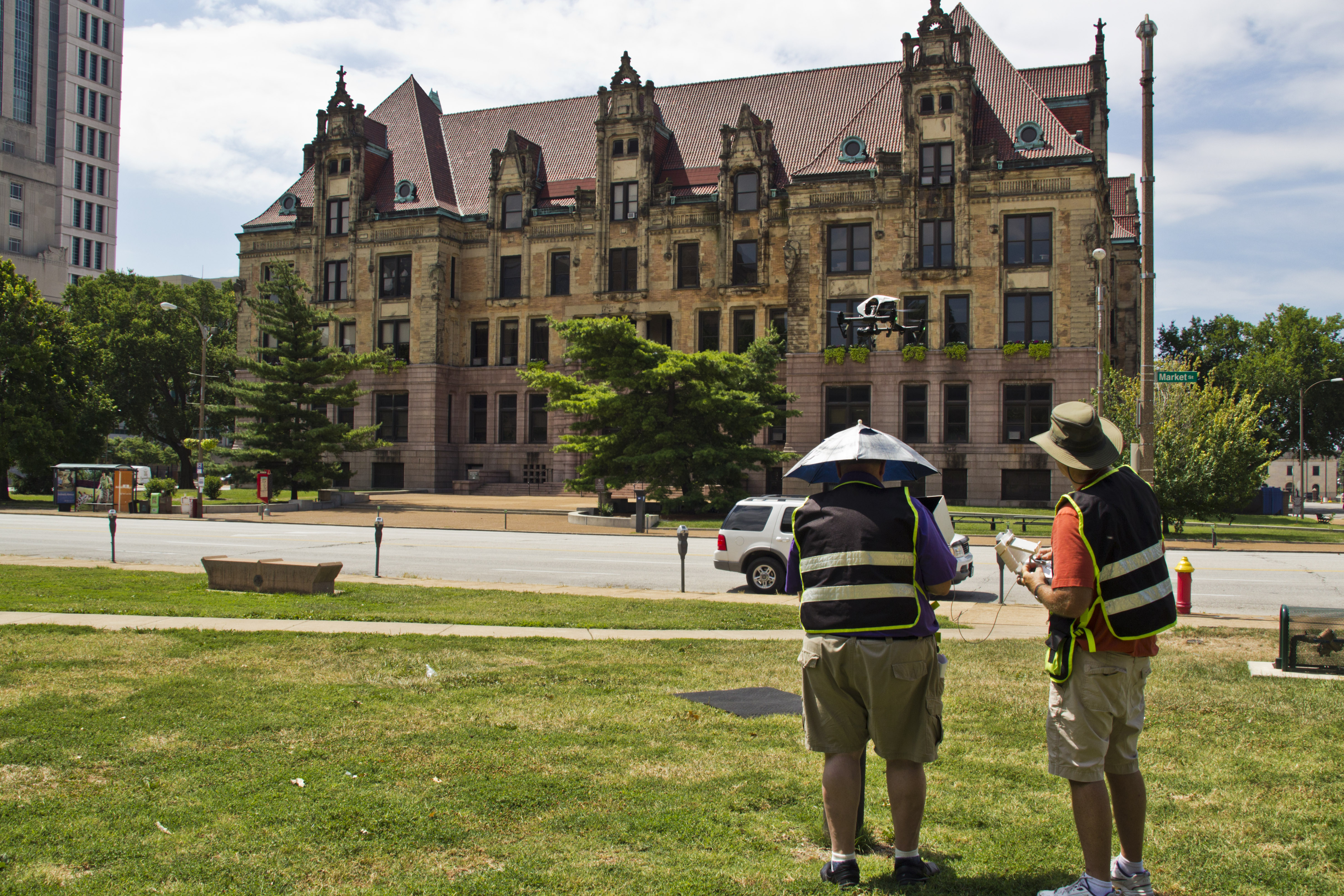





Professional Audio Is Just as Important as Professional Video
One of the most common weaknesses in inexperienced video production is poor audio quality.
Audiences may tolerate minor visual imperfections, but unclear dialogue, distracting background noise, and inconsistent sound levels can quickly reduce the effectiveness of a corporate presentation.
Professional sound recording requires appropriate microphones, recording systems, monitoring equipment, and experienced operators.
Depending on the production, a crew may utilize wireless lavalier microphones, directional boom microphones, dedicated audio recorders, and multiple recording channels.
An experienced audio technician monitors recording levels, interference, clothing noise, room reflections, and unwanted background sounds.
Corporate interviews, executive presentations, testimonials, and training videos benefit significantly from professionally recorded dialogue.
Good audio is not an optional production enhancement. It is a fundamental element of effective business communication.
Multi-Camera Video Production Creates More Editing Flexibility
Using multiple cameras can greatly improve the finished appearance of interviews, presentations, panel discussions, and other commercial productions.
A two-camera interview might include a wider composition and a tighter close-up, allowing the editor to alternate perspectives while maintaining visual continuity.
Additional cameras may capture alternate angles, product demonstrations, audience reactions, or supporting visuals.
Multi-camera recording provides several advantages.
It can reduce the need to repeat presentations, provide more options during editing, and make long interviews visually more engaging.
However, multi-camera production also requires coordination.
Camera settings, frame rates, exposure, color balance, and audio synchronization must be managed consistently.
Professional crews understand how to organize these technical details so that material from different cameras can be combined efficiently during post-production.
B-Roll: The Visual Material That Makes Corporate Videos More Compelling
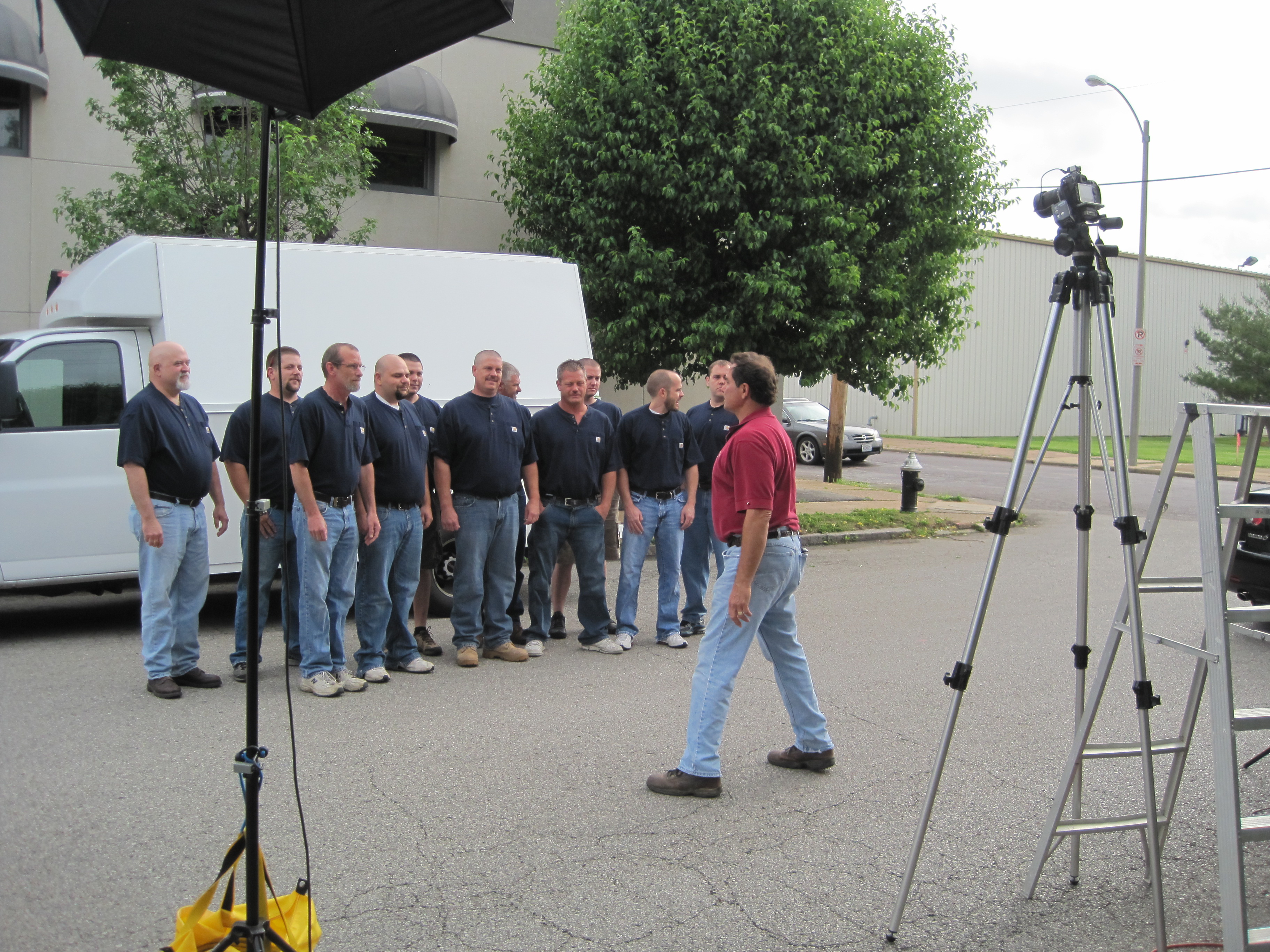

B-roll is supporting footage that illustrates the story being communicated through interviews, narration, or primary camera footage.
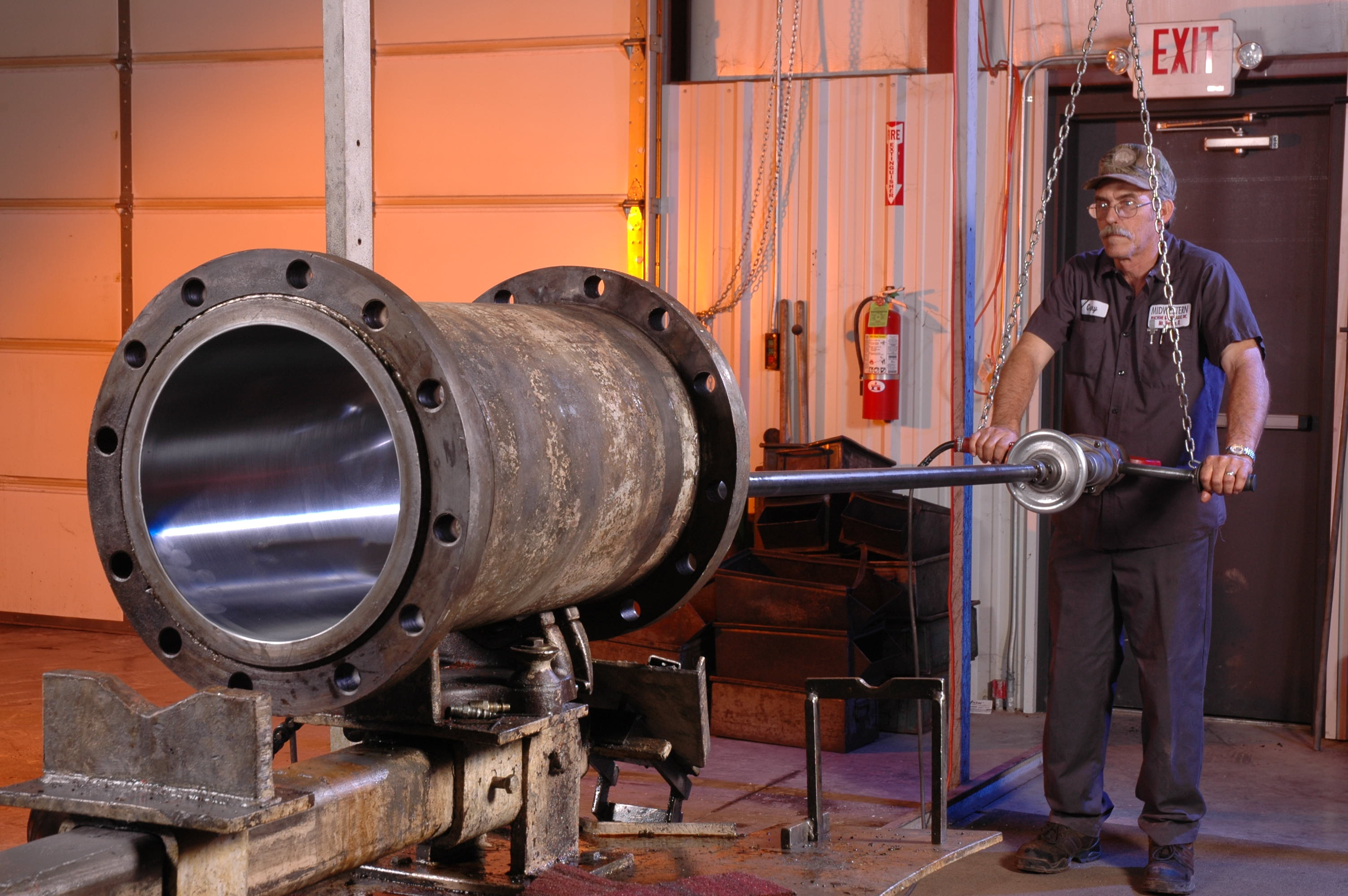
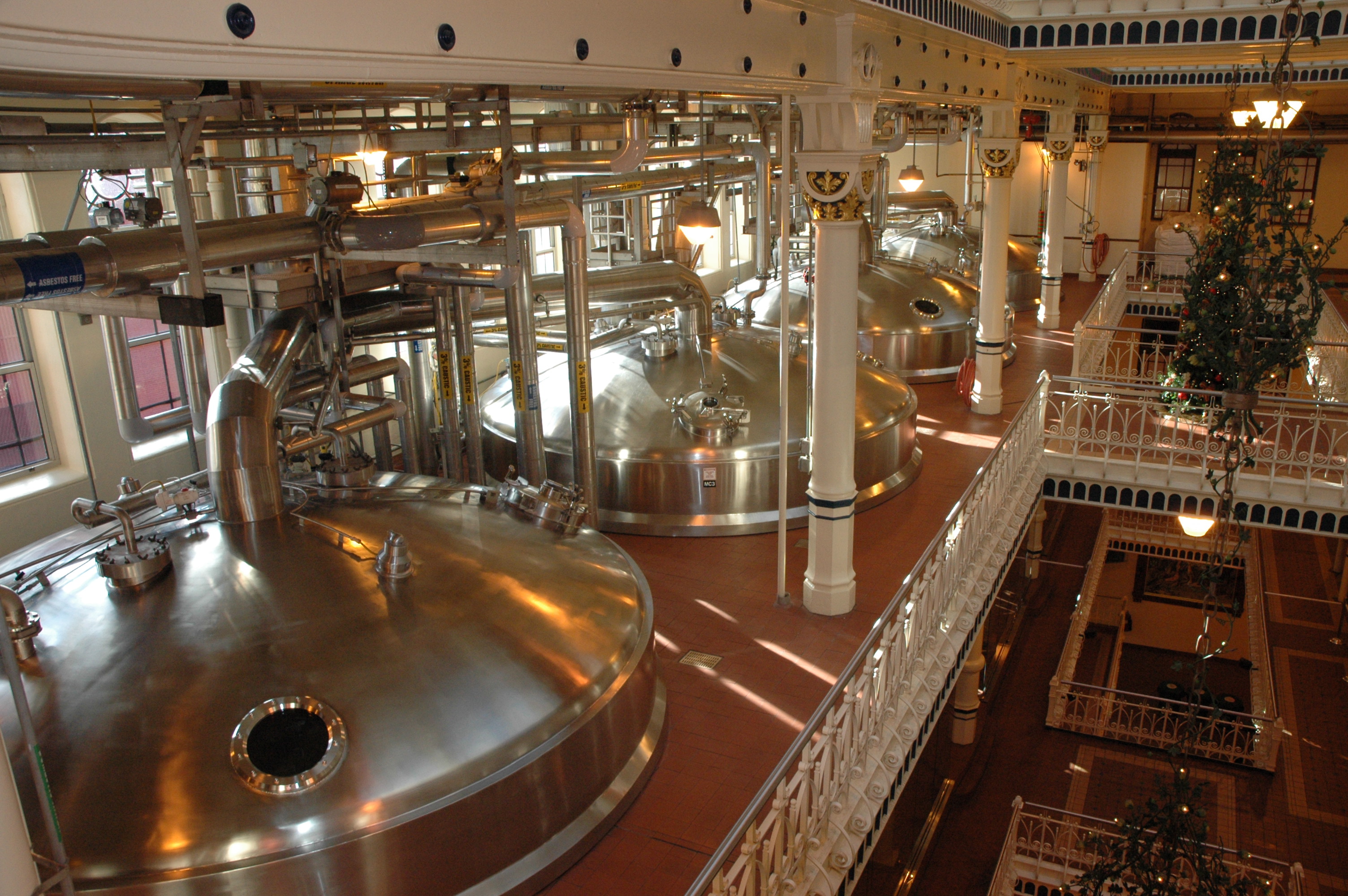
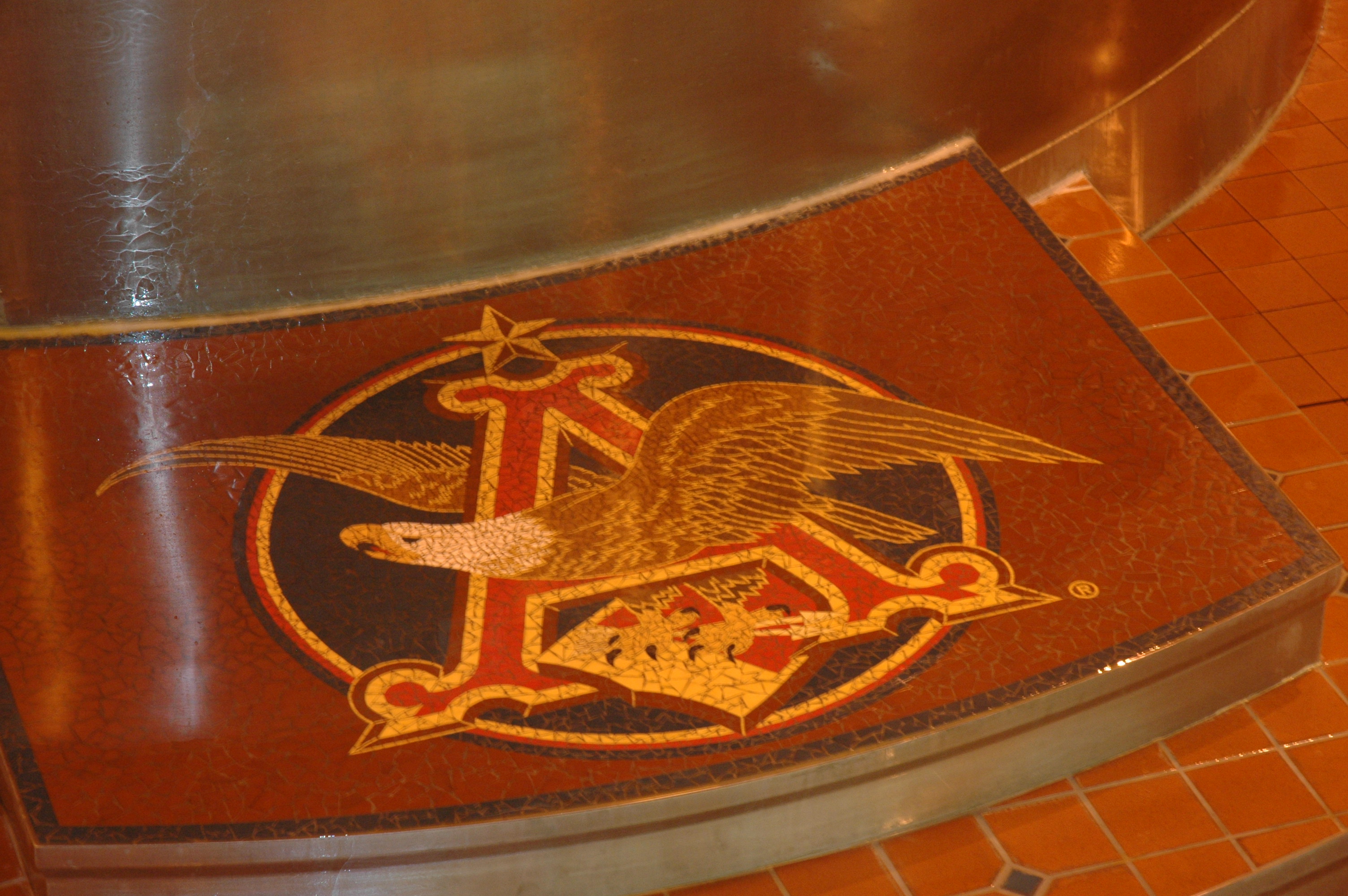
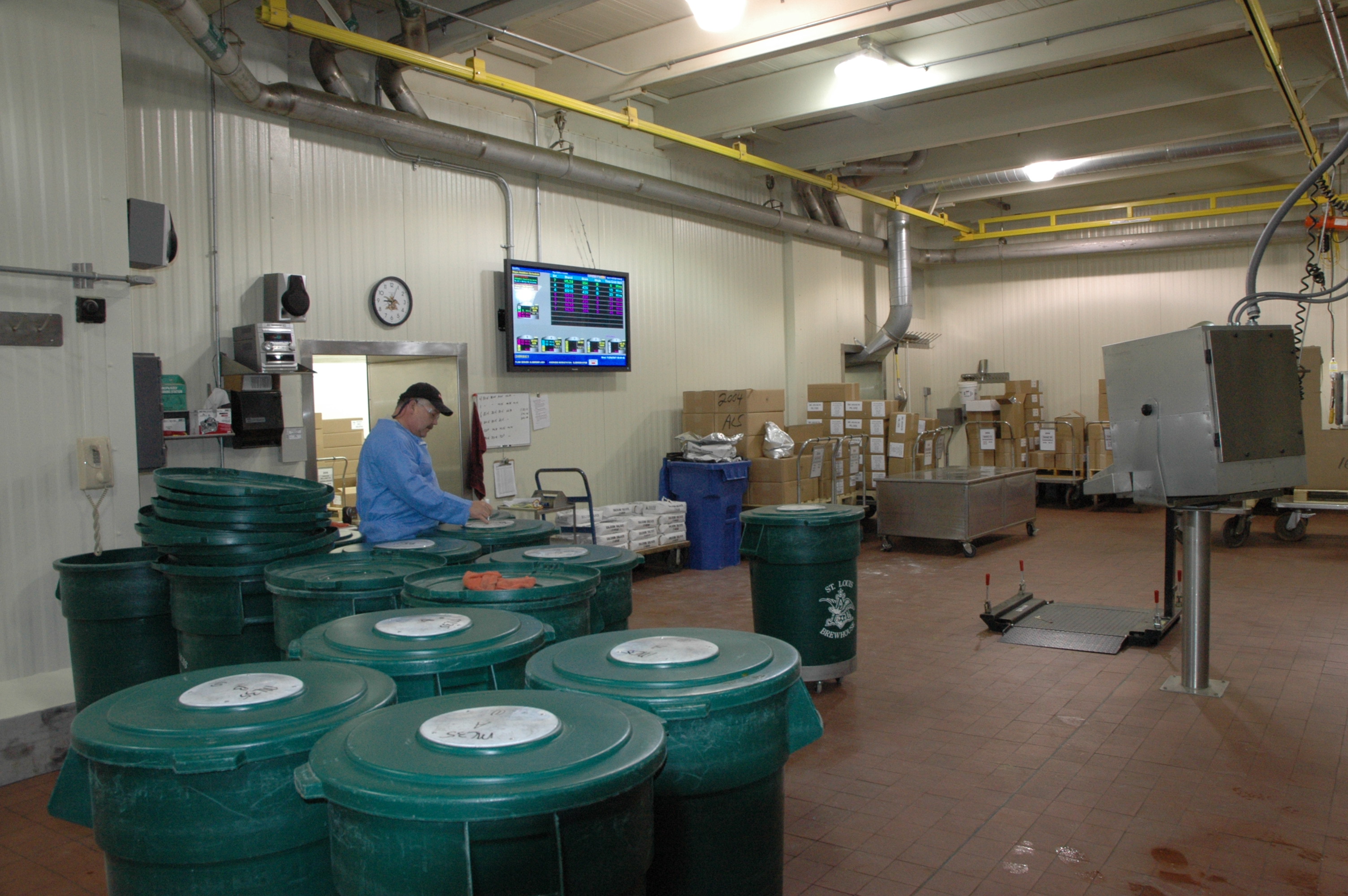
For commercial productions, b-roll may include employees working, manufacturing processes, machinery, products, architectural details, customer interactions, facility interiors, and exterior establishing shots.
Imagine an executive explaining the company’s commitment to quality manufacturing.
The message becomes more persuasive when accompanied by footage showing skilled employees, precision machinery, inspection procedures, and finished products.
Professional b-roll creates visual evidence that reinforces the spoken message.
Experienced camera crews understand how to capture establishing shots, medium compositions, close-up details, action sequences, and alternate perspectives that provide editors with flexibility.
These supporting images can also become valuable reusable assets for future videos, websites, recruiting campaigns, and digital advertising.