Don’t Skip Site Photos — They Sell Services
If you sell a service—construction, engineering, logistics, manufacturing, healthcare, professional services, property management—your “product” is mostly invisible. It’s process, expertise, outcomes, trust. That’s exactly why site photos matter more than most organizations realize.
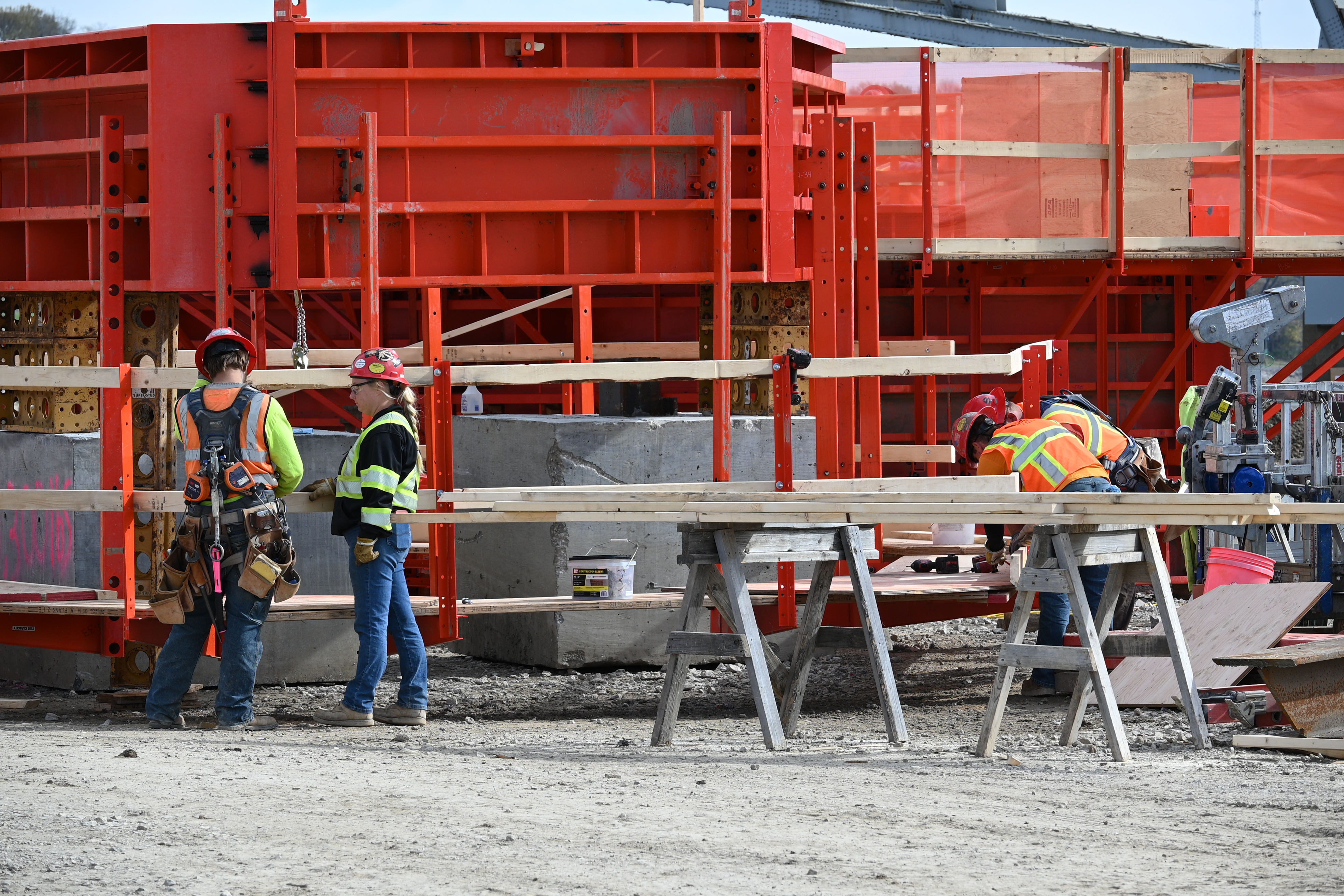
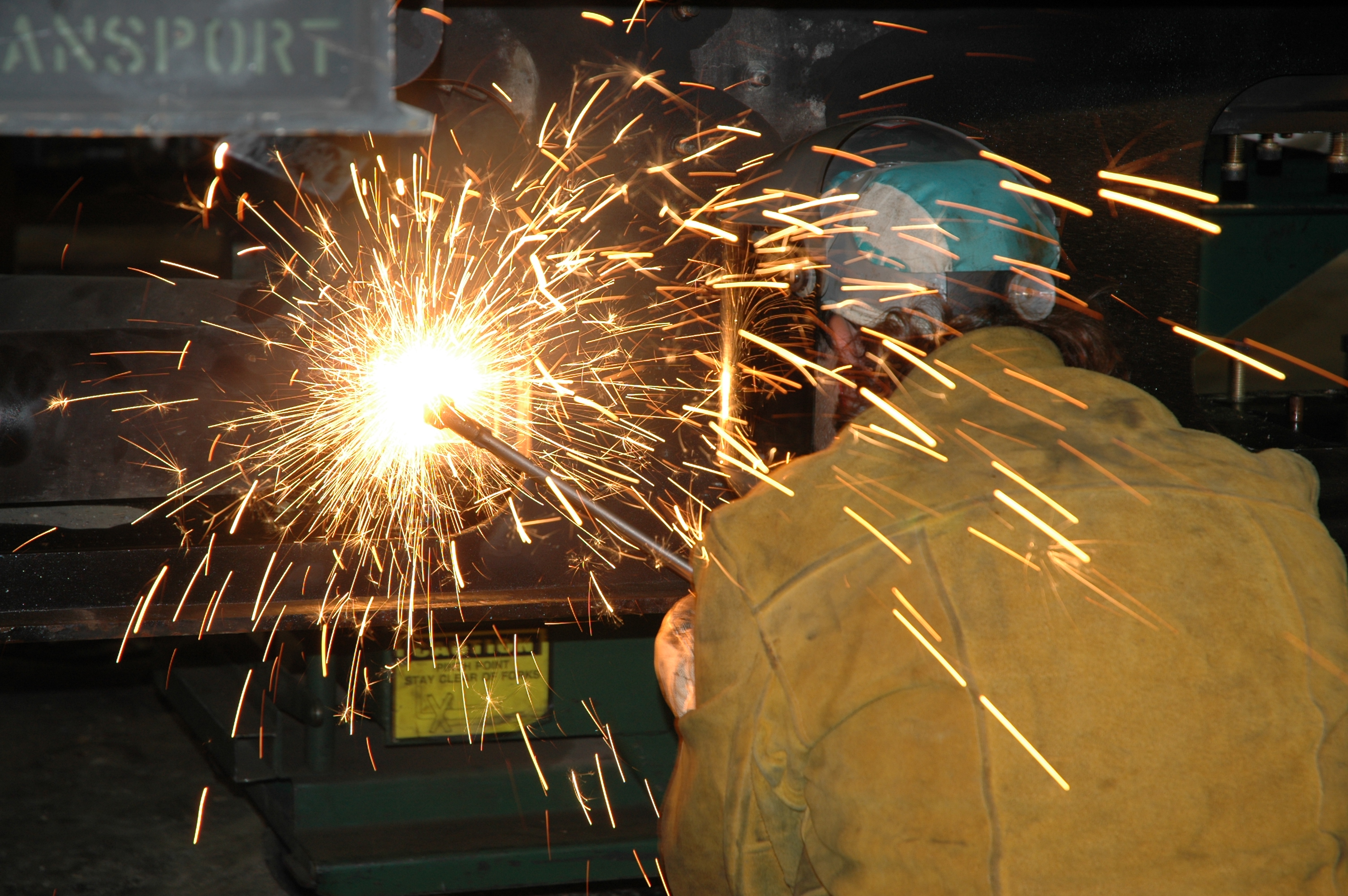
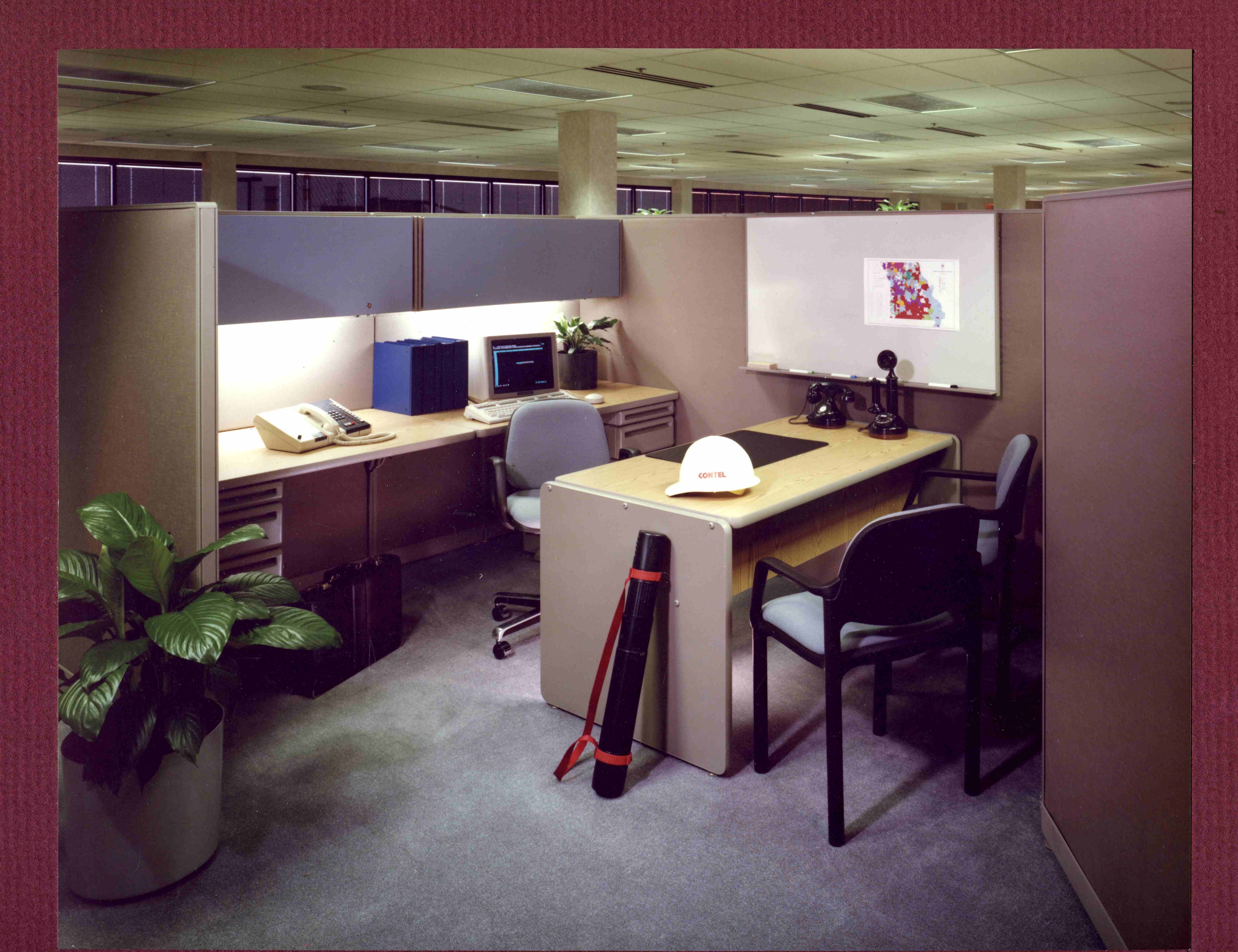
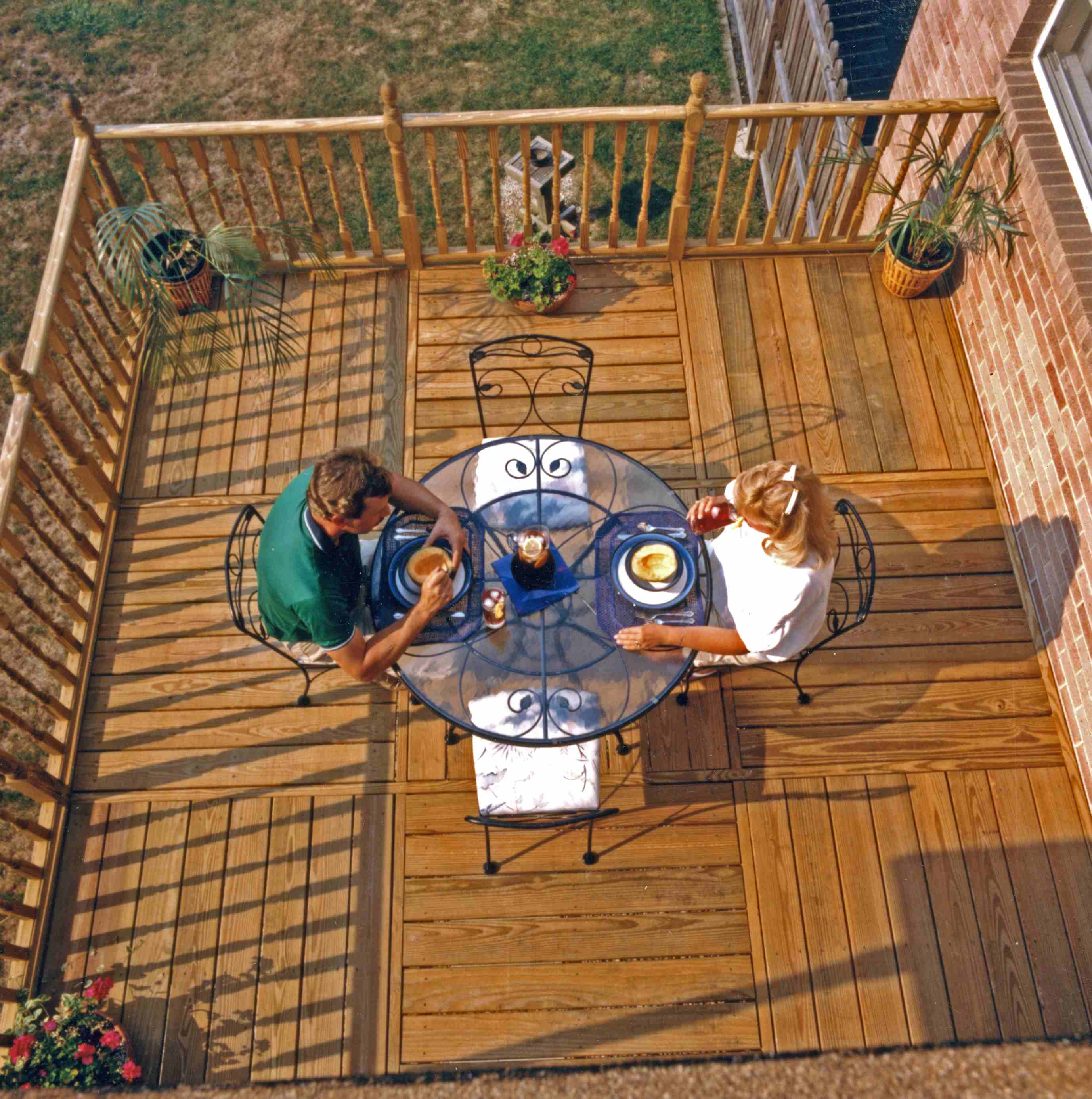
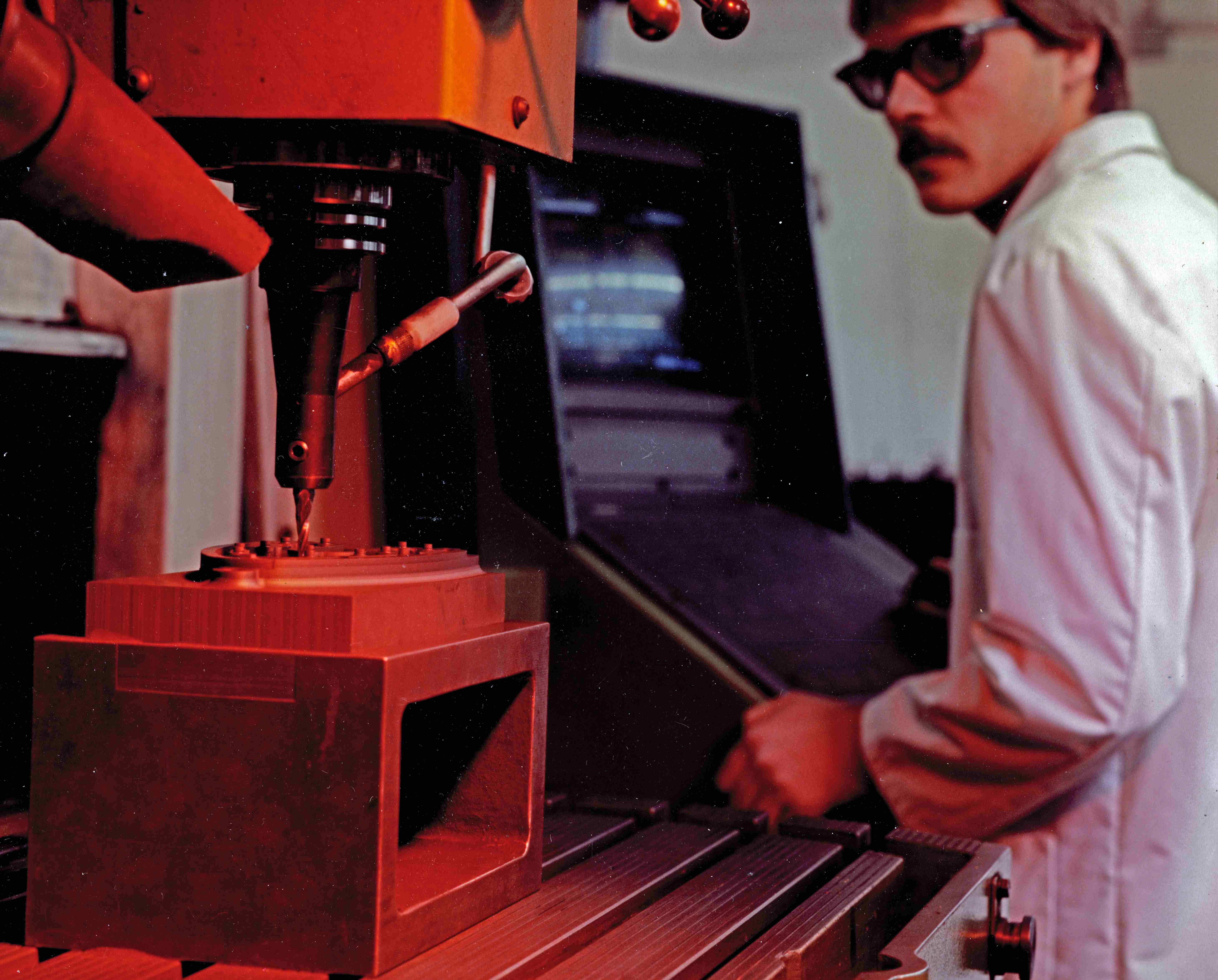
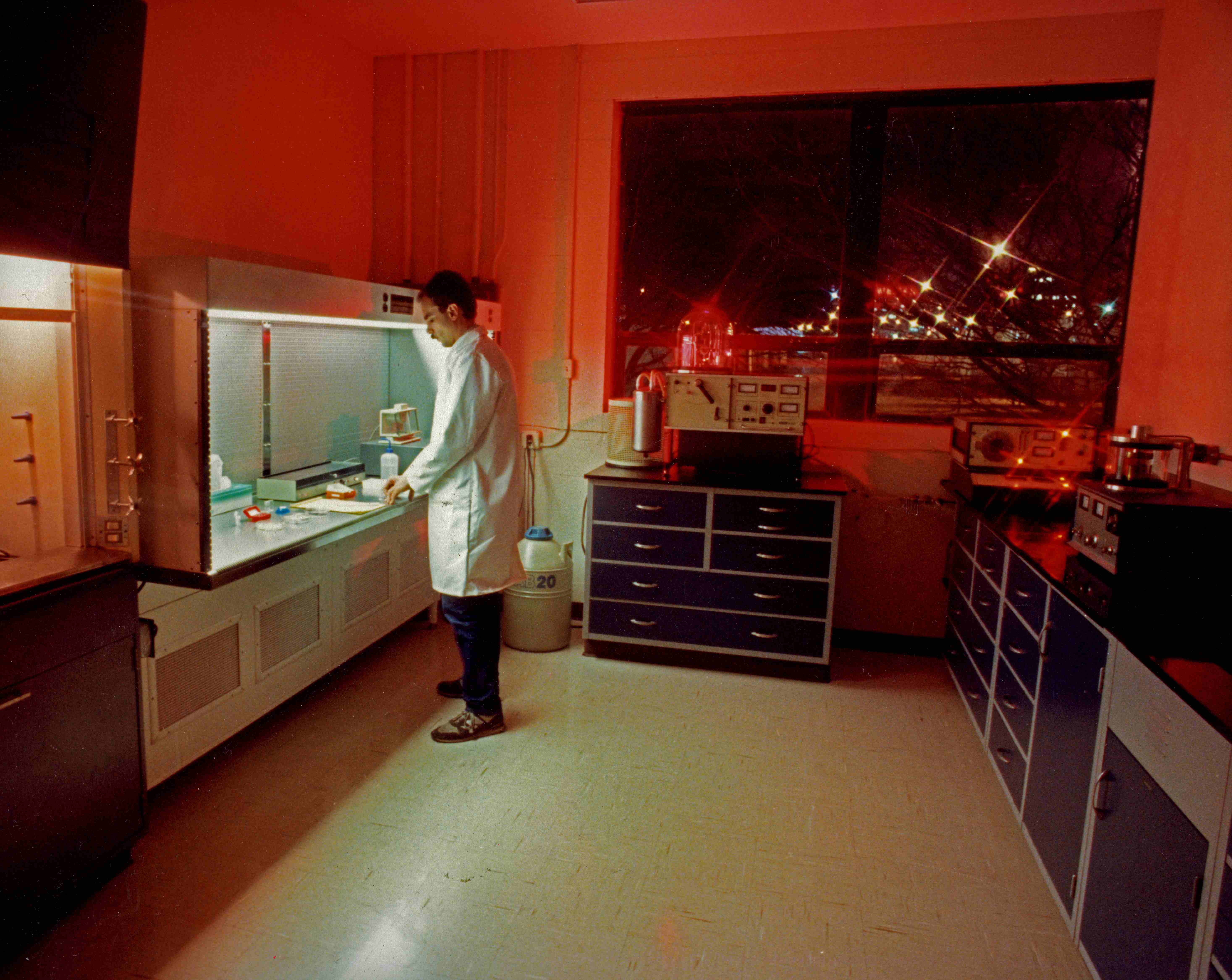
Decision makers don’t just want to hear that your team is qualified. They want to see proof: environments you’ve worked in, problems you’ve solved, scale you can handle, safety and compliance, and the real people doing real work. Site photos are the fastest way to make intangible value feel concrete—and that’s what moves a prospect from curiosity to confidence.
Below is the practical, field-tested case for treating site photography as a core sales asset, not an afterthought.
Site photos aren’t “nice to have”—they’re revenue evidence
Most service organizations invest heavily in proposals, capability decks, and case studies—then rely on a handful of generic stock images or outdated project photos. The message becomes unintentionally vague: “Trust us.”
Site photography flips that dynamic. It becomes visual evidence of:
- Scale: the size of projects and complexity of environments you can handle
- Credibility: real teams, real locations, real outcomes
- Consistency: documented quality across time, sites, and clients
- Risk management: safety practices, process discipline, QA/QC culture
- Differentiation: the real-world details competitors can’t copy
When buyers compare similar vendors, the winner is often the one who communicates competence most clearly. Site photos do that in seconds.
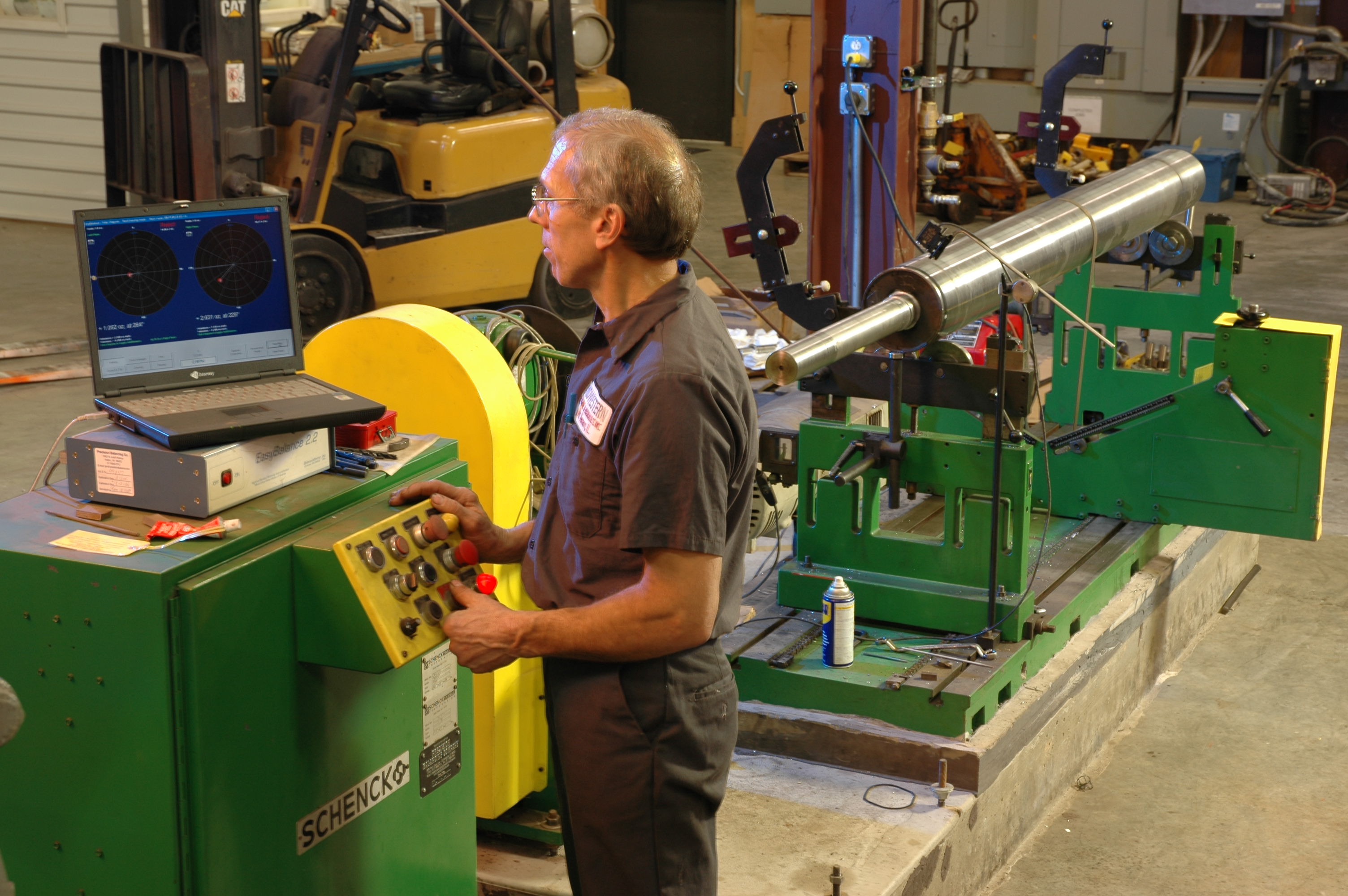
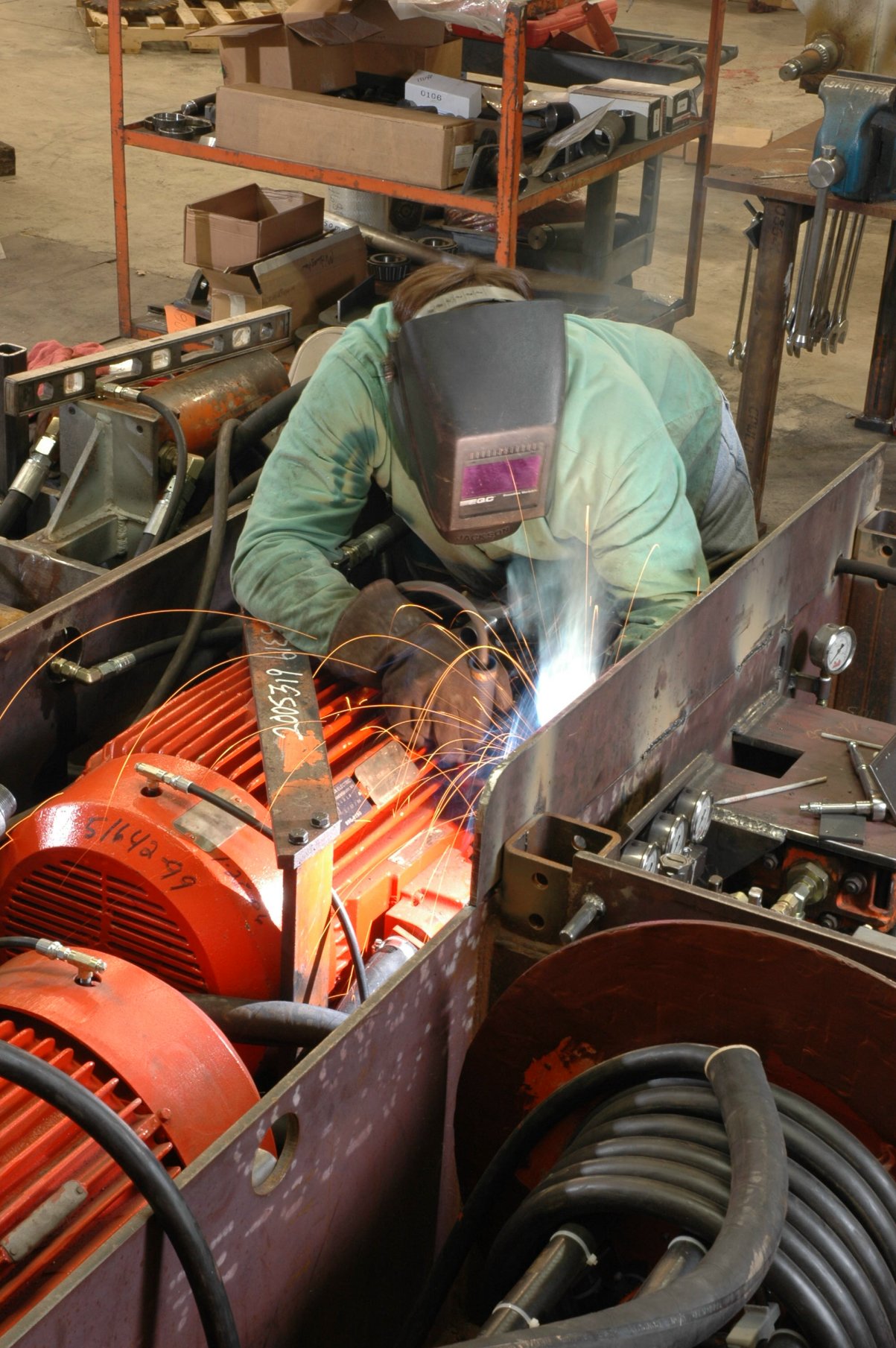
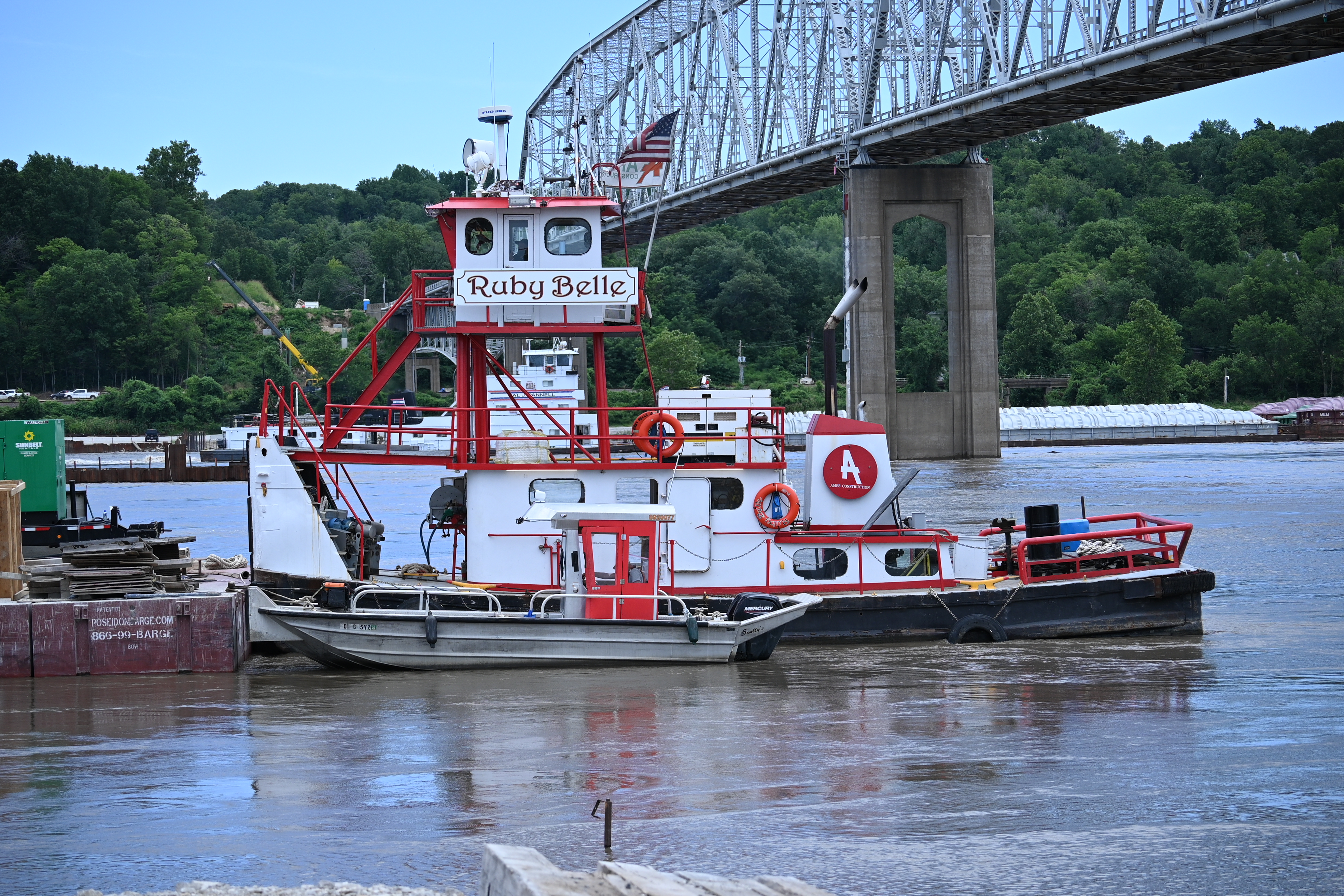
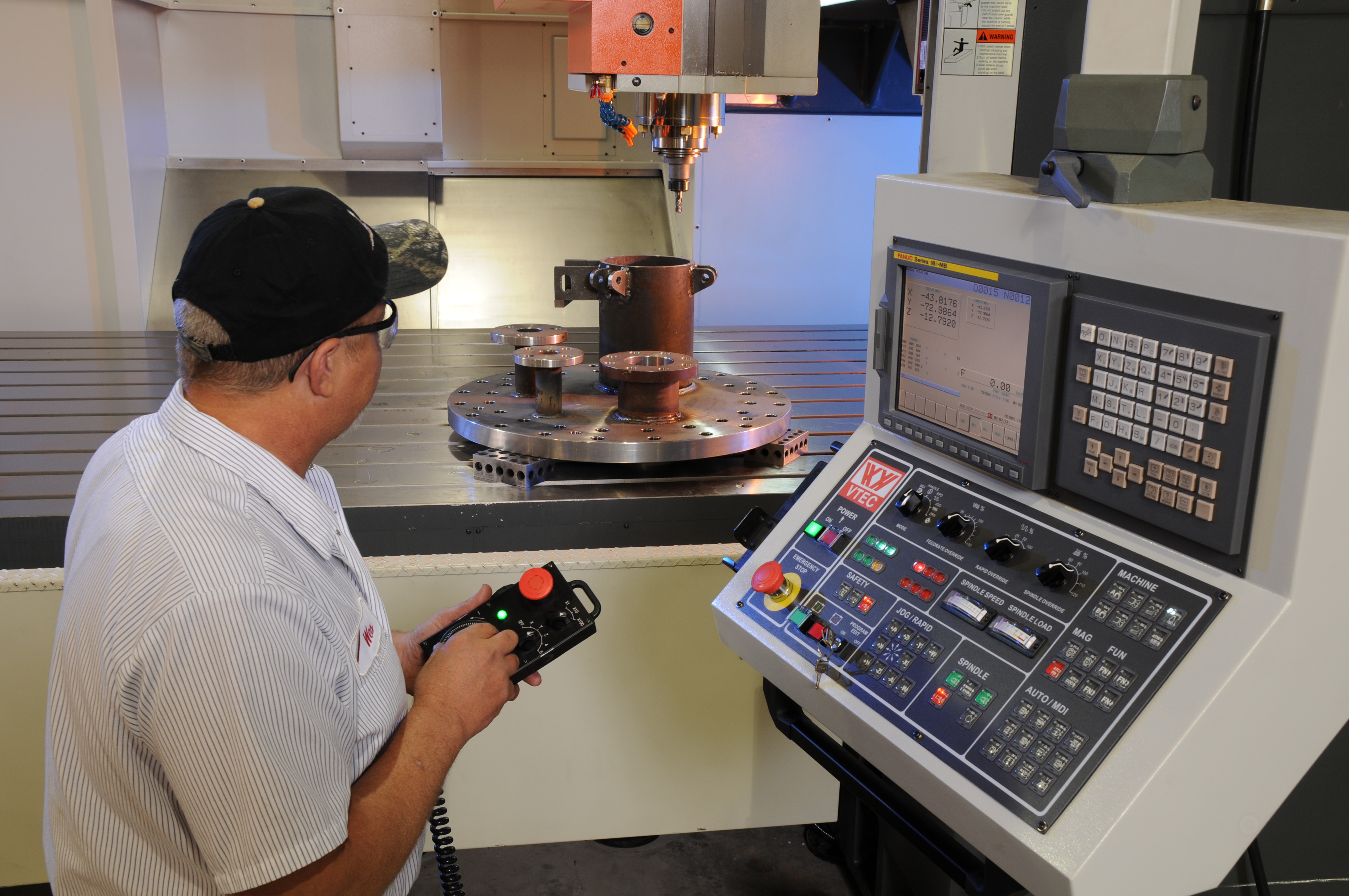
What site photos actually sell (and how buyers read them)
A decision maker may not know your technical craft, but they’re trained to recognize signals of reliability. Great site photos communicate:
1) Competence under real conditions
Not staged, not sanitized. Real constraints: low light, tight spaces, weather, PPE requirements, machinery in motion. If you can work well there, you can work well anywhere.
2) Process, not just results
For service businesses, the “how” is the product. Photos of workflows, checklists, instrumentation, pre-task planning, set-ups, and sign-offs show maturity.
3) Safety and professionalism
Clean work areas, correct PPE, proper barricades, spotters, signage, rigging practices—these visuals matter. They reduce perceived risk.
4) Quality control
Close-ups of tolerances, finish work, measurements, tool calibration, inspection steps, and documentation build trust—especially for technical and regulated industries.
5) Team strength
Humans connect with humans. Photos that show skilled staff solving problems—without turning them into cheesy “posing”—make your company feel real, stable, and accountable.
The hidden cost of skipping site photography
When organizations don’t capture site imagery consistently, a few predictable things happen:
- The marketing team scrambles for visuals after the project ends
- Proposals recycle the same tired photos, making every bid look identical
- Sales reps spend more time explaining and defending credibility
- Case studies feel abstract because they lack visual proof
- Competitors with better visuals appear more established—even if they aren’t
In other words: you pay for missed opportunities, longer sales cycles, and lower conversion rates.

Where site photos do the most selling
If you want ROI, prioritize distribution. Site imagery works best when it shows up everywhere a buyer evaluates you:
Website (high intent)
- Service pages: “Here’s what this looks like in the field.”
- Industry pages: “Here’s work like yours.”
- About/team pages: “Here’s who you’re trusting.”
- Case studies: “Here’s proof.”
Proposals and capability decks (decision moments)
A single strong photo sequence can remove pages of explanation. Visuals reduce friction and speed approvals.
Social and email (frequency + familiarity)
Site photos provide authentic content that doesn’t feel like “marketing.” Consistent publishing builds familiarity before a buyer ever calls.
Recruiting and internal communications (secondary but real ROI)
Top candidates want to see what they’ll work on. Site photos also reinforce pride and culture.





The anatomy of a high-performing site photo library
The biggest failure isn’t quality—it’s coverage. You don’t need 500 images from one job. You need a repeatable set of categories that supports sales and marketing all year.
Here’s the capture framework we recommend:
A) Establishing + context (the “scope” shots)
- Exterior, approach, signage, facility context
- Wide shots that show scale and constraints
- Before/after where possible
B) Work-in-progress (the “proof of process” set)
- Teams collaborating, staging, setup
- Tools and methods in action
- Key milestones and transitions
C) Detail + quality (the “this is why we’re good” set)
- Close-ups of workmanship, instrumentation, labeling
- Inspection steps, measurements, finish details
- Materials, components, and critical interfaces
D) Safety + compliance (the “risk reassurance” set)
- PPE compliance, barricades, spotters
- Lockout/tagout visuals (where permitted)
- Documentation boards, permits, safety briefings
E) People + leadership (the “trust the team” set)
- Skilled staff doing real work (not awkward posing)
- Foremen/project managers on-site
- Client interaction moments (when approved)
If you capture those five sets consistently, marketing becomes easy and sales has assets for nearly every objection.
How to make site photography painless for operations
Field teams are busy. The solution isn’t “ask them to take a few pics.” The solution is a production plan that respects operations.
1) Pre-plan the shot list like a checklist
A short, repeatable shot list tied to your services prevents randomness and ensures coverage.
2) Work within safety and site rules
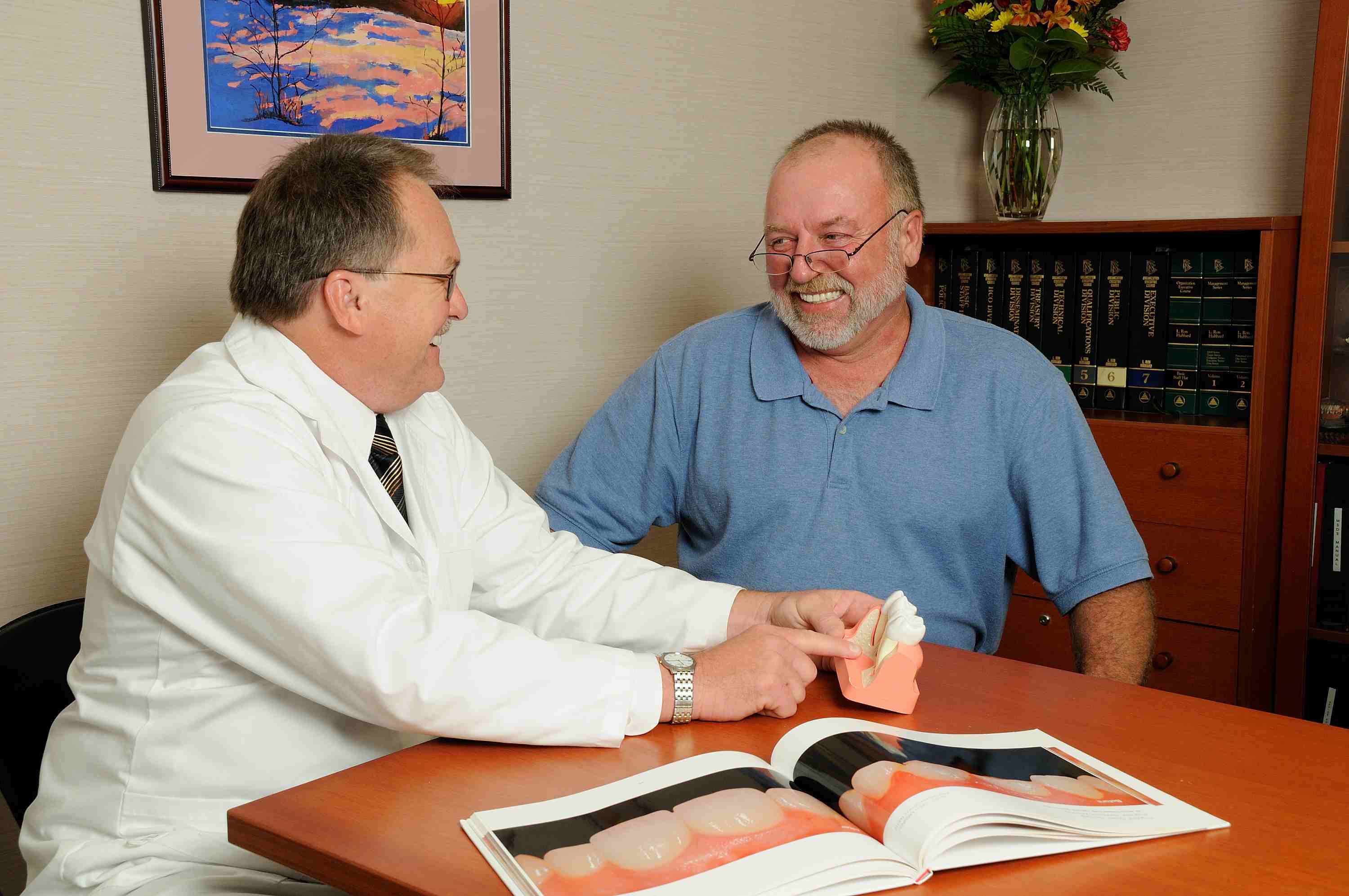
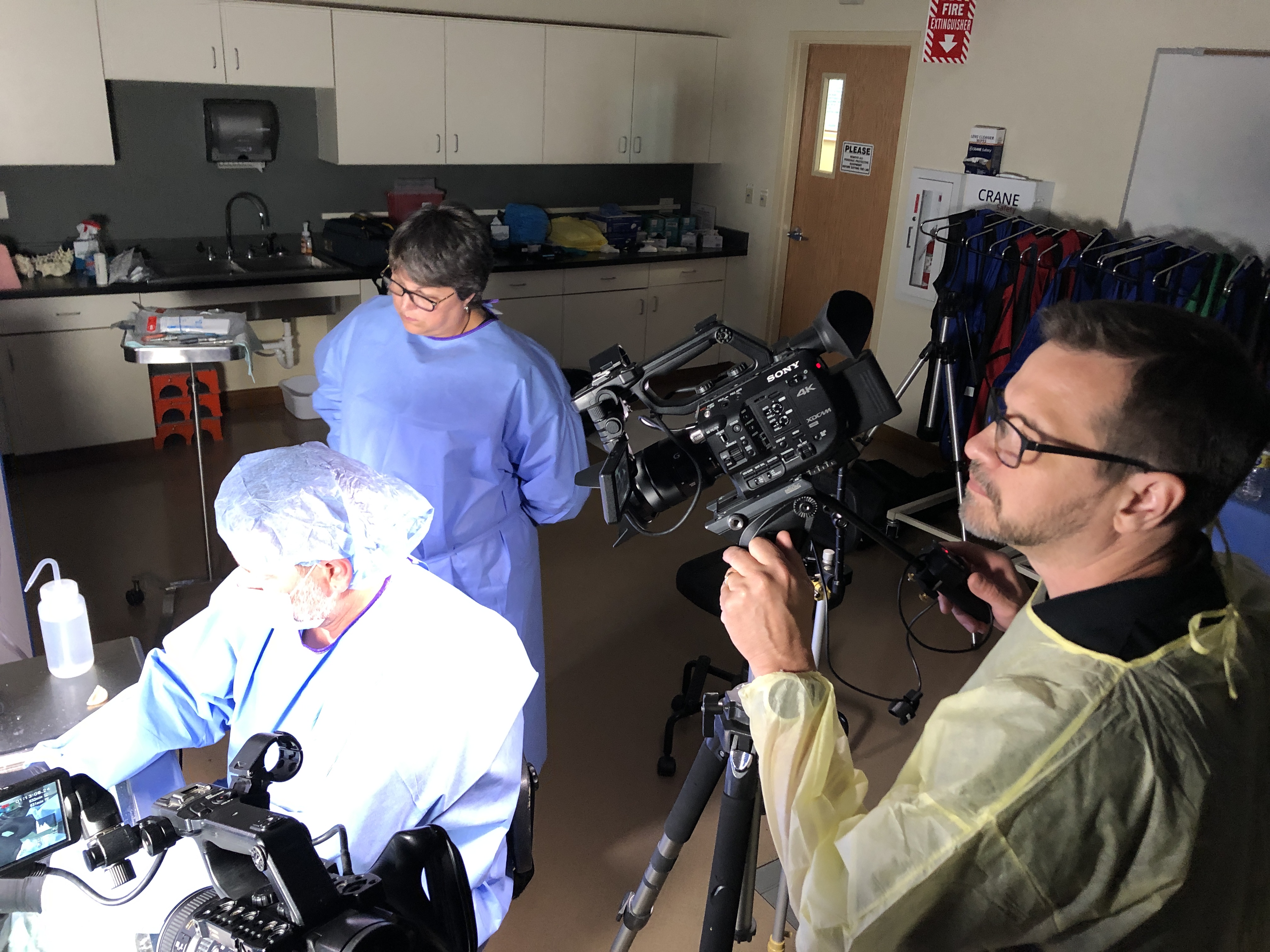
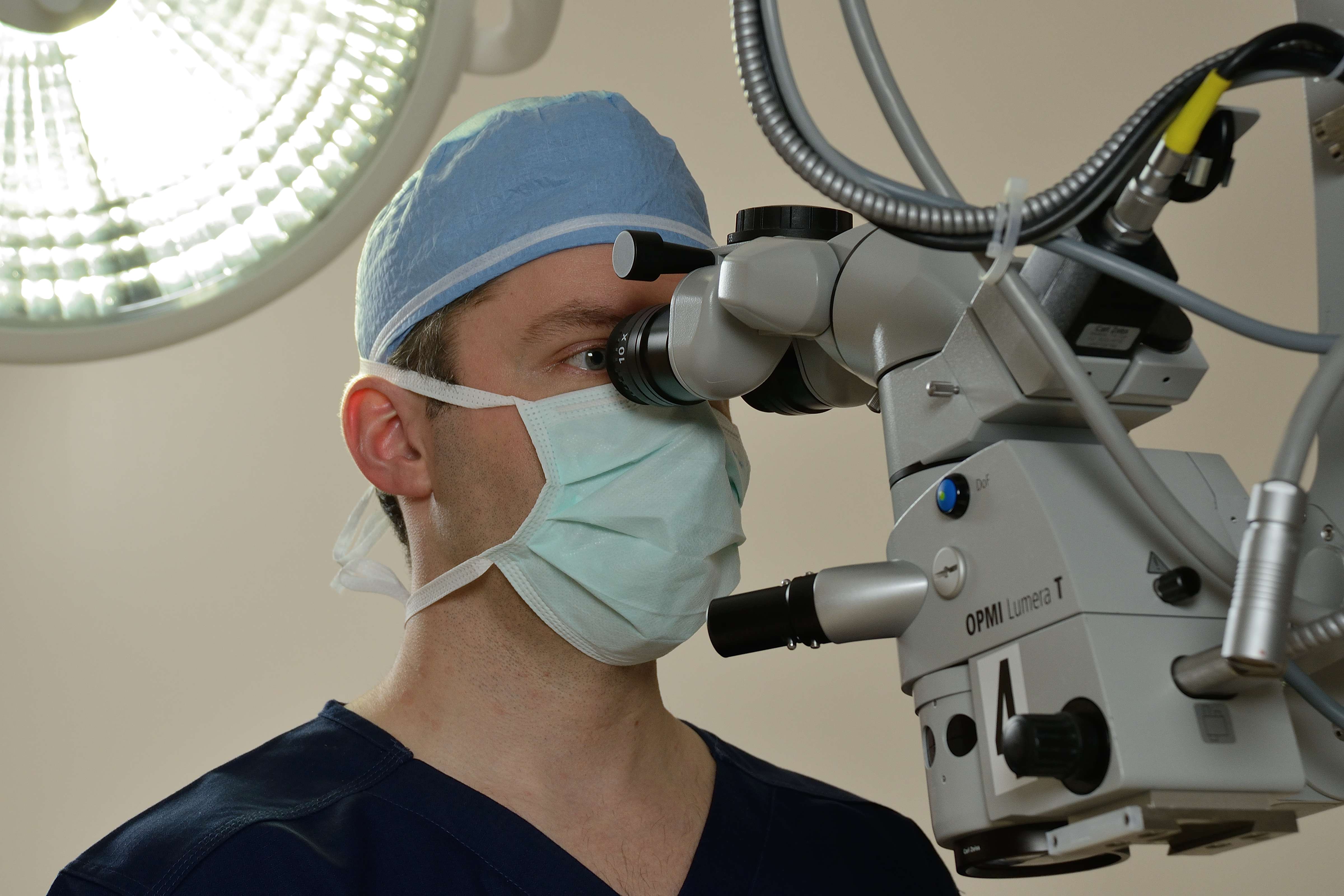
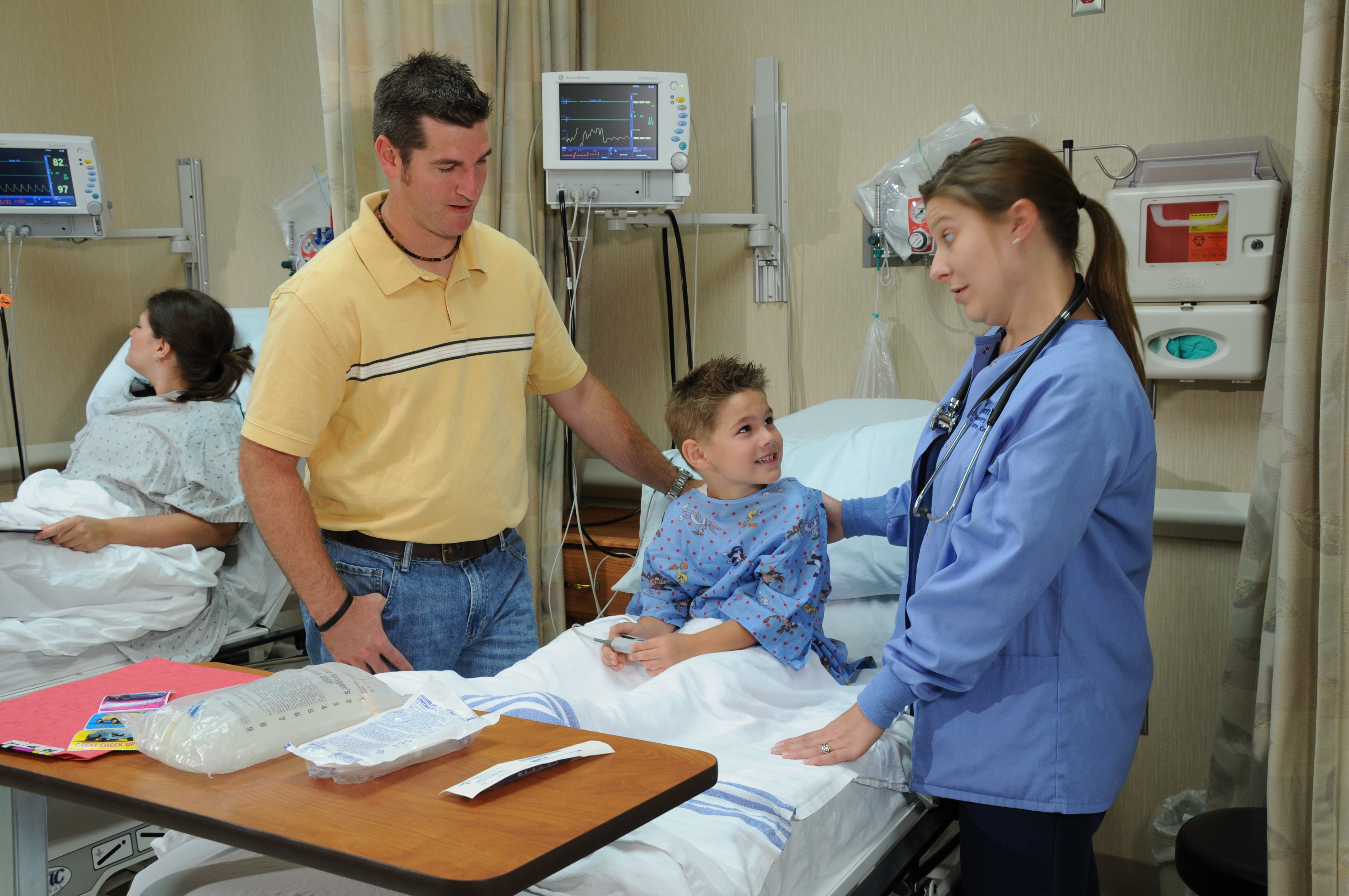
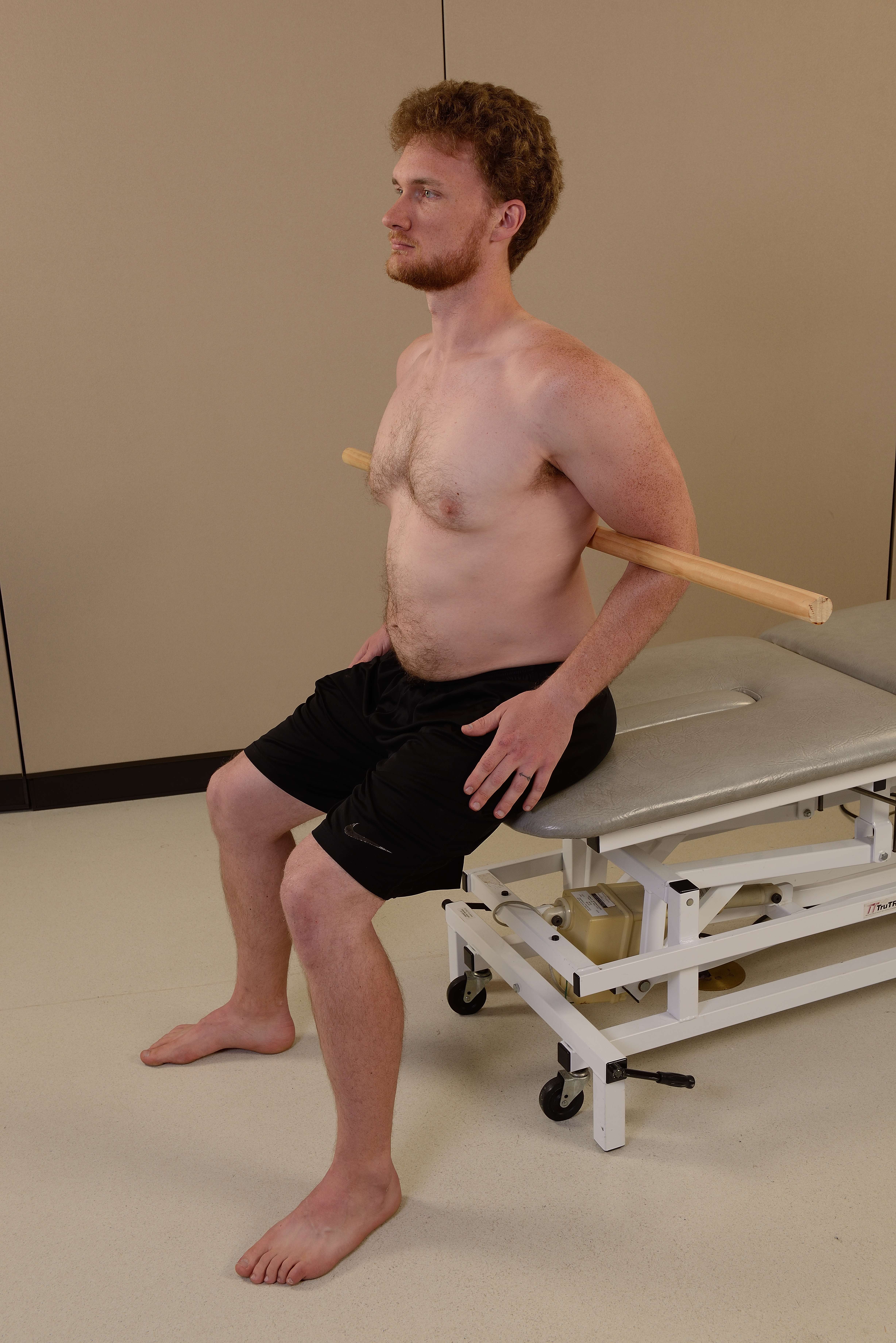
A professional crew knows how to operate around hazards, PPE requirements, and restricted areas without slowing production.
3) Schedule smarter, not longer
We often capture everything needed in a tight window:
- early setup
- a key mid-day sequence
- a milestone moment
- a final wrap shot
4) Create a naming + tagging system
Images only sell if you can find them. A consistent file structure and keywording strategy matters as much as the shoot.
5) Build releases and approvals into the workflow
If there are client restrictions, badging requirements, or sensitive IP, you handle it before cameras roll.
Video + site photos: the multiplier most teams miss
A site shoot is the perfect time to collect short video clips:
- 5–10 second process clips
- team collaboration
- equipment in action
- environmental context
That footage fuels:
- social cutdowns
- website headers
- proposal “proof reels”
- recruiting content
- internal training pieces
One field visit can generate weeks or months of usable content when planned correctly.
Indoor drone capability: visuals from places most vendors can’t reach
Some environments are hard to cover safely with traditional cameras—tight interiors, high ceilings, complex structures, or sensitive areas where access is limited. Specialized indoor drone work can capture perspective shots that are otherwise impractical, time-consuming, or risky.
The key is doing it professionally: proper planning, experienced pilots, safety protocols, and a clear understanding of the story the visuals need to tell.
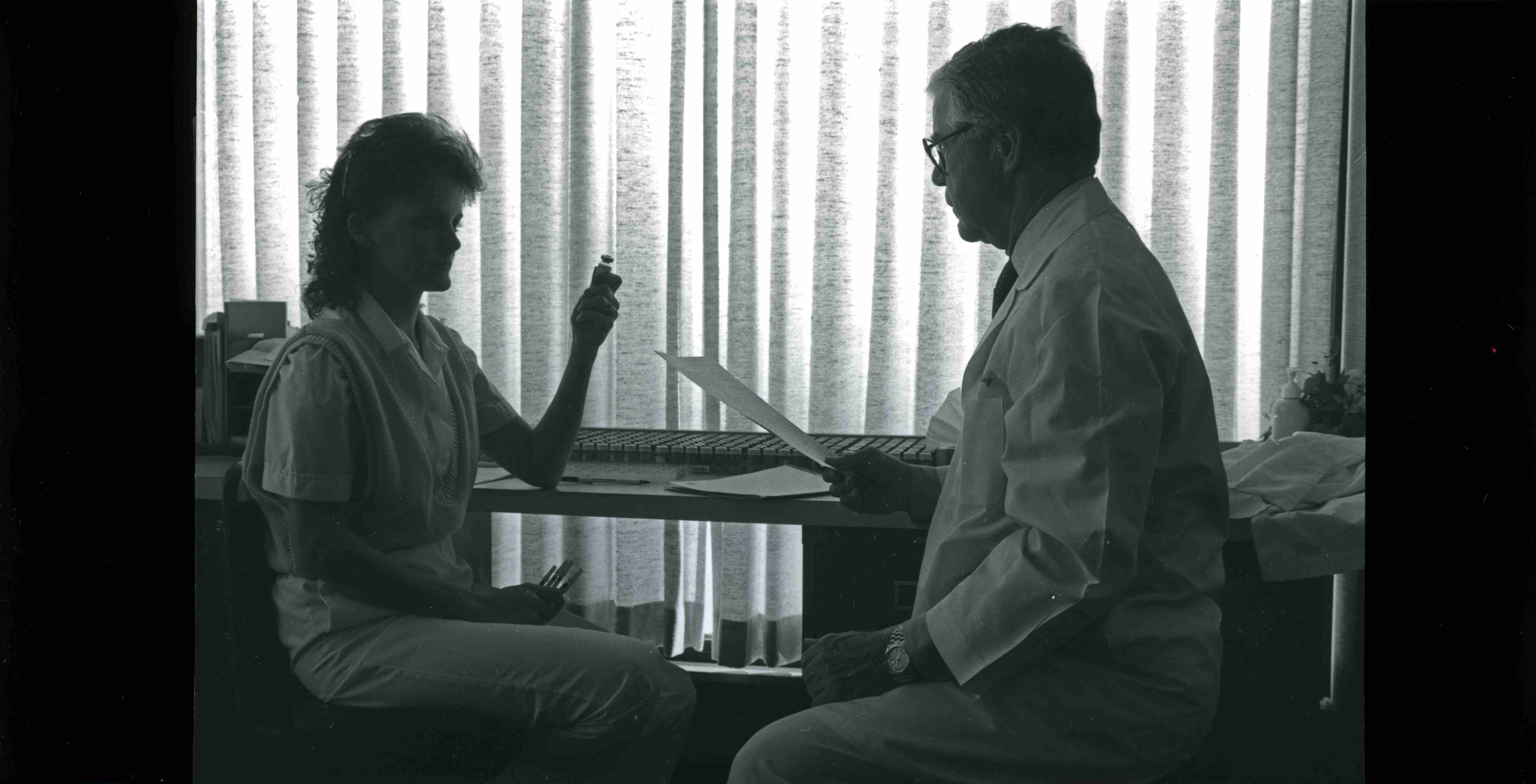
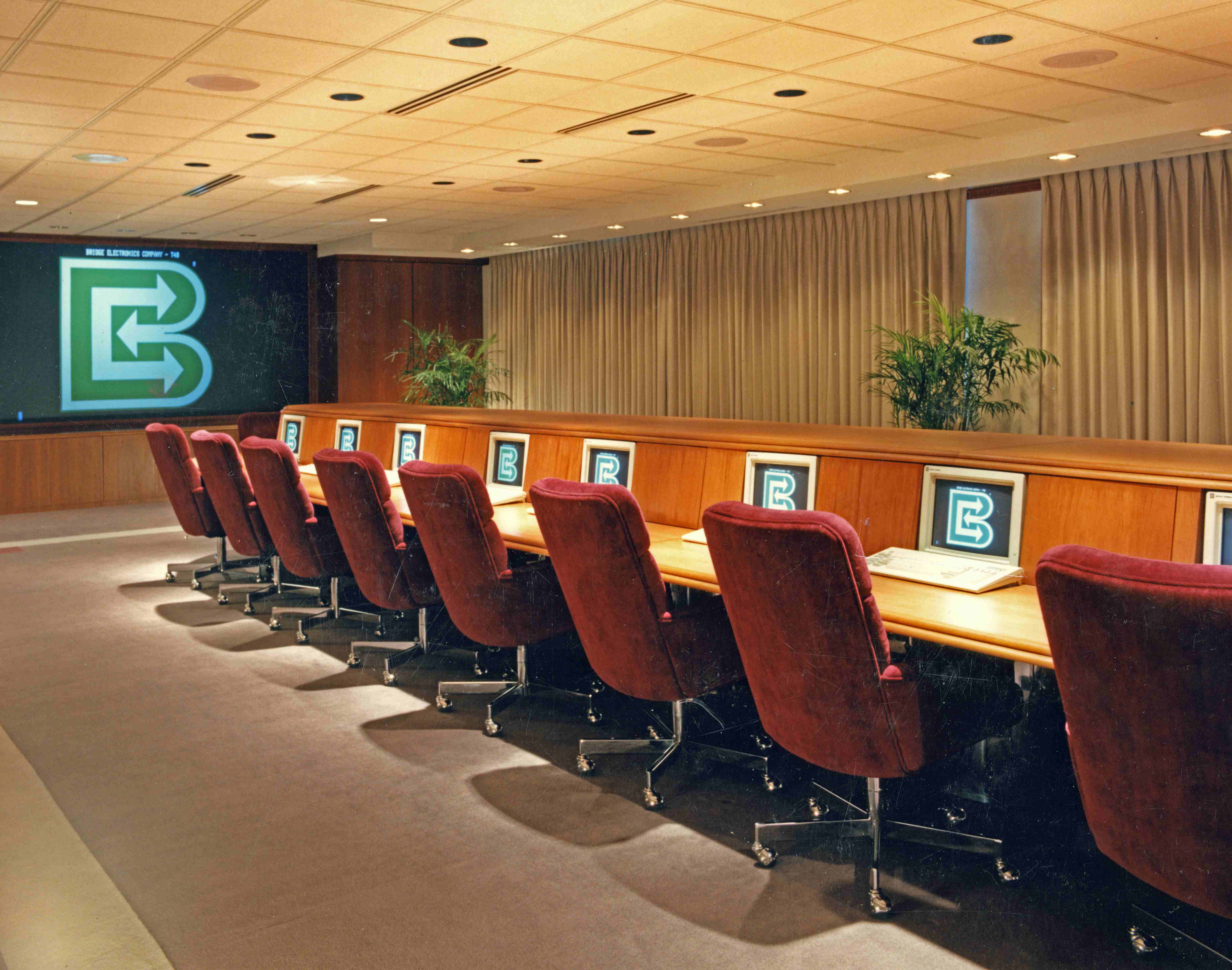
Repurposing: how to turn one shoot into an entire quarter of marketing
The highest ROI comes when you treat site imagery as a “content engine.” From one well-planned capture day, you can produce:
- refreshed website service imagery
- a case study page with a visual timeline
- proposal slides by industry/service
- social posts (process, people, progress, before/after)
- email banners and campaign visuals
- recruiting and culture content
- internal training visuals
That’s how site photos stop being a cost and become a growth asset.
The standard you should demand from professional site imagery
For decision makers, here are the quality markers that separate “random photos” from sales-grade assets:
- Consistent exposure and color across mixed lighting
- Clear subject hierarchy (what the viewer should notice first)
- Composition that communicates scale and process
- Thoughtful detail shots that prove competence
- Safe, compliant field practices (no photos that create liability)
- Deliverables organized for real-world use: web, print, pitch decks, and social
- Correct file formats and sizes for each platform
- Metadata and naming conventions that make assets searchable
You’re not buying pictures. You’re buying clarity.
Why St Louis Video Crew is built for this work
St Louis Video Crew has been producing professional commercial photography and video for businesses, marketing firms, and creative agencies in the St. Louis area since 1982. We know how to capture real environments without disrupting operations—and how to turn field visuals into usable marketing and sales tools.
We’re a full-service production company with the right equipment and the crew experience for successful image acquisition:
- Full-service studio and location video and photography
- Editing and post-production for polished deliverables across web, social, broadcast, and internal use
- Licensed drone pilots, including the ability to fly specialized drones indoors when the situation calls for it
- Custom production planning for different industries, sites, and compliance requirements
- Repurposing expertise so your shoot fuels multiple campaigns, not a single post
- Deep experience across file types, codecs, resolutions, and workflows, and the accompanying software your team already uses
- The latest Artificial Intelligence tools integrated into our workflow—speeding selects, organization, versioning, captions, and turnaround without sacrificing quality
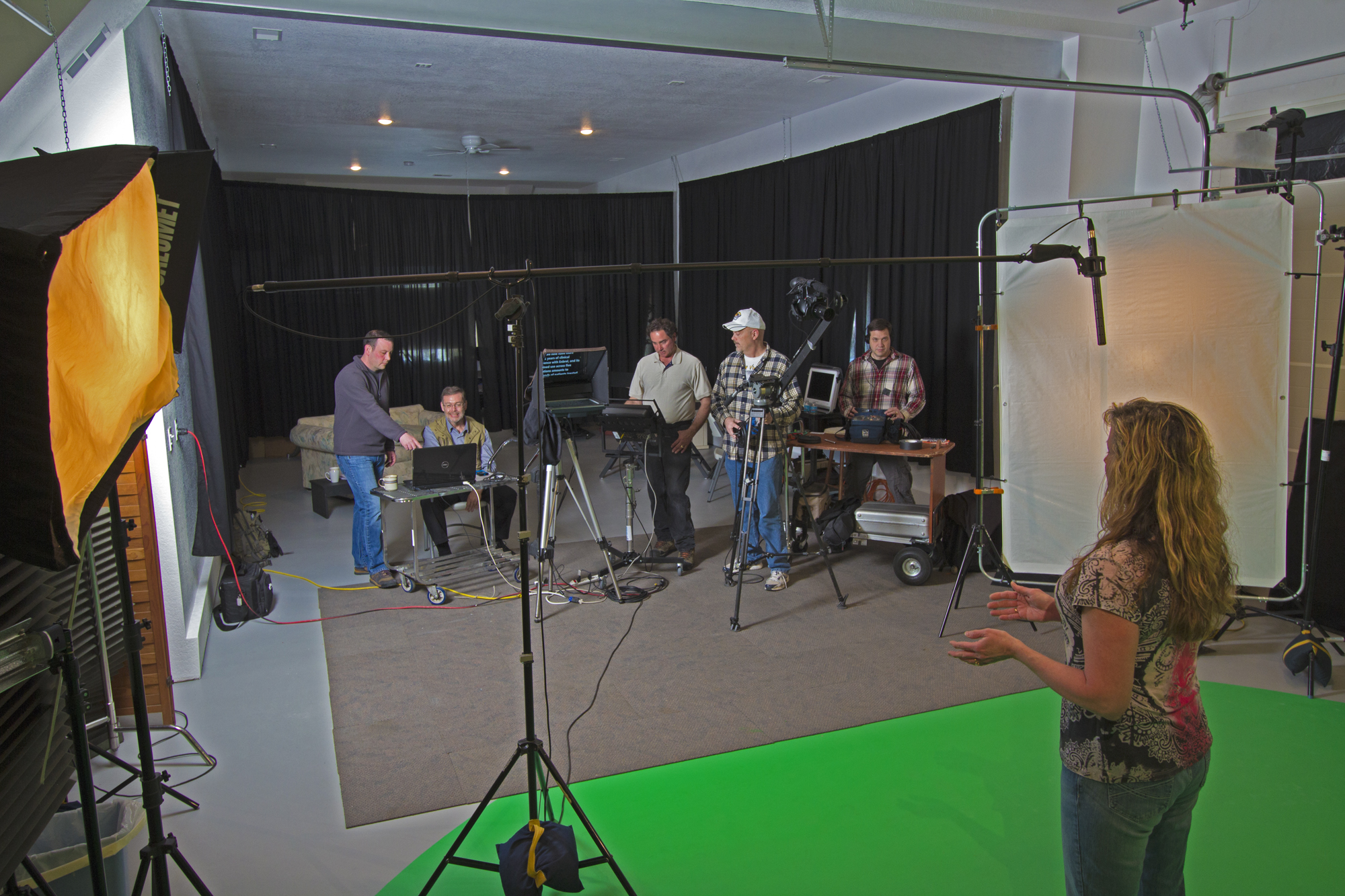
- A private studio lighting and visual setup that’s perfect for small productions and interview scenes, with space for props to round out your set
- End-to-end support—from building a custom interview studio to supplying professional sound and camera operators and the right equipment—so your production is seamless
If your services deserve to be trusted, your visuals should prove it. Don’t skip site photos—they sell services.
Seeing What the Eye Can’t: Commercial Building Inspections With Drone FLIR Thermal Surveys
Modern facilities teams are under pressure to do more with less—extend roof life, reduce energy consumption, document conditions for insurers, and keep people off ladders and scaffolding whenever possible. Traditional inspection methods can only take you so far. That’s where drone-based FLIR infrared thermal surveys come in.
For commercial property owners, facility managers, and marketing and communication teams, drone thermal inspections are no longer a “nice-to-have innovation.” They’re becoming a standard, data-driven way to understand the true health of your buildings—quickly, safely, and with visuals that are easy to share with leadership and stakeholders.
What Is a Drone FLIR Infrared Thermal Survey?
A drone FLIR (Forward-Looking Infrared) thermal survey combines three key technologies:
- Professional drone platforms – Stable, GPS-guided aircraft with redundant safety systems.
- Radiometric thermal cameras (FLIR) – Sensors that measure temperature differences across surfaces, down to fractions of a degree.
- High-resolution visual cameras – Standard RGB imaging to pair with thermal data for accurate interpretation.
Mounted on a drone, the FLIR camera detects subtle temperature variations on roofs, walls, mechanical equipment, electrical systems, and hard-to-reach interior spaces. These temperature patterns often reveal:
- Moisture intrusion
- Insulation failures
- Air leaks and thermal bridging
- Overheated electrical components
- Plumbing, radiant floor, or hydronic system issues
- HVAC and mechanical inefficiencies
Instead of guesswork, facilities teams get a precise visual map of issues—before they become costly failures.

Why Use Drones for Commercial Building Inspections?
Compared to traditional methods—lifts, scaffolding, rope access, or manual roof walks—drone FLIR surveys offer distinct advantages:
1. Safety First
- Less time spent on roofs and elevated workspaces
- Reduced risk of falls, ladder incidents, and exposure to unsafe conditions
- Ability to inspect unstable, aging, or water-damaged roofs without stepping on them
2. Minimal Operational Disruption
- Shorter inspection windows; often completed in hours, not days
- Little to no interference with ongoing facility operations or production
- No need to shut down large areas for extended periods just to gain visual access
3. Comprehensive Coverage
- Entire roofs, façades, and large complexes can be captured in systematic flight paths
- Consistent coverage that can be repeated annually or after storms for comparison
- Both exterior and select indoor areas can be documented with specialized drones capable of safe interior flight
4. Visual, Shareable Data
- Easy-to-understand thermal images and video for leadership and non-technical stakeholders
- Before/after visuals to document repairs and improvements
- Clear evidence for insurance claims, capital budgeting, and warranty discussions
Key Use Cases for Drone Thermal Surveys on Commercial Buildings
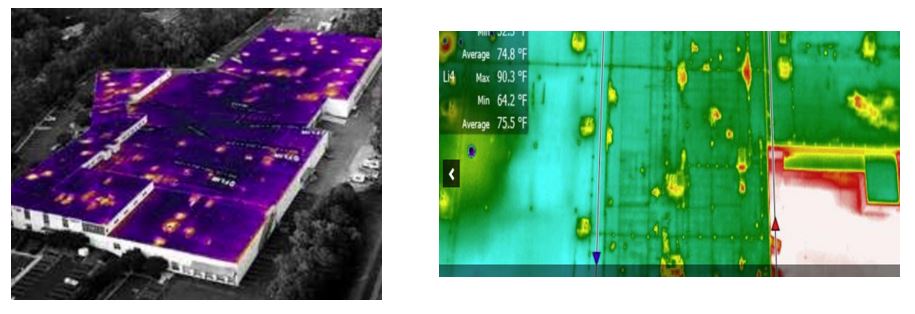
1. Flat and Low-Slope Roof Moisture Detection
Flat commercial roofs are especially vulnerable to moisture intrusion. A drone FLIR survey can:
- Detect saturated insulation trapped beneath membrane surfaces
- Reveal hidden leaks not yet visible inside the building
- Prioritize repair areas instead of replacing the entire roof
- Provide documentation to claim warranties or negotiate with contractors
By isolating problem zones, you can extend roof life and spend capital where it has the most impact.
2. Building Envelope & Energy Loss
Thermal surveys of walls, windows, and façades help you:
- Identify thermal bridging at structural elements
- Spot poorly sealed window systems, door frames, and penetrations
- Reveal areas where insulation is missing, damaged, or improperly installed
These insights directly support energy efficiency initiatives, ESG reporting, and sustainability communications. The same visuals that inform engineering decisions can also be repurposed in internal presentations and stakeholder updates.
3. HVAC, Mechanical & Exhaust Systems
Rooftop units, condensers, ductwork, and exhaust systems all leave a thermal fingerprint. Drone FLIR inspections can:
- Highlight imbalanced heating or cooling across units
- Reveal blocked or malfunctioning components
- Help verify the effectiveness of recent maintenance or upgrades
Capturing this from the air provides a macro view of the entire mechanical layout, something that’s difficult to achieve from the ground.
4. Electrical Systems & Hot Spots
Overheated electrical components can be early indicators of:
- Overloaded circuits
- Failing connections
- Panel or bus duct problems
- Transformer and switchgear issues
While many electrical inspections are conducted from the ground or indoors, specialized drones can fly indoors in appropriate industrial settings such as warehouses, distribution centers, or large mechanical rooms. With the right safety protocols and coordination, drone FLIR imaging can augment your existing electrical maintenance program by visually pinpointing areas that demand attention.


5. Interior Inspections in Hard-to-Reach Areas
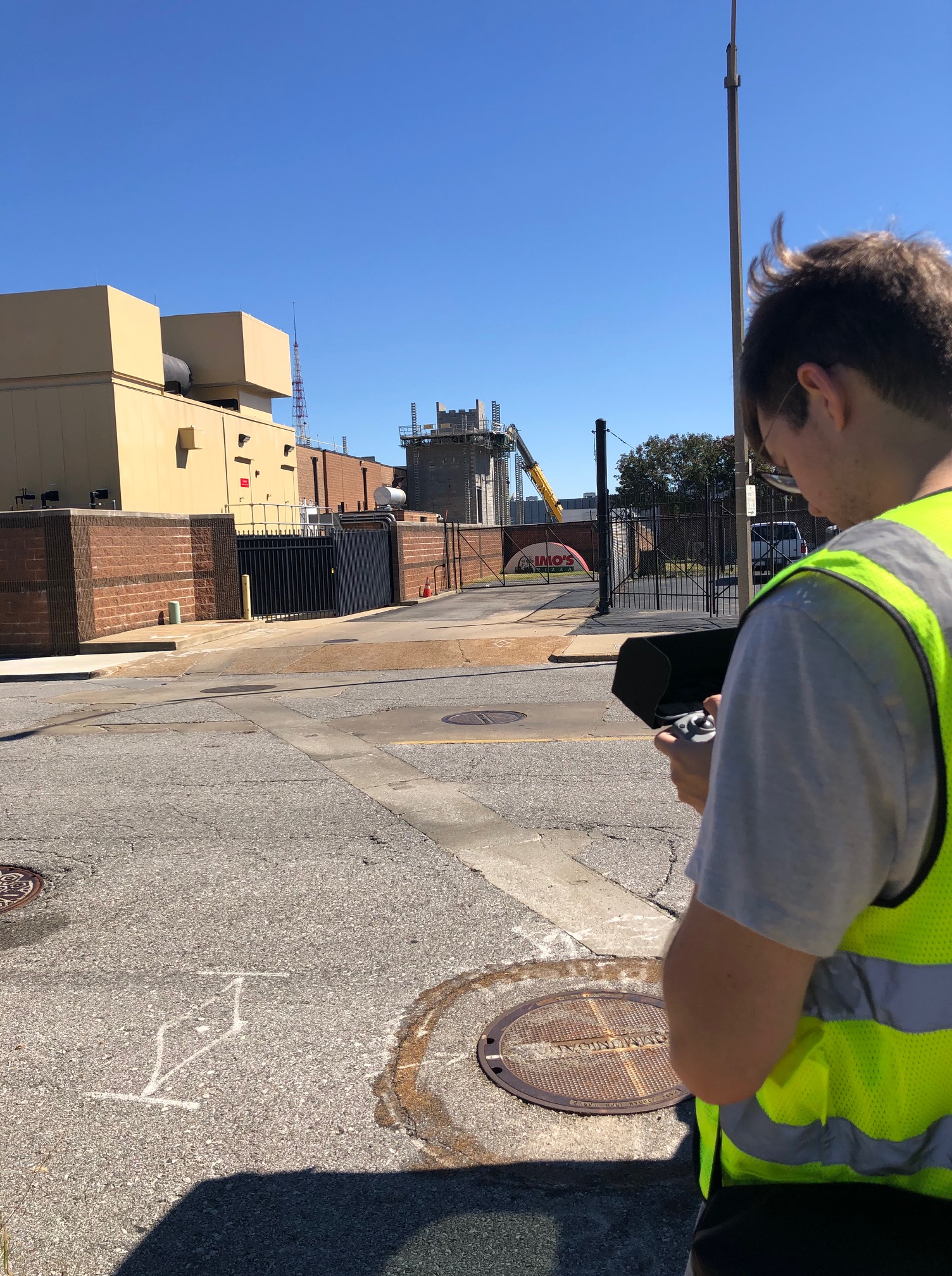
Not all critical building spaces are easy to walk into. Drone thermal inspections are especially useful for:
- High warehouse ceilings and overhead structures
- Interior roof decks above production lines or shelving
- Narrow or obstructed spaces where lifts are impractical
Indoor-capable drones, paired with thermal and visual cameras, allow you to inspect these environments without rearranging equipment or disrupting operations.
How a Professional Drone FLIR Survey Project Typically Works
Step 1: Discovery & Planning
- Review building plans, roof types, age, and known problem areas
- Define goals: leak detection, energy loss, insurance documentation, baseline condition survey, etc.
- Confirm airspace, safety considerations, and scheduling constraints
Step 2: Flight Planning & Safety
- Map flight paths for full coverage of roofs and façades
- Identify safe takeoff/landing zones and establish communication with on-site personnel
- Ensure all pilots are properly licensed and insured, with appropriate waivers where needed
Step 3: Data Capture – Exterior and Interior
- Conduct thermal and visual imaging at optimal times (often evening or early morning for maximum thermal contrast)
- Capture overlapping imagery for mapping, 3D models, or orthomosaic generation
- For indoor flights, utilize specialized drones and lighting tailored to the facility environment
Step 4: Processing, Analysis & AI-Assisted Review
- Process imagery into detailed reports, thermal maps, and annotated visuals
- Use Artificial Intelligence and advanced software to help flag anomalies, pattern irregularities, and temperature outliers
- Correlate thermal data with high-resolution RGB images for accurate interpretation
Step 5: Reporting & Actionable Recommendations
Deliverables often include:
- PDF or slide-deck reports for facility, operations, and executive teams
- Marked-up roof or site plans showing likely moisture, energy loss, or hot spots
- Still imagery and short annotated videos for internal communication or insurer documentation
- Media files formatted for easy integration into your existing asset management or BIM systems


Turning Inspection Imagery Into Strategic Communication Assets
For marketing, communications, and stakeholder engagement teams, drone thermal surveys do more than just guide maintenance.
You can repurpose the visual assets to:
- Demonstrate responsible stewardship of company facilities
- Support ESG and sustainability reporting initiatives
- Educate employees about energy-saving projects
- Highlight proactive risk management for insurers, boards, and investors
With thoughtful editing, motion graphics, and on-camera interviews, inspection footage can be woven into compelling internal videos, case studies, or presentations that clearly show how your organization invests in infrastructure health and safety.
What to Look For in a Drone FLIR Inspection Partner
When selecting a provider, decision makers should verify:
- Licensed, insured pilots experienced with commercial and industrial environments
- Radiometric-capable thermal sensors (like professional FLIR units), not consumer-grade approximations
- Experience with building systems—roofs, envelope, mechanical and electrical—not just aerial photography
- Robust post-production and reporting capabilities, including AI-assisted analysis
- The ability to coordinate with your engineering, safety, and marketing teams to deliver both technical and communication-ready assets
The right partner doesn’t just “fly the drone.” They collaborate with your team to make the data understandable and actionable.
How St. Louis Video Crew Supports Commercial Drone Thermal Inspections
Experienced St. Louis Video Crew is a full-service professional commercial photography and video production company with the right equipment and creative crew service experience for successful image acquisition. We offer full-service studio and location video and photography, as well as editing, post-production and licensed drone pilots. St. Louis Video Crew can customize your productions for diverse types of media requirements. Repurposing your photography and video branding to gain more traction is another specialty. We are well-versed in all file types and styles of media and accompanying software. We use the latest in Artificial Intelligence for all our media services. Our private studio lighting and visual setup is perfect for small productions and interview scenes, and our studio is large enough to incorporate props to round out your set.
For commercial building owners, facility managers, marketing teams and agencies, we support every aspect of your production—from setting up a private, custom interview studio to supplying professional sound and camera operators, as well as providing the right equipment—ensuring your next video production is seamless and successful. We can fly our specialized drones indoors where appropriate, capturing both thermal and visual data in areas that are difficult or unsafe to reach. As a full-service video and photography production corporation since 1982, St. Louis Video Crew has worked with many businesses, marketing firms and creative agencies in the St. Louis area for their marketing photography and video, including advanced drone FLIR infrared thermal surveys that turn technical inspections into clear, compelling visuals for decision makers.
Mastering Visuals on a Budget: Expert Strategies for High-Quality Footage Without Breaking the Bank
In today’s visually-driven market, compelling photography and video content are no longer a luxury but a necessity for businesses and organizations seeking to capture attention and convey their message effectively. However, the perception often exists that high-quality visuals necessitate an equally high budget. As experienced professionals in the field, we understand that smart planning and strategic execution can yield exceptional results without depleting your resources. This article will delve into practical, “real tricks” to secure quality footage, even when operating with a tight budget.
1. The Power of Pre-Production: Planning as Your Greatest Ally
The most effective way to save money and ensure quality is through meticulous pre-production. This phase, often overlooked or rushed, is where the blueprint for success is laid.
- Define Your Message and Goals Clearly: Before a single frame is shot, understand precisely what you want to communicate and what you hope to achieve. This clarity will guide all subsequent decisions, preventing wasted time and resources on irrelevant shots or concepts.
- Detailed Storyboarding and Shot Lists: Visualizing your project through storyboards (even simple sketches) and comprehensive shot lists will streamline the shooting process significantly. This proactive approach minimizes re-takes, ensures all necessary angles are captured, and reduces on-set decision-making time, which can translate directly into cost savings.
- Location Scouting with Purpose: Identify locations that offer natural light, interesting backdrops, and minimal ambient noise. A well-chosen location can reduce the need for extensive lighting setups or soundproofing, both of which can be costly. Consider leveraging existing office spaces or local public areas with proper permits.
- Scripting and Interview Prep: For video, a well-written script ensures conciseness and clarity, reducing lengthy takes and editing time. For interviews, prepare your subjects with clear questions and brief them on the desired tone. This preparedness makes the most of your shooting window.
2. Leveraging Available Resources and Smart Equipment Choices

You don’t always need the latest, most expensive gear to achieve professional results. Smart resourcefulness can go a long way.
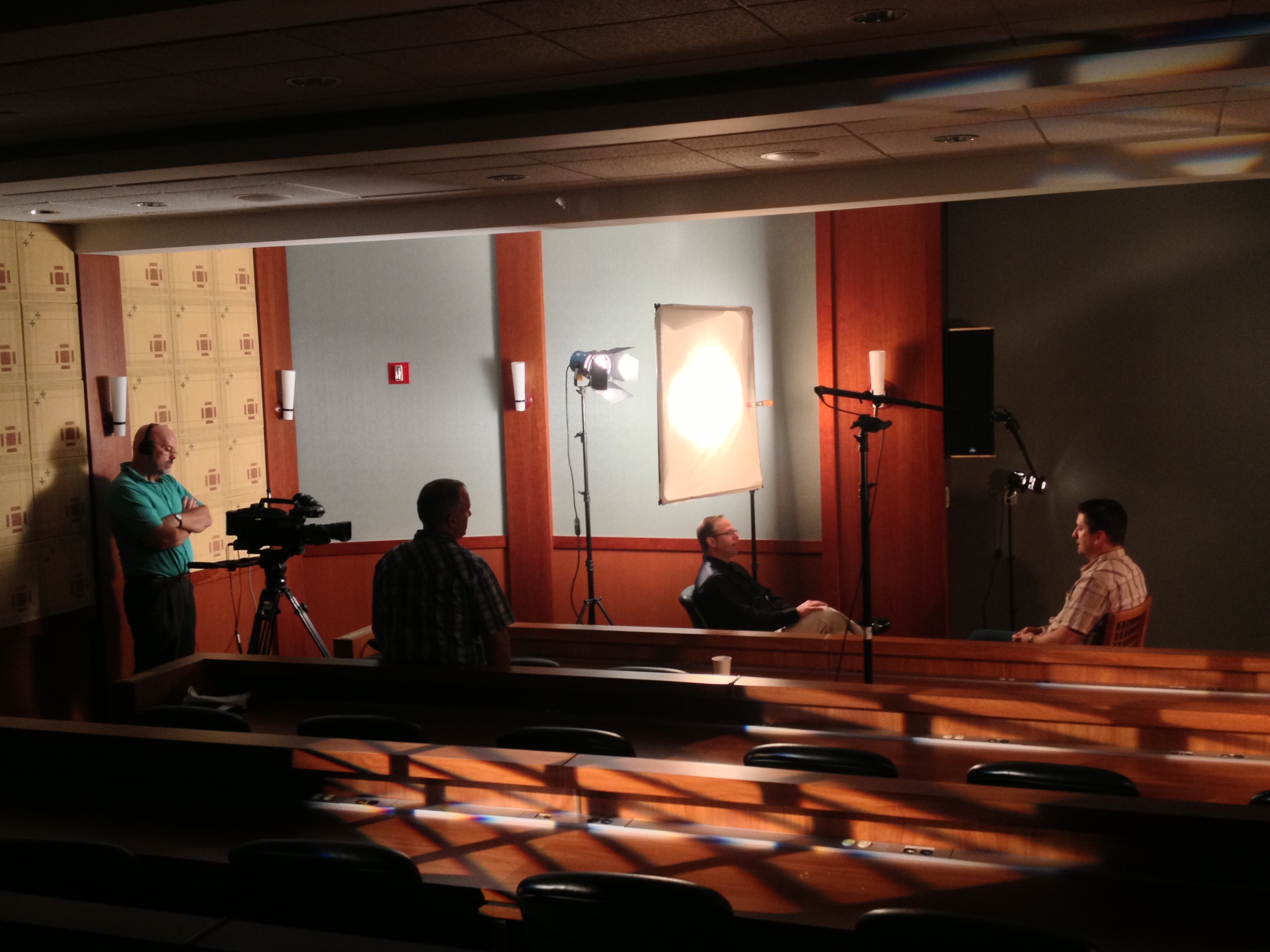
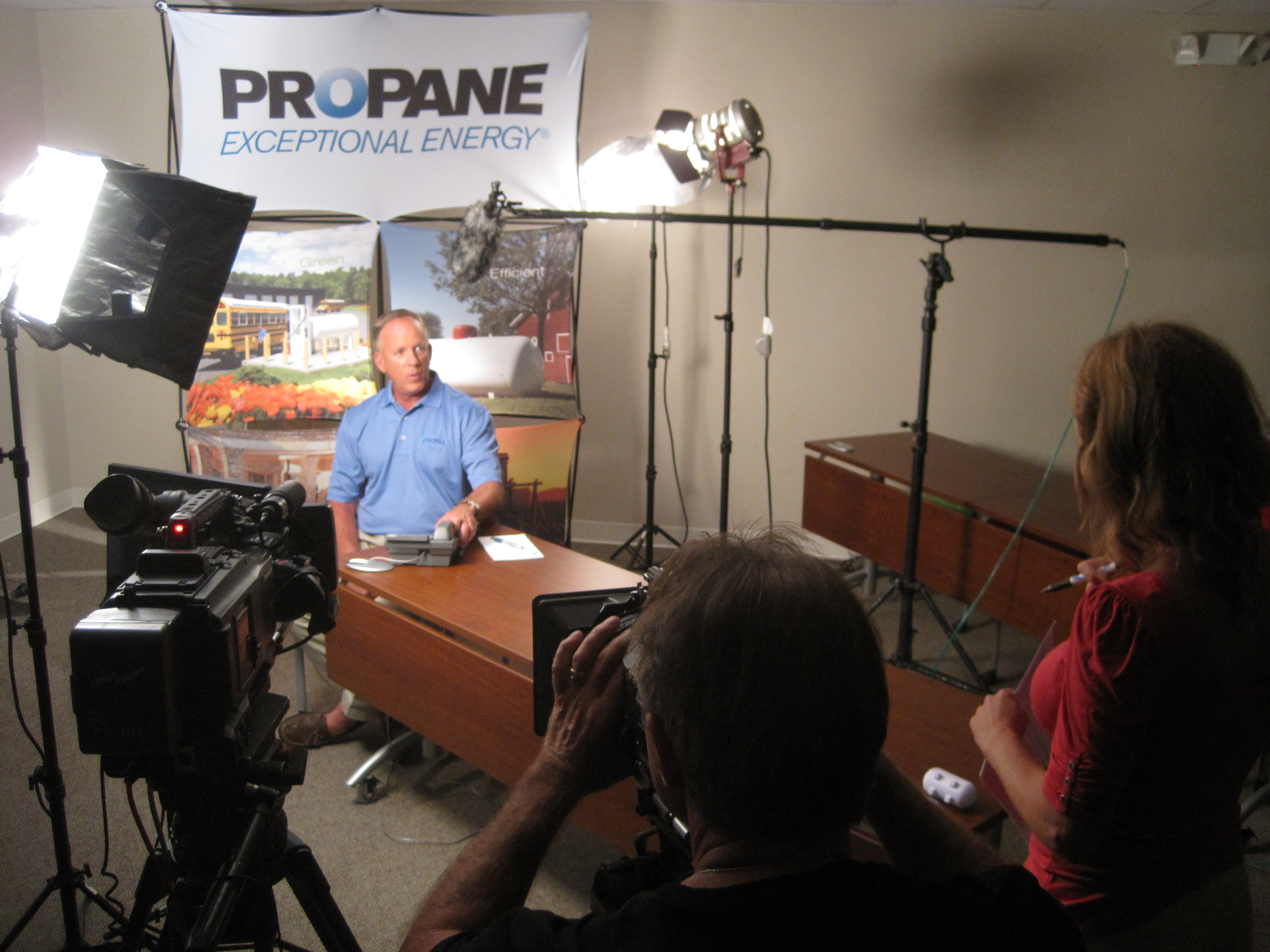
- Optimize Natural Light: Natural light is your best friend when on a budget. Schedule shoots during “golden hour” (shortly after sunrise or before sunset) for soft, flattering light. Position subjects near windows and utilize white bounce cards (even a piece of foam board) to reflect light and fill shadows.
- Utilize Existing Technology: Modern smartphones are capable of capturing surprisingly high-quality video, especially in good lighting conditions. If a dedicated camera isn’t an option, explore professional apps and external accessories like small tripods or basic microphones to elevate smartphone footage.
- Rent Smart, Not Often: For specialized equipment you genuinely need (e.g., a specific lens, a more advanced camera body), consider renting for the duration of your project rather than purchasing. This avoids significant upfront investment and maintenance costs.
- Prioritize Audio Quality: Poor audio can ruin even the most visually stunning footage. Invest in or rent a decent external microphone. Lavalier mics for interviews or a good shotgun mic for general scenes are crucial. Clean audio saves immense time and money in post-production.
- Consider a Smaller Crew: While a full crew offers many benefits, a tight budget might necessitate a more streamlined approach. If feasible, combine roles or leverage internal staff for tasks like talent coordination or basic grip work, under professional guidance.
3. Efficiency in Production and Post-Production
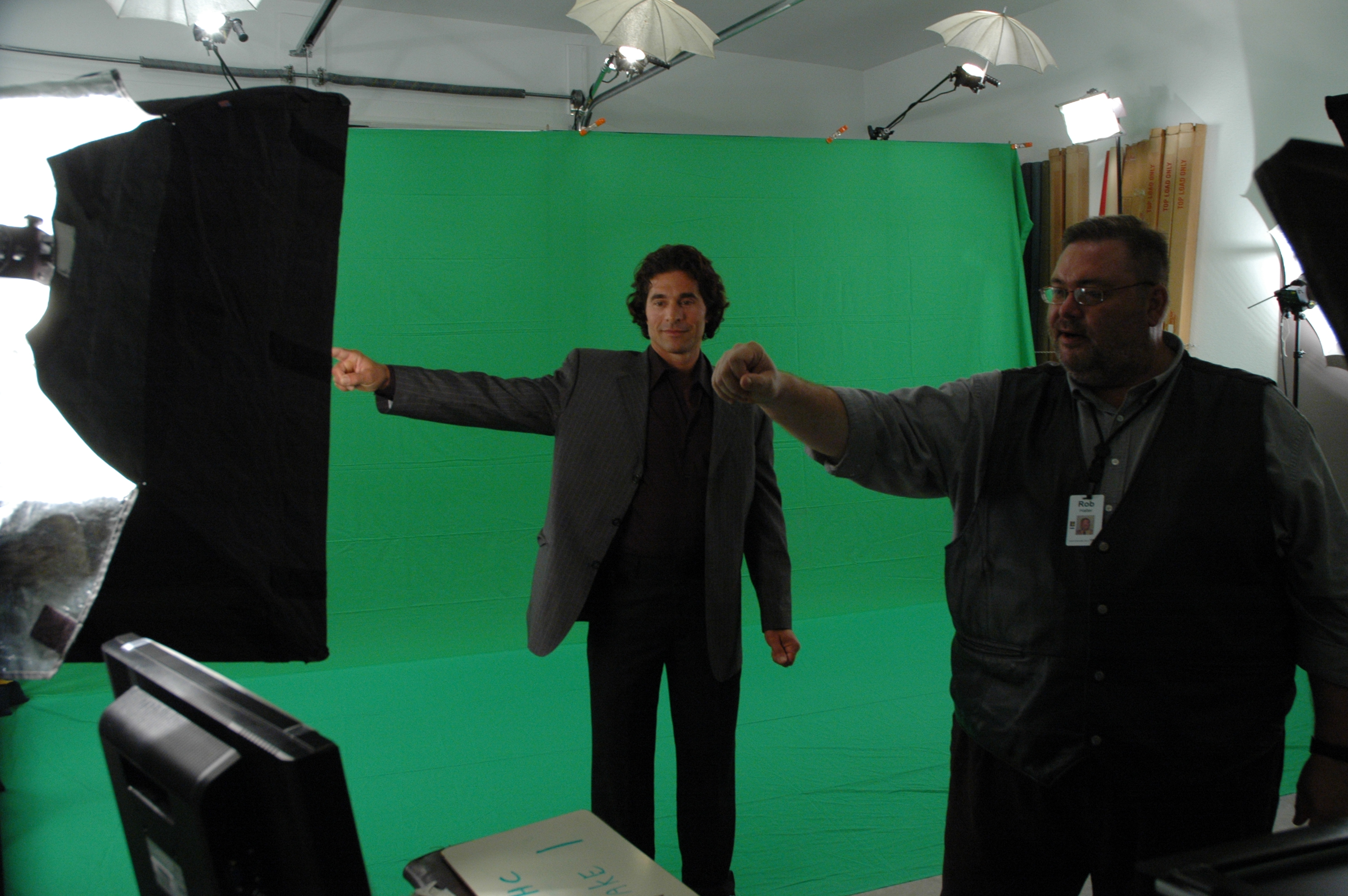
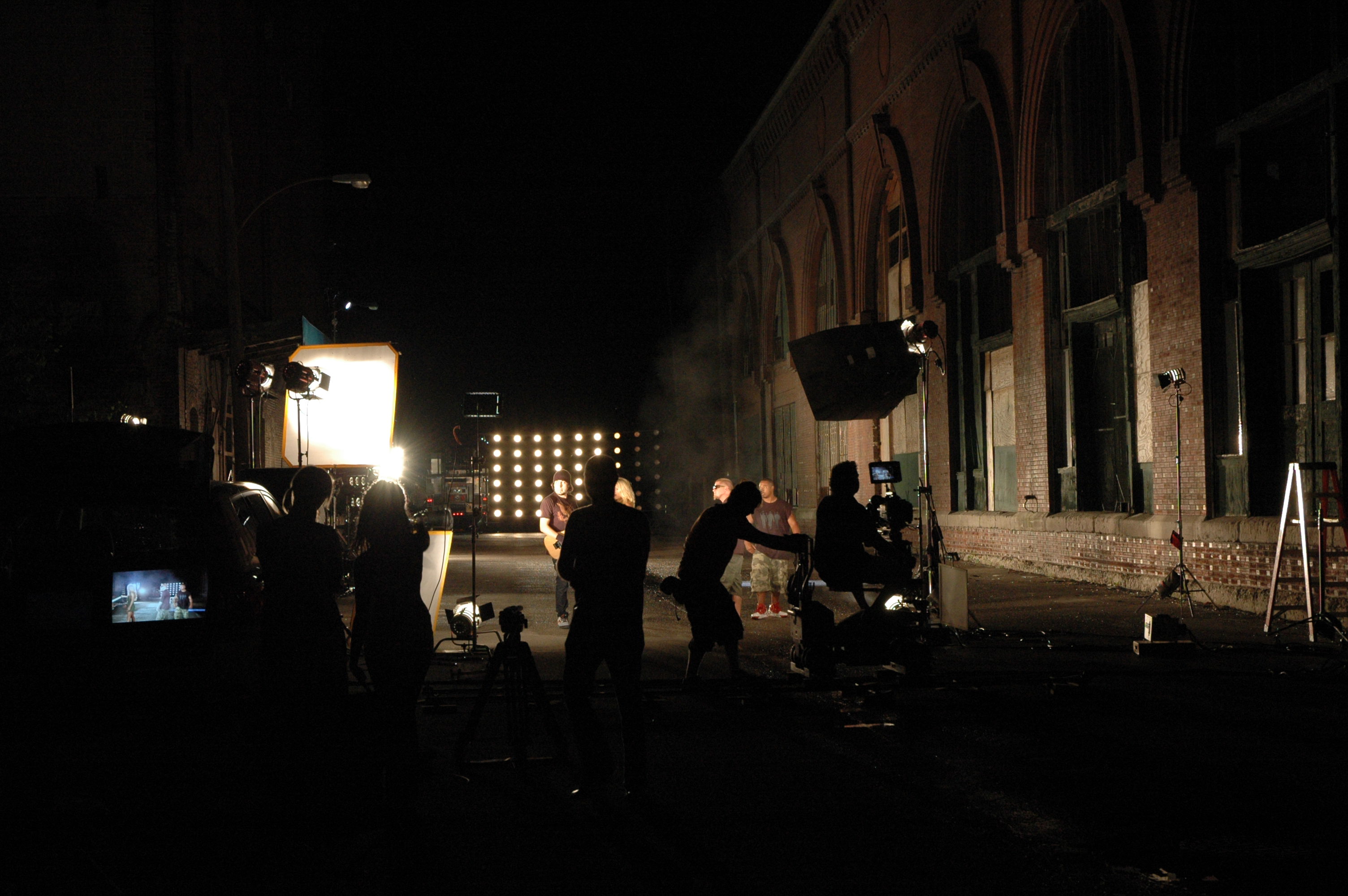

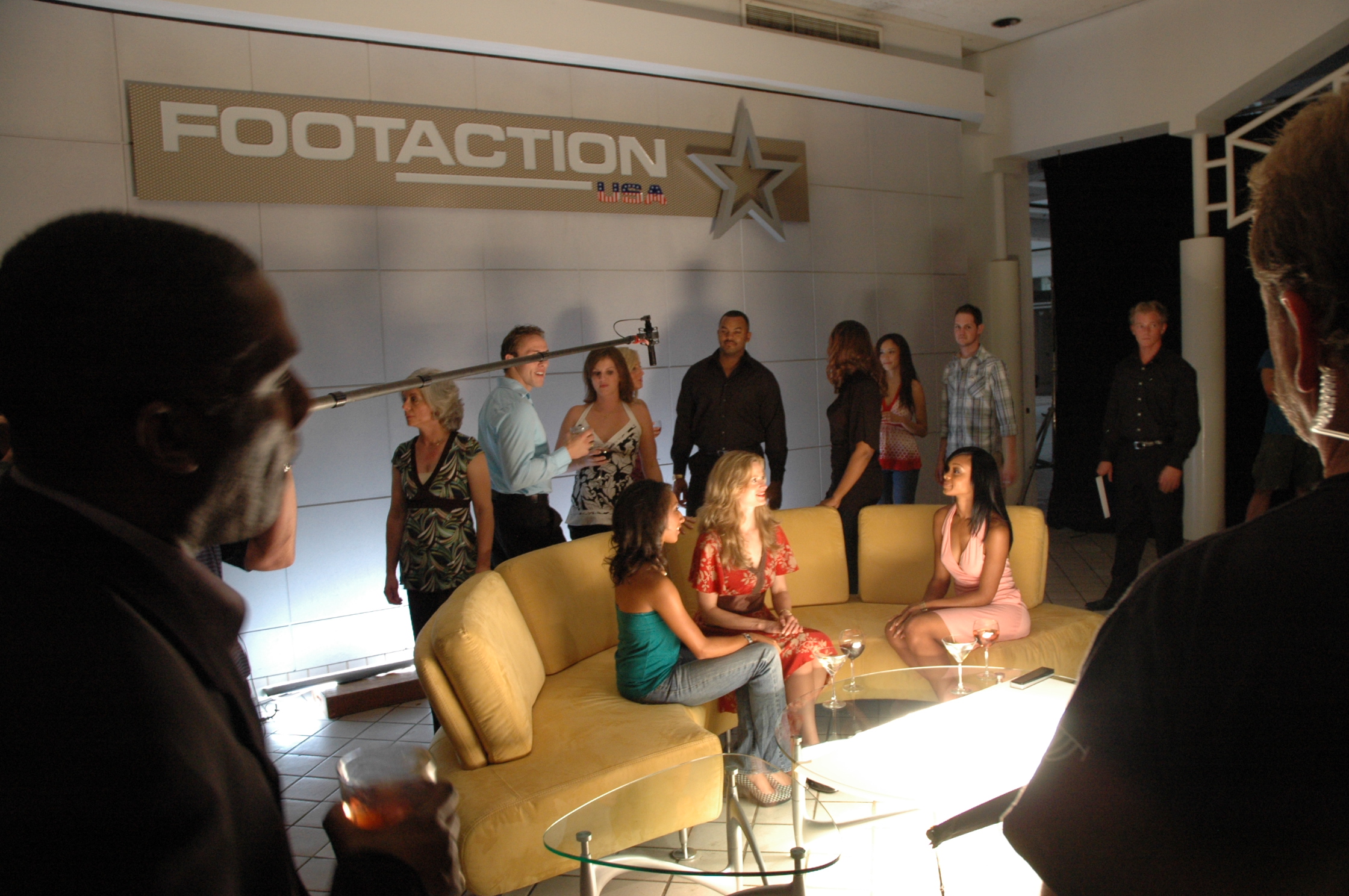
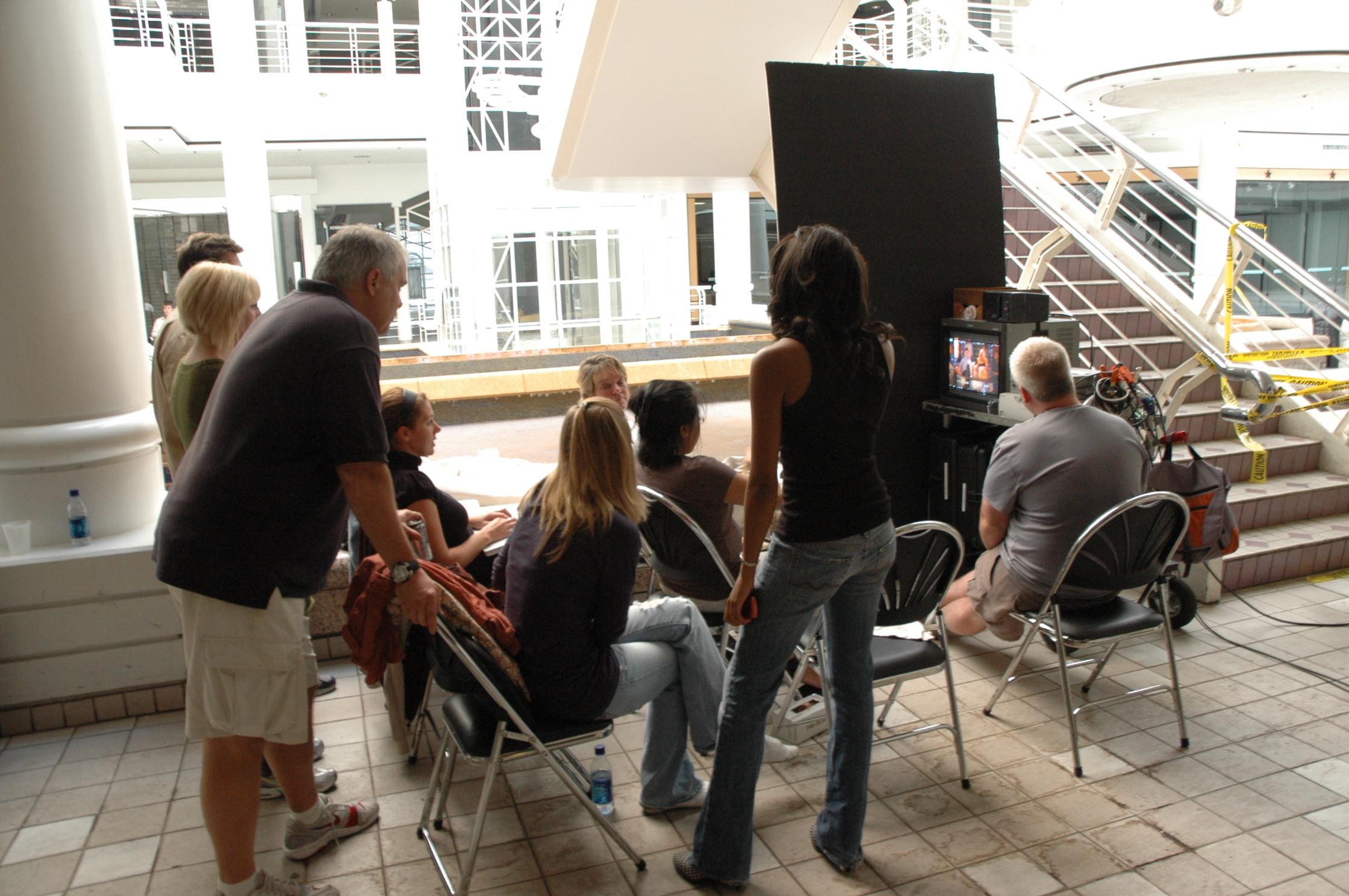

The actual shooting and editing phases offer further opportunities for cost-effective quality.
- Shoot Efficiently: Stick to your shot list and avoid unnecessary experimental takes. Be decisive on set. The less time spent shooting, the less you’re paying for crew and equipment rentals.
- Master the Art of Composition: Strong composition can make even simple shots look professional. Follow rules like the rule of thirds, use leading lines, and pay attention to background elements to avoid distractions.
- In-Camera Effects Over Post-Production Fixes: Whenever possible, achieve your desired look in-camera. Getting lighting, color, and focus right during the shoot minimizes costly and time-consuming corrections in post-production.
- Strategic Editing: A skilled editor can transform good footage into great content. Focus on concise storytelling, pacing, and impactful visuals. Don’t be afraid to cut anything that doesn’t serve your core message.
- Leverage Stock Media Wisely: High-quality stock footage and photography can complement your custom content, filling gaps or providing b-roll without the cost of a dedicated shoot. Ensure licenses are appropriate for your use.
- Artificial Intelligence for Efficiency: The latest AI tools can assist with tasks like noise reduction, color grading suggestions, transcription, and even basic editing, significantly speeding up post-production workflows and reducing human resource costs.
Achieving high-quality photography and video on a tight budget is not about sacrificing quality, but about strategic planning, smart resource allocation, and efficient execution. By focusing on strong pre-production, making informed equipment choices, and optimizing your production and post-production workflows, businesses and organizations can create compelling visual content that resonates with their audience and drives results.





Your Visual Partner for Success: St Louis Video Crew
At St Louis Video Crew, we understand the intricacies of visual storytelling and the importance of maximizing every budget. As a full-service professional commercial photography and video production company, we bring the right equipment and a creative crew with extensive experience for successful image acquisition. We offer full-service studio and location video and photography, as well as comprehensive editing, post-production, and licensed drone pilot services.
St Louis Video Crew excels at customizing your productions for diverse types of media requirements. Repurposing your photography and video branding to gain more traction is another specialty, ensuring your valuable assets work harder for you. We are well-versed in all file types and styles of media and accompanying software, staying ahead of industry standards. We even leverage the latest in Artificial Intelligence for all our media services, enhancing efficiency and creative possibilities.



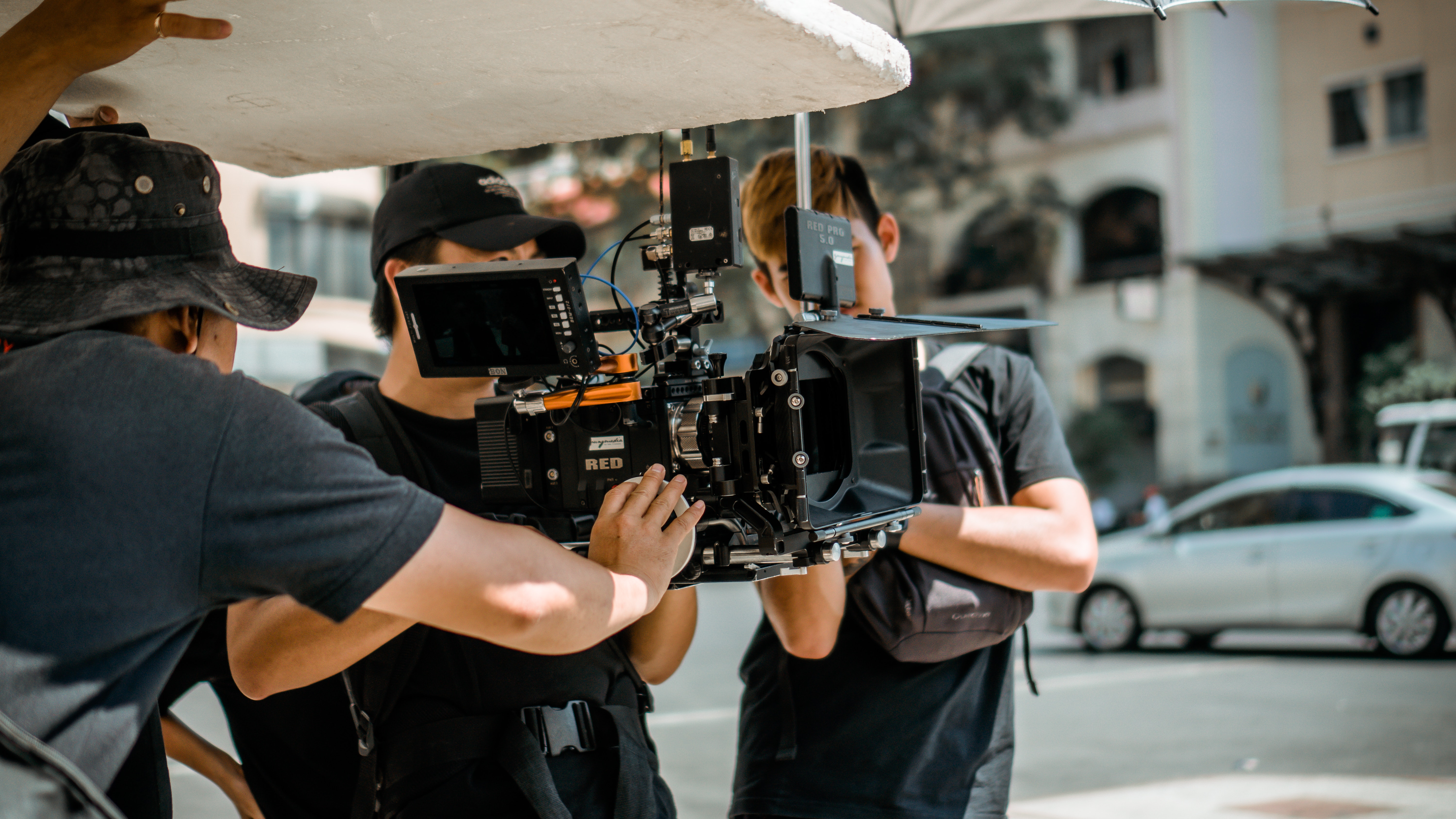


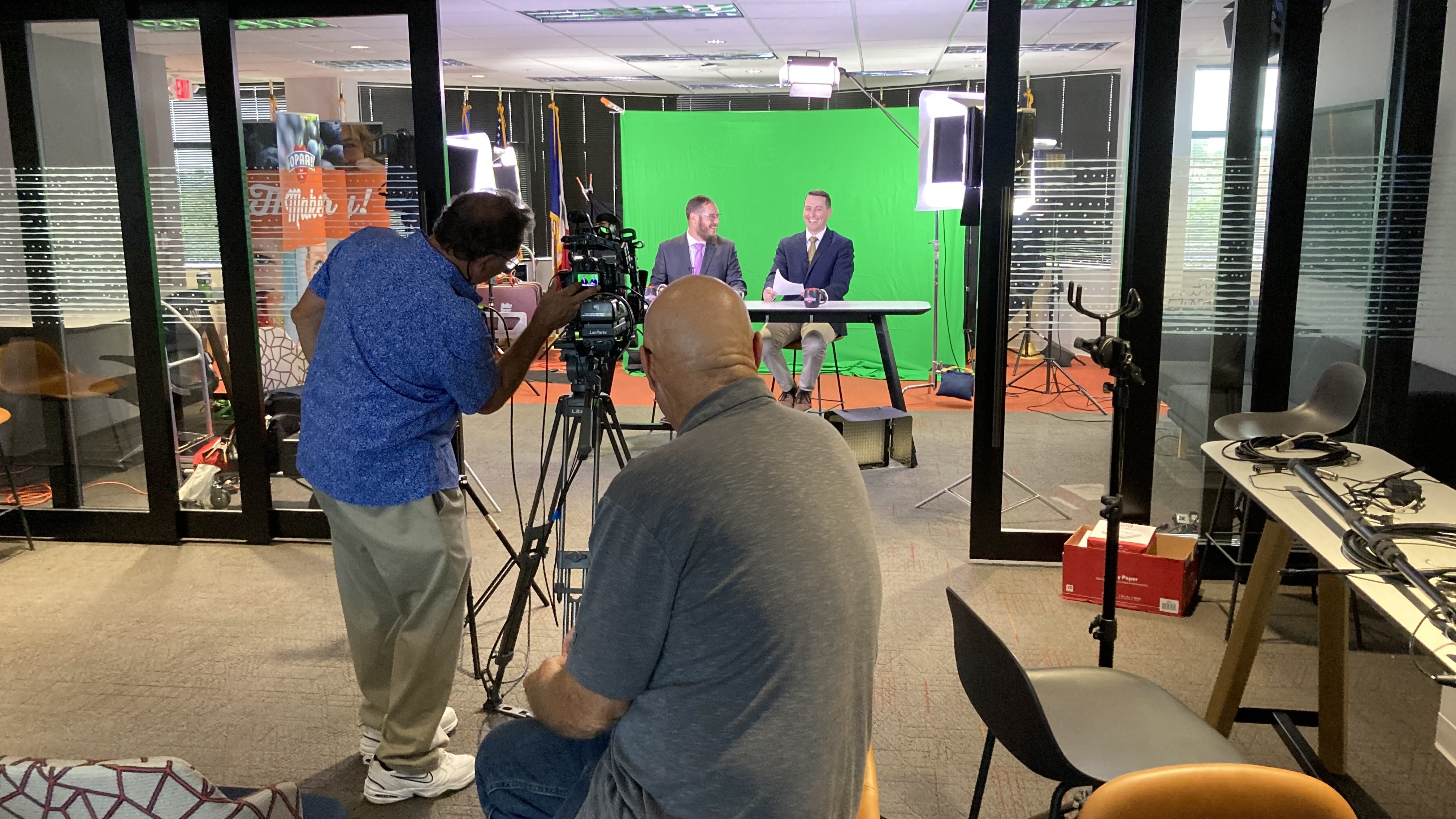
Our private studio lighting and visual setup is perfect for small productions and interview scenes, large enough to incorporate props to round out your set. We support every aspect of your production—from setting up a private, custom interview studio to supplying professional sound and camera operators, as well as providing the right equipment—ensuring your next video production is seamless and successful. Unique to our offerings, we can even fly our specialized drones indoors for dynamic, unique perspectives.
As a full-service video and photography production corporation, since 1982, St Louis Video Crew has proudly worked with countless businesses, marketing firms, and creative agencies in the St. Louis area, consistently delivering exceptional marketing photography and video solutions. Trust us to bring your vision to life with precision, creativity, and cost-effectiveness.
The Teleprompter Advantage: Avoiding Common Pitfalls for Polished Presentations
In today’s visually-driven business landscape, professional video content is no longer a luxury, but a necessity. From executive messages and training modules to marketing videos and testimonials, on-camera presentations demand clarity, confidence, and a natural delivery. This is where the teleprompter becomes an indispensable tool. However, for those new to its use, a teleprompter can inadvertently introduce new challenges if not handled correctly. As seasoned professionals in commercial photography and video production, we’ve seen it all. This blog post will demystify common teleprompter mistakes and provide actionable solutions to ensure your next on-camera appearance is polished and professional.
Why Teleprompters are Essential (When Used Correctly)
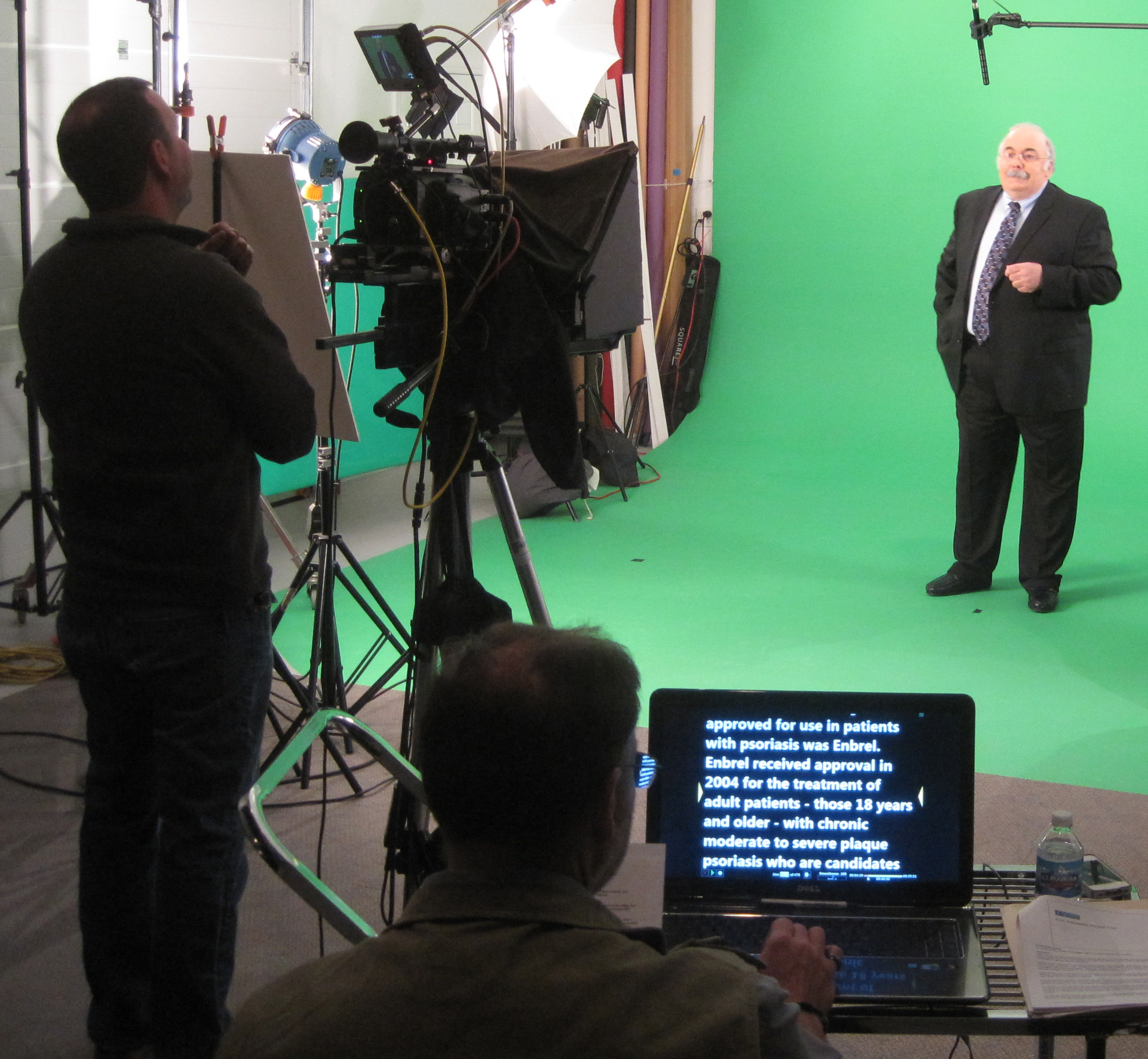
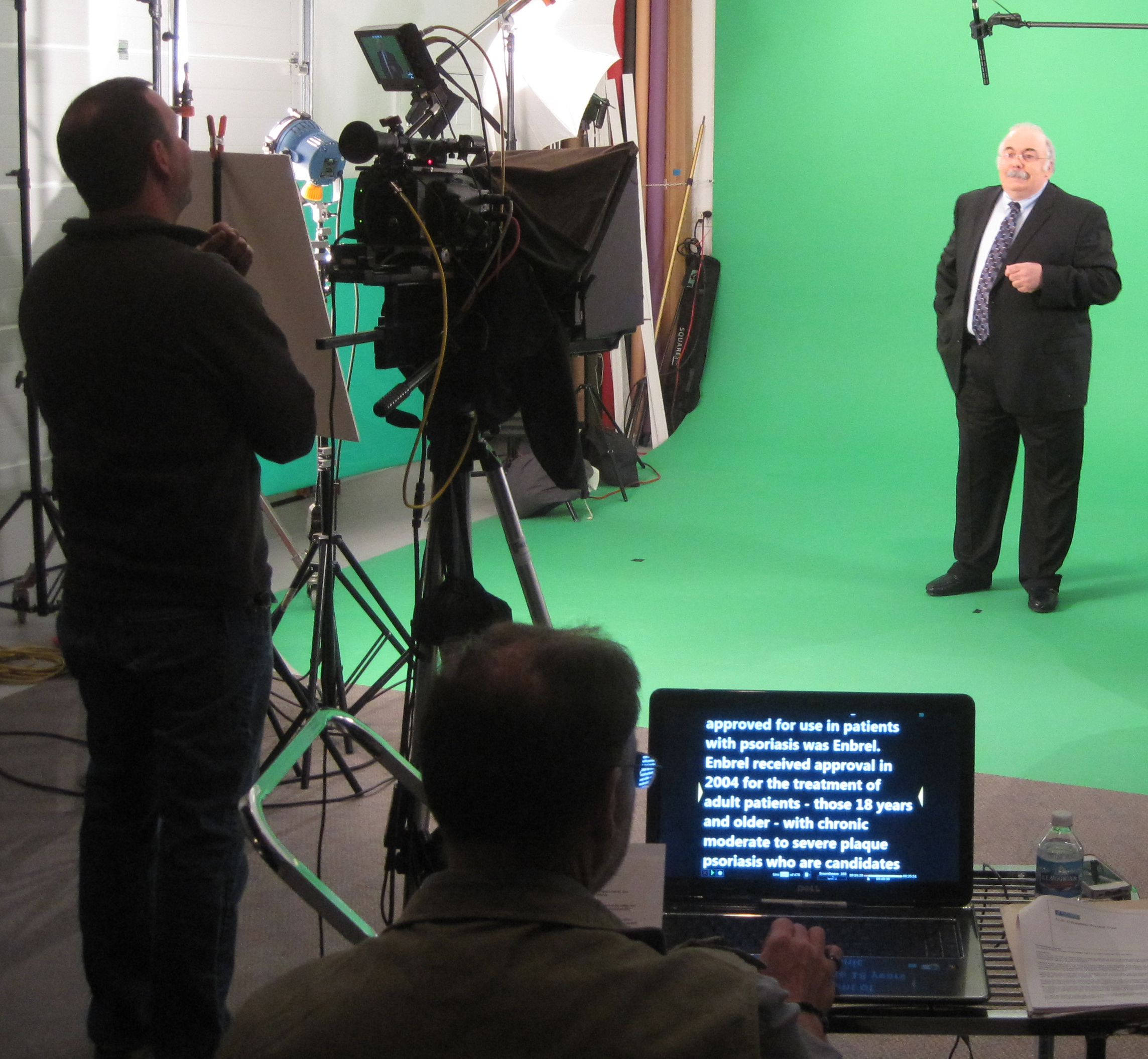
A teleprompter, at its core, projects a script directly in front of the camera lens, allowing the speaker to maintain eye contact with the audience while delivering pre-written content. This eliminates the need to memorize lines, reduces “umms” and “uhhs,” and ensures all key messages are communicated accurately. The goal is a seamless, conversational delivery that appears spontaneous, not read.
Common Teleprompter Mistakes and Their Solutions
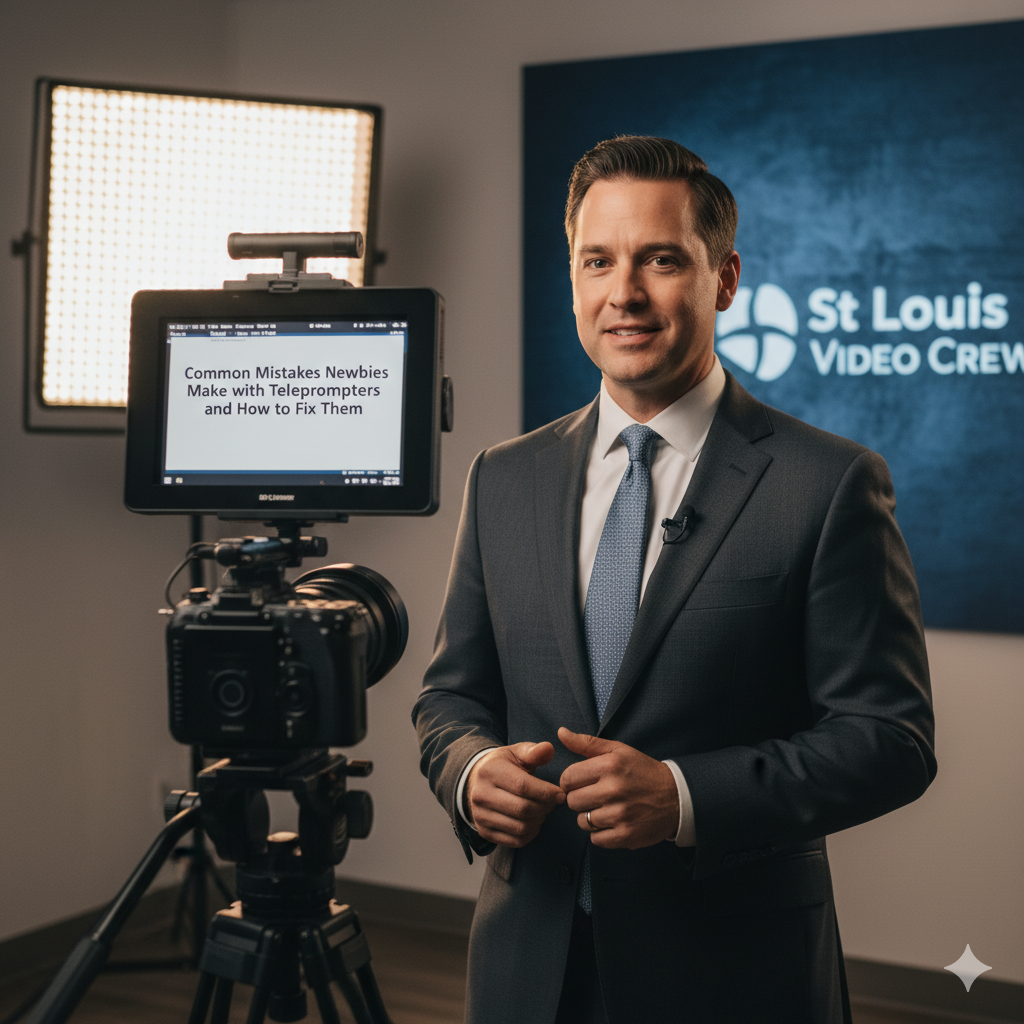
Let’s dive into the most frequent missteps we observe and how to overcome them:
Mistake #1: The Robotic Read – Lack of Natural Inflection and Pacing
This is perhaps the most common tell-tale sign of a teleprompter newbie. The speaker reads the script word-for-word without any natural pauses, emphasis, or changes in tone. The result is a monotone, unnatural delivery that disengages the audience.
The Fix:
- Practice, Practice, Practice: Read the script aloud multiple times before you ever step in front of the camera. Focus on understanding the meaning and emotions behind the words.
- Mark Up Your Script: Just like an actor, highlight key phrases, underline words for emphasis, and use slash marks for natural pauses.
- Think in Phrases, Not Words: Don’t read one word at a time. Group words into natural conversational phrases.
- Vary Your Pace: Speed up on less critical points and slow down for important takeaways. Let your personality shine through.
- Engage with the Content: Don’t just read; present. Imagine you’re speaking to a real person, not just a lens.
Mistake #2: The “Deer in Headlights” Stare – Unblinking and Fixed Gaze
When concentrating on reading, some speakers inadvertently stop blinking or fixate their eyes solely on the text. This creates an unsettling, unnatural gaze that can make the audience uncomfortable.
The Fix:
- Relax Your Eyes: Consciously try to blink naturally. It may feel forced at first, but with practice, it will become second nature.
- “Soft” Eyes: Instead of rigidly focusing on each word, allow your gaze to be slightly softer, encompassing a few words at a time.
- Occasional Eye Movement (Subtle): While maintaining eye contact is key, very subtle shifts in your gaze (e.g., imagining you’re looking from one person to another in a small group) can add to a more natural appearance. Avoid dramatic or rapid eye movements.
Mistake #3: The “Squirrel” Head Movement – Jerky or Rapid Head Turns
If the teleprompter text is scrolling too quickly, or if the speaker is trying to read ahead, their head might make quick, jerky movements from side to side, following the text. This is highly distracting.

The Fix:
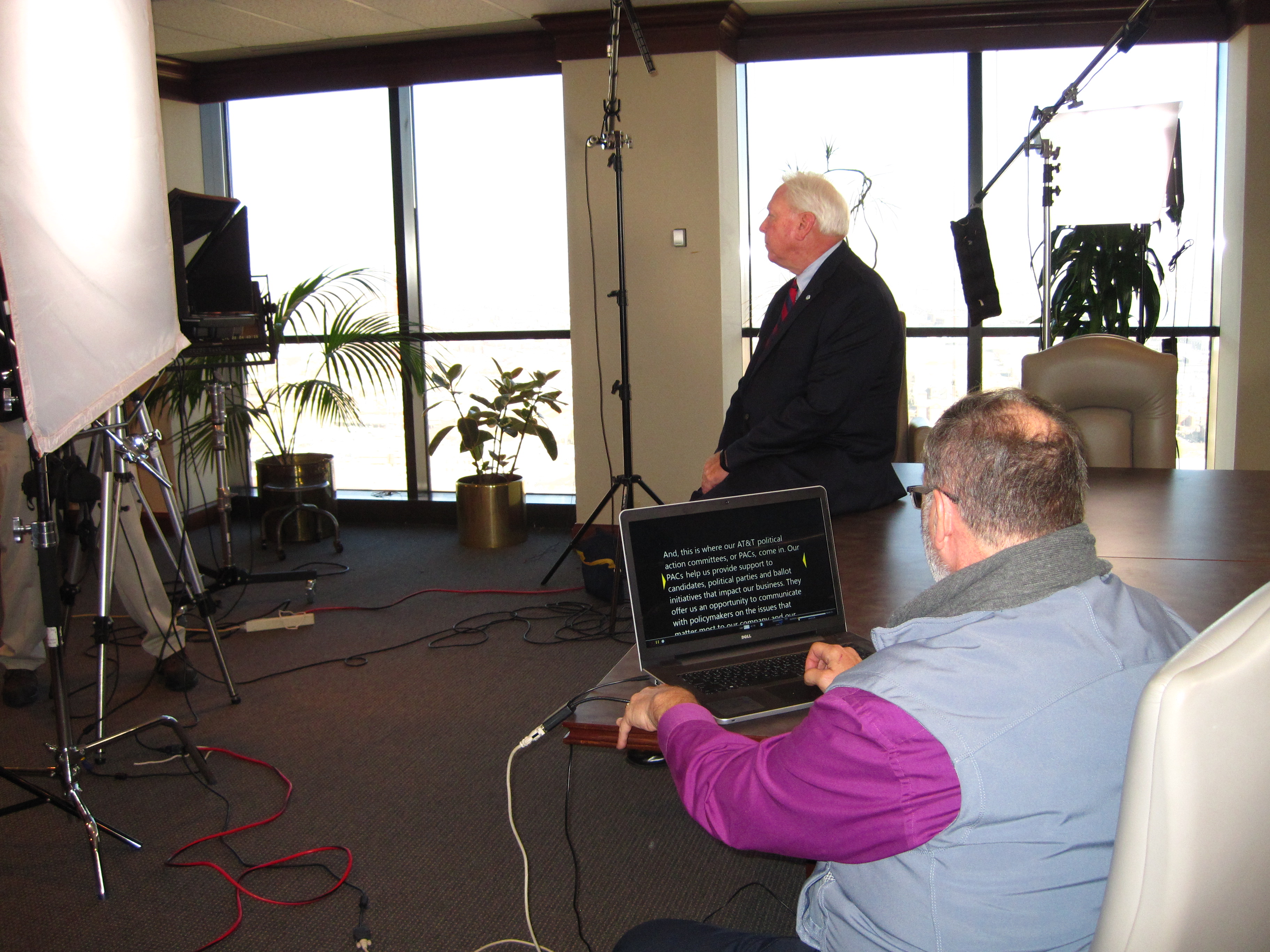
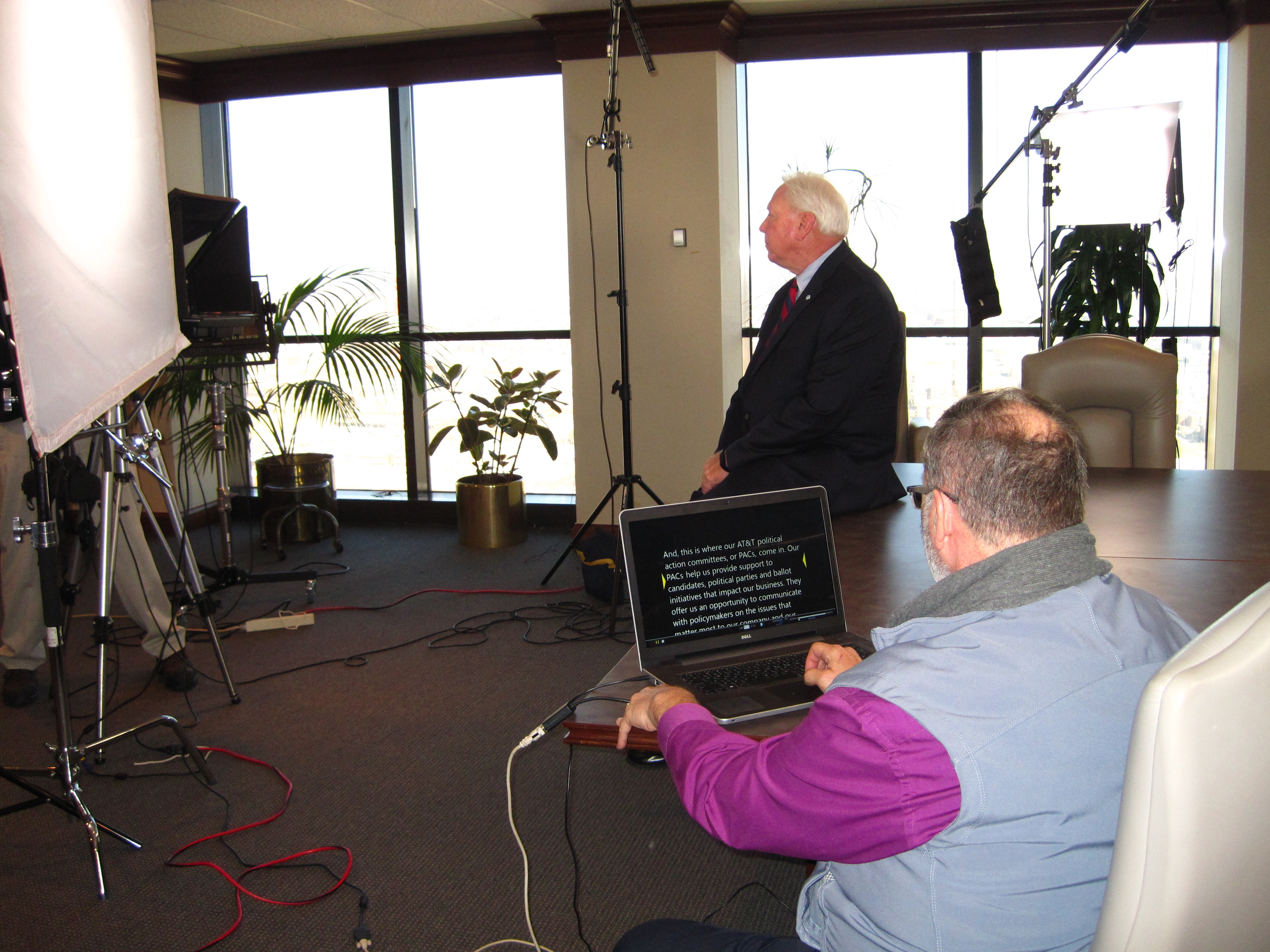
- Adjust Scroll Speed: This is paramount. The teleprompter operator (or you, if self-operating) must set the scroll speed to match your natural reading pace. It should feel like the words are effortlessly appearing as you speak them.
- Maintain a Steady Head: Focus on keeping your head relatively still. Your eyes should do the work of following the text.
- Positioning is Key: Ensure the teleprompter is at the correct height and distance so you’re not straining your neck or eyes.
Mistake #4: Ignoring the Teleprompter Operator – Poor Communication
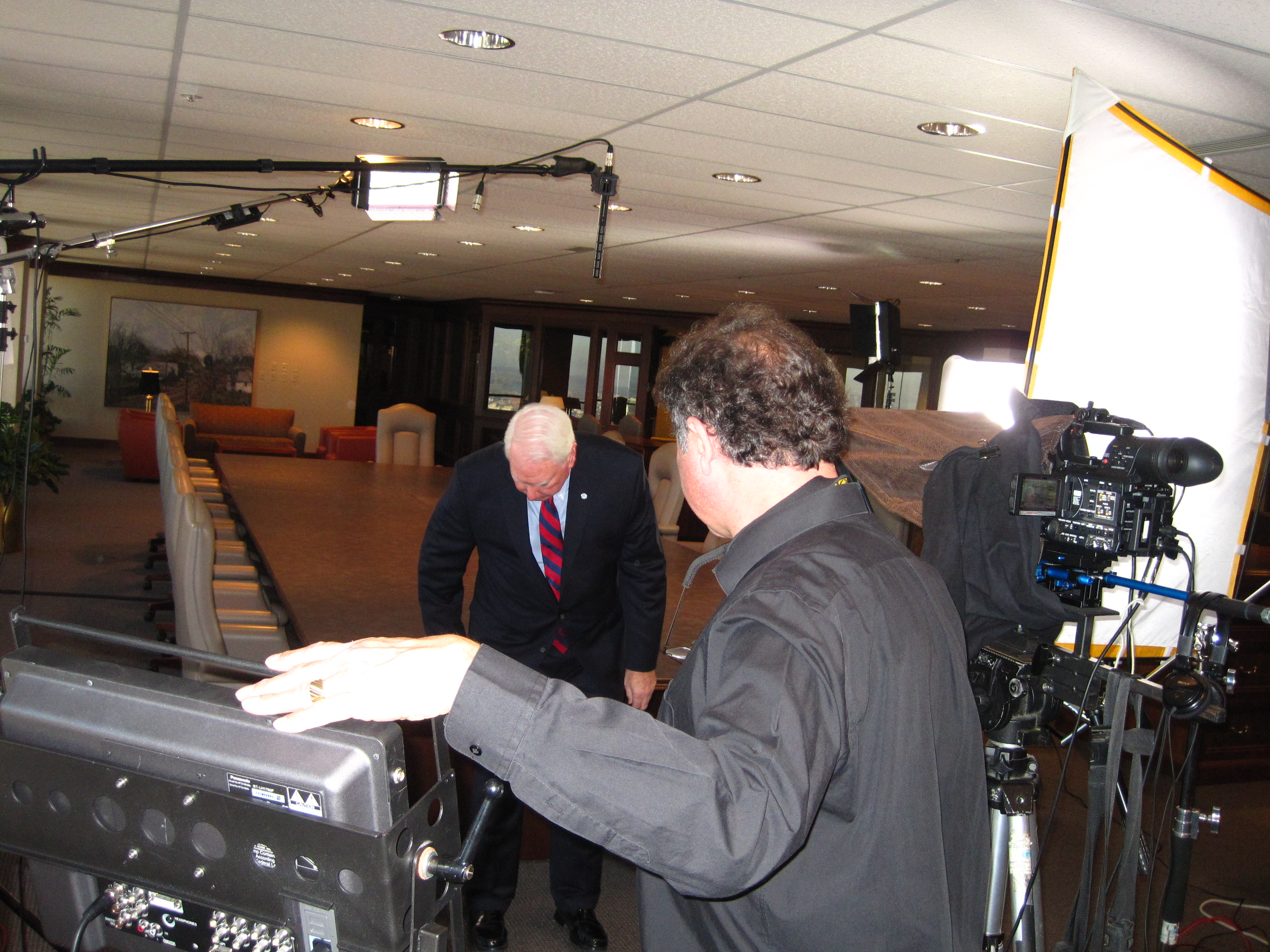
A skilled teleprompter operator is an invaluable asset. Ignoring their cues or failing to communicate your needs can lead to a disjointed delivery.
The Fix:
- Brief the Operator: Before filming, discuss your desired pace, any difficult words, and specific areas where you might want to slow down or speed up.
- Hand Signals: Establish simple hand signals for “speed up,” “slow down,” and “stop” if you’re not speaking.
- Trust the Process: The operator is there to help you succeed. Follow their guidance on speed and flow.
Mistake #5: Script Issues – Poorly Written or Formatted Content
Even the best teleprompter user will struggle with a poorly written script. Dense paragraphs, complex jargon, and lack of formatting can make reading difficult and lead to the mistakes outlined above.
The Fix:
- Write for the Ear, Not the Eye: Use conversational language. Avoid overly long sentences and complex grammatical structures.
- Break Up Paragraphs: Use short paragraphs and ample white space. This makes the text less daunting and easier to scan.
- Use Bold and Italics Sparingly: Highlight key points with formatting, but don’t overdo it.
- Large, Clear Font: Ensure the font size is large enough and the font style is easy to read from a distance.
The Professional Difference: St Louis Video Crew
Mastering the teleprompter, like any on-camera skill, comes with practice and professional guidance. At St Louis Video Crew, we understand the nuances of successful image acquisition and how to make your business shine.
Since 1982, St Louis Video Crew has been the trusted full-service professional commercial photography and video production company for businesses, marketing firms, and creative agencies across the St. Louis area. Our extensive experience, coupled with the right equipment and a creative, seasoned crew, ensures successful outcomes for every project.
We offer comprehensive services, including:
- Full-service studio and location video and photography: Whether you need a polished studio setup or dynamic on-location shoots, we handle it all.
- Expert editing and post-production: Our team brings your vision to life with meticulous editing, color grading, and sound design.
- Licensed drone pilots: Capture breathtaking aerial footage and unique perspectives, even indoors with our specialized drones.
- Customized productions for diverse media: We tailor your content for websites, social media, broadcast, internal communications, and more.
- Content repurposing for maximum traction: We help you maximize your investment by adapting your photography and video branding for various platforms and campaigns.
- Proficiency in all file types and media software: We are well-versed in the latest technologies and workflows, ensuring seamless integration.
- Cutting-edge AI integration: We leverage the latest in Artificial Intelligence for all our media services, enhancing efficiency and creative possibilities.
- Private, custom studio: Our spacious studio offers perfect lighting and visual setups for small productions, interview scenes, and can incorporate props to create the ideal set.
We support every aspect of your production—from setting up a private, custom interview studio to supplying professional sound and camera operators, as well as providing the right equipment—ensuring your next video production is seamless and successful.
Don’t let teleprompter anxiety hinder your message. Partner with St Louis Video Crew, and let our expertise elevate your brand’s visual communication to the next level. Contact us today to discuss your next project!
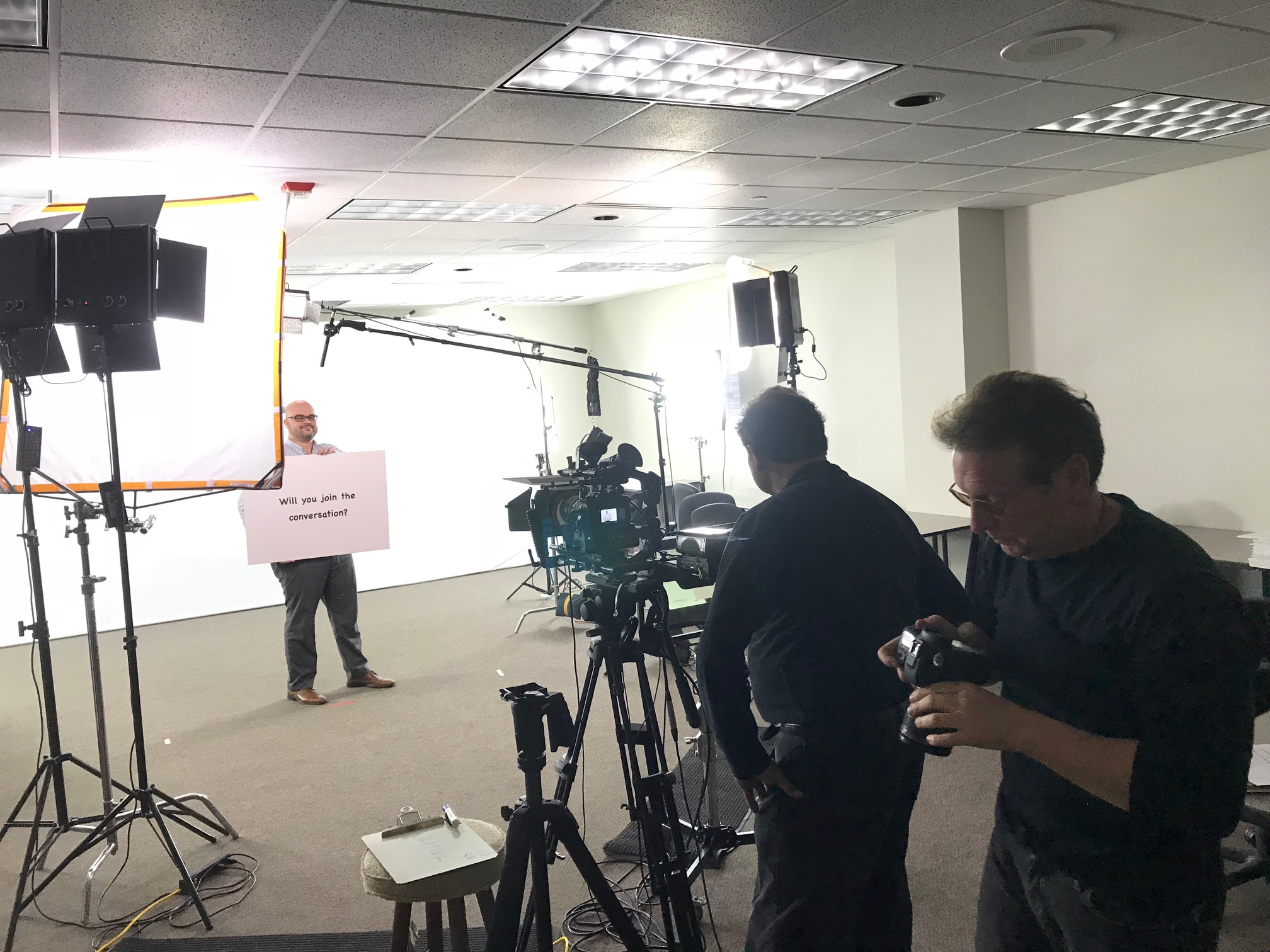
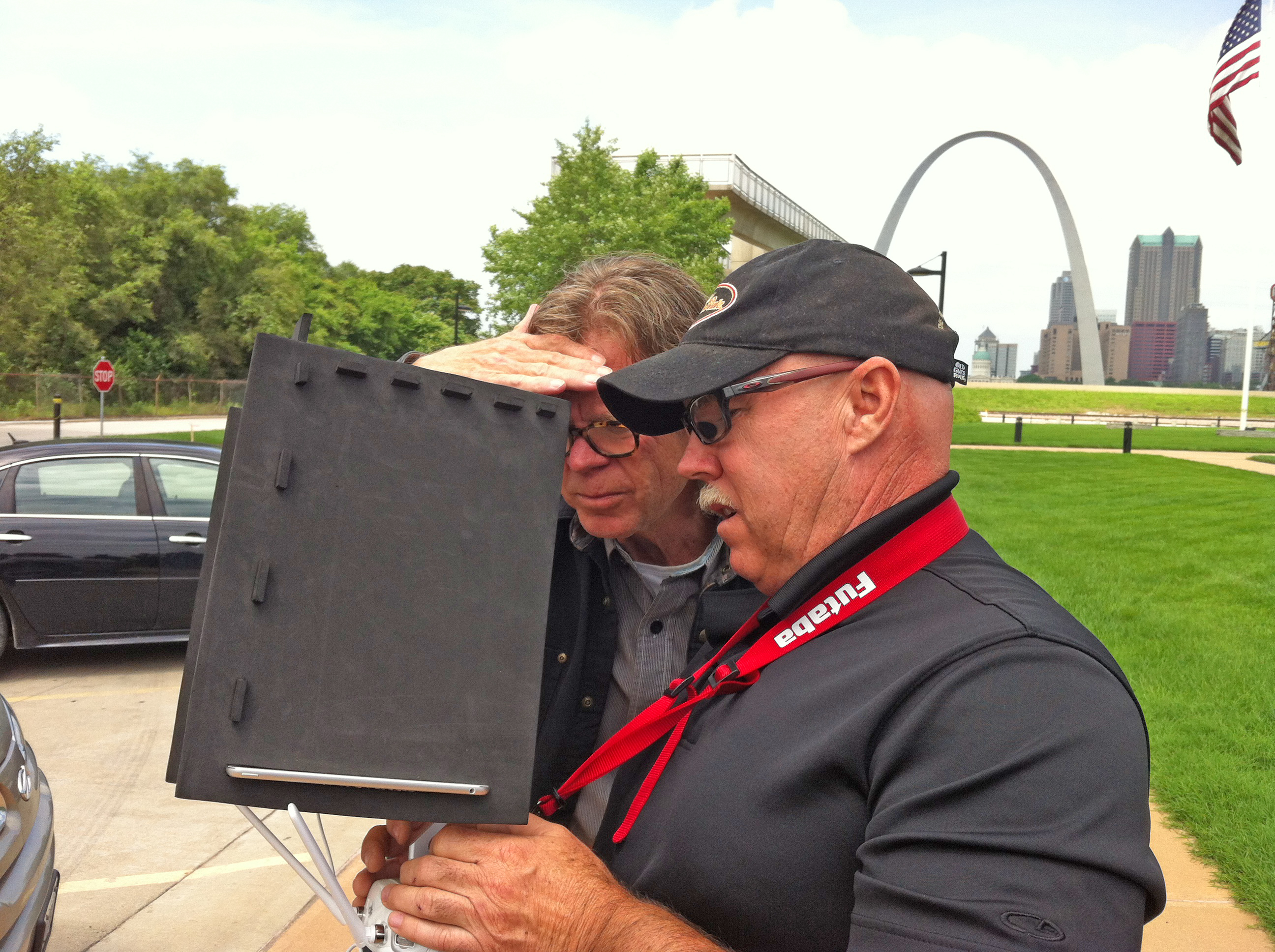
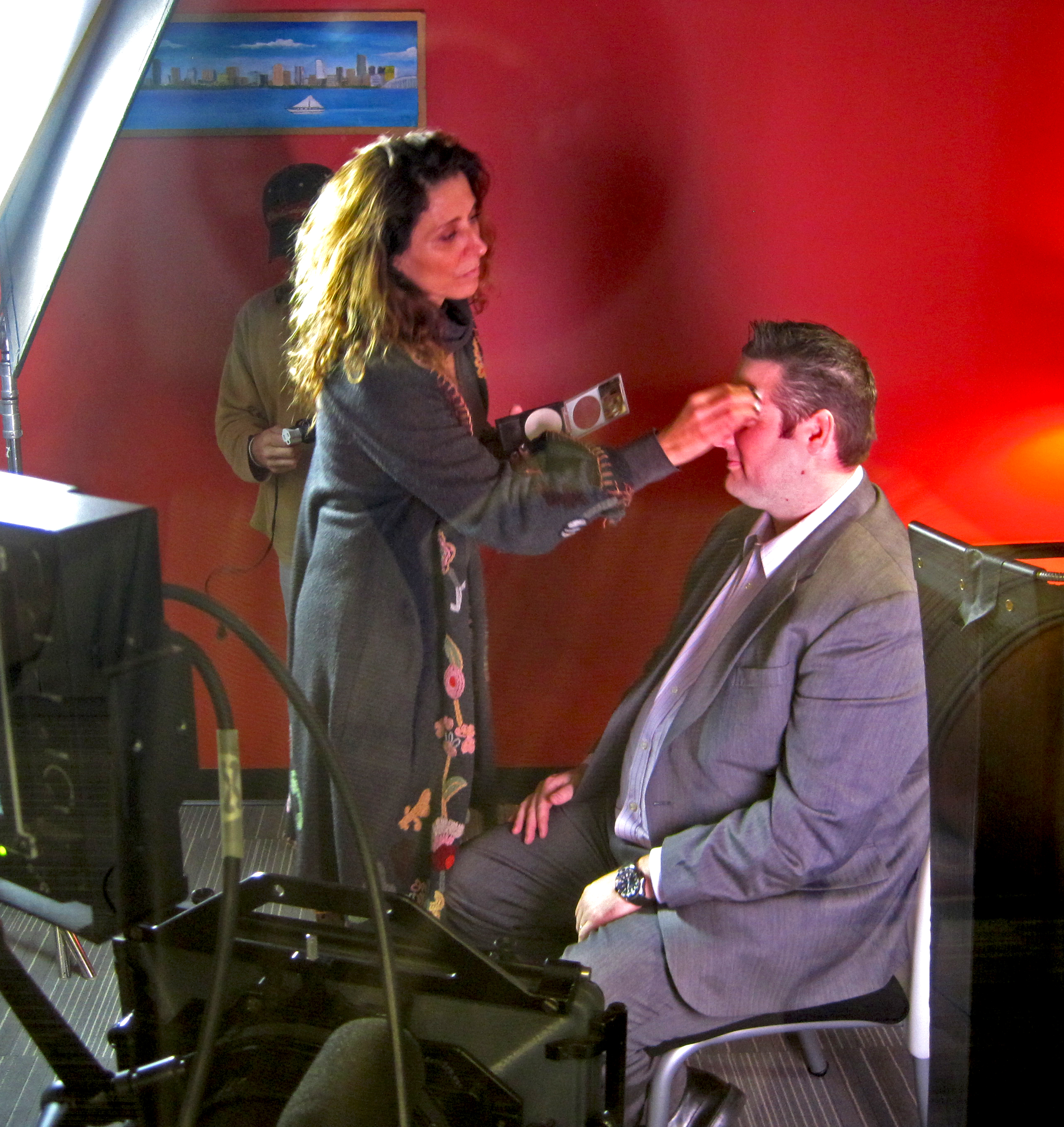
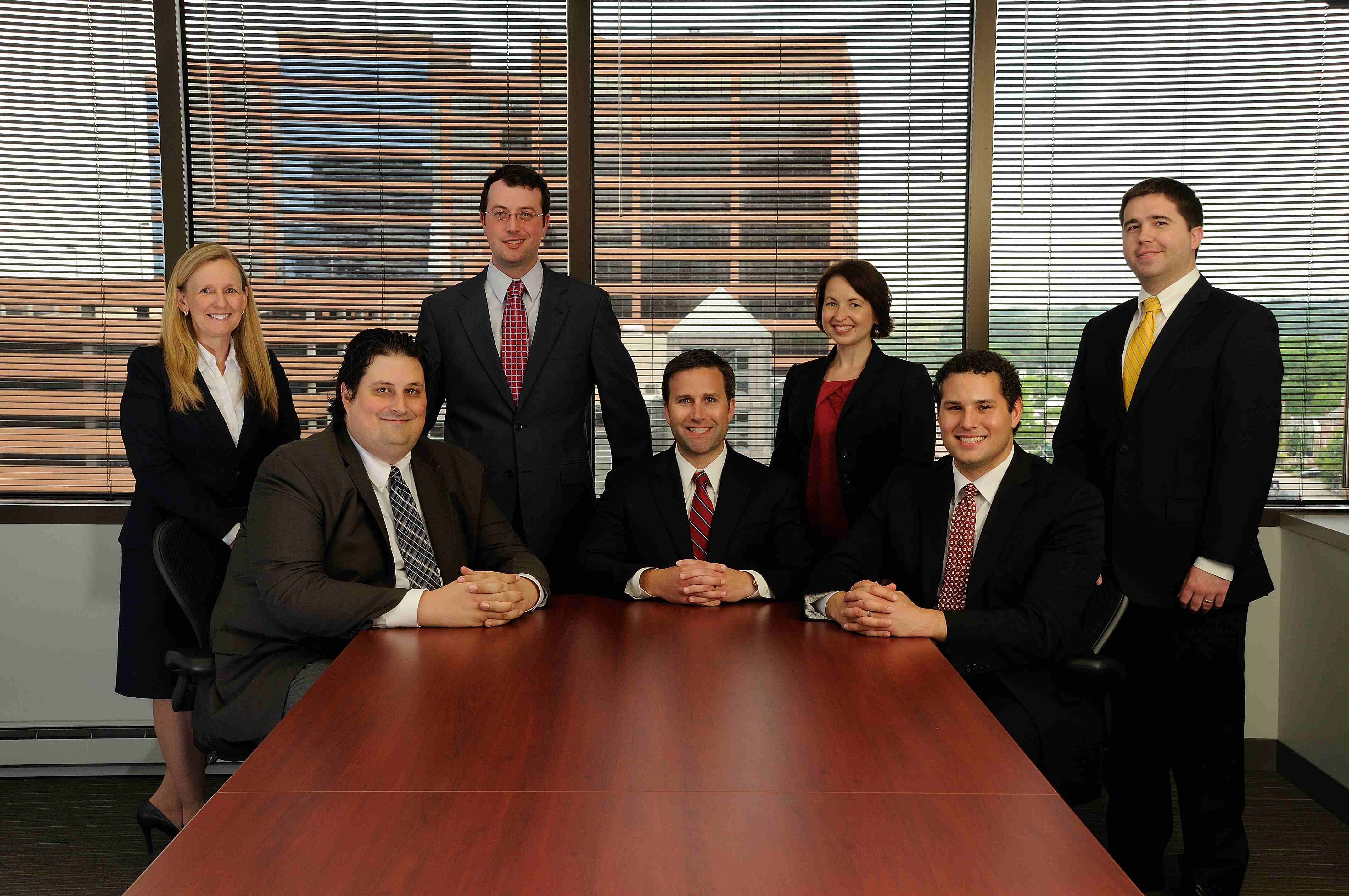
Our team of industry professionals will take your production to another level. Whether we like to believe it or not, we can’t do everything on our own. It takes a team of creative, passionate, and dedicated crew to get the job done right.
Get Customers Talking: 36 Field-Tested Questions that Turn Testimonials into Sales Assets
Video testimonials are not “nice to have”—they’re proof. When you capture the right moments in a customer’s own words, you give prospects a low-friction way to trust you faster, de-risk a purchase, and move to action. As crews who have filmed thousands of interviews, we find the difference between a polite compliment and a persuasive testimonial usually comes down to one thing: the questions you ask and the sequence you ask them in.
Below is a practical playbook you can hand to your producer or internal team. Use it to design testimonial interviews that are truthful, on-brand, and commercially effective.
The Story Spine That Converts
Great testimonials follow a simple arc:
- Context (who they are, why we should listen)
- Problem (stakes, friction, failed attempts)
- Decision (why they chose you over alternatives)
- Implementation (how it actually went)
- Outcomes (specifics, numbers, before/after)
- Recommendation (what they’d tell a peer)
We build our question set to naturally walk the customer through this arc—no scripts required.
The Question Bank (36 prompts)
Use these as modular building blocks. Ask open-ended, single-idea questions; stay quiet after you ask; and invite examples. Where you see brackets, tailor to your offering.
A) Warm-Up & Authority (set credibility)
- State your name, title, and what success looks like in your role.
- What does your organization do, and who do you serve?
- What key metric or responsibility are you held accountable for?
- Where were you in the growth cycle when you engaged us?
- What initially made this initiative a priority?
B) Problem & Stakes (make the “before” vivid)
- Before working with [us], what was the situation really like?
- What had you already tried, and why didn’t it stick?
- What was the cost of inaction—time, money, risk, morale, brand?
- Who felt the pain most (team, customers, leadership), and how?
- What would have happened if you didn’t solve this?
C) Decision Drivers (defensible choice)
- What criteria made your shortlist—and who else did you compare?
- What stood out about [our team/approach] during evaluation?
- What risks or objections did you have, and how were they resolved?
- Who else weighed in, and what ultimately tipped the decision?
- If you had to summarize the deciding factor in one sentence, what is it?




D) Implementation & Collaboration (trust the process)
- How did kickoff and planning work from your perspective?
- Describe the production or delivery experience—what surprised you?
- How did our team communicate, adapt, and handle curveballs?
- What did we do that saved you time or reduced complexity?
- If you were advising a peer, how would you tell them to prepare?
E) Outcomes & Proof (numbers beat adjectives)
- What changed first—what’s the earliest win you noticed?
- Can you quantify results (conversion, leads, cost per [X], cycle time, NPS, brand lift, training completion, safety incidents, etc.)?
- What benefit did your customer feel (fewer steps, clarity, confidence)?
- How do these results compare to your expectations or previous vendors?
- Which outcome makes you say, “That alone justified the investment”?
F) Objections Handled (speak to the silent stakeholder)
- What would you say to a CFO/COO who’s skeptical about budget or ROI?
- What about brand risk, compliance, or legal—how did we address it?
- If someone worries about disruption to their team, what would you tell them?
G) Soundbites & Social Proof (make it quotable)
- If this solution disappeared tomorrow, what would you miss most?
- Finish this sentence: “Working with [St Louis Video Crew] is like…”
- In one line, what should a peer know before they choose a vendor?
- What three words describe the experience and why each word?
H) Future & Advocacy (momentum)
- What are you planning next now that this is in place?
- Where else do you see this partnership adding value?
- Would you introduce us to a colleague—why?
- If you could talk to your past self before the project, what advice would you give?
Pro tip: Ask for permission to restate a powerful sentence and have them say it again more concisely. That gives you a clean “hero line” for captions, titles, and thumbnails.
Sequencing That Keeps Energy High
- Start easy, then raise stakes. Open with warm-ups, move to pain, then progress to outcomes once trust is built.
- One topic per question. Don’t stack questions; it fragments answers in the edit.
- Elastic silence. After a strong answer, pause. People often add the best detail after the pause.
- B-roll cues. While you interview, note visual cutaways (screens, product usage, people, locations) to capture immediately after.


On-Camera Coaching That Protects Your Brand
- Audience cue. “Speak to someone who has your job in a similar company.”
- Present tense. Encourage present-tense phrasing for energy: “This helps us reduce…”
- No acronyms without translation. Ask for the plain-English version you can subtitle.
- Answer in the question. Coach them to include context: “Before [solution], we… Now we…”
Production Notes That Raise Perceived Quality
- Sound first. Lav + boom redundancy, room tone capture, and active noise checks every setup change.
- Lighting that flatters. Key-fill-rim for separation; bring negative fill to shape. Keep backgrounds alive with practicals or brand color accents.
- Eye line & composition. Choose documentary (off-axis) or direct-to-camera intentionally based on channel and call to action.
- Pacing assets. Capture b-roll in layers: environment, process, product details, reactions, outcomes.
- Motion for context. Consider dynamic establishing shots; we can safely fly specialized drones indoors to create movement and spatial understanding when appropriate.
AI-Accelerated Post That Preserves Authenticity
Use AI to speed and scale, not to fabricate:
- Transcription and paper-edits for faster rough cuts.
- Smart cleanup (noise reduction, re-timing, filler removal) that keeps the speaker’s voice natural.
- Brand-matched color and captions for accessibility and compliance.
- Cutdown automation to generate shorts, reels, and chaptered versions for sales decks and landing pages.
- Provenance & permissions. Maintain chain-of-custody, releases, and version control; disclose any generative elements when used (e.g., background extensions).
Distribution Strategy (so your testimonial actually sells)
- Owned: Product pages, pricing pages, case-study hubs, and thank-you pages.
- Sales enablement: 30-, 60-, and 120-second versions embedded in sequences; include time-coded talking points.
- Paid & social: Hook within 2–3 seconds; add burned-in captions; test thumbnail treatments.
- PR & events: Pull 10–15 second quotes for award submissions, trade booths, and analyst briefings.
- Measure: Track plays, completion, assisted conversions, meeting set rate, and influenced pipeline. Refresh annually or when metrics plateau.
Legal, Releases, and Risk
- Obtain appearance releases and location permissions before cameras roll.
- Avoid third-party logos, charts, or on-screen software without clearance.
- Use licensed music and fonts.
- For regulated industries, align scripts and final cuts with compliance review and secure storage policies.
Quick Checklist (printable)
- Story spine defined and approved
- Interviewee briefed; wardrobe and location set
- Question set tailored to role and industry
- Releases signed; compliance path confirmed
- A-roll + redundancy; room tone captured
- B-roll shot list completed
- AI-assisted captions, color, QC pass
- Cutdowns and aspect ratios delivered
- Distribution plan with KPIs in place
About St Louis Video Crew
St Louis Video Crew is a full-service professional commercial photography and video production company with the right equipment and creative crew service experience for successful image acquisition. We offer full-service studio and location video and photography, as well as editing, post-production and licensed drone pilots. St Louis Video Crew can customize your productions for diverse types of media requirements. Repurposing your photography and video branding to gain more traction is another specialty. We are well-versed in all file types and styles of media and accompanying software. We use the latest in Artificial Intelligence for all our media services. Our private studio lighting and visual setup is perfect for small productions and interview scenes, and our studio is large enough to incorporate props to round out your set. We support every aspect of your production—from setting up a private, custom interview studio to supplying professional sound and camera operators, as well as providing the right equipment—ensuring your next video production is seamless and successful. We can fly our specialized drones indoors. As a full-service video and photography production corporation, since 1982, St Louis Video Crew has worked with many businesses, marketing firms and creative agencies in the St. Louis area for their marketing photography and video. If you’re ready to turn customer praise into measurable proof, we’re ready to roll.
The Secret to Great Customer Testimonials: A Skilled Camera Crew Behind the Lens
Customer testimonial videos have become essential marketing assets for brands looking to build credibility and trust. They humanize your business, allow real clients to speak on your behalf, and—when produced professionally—can significantly impact conversion rates. But there’s a reason why some testimonial videos feel genuine and compelling, while others fall flat.
The difference isn’t always the customer’s story—it’s the camera crew behind the lens.
As an experienced videographer, photographer, and producer at St Louis Video Crew, I’ve seen firsthand how a seasoned production team transforms even the most camera-shy client into a confident, authentic brand ambassador. Here’s why the right camera crew is your most important asset when filming customer testimonials—and what to expect when you work with pros like us.
1. The Right Crew Knows How to Put People at Ease
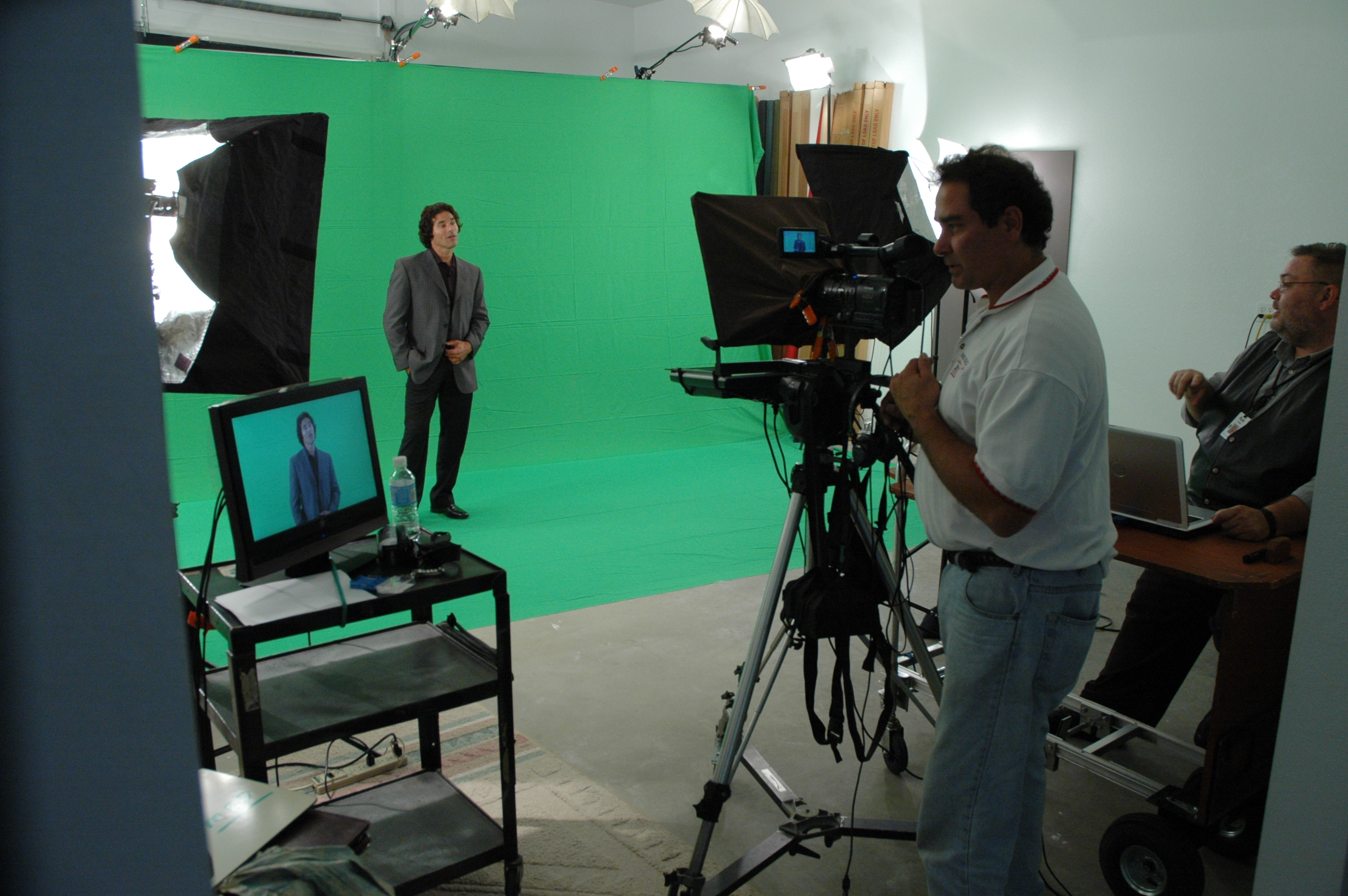
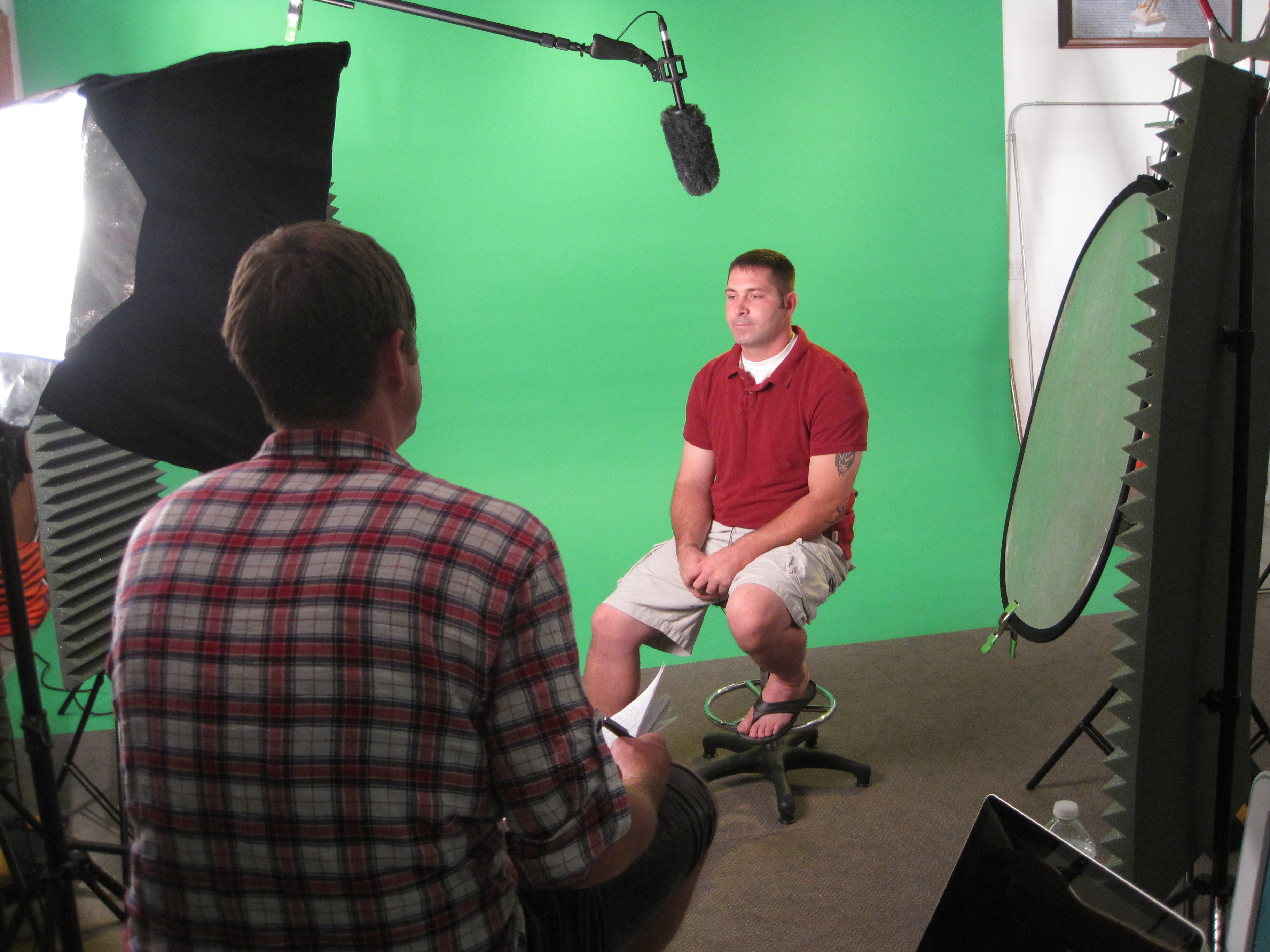
Your customer may be thrilled with your service, but most people aren’t used to being in front of a camera. Without the right crew, nervousness can quickly override sincerity. A skilled production team:
- Creates a relaxed environment through clear communication and a calming presence
- Guides interviewees naturally without rigid scripting
- Uses proper lighting and sound so the subject looks and sounds their best—instantly boosting confidence
At St Louis Video Crew, we approach testimonial interviews like conversations, not interrogations. We know how to draw out powerful, emotionally resonant soundbites that feel natural and unscripted.



2. Professional Crews Understand the Language of Storytelling
Great testimonials are about more than compliments—they’re mini case studies. A good video crew crafts a story arc with:
- A relatable problem
- Your company’s solution
- Clear, measurable results
- Genuine emotion
Capturing this story requires more than hitting “record.” Our producers and editors shape the footage into a persuasive narrative that aligns with your brand’s tone and marketing goals.
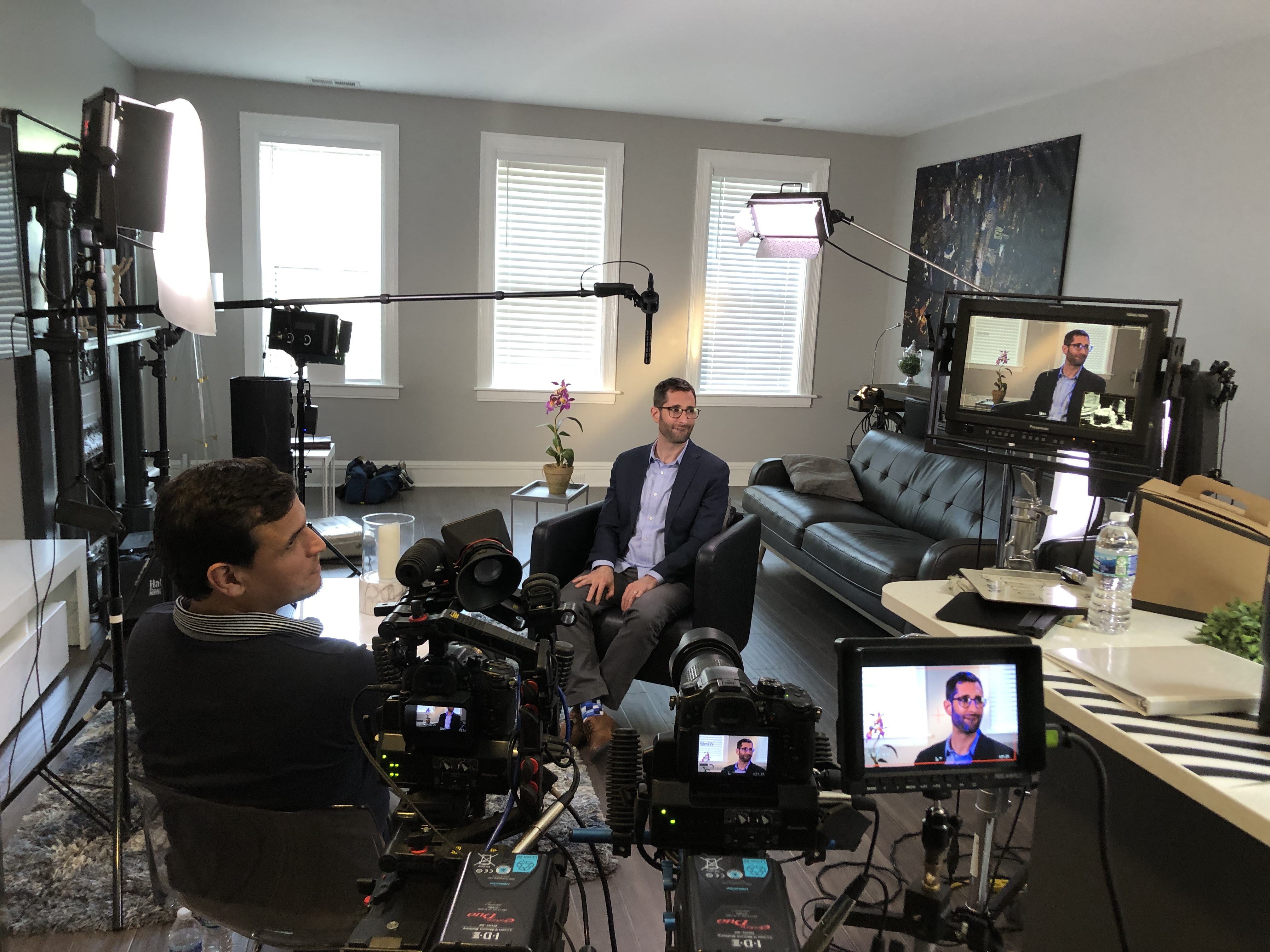
3. Cinematic Quality Elevates Trust
Shaky camera work, poor lighting, or amateur audio instantly damages a testimonial’s credibility. No matter how happy your customer is, the viewer will subconsciously associate production quality with your company’s professionalism.
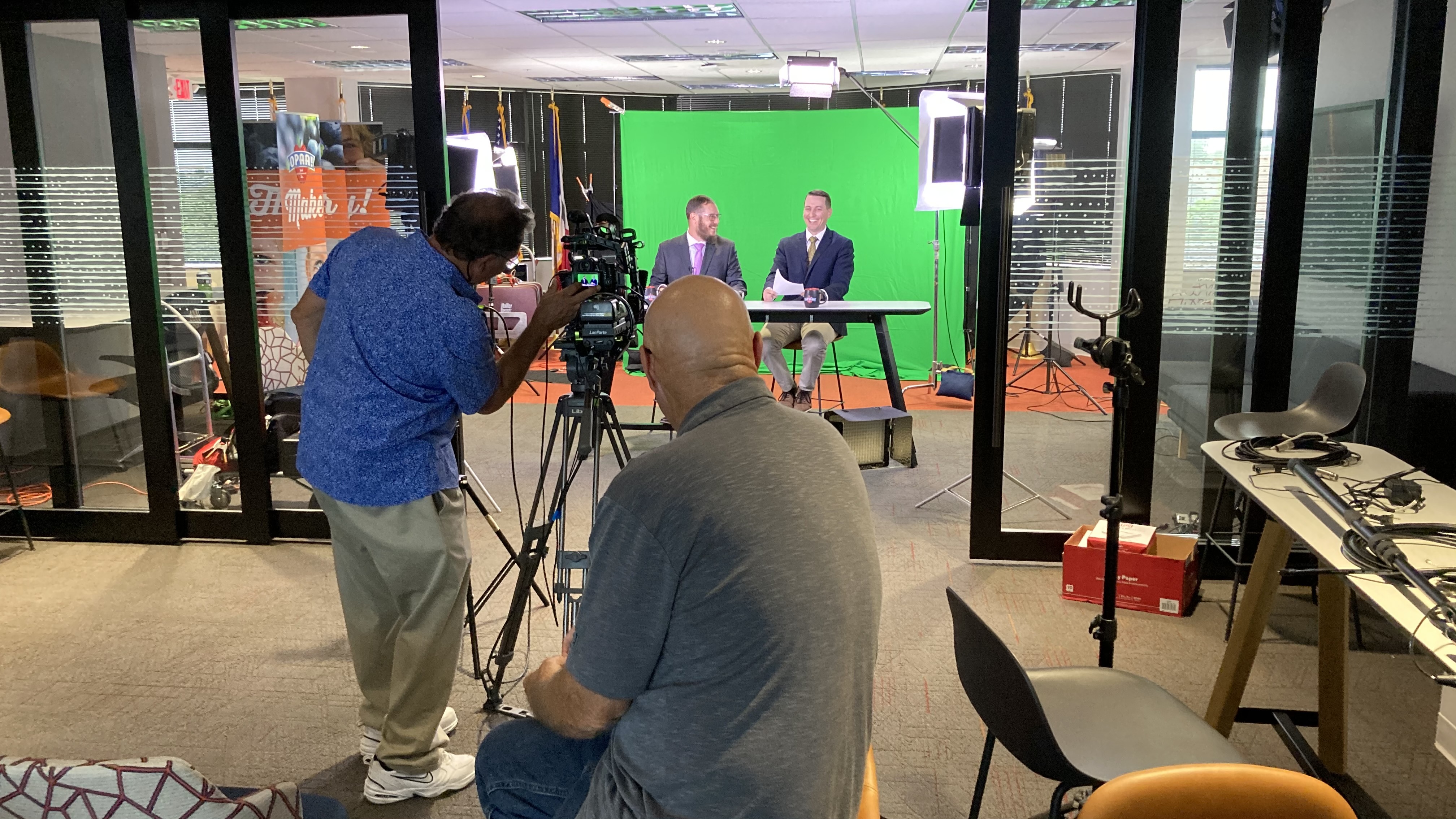
A well-equipped video crew will bring:
- High-end cameras and lenses
- Cinematic lighting setups
- Studio-quality sound
- Multi-cam options for dynamic shots
- Drone coverage, if needed, for added visual appeal
This kind of attention to detail is what transforms a customer quote into a lasting impression.



4. Efficient Crews Make the Most of Your Time and Budget
Your clients’ time is valuable, and your marketing team likely has multiple priorities. A professional crew ensures:
- Setup and breakdown are efficient and discreet
- No time is wasted with technical mishaps
- Content is captured for multiple uses—testimonials, social media, ads, website, internal communications
At St Louis Video Crew, we’re known for extracting maximum value from every shoot. We often produce both long-form and short-form edits from the same footage, giving your marketing team flexibility and ROI.
5. Post-Production That Polishes the Message
What happens after filming is just as important. A quality crew also brings editorial expertise. We take raw interview footage and:
- Remove distractions, “ums,” and tangents
- Highlight soundbites that resonate
- Add music, captions, logos, and branding elements
- Format and export for every platform—YouTube, LinkedIn, Instagram, your website
Our editors use AI-enhanced tools for speed and accuracy, ensuring consistency across multiple deliverables without compromising creative control.
Why Choose St Louis Video Crew?
At St Louis Video Crew, we bring more than just gear—we bring decades of experience in shaping authentic stories that drive results. Since 1982, we’ve helped businesses, marketing firms, and creative agencies across the St. Louis area capture compelling testimonials that support branding, lead generation, and customer retention efforts.
As a full-service commercial photography and video production company, we offer:
- Full-service studio and location video and photography
- Advanced editing and post-production capabilities
- Licensed drone pilots (yes, we fly indoors!)
- Private studio with custom lighting setups and room for props
- Custom-built interview scenes, professional sound and camera operators
- Deep knowledge of file types, media platforms, and AI integration
Whether you’re filming one testimonial or building a series of case studies, we’re equipped to support your vision with precision and creativity. Our experience, attention to detail, and commitment to quality ensure your next customer testimonial will be more than just a video—it will be a powerful piece of brand storytelling.
Remote Video Made Easy: Shoot-and-Ship Interviews and B-Roll with St Louis Video Crew
Whether you’re building a brand story, launching a campaign, or gathering footage for national distribution, shoot-and-ship production is the efficient, scalable solution.
At St Louis Video Crew, we specialize in capturing professional video interviews and supplemental footage here in St. Louis, then promptly delivering the files to your editors—wherever they are. It’s the ideal way to extend your content reach without the hassle of long-distance travel or complicated logistics.
What Is Shoot-and-Ship?
Shoot-and-ship is a remote production service model. Instead of flying your team across the country to film someone on-camera, you hire a trusted local video crew to do the work for you. The footage is then packaged and sent to your in-house team or external post-production partners.
This approach is particularly valuable when you:
- Need an executive, team member, or client interviewed on location
- Want to gather local footage for a national campaign
- Have a tight turnaround or limited travel budget
- Are managing production remotely and need boots on the ground
How the Process Works
1. Pre-Shoot Coordination
We start by learning what your goals are: the purpose of the video, key messaging, and visual tone. Whether you provide a detailed brief or just high-level direction, we tailor the shoot to match your vision.
2. On-Location or In-Studio Filming
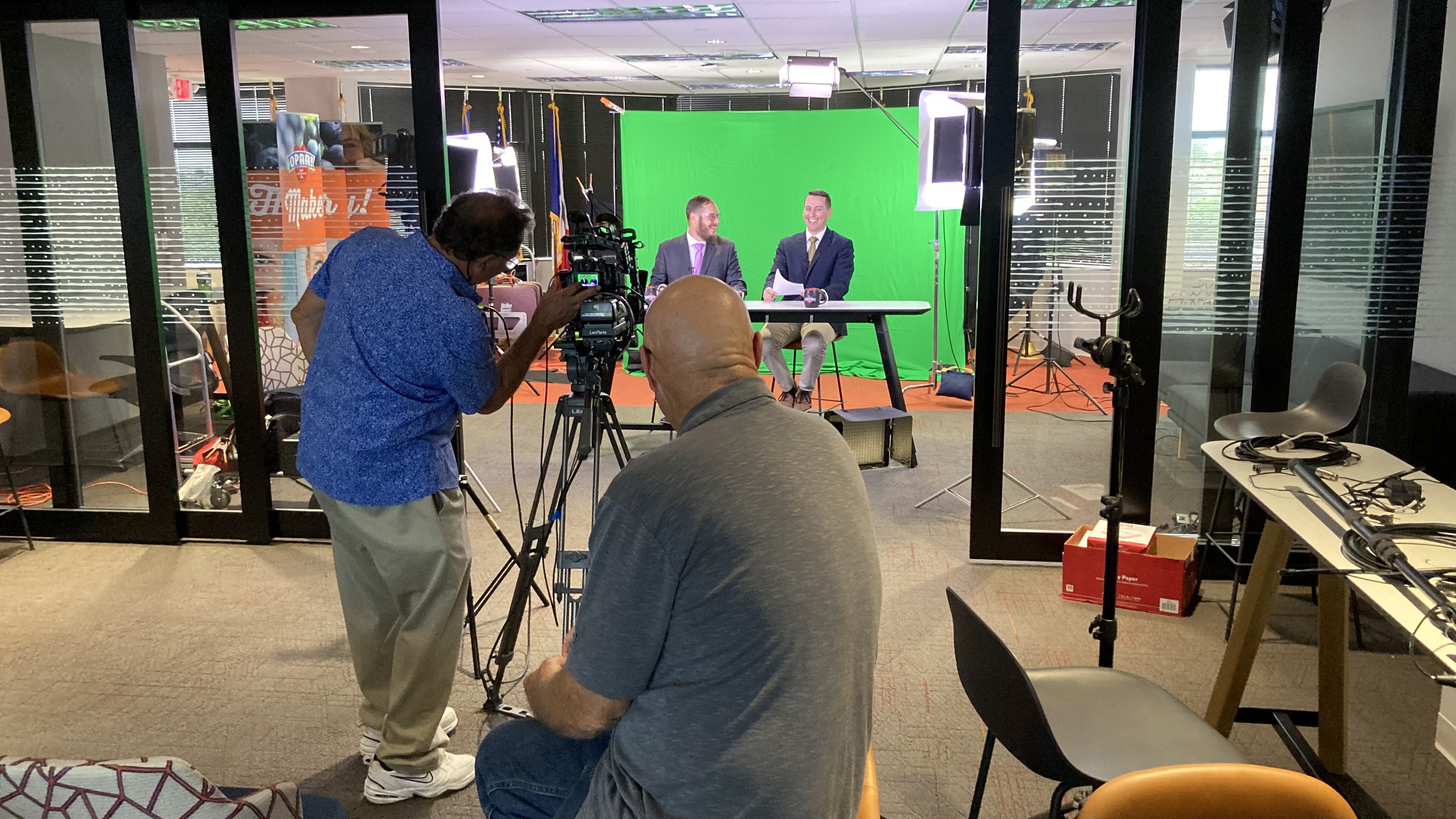
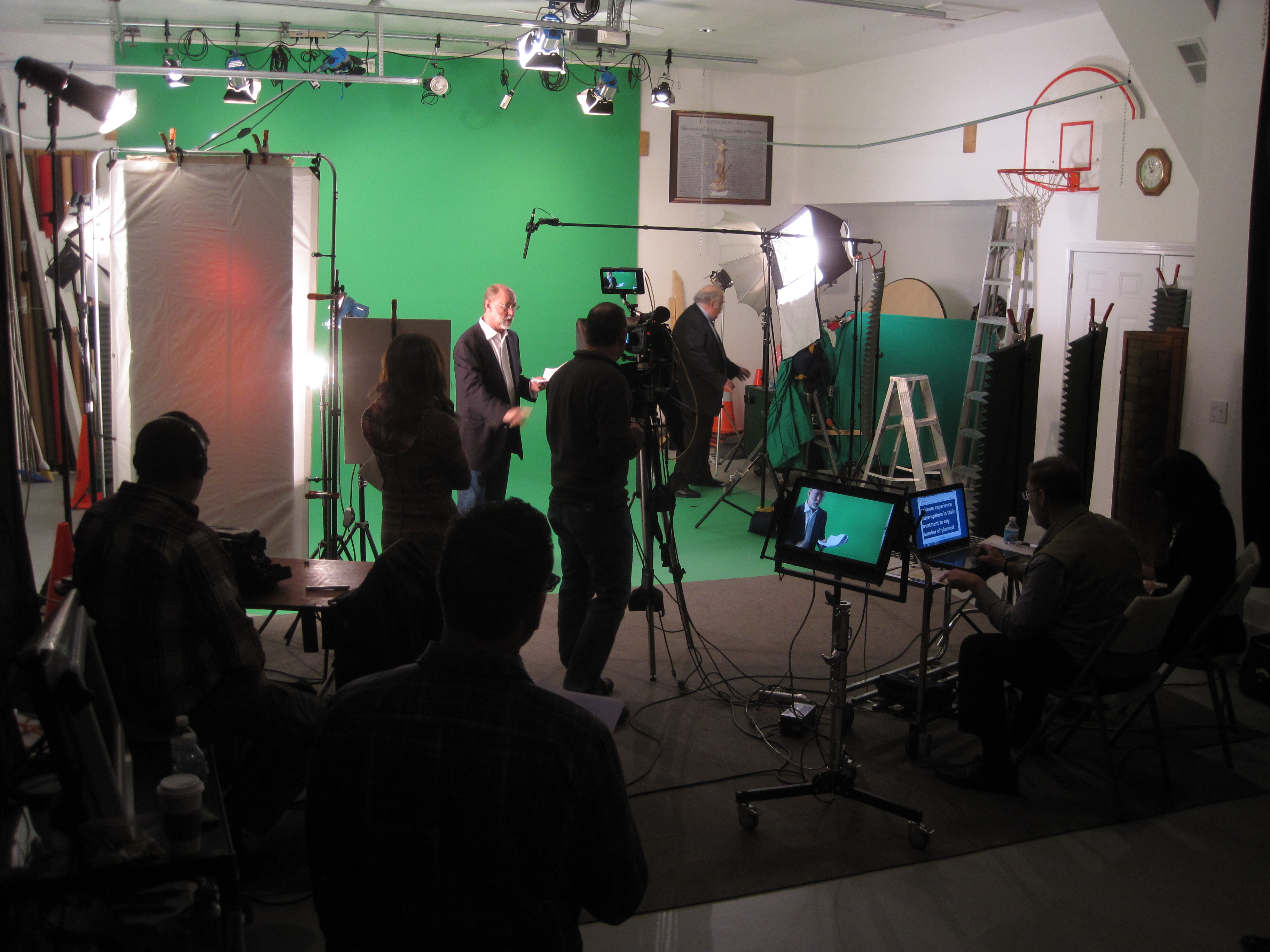
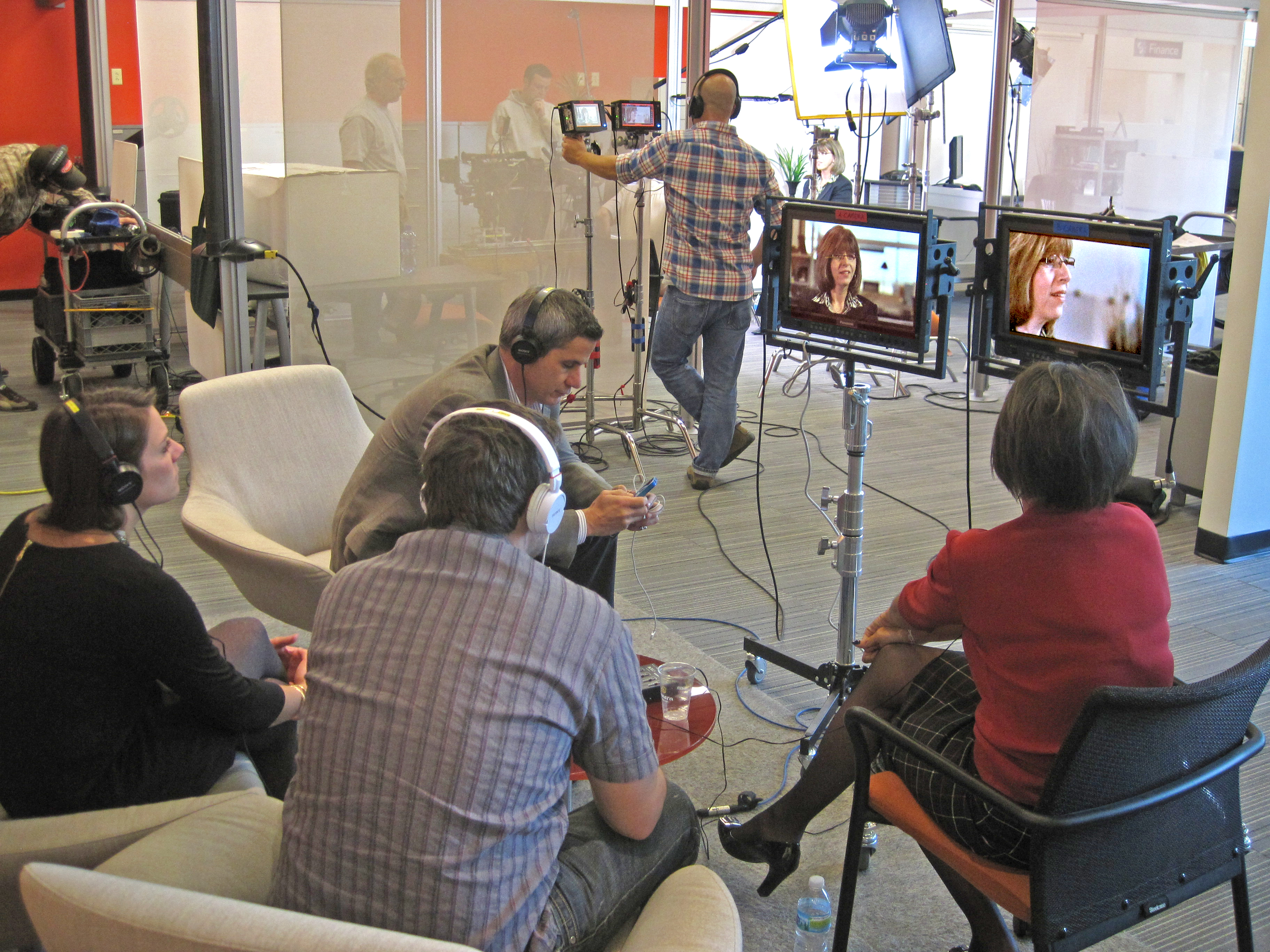
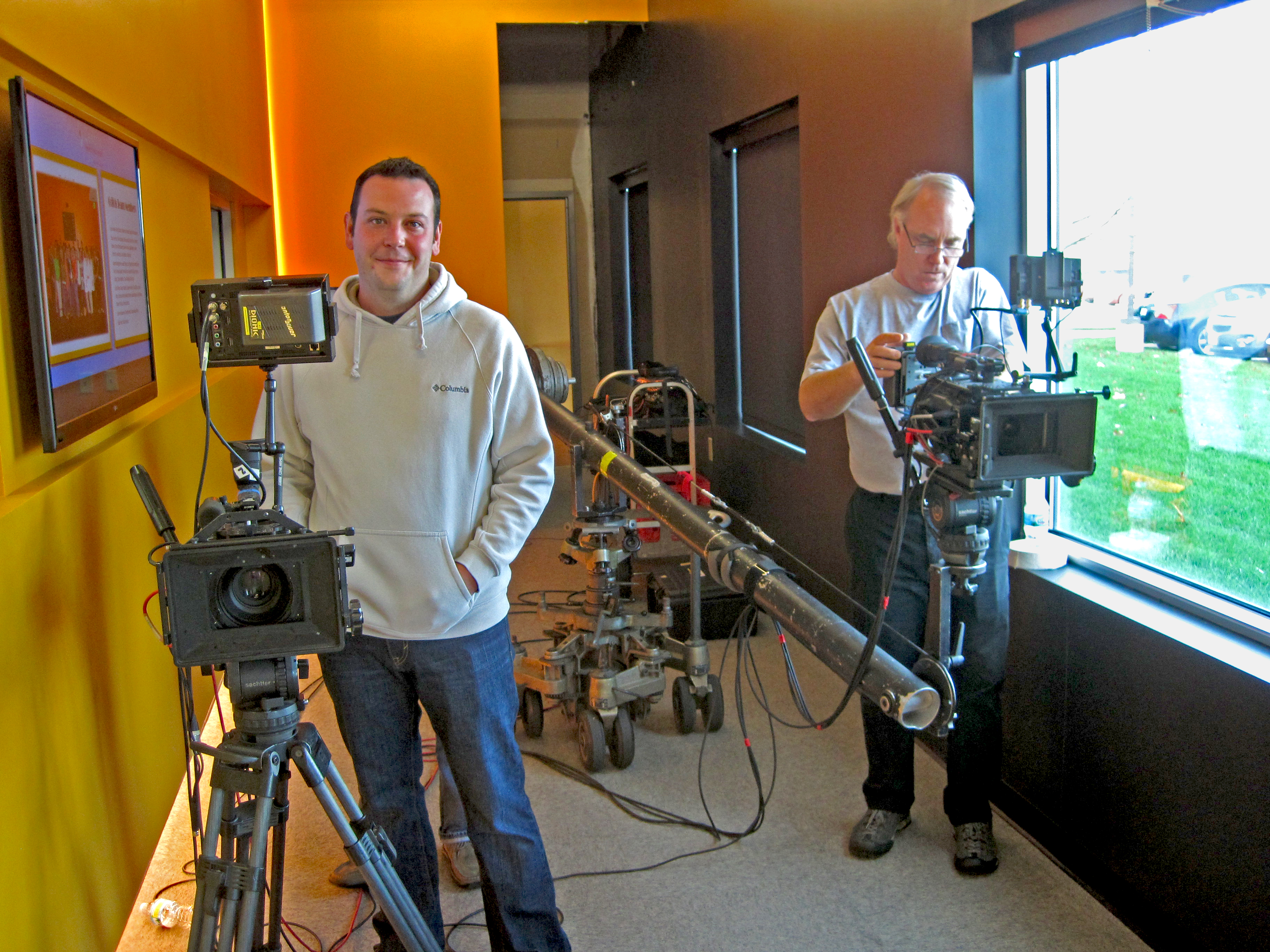
Our experienced crew handles lighting, camera setup, audio, and on-site production. Whether we’re filming in an office, warehouse, or our private studio, we create a polished look that meets your brand’s standards.






3. B-Roll Footage Capture
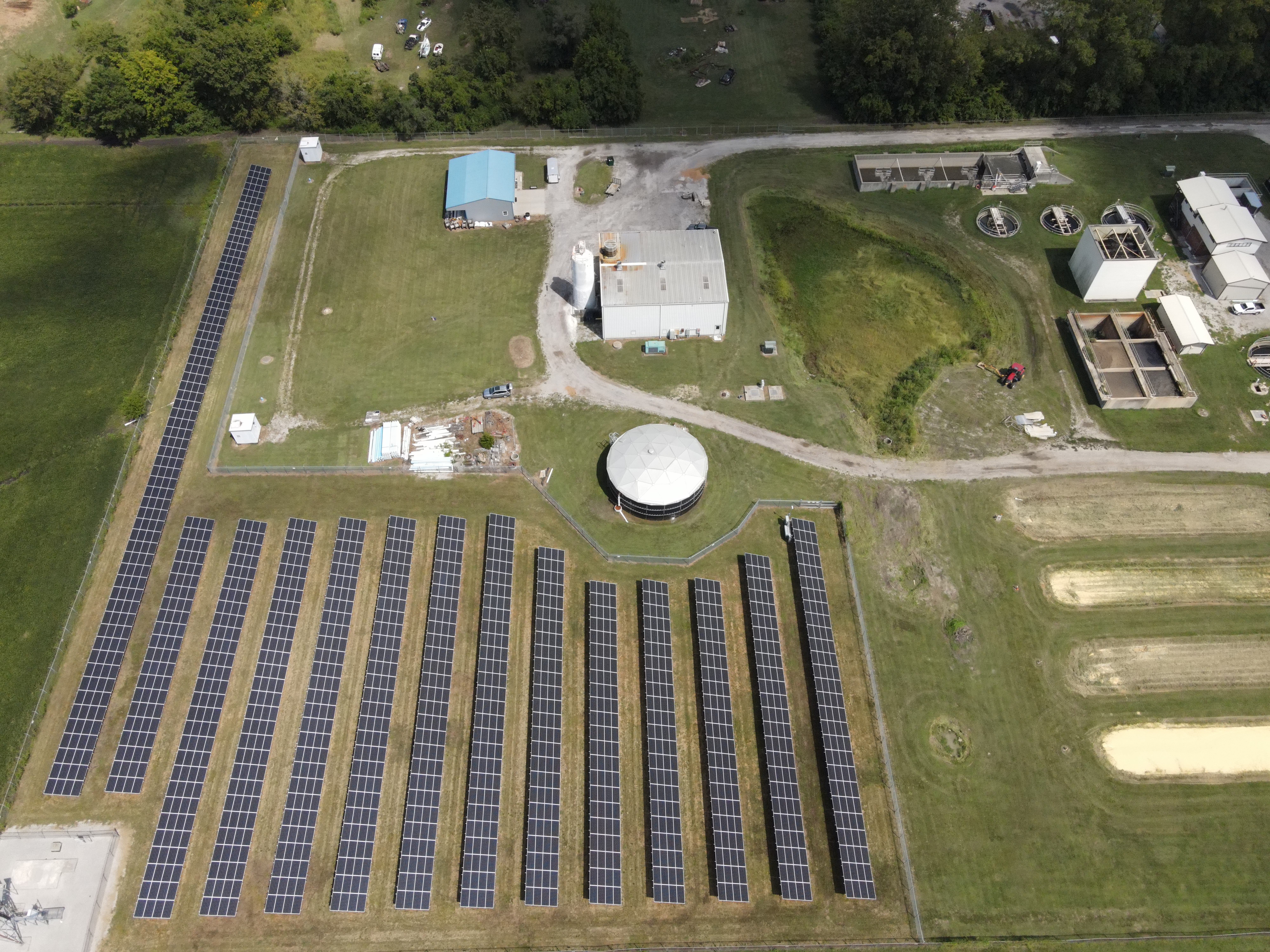
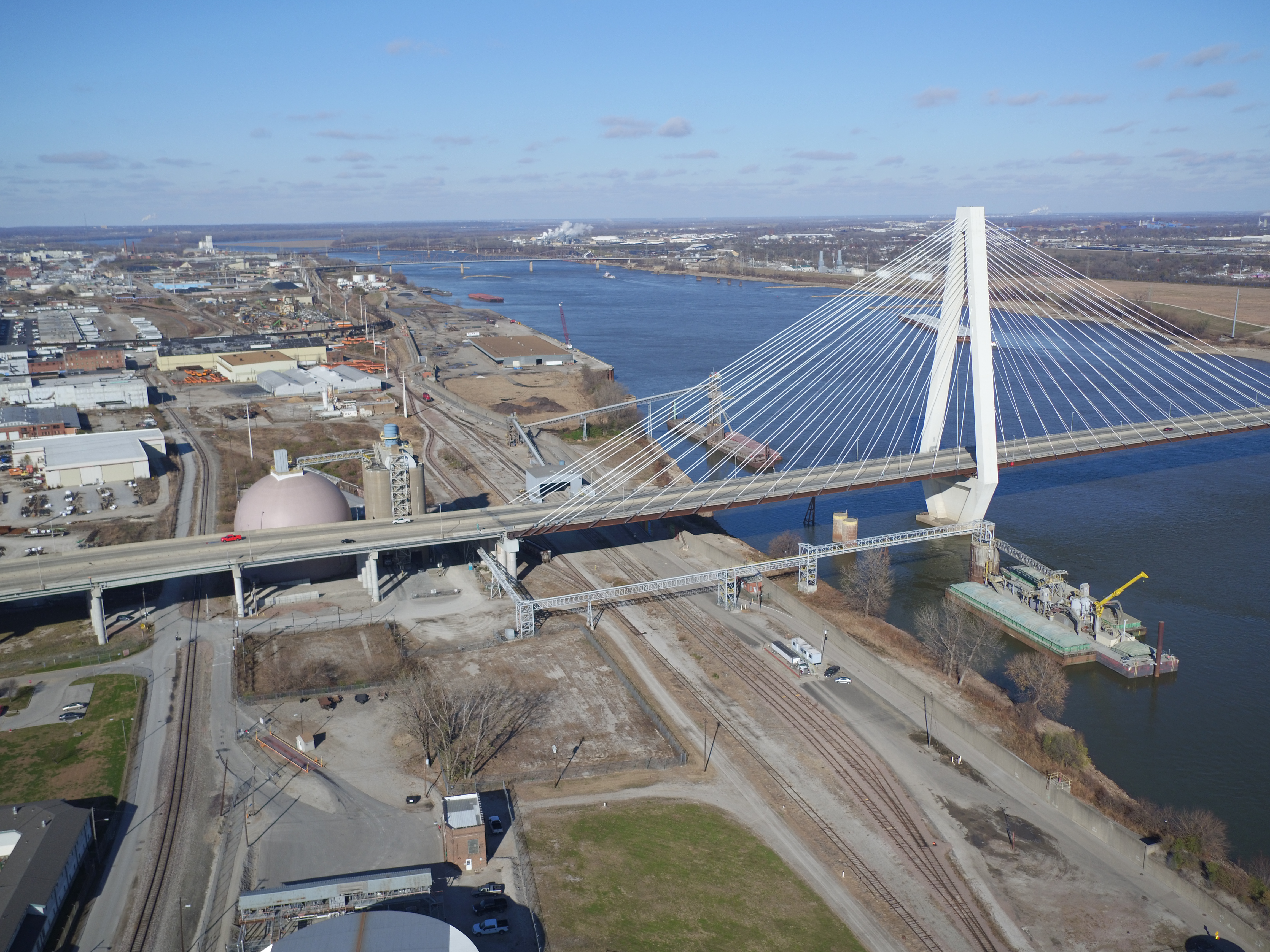
To complement your interview, we capture supporting visuals—office activity, team interactions, products in use, facility footage, or location-based storytelling elements that help tie your message together.
4. File Prep and Delivery
Once filming is complete, we organize, back up, and deliver your files securely. Everything is clearly labeled and ready for your editors to begin working right away.
Why St. Louis Is an Ideal Shoot-and-Ship Location
St. Louis is a strategic production hub with a wide variety of business, industrial, and lifestyle settings. The city’s central location also makes it an efficient choice for coast-to-coast campaigns. From corporate environments to urban streetscapes, historic landmarks to clean modern interiors, St. Louis offers a visual diversity that works for many brands.
Why Work with St Louis Video Crew?
St Louis Video Crew is a full-service professional photography and video production company, trusted by companies, marketing teams, and agencies since 1982. We bring decades of experience, creative talent, and technical know-how to every project—big or small.
Here’s what we bring to every shoot-and-ship engagement:
- Full-service studio and on-location video and photography, customized to your content needs
- Professional editing, post-production, and licensed drone operations, including indoor flight capability
- Expertise in repurposing video and photography assets for web, social media, training, or broadcast use
- Fluency with all file types, formats, and software platforms for easy integration into your existing workflow
- Use of the latest AI technology to enhance visual quality and streamline production processes
- A private, customizable studio environment, perfect for interviews, testimonials, product videos, or training modules


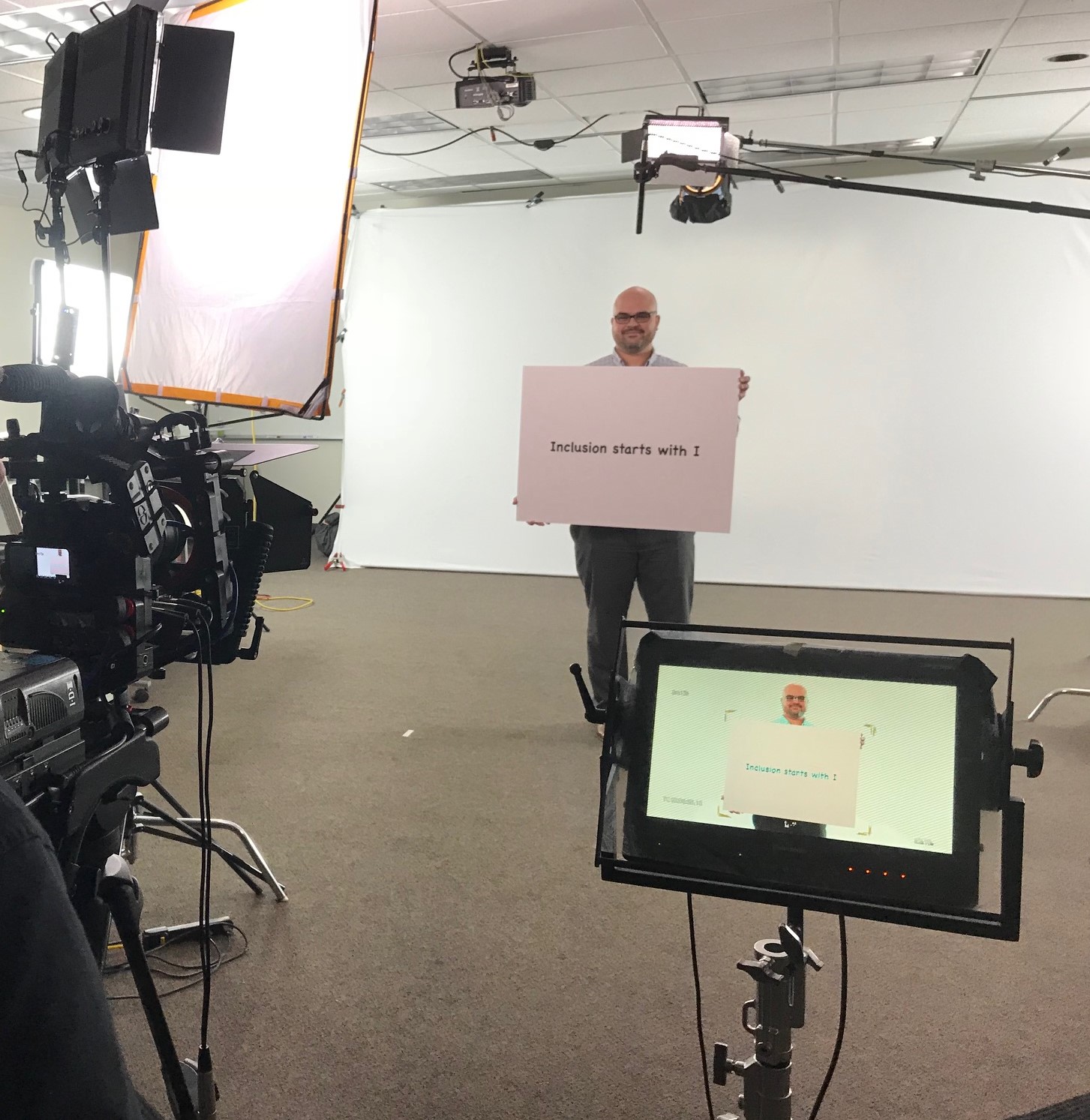
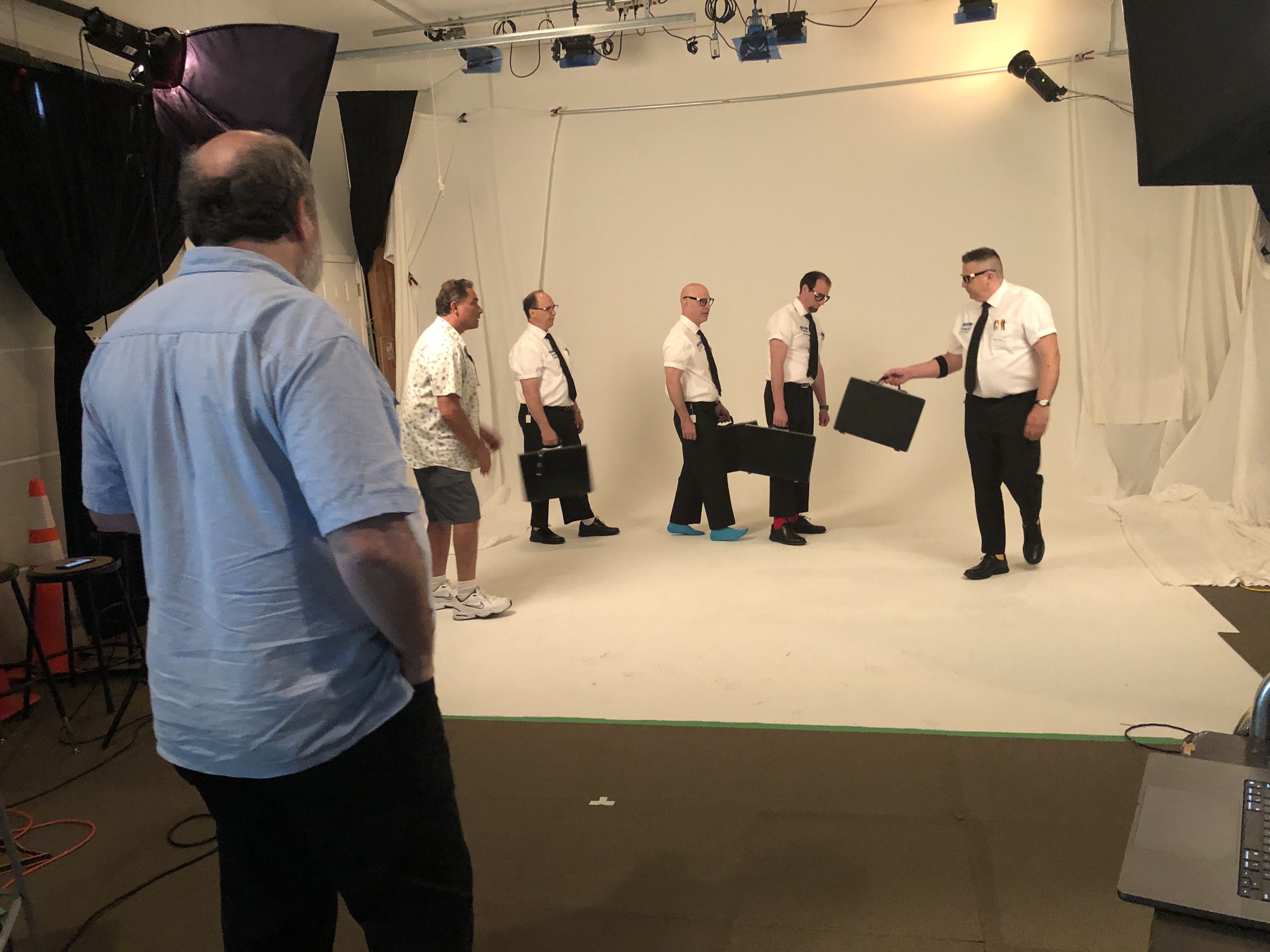
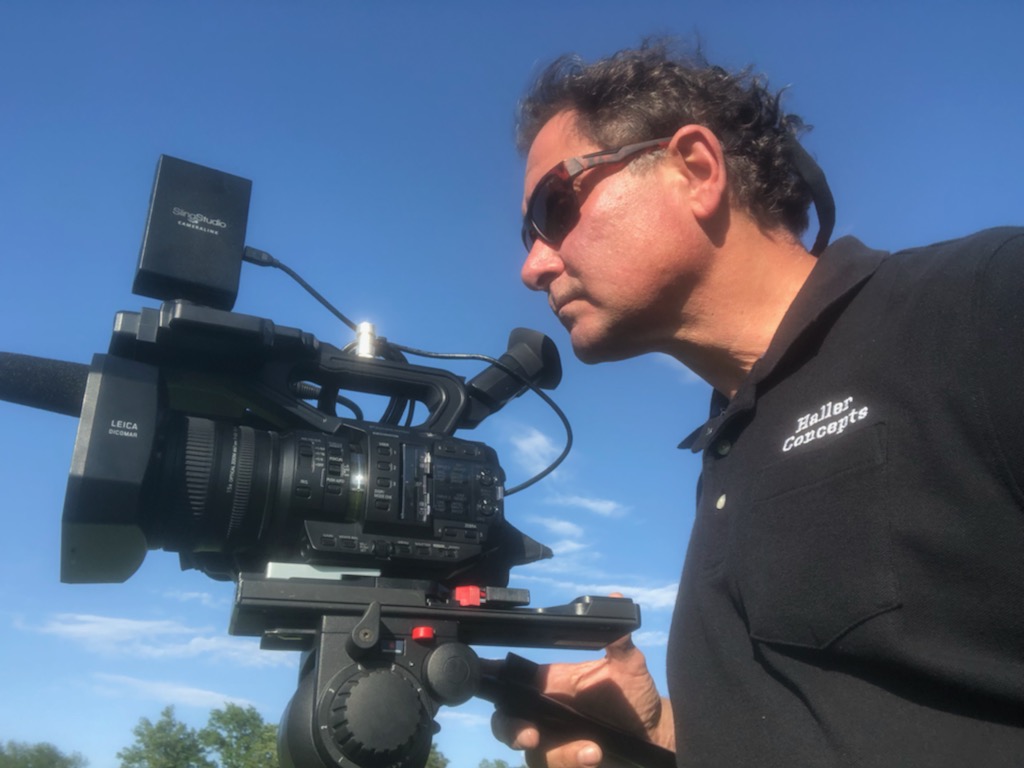
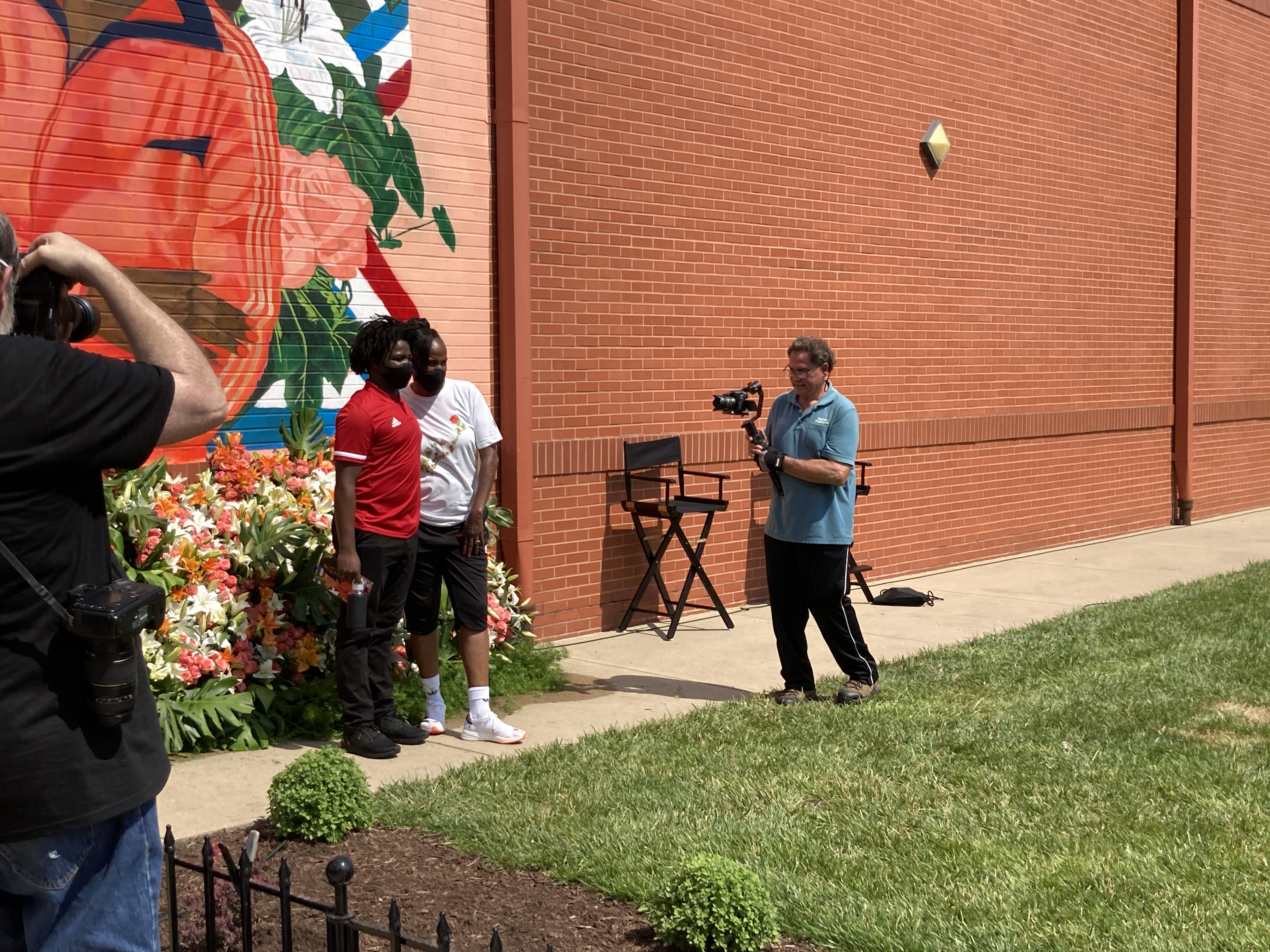
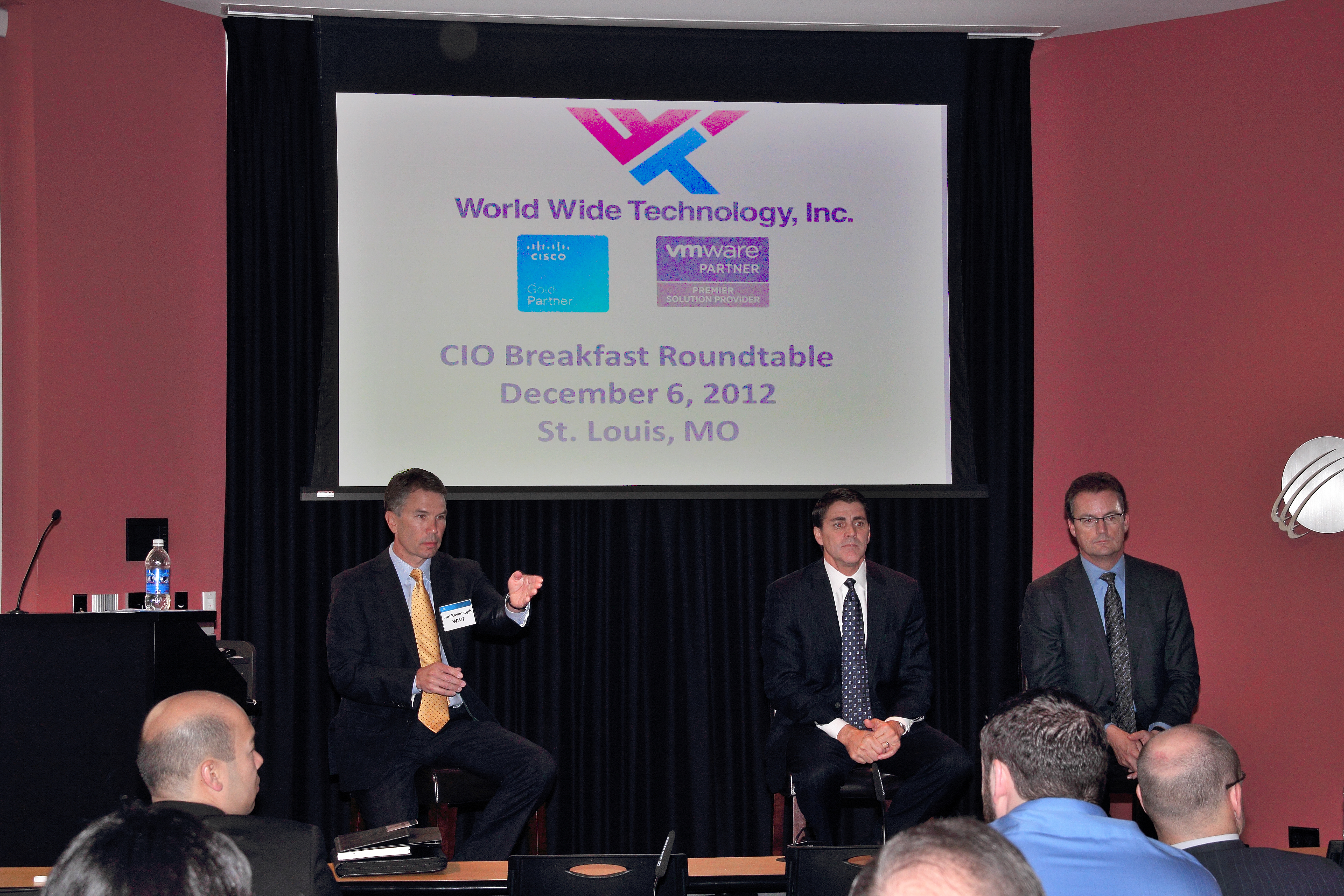
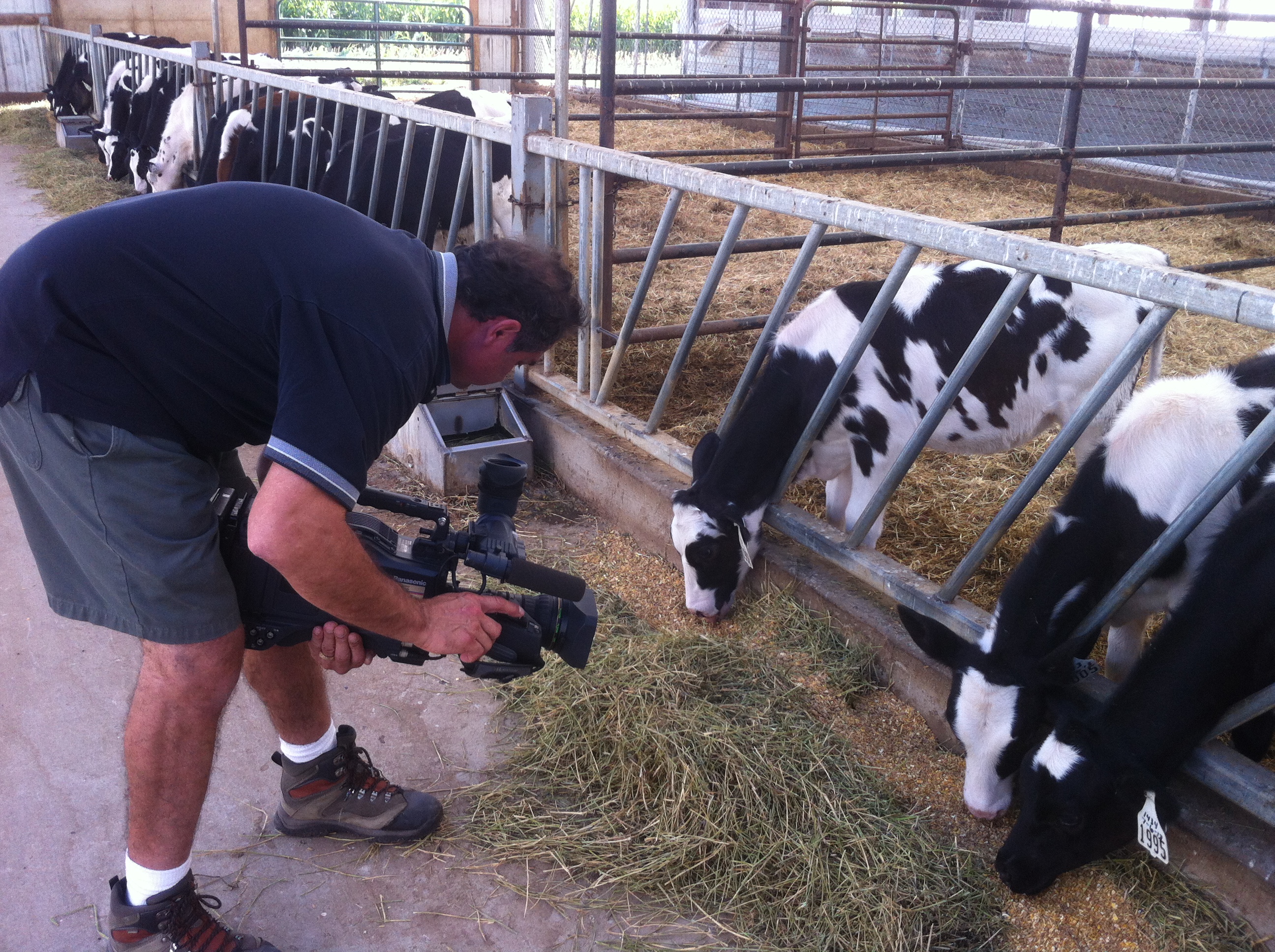
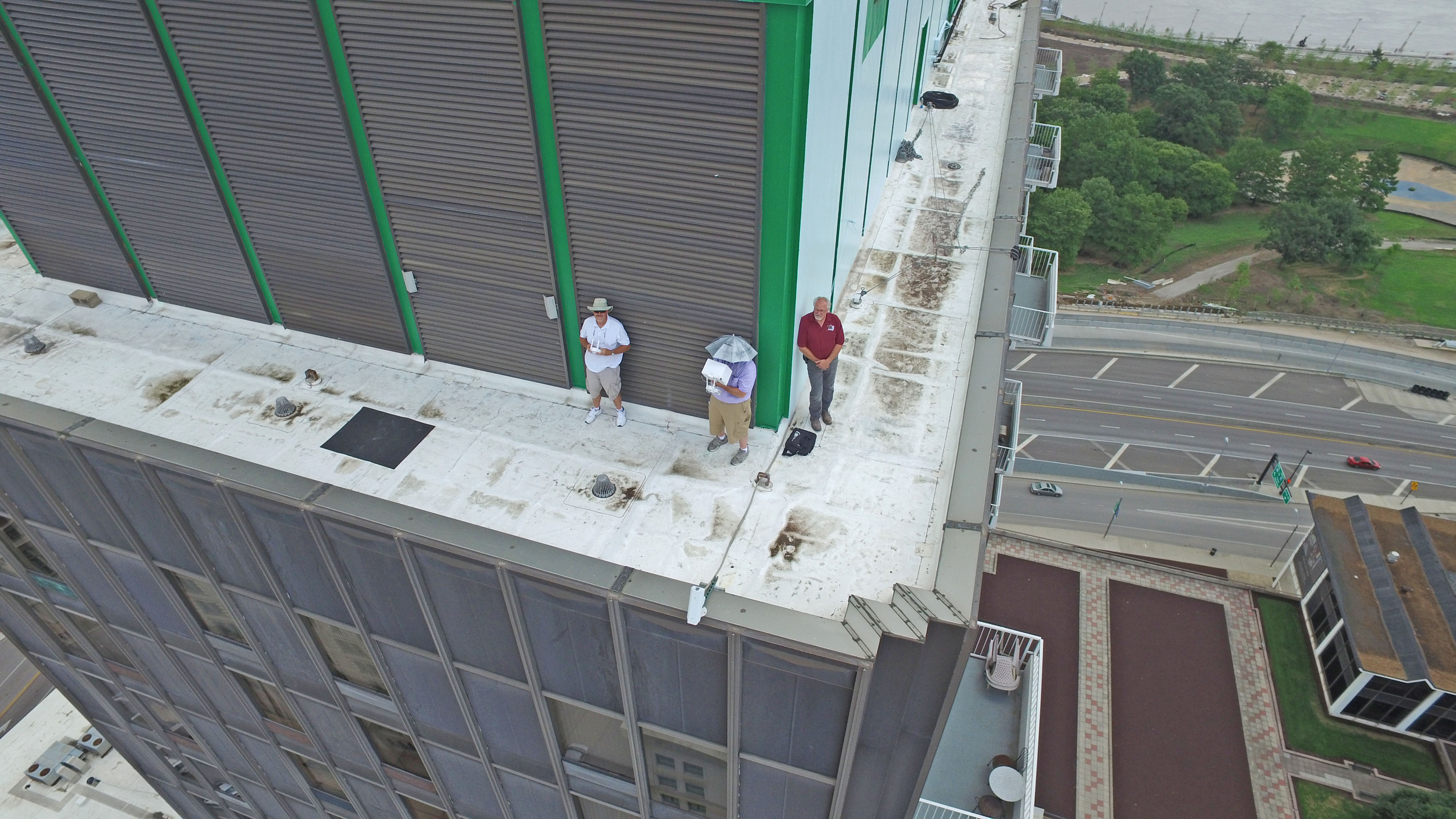
Whether you’re producing a single executive message or capturing footage for a multi-part campaign, our crew ensures a smooth, professional experience from planning through delivery. We handle everything on the ground so your team can stay focused on the big picture.
Need high-quality video interviews and B-roll in St. Louis—without sending your team on the road? Partner with St Louis Video Crew for a seamless shoot-and-ship experience.
Easy Tips for Choosing the Right Crew for Small Video Productions
In the world of business storytelling, not every production requires a Hollywood-sized team. In fact, many of the most effective corporate videos—interviews, testimonials, product demos, training content, or social media spots—are executed by compact, highly skilled crews. For decision makers tasked with sourcing video services, knowing how to choose the right crew for a small-scale production can make the difference between a smooth shoot and a logistical headache.
At St Louis Video Crew, we’ve specialized in lean, efficient video production since 1982. Drawing on our decades of experience, here are some simple yet essential tips for selecting the right crew for your next small-scale shoot.
1. Understand the Scope of Your Project
Before hiring a crew, define the basic needs of your production:
- What’s the objective of the video?
- How many locations will be involved?
- Will the shoot include interviews, product b-roll, or live-action sequences?
- What is the desired runtime and final format (web, internal, social media, broadcast)?
A clear scope helps you identify how many crew members you’ll actually need—many smaller videos can be executed with just a director of photography, an audio technician, and a producer or PA.
2. Look for Multi-Disciplinary Talent
With a small crew, versatility is key. You’ll want professionals who are comfortable juggling multiple roles:
- A camera operator who can also light interviews
- A producer who can assist with on-site logistics
- An audio tech who understands editing workflows
Experienced small crews don’t just fill positions—they solve problems and keep your production moving.
3. Check for Relevant Experience and Portfolio Fit
Not all video crews are created equal. Look for companies or individuals who have a strong track record with the type of video you need:
- If it’s a corporate testimonial, ask to see interview samples.
- For internal training content, check that they’ve worked with other businesses in similar industries.
- For promotional footage, review their b-roll and editing capabilities.
An experienced crew will already know how to light, shoot, and direct talent in the style you’re after—with minimal coaching.




4. Ensure They Have the Right Equipment for the Job
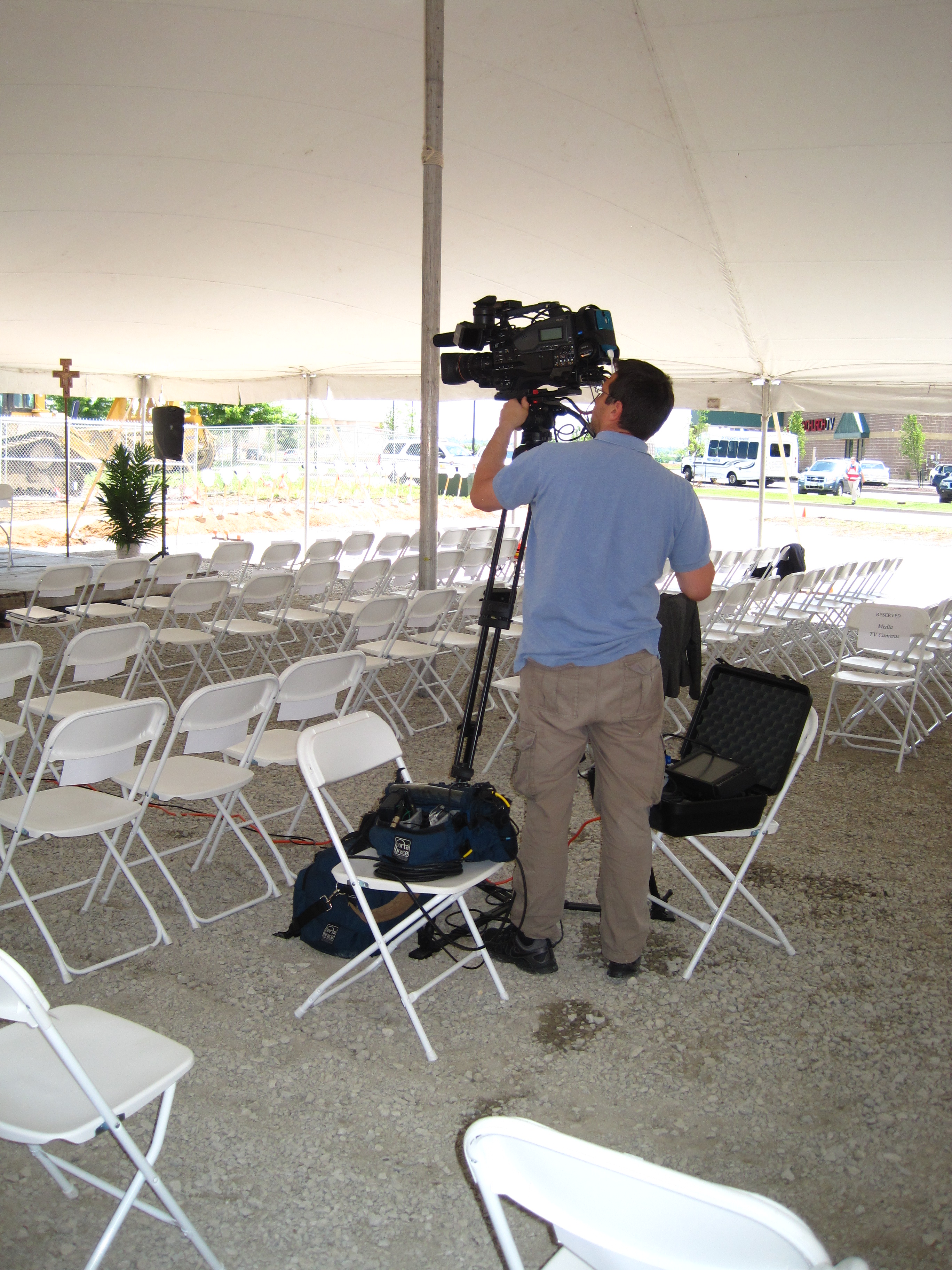
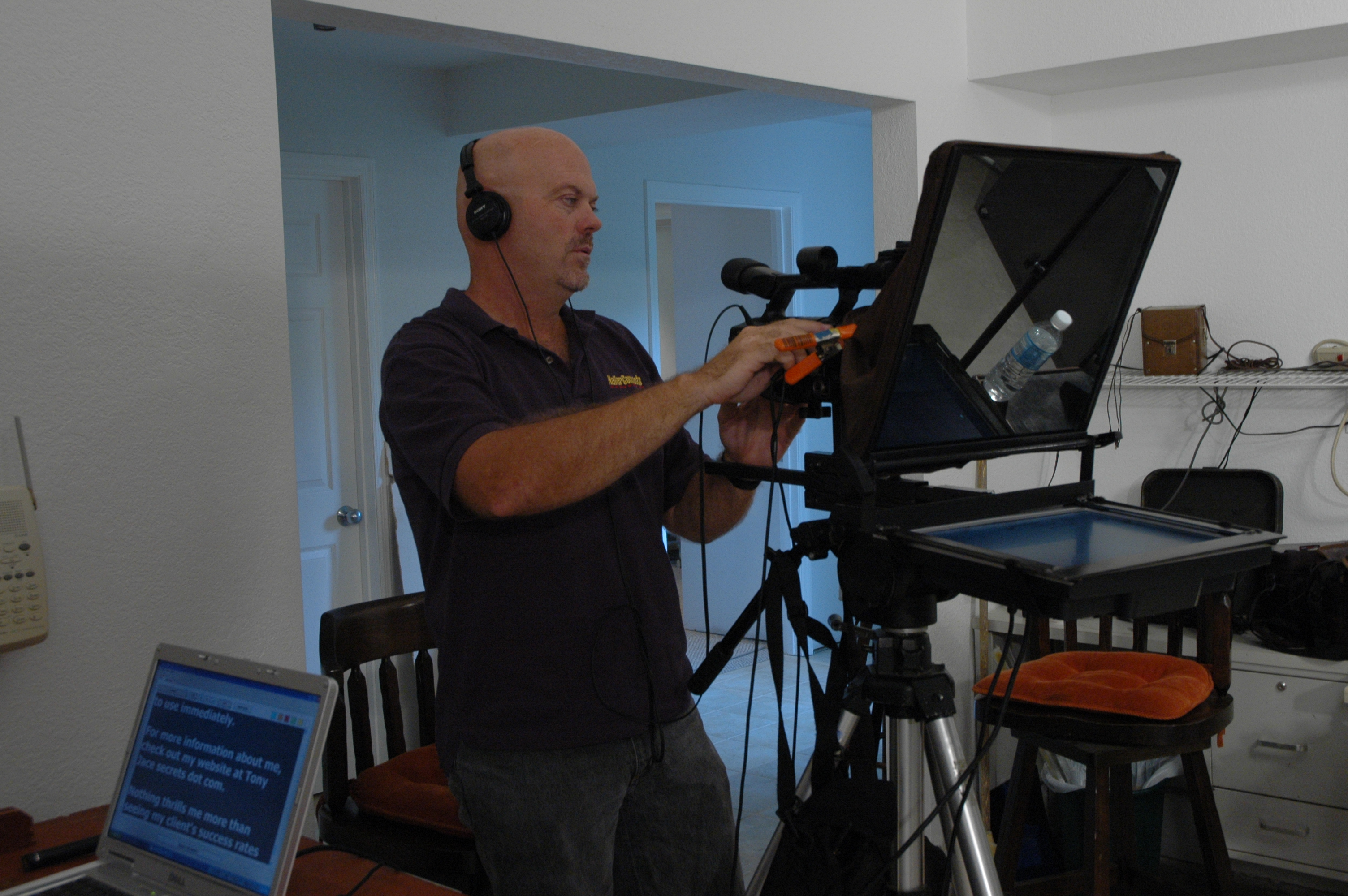
A compact crew doesn’t mean limited tools. The right team will have streamlined, high-performance gear that’s ideal for small shoots:
- Lightweight cinema cameras
- Portable lighting setups
- Wireless lavaliers or boom mics
- On-site monitoring systems
At St Louis Video Crew, we also incorporate artificial intelligence tools to enhance real-time framing, noise reduction, and media organization—all while keeping our footprint small.
5. Prioritize Communication and Flexibility
With a smaller crew, clear and proactive communication becomes even more critical. Look for a team that:
- Responds quickly to questions
- Offers clear breakdowns of process and timelines
- Is willing to adapt to changing conditions or last-minute updates
A tight-knit crew should feel like a true partner in your content creation—not just hired hands.
6. Evaluate Post-Production Support
The best small crews don’t just walk off set after the shoot. They also handle post-production efficiently, offering:
- Editing and color correction
- Audio sweetening
- File delivery in multiple formats
- Repurposing for different platforms
This end-to-end support is essential for maximizing the ROI of your video.
Why St Louis Video Crew is the Smart Choice for Small Productions
At St Louis Video Crew, we understand that smaller productions require big-picture thinking and detail-oriented execution. Since 1982, we’ve helped businesses, marketing teams, and creative agencies in St. Louis produce high-quality content using the right-size team.
We offer:
- Full-service studio and location video and photography
- Expert editing and post-production
- Licensed drone pilots (including for indoor drone flights)
- Private studio spaces with modular lighting setups and props
- Skilled crews familiar with all major file types, codecs, and delivery formats
- Artificial intelligence tools to enhance every step of the media pipeline
Whether you’re filming an executive interview, client testimonial, short-form promotional piece, or internal communications video, our streamlined crew brings the experience and equipment to get it done right—with minimal disruption and maximum impact.
Let’s talk about your next video project. We’ll make sure the right crew is ready—so you can focus on your message, not the logistics.
Our team of industry professionals will take your production to another level. Whether we like to believe it or not, we can’t do everything on our own. It takes a team of creative, passionate, and dedicated crew to get the job done right.


























 St Louis Video Crew