Professional Video Crews for Studio and Location Productions
Professional Video Production Begins With the Right Crew
For businesses, corporations, advertising agencies, and marketing professionals, professional video production has become an essential component of effective visual communication.
From corporate interviews and executive presentations to advertising campaigns, product demonstrations, training programs, and recruitment videos, organizations rely on quality video to communicate their messages and strengthen their brands.
However, producing successful commercial video involves considerably more than purchasing expensive cameras or hiring someone to operate recording equipment.
The quality of a professional video production depends on the experience, technical knowledge, creative judgment, and coordination of the crew working behind the cameras.
Professional camera operators, lighting technicians, sound engineers, producers, and editors each contribute specialized skills that influence the finished production.
Just as important is selecting the appropriate environment for filming.

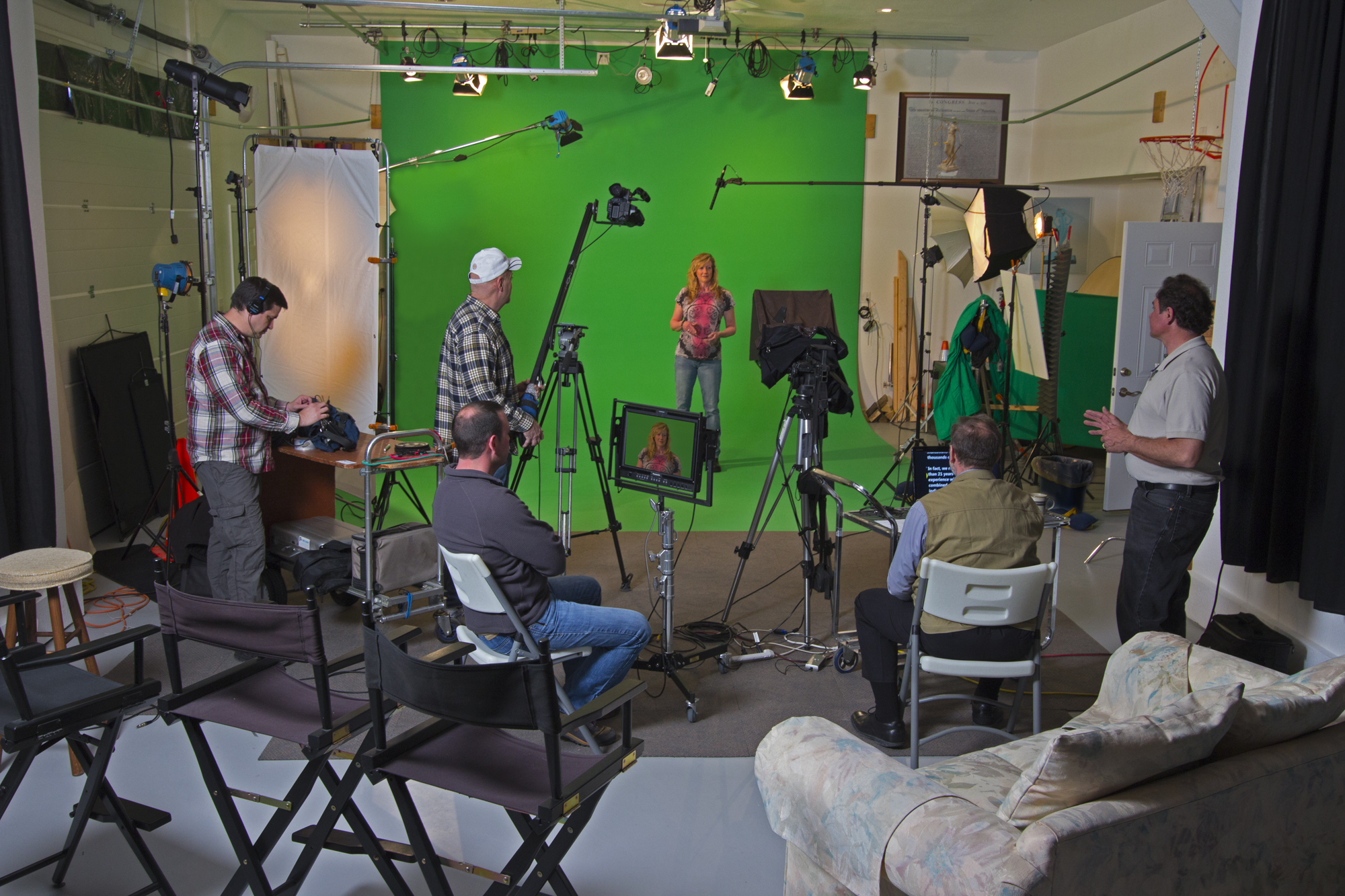
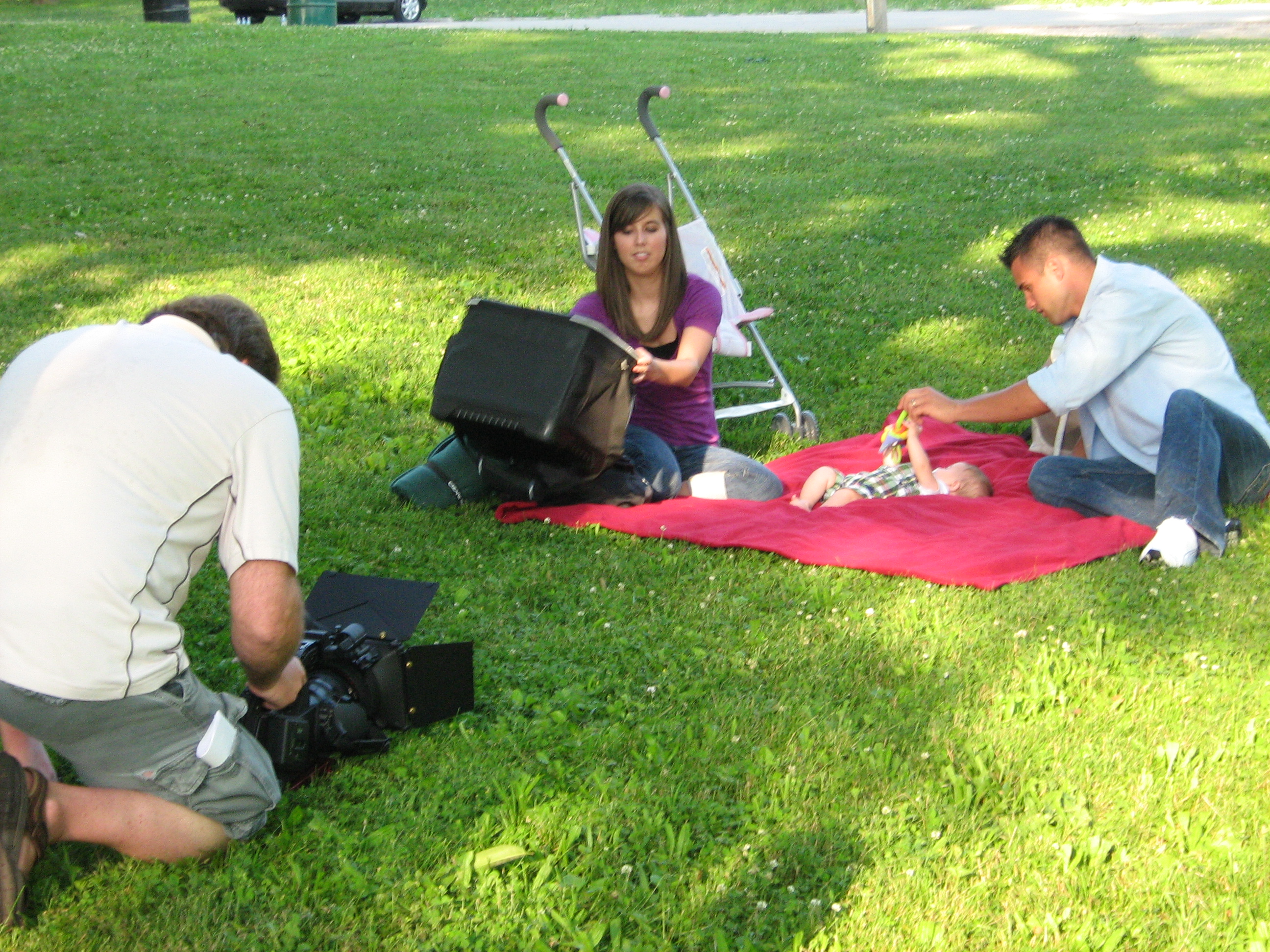
A controlled video production studio offers consistent lighting, predictable acoustics, and efficient production conditions. Location video production allows organizations to showcase their employees, facilities, products, and services in authentic business environments.
Experienced professional video crews understand how to work effectively in both settings.
For marketing directors and corporate communications professionals, selecting the right crew and production approach can improve video quality, minimize unnecessary costs, and create more versatile visual content.
Why Experienced Professional Camera Crews Make a Difference
Modern video cameras offer remarkable image quality, but professional equipment alone does not guarantee successful results.
An experienced camera operator understands exposure, lens selection, composition, camera movement, depth of field, color temperature, lighting relationships, and technical recording specifications.
More importantly, professional videographers know how to apply these technical elements to tell a compelling visual story.
A corporate interview requires different camera techniques than an industrial facility tour, executive presentation, commercial advertisement, or promotional documentary.
Experienced video crews adapt their equipment and shooting methods to the specific requirements of each assignment.
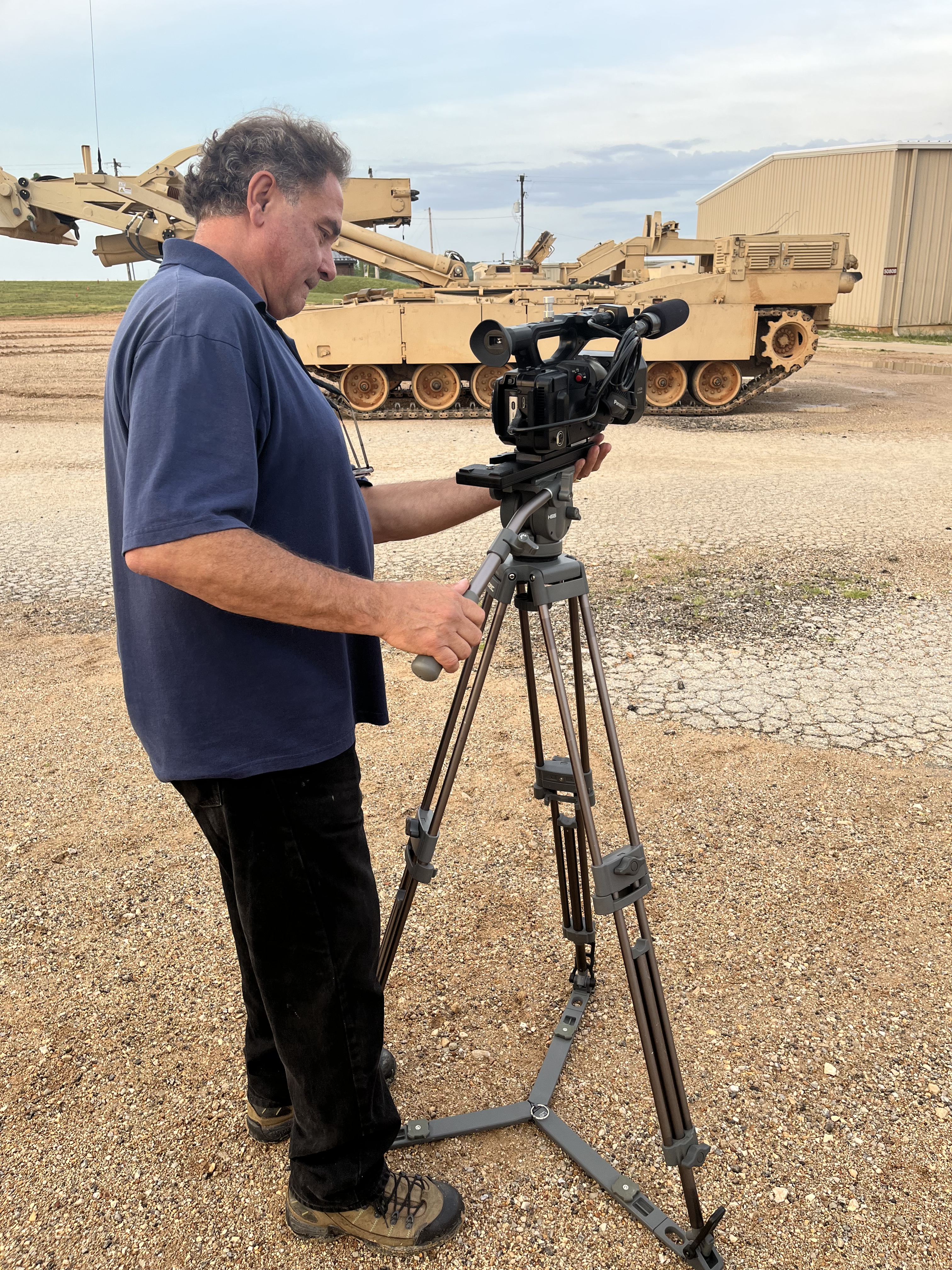
Professional Camera Operators Understand Visual Communication
Commercial video production requires more than simply recording what happens in front of the lens.
Camera operators make continuous decisions about subject placement, framing, backgrounds, movement, perspective, and visual continuity.
These decisions influence how audiences interpret a company’s message.
For example, an executive interview intended to communicate authority and credibility may benefit from carefully controlled lighting, a flattering camera angle, and a professional background.
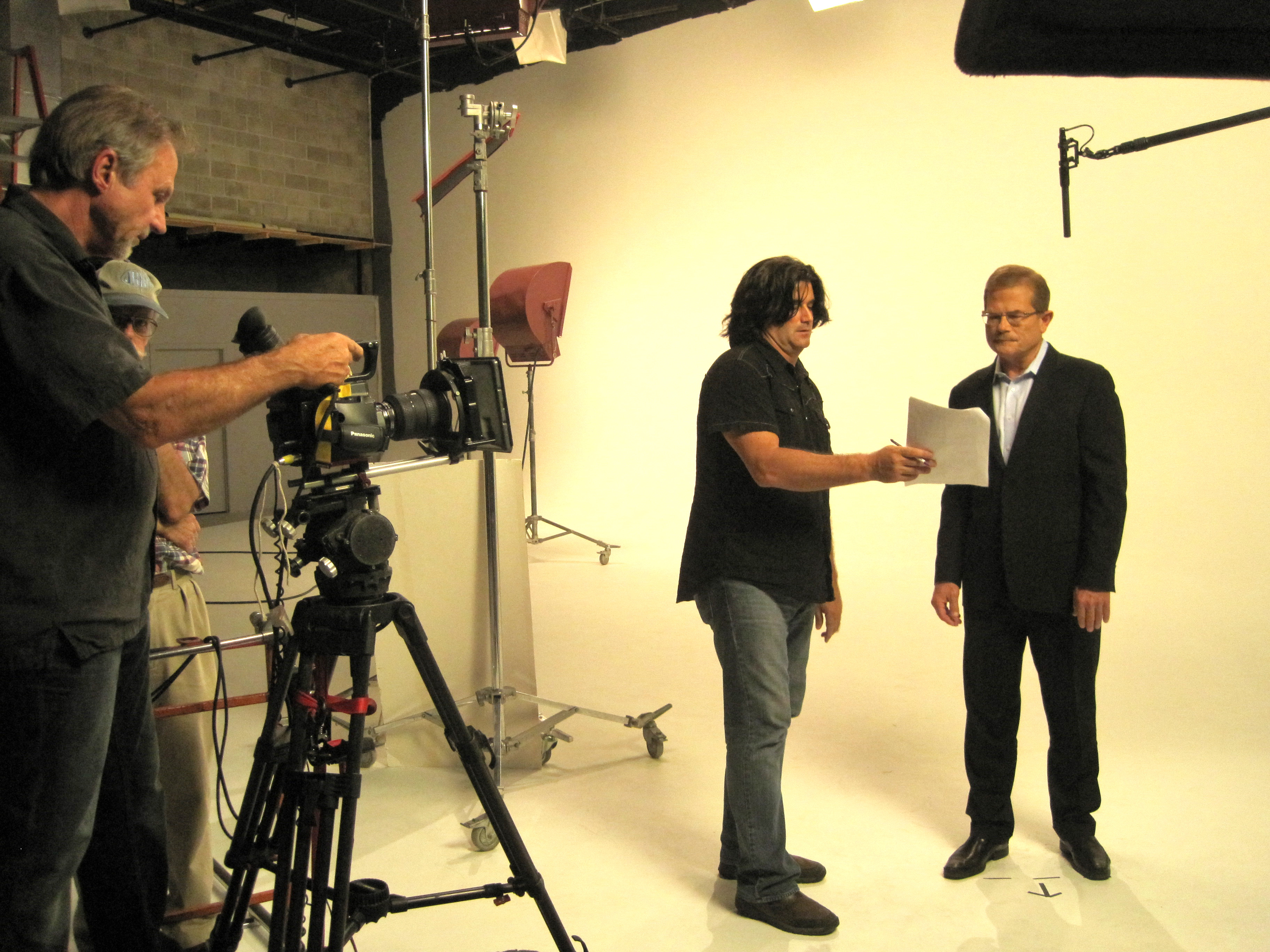
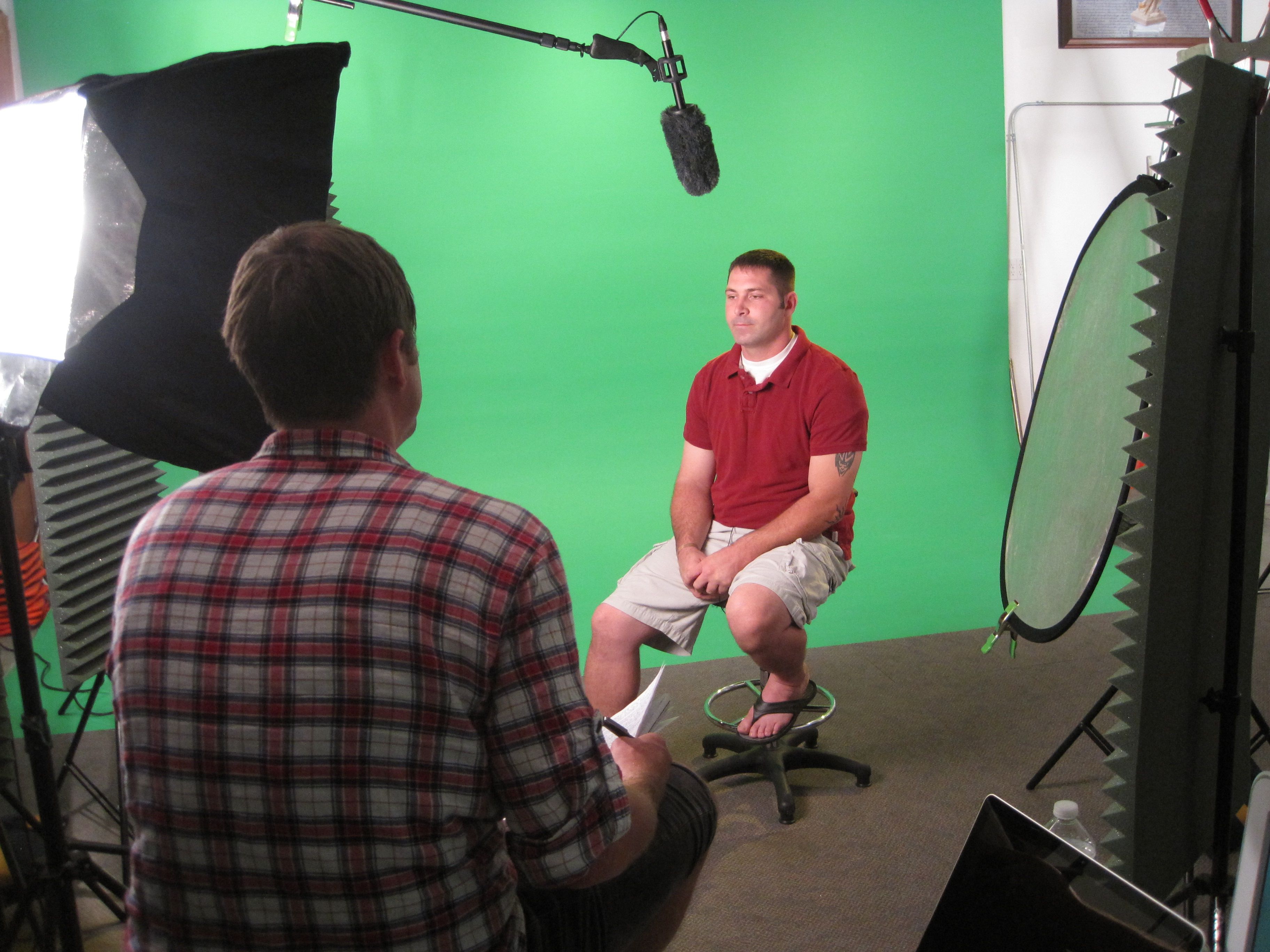
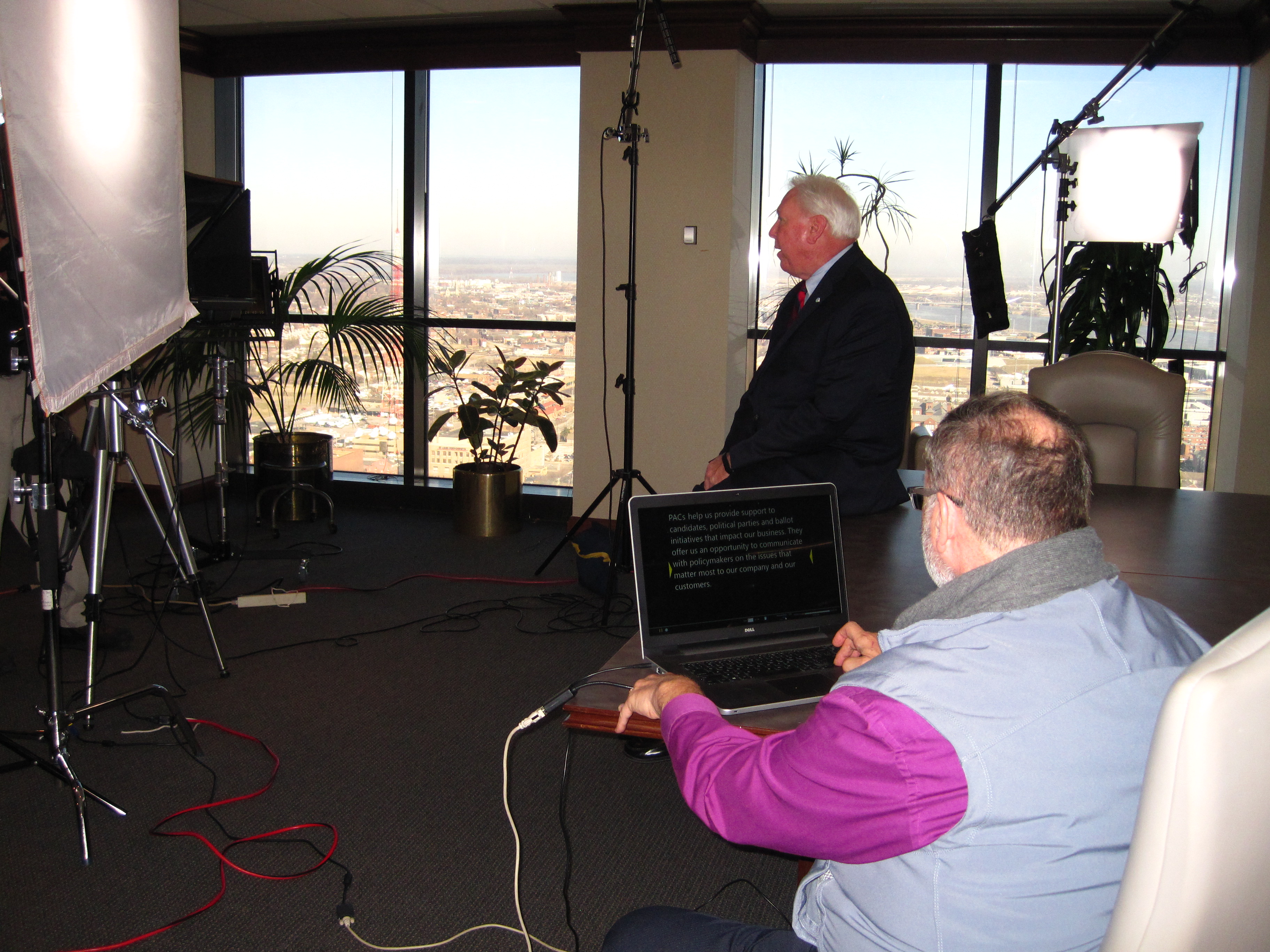
A recruitment video, by comparison, may emphasize natural camera movement, employee interactions, and authentic workplace activities to communicate company culture.
Professional crews understand these differences and make creative decisions that support the communication objective.
Studio Video Production: Consistency, Control, and Efficiency
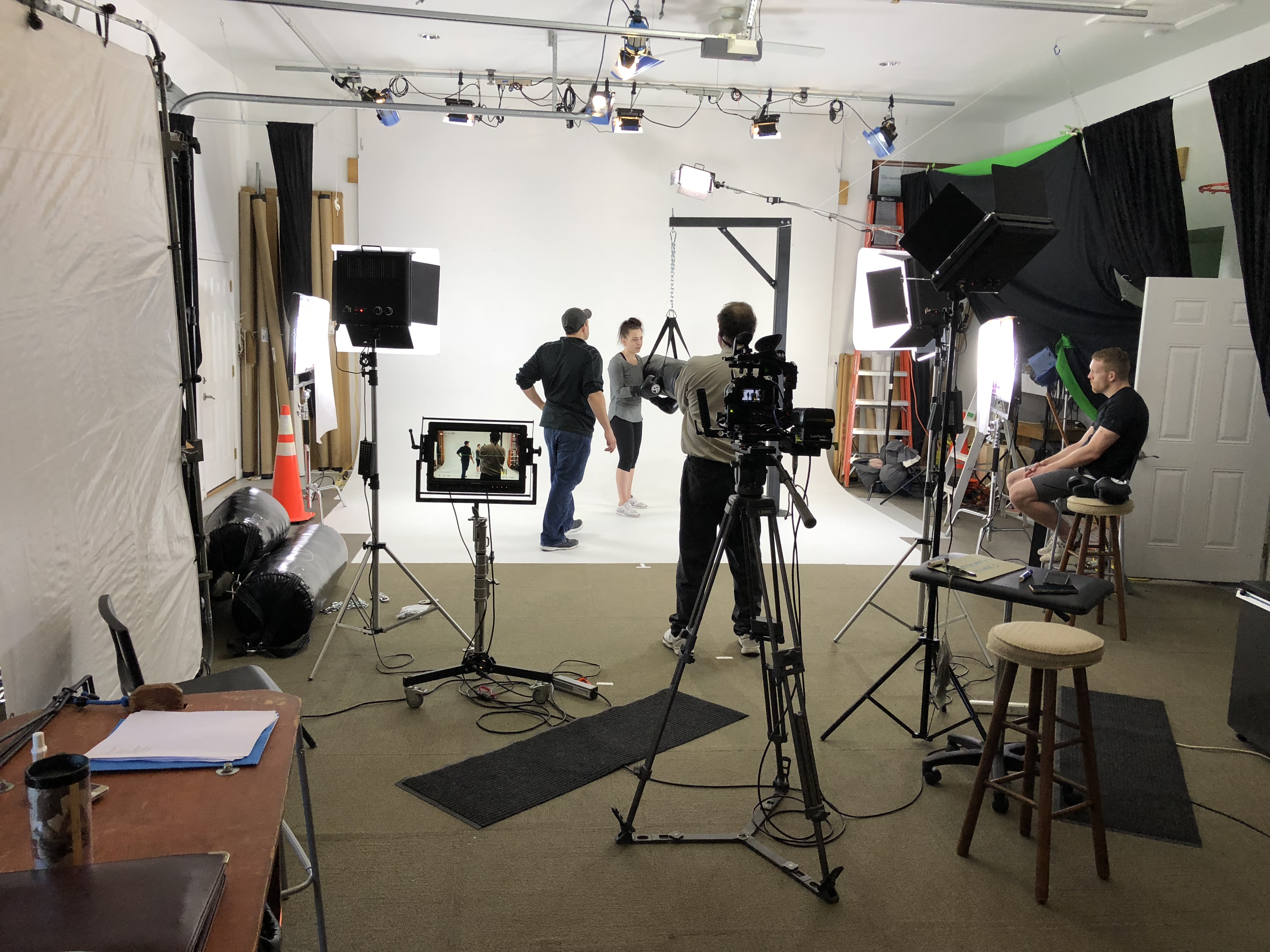
A professionally equipped video studio provides significant advantages for many commercial productions.
Unlike active offices, conference rooms, manufacturing facilities, or outdoor environments, a controlled studio allows production crews to manage lighting, camera placement, backgrounds, and sound with greater precision.
This is particularly valuable for organizations producing executive interviews, employee training videos, corporate presentations, product demonstrations, and digital marketing content.
Professional Studio Lighting
Lighting establishes the visual character of a video production.
Experienced lighting technicians understand how to create dimension, control highlights, manage shadows, balance skin tones, and separate subjects from their backgrounds.
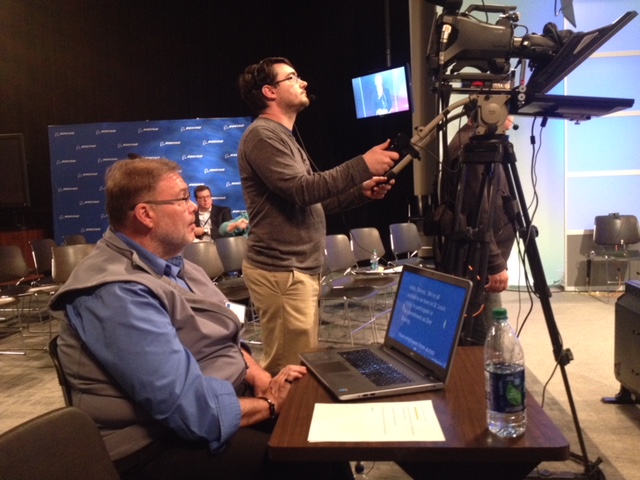
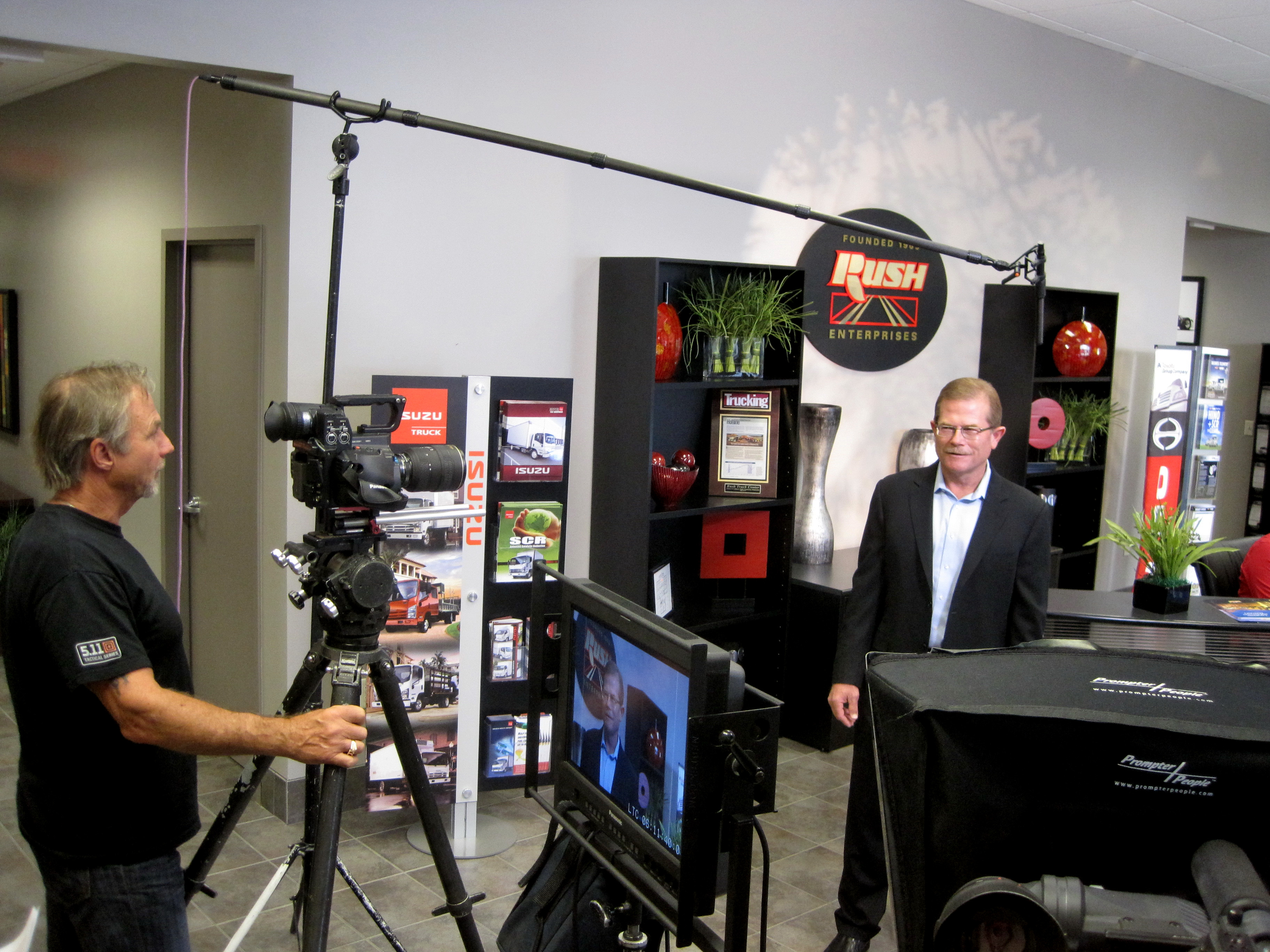
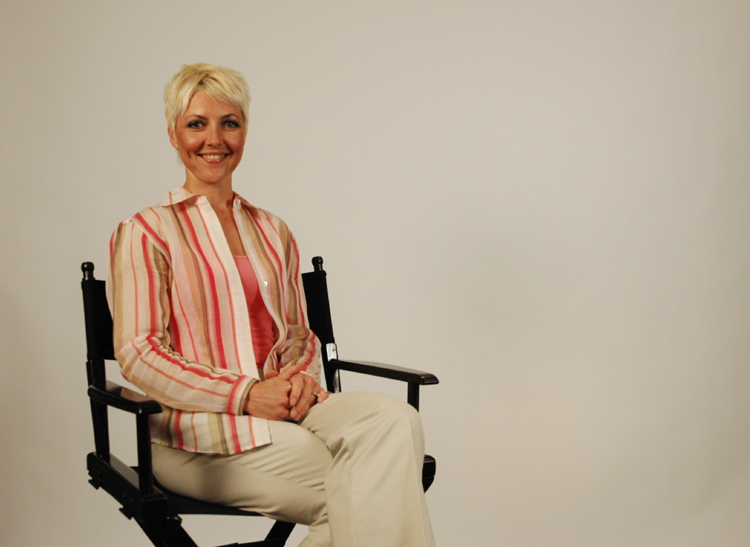
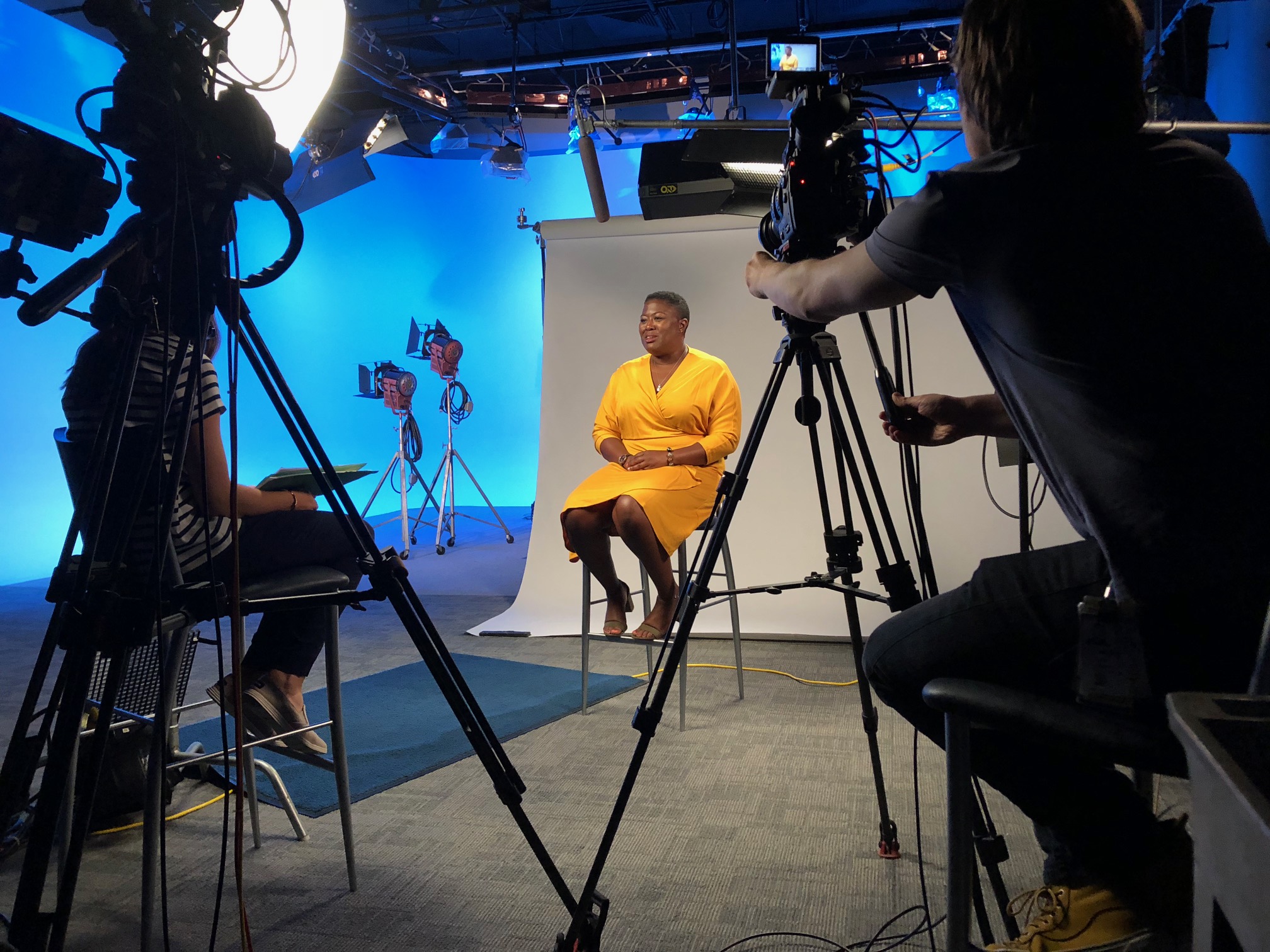
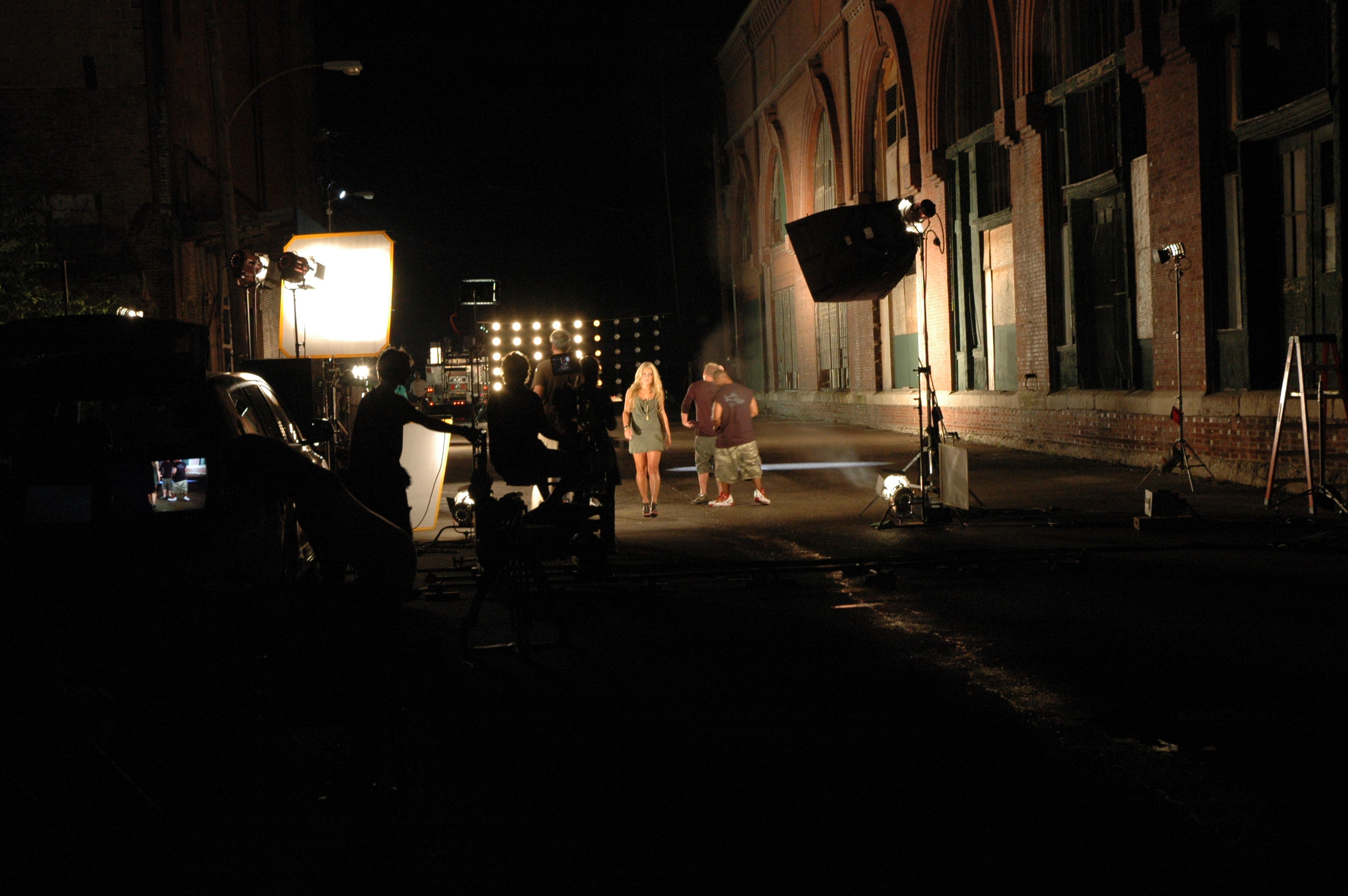
Professional studio lighting systems can be adjusted for different subjects and repeated across multiple recording sessions.
This consistency is especially important when companies produce a series of interviews or training videos over an extended period.
A Private Environment for Corporate Interviews
Executives, employees, and customers often feel more comfortable speaking on camera in a private, professional environment.
A dedicated video studio eliminates many distractions associated with busy workplaces.
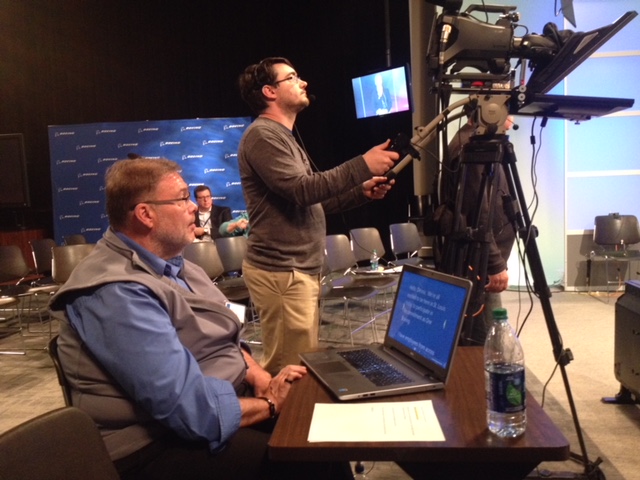
It also allows production crews to organize camera equipment, lighting, microphones, teleprompters, monitors, and background elements before participants arrive.
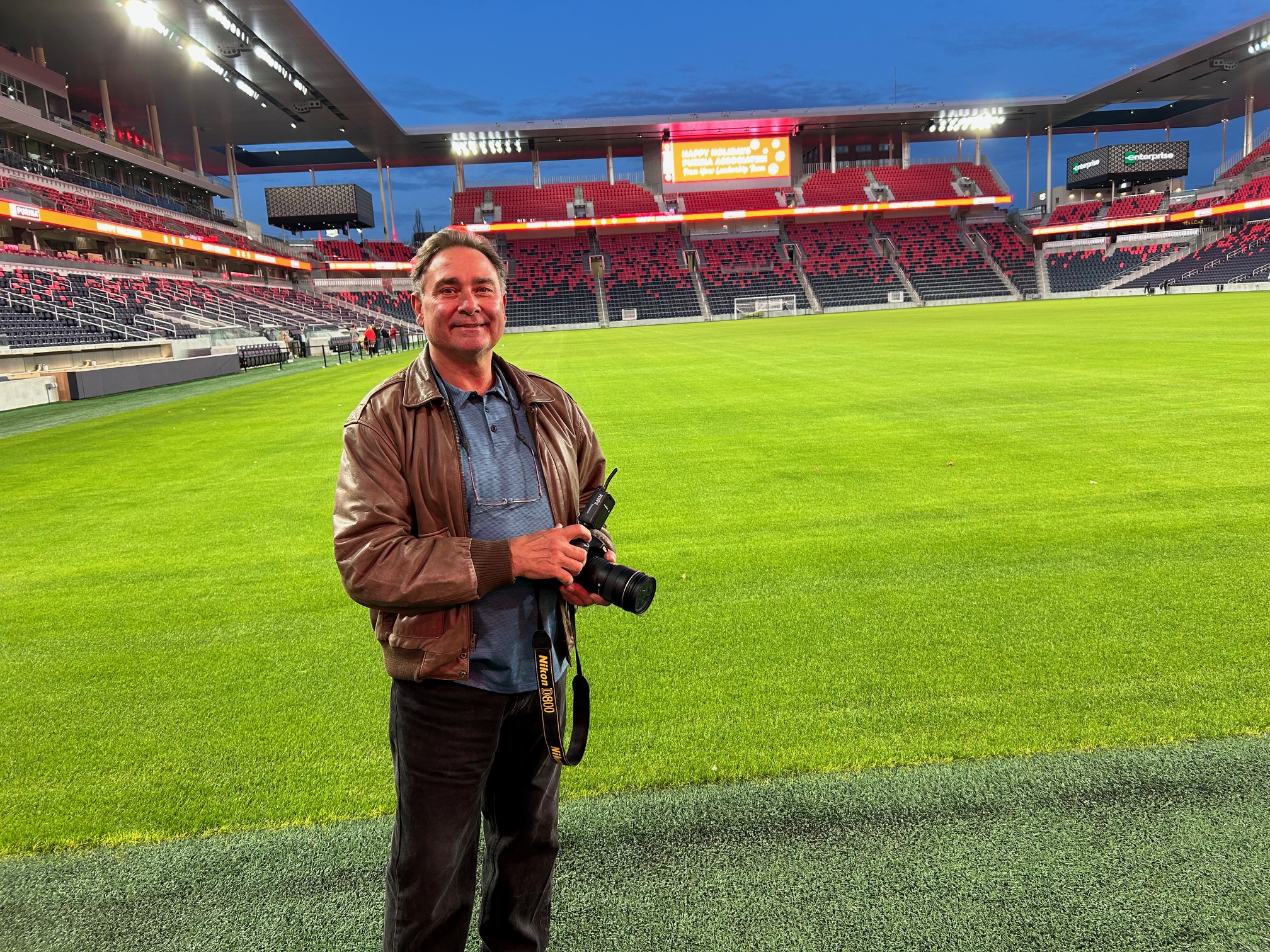
The result is a more organized recording experience that makes better use of executive and employee time.
Custom Interview Sets and Backgrounds
Professional video studios offer opportunities to create customized visual environments.
Furniture, props, practical lighting, corporate branding, and background elements can establish a specific appearance consistent with the company’s marketing objectives.
An executive interview may require a sophisticated business setting, while a training video might benefit from a simpler presentation environment.
A well-equipped studio provides the flexibility to create different looks without relocating the entire production.
When Location Video Production Is the Better Approach
Not every corporate video should be produced in a studio.
In many cases, the strongest visuals come directly from the environments where businesses operate.
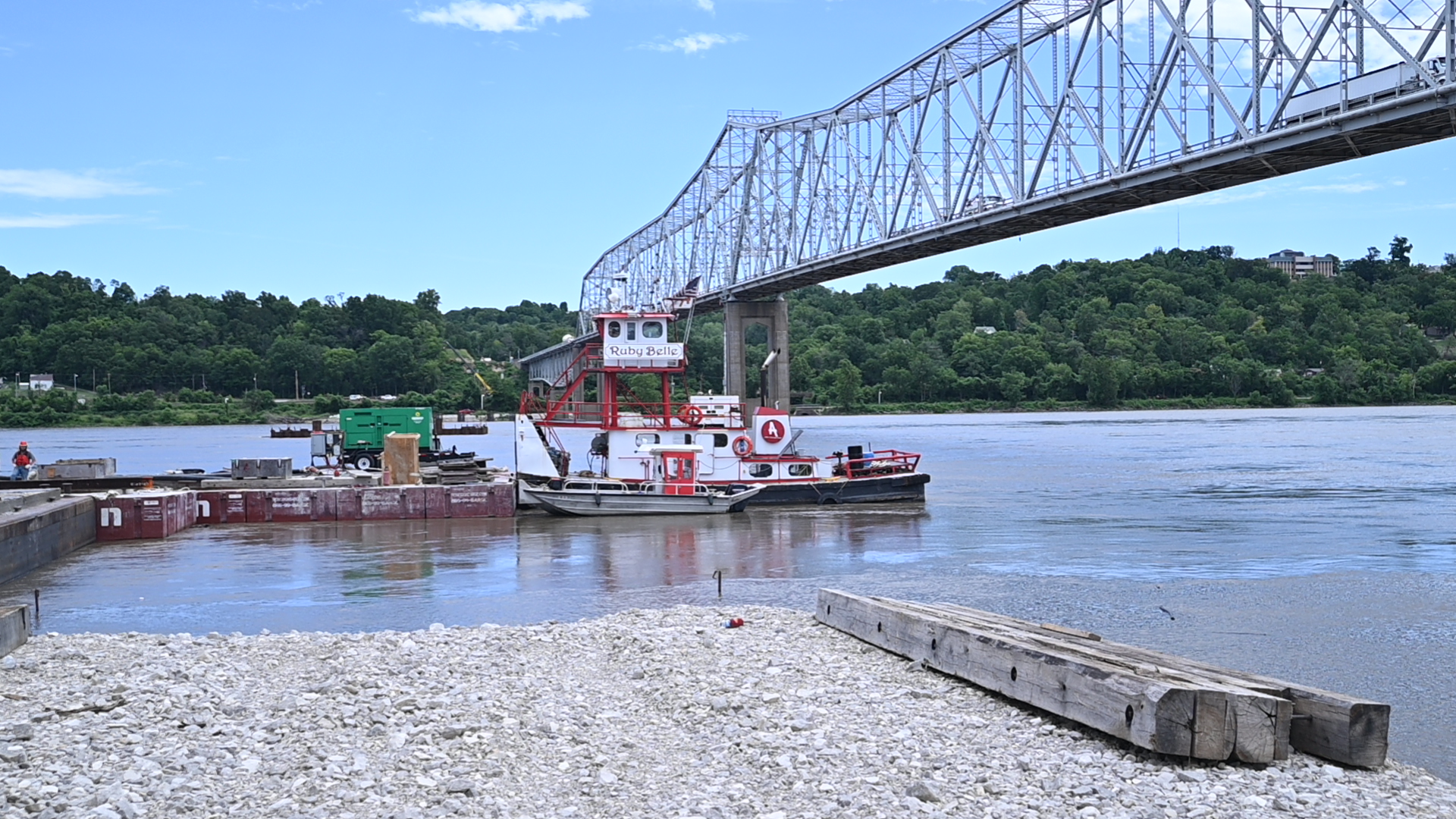
Location video production allows organizations to show their people, facilities, processes, and capabilities in authentic settings.
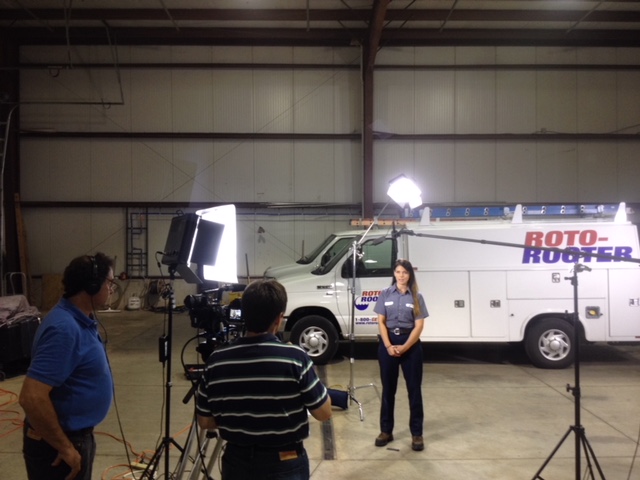
A manufacturing company may want to demonstrate its production systems. A healthcare organization may need to document its facilities and professional staff. A construction company might require footage of active projects and completed developments.
These productions require experienced crews capable of adapting to changing conditions.
Managing Real-World Production Challenges
Unlike a controlled studio, location filming introduces variables that can affect video and audio quality.
These include changing daylight, mixed lighting sources, machinery noise, HVAC systems, reflective surfaces, restricted camera positions, limited electrical access, and ongoing business activity.
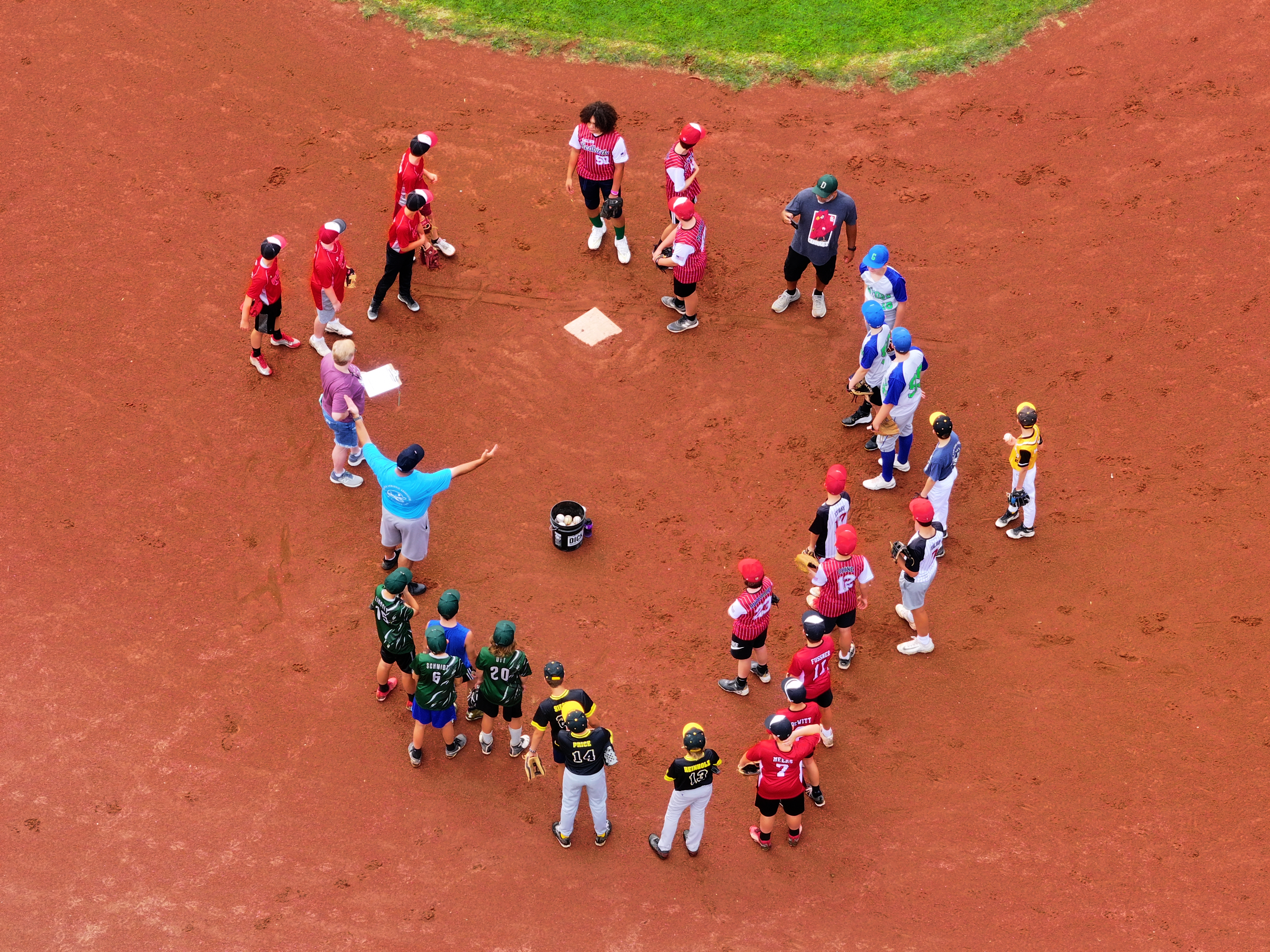
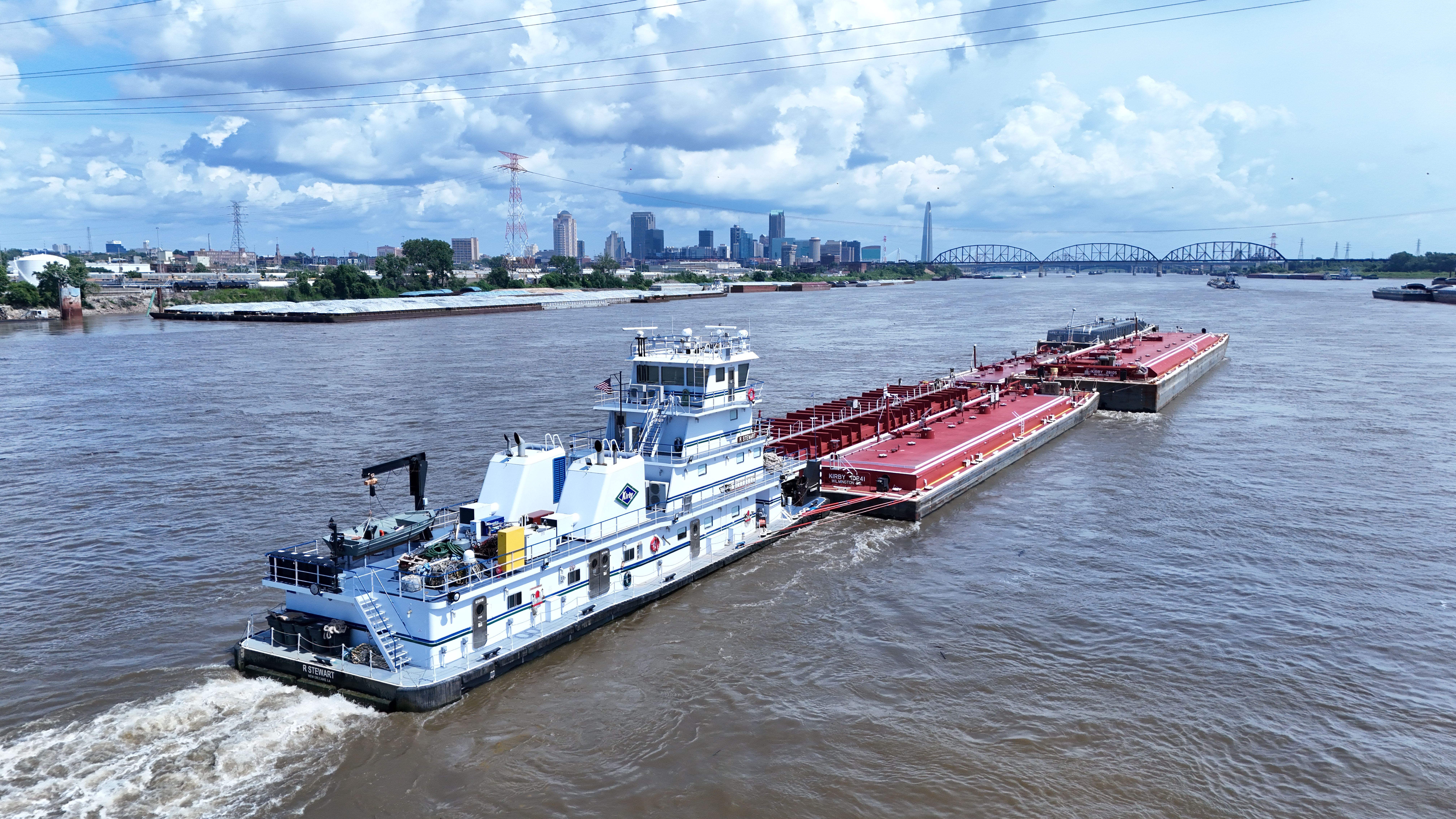

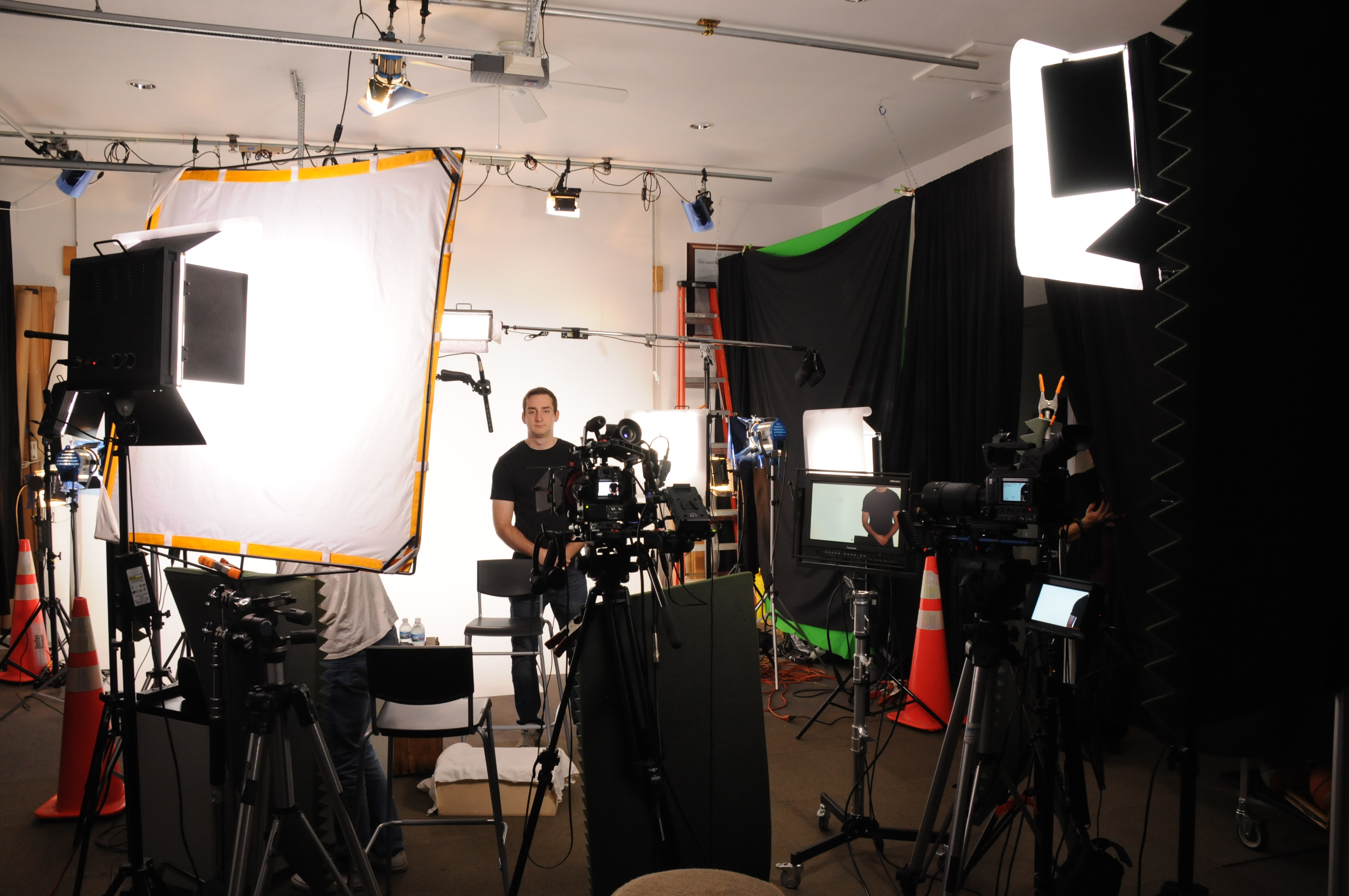
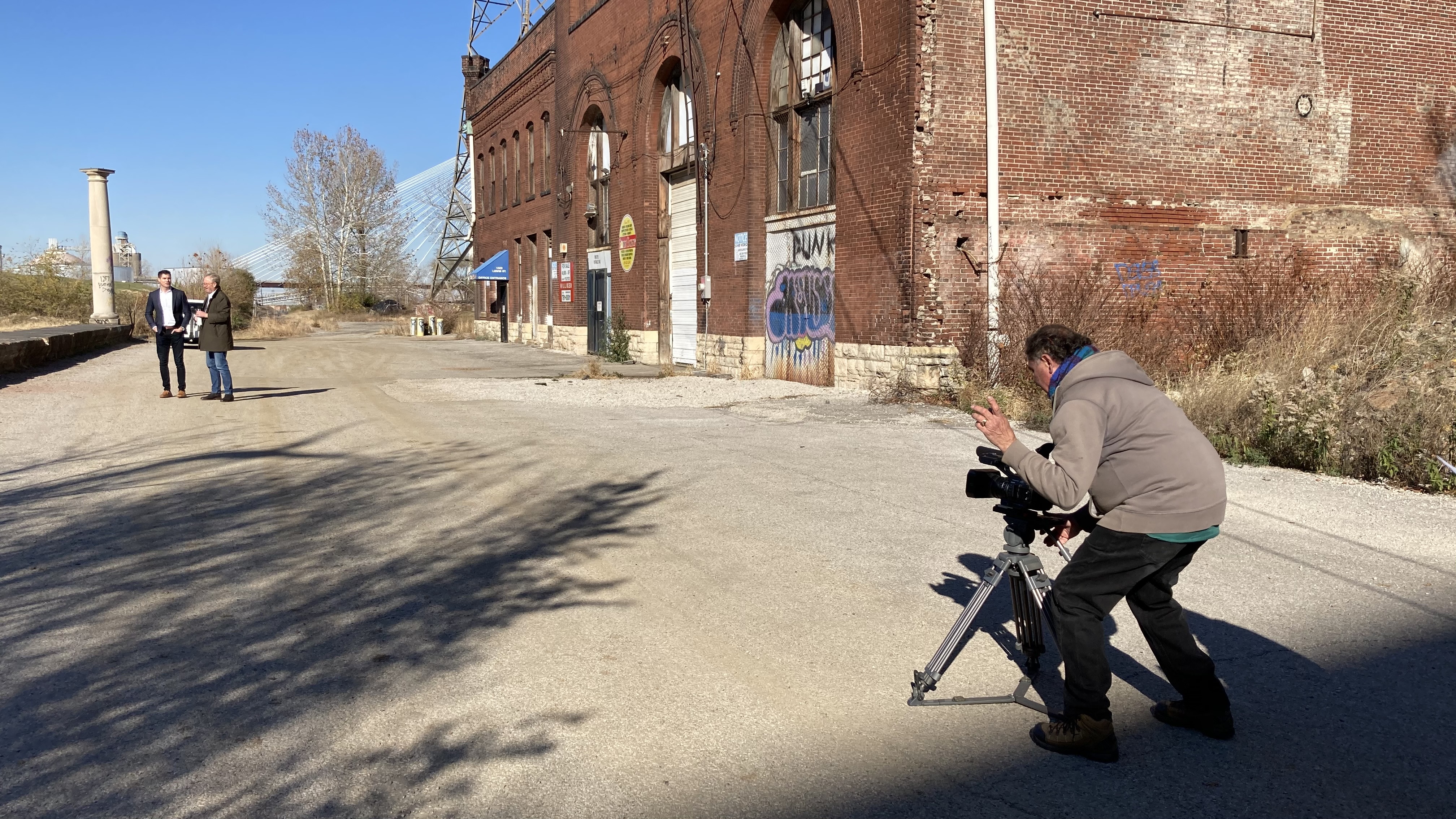
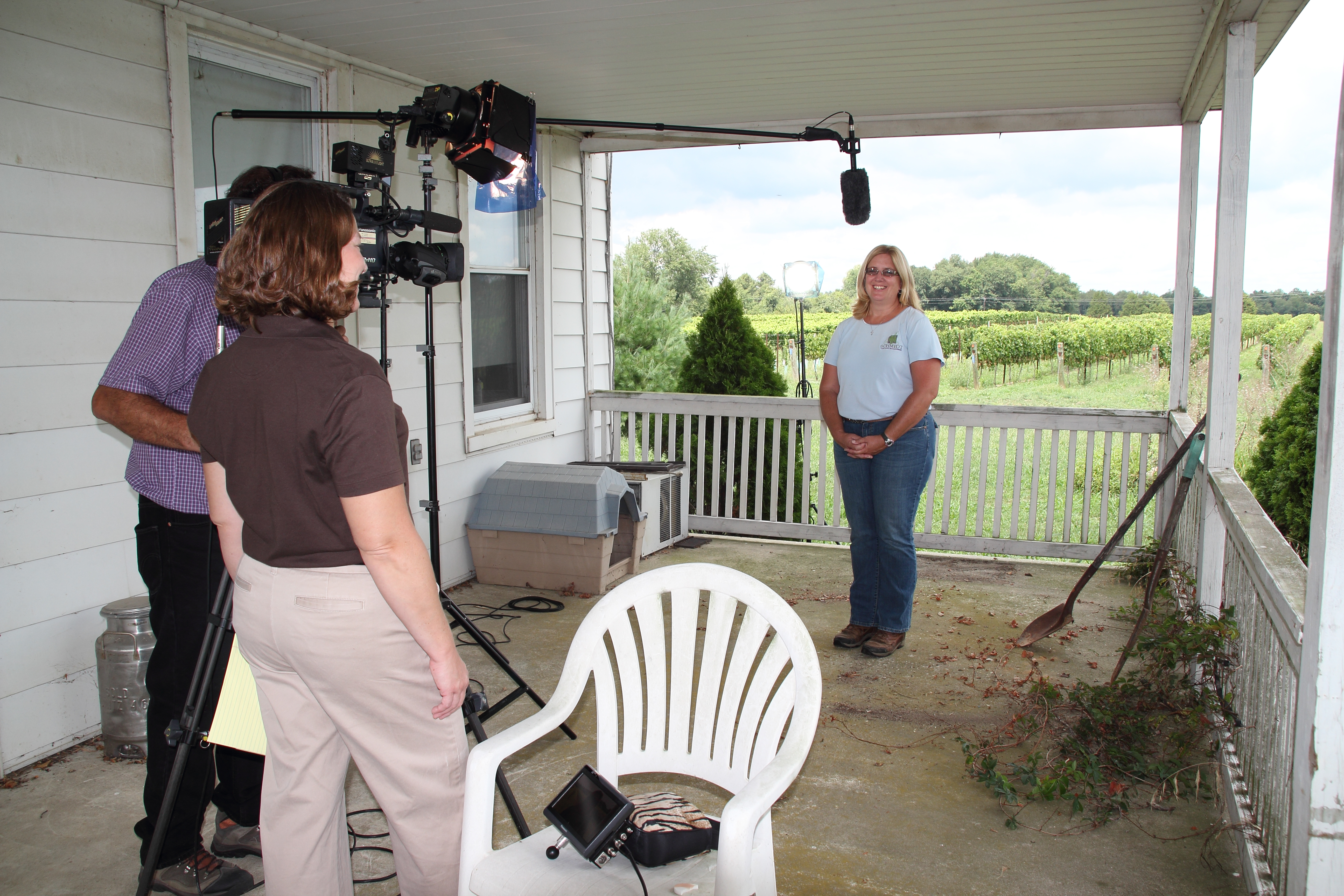
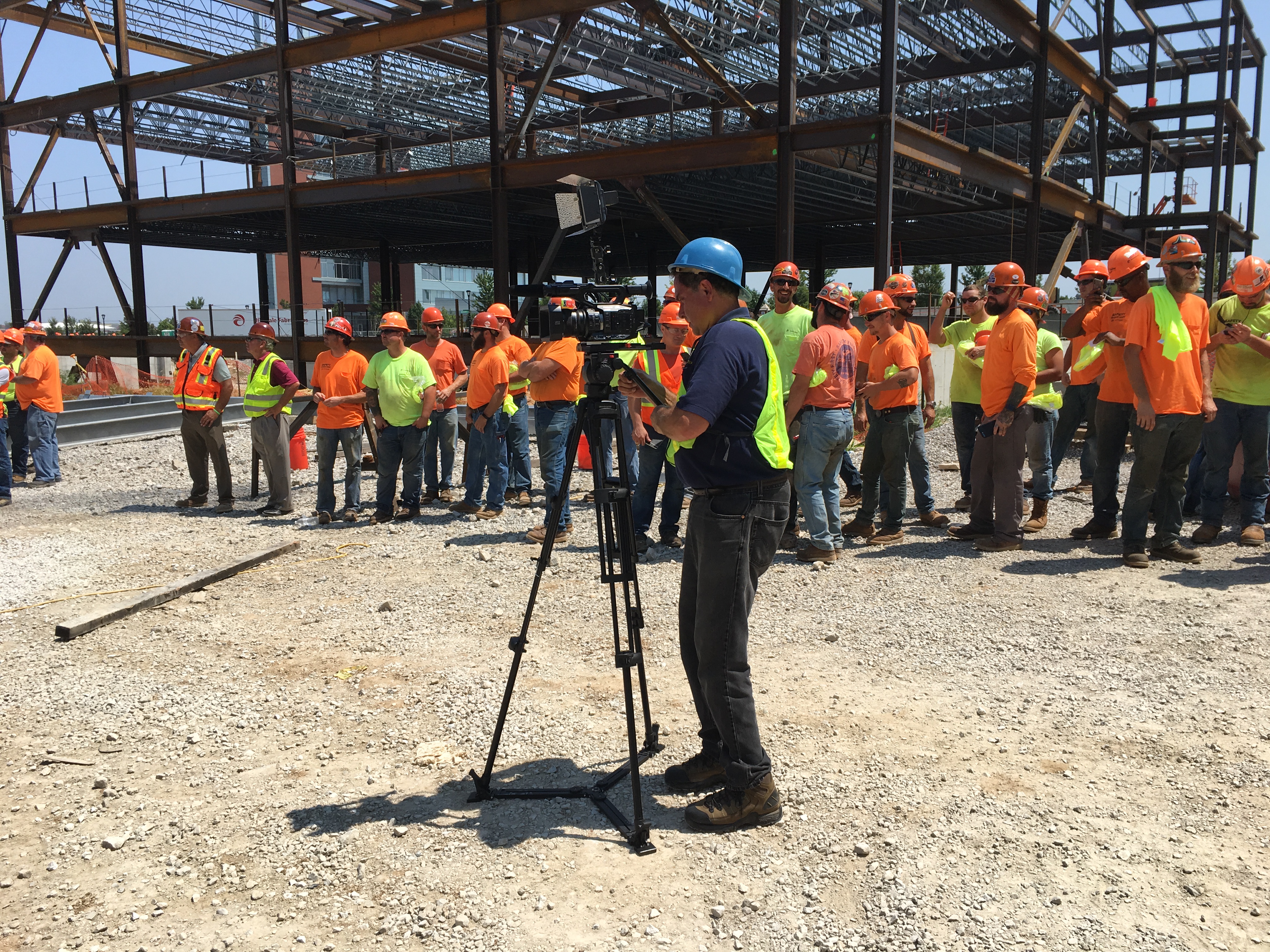
Professional location crews anticipate these challenges and select the appropriate cameras, lenses, microphones, lighting equipment, and support systems.
They also understand how to work efficiently around normal business operations while respecting safety requirements and production schedules.
Successful location video production requires both creative judgment and practical problem-solving experience.
Location Scouting: Planning Before the Cameras Arrive
Location scouting is an important part of professional video production that is frequently underestimated.
A location that appears visually attractive may present significant technical challenges.
Experienced location scouts evaluate the environment from the perspective of the camera crew, sound technicians, lighting personnel, and production schedule.
Important considerations include natural and artificial lighting, ambient noise, power availability, camera positions, equipment access, parking, loading areas, and necessary filming permissions.
For example, a corporate conference room may appear ideal for an interview but contain large windows with changing daylight, reflective walls, or noisy ventilation equipment.
Discovering these conditions during scouting allows the production team to make necessary adjustments before filming begins.
Careful pre-production planning reduces avoidable delays, protects production budgets, and helps ensure the crew arrives prepared to produce professional results.
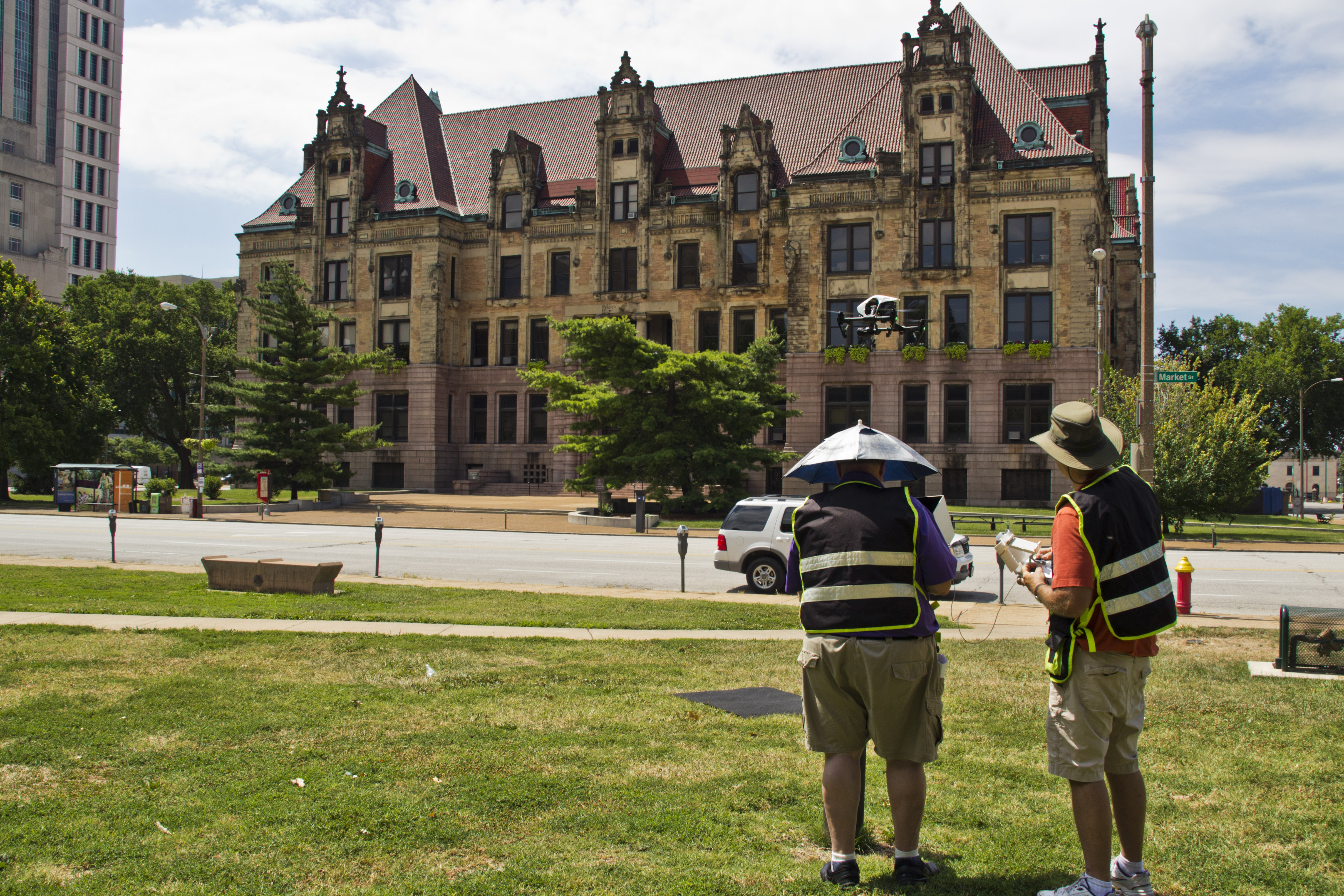


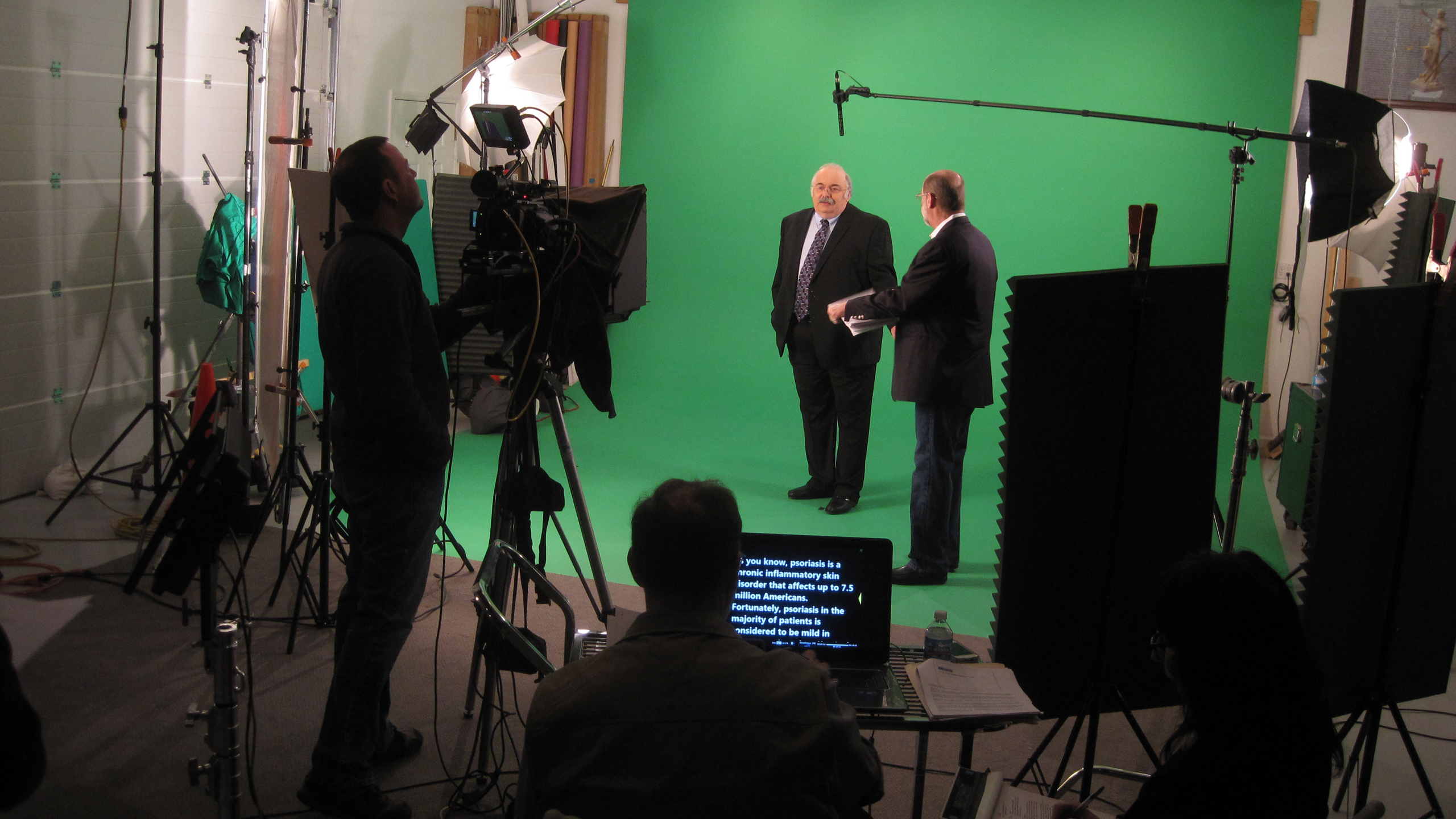


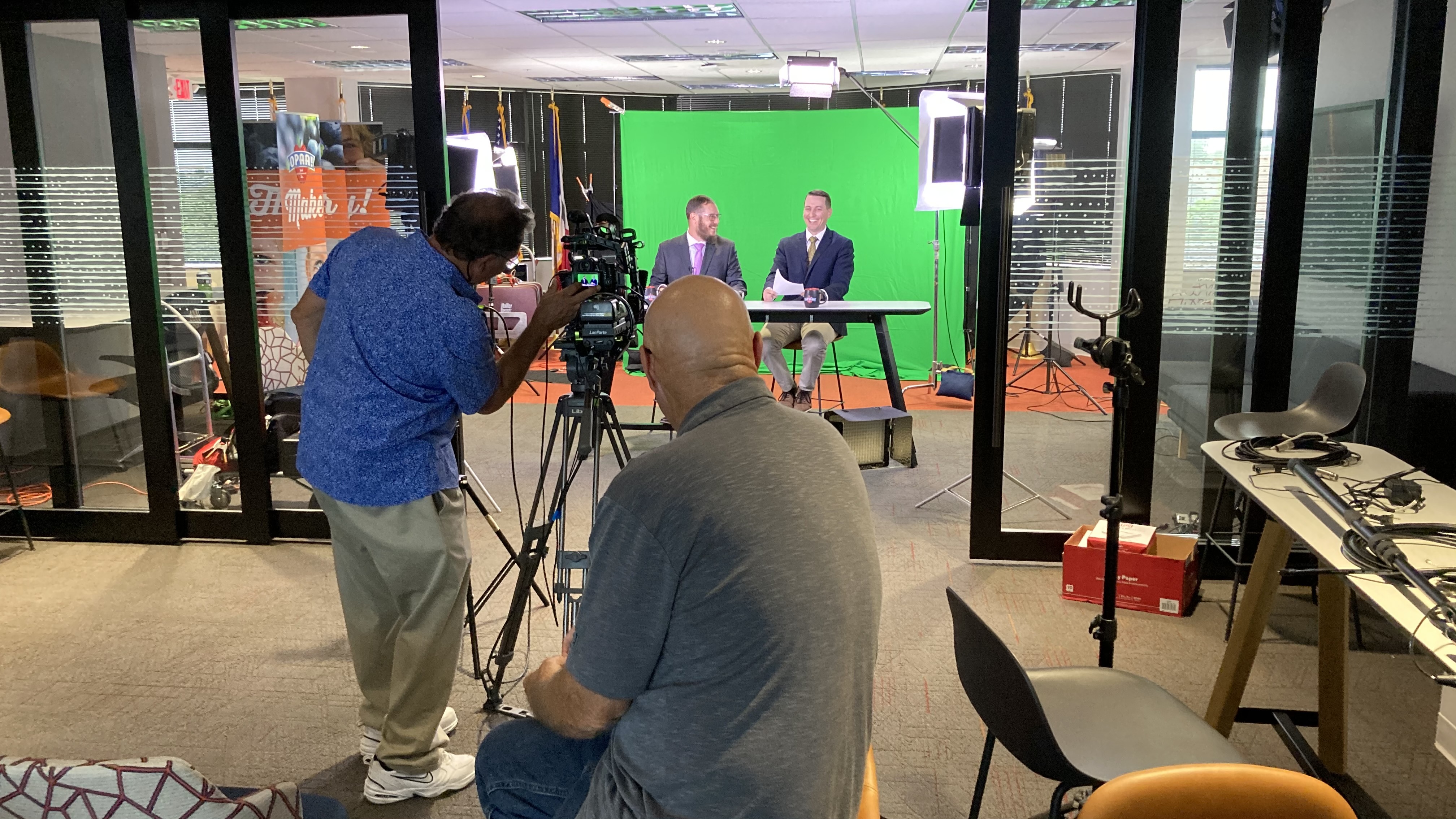

Professional Audio Is Just as Important as Professional Video
One of the most common weaknesses in inexperienced video production is poor audio quality.
Audiences may tolerate minor visual imperfections, but unclear dialogue, distracting background noise, and inconsistent sound levels can quickly reduce the effectiveness of a corporate presentation.
Professional sound recording requires appropriate microphones, recording systems, monitoring equipment, and experienced operators.
Depending on the production, a crew may utilize wireless lavalier microphones, directional boom microphones, dedicated audio recorders, and multiple recording channels.
An experienced audio technician monitors recording levels, interference, clothing noise, room reflections, and unwanted background sounds.
Corporate interviews, executive presentations, testimonials, and training videos benefit significantly from professionally recorded dialogue.
Good audio is not an optional production enhancement. It is a fundamental element of effective business communication.
Multi-Camera Video Production Creates More Editing Flexibility
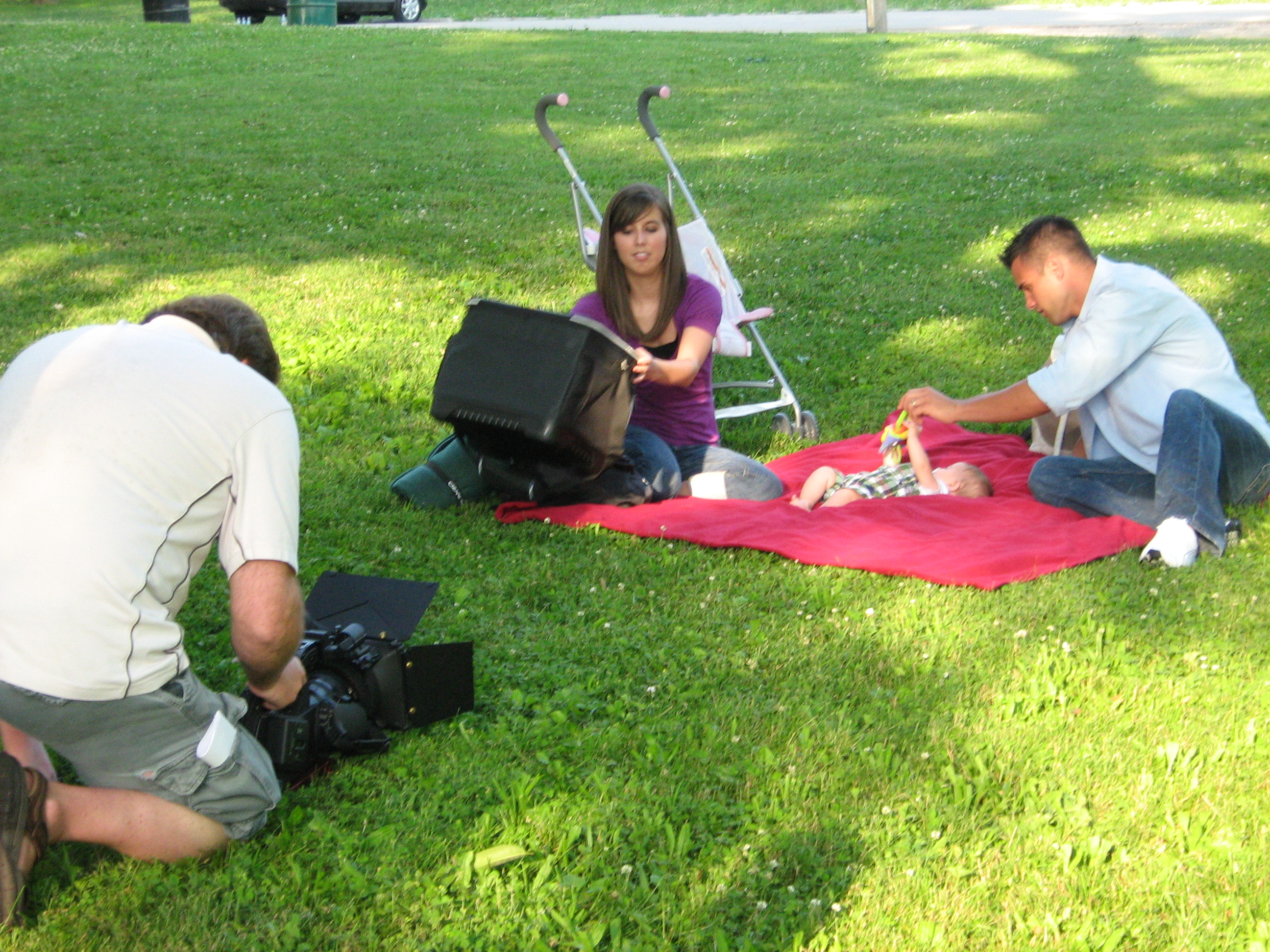
Using multiple cameras can greatly improve the finished appearance of interviews, presentations, panel discussions, and other commercial productions.
A two-camera interview might include a wider composition and a tighter close-up, allowing the editor to alternate perspectives while maintaining visual continuity.
Additional cameras may capture alternate angles, product demonstrations, audience reactions, or supporting visuals.
Multi-camera recording provides several advantages.
It can reduce the need to repeat presentations, provide more options during editing, and make long interviews visually more engaging.
However, multi-camera production also requires coordination.
Camera settings, frame rates, exposure, color balance, and audio synchronization must be managed consistently.
Professional crews understand how to organize these technical details so that material from different cameras can be combined efficiently during post-production.
B-Roll: The Visual Material That Makes Corporate Videos More Compelling
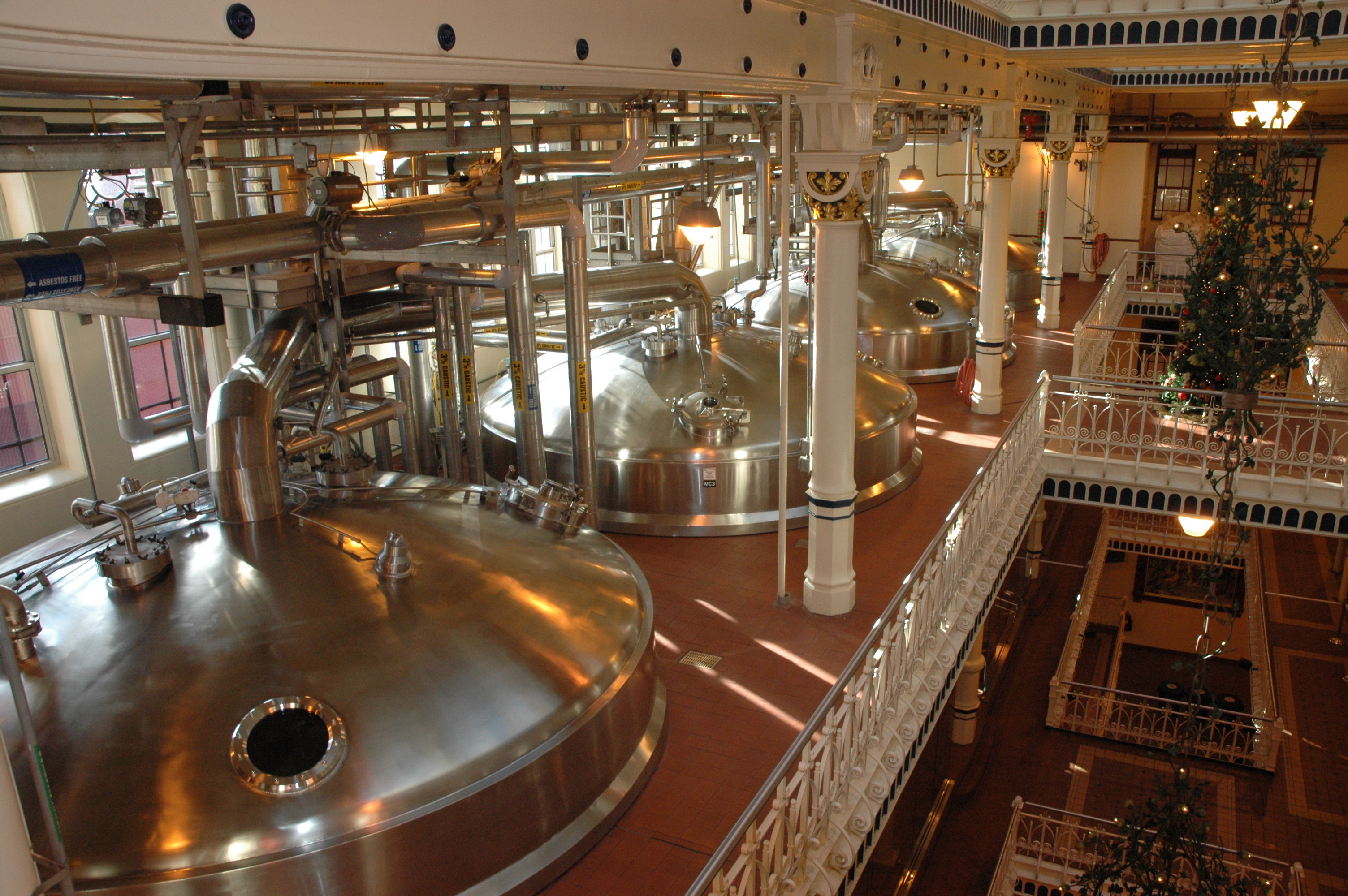
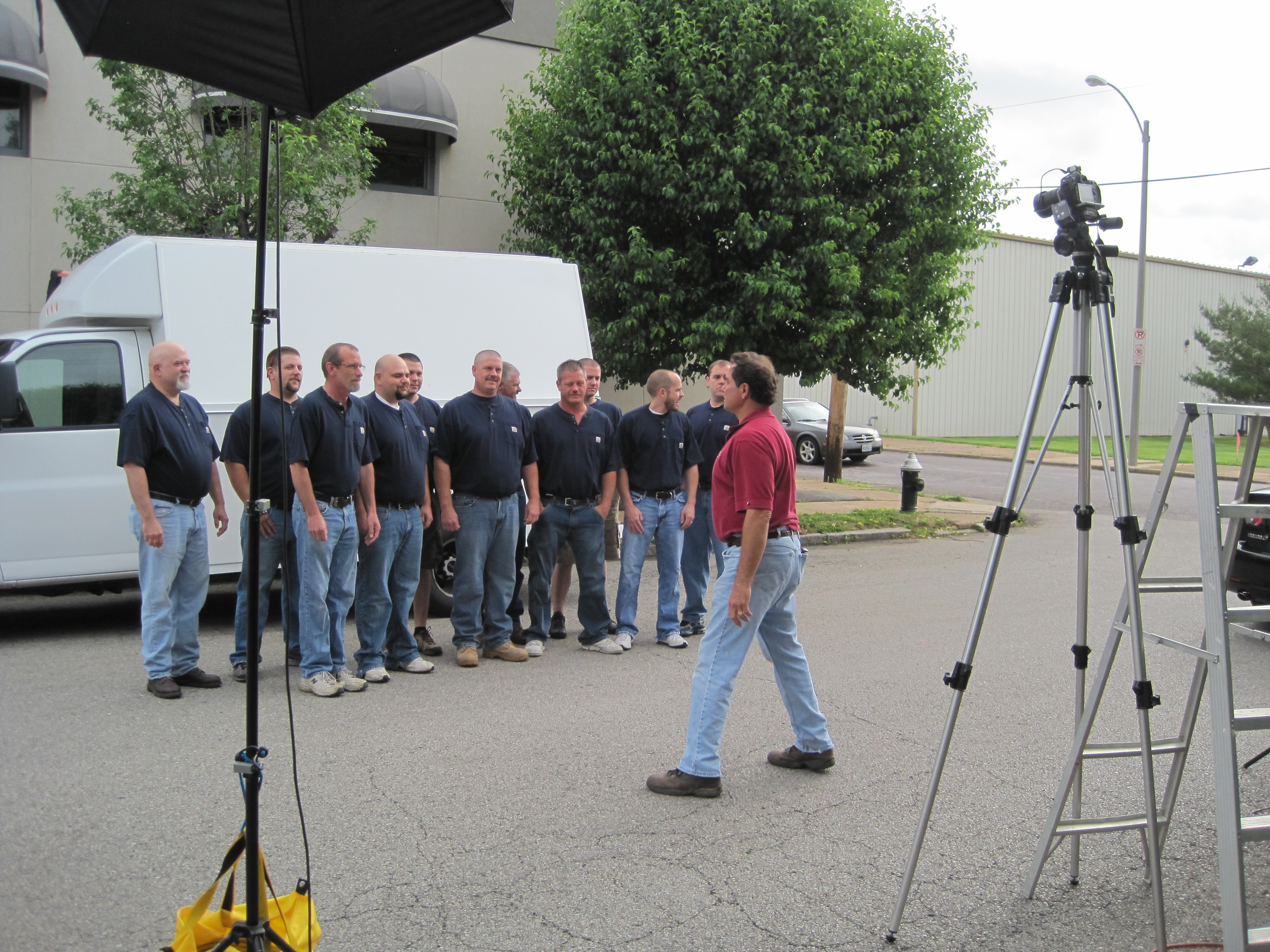

B-roll is supporting footage that illustrates the story being communicated through interviews, narration, or primary camera footage.
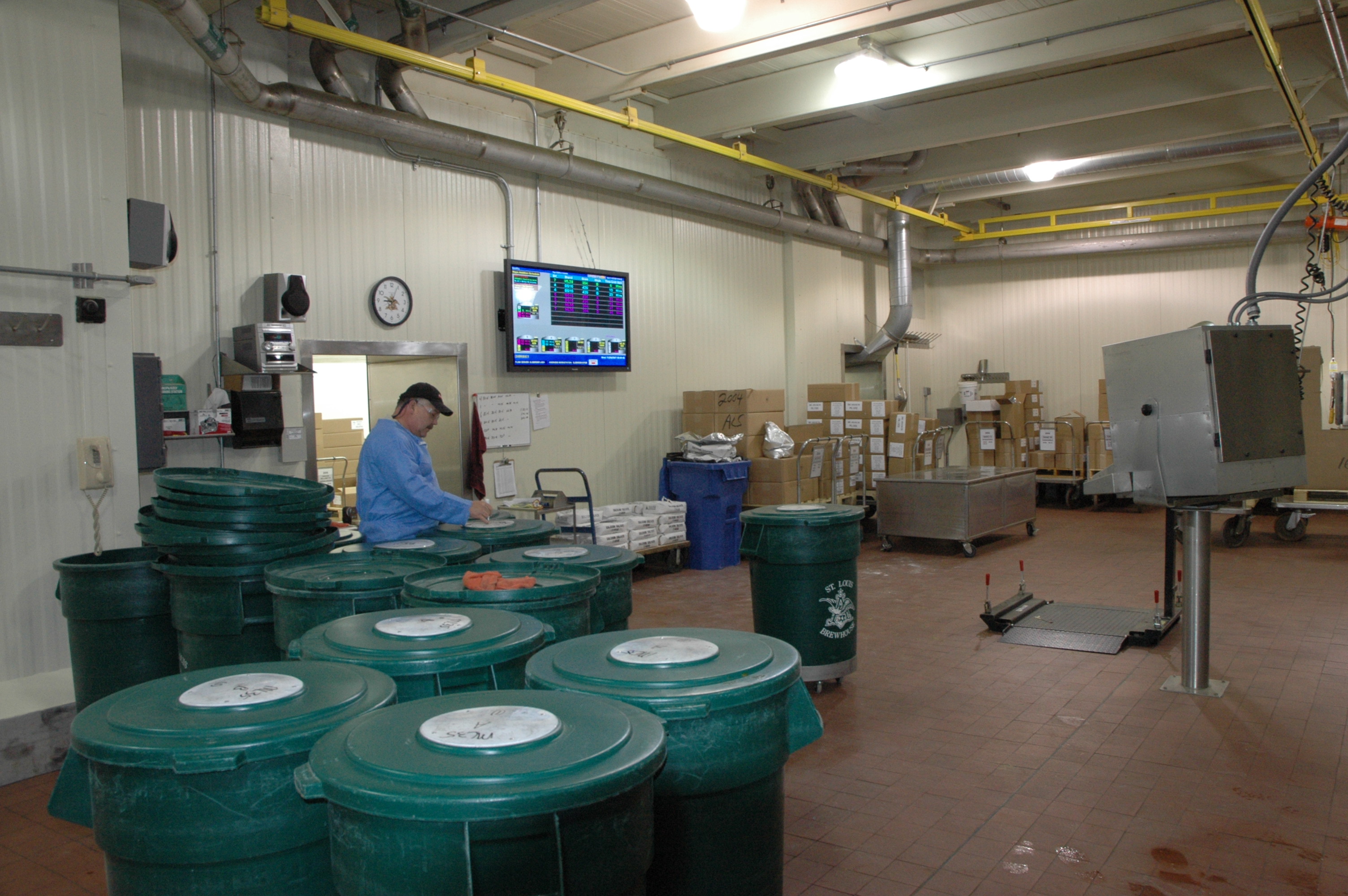
For commercial productions, b-roll may include employees working, manufacturing processes, machinery, products, architectural details, customer interactions, facility interiors, and exterior establishing shots.
Imagine an executive explaining the company’s commitment to quality manufacturing.
The message becomes more persuasive when accompanied by footage showing skilled employees, precision machinery, inspection procedures, and finished products.
Professional b-roll creates visual evidence that reinforces the spoken message.
Experienced camera crews understand how to capture establishing shots, medium compositions, close-up details, action sequences, and alternate perspectives that provide editors with flexibility.
These supporting images can also become valuable reusable assets for future videos, websites, recruiting campaigns, and digital advertising.
A Smarter Way to Produce: An Economical Video and Photography Studio in St. Louis
Professional video and photography do not have to require an oversized production budget. For businesses, corporations, nonprofits, marketing agencies and organizations, one of the most effective ways to control production costs is to work with an experienced local crew that combines an efficient studio environment with complete production capabilities.
At St Louis Video Crew, we approach economical production differently. Economical does not mean sacrificing professional cameras, lighting, sound, experienced personnel or post-production quality. It means designing the production intelligently—using the right amount of crew, equipment, studio space and production time to accomplish the communication objective without unnecessary expense.
For marketing and communications professionals working under increasingly tight budgets and deadlines, that efficiency can make a significant difference.
Why an Efficient Studio Can Reduce Production Costs
Location production is sometimes essential, but it introduces variables that can increase both production time and cost. Travel, location permits, weather, ambient noise, power availability, parking, equipment movement and controlling the shooting environment can all affect a production.
A professional studio removes many of those variables.
Our St. Louis studio provides a controlled environment where cameras, lighting, audio equipment, backgrounds and production support can be prepared in advance. Instead of spending valuable production time converting an office or conference room into a temporary studio, the creative team can concentrate on creating the content.
For interviews, executive communications, training programs, product demonstrations, testimonials, social media content and corporate presentations, this streamlined approach can make studio production one of the most economical professional options available.
Smaller Productions Do Not Need Oversized Crews
One of the biggest opportunities for controlling production costs is matching the crew to the assignment.
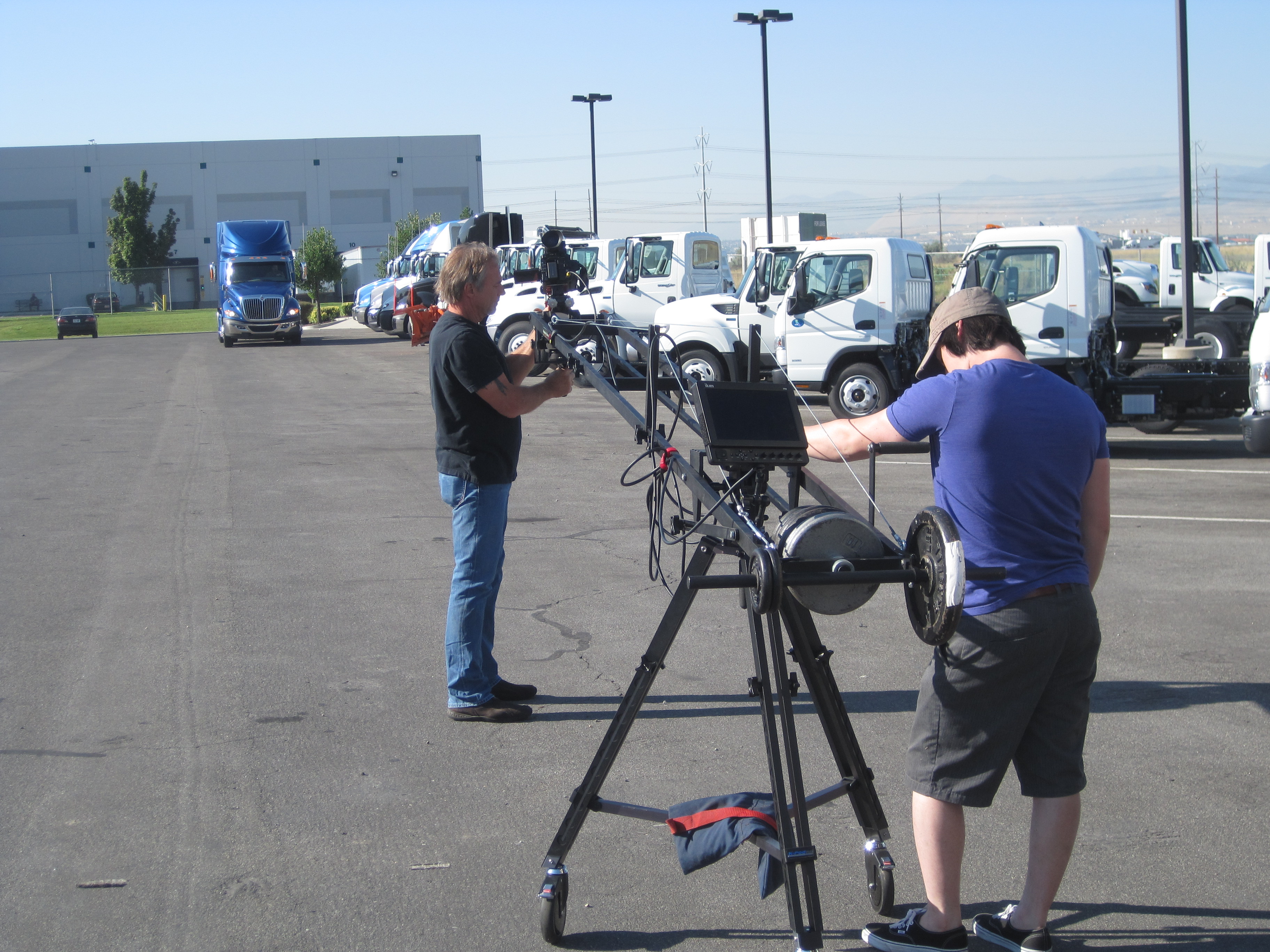
Not every corporate video requires a large commercial production team. A professionally equipped two-person crew may be ideal for an executive interview, customer testimonial, training presentation or series of social media videos.
More complicated productions can be expanded with additional camera operators, photographers, sound technicians, producers, stylists and other specialists.
The objective should always be to use the appropriate resources for the project rather than automatically building a larger production infrastructure than necessary.
St Louis Video Crew can scale production services according to the assignment, allowing clients to receive professional production capabilities while maintaining control of their budgets.
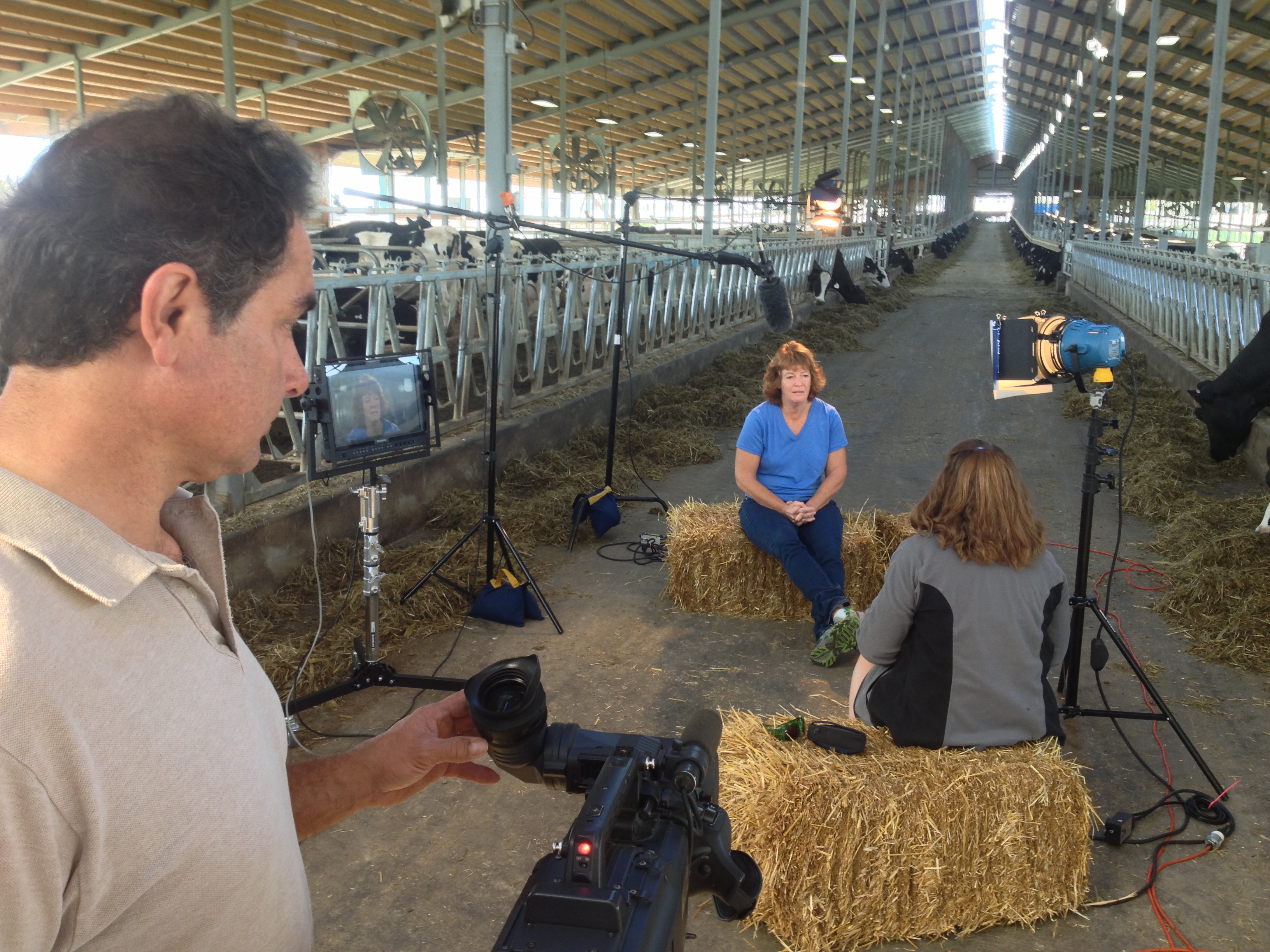
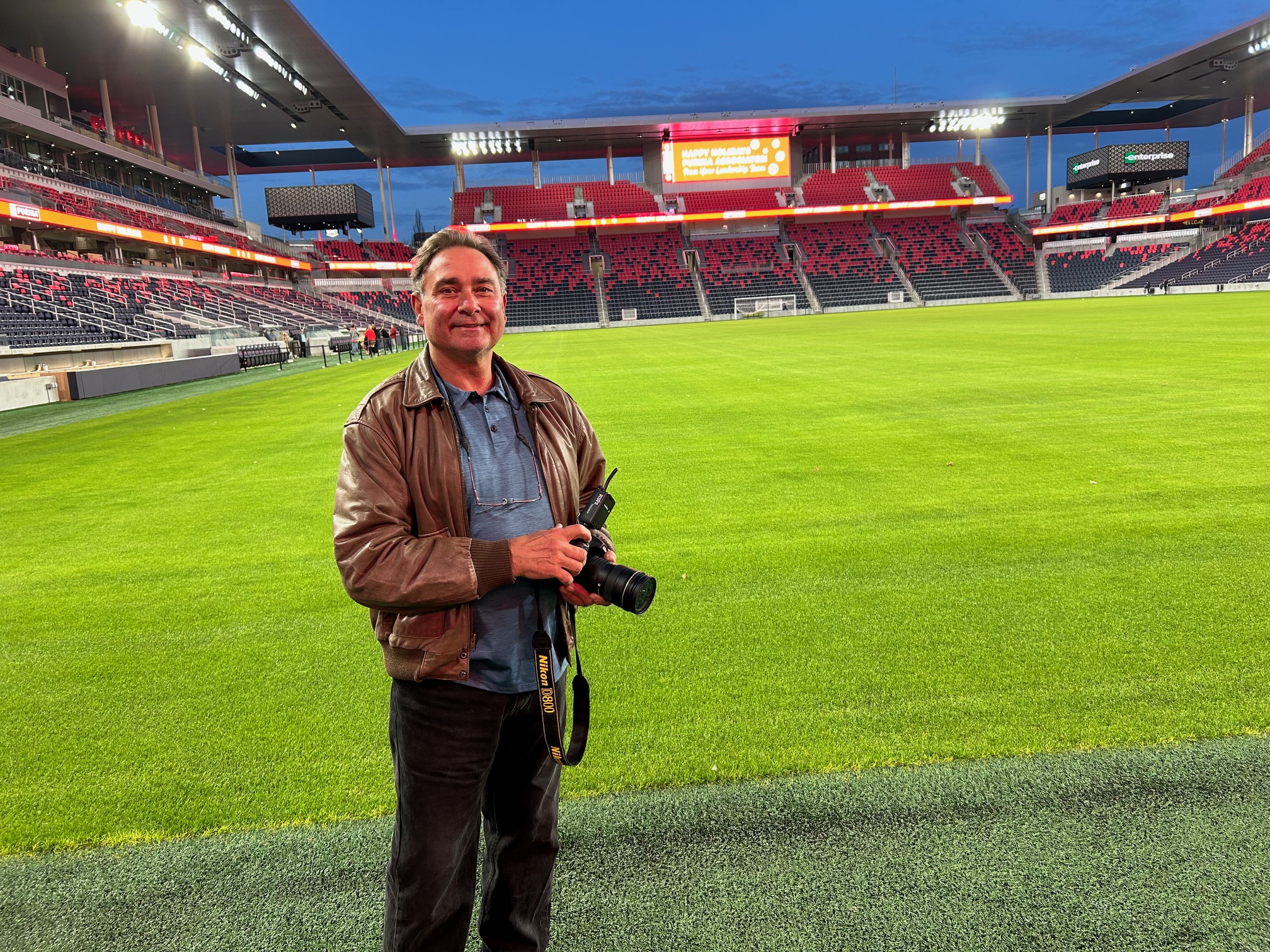
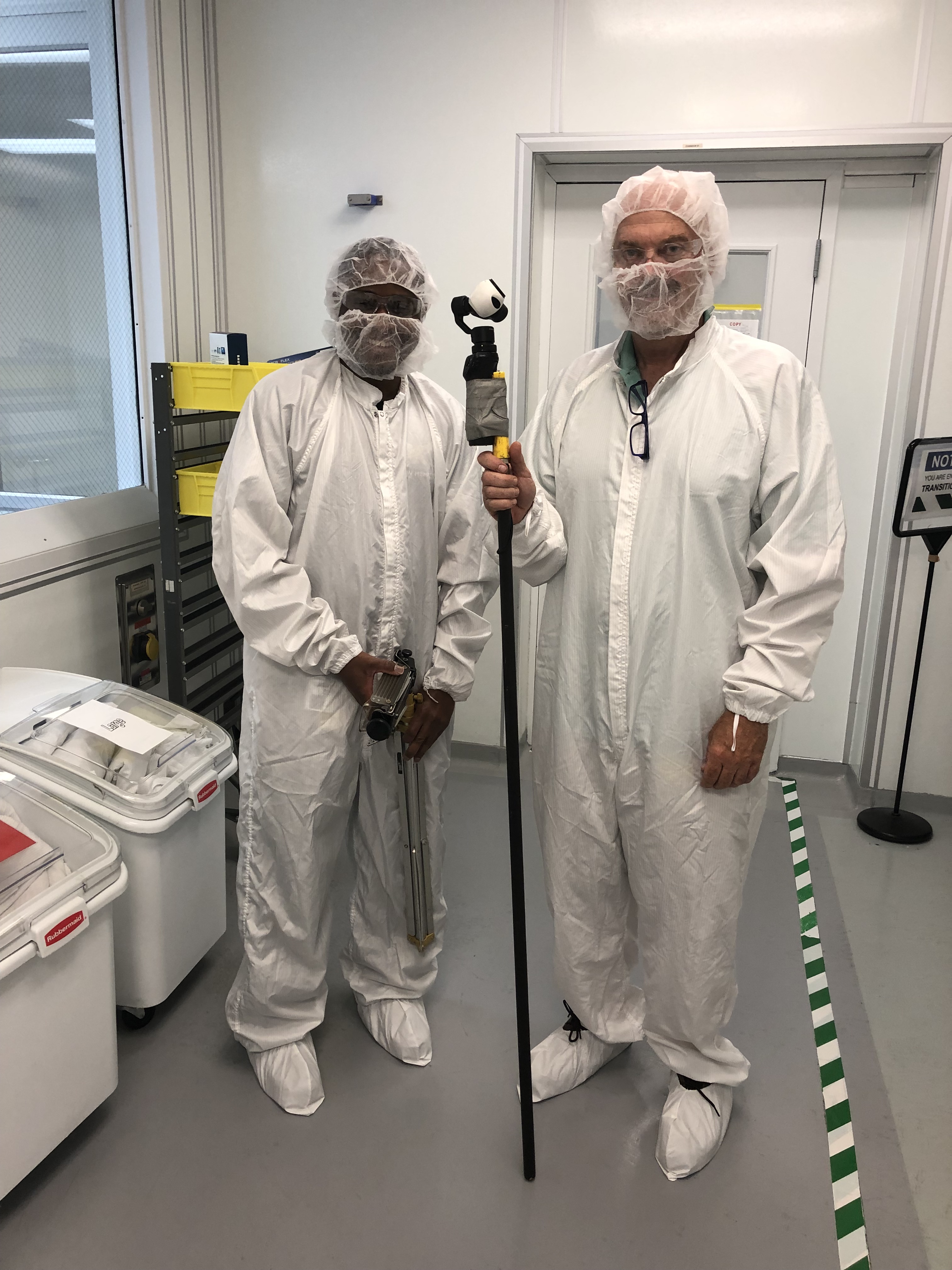
Professional Interview Production in a Private Studio
Corporate interviews continue to be one of the most versatile forms of video content.
An executive interview can become part of a corporate presentation, website video, recruiting campaign, social media series, sales presentation, training program or public relations initiative.
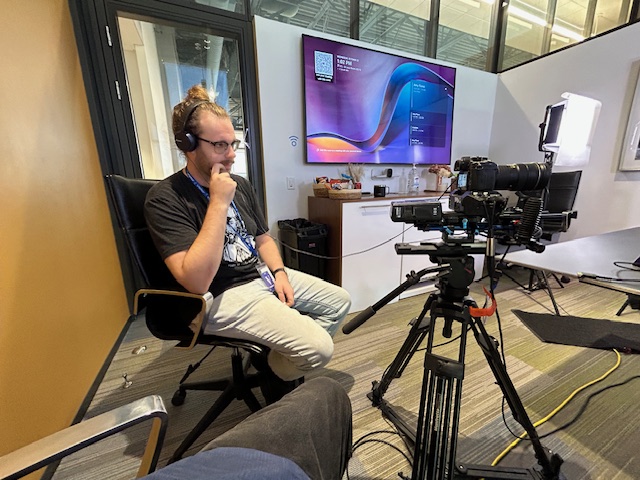
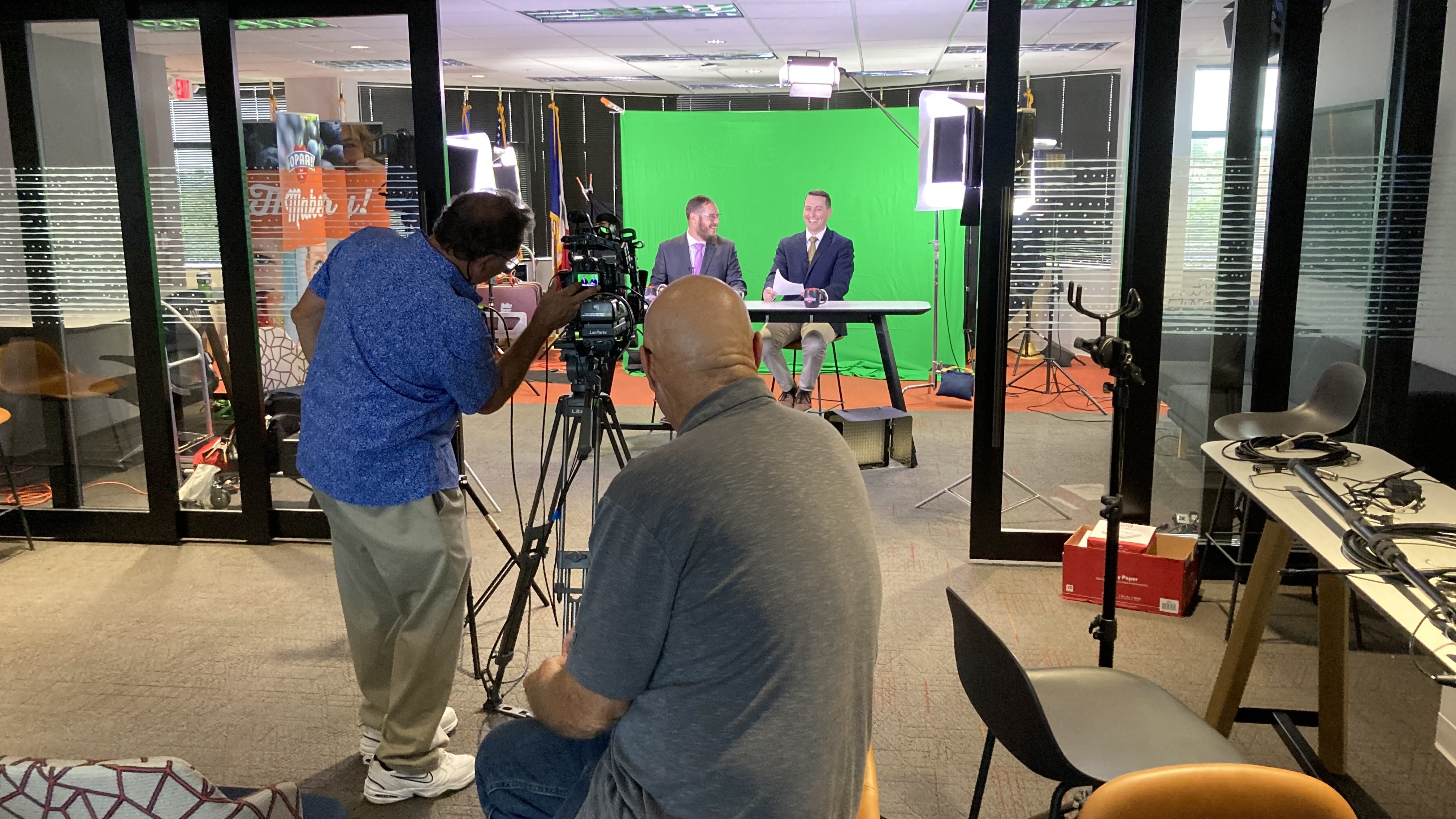
Our private studio can be configured specifically for interview production with professional cameras, controlled lighting, microphones, backgrounds, teleprompter support and monitoring.
Unlike attempting to record an interview inside an active office environment, a private studio provides greater control over:
- Lighting consistency
- Background appearance
- Room acoustics
- Camera positioning
- Microphone placement
- Distractions and interruptions
- Production scheduling
The studio is also large enough to incorporate furniture, products and other props to create a setting appropriate to the client’s brand.
Create Multiple Videos During One Production Session
One of the most economical production strategies is to capture several pieces of content during the same session.
Instead of scheduling separate shoots throughout the year, companies can develop a content list and record multiple videos at once.
For example, a single studio session could include an executive message, several short social media videos, recruiting statements, employee training segments and answers to frequently asked customer questions.
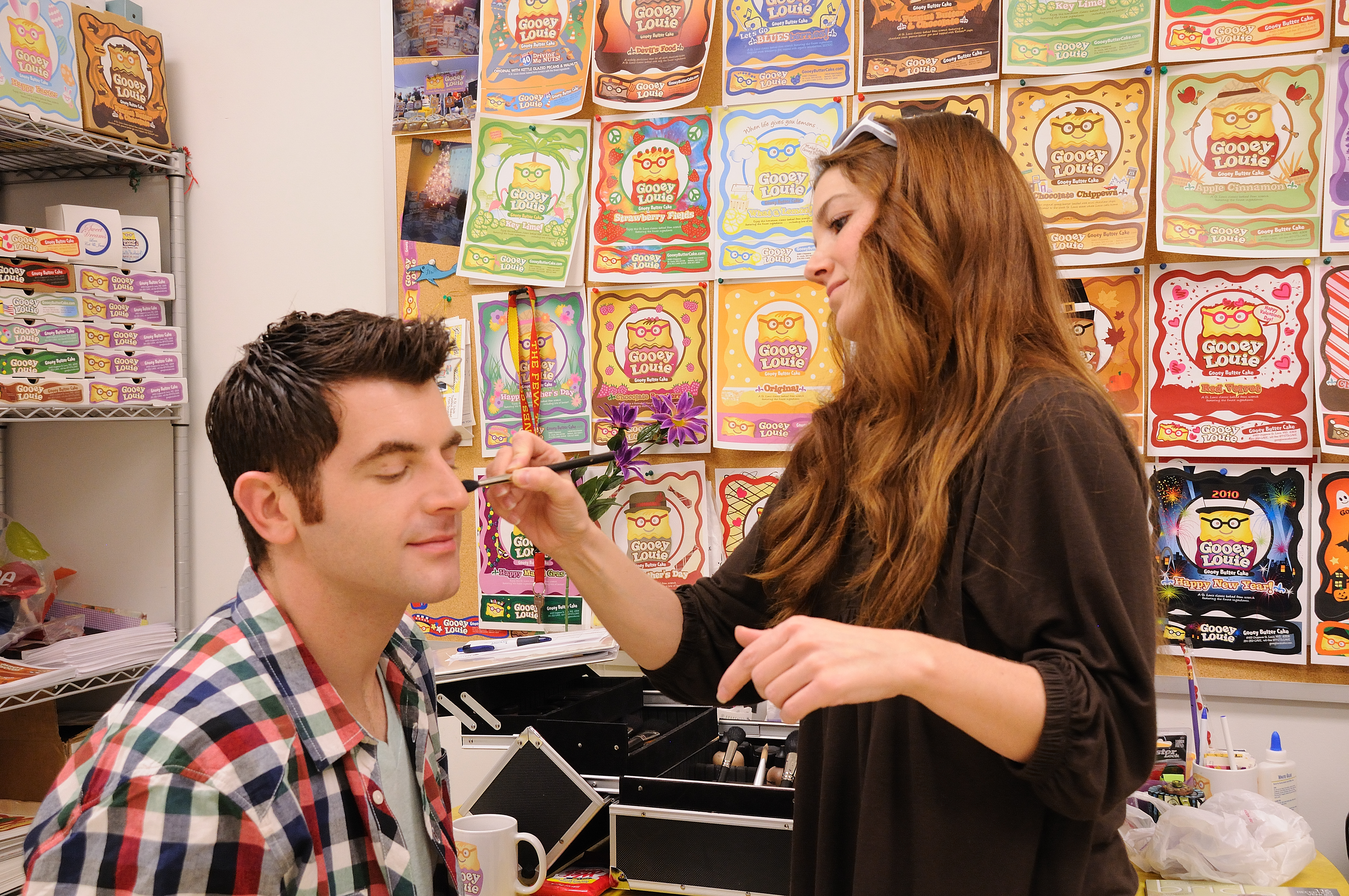
Changes in framing, lighting, backgrounds or wardrobe can help give the individual videos a different appearance.
This approach makes better use of production setup time and creates an organized library of content that can be released over several weeks or months.
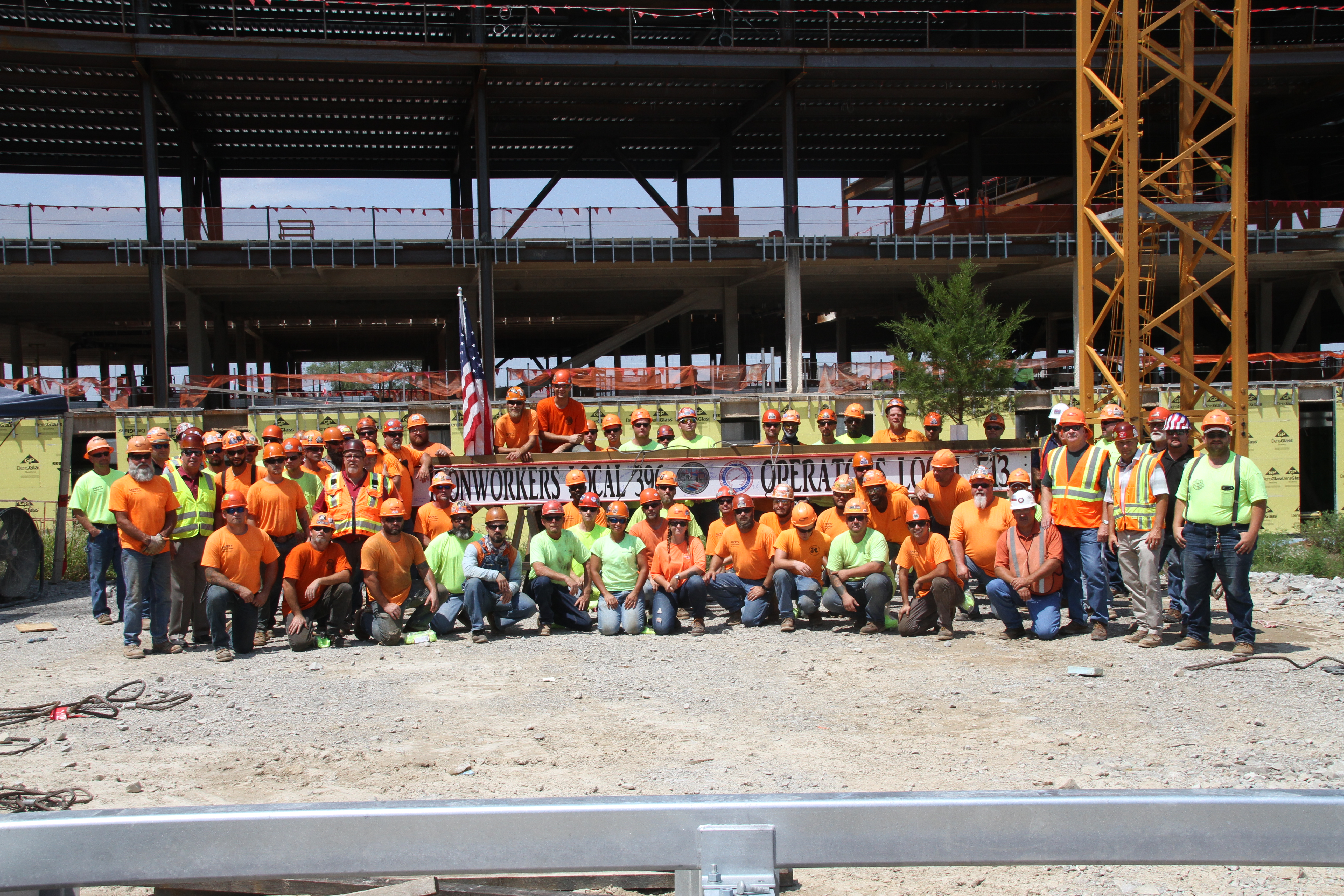




Photography and Video During the Same Production
Another way to improve the value of a production day is to capture both video and still photography.
Marketing campaigns rarely rely on one type of media. A website may require executive portraits, environmental photography, video interviews, social media clips and banner images.
Because St Louis Video Crew provides both professional video and commercial photography, these requirements can frequently be coordinated during the same production.
An executive already scheduled for an interview, for example, can also be photographed for corporate portraits, website profiles, press releases and social media.
This reduces scheduling complications while helping the organization create a more consistent visual identity.
Professional Business Portraits and Headshots
Business portraits are another excellent studio application.
Consistent executive and employee photography is important for company websites, LinkedIn profiles, press releases, annual reports, recruiting materials and corporate directories.
Professional studio lighting allows portraits to be created with predictable color, exposure and background consistency.
For larger organizations, we can also bring a mobile headshot station to the client’s location, allowing numerous employees to be photographed efficiently without requiring everyone to travel to the studio.


Product Photography and Video
A controlled studio environment is particularly useful when photographing products.
Products can be positioned, illuminated and photographed repeatedly without changing environmental conditions. Video demonstrations can also be created using controlled camera movements, close-up photography, narration and graphics.
A single product session can potentially generate assets for:
- Websites
- E-commerce
- Social media
- Digital advertising
- Sales presentations
- Instructional materials
- Trade shows
- Product launches
Planning photography and video together can significantly increase the amount of usable marketing content produced from a single session.
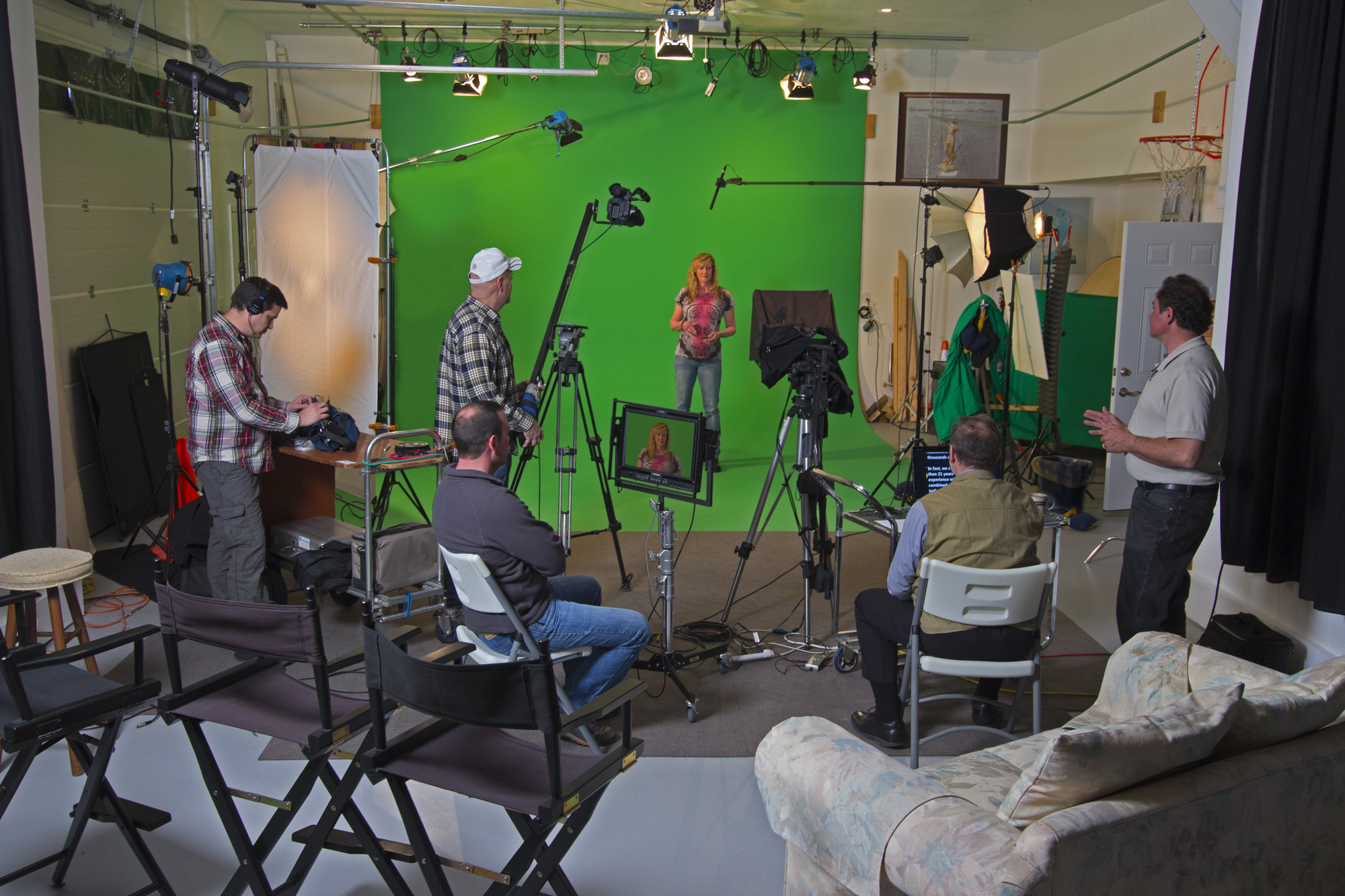
Green Screen Production Expands the Possibilities
Green screen production can provide another economical alternative when traveling to multiple locations would otherwise be required.
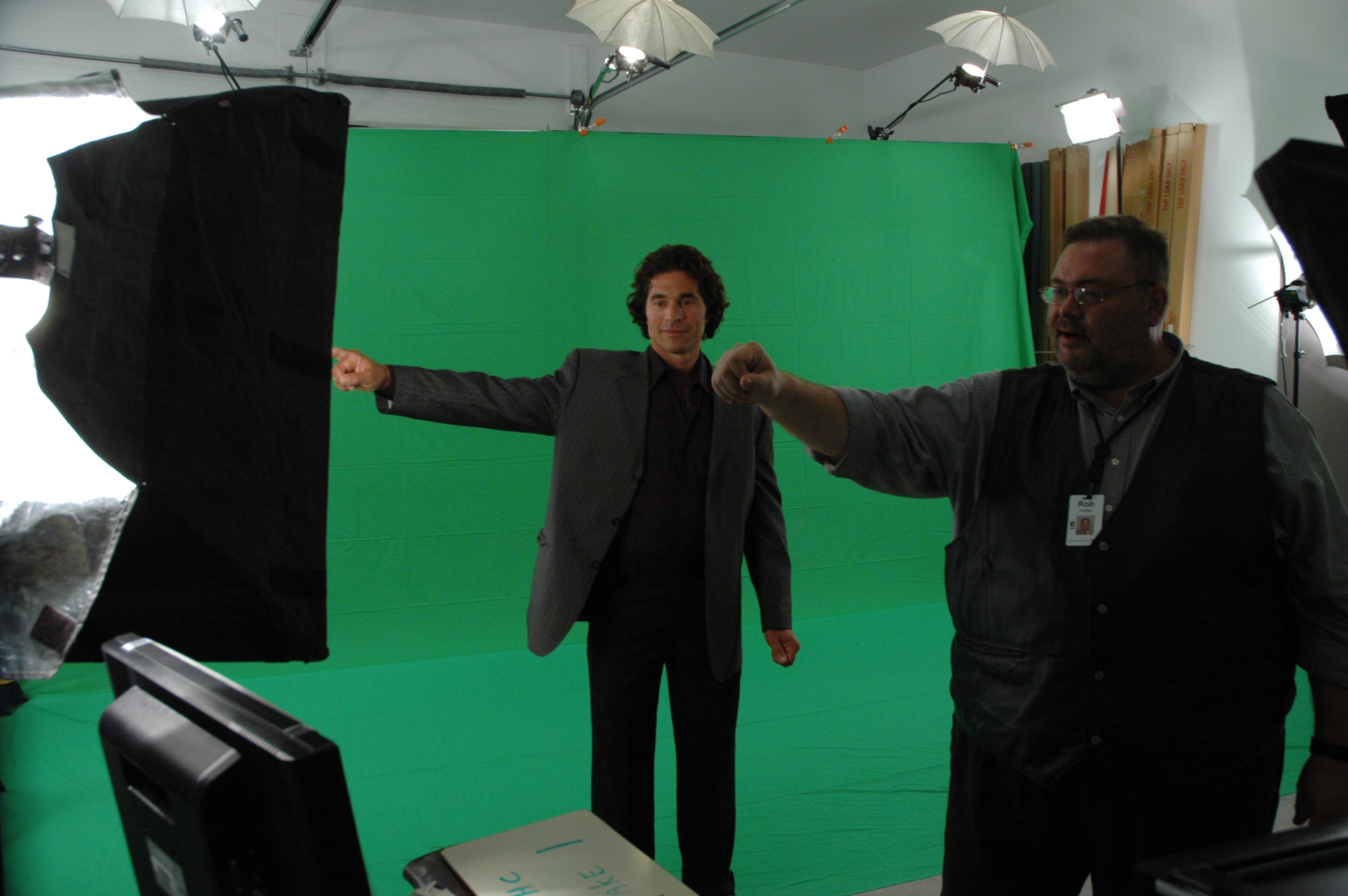
A presenter can be recorded against a controlled chroma-key background and later composited into graphics, photographs, virtual environments or other visual material.
This technique can be particularly useful for training programs, educational presentations, sales videos and corporate communications.
It also allows organizations to update backgrounds and graphics during post-production without necessarily recording the presenter again.
Teleprompters Can Make Production More Efficient
Executive time is valuable.
A teleprompter can significantly improve production efficiency when presenters need to deliver specific messaging accurately and consistently.
Rather than recording many takes while attempting to memorize complicated information, executives can deliver prepared messaging while maintaining natural eye contact with the camera.
Teleprompters are especially effective for:
- Executive communications
- Training programs
- Product introductions
- Corporate announcements
- Fundraising presentations
- Public service messaging
- Instructional content
Good preparation combined with professional prompting can reduce recording time and improve the final presentation.
Location Production When the Story Requires It
Not every project belongs in a studio.
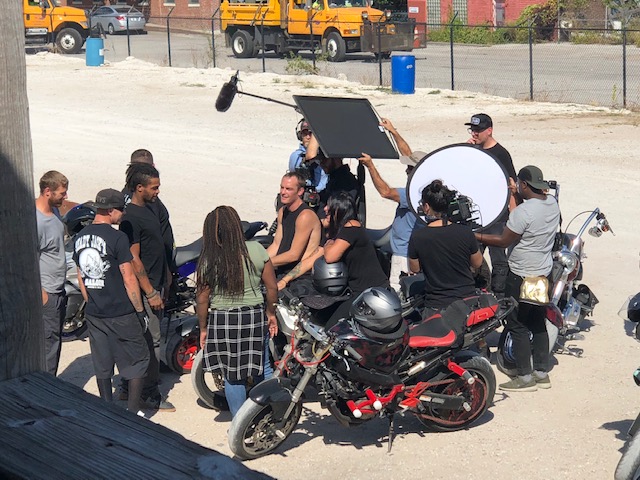
Manufacturing operations, construction projects, healthcare facilities, corporate offices, universities, retail locations and industrial environments frequently need to be photographed where the work actually happens.
St Louis Video Crew provides full-service location video and photography throughout the St. Louis region and beyond.
Our experience includes location scouting, production planning, camera placement, lighting, professional sound recording and capturing the supporting b-roll necessary to visually tell the complete story.
Location scouting can be particularly important for identifying noise problems, lighting conditions, power requirements, camera positions and logistical challenges before the production begins.
B-Roll Makes Corporate Stories More Interesting
An interview alone may communicate the message, but supporting imagery makes the story much more engaging.
B-roll may include employees working, machinery operating, customers interacting with products, architectural imagery, detailed product photography or wide establishing views of facilities.
Capturing strong b-roll during the original production also creates additional assets that can potentially be reused in future marketing campaigns.
Our crews routinely look beyond the immediate assignment for additional visual opportunities that can increase the long-term value of the production.
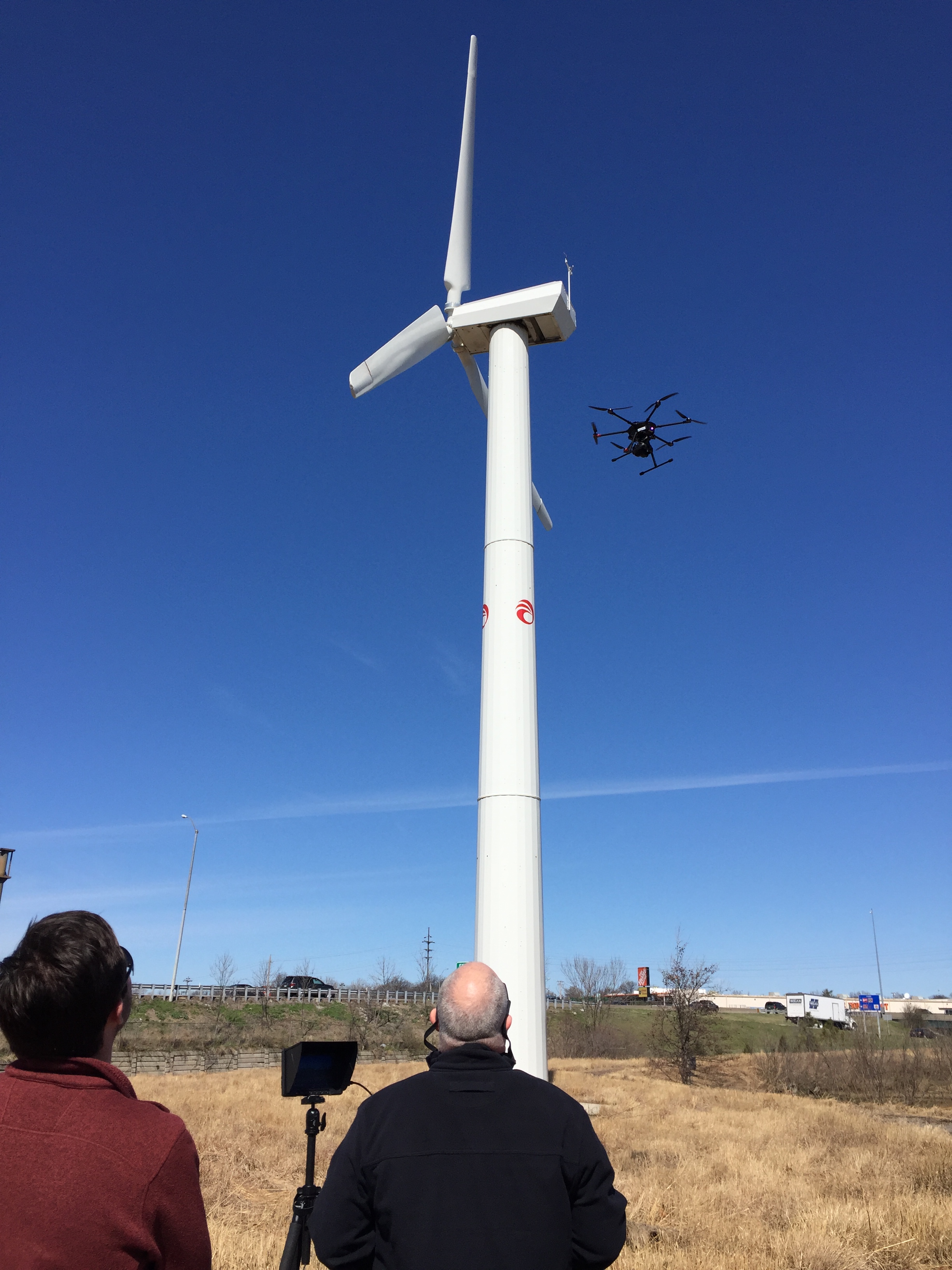
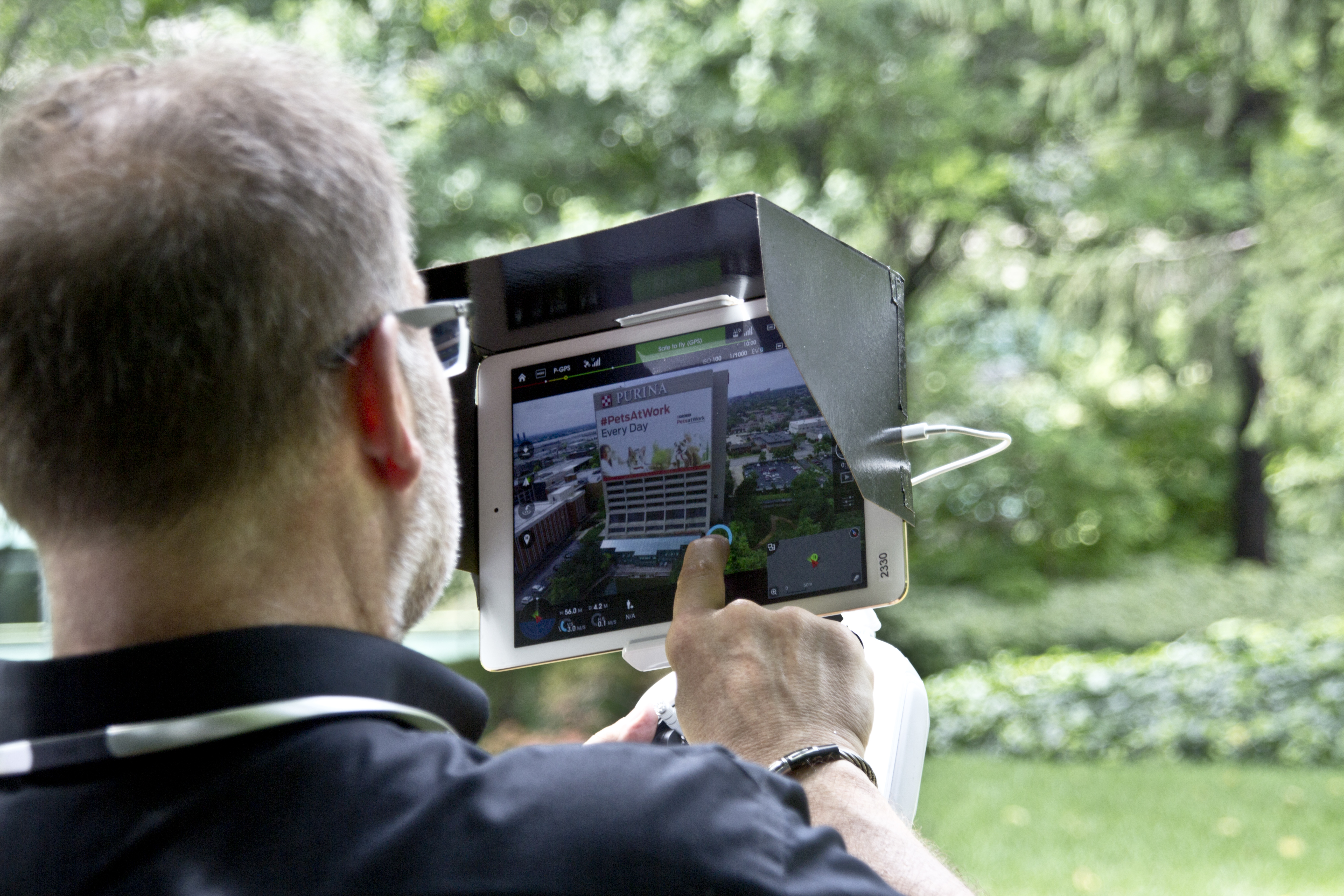
Drone Photography and Video Adds Another Perspective
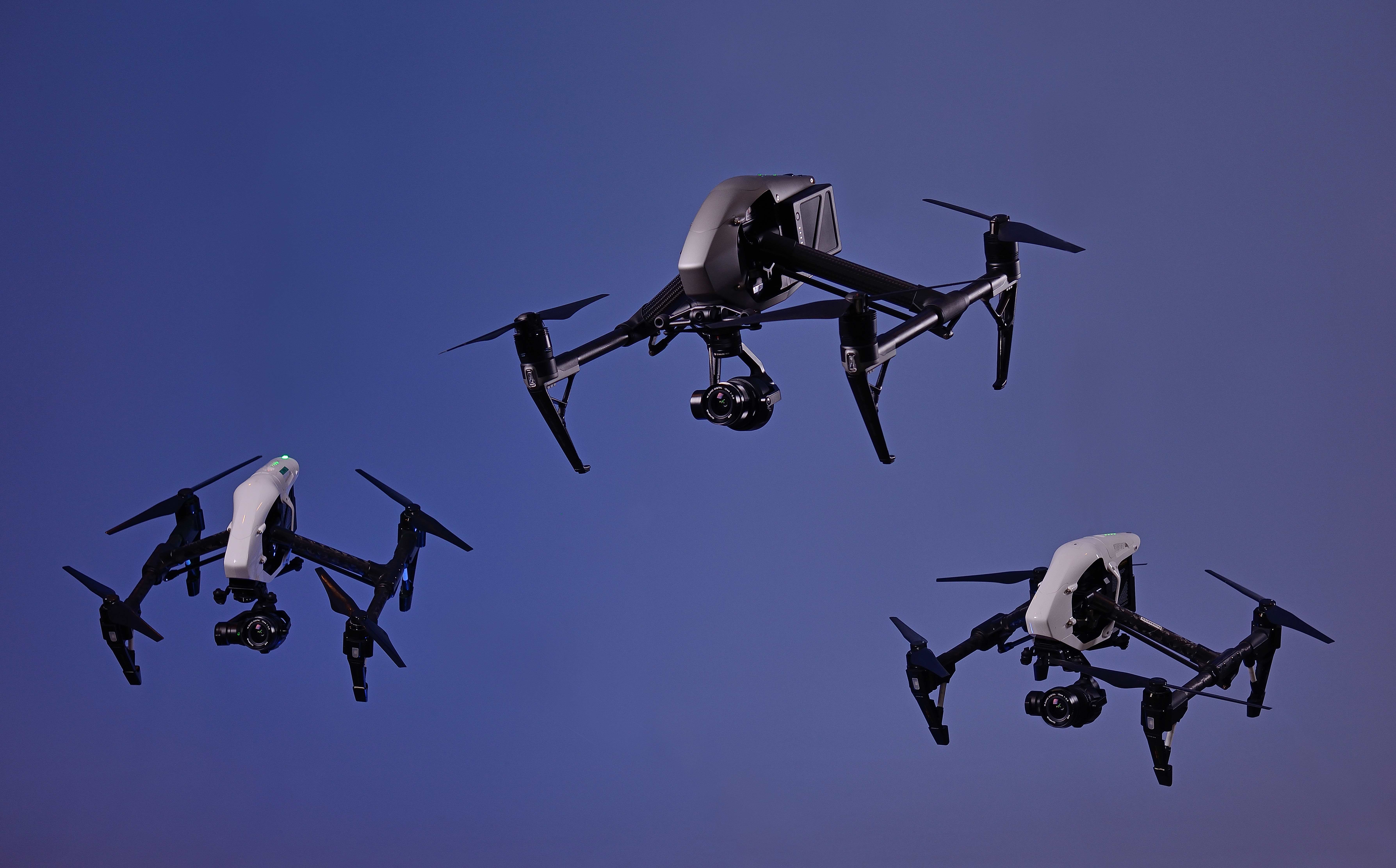
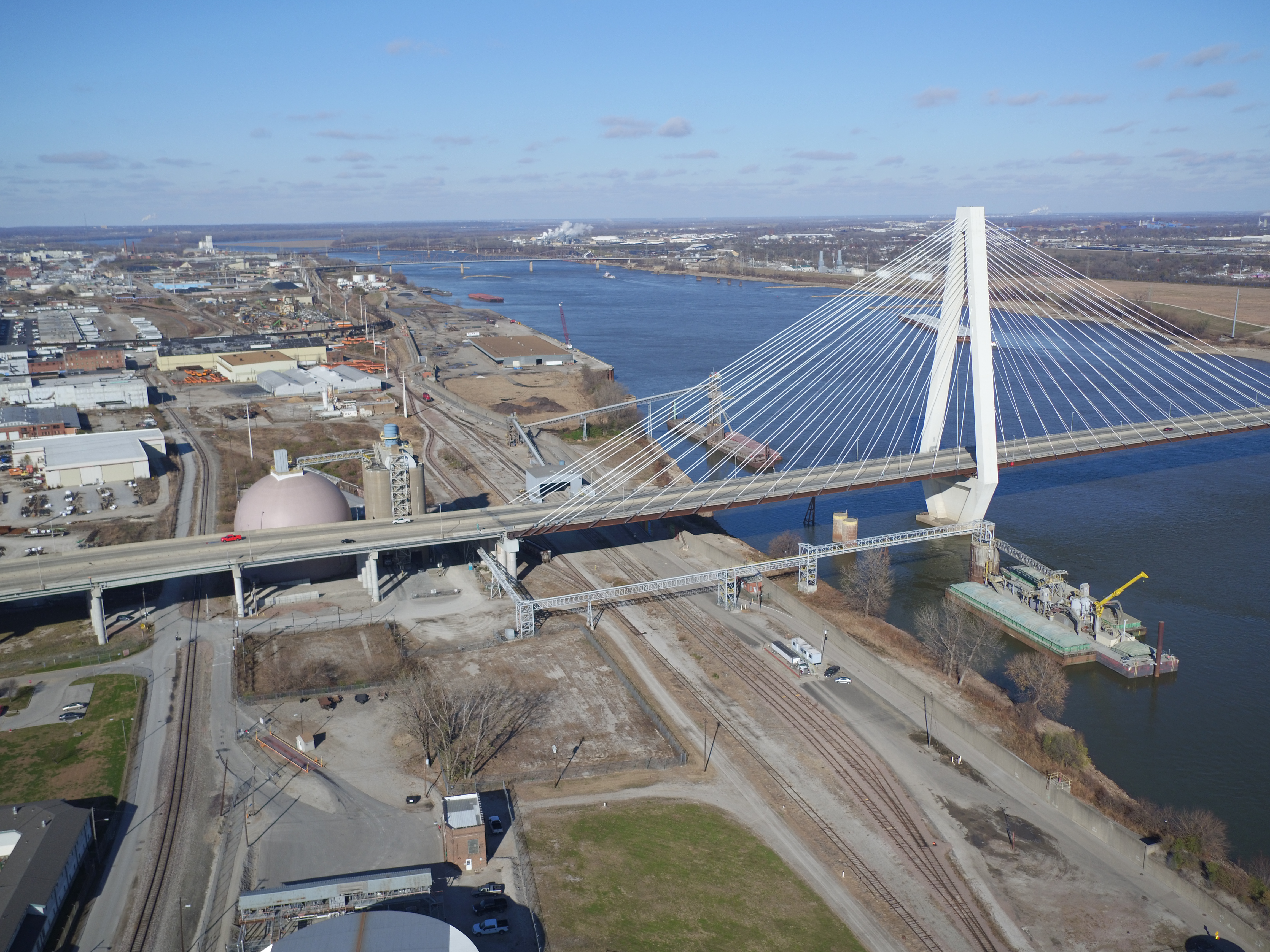
Aerial imagery can provide perspective that traditional ground-based cameras cannot.
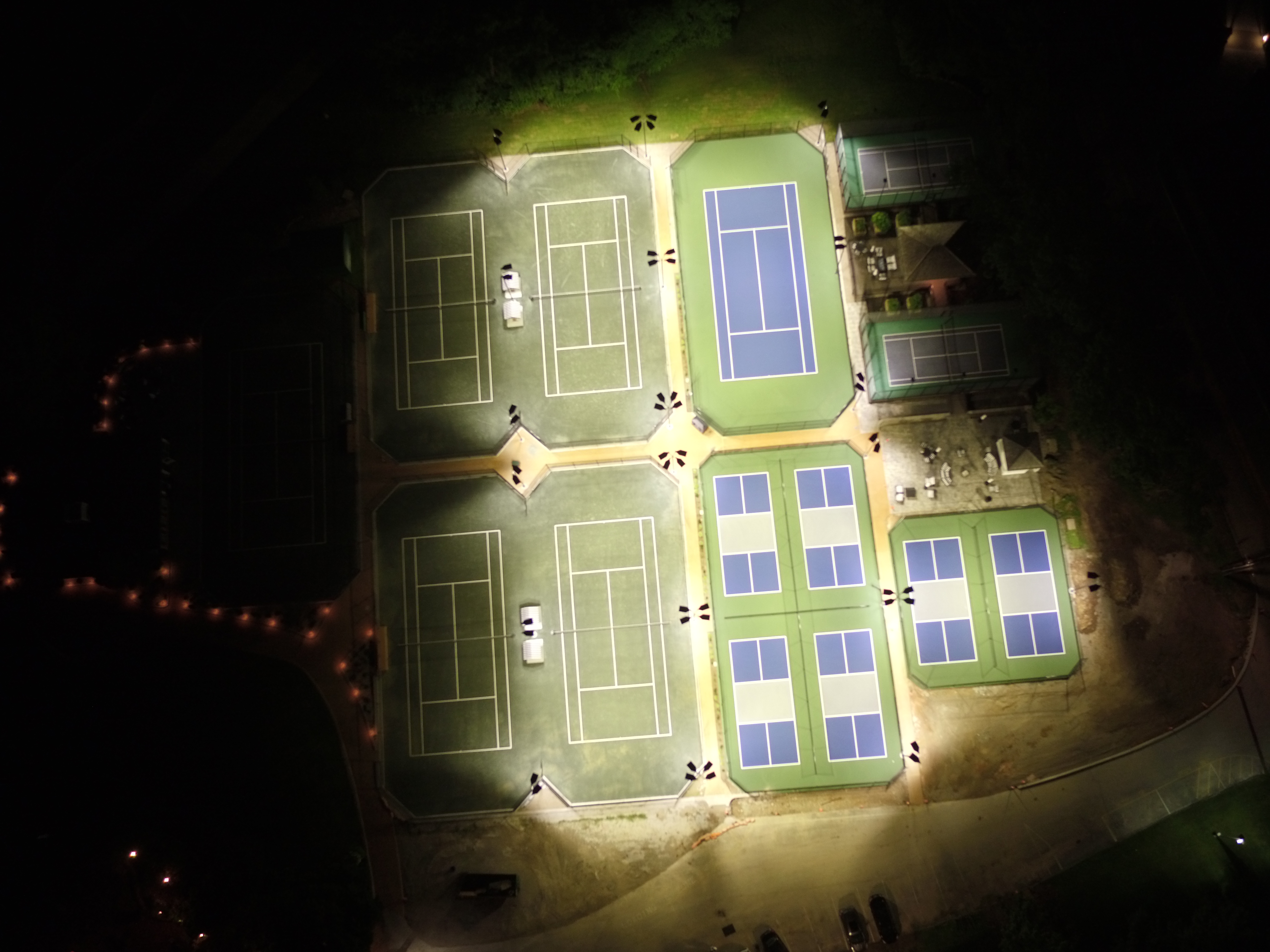
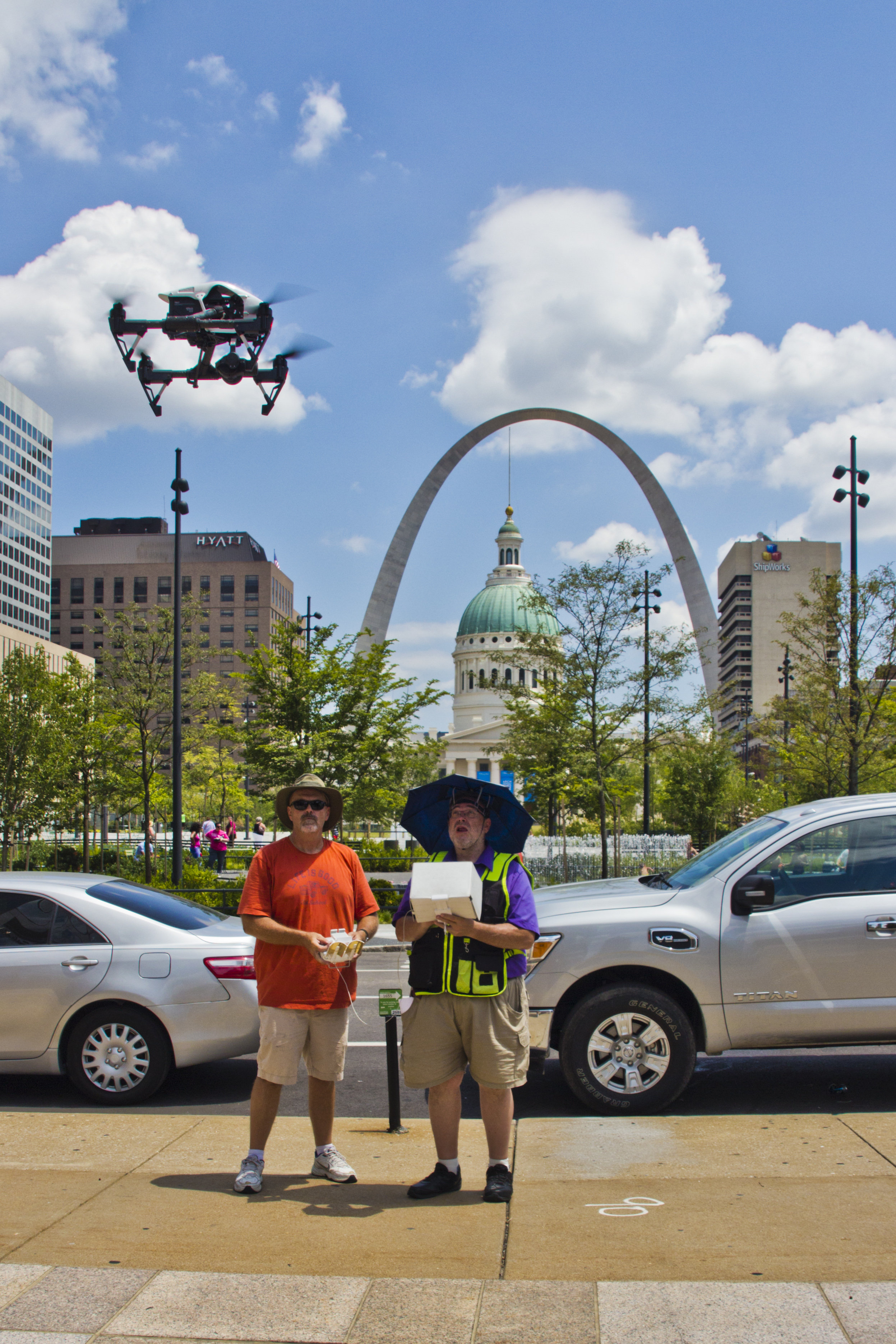
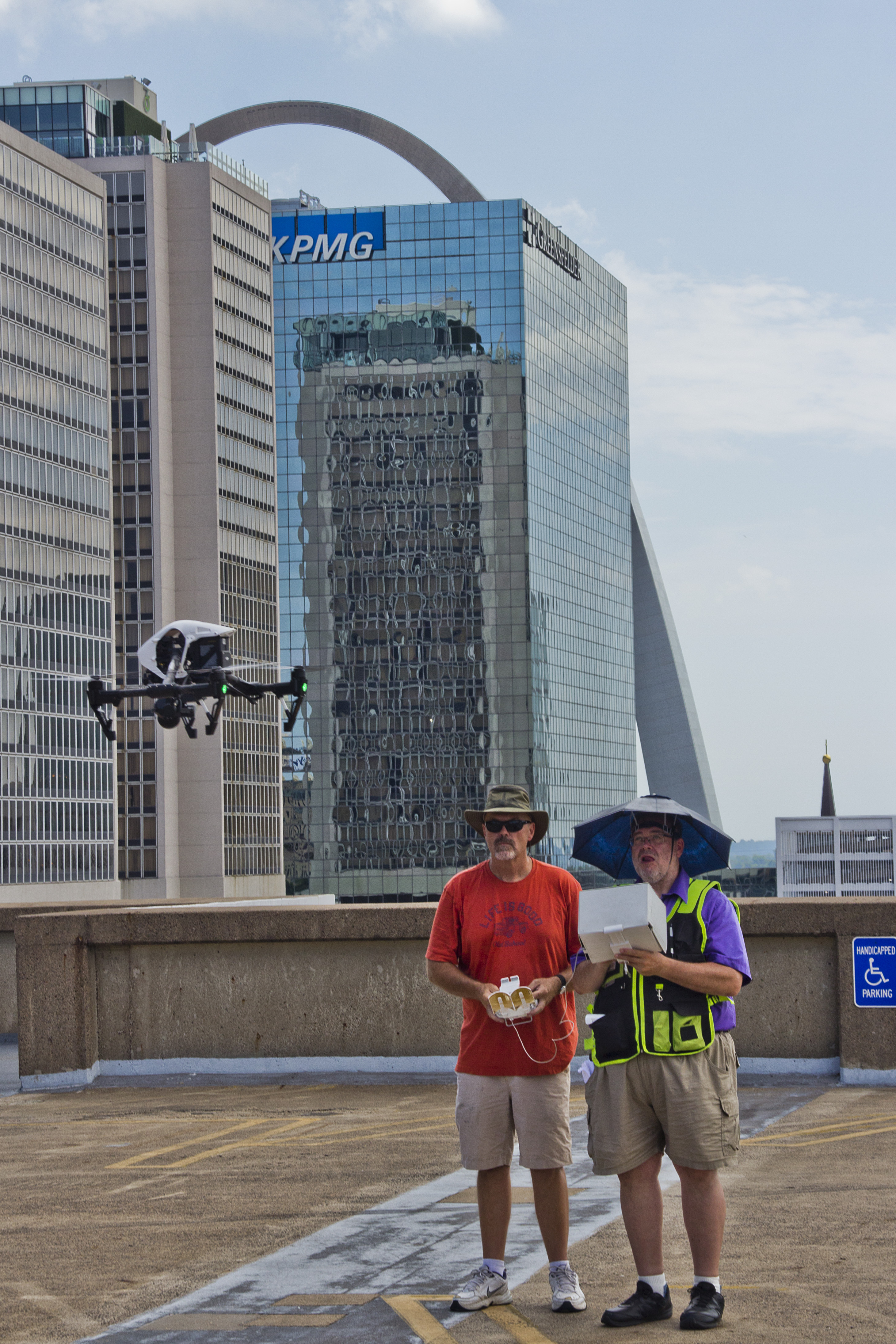
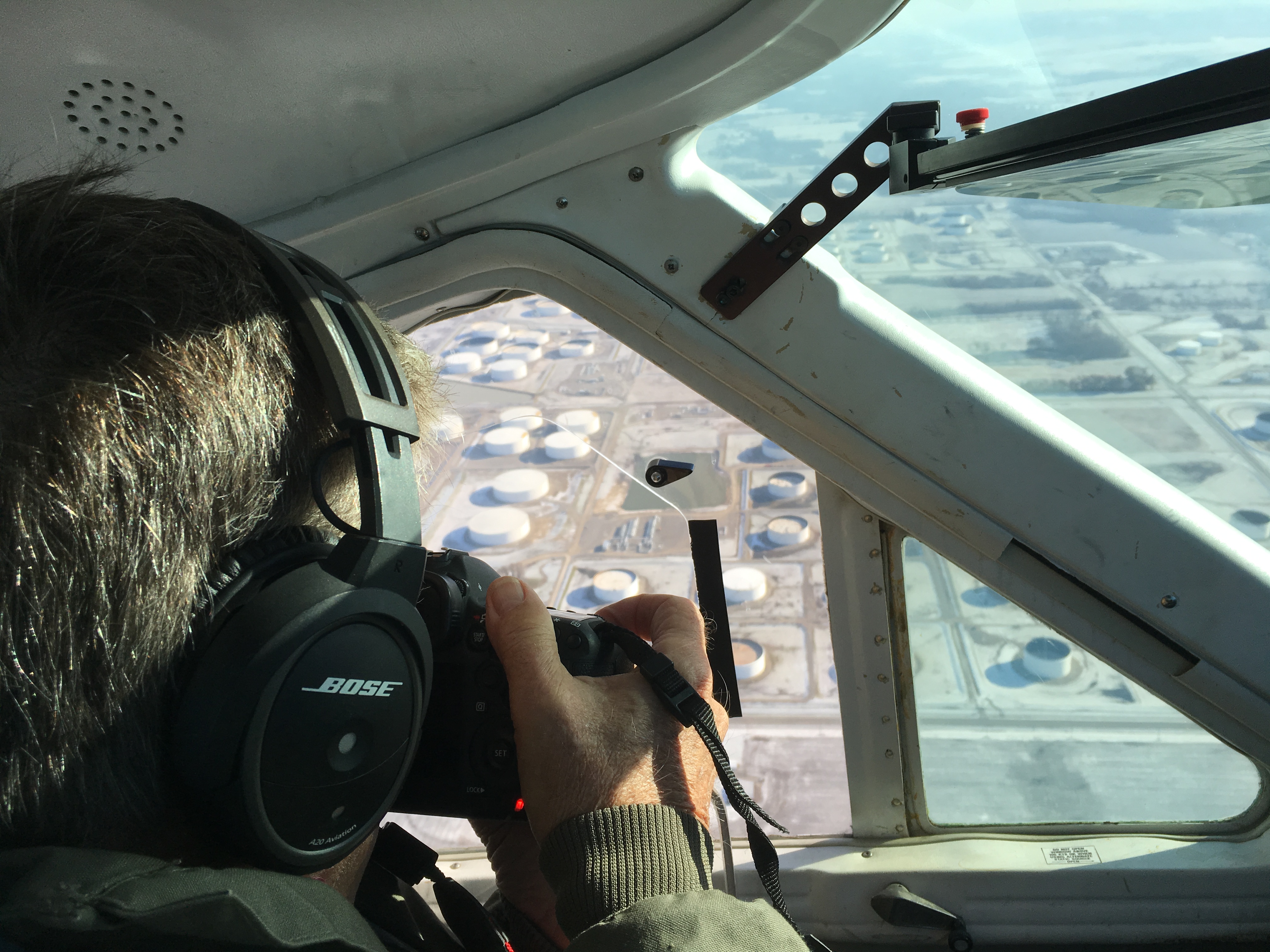
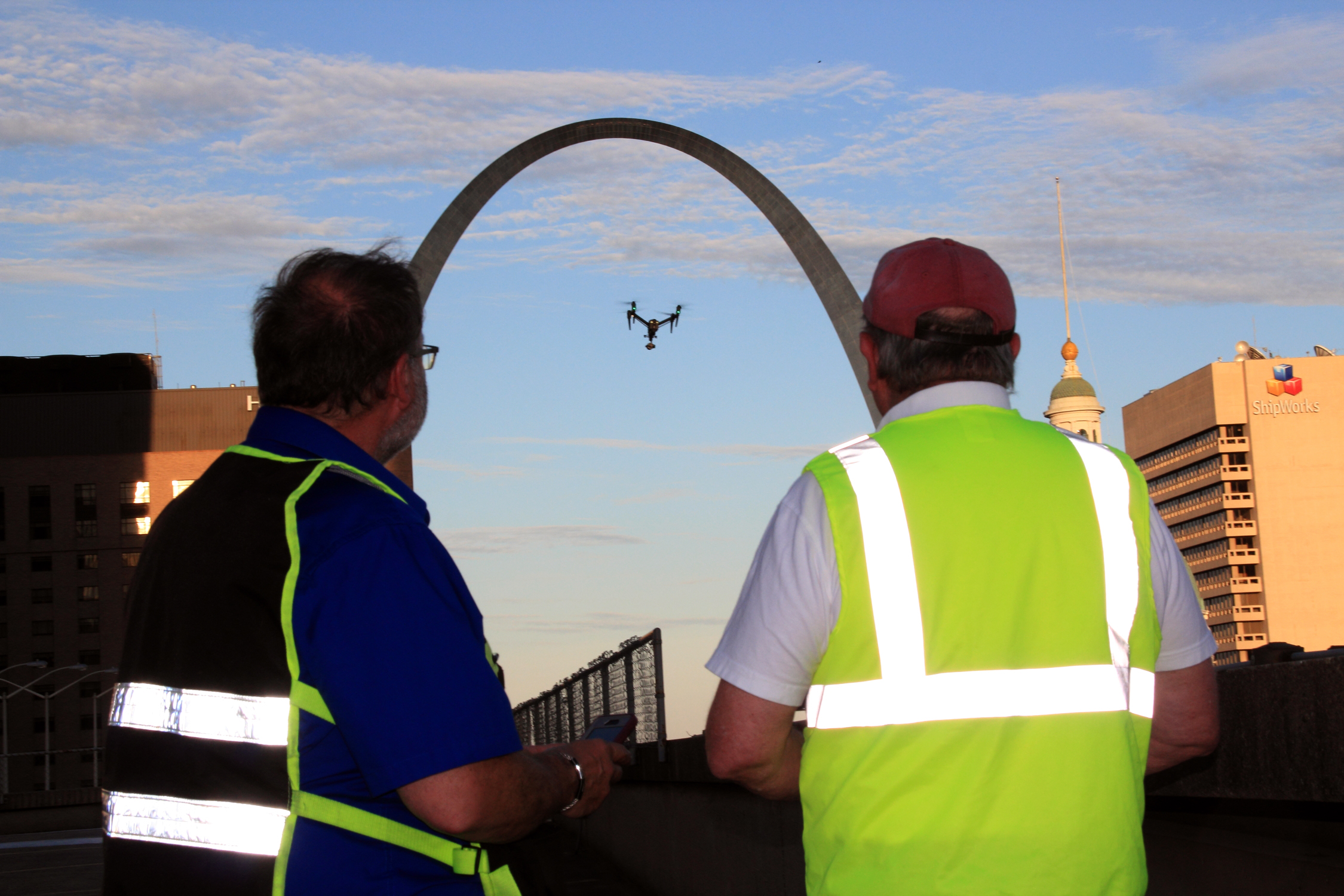
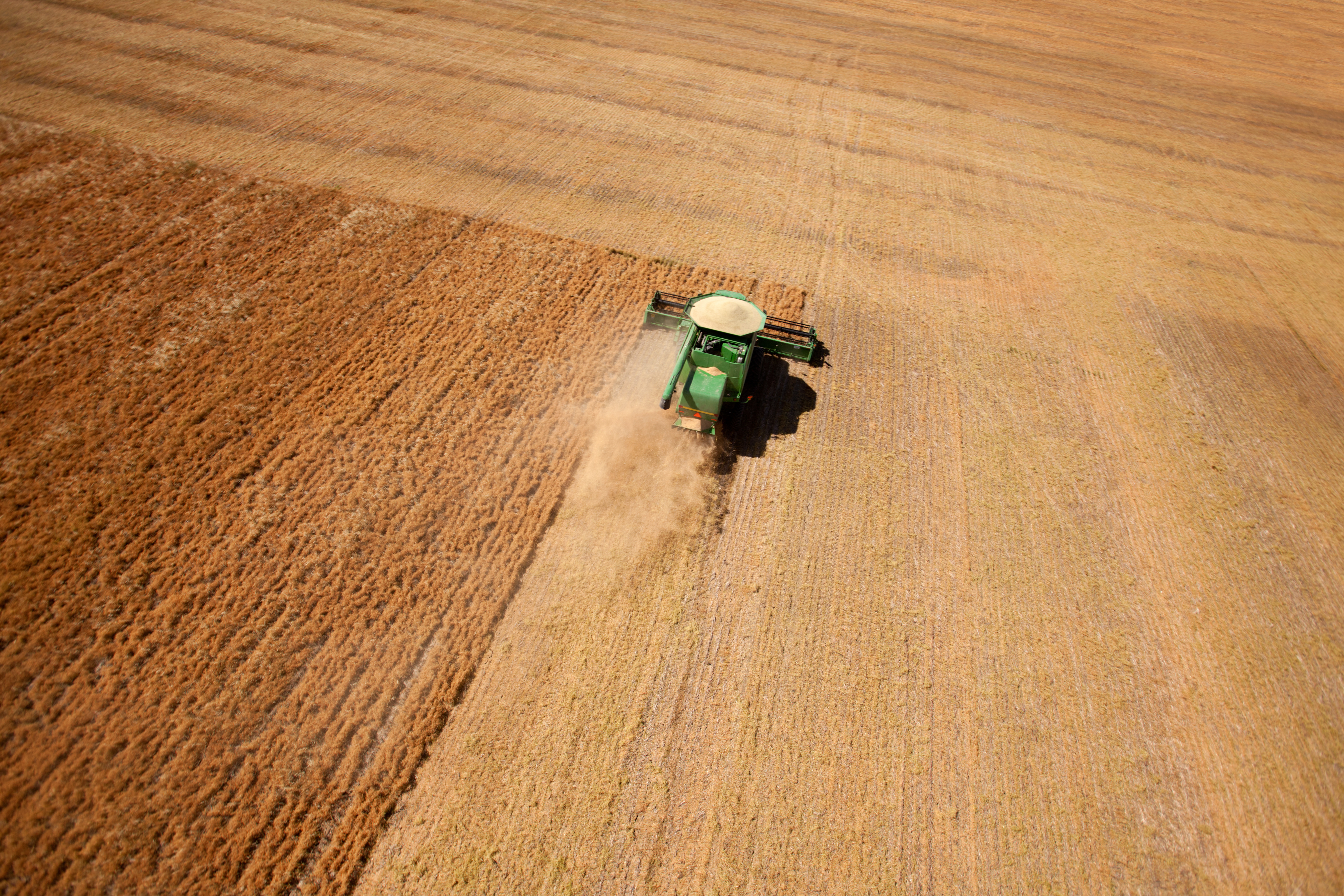
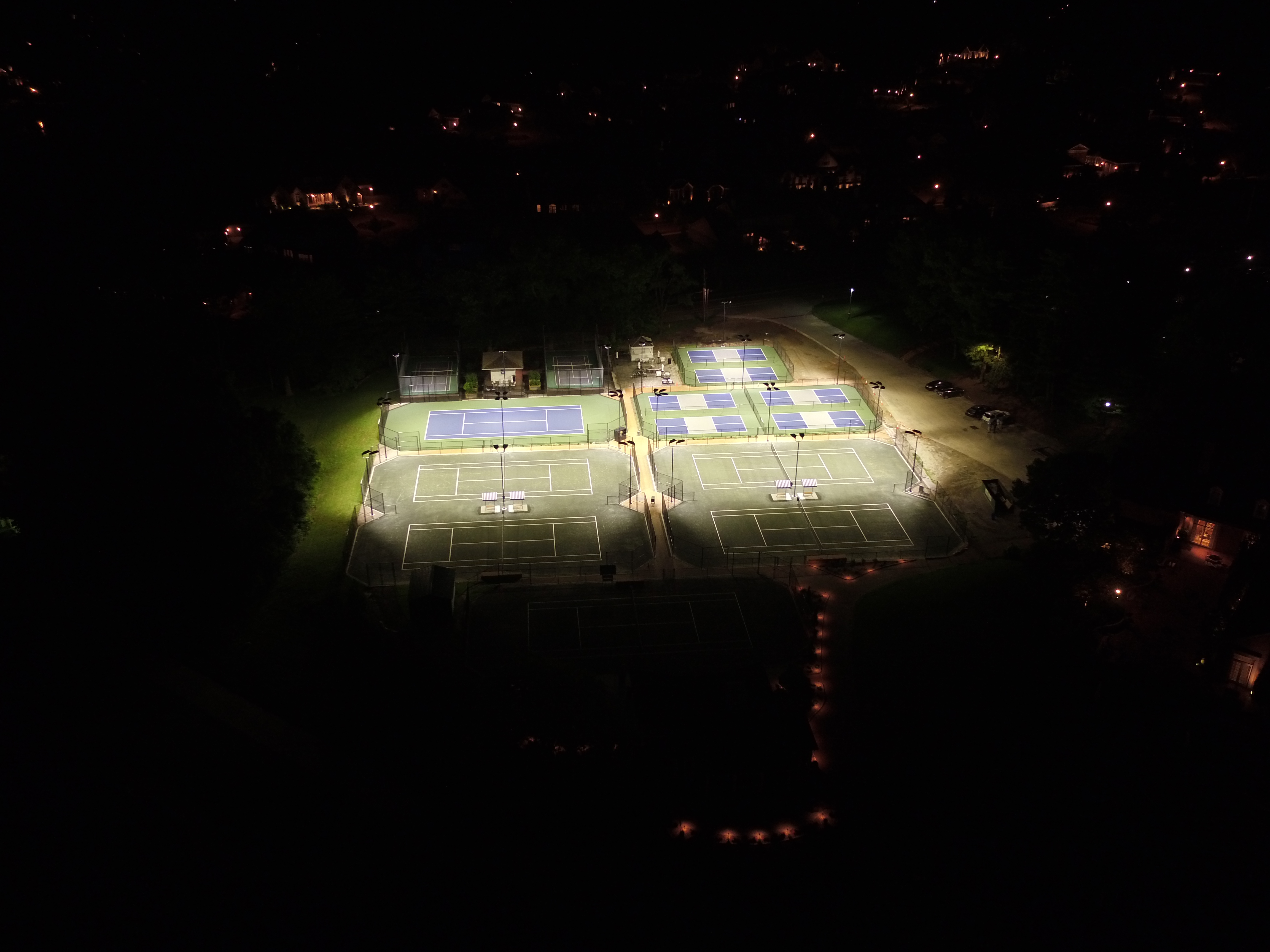
Our licensed drone operations can capture exterior facilities, commercial properties, construction sites, industrial campuses, real estate developments and other large locations.
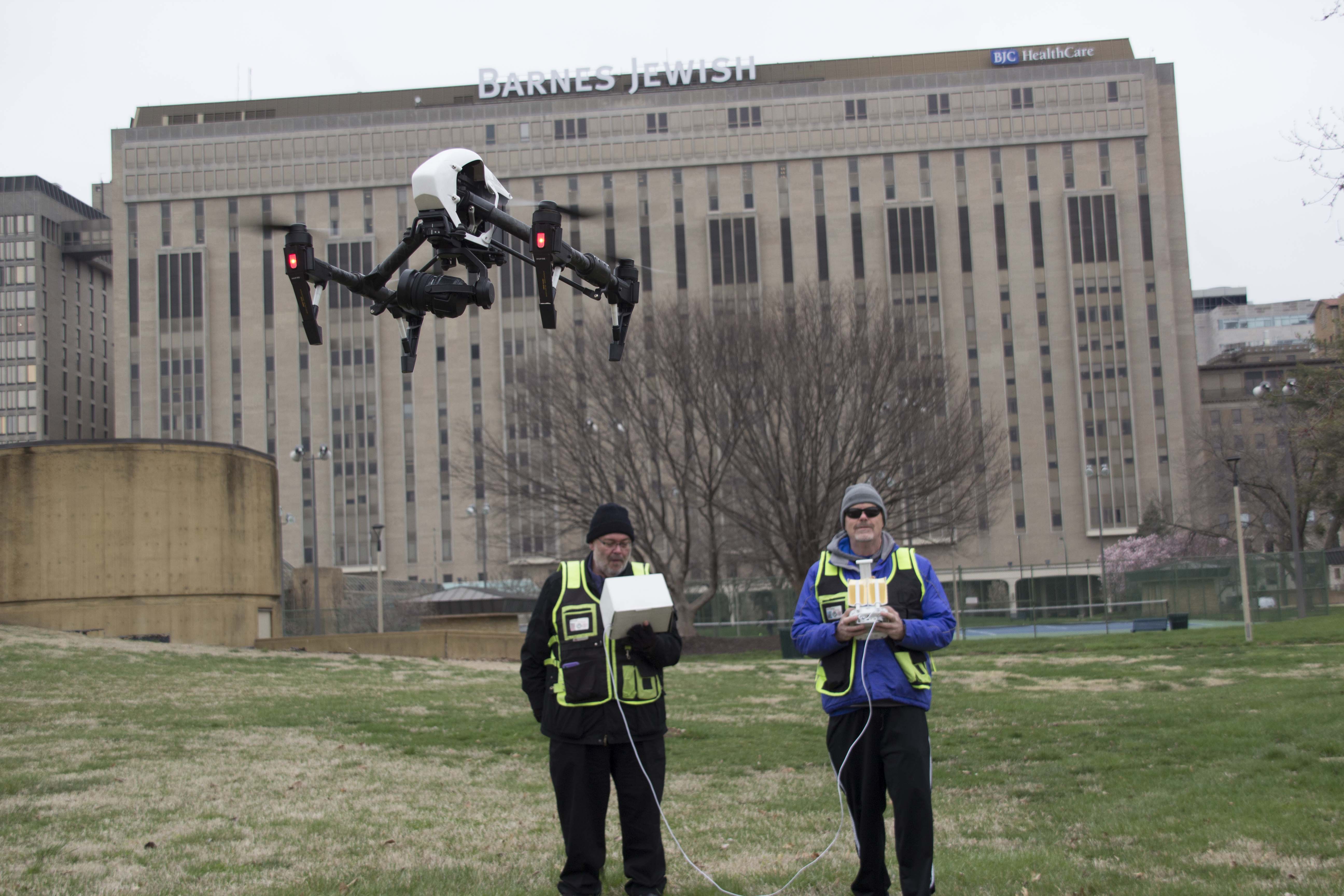
As FAA Part 107 licensed drone operators, we coordinate aerial production with the larger photography or video assignment whenever appropriate.
Combining ground cameras and aerial imagery during the same project can produce a much more complete visual presentation.
Indoor FPV Drone Cinematography
Traditional drones are generally designed for outdoor aerial photography, but specialized FPV drones create entirely different creative opportunities.
FPV drones can travel through interior environments and provide continuous moving perspectives that would be difficult to achieve with traditional cameras.
A carefully planned FPV flight might move through a lobby, down a hallway, across a manufacturing operation or through a large commercial facility in a single dynamic sequence.
Indoor FPV can be particularly effective for architectural tours, manufacturing facilities, entertainment venues, large corporate environments and commercial real estate.
Advanced Drone Services: Thermal, Orthomosaics and LiDAR
Drone technology also has applications far beyond traditional marketing photography.
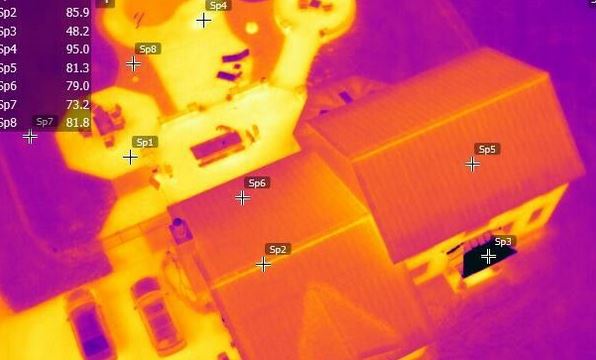
Our specialized drone capabilities include infrared thermal imaging, orthomosaic mapping and LiDAR-related services.
Thermal imaging can help reveal temperature differences associated with building envelopes, roofs and other assets.
Orthomosaics combine numerous aerial photographs into highly detailed mapped imagery that can be useful for construction, engineering, property management and documentation.
LiDAR technology can provide detailed spatial information for specialized mapping and measurement applications.
These services allow clients to use aerial platforms for both creative communication and valuable technical data acquisition.
Editing Is Where Production Becomes Communication
Image acquisition is only part of creating an effective video.
Editing determines pacing, structure, emphasis and ultimately how the audience experiences the message.
Our post-production capabilities can include editing, color correction, audio enhancement, graphics, titles, photographs, drone footage, music, animation and other visual elements.
We are experienced with diverse media formats, codecs, file types and professional production software, allowing material from different sources to be incorporated into a unified production.
Artificial Intelligence and Modern Production Workflows
Artificial Intelligence is becoming increasingly useful throughout professional media production.
At St Louis Video Crew, we incorporate the latest AI capabilities where they can improve efficiency, organization and creative workflows while maintaining professional human oversight.
AI-assisted tools can support areas such as transcription, captioning, content organization, editing preparation, image processing, media searching and the development of alternative versions for different platforms.
The goal is not simply to use new technology because it exists. The objective is to use technology strategically when it can improve workflow, turnaround or the value clients receive from their media.
Repurposing Content Creates More Value From Every Shoot
Perhaps the greatest opportunity for economical media production occurs after the original project is completed.
One professionally produced interview can become much more than one video.
A longer presentation can potentially be repurposed into short social media clips, website videos, recruiting content, sales presentations and training segments. Individual quotes can become promotional graphics, while photographs and video frames can support newsletters, presentations and digital advertising.
Planning for repurposing before the cameras begin recording makes it possible to capture content specifically designed for multiple platforms.
Instead of thinking about the cost of producing one video, organizations can evaluate how much useful communication material can be generated from one production investment.
Economical Production Means Using Resources Intelligently
The least expensive production is not necessarily the most economical production.
A poorly recorded interview, inconsistent corporate portrait or badly produced marketing video may eventually need to be recreated. That makes inexpensive production surprisingly costly.
Professional production should balance quality, budget, efficiency and the intended lifespan of the media.
Working with an experienced production company helps organizations determine where resources provide meaningful value and where unnecessary complexity can be eliminated.
That may mean using a smaller crew, recording several videos during the same session, combining photography and video, working in a controlled studio or planning content that can be repurposed throughout the year.
Those decisions can create meaningful savings without compromising professional quality.


St Louis Video Crew: Professional Production Without Unnecessary Production Overhead
Since 1982, St Louis Video Crew has worked with businesses, corporations, marketing firms, creative agencies and organizations throughout the St. Louis area to create professional photography and video communications.
We are a full-service commercial photography and video production company with the professional equipment, technical knowledge and experienced creative crews required for successful image acquisition.
Our services include studio and location video production, commercial photography, executive interviews, business portraits, product photography, professional audio, teleprompter production, editing, post-production, location scouting and b-roll acquisition.
Our private St. Louis studio provides professional lighting and visual setups for interviews and smaller productions while offering enough space to incorporate furniture, products, props and customized set elements.
When productions require additional perspectives, our licensed drone services include traditional aerial photography and cinematography, indoor FPV drone operations, infrared thermal imaging, orthomosaic mapping and LiDAR-related applications.
We are experienced with a wide range of media formats, production styles, professional software and delivery requirements, and we incorporate modern Artificial Intelligence tools where they can improve production and post-production workflows.
Just as importantly, St Louis Video Crew understands how to customize production around the actual communication objective. A project may require a compact two-person crew, a larger multi-camera production, a studio interview, location photography, aerial imagery or a combination of services.
Our goal is to provide the resources the project requires—without adding production complexity that it does not.
By combining experienced crews, professional production equipment, studio capabilities, location services, photography, video, drones, editing and content repurposing under one production resource, St Louis Video Crew can help organizations create more professional media while making better use of their marketing budgets.


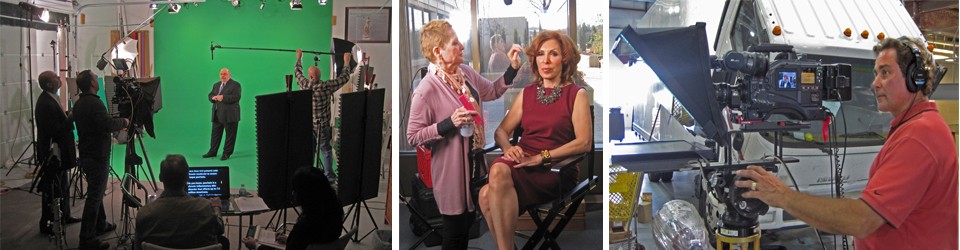

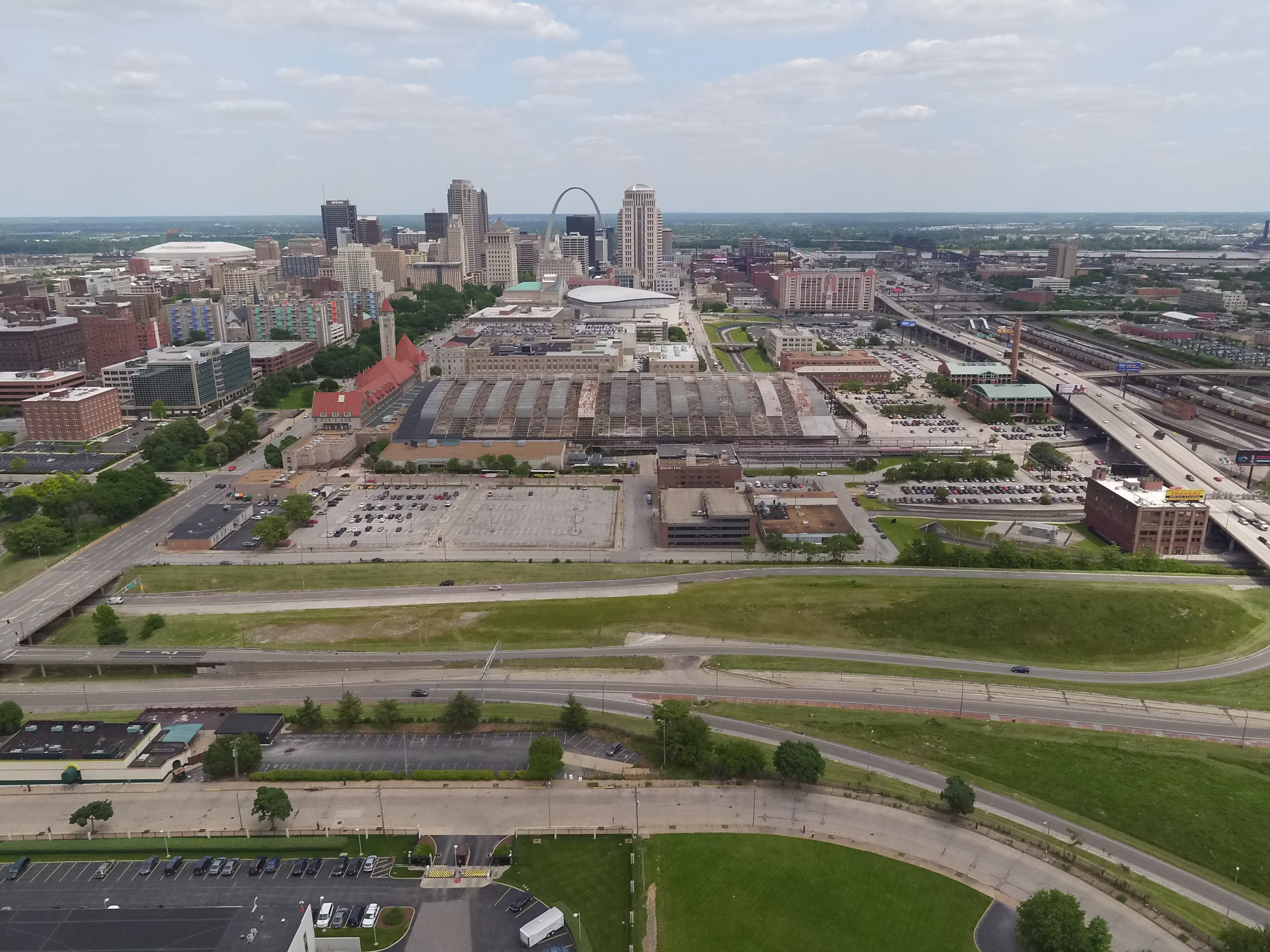

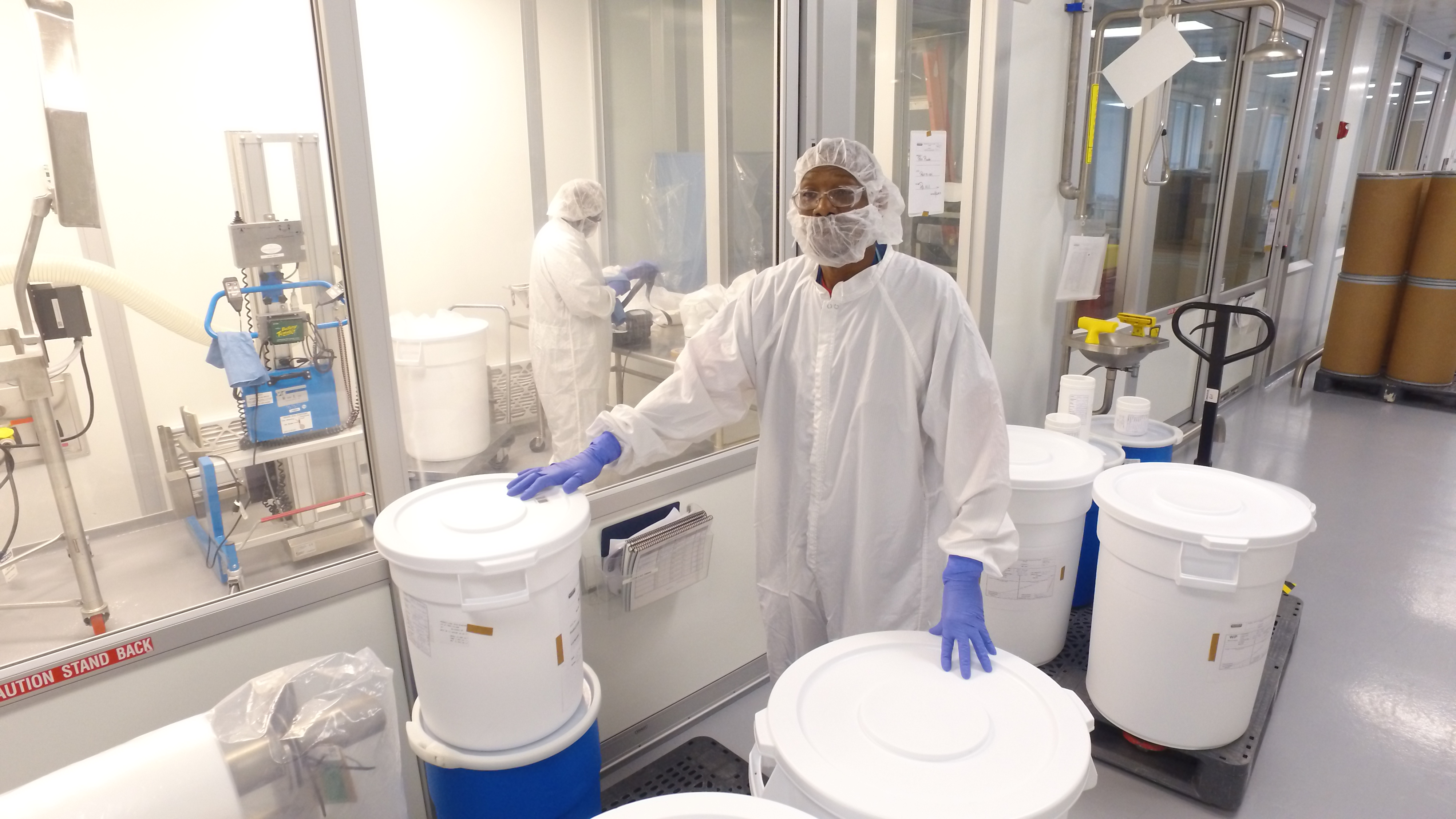
For companies searching for an economical video and photography studio in St. Louis, the greatest value comes from experience, efficiency and the ability to accomplish more from every production day. That is the approach St Louis Video Crew has brought to professional commercial media production since 1982.
Video Interviews and B-Roll, Location and Studio Services: A Decision-Maker’s Guide to Professional Video Production
For marketing directors, brand managers, and executives tasked with commissioning video content, the terminology can start to blur together — interviews, b-roll, location shoots, studio production. But understanding these building blocks isn’t just industry jargon. It’s the difference between a video that looks like every other corporate testimonial and one that actually moves an audience, builds trust, and drives a business outcome.
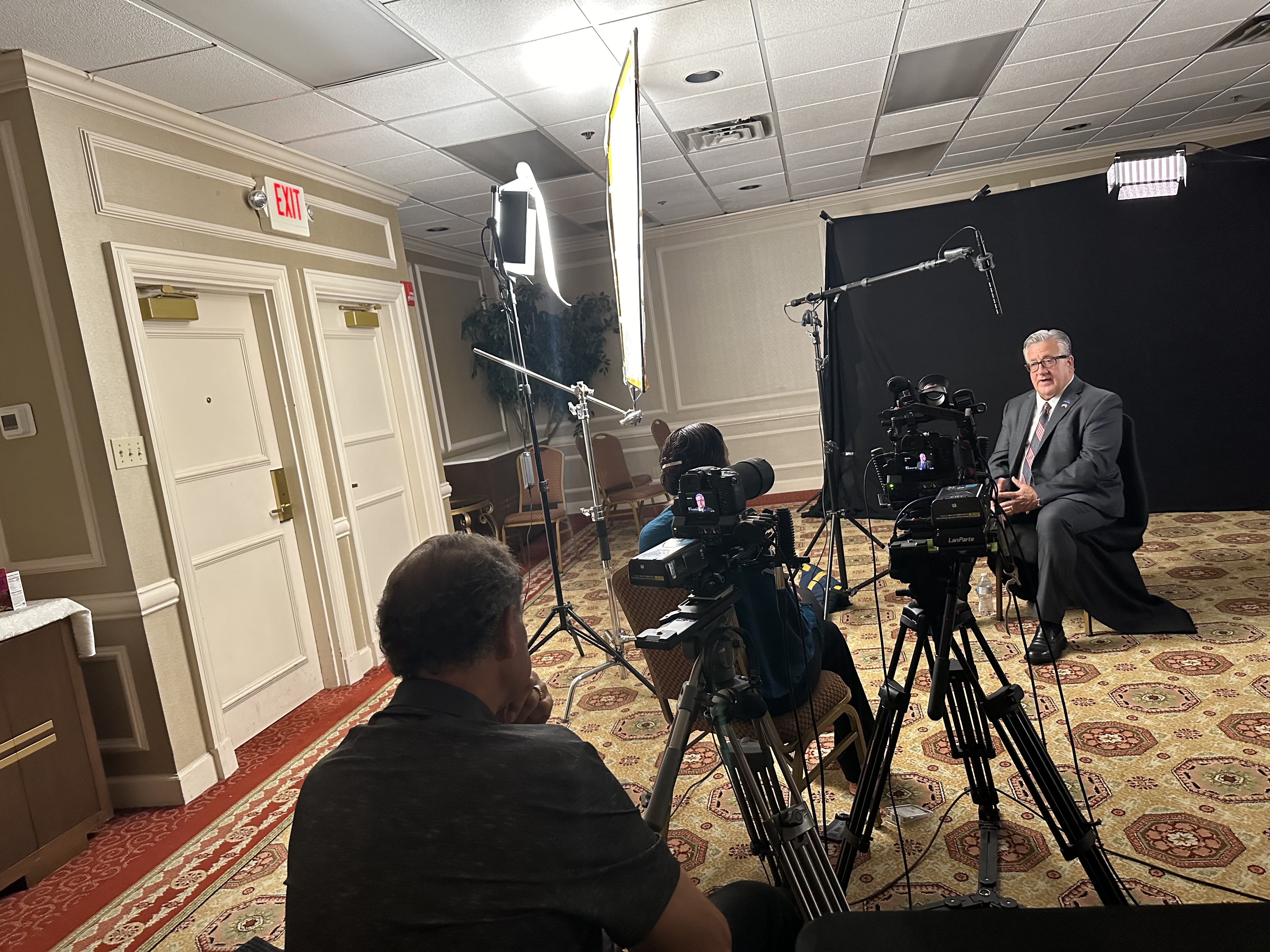
This guide breaks down the core components of professional video production — interviews, b-roll, and the studio-versus-location decision — so you can brief your creative partners with confidence and evaluate proposals like an informed buyer, not a passive client.
Why Video Interviews Are the Backbone of Brand Storytelling
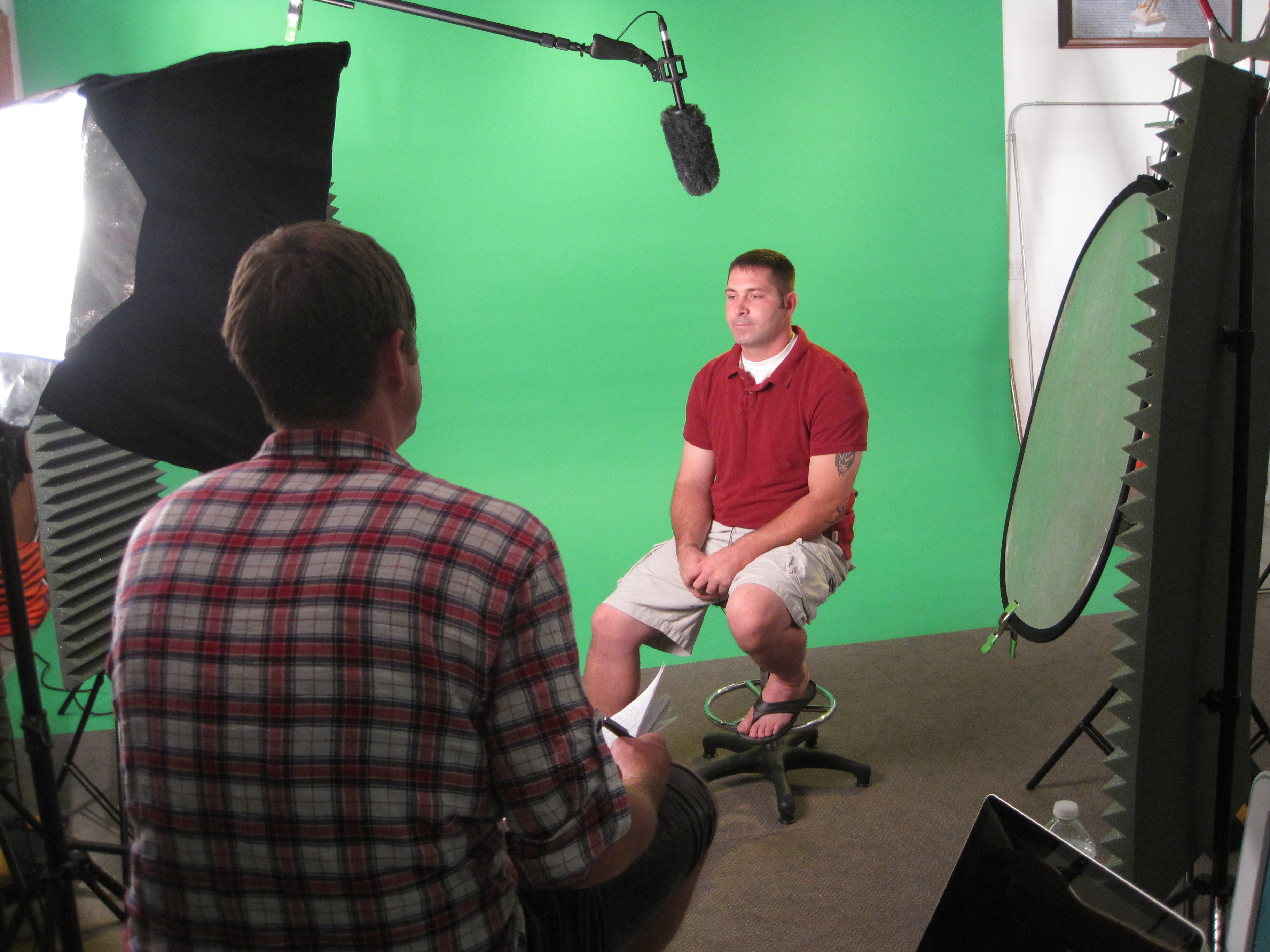
Nearly every high-performing brand video — whether it’s a customer testimonial, an executive thought-leadership piece, a recruitment film, or a case study — is built around an interview. The interview is where authenticity lives. It’s the human voice that gives your brand credibility no scripted voiceover can replicate.
But a great interview on camera is a technical and creative discipline in itself. Decision-makers should understand what separates an amateur setup from a professional one:
Lighting design. Flat, harsh, or mismatched lighting instantly signals low production value, regardless of how compelling the subject’s message is. Professional interview lighting sculpts the face, controls shadows, and creates a mood consistent with your brand identity.
Audio quality. Viewers will forgive imperfect video far more readily than they’ll forgive bad audio. Lavalier or boom mic setups, proper gain staging, and a controlled acoustic environment are non-negotiable for a polished result.
Framing and composition. Rule-of-thirds placement, appropriate lens choice, depth of field, and background selection all communicate professionalism before your subject says a single word.
Subject comfort and direction. An experienced interview director knows how to put a nervous executive or customer at ease, ask questions that elicit natural, quotable answers, and redirect when a response misses the mark — without dozens of frustrating retakes.
When evaluating a production partner, ask how they approach pre-interview preparation, question development, and on-set direction. The best crews treat the interview as a conversation, not an interrogation, and the footage shows it.

B-Roll: The Unsung Hero of Visual Storytelling
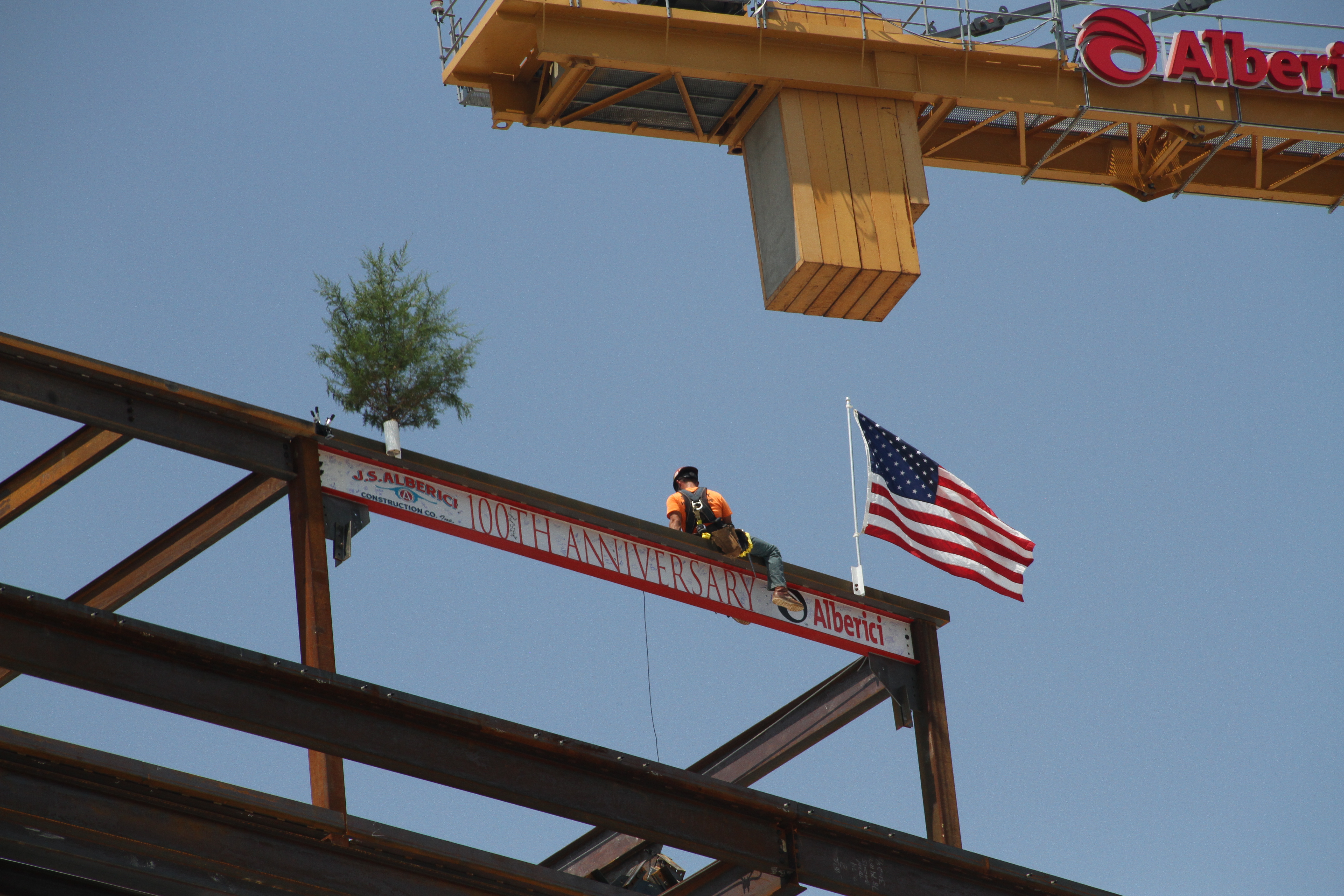
If the interview is the voice of your video, b-roll is everything else — the supporting visuals that keep viewers engaged, illustrate what’s being said, and prevent a video from feeling like a static talking head on screen.
B-roll matters more than most decision-makers realize:
- It maintains attention. Studies on video retention consistently show that cutting away from a static interview shot every few seconds keeps viewers watching longer.
- It shows, rather than tells. When an executive describes a manufacturing process, safety protocol, or customer experience, well-shot b-roll lets the audience see it happening rather than just hearing about it.
- It reinforces brand identity. Consistent color grading, framing style, and pacing in b-roll footage builds visual brand recognition across every piece of content you produce.
- It gives editors flexibility. A library of quality b-roll allows your production partner to repurpose footage across multiple deliverables — a full case study, a 30-second social cutdown, a website hero video — without additional shoot days.
Strong b-roll requires more than pointing a camera at activity. It demands a shot list built around the story, an eye for composition, and often a second camera operator working in tandem with the interview so nothing is missed on shoot day.


Studio vs. Location: Choosing the Right Environment
One of the most consequential decisions in planning a video production is where to shoot. Each option carries distinct advantages, and the right choice depends on your message, timeline, and budget.
When a Controlled Studio Environment Wins
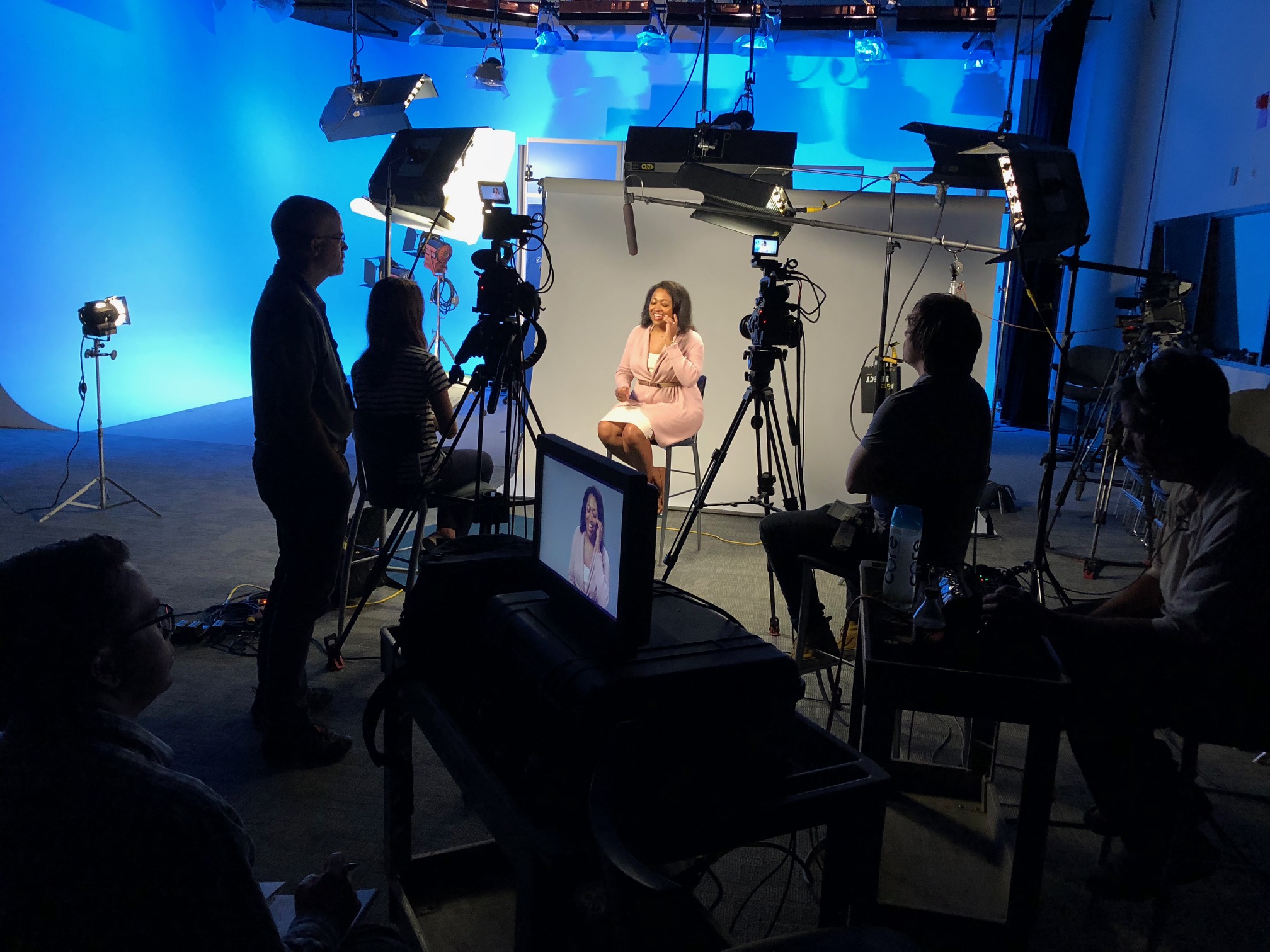
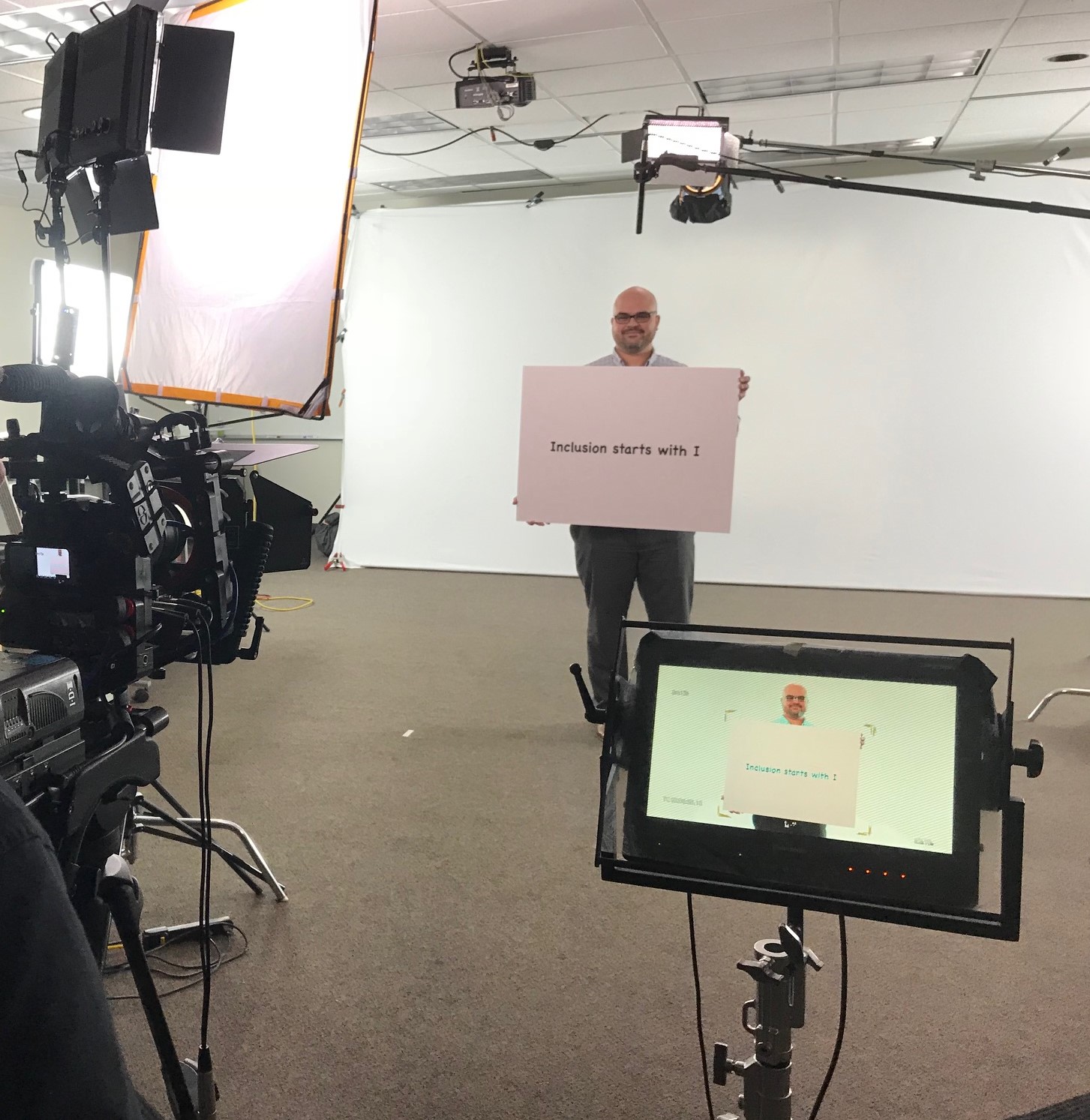
A private studio setup gives your production team full control over lighting, background, sound isolation, and set design. This is ideal for:
- Executive interviews and thought-leadership content where a clean, branded backdrop reinforces authority
- Product-focused shoots requiring precise lighting control
- Productions with tight schedules where weather, ambient noise, or location logistics can’t be risk factors
- Testimonial or recruitment interviews where subjects need a calm, distraction-free environment to speak naturally
Studio production also allows for incorporating props and set pieces to build out a scene — creating context and visual interest without the unpredictability of a live location.
When Location Shooting Is the Right Call
Location production brings authenticity that a studio simply cannot replicate. It’s the right choice when:
- The story is inherently tied to a place — a facility, retail environment, job site, or customer’s place of business
- You need environmental b-roll that shows real operations, real employees, and real customer interactions
- The brand narrative benefits from a sense of scale, industry, or place that grounds the story in reality

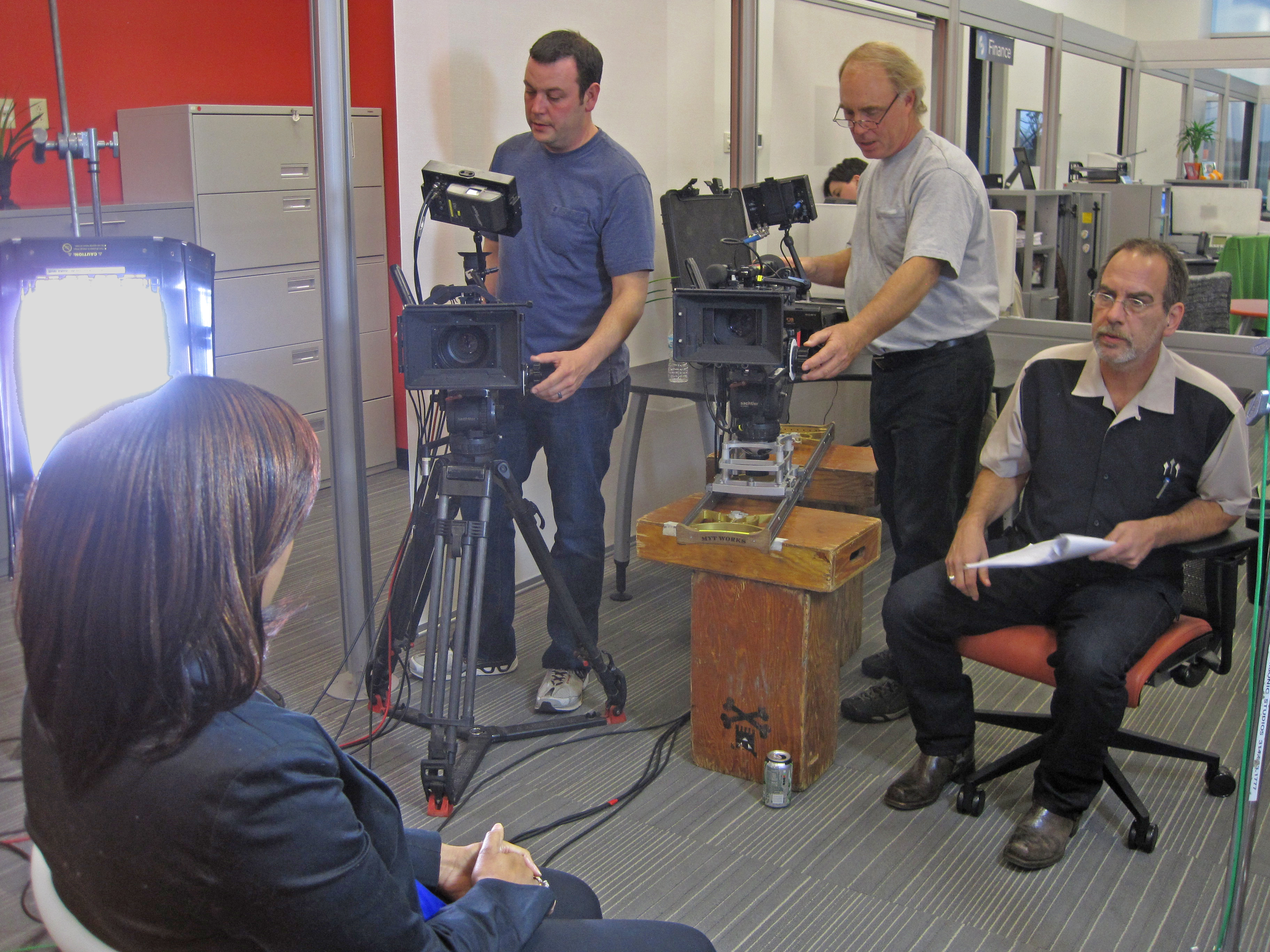
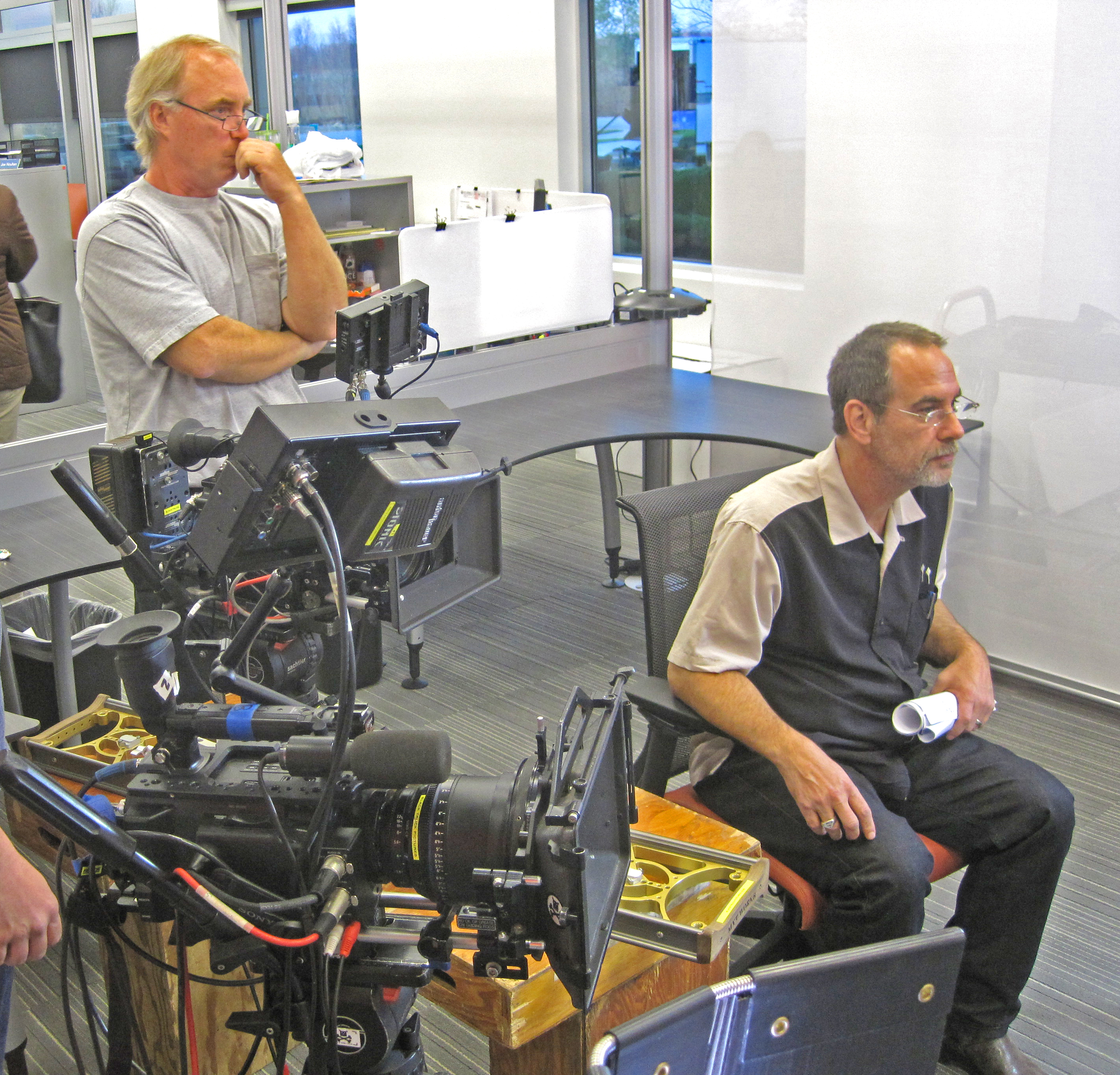
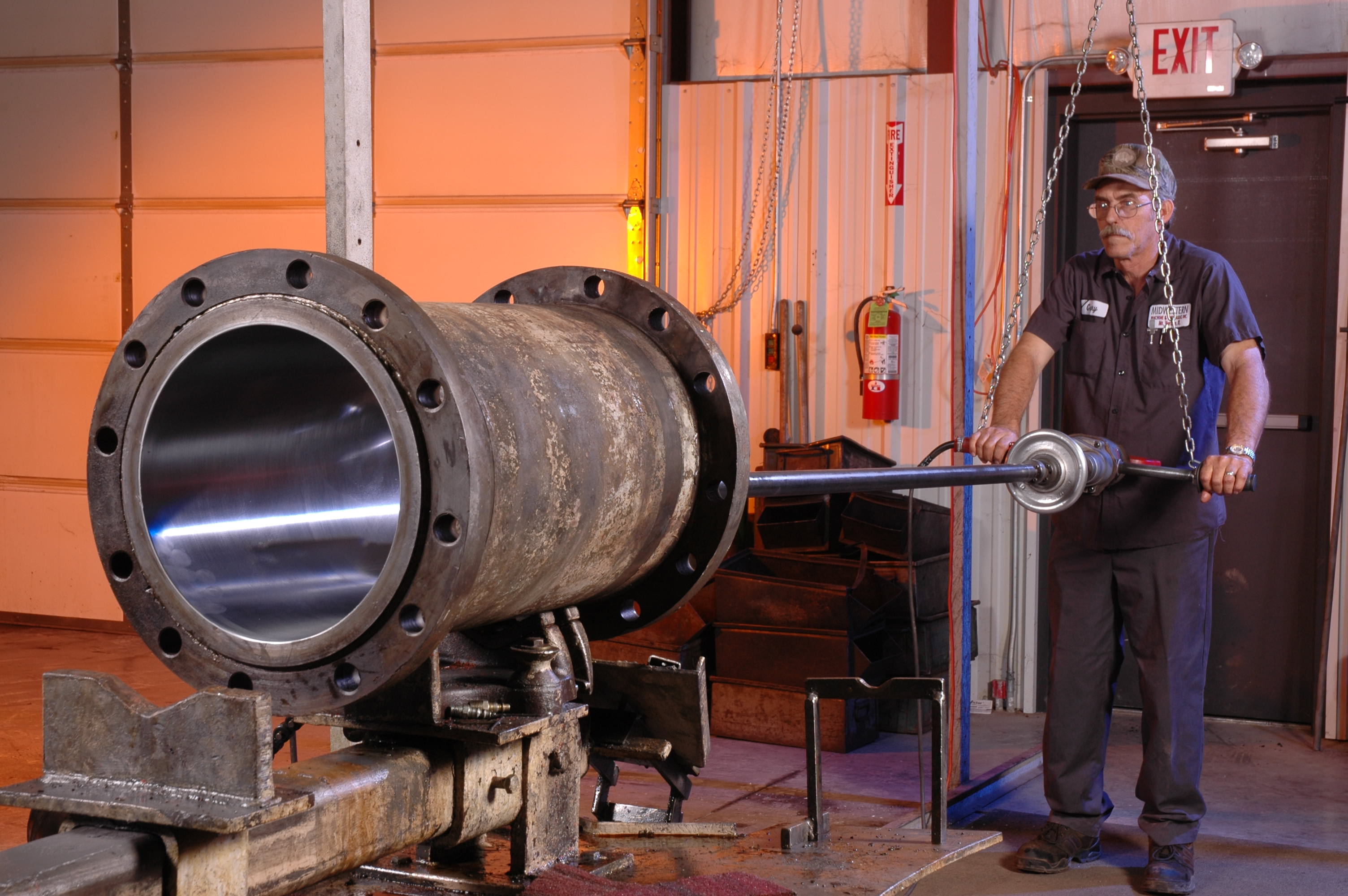
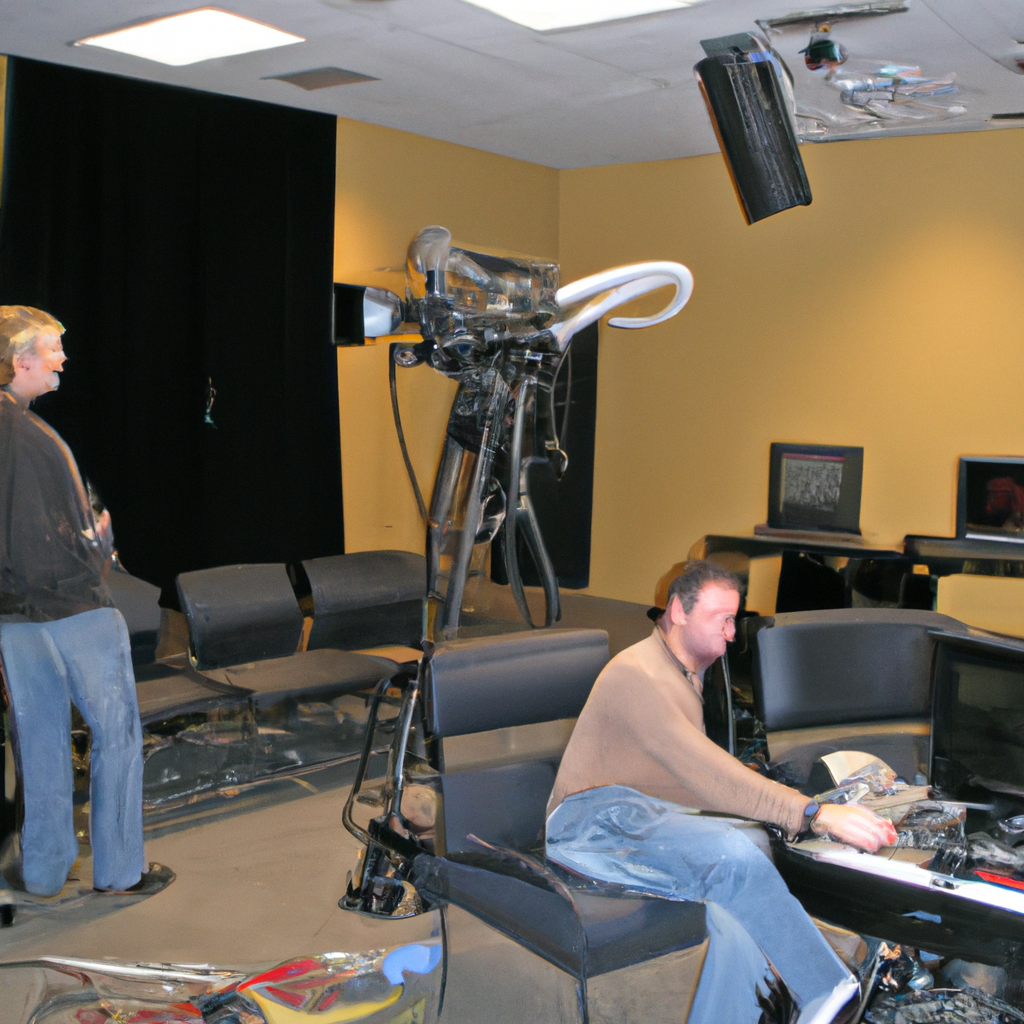
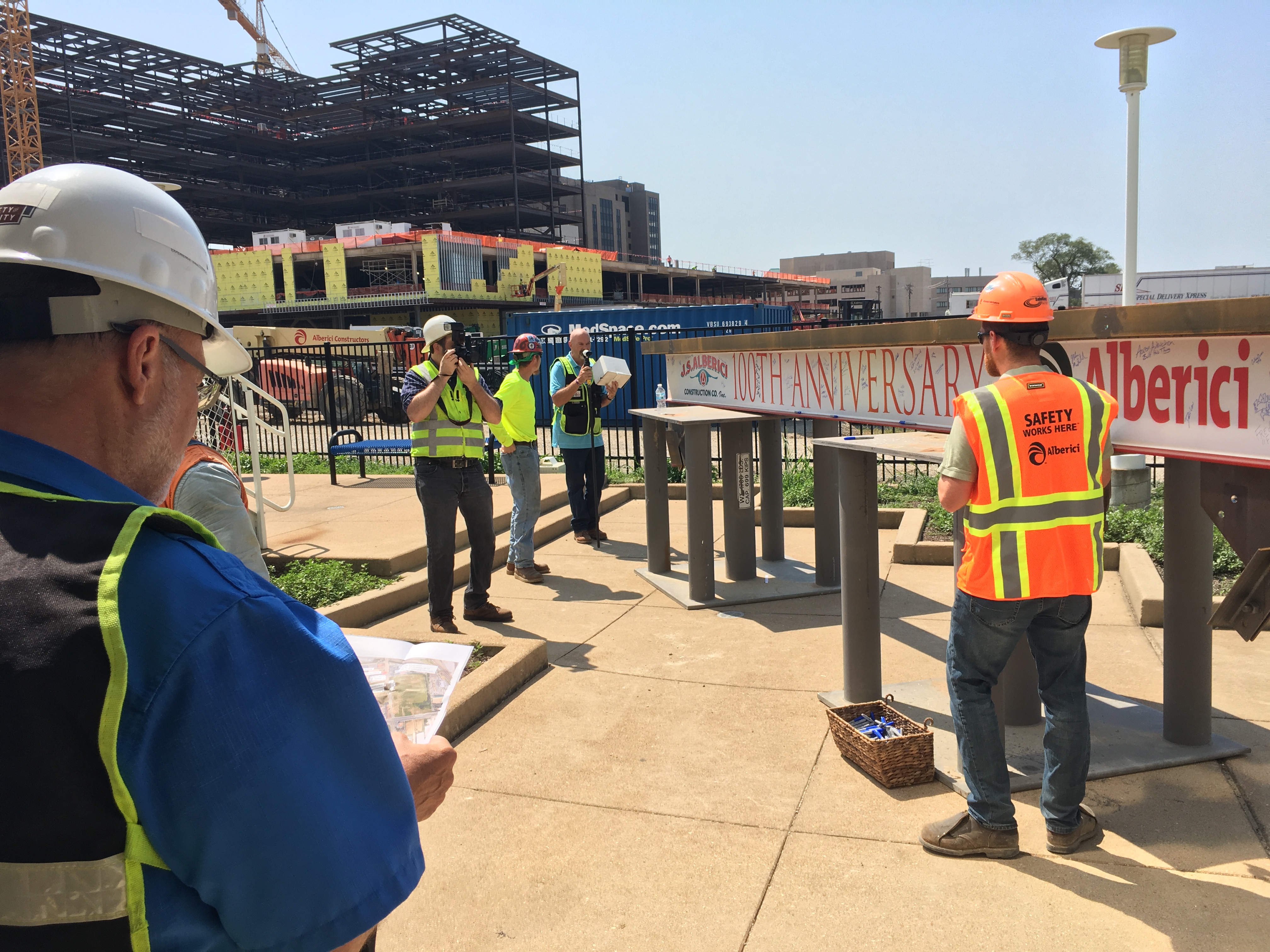
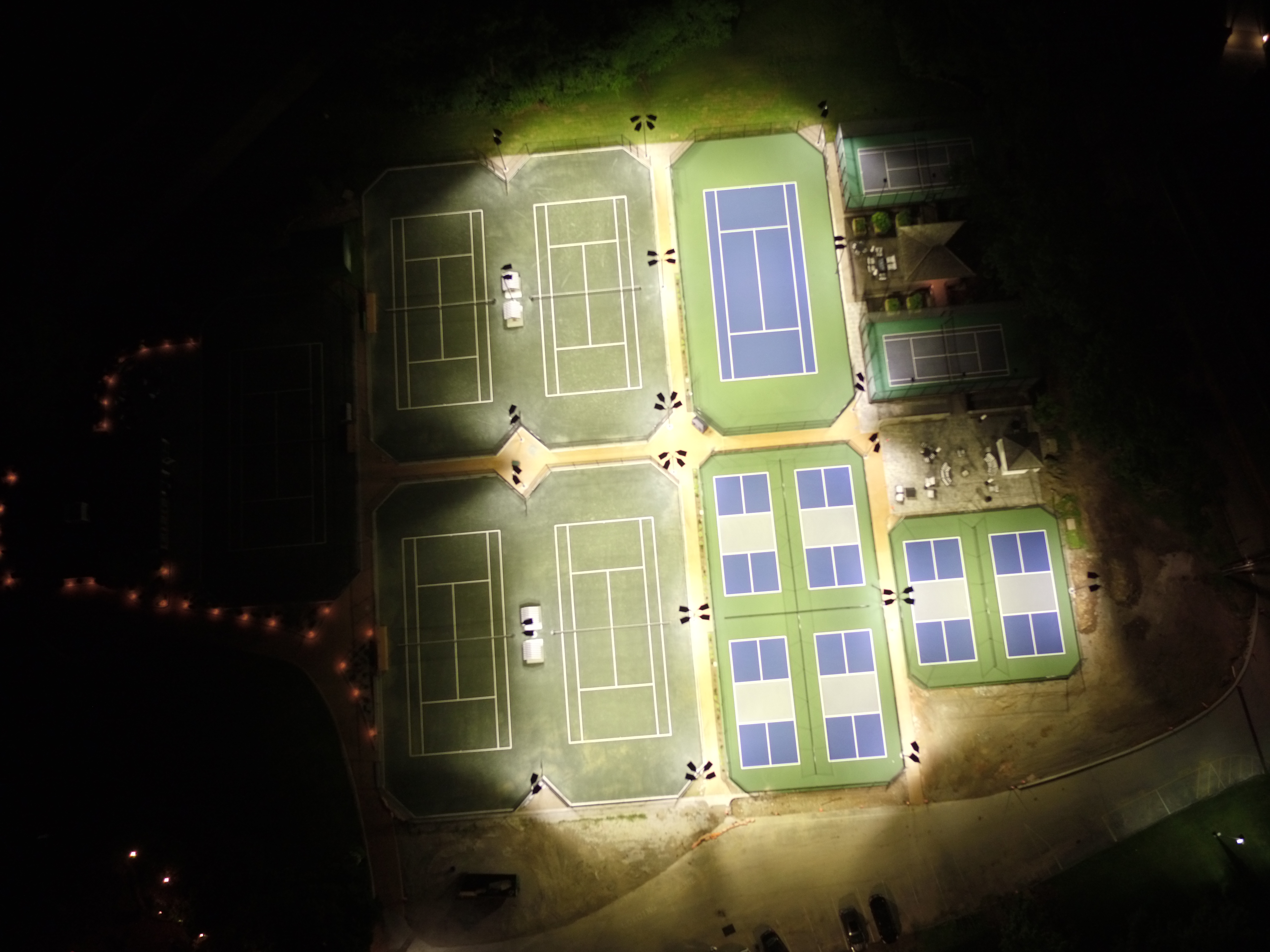
Location shoots require more planning: scouting, permitting, lighting adaptable to available power and space, and contingency planning for weather or noise. This is where an experienced location scout and production team earns their value — identifying the right vantage points, managing access and logistics, and adapting quickly when conditions change on shoot day.
Many of the most effective business videos actually blend both environments — a controlled studio interview intercut with authentic location b-roll — giving you the polish of a studio setup with the credibility of real-world footage.
Questions Decision-Makers Should Ask Before Hiring a Production Partner
Before signing off on a proposal, an informed buyer should ask:
- What is your process for developing interview questions and directing subjects on camera?
- How do you plan and shot-list b-roll to support the interview narrative?
- What lighting and audio equipment will be used, and is it appropriate for our environment?
- Can our footage and photography be repurposed across multiple formats — social, web, sales decks, paid media?
- Do you have experience with both studio and location production, and can you recommend which fits our goals?
- What does your post-production and editing workflow look like, and what file formats will we receive?
A production partner who can answer these clearly — and who brings both studio and location capability, along with a thoughtful approach to repurposing — is positioned to deliver content that performs well beyond a single use case.


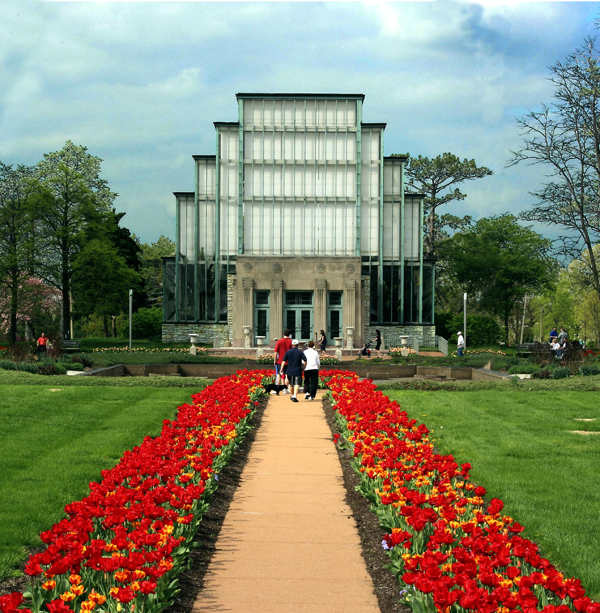

About St Louis Video Crew
St Louis Video Crew is a full-service, professional commercial photography and video production company built on the equipment, creative talent, and production experience required for successful image acquisition — every time.
We offer complete studio and location video and photography services, along with editing, post-production, and licensed drone operations, and we customize every production to fit the diverse media requirements of the businesses, marketing firms, and creative agencies we serve. Repurposing your photography and video assets to extend their reach and impact across platforms is one of our core specialties, and our team is well-versed in every major file type, media style, and the software that supports them. We also integrate the latest advancements in artificial intelligence throughout our media services to streamline production and elevate the final product.
Our private studio offers professional lighting and visual setups ideal for interviews and smaller productions, with enough space to incorporate props and build out a complete set. On location, our team includes experienced location scouts and b-roll specialists who know how to find the right shots and adapt to real-world conditions. Whether your production calls for a custom interview studio, professional sound and camera operators, or the right equipment package for a complex shoot, we support every aspect of the process to keep your production seamless from planning through delivery.
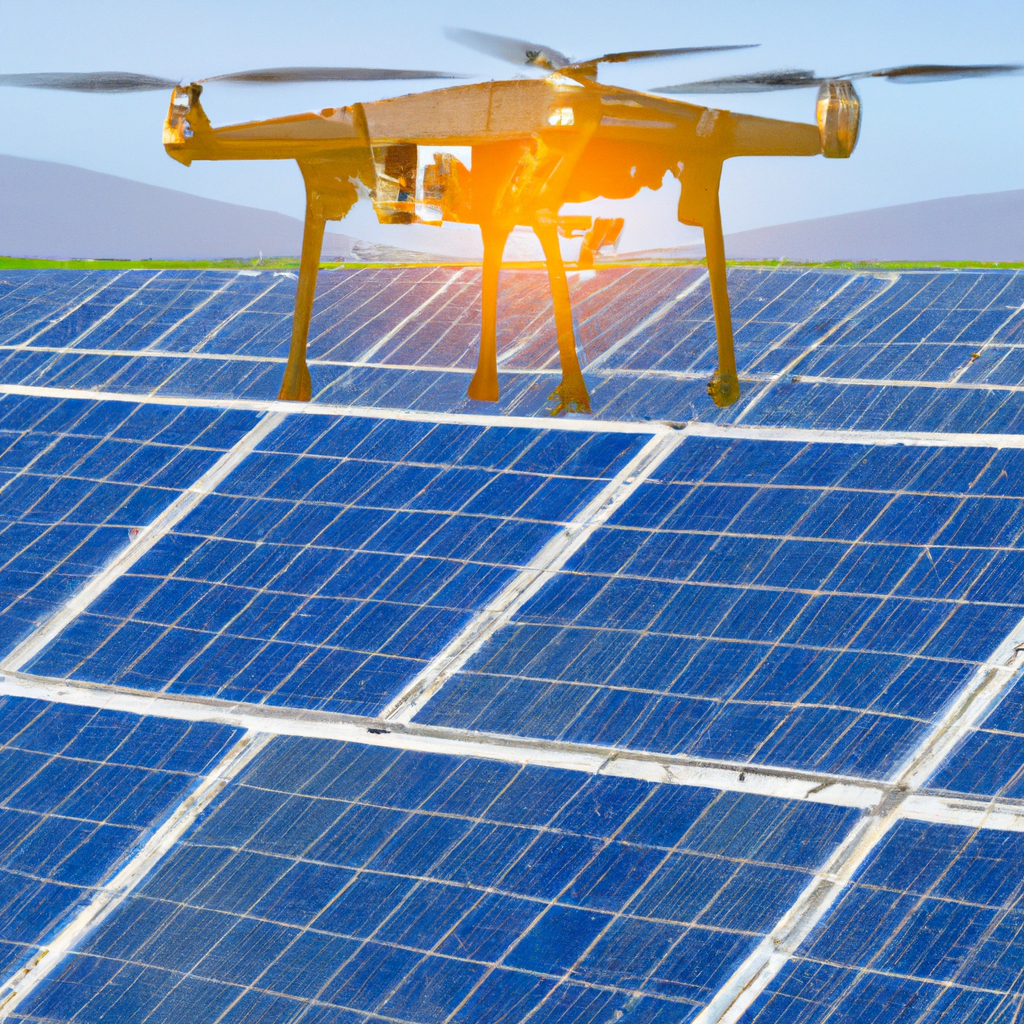

Our drone services go beyond standard aerial footage. We fly specialized FPV drones capable of indoor flight, along with infrared thermal imaging, orthomosaic mapping, and LiDAR scanning — all under proper licensing for commercial operation.
Since 1982, St Louis Video Crew has partnered with businesses, marketing firms, and creative agencies throughout the St. Louis area to produce marketing photography and video that performs. If your organization is planning an interview-driven video, a location shoot, or a studio production, our team brings the experience and equipment to get it right.
ERAS Residency Headshots and Video Clips
The Real Cost Drivers Behind Headshot and Video Programs
When institutions evaluate options for producing ERAS headshots and video clips at scale, three cost drivers typically determine the final price tag:
1. Per-session versus batch production. Booking individual freelance photographers for one-off sessions is almost always the most expensive path per student, both in dollars and in coordination time. A batch-production model — where a crew sets up once and processes a continuous flow of students over one or several days — dramatically lowers the per-person cost while improving consistency across the cohort.
2. Studio versus improvised space. Converting a conference room or classroom into a temporary photo studio sounds cost-saving on paper, but it introduces hidden costs: rented lighting, backdrop rentals, extra crew time for setup and teardown, and inconsistent results if ambient light changes throughout the day. A dedicated, pre-lit studio space eliminates these variables entirely.
3. Post-production workflow. ERAS has specific technical requirements for photo files (JPEG format, defined pixel dimensions, and file size limits), and video clips often need to be trimmed, color-corrected, and exported in specific formats and aspect ratios depending on the program’s submission portal. Production teams with an efficient, partially automated post-production pipeline can turn around hundreds of finished assets in days rather than weeks — which directly affects labor cost.
Best Practices for a Cost-Efficient, High-Quality Program
Schedule in structured blocks, not open-ended windows. Assigning students to 10–15 minute time slots across a single day or a few consecutive days allows a production crew to maintain lighting and camera settings, minimizing setup changes and maximizing throughput.
Standardize wardrobe and background guidance in advance. Sending students a simple one-page guide on appropriate attire (white coat or business professional, depending on program preference) and grooming reduces retakes and keeps the visual identity of the cohort consistent.
Use a single controlled environment for both photo and video. Capturing headshots and video clips in the same studio setup, back-to-back, means students only need to show up once — saving both their time and the institution’s coordination overhead.
Build in light direction and coaching. A brief, calm prompt from an experienced director — helping a nervous student relax their shoulders or find a natural starting sentence for their video clip — measurably improves outcomes without adding significant time per session.
Plan for revisions and late additions. Residency application cycles include students who join late, need retakes, or require updated assets the following year. A production partner with retained lighting setups, style notes, and file archives can accommodate these requests without re-creating the entire production from scratch.

What to Look for in a Production Partner
Not every commercial photography or video vendor is equipped to run an efficient, high-volume ERAS session. Decision makers should look for a partner that offers:
- A dedicated studio space (versus mobile-only services), to control lighting and eliminate rental costs
- Experience with structured, high-volume scheduling for cohorts, not just individual bookings
- Familiarity with ERAS technical specifications for both photo and video file delivery
- A streamlined, technology-assisted post-production workflow to control turnaround time and cost
- The flexibility to scale from a small residency class to a large medical school cohort
Choosing a partner with these capabilities up front — rather than assembling ad hoc freelance talent each cycle — is consistently the single biggest lever for controlling cost while raising the quality bar for every student’s application.
About St Louis Video Crew
At St Louis Video Crew, we’re a full-service professional video production and commercial photography company, partnering with medical schools, GME offices, hospital systems, businesses, marketing firms, and creative agencies throughout the St. Louis area. Our strength is our people: an experienced creative crew — camera operators, sound engineers, lighting technicians, and directors — paired with the right equipment for every project, ensuring successful footage and image acquisition from the first frame to final delivery.
We offer full-service studio and location video and photography, along with editing, post-production, and licensed drone services — all customizable to the diverse media requirements of programs like ERAS headshot and video initiatives. Whether we’re bringing our crew to your campus for an on-location shoot day or hosting your cohort in our private studio, our team handles every technical detail — lighting, sound, camera operation, and equipment — so coordinators can focus on scheduling students, not troubleshooting gear. Our studio’s controlled lighting and visual setup is ideal for structured, high-volume sessions like residency video clips and headshots, and it’s large enough to incorporate props and set elements for more involved productions.
We’re well-versed in every file type and media style required by platforms like ERAS, and we apply the latest in artificial intelligence across our media services to streamline post-production and speed up turnaround without compromising quality. Beyond headshots and video clips, our crew specializes in repurposing photography and video branding to help institutions gain more traction from the assets they’ve already invested in, along with location scouting and b-roll production for broader marketing needs.
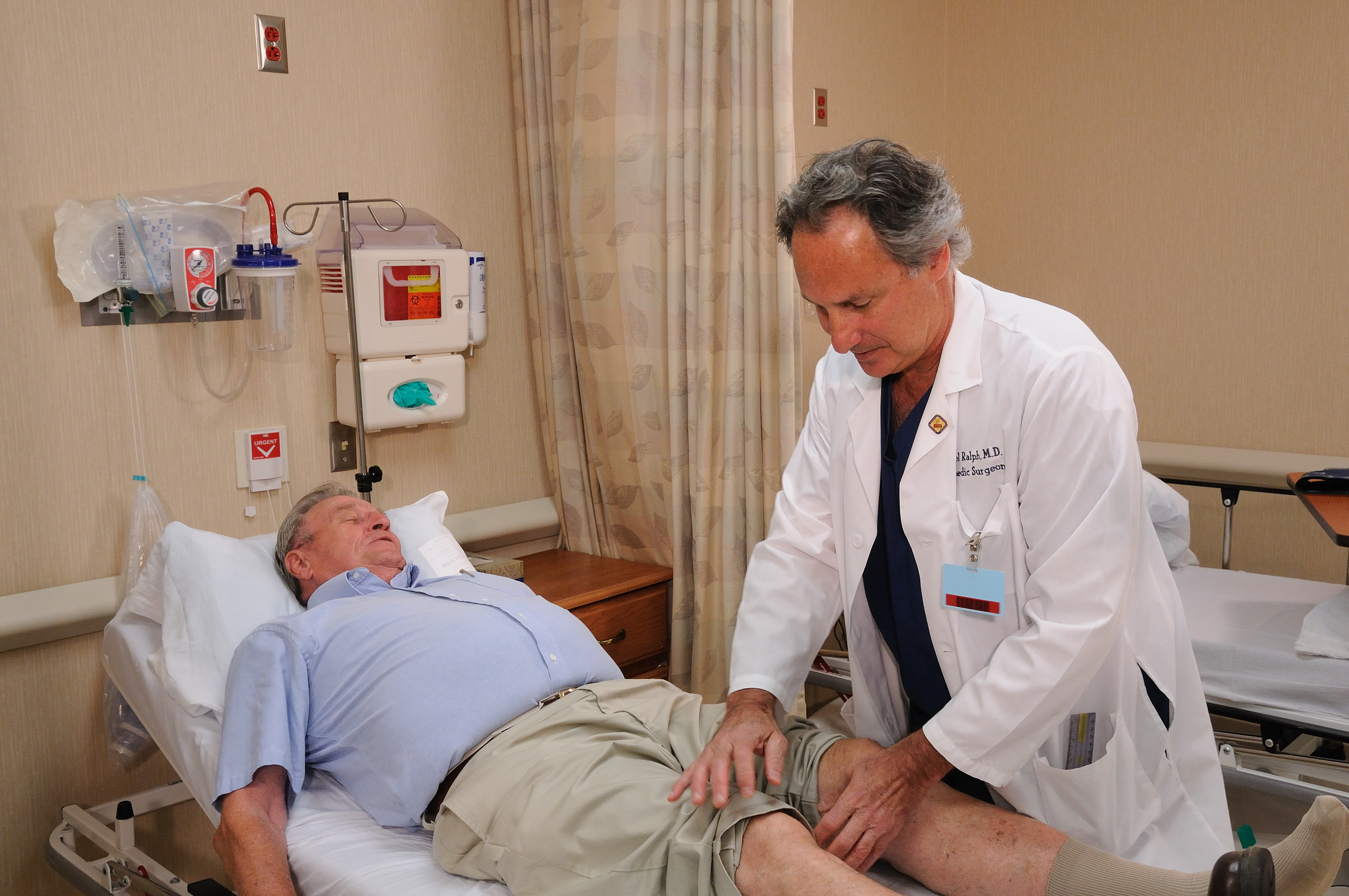
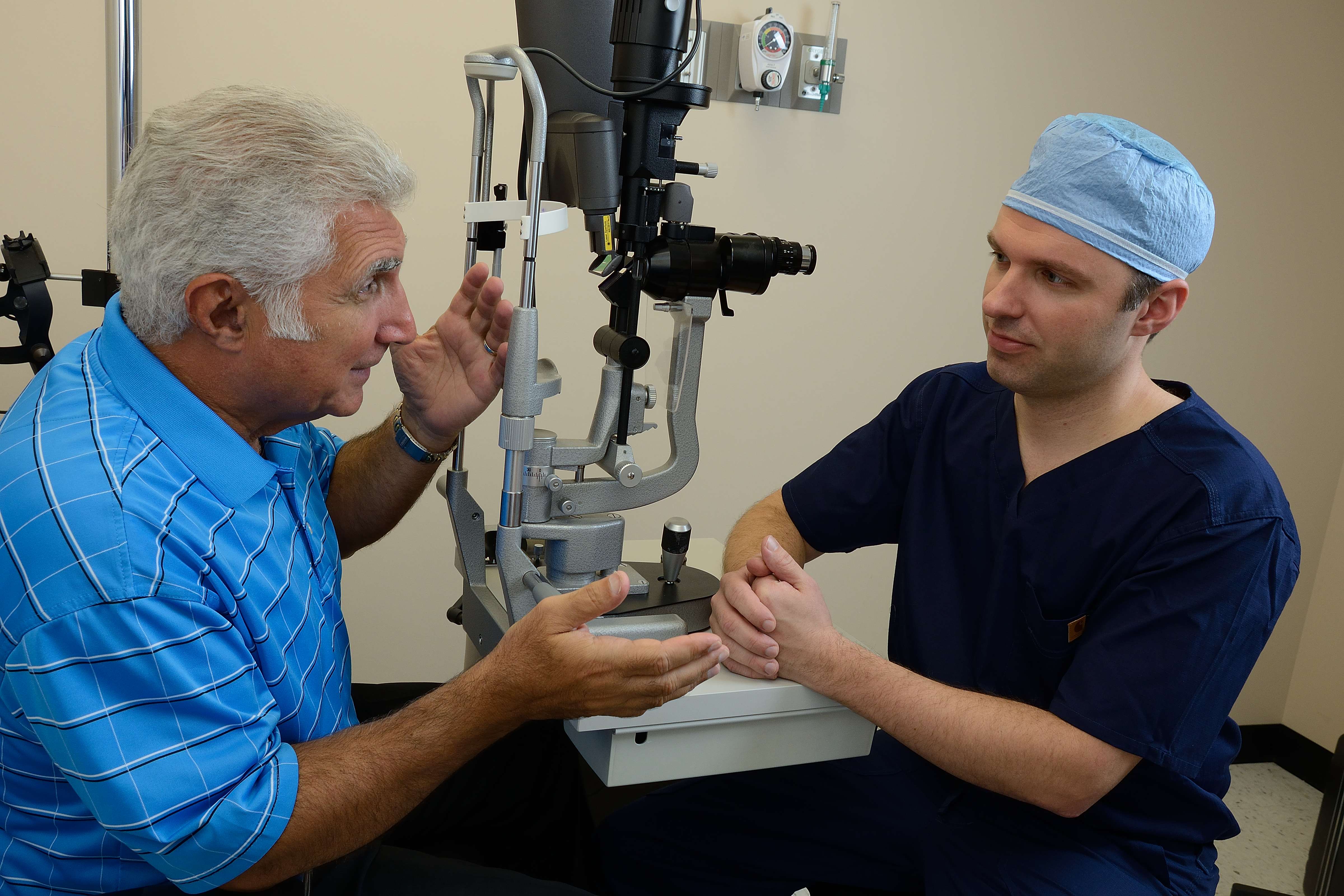
For projects requiring an aerial perspective, our licensed drone services include specialized FPV drones capable of indoor flight, along with infrared thermal imaging, orthomosaics, and LiDAR capture.
Whether you’re coordinating video clips and headshots for an entire graduating class or producing a full institutional marketing campaign, St Louis Video Crew delivers the crew expertise, consistency, and professionalism decision makers need. Contact St Louis Video Crew to plan your next cost-efficient production.
Cost-Efficient Company Event Photography and Video Services: The Strategic Advantage Every Business Needs
Company events occupy a unique position in your marketing and communications calendar. Unlike a controlled studio production scheduled around ideal conditions, or an advertising campaign built to a precise creative brief, company events happen on a fixed date, in a defined environment, with a specific audience assembled — and then they are gone. The presentation is delivered. The award is presented. The announcement is made. The conversations happen. The energy of the room rises and falls and dissipates.
What remains is entirely dependent on whether a professional production team was there to capture it.
For marketing directors, brand managers, corporate communications executives, and organizational leaders who make decisions about photography and video production investment, company event documentation represents one of the most strategically important — and most frequently underoptimized — content opportunities in the annual budget. This article examines why that is, what cost-efficient company event production actually looks like when executed correctly, and how the organizations that get it right are building measurable advantages in brand equity, content volume, and marketing reach that their competitors simply are not.
Why Company Events Demand a Production Strategy, Not Just a Camera
There is a persistent tendency among organizations to treat company event documentation as a logistical checkbox rather than a strategic content investment. Someone is dispatched with a camera. A local photographer is booked for a few hours without a defined brief. The footage from last year is referenced as a general guide for what is needed this time around.
This approach generates documentation. It does not generate assets.
The distinction matters enormously. Documentation is a record of what happened. Assets are content that works — content that can be deployed across marketing channels, repurposed for multiple audiences and platforms, and used to advance specific organizational objectives long after the event itself has become a memory.
Company events, when approached as strategic production environments rather than logistical occasions, generate assets of extraordinary breadth and depth. The reason is straightforward: your company event concentrates in one location, for one defined period of time, the exact combination of people, environments, brand expressions, and authentic human moments that your marketing program needs but rarely has efficient access to.
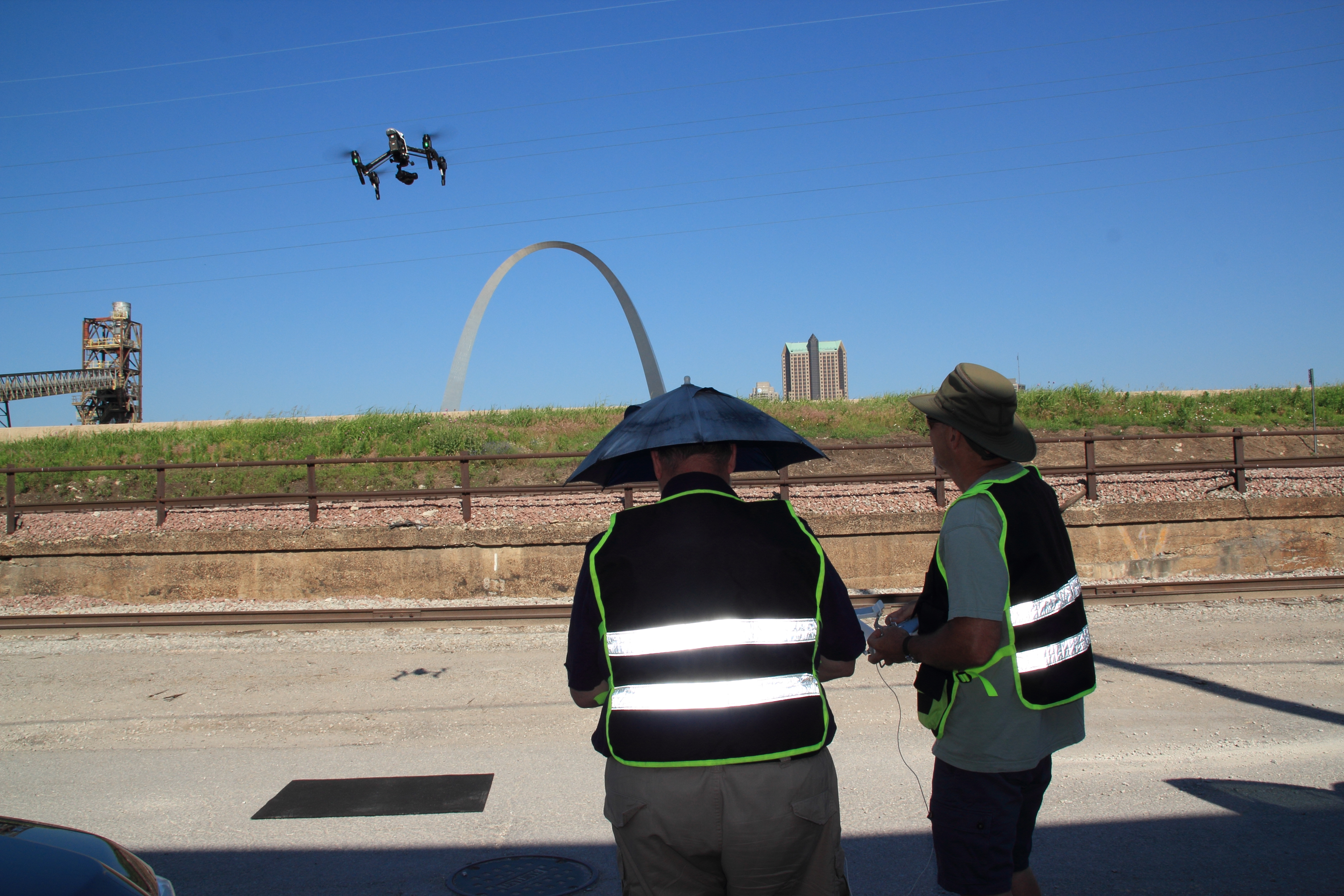
Your leadership is present and engaged. Your team is assembled in a professional context. Your clients and partners are visible in your brand environment. Your organizational culture, energy, and community standing are on active display. The announcements being made, the recognition being conferred, the conversations being had, and the relationships being built — all of it is the authentic raw material of compelling brand content.
A professional production crew with a strategic plan converts that raw material into a library of deployable marketing assets. A camera dispatched without a plan captures some of it, in formats that may not serve your needs, with audio quality that may render the video unusable, and without the editorial intelligence to identify and prioritize the moments that matter most to your brand.
The cost difference between these two approaches is smaller than most decision-makers assume. The output difference is enormous.
The Full Scope of What a Company Event Can Generate
Before examining how cost-efficient production is achieved, it is worth establishing what a single well-documented company event is capable of generating when the production engagement is designed with the full content potential in mind.
Video deliverables from a professionally documented company event can include a comprehensive event archive for internal records, a polished highlight reel for your website and YouTube channel, short-form social recap content for LinkedIn and other professional platforms, speaker and presenter segments edited as standalone content, executive interview and thought leadership pieces captured on-site, client and partner testimonial videos, a promotional piece for your next event in the series, B-roll footage of your team and culture for use in future productions, vertical-format social content for mobile-first platforms, and internal communications video for employee engagement and organizational alignment.
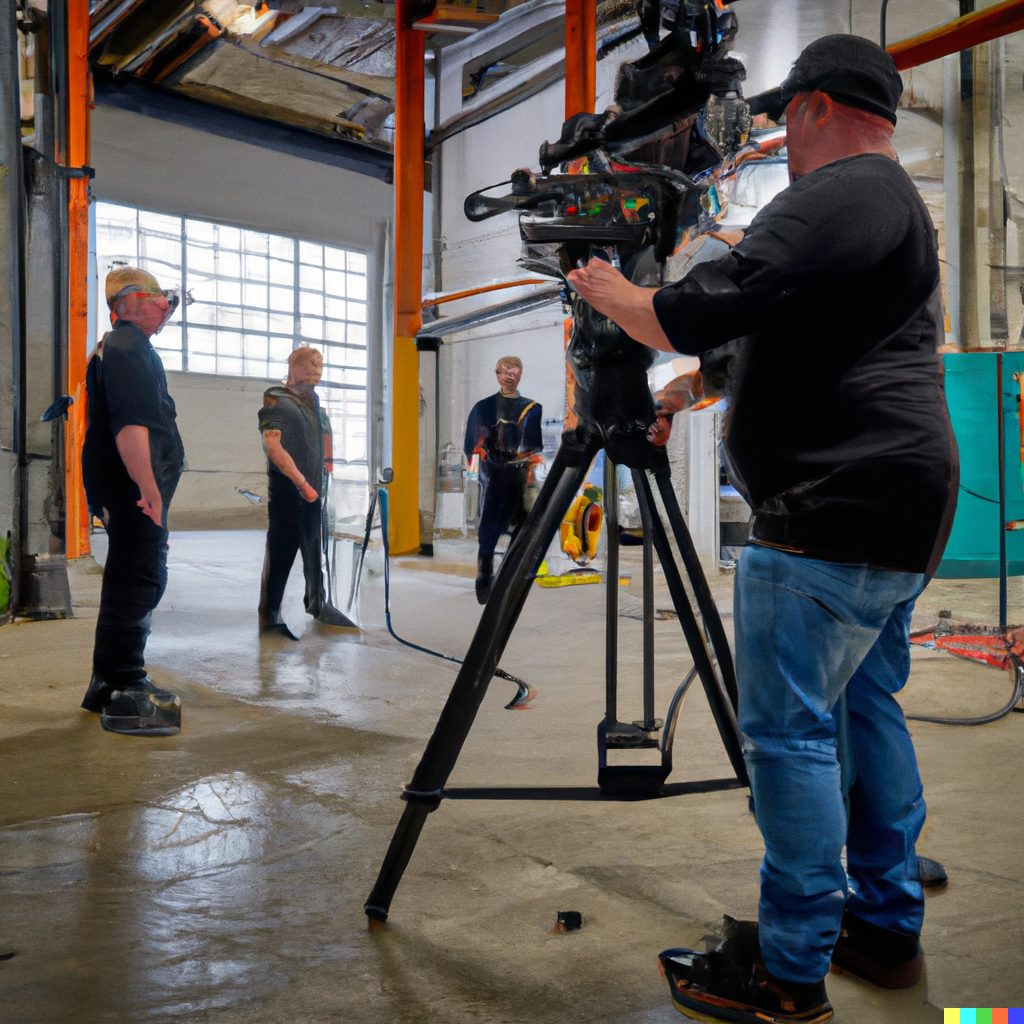
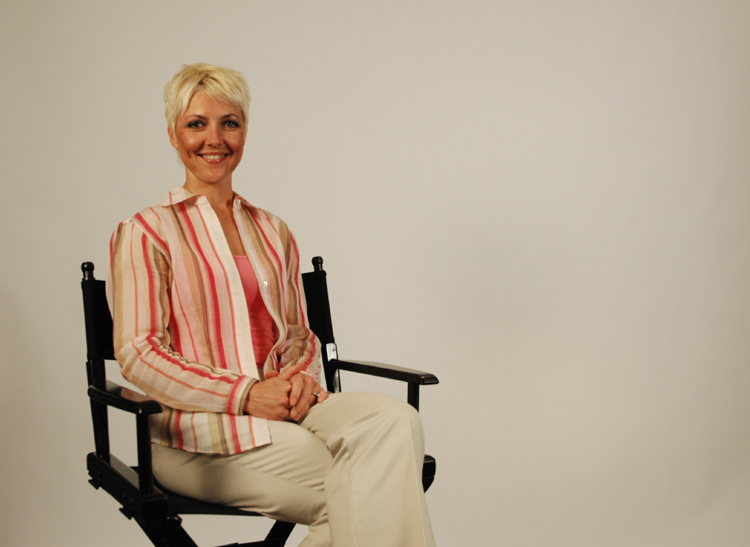
Photography deliverables can include editorial event stills for press and media distribution, website and digital presence imagery, executive and team portraits captured in a professional event environment, audience and community engagement photography, branded environment and venue photography, product or service demonstration imagery captured in context, social media content across multiple format requirements, and archival imagery for annual reports, capability statements, and organizational history documentation.
This is not a hypothetical list. It is a practical deliverables inventory that an experienced production crew, working from a clear content strategy and a comprehensive pre-production plan, can generate from a single company event engagement. Every item on this list serves a different channel, a different audience, and a different organizational objective — and all of it originates from one production investment.
The Architecture of Cost-Efficient Event Production
Cost efficiency in company event photography and video is not achieved by spending less on individual production components. It is achieved by designing the production investment to generate maximum asset value across the full scope of your content requirements. These are the structural elements that make that possible.
A Complete Pre-Production Plan
Pre-production is the phase that determines whether your event production investment is cost-efficient or cost-wasteful — and it is the phase that most clearly separates experienced production partners from vendors who simply respond to a brief and show up on the day.
A complete pre-production plan for company event documentation begins with a marketing objectives briefing — a structured conversation in which the production team develops a thorough understanding of what your organization needs the content to accomplish. Which channels will the content serve? What audiences are you addressing? What organizational messages need to be communicated, and through whose voice? What actions do you want the content to motivate in the people who see it?
From this foundation, the pre-production process builds a deliverables map — a specific, format-explicit accounting of every output the production needs to generate, including video lengths, platform specifications, aspect ratios, photography applications, and distribution timelines. The deliverables map is the master document from which all crew assignments, equipment decisions, shot priorities, and post-production planning flow.
The process also includes a thorough assessment of the event environment — venue layout, ambient lighting conditions, acoustic characteristics, stage configuration, audience positioning, and any physical or logistical constraints that affect crew placement or equipment selection. For venues accessible in advance, an on-site assessment is invaluable. For venues known only through floor plans and specifications, a detailed pre-production inquiry conducted with production expertise identifies the relevant variables before the day arrives.
Finally, pre-production produces a detailed shot list — organized by priority, mapped to the event run-of-show, and distributed to every member of the production crew. The shot list is not a creative constraint. It is a production efficiency instrument that ensures the entire crew is oriented toward the same coverage objectives and that priority content is never missed because no one knew it was a priority.
Organizations that invest in thorough pre-production consistently receive more value from their event production budgets — because the production day is executing a precision plan rather than discovering the event as it unfolds.
Experienced Crew With Clear Role Definition
The relationship between crew experience and production cost efficiency runs counter to the instinct that equates more experienced professionals with higher total cost. In practice, experienced production crew reduces total engagement cost by compressing production time, eliminating errors that require costly remediation, and generating source material that moves through post-production efficiently and cleanly.
An experienced camera operator frames shots correctly, anticipates movement and action, manages changing light conditions without disrupting coverage, and structures their footage library so that the edit suite receives material that actually edits — not raw footage that requires extensive remediation before it can be cut. An experienced audio technician identifies and resolves acoustic problems before they contaminate the recording. An experienced producer manages the run-of-show against the shot list in real time, making the hundreds of judgment calls that a company event requires — which speaker needs a microphone check, when to break from the scheduled program to capture an unplanned but significant moment, when to redirect the photographer to a priority subject — without disrupting the event or missing content that matters.
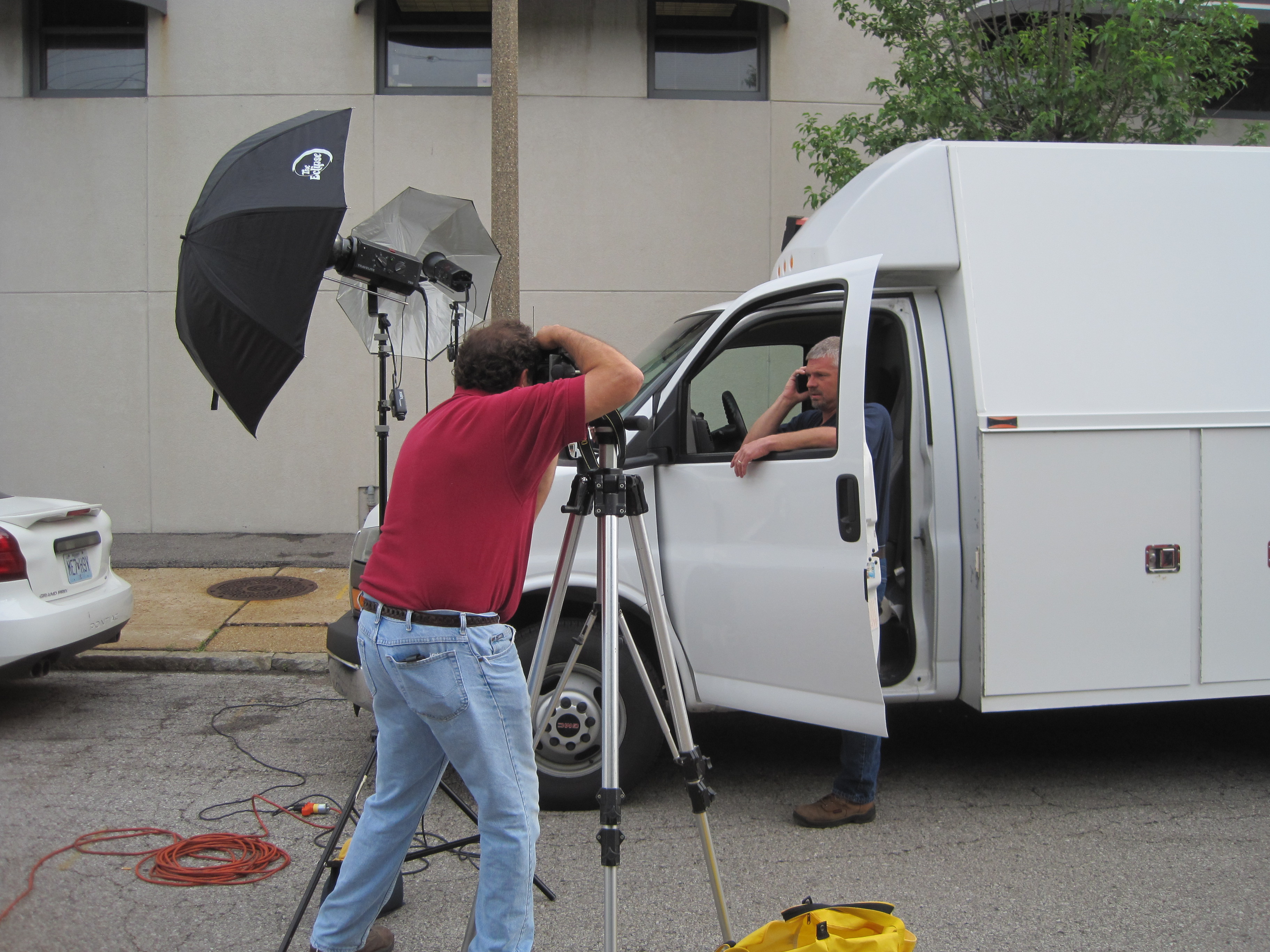



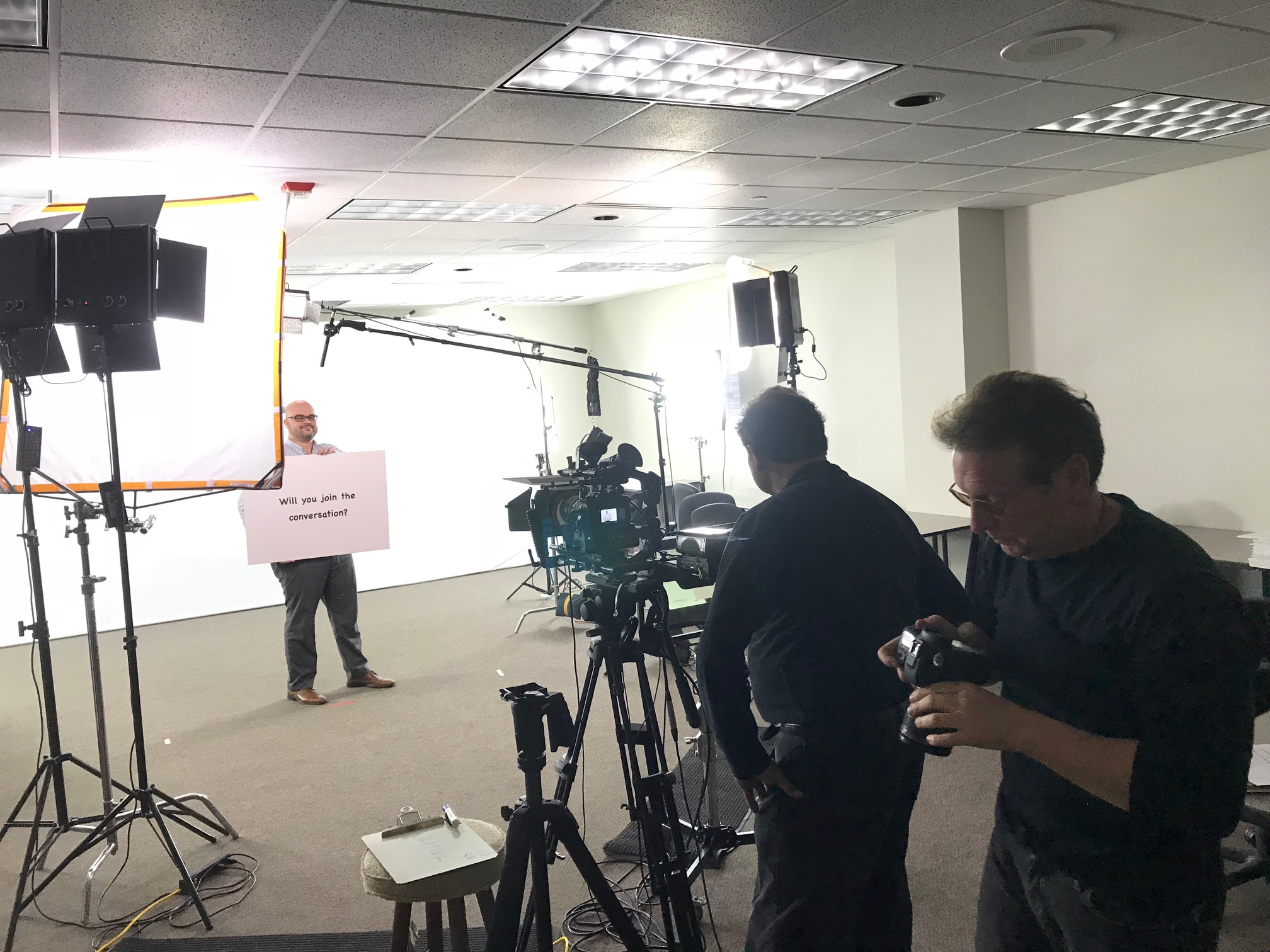

The rate differential between experienced and inexperienced crew is recovered in post-production savings alone, before accounting for the qualitative difference in deliverable output or the irreplaceable value of moments that an underprepared crew missed and cannot recover.
Role definition matters as much as individual experience. A production crew in which every member has a clear, specific assignment — primary camera, secondary camera, dedicated audio, dedicated photography, producing — operates with a level of efficiency and coordination that a same-size crew without clear assignments cannot approach. When the photographer and videographer are coordinating rather than competing for position, when the audio technician is monitoring levels rather than managing a secondary responsibility, and when the producer is directing coverage rather than operating a camera, the production crew functions as a precision instrument rather than a collection of individuals improvising around each other.
Equipment Matched to the Environment
Professional production equipment should be selected based on a thorough understanding of the specific event environment and the technical requirements of the deliverables to be generated — not based on a standard package applied uniformly to every engagement, and not based on what appears most impressive on a gear list.
The lighting conditions of your company event venue are among the most important equipment selection variables. A ballroom with controlled theatrical lighting has different camera and supplemental lighting requirements than a conference center with mixed fluorescent overhead sources, an outdoor event space with variable natural light, an industrial facility with challenging mixed-source illumination, or a boardroom with window-dominant natural light. A production partner who assesses the venue environment in pre-production and selects equipment accordingly is managing your budget with intelligence. One who arrives with a standard kit regardless of the environment is not.
Audio equipment selection deserves equal deliberation. The number and type of wireless microphone systems required, the approach to interfacing with a venue house sound system, the strategy for capturing room ambience and audience response, and the monitoring and recording configuration appropriate for the specific acoustic environment — all of these decisions should be made in pre-production, based on the program structure and venue characteristics of your specific event.
Camera system selection should reflect deliverable requirements clearly and specifically. The image quality specifications of your final outputs, the low-light performance required by your venue conditions, the dynamic range needed for your event environment, and the format flexibility required by multi-platform distribution — these are the variables that drive appropriate camera selection.

Simultaneous Multi-Format Capture
One of the defining practices of genuinely cost-efficient event production is designing the shooting approach to serve multiple output formats from the same capture — so that footage and photography generated on the production day can be assembled into the full range of deliverables without requiring reshoots, format adaptations that compromise quality, or additional production mobilizations.
This requires knowing, before the production day begins, every format in which your content will be distributed. Widescreen 16:9 for website and YouTube. Vertical 9:16 for Instagram Reels and LinkedIn mobile. Square 1:1 for grid posts and certain advertising placements. Broadcast specifications for media distribution. Print-resolution photography for press and publication use. Web-optimized photography for digital channels.
A production crew that understands the full format requirements captures with all of them in mind — framing shots to accommodate both horizontal and vertical crops, ensuring movements work across format adaptations, capturing photography at resolutions that serve both print and digital applications, and structuring the footage library so the post-production team can build every required output from the same source material.
When this is executed correctly, the post-production cost of generating your full deliverables suite is a fraction of what it would be if format adaptations were attempted after the fact.
On-Site Interview Production: The Highest-Return Component of Any Event Engagement
Among all the content production opportunities that company events create, on-site interview capture generates the highest return relative to its incremental production cost — and it is the opportunity most consistently left underutilized by the organizations that would benefit most from it.
The logic is direct. Your company event has assembled, in one location, the people who are most valuable to your content program. Clients who have achieved measurable results with your product or service and can speak to them authentically. Executives whose perspective and voice have genuine thought leadership value. Subject matter experts whose commentary serves your content marketing objectives. Partners and collaborators who can speak credibly to your organizational quality. Team members whose passion communicates culture in ways that institutional brand messaging cannot approach.
Producing structured interview content with these individuals outside the event context requires individual scheduling coordination across multiple calendars, separate production mobilizations for each subject, individual location setups, and a cumulative production investment that is multiples of the incremental cost of capturing the same content within the event engagement.
A professional crew can establish a compact, properly lit, and professionally configured interview setup in any quiet space accessible from your event floor — a breakout room, a hospitality suite, a corridor alcove, or any adjacent space configured with professional lighting and audio. With a structured question framework prepared in advance and a producer managing the flow of interview subjects through the schedule, this setup generates an extraordinary volume of high-quality interview content in the natural margins of your event program.
Economical Employee Training and Retention Video Productions
Why Smart Organizations Are Turning to Video for Workforce Development
In today’s competitive labor market, the cost of employee turnover is staggering. Industry research consistently shows that replacing a single employee can cost anywhere from 50% to 200% of that person’s annual salary when you factor in recruiting, onboarding, lost productivity, and institutional knowledge drain. Yet many organizations continue to rely on outdated training methods — printed manuals, live seminars, and inconsistent peer-to-peer instruction — that fail to deliver measurable results or long-term retention value.
The most forward-thinking HR directors, operations managers, and marketing leaders have discovered what professional video producers have known for decades: a well-crafted training video is one of the highest-return investments a business can make in its people.
The Real Cost of Inconsistent Training
Before examining the solution, it’s worth understanding the problem at its root. Inconsistent employee training creates a cascade of operational issues:
- Knowledge gaps emerge when training depends entirely on who delivers it and when
- Compliance risk increases when safety, legal, or procedural standards aren’t communicated uniformly
- Onboarding drag slows new hires from reaching full productivity
- Low engagement results from passive, text-heavy learning formats
- Brand inconsistency surfaces when customer-facing employees interpret culture and service standards differently
Live training sessions are expensive to repeat and nearly impossible to scale. A single professionally produced video, however, delivers your message with the same energy, accuracy, and authority on day one as it does on day one thousand — to audiences of one or one thousand.
What Makes Training Video Production “Economical”
The word economical is doing a lot of work here, and it deserves unpacking. Economical does not mean cheap. It means delivering maximum value relative to investment — and few media expenditures achieve that ratio more efficiently than video produced with professional intent and strategic purpose.
One Production, Infinite Deliveries
A single well-structured training video can be deployed across your LMS (Learning Management System), company intranet, onboarding portals, digital signage, and even mobile platforms. You record once. You train continuously. The per-view cost drops to near zero over the life of the asset.
Modular Production Planning
Experienced producers approach training video not as a single monolithic project but as a modular content ecosystem. Core segments — company culture, safety protocols, software walkthroughs, customer service standards — are scripted and filmed as standalone modules. This architecture allows you to update individual segments without reshooting the entire library, dramatically reducing long-term production costs.
Reduced Trainer and HR Overhead
When foundational knowledge is delivered consistently on video, your live training sessions become what they should be: high-value interactive experiences focused on questions, scenarios, and skill application. Your senior staff and subject matter experts spend less time repeating basics and more time developing talent.
Measurable Engagement and Compliance Tracking
Modern video platforms integrated with HR software allow organizations to track who watched, when, how long, and how often. This data transforms training from a checkbox exercise into a measurable performance initiative — something that resonates deeply with C-suite decision makers and compliance officers alike.
Types of Employee Training Videos That Drive Results
Not all training video is created equal. Understanding the distinct formats available allows organizations to build a content strategy that matches their workforce development goals.
New Hire Orientation and Culture Videos
First impressions are lasting impressions. A polished, professionally produced orientation video communicates that your organization values its people from the very first day. These productions typically cover company history, mission and values, organizational structure, benefits overview, and workplace culture — framed in a way that builds genuine pride and belonging.
Standard Operating Procedure (SOP) and Process Videos
Step-by-step procedural content is where video vastly outperforms written documentation. Whether you’re demonstrating equipment operation, quality control checkpoints, food safety protocols, or software workflows, the visual nature of video eliminates ambiguity. Employees can pause, rewind, and review at their own pace — a learning advantage that text simply cannot replicate.
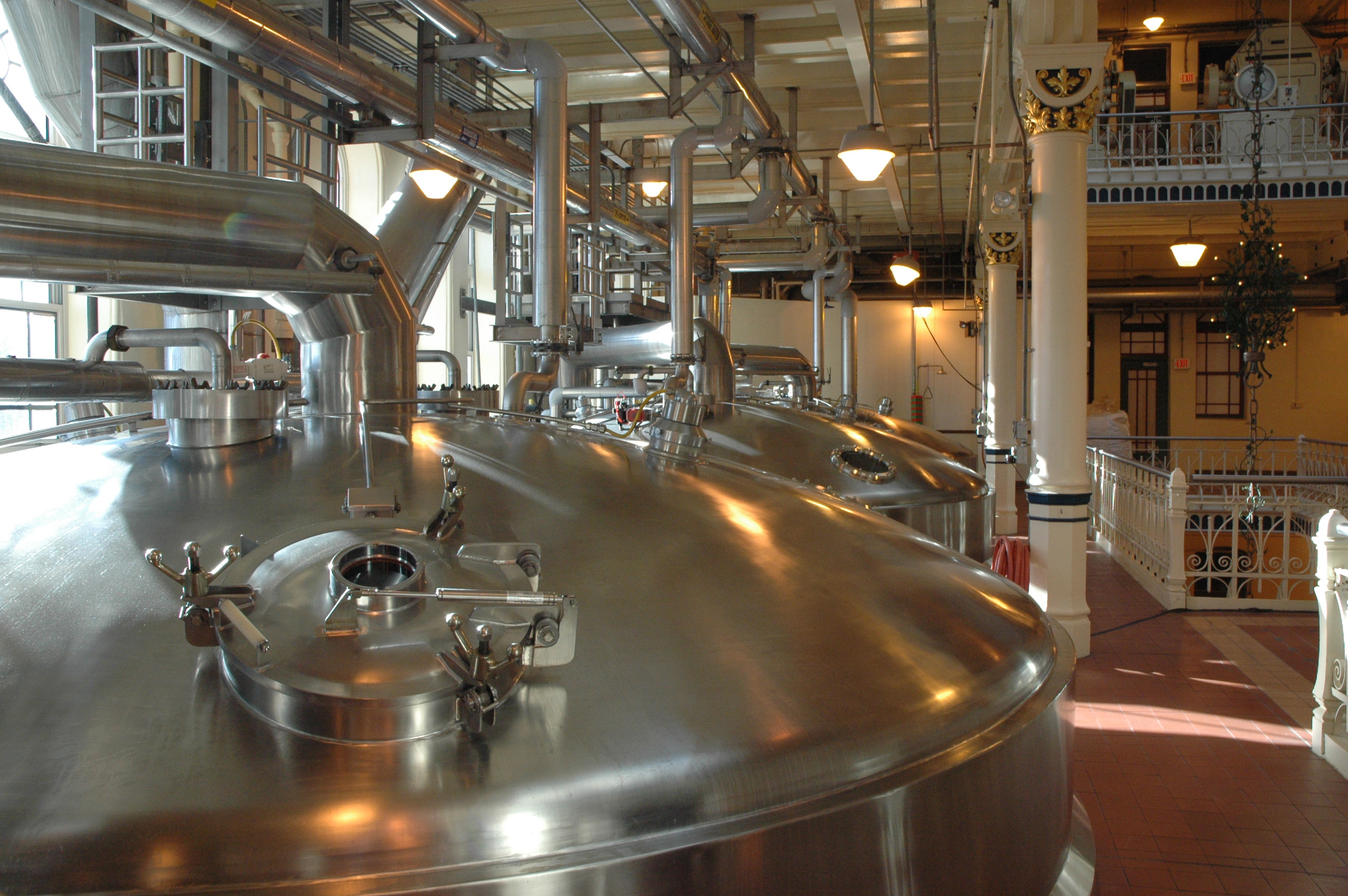
Compliance, Safety, and Regulatory Training
OSHA requirements, harassment prevention, data privacy, workplace safety — these are not areas where you can afford inconsistency. Video ensures that every employee receives identical, legally defensible instruction. Paired with completion tracking, your organization builds a documented compliance record that holds up under audit.
Leadership Development and Soft Skills Training
Interpersonal communication, conflict resolution, time management, and customer empathy are notoriously difficult to teach through reading alone. Scripted scenarios, role-play demonstrations, and interview-style expert segments allow complex behavioral content to be modeled visually — accelerating comprehension and application.
Customer Service and Sales Enablement Videos
Consistency at the customer touchpoint is a competitive advantage. Training videos that model your ideal customer interaction — from greeting language to objection handling to closing techniques — align your entire team around a shared standard of performance that directly impacts revenue.
Equipment and Technology Training
When new machinery, software platforms, or tools are introduced, video dramatically shortens the learning curve. Screen-capture tutorials, close-up equipment demonstrations, and narrated walkthroughs allow employees to train at their own pace, on their own schedule, reducing downtime and accelerating adoption.
Production Considerations for Decision Makers
If you’re evaluating a training video investment for the first time — or reassessing a past experience that didn’t deliver — there are several production variables worth understanding before entering any creative conversation.
Scripting and Content Architecture
The most common mistake organizations make is arriving at a production without a clear content structure. Before a camera rolls, your producer should work with you to map the instructional objectives, identify the target learner, determine the appropriate length and pacing, and build a script or detailed outline. This pre-production investment pays dividends in efficiency and final quality.
Talent: Internal Subject Matter Experts vs. Professional Presenters
Many organizations leverage their own employees as on-camera talent — and when done well, this approach adds authenticity and relatability. A skilled production crew will coach your team members through the process, handling teleprompter operation, lighting adjustments, and multiple takes with patience and professionalism. For highly polished delivery requirements, professional on-camera talent can be sourced as well.
Location vs. Studio Production
Training content is often best captured in two distinct environments. Location footage — filmed on your actual worksite, production floor, retail space, or office environment — grounds the content in your authentic operational reality. Studio production offers controlled lighting, clean audio, and a distraction-free environment ideal for presenter-led segments, interviews with leadership, and talking-head instruction.
The most effective training video productions blend both: location B-roll and process footage combined with clean, professionally lit interview and presentation segments. This approach delivers visual credibility alongside instructional clarity.
Audio Quality: The Non-Negotiable
Decision makers often focus on visual quality when evaluating production bids — but audio is equally, arguably more, critical in training content. Employees sitting through a 20-minute training module with inconsistent or difficult-to-understand audio will disengage immediately. Professional lavalier microphones, boom operators, and location audio management are essential, not optional.
Post-Production: Where Training Video Comes Alive
Raw footage is only the beginning. Professional post-production transforms recorded material into a polished, engaging learning experience. This includes editing for pacing and clarity, motion graphics and lower thirds for visual reinforcement, on-screen text overlays for key terminology, music and sound design for engagement, closed captioning for accessibility and compliance, and encoding in the appropriate formats for your delivery platform.
Retention Video: A Distinct and Underutilized Strategy
While training video addresses skill and knowledge development, retention video targets something equally valuable: employee connection, morale, and long-term organizational commitment.
The data is compelling. Employees who feel seen, valued, and aligned with organizational purpose stay longer, perform better, and become advocates for your brand — internally and externally. Video is a uniquely powerful tool for fostering that connection.
Culture and Values Content
Short-form culture videos — featuring authentic employee stories, behind-the-scenes glimpses of your team, leadership messages, and celebrations of milestones — communicate that your organization is more than a transaction. These assets are equally valuable for internal distribution and external recruitment marketing.
Recognition and Milestone Productions
Anniversary tributes, team achievement highlights, and award recognition videos create shared moments of pride. When an organization invests in commemorating its people on screen, it sends an unambiguous signal: you matter here.
Leadership Communication Video
Quarterly updates, strategic vision presentations, and town hall-style messages from executive leadership — delivered on video — bridge the gap between the C-suite and the broader workforce. Employees who understand organizational direction feel more invested in contributing to it.
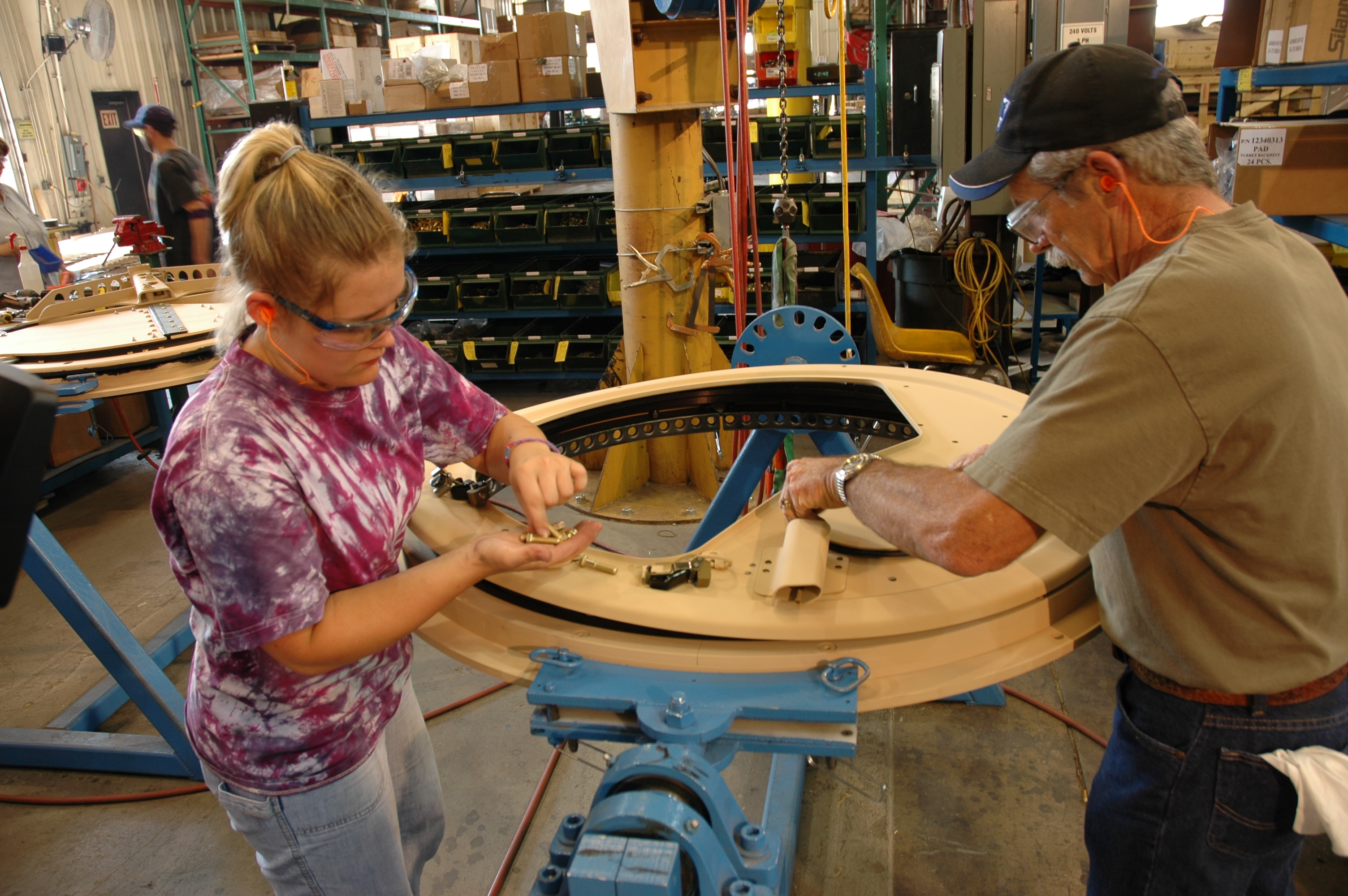
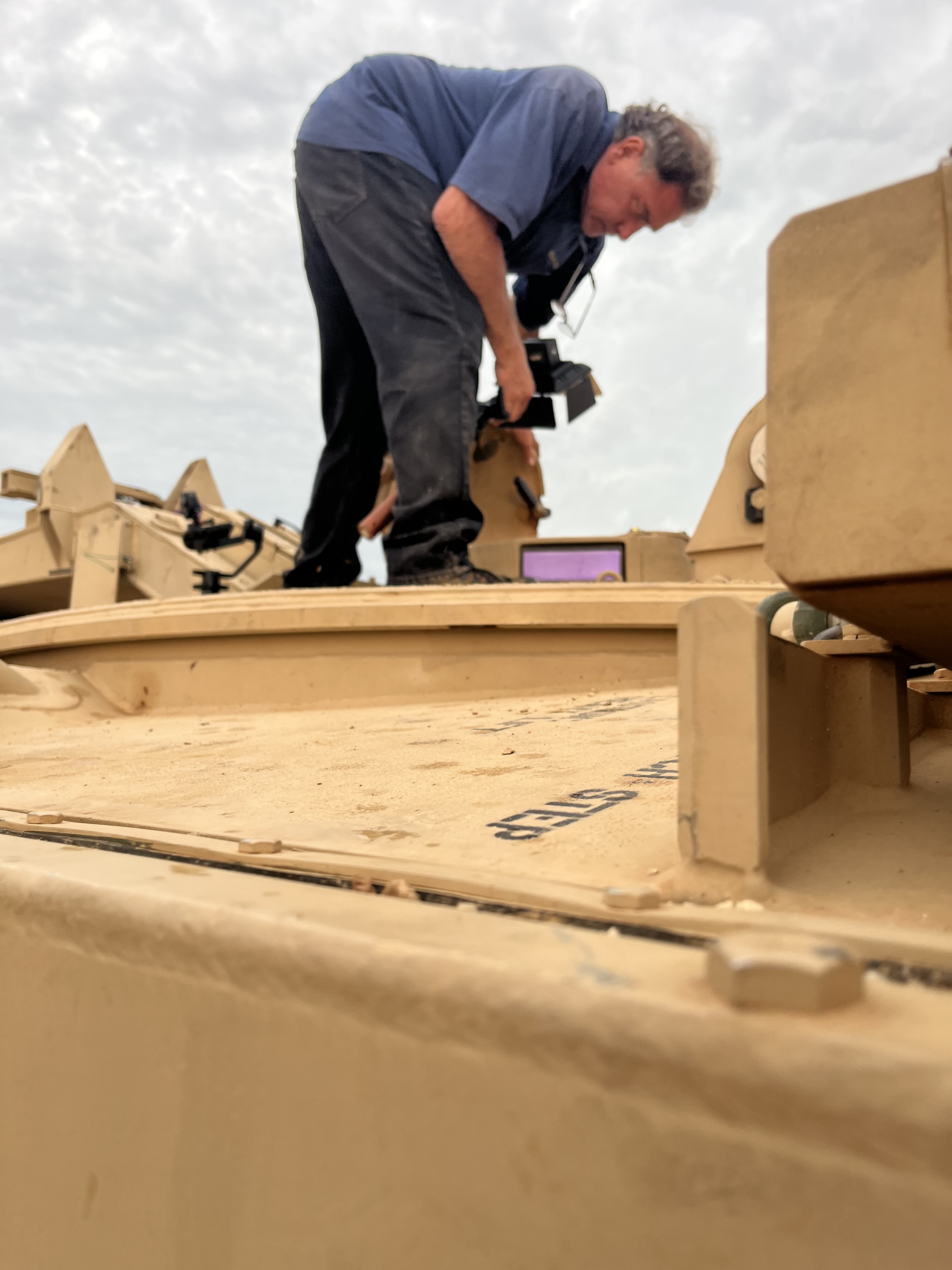
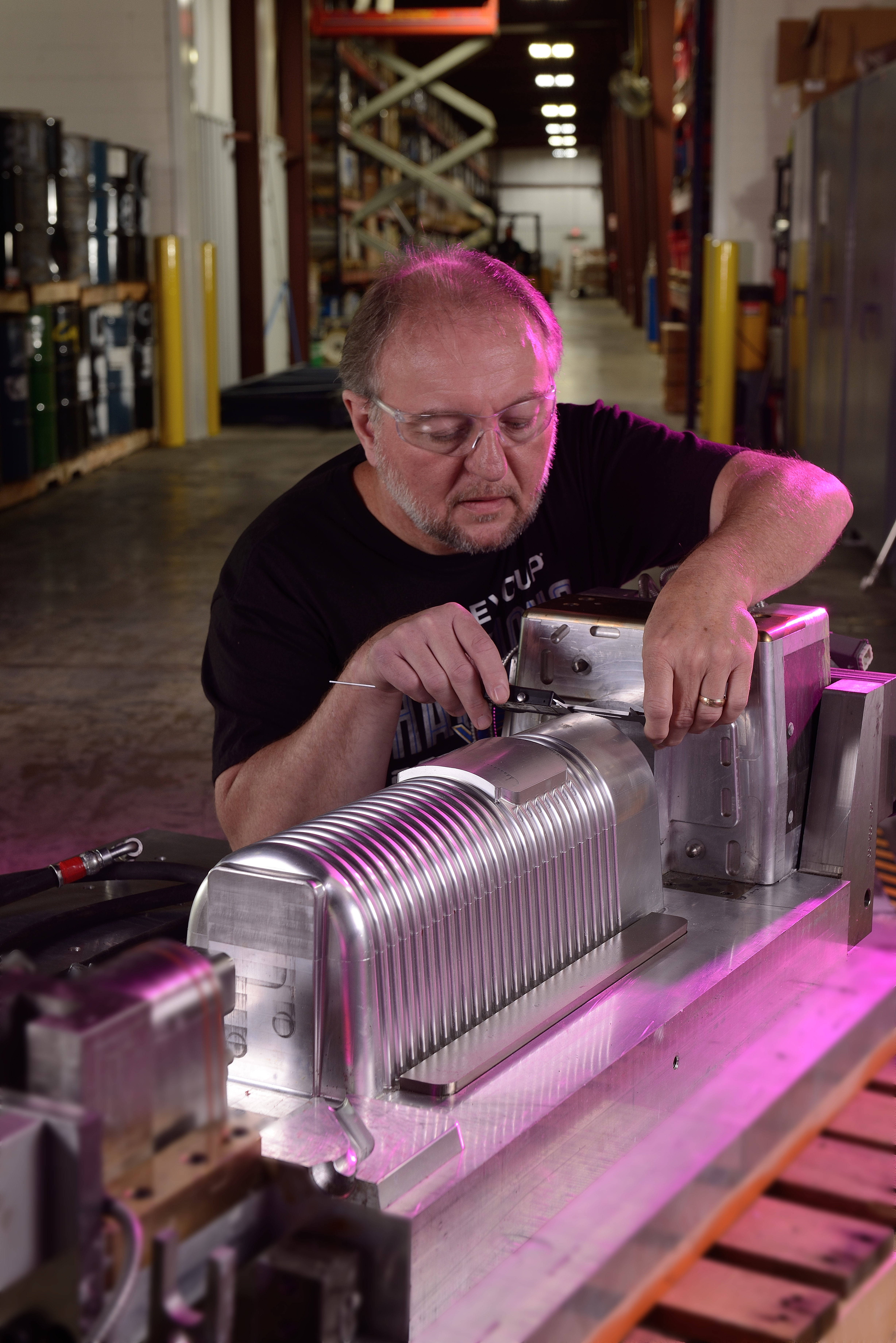
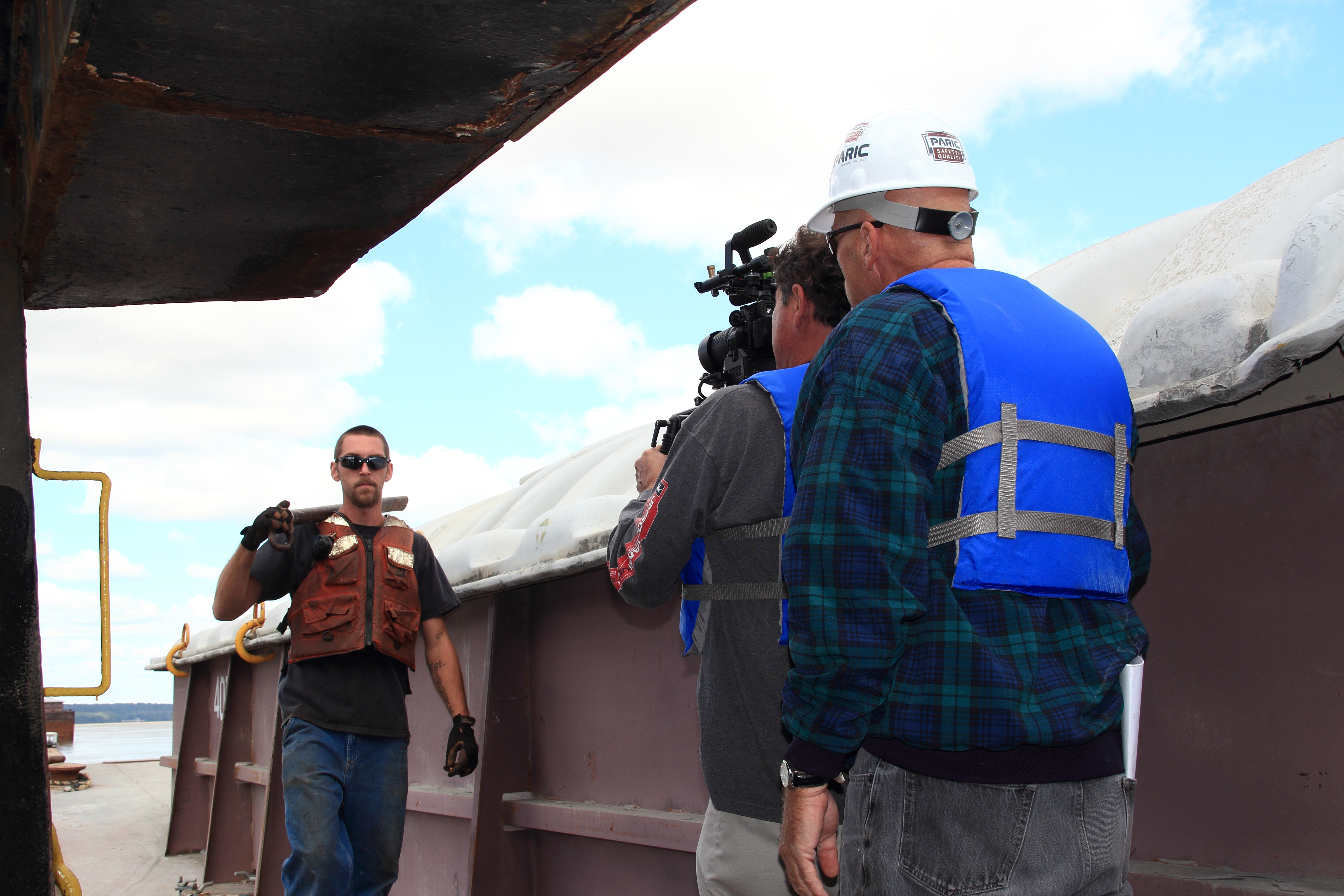
Recruitment and Employer Brand Video
The line between retention and recruitment is thinner than most HR professionals realize. The same content that makes current employees proud to work for your organization makes prospective candidates eager to join it. A well-produced employer brand video is one of the most cost-effective recruitment tools available — particularly in a digital hiring landscape where candidates research organizations extensively before applying.
Building a Multi-Year Training Video Strategy
The organizations that extract the greatest value from training and retention video don’t approach it as a one-time project. They build a content strategy across a multi-year horizon, establishing a consistent visual language, updating modules as processes evolve, and continuously expanding their library as the organization grows.
This strategic approach requires a production partner who understands your business, maintains your brand standards across productions, and can scale up or down based on your content needs in a given quarter. Continuity of partnership produces significantly better outcomes than one-off vendor relationships.
St. Louis Video Crew: Your Full-Service Training and Retention Video Partner
Since 1982, St. Louis Video Crew has been the trusted production partner for businesses, marketing firms, and creative agencies throughout the St. Louis region — delivering commercial photography and video production with the professionalism, equipment, and creative depth that complex projects demand.
For training and retention video specifically, our capabilities are uniquely positioned to serve organizations at every stage of content development.
Our private studio is purpose-built for the clean, controlled production environments that interview segments, presenter-led instruction, and leadership communication videos require. Professional lighting setups, optimized acoustics, and a space large enough to incorporate props and set elements mean your on-camera talent performs with confidence in an environment designed for results. No distractions. No compromises.
For location production, our experienced crew handles all aspects of on-site capture — from production planning and location scouting to B-roll acquisition and ambient audio management. We bring the right equipment to your facility, warehouse, office, or retail environment and capture your operational reality with cinematic clarity.
Our licensed drone services extend your production capabilities significantly. Standard aerial photography and video give your location content a compelling visual dimension. For specialized applications, we operate FPV (First Person View) drones indoors — a capability that opens extraordinary creative possibilities for facility tours, product flow visualization, and immersive environment showcases that standard camera systems cannot achieve. We also offer advanced drone services including infrared thermal imaging, orthomosaics, and LiDAR for organizations with technical, engineering, or compliance documentation needs.
Our post-production capabilities cover every element of the editing and finishing process — from assembly cuts and motion graphics to sound design, color grading, closed captioning, and delivery in any file format your platform requires. We are fluent across all major media file types and production software, and we integrate the latest Artificial Intelligence tools into our workflow to enhance efficiency, consistency, and creative output across every project.
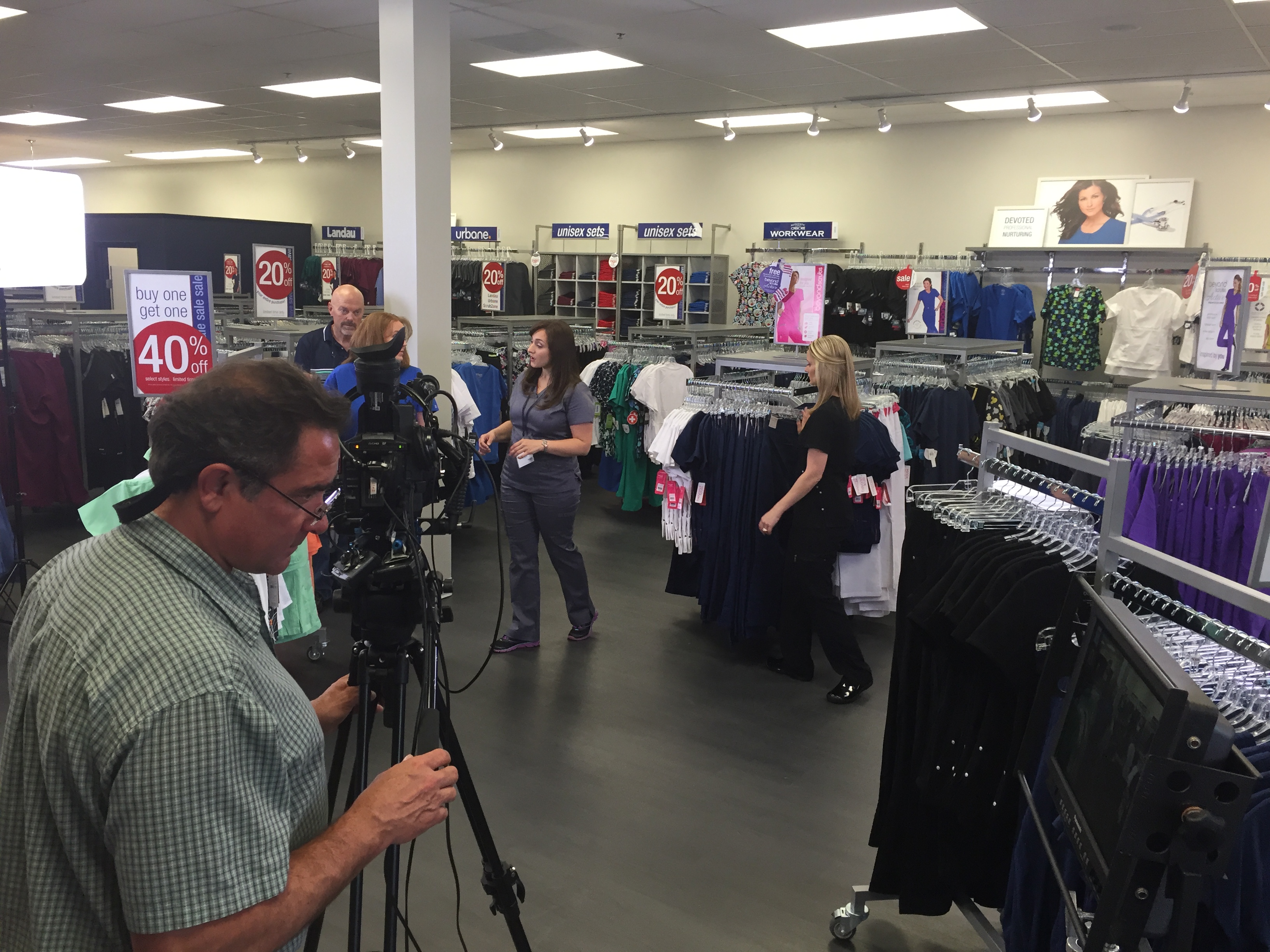
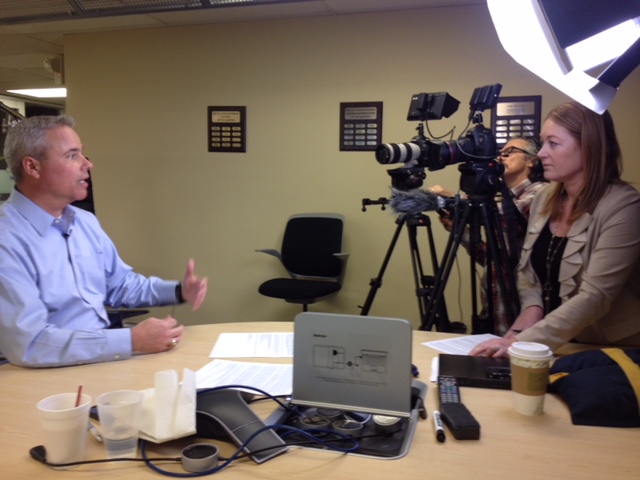
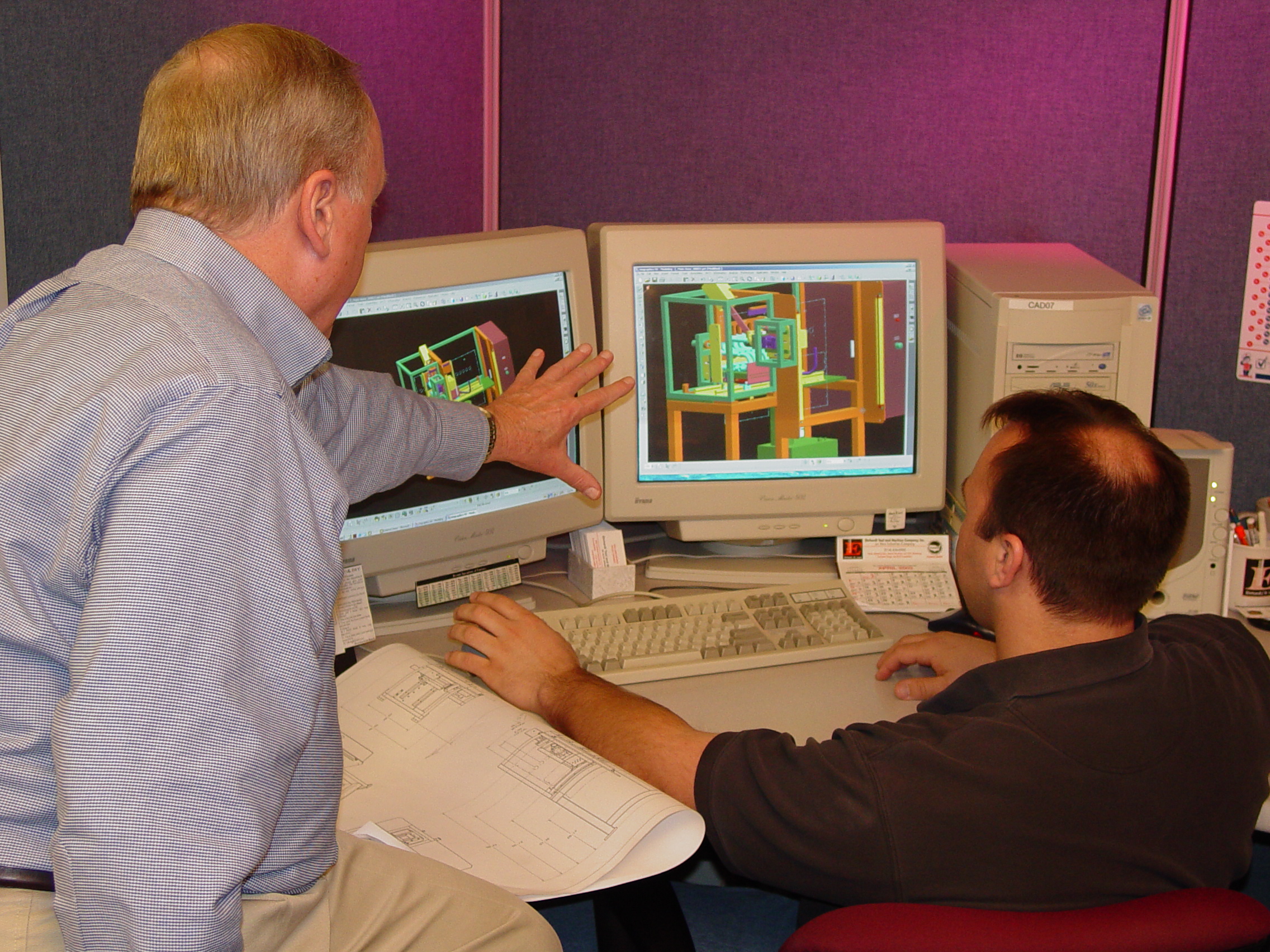
For organizations looking to repurpose and maximize the reach of their media investment, we specialize in adapting core production assets for diverse platform requirements — social media cuts, internal portal versions, digital signage edits, and recruitment-facing content — so your production budget works harder across every channel.
We understand that training and retention video serves multiple masters: HR leadership, operations management, marketing, legal and compliance, and the employees themselves. Our team brings the creative sensibility and production discipline to serve all of those stakeholders simultaneously.
From the initial strategy conversation through final delivery, St. Louis Video Crew supports every aspect of your production — scripting consultation, studio setup, location scouting, professional camera and sound operation, post-production, and file delivery. Our four-decade track record in the St. Louis market reflects a consistent commitment to one outcome: productions that work.
If your organization is ready to invest in employee training and retention video that delivers measurable results without unnecessary cost, let’s talk.
St. Louis Video Crew — Full-Service Commercial Photography and Video Production. Studio and Location. Editing and Post-Production. Licensed Drone Services. Serving St. Louis Since 1982.
Studio and Location Crew for Testimonials and B-Roll in St. Louis
When organizations invest in testimonial videos and supporting b-roll, they are not simply producing content. They are shaping perception, establishing credibility, and giving prospects a clearer reason to trust their brand. In St. Louis, businesses, agencies, and marketing teams often need more than a camera operator. They need a professional crew that understands how to capture authentic interviews, produce purposeful supporting visuals, and manage both studio and on-location environments with efficiency.
That is where a seasoned studio and location crew becomes essential.
At St Louis Video Crew, testimonial production and b-roll acquisition are not treated as separate tasks. They are developed together as part of a strategic visual process. The testimonial delivers the voice of the brand, the customer, or the leadership team. The b-roll gives that message texture, context, motion, and proof. When handled correctly, the result is a polished and persuasive asset that can serve a wide range of marketing, communications, recruiting, training, and public relations needs.
Why testimonial videos remain one of the most effective marketing tools
Testimonial videos continue to be among the most persuasive forms of branded media because they combine human presence with direct experience. A well-produced testimonial allows viewers to hear a real voice, observe facial expressions, and interpret sincerity in a way that text alone rarely matches.
For decision makers, this matters because buyers are increasingly skeptical of generic brand claims. They want reassurance. They want proof. A testimonial video can offer both, especially when the production is carefully planned around message clarity, credible interview subjects, and visuals that reinforce the story rather than distract from it.
A strong testimonial can help organizations:
- Build trust with prospective clients or customers
- Demonstrate measurable outcomes or service quality
- Humanize leadership, employees, and brand values
- Support sales presentations and proposal materials
- Strengthen website conversion pages and landing pages
- Add credibility to social media and email campaigns
- Provide evergreen content that can be reused across multiple channels
A testimonial is often most effective when it feels natural, not staged. That takes experience. Interviewees need the right environment, proper coaching, professional lighting, and a crew that knows how to make people feel comfortable on camera.
Why b-roll is not just filler
Many organizations underestimate the importance of b-roll. They may think of it as secondary footage captured around the interview, but in high-quality production, b-roll is doing much more than filling visual gaps.
B-roll helps tell the truth visually.
If a company says it values teamwork, the supporting footage should show real collaboration. If a client describes a product improving workflow, the visuals should show that workflow in action. If a healthcare provider speaks about patient experience, the footage should reflect professionalism, environment, interaction, and care.
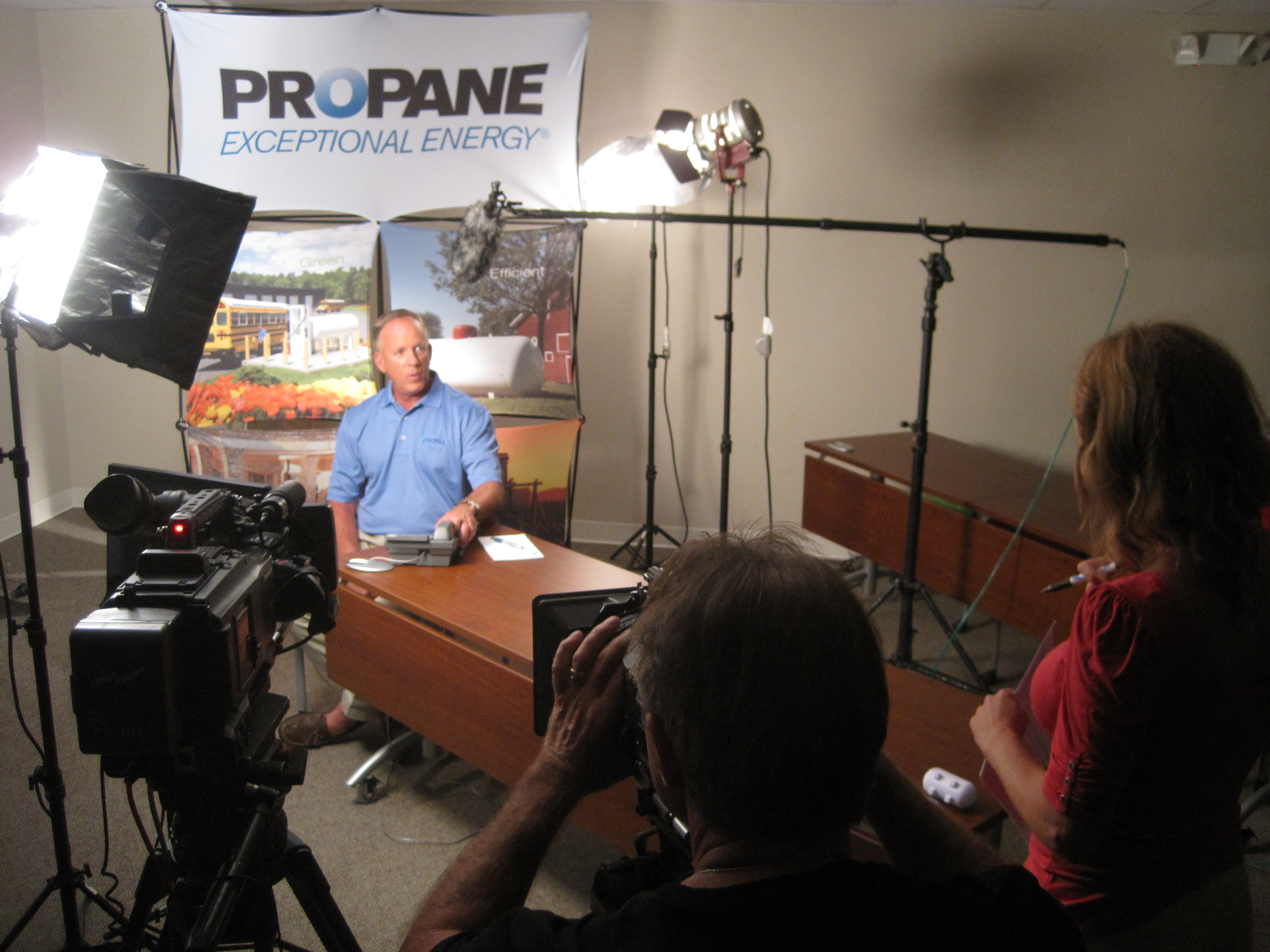
Good b-roll serves several important functions:
- It supports and verifies spoken statements
- It improves pacing and visual variety
- It hides interview edits cleanly
- It adds production value and energy
- It gives editors more flexibility in shaping a narrative
- It extends the usefulness of the shoot for future content
The strongest b-roll is not random. It is planned, intentional, and aligned with the message of the interview. That is why an experienced crew approaches testimonial shoots with a clear understanding of the final deliverables before the first frame is recorded.
Studio or location: which is better for testimonial production?
The answer depends on the goals of the project, the brand personality, the available environment, and how much control is needed.
The advantages of a studio testimonial shoot
A studio setting gives production teams control. Lighting, sound, background, and composition can all be managed precisely. This often leads to a cleaner, more consistent visual presentation, especially when the brand wants a polished and refined result.

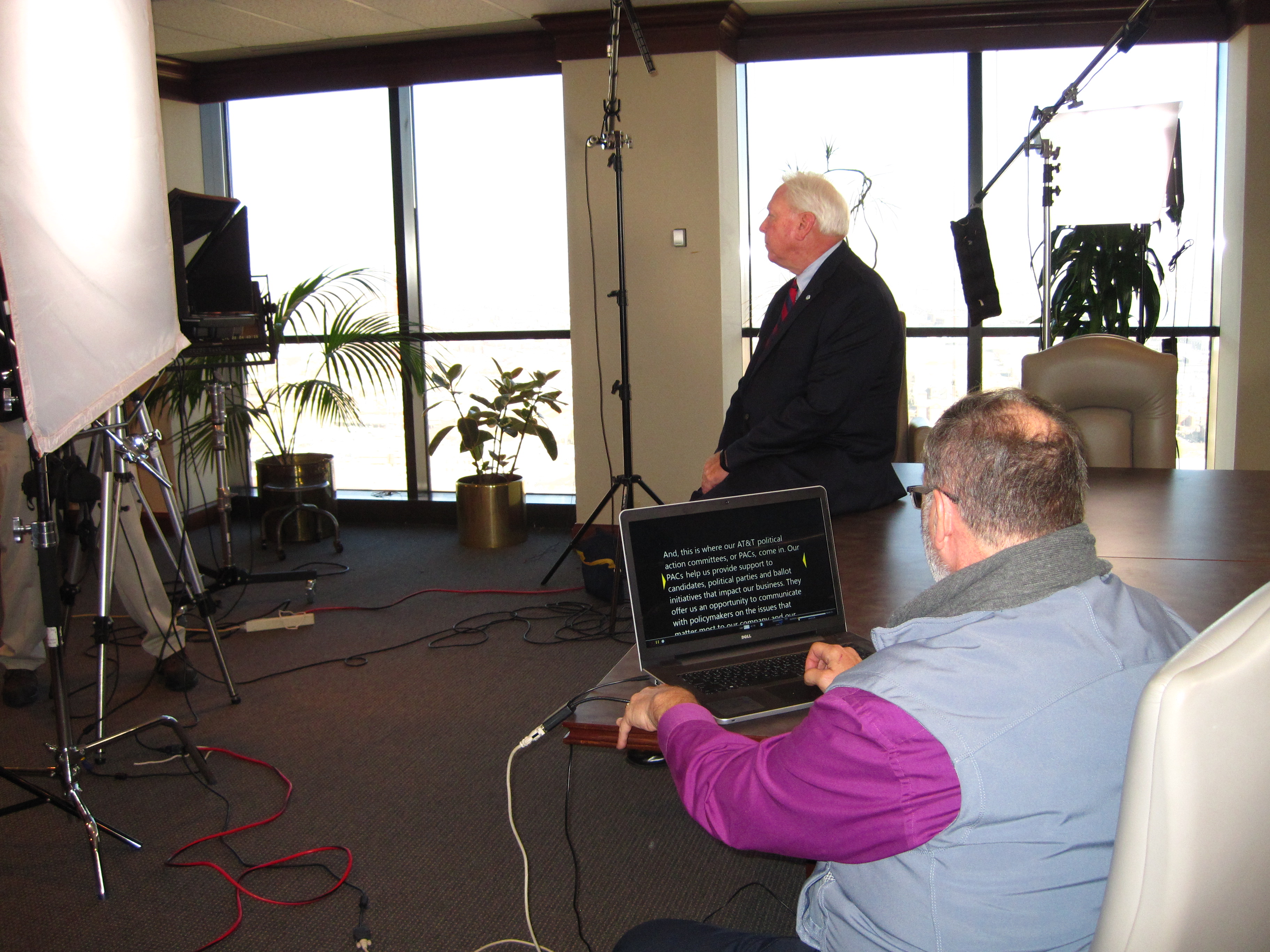
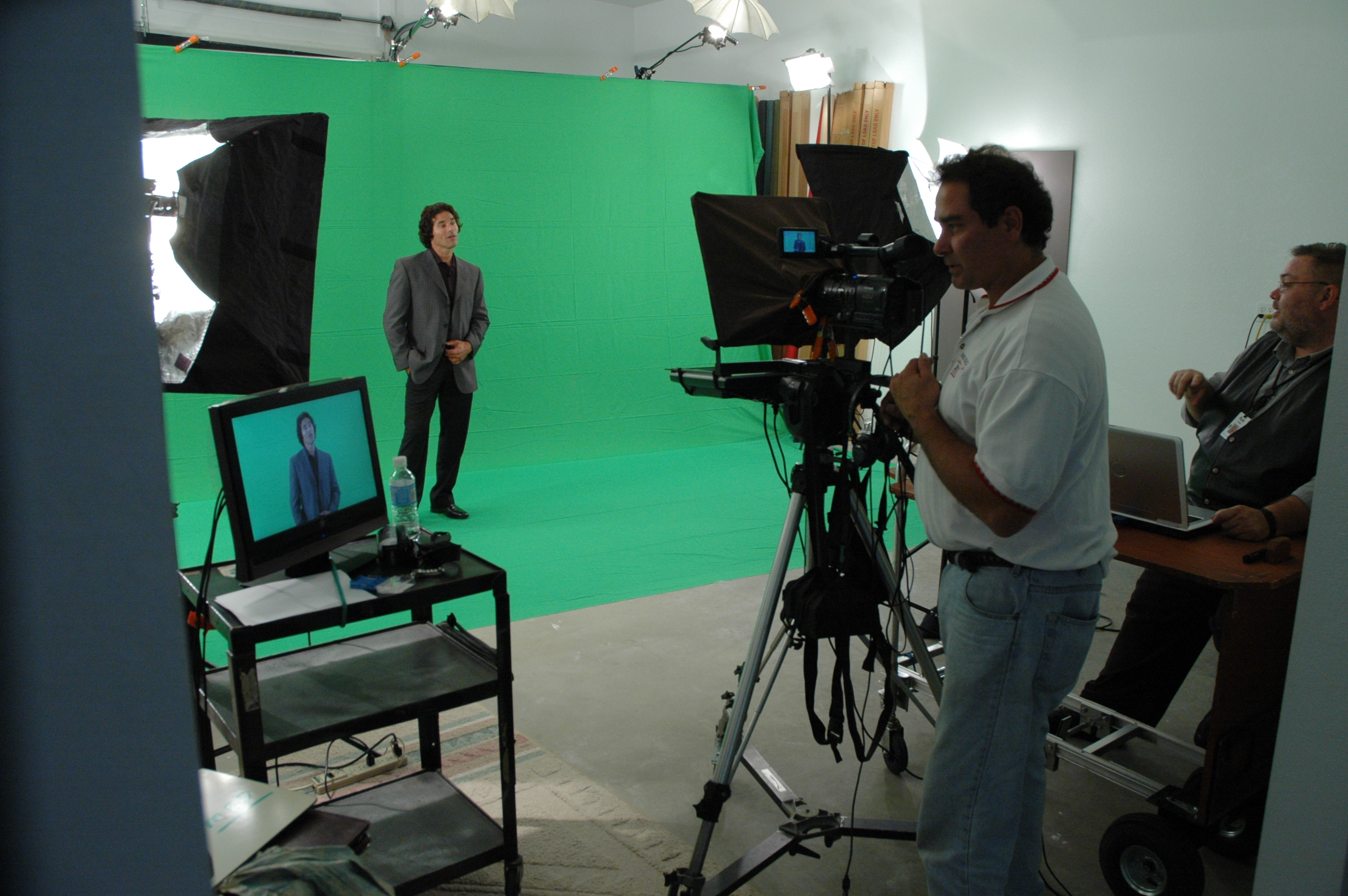
Studio interviews are ideal when:
- The message should feel formal, premium, or highly controlled
- The location is noisy, cluttered, or visually distracting
- Multiple interviews need to match visually
- Tight scheduling requires efficiency
- The team wants dependable lighting regardless of weather or time of day
- Confidential or sensitive subjects need a private environment
Studio productions also reduce uncertainty. There is no waiting on weather, managing public interruptions, or fighting uncontrollable ambient sound. For many businesses, this can make the day smoother and more productive.
The advantages of filming on location
On-location interviews can bring authenticity and environmental relevance that a studio cannot always replicate. A manufacturing facility, medical office, corporate headquarters, warehouse, school, restaurant, or jobsite can all add visual credibility when used thoughtfully.
Location shoots are ideal when:
- The setting is part of the story
- The brand wants a natural, real-world tone
- The interview subject is more comfortable in a familiar environment
- The project benefits from active b-roll captured in the same space
- The organization wants to visually showcase operations, facilities, or culture
The challenge with location production is that real environments often create technical obstacles. Sound reflections, HVAC noise, foot traffic, mixed lighting, and limited space can all affect the quality of the result. An experienced crew knows how to adapt quickly and still deliver a strong image and clean sound.
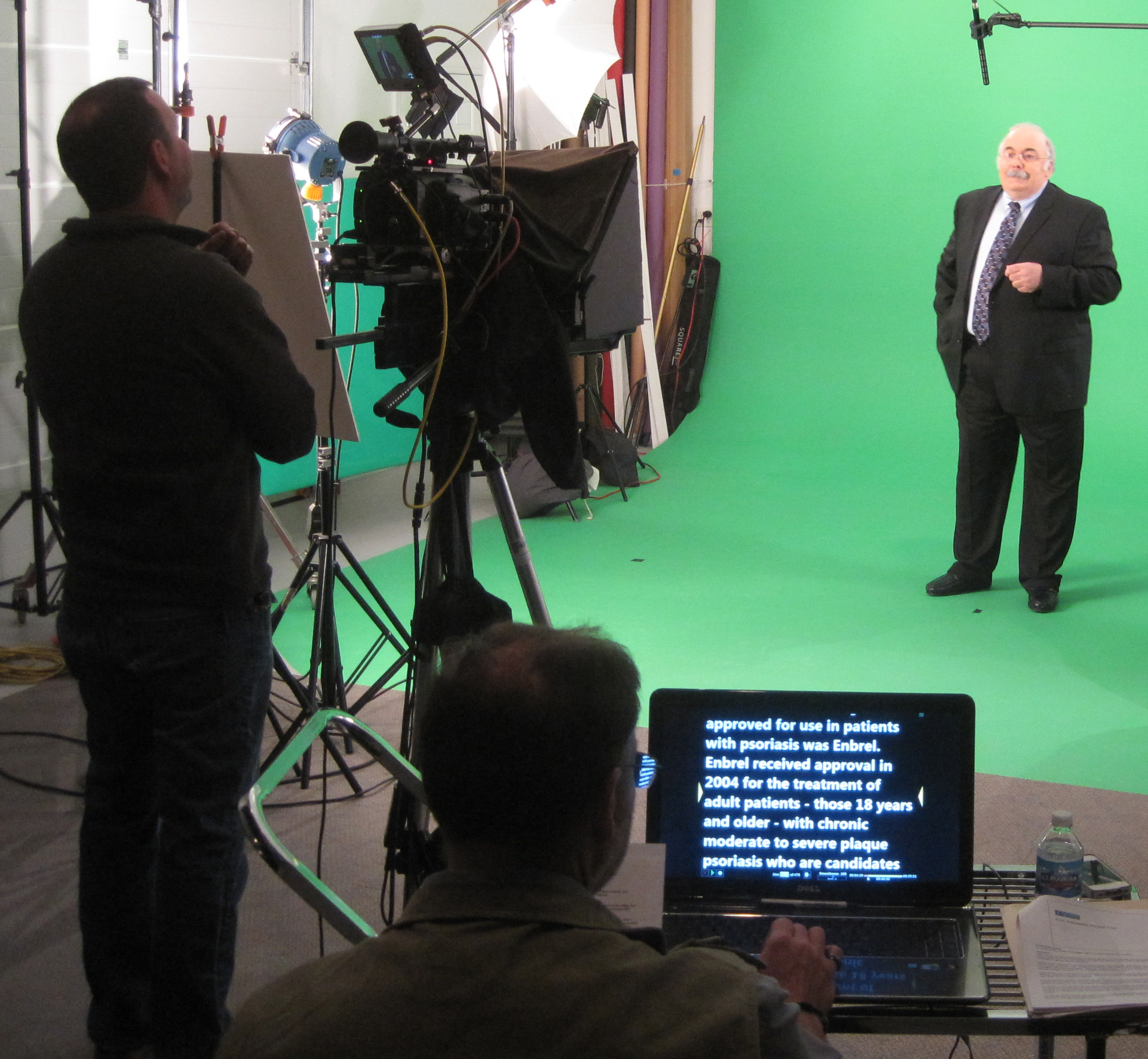

The best productions often use both studio and location elements
One of the smartest production approaches is to combine the strengths of both environments. A testimonial may be filmed in a controlled studio setup for the cleanest interview capture, while location footage is gathered separately to provide contextual b-roll. In other cases, the interview is filmed on location and enhanced with additional studio elements for graphics, product shots, or secondary messaging.
This hybrid method gives marketing teams more flexibility. It can create a finished piece that feels authentic while still maintaining a polished visual standard. It also opens the door for producing multiple edits from one production day or one coordinated production plan.
For example, one shoot might generate:
- A full-length testimonial video
- A shorter website homepage edit
- Social media cutdowns
- Vertical reels
- Standalone b-roll assets
- Employee recruitment clips
- Sales support material
- Internal communications content
This is where careful planning pays off. The more intentionally footage is captured, the more useful it becomes across future campaigns.
What decision makers should expect from a professional testimonial and b-roll crew
A professional production crew should do far more than show up with cameras. Strong results come from process, preparation, and communication.
A well-managed testimonial and b-roll project should include:

1. Pre-production planning
Before production begins, the team should identify the purpose of the piece, who the audience is, where the content will live, and what the interview needs to accomplish. This stage often includes choosing subjects, defining topics, selecting locations, planning logistics, and building a shot list for supporting visuals.
2. Interview strategy
The quality of a testimonial often depends on the questions asked and how they are asked. Interviewees should be guided in a way that produces natural, complete answers rather than stiff, promotional sound bites. Experienced producers know how to direct conversations so that the subject sounds confident, credible, and human.
3. Technical control
Lighting, composition, audio, lens choice, background separation, and camera movement all influence the final quality of the video. Strong production crews think through these factors in advance and adjust them in real time.
4. Purposeful b-roll capture
A professional crew does not capture generic footage just to have something in the edit. They gather visuals that specifically support the testimonial message and enhance the narrative.
5. Efficient production management
Businesses often need minimal disruption to operations. A skilled crew can work efficiently, maintain professionalism in active business environments, and keep production moving without sacrificing quality.
6. Post-production shaping


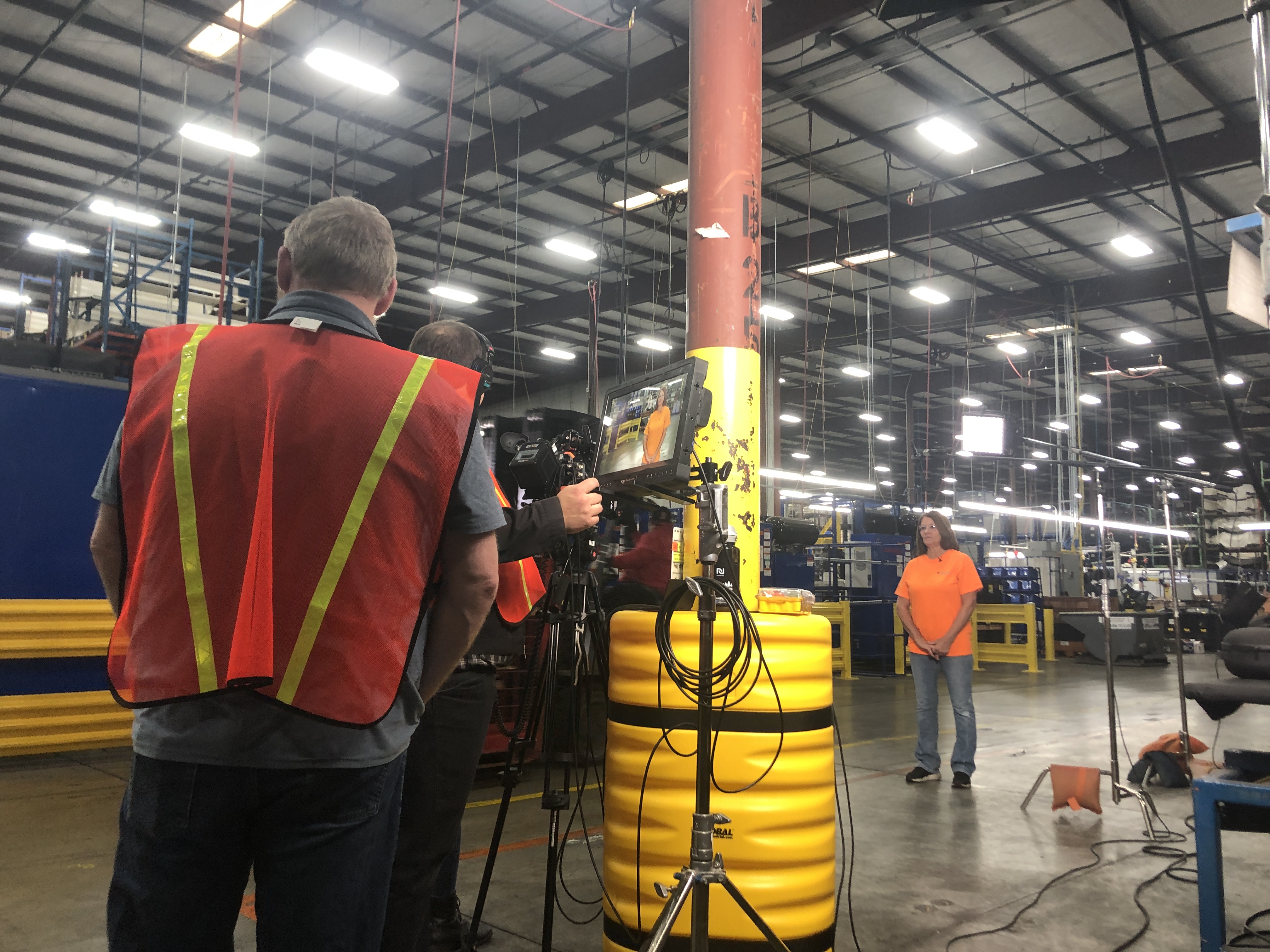
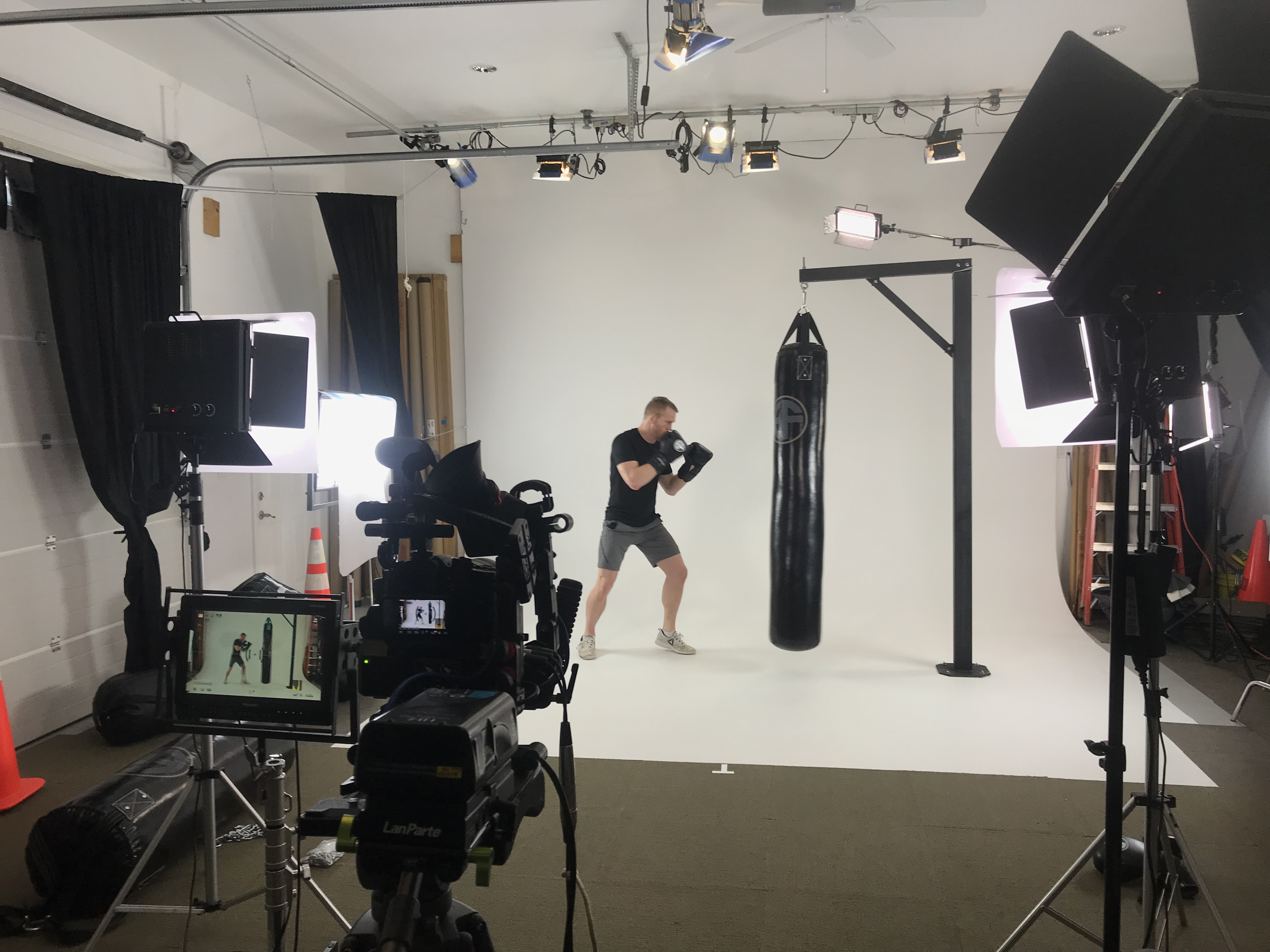
The real story is often refined in the edit. Interview pacing, b-roll placement, music, graphics, color grading, sound cleanup, and alternate versions all contribute to how the piece ultimately performs.
Common mistakes organizations make with testimonial videos
Even strong organizations can weaken their message if the production is not handled strategically. Some of the most common issues include:
Choosing the wrong interview subject
Not every satisfied client or team member communicates well on camera. The strongest subject is usually someone who is articulate, specific, credible, and genuinely comfortable sharing experience.
Relying on scripted answers
Over-scripted testimonials often feel artificial. Interview subjects should be prepared, but not forced into memorized language.
Neglecting sound quality
Viewers may tolerate imperfect visuals more than poor audio. Clean, intelligible sound is essential.
Capturing weak or irrelevant b-roll
Generic office shots and random camera movement rarely strengthen the story. Supporting footage should be connected directly to the subject matter.
Shooting without a repurposing plan
If the footage is only structured for one final video, the organization may miss valuable opportunities to extend its return on investment.
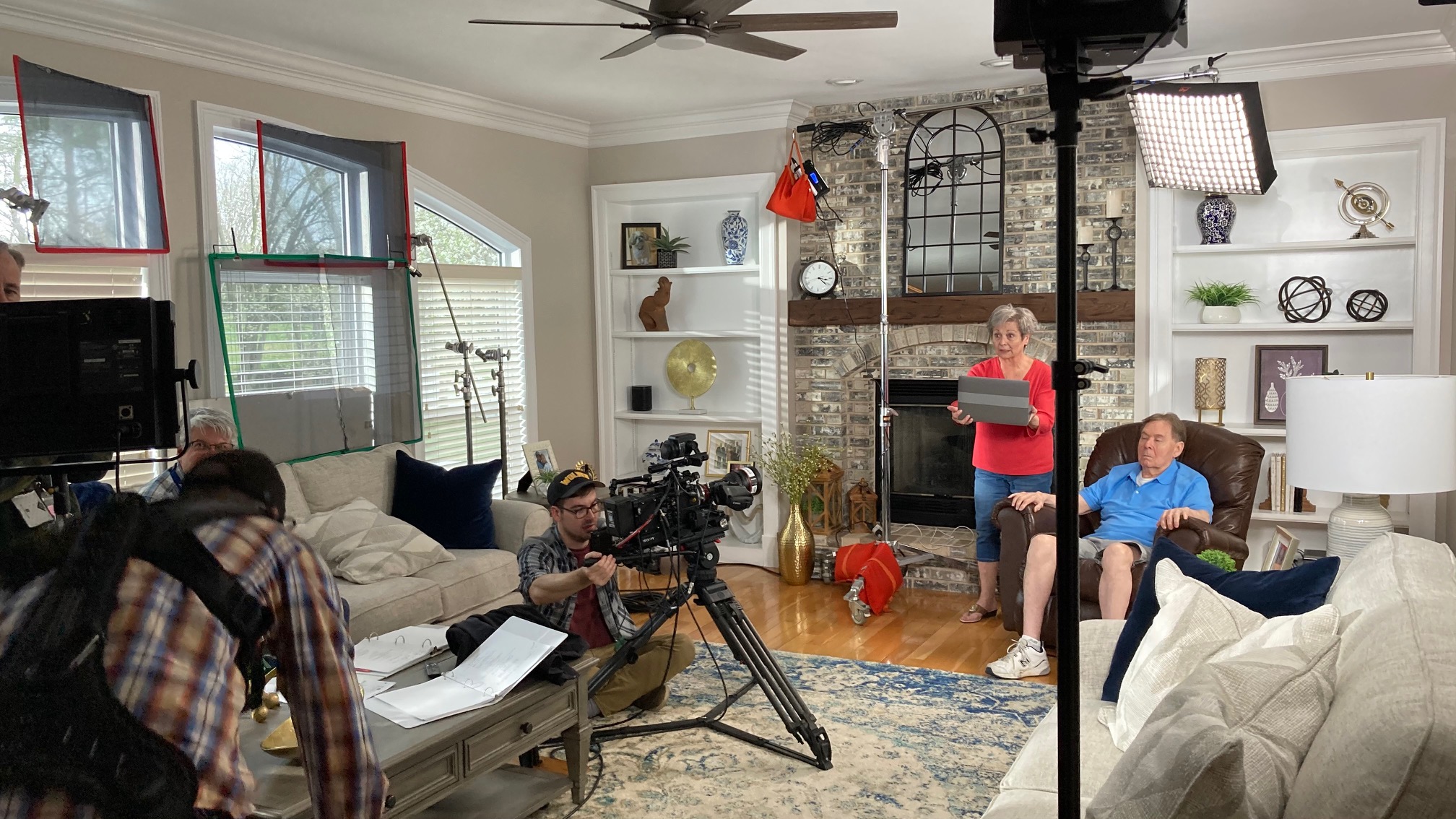
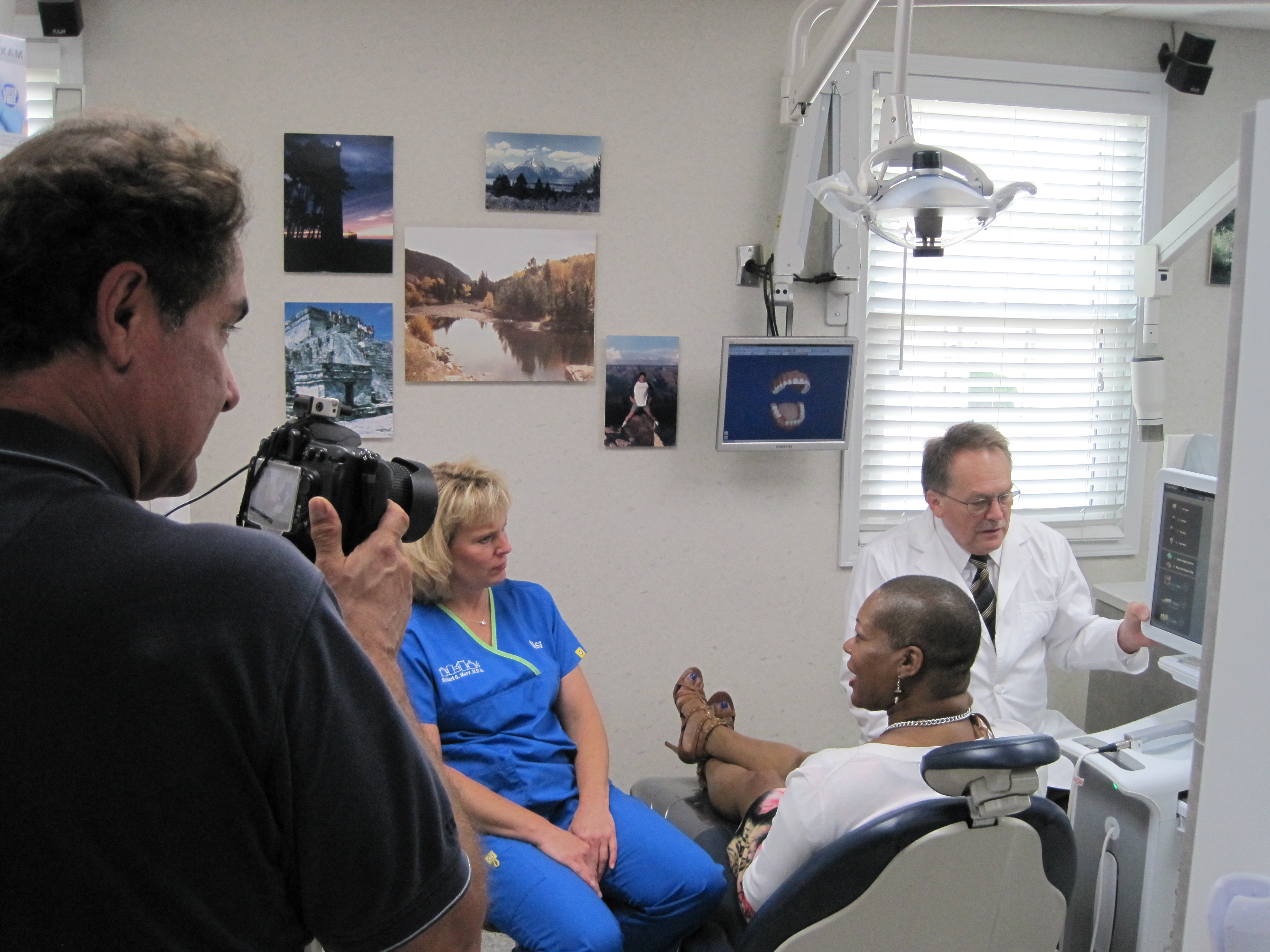
Why location scouting matters in testimonial and b-roll production
Location scouting is one of the most overlooked parts of successful production. The right environment affects not only aesthetics, but also sound, workflow, lighting conditions, crew movement, safety, and efficiency.
For testimonial and b-roll work, proper scouting helps identify:
- The best interview background
- Sources of noise or interruptions
- Optimal times for natural light
- Traffic flow and employee activity
- Power availability and staging areas
- Exterior opportunities for arrival shots, signage, or drone footage
- Indoor movement paths for gimbal or FPV drone shots
Good scouting minimizes surprises and improves production speed. It also helps the creative team identify visuals that will elevate the story rather than settling for whatever happens to be available on the day of the shoot.
The value of specialized b-roll in modern marketing
Today’s marketing environment requires more content from every production day. This is why strategic b-roll has become even more valuable.
In many cases, the supporting footage from a testimonial shoot ends up being just as important as the interview itself. It can be reused for:
- Website banners and hero sections
- Social campaigns
- Brand reels
- Recruiting videos
- Sales presentations
- Event screens
- Digital ads
- Corporate overviews
- Email marketing assets
When the crew understands this from the beginning, they can capture a much richer library of material. That gives marketing teams more flexibility and helps maximize production value.
Indoor FPV drones and advanced drone visuals for business storytelling
For companies that want more dynamic visuals, specialized drone services can add a strong layer of visual interest. FPV drones, in particular, can create fluid, immersive interior movement through facilities, offices, showrooms, warehouses, and production spaces. When flown by experienced operators, indoor FPV footage can reveal scale, layout, energy, and workflow in a way that traditional handheld or gimbal shots may not.
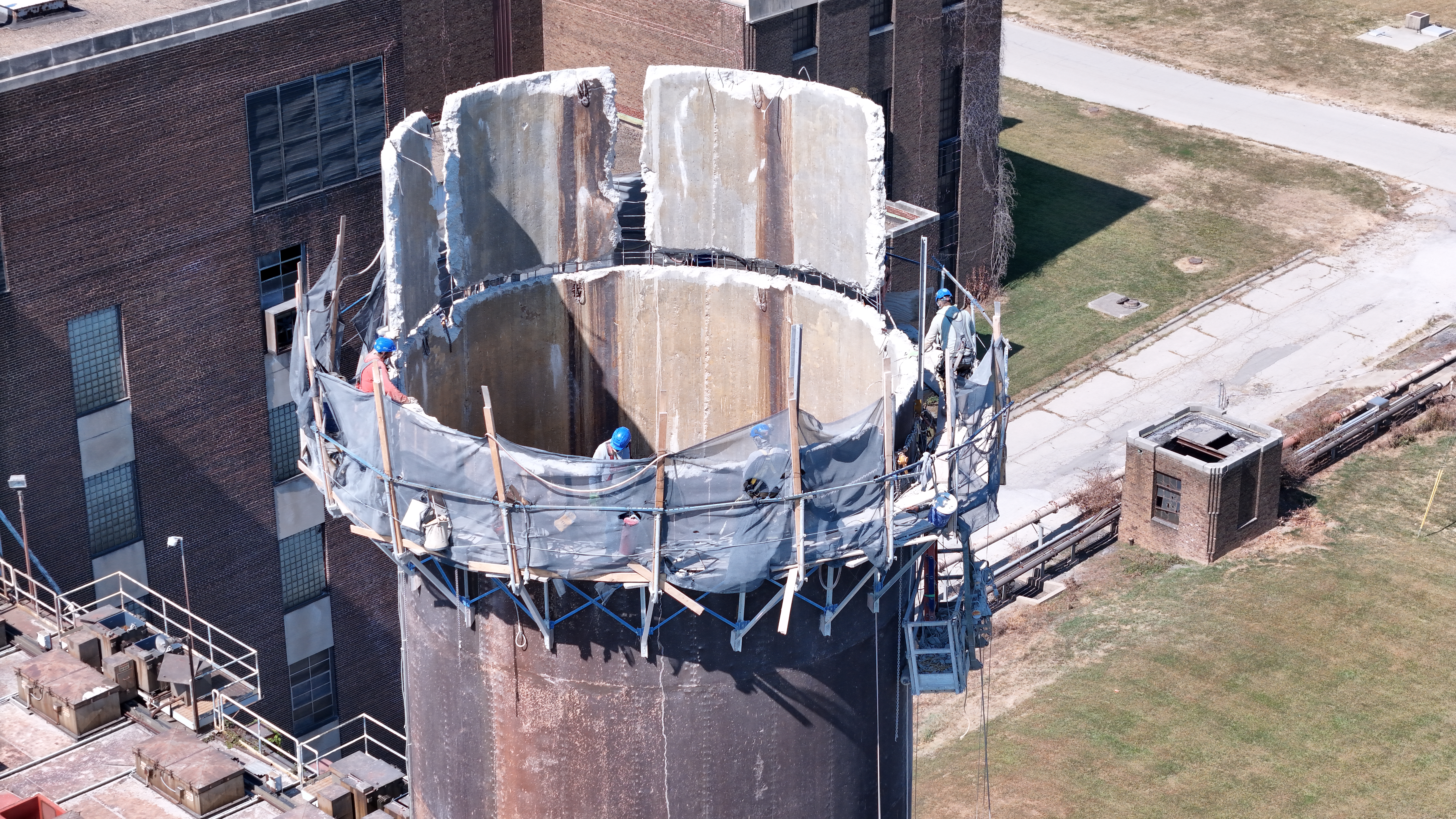
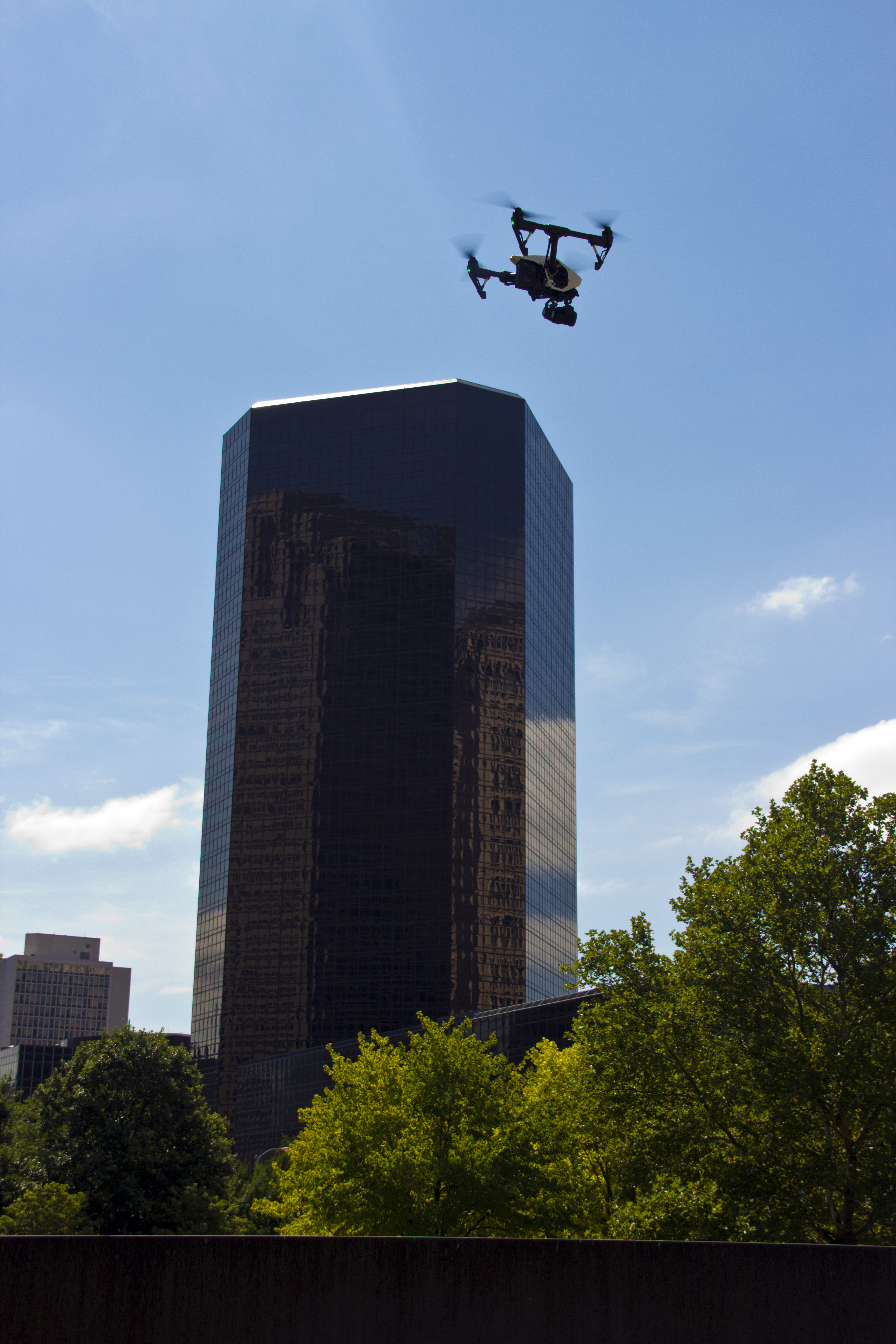
This is especially effective for:
- Manufacturing and industrial environments
- Warehouses and logistics operations
- Corporate spaces and office tours
- Hospitality and venue marketing
- Schools, campuses, and institutional environments
- Showrooms and retail interiors
Beyond FPV, drone services can also support broader production and documentation needs. Infrared thermal imaging, orthomosaics, and LiDAR can serve clients in industries where visual inspection, measurement, mapping, and technical data matter alongside marketing visuals. For organizations with diverse content needs, having access to these services through one experienced production partner can simplify project coordination significantly.
How experienced crews make interview subjects look and sound better
Most people are not professional speakers. They may be excellent leaders, satisfied clients, or valuable employees, but that does not mean they are instantly comfortable in front of a camera.
An experienced producer helps by:
- Setting a calm and confident tone
- Framing questions in a conversational way
- Encouraging complete, natural answers
- Reducing self-consciousness during the interview
- Managing pace and pauses
- Creating an environment where authenticity comes through
This is one of the biggest differences between basic video capture and professional testimonial production. The equipment matters, but so does the ability to draw out clear, believable communication.
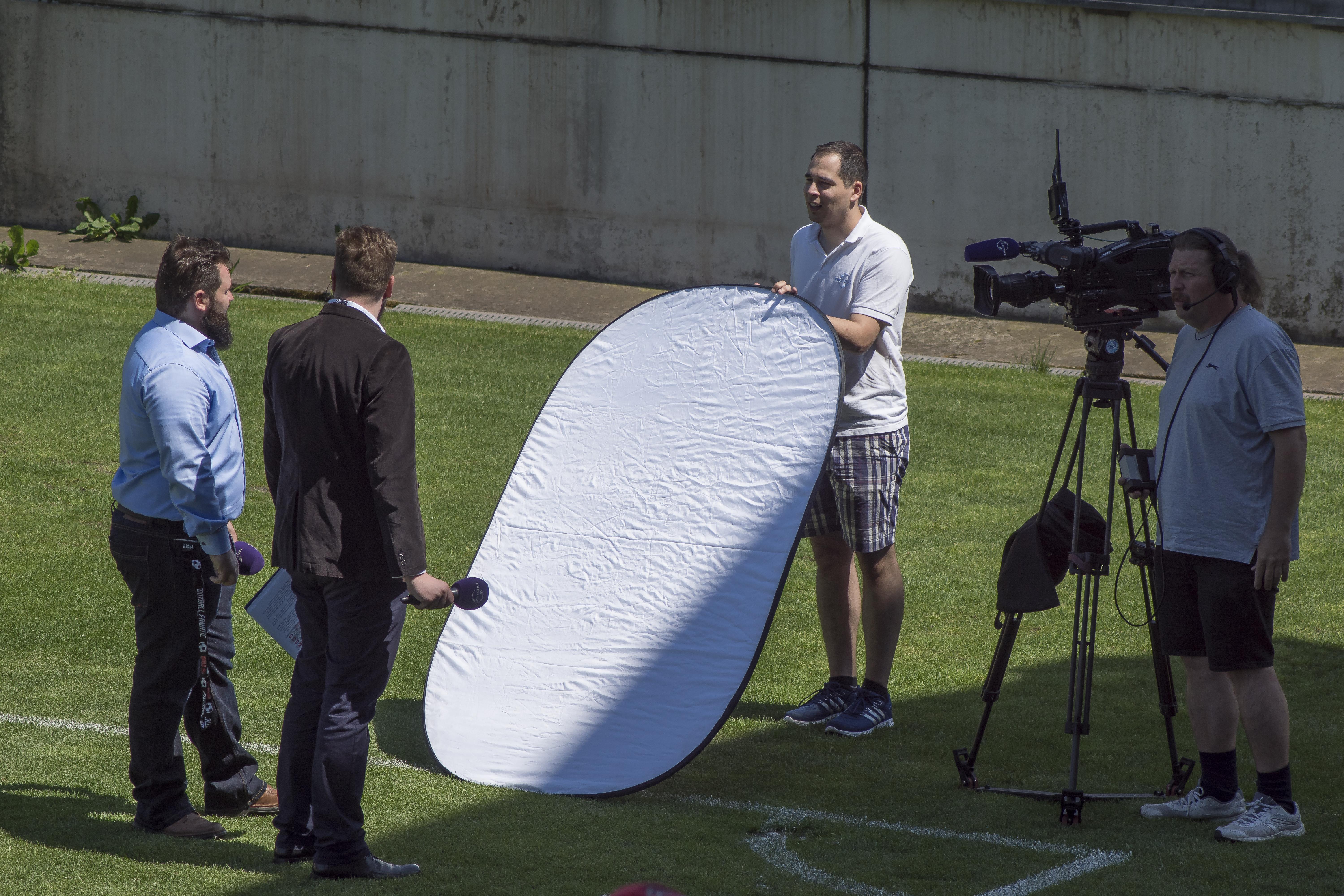
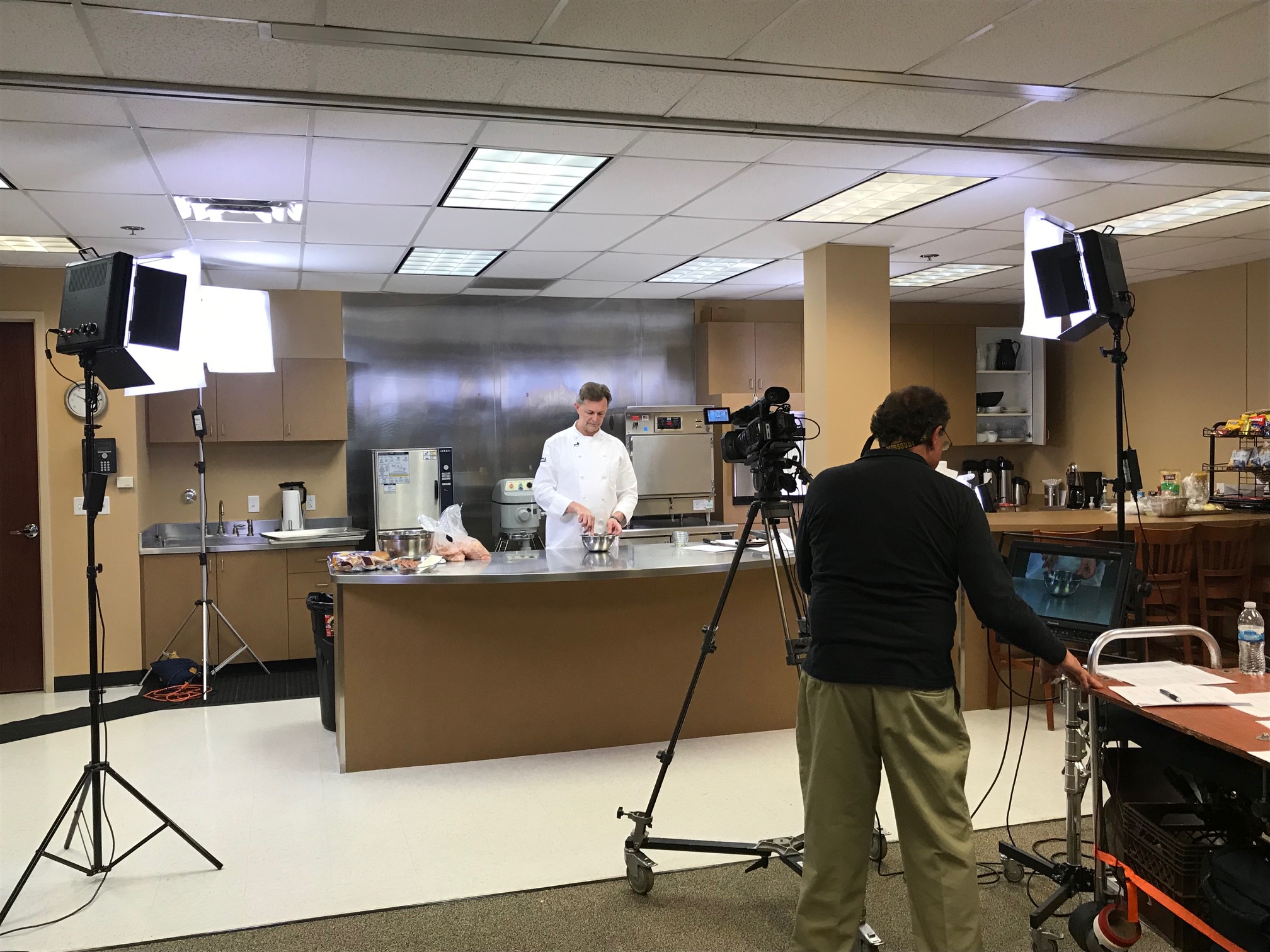
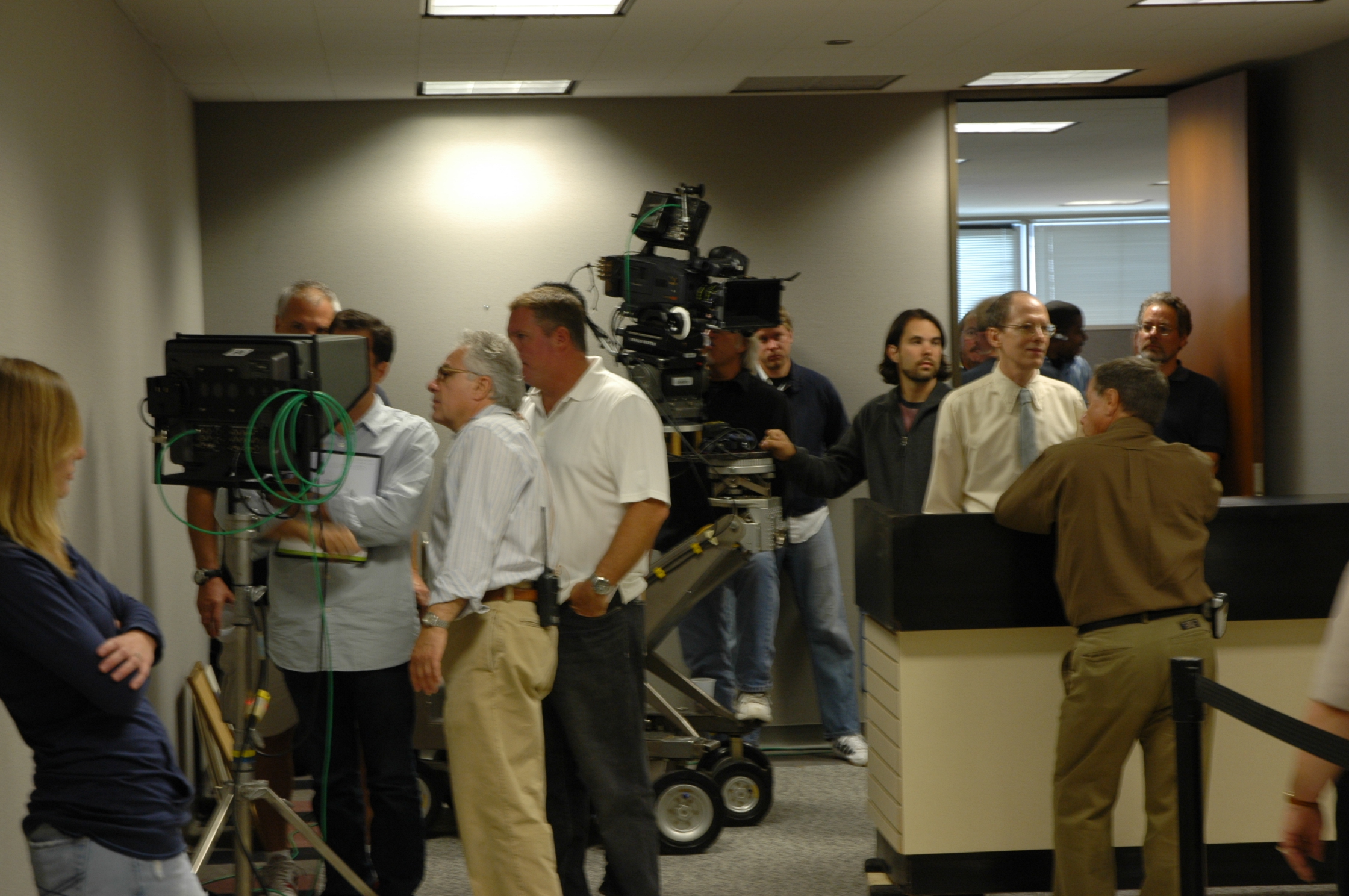
Planning for long-term content value
A testimonial shoot should not be viewed as a one-time content expense. It should be approached as a chance to build a media library. Smart planning can turn one production into a broad collection of reusable assets.
That means thinking ahead about:
- Horizontal and vertical framing needs
- Short-form and long-form edits
- Alternate opening hooks
- Pull quotes and text overlays
- Additional still photography opportunities
- Evergreen b-roll that can support future campaigns
- Visuals for seasonal or targeted messaging
Organizations that plan this way get more from their investment and reduce the need for constant reshoots.
Why St. Louis businesses benefit from a local studio and location crew
A local crew brings more than convenience. They bring familiarity with St. Louis environments, production logistics, travel considerations, permitting realities, and practical scheduling. They also understand how to work efficiently with local businesses, marketing teams, and agencies that need both quality and responsiveness.
For testimonial and b-roll work, local knowledge can improve everything from location selection to timing to on-site coordination. It also supports a smoother production experience for clients who need a reliable partner with a professional crew presence.
Final thoughts
Testimonial videos and b-roll remain among the most useful visual assets an organization can produce, but their success depends on more than just recording someone speaking on camera. The strongest results come from aligning message, setting, visual support, and production strategy from the start.
Whether a project is best suited for a studio, a live location, or a combination of both, the goal remains the same: create content that feels credible, polished, and useful across multiple platforms. When that is done well, testimonial and b-roll production becomes more than content creation. It becomes an asset-building process for the brand.
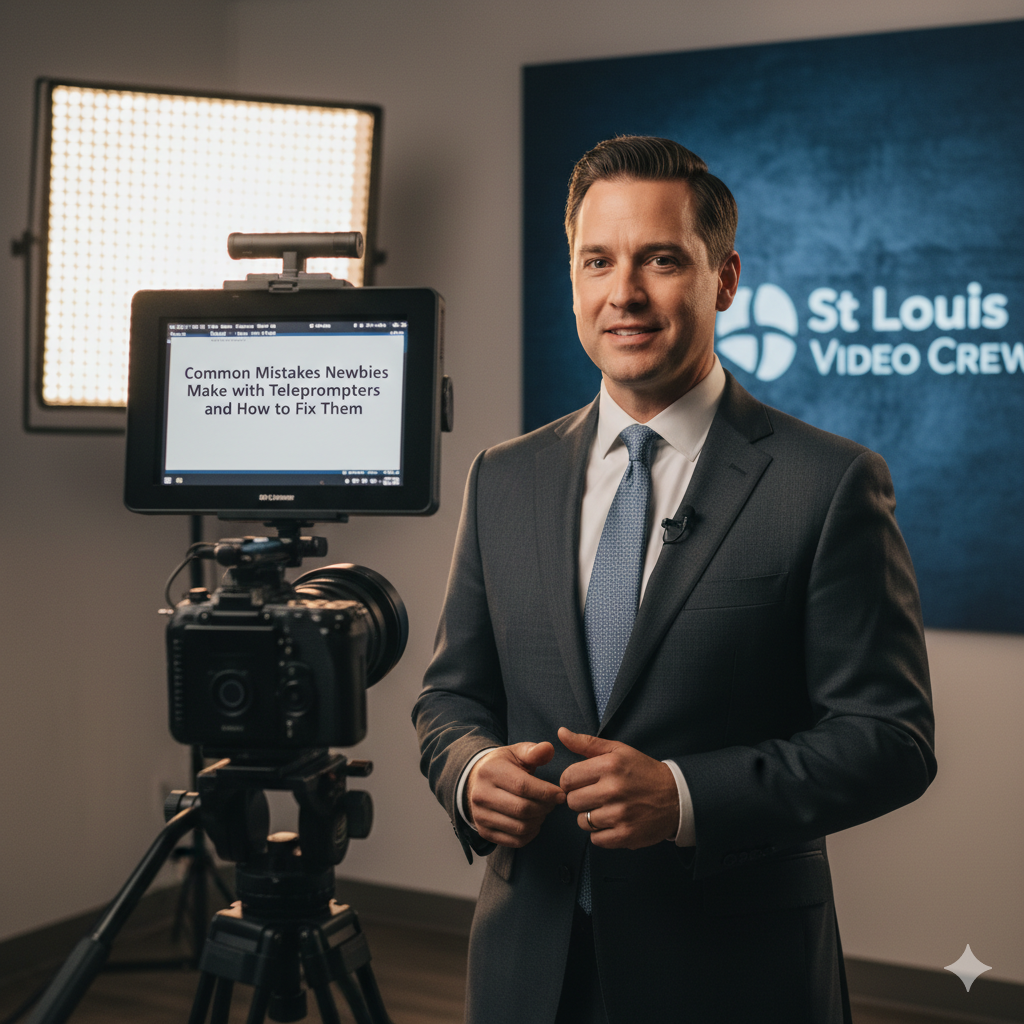
Experienced St Louis Video Crew is a full-service professional commercial photography and video production company with the right equipment and creative crew service experience for successful image acquisition. We offer full-service studio and location video and photography, as well as editing, post-production and licensed drone services. St Louis Video Crew can customize your productions for diverse types of media requirements. Repurposing your photography and video branding to gain more traction is another specialty. We are well-versed in all file types and styles of media and accompanying software. We use the latest in Artificial Intelligence for all our media services. Our private studio lighting and visual setup is perfect for small productions and interview scenes. Our studio is large enough to incorporate props to round out your set. We support every aspect of your production, from setting up a private, custom interview studio to supplying professional sound and camera operators, as well as providing the right equipment, ensuring your next video production is seamless and successful. We are location scouting and b-roll specialists, and we can fly our specialized FPV drones indoors. Other drone special services include infrared thermal, orthomosaics, and LiDAR. As a full-service video and photography production corporation since 1982, St Louis Video Crew has worked with many businesses, marketing firms, and creative agencies in the St. Louis area for their marketing photography and video.
Infrared FLIR Thermal Drone Services in St. Louis
Infrared FLIR thermal drone services have become one of the most practical tools available for businesses and organizations that need more than standard aerial photography. While traditional drone video and photography show what a building, site, or structure looks like, thermal drone imaging helps reveal conditions that may not be visible to the naked eye. For decision makers overseeing facilities, construction, operations, maintenance, engineering, insurance documentation, and marketing communications, that difference can be substantial.
In St. Louis, where businesses manage everything from aging commercial roofs and industrial properties to large institutional campuses and active construction sites, thermal drone services provide a safer, faster, and more informative way to inspect and document assets. When the work is handled by an experienced production team that understands both imaging and deliverables, infrared thermal capture becomes more than a technical exercise. It becomes a valuable business tool.
At St Louis Video Crew, we see thermal drone work as part of a larger visual communication strategy. The imagery itself matters, but so does how it is planned, captured, processed, and presented. That is especially important when business leaders need visuals that support decisions, documentation, presentations, and long-term marketing value.
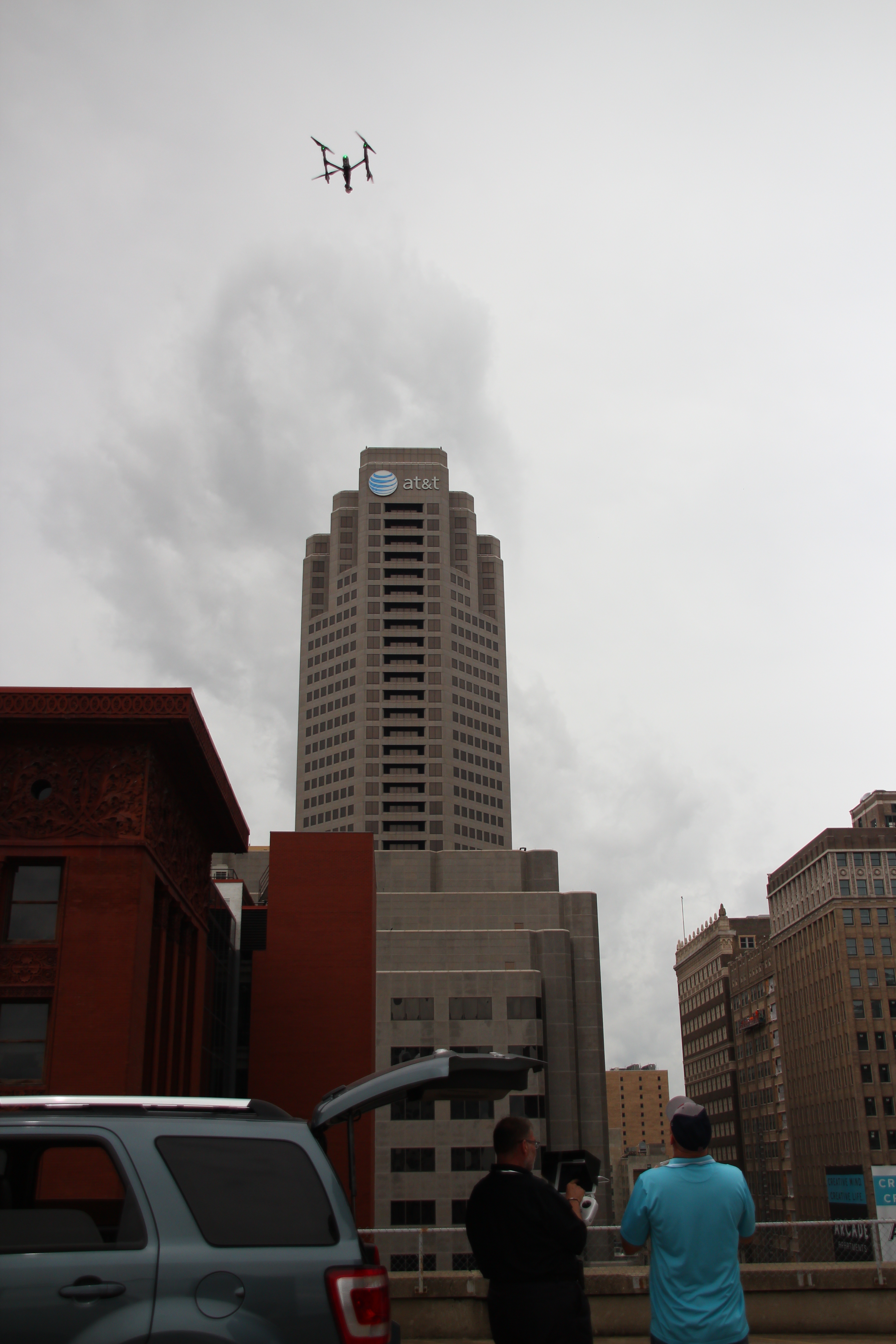
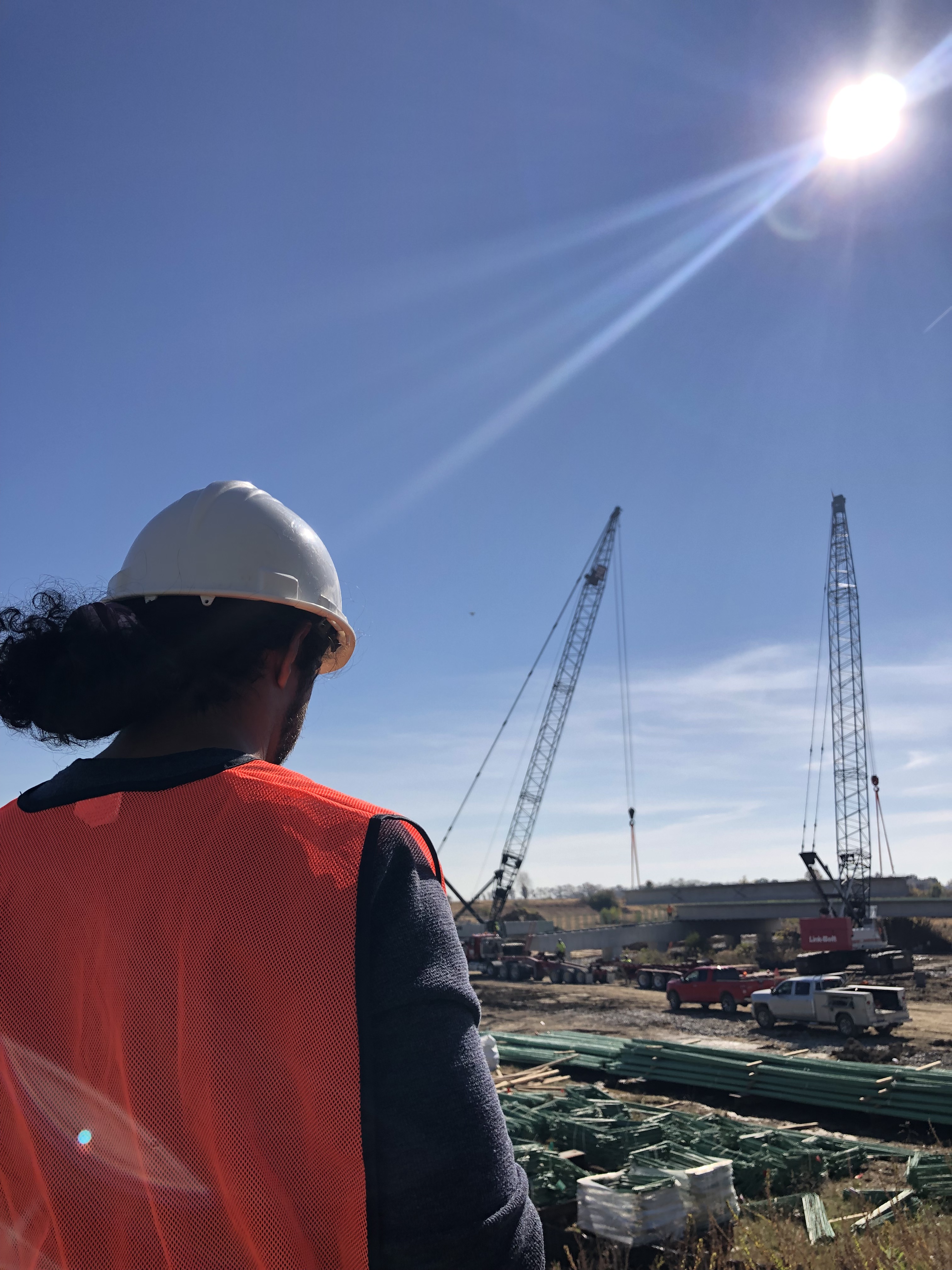
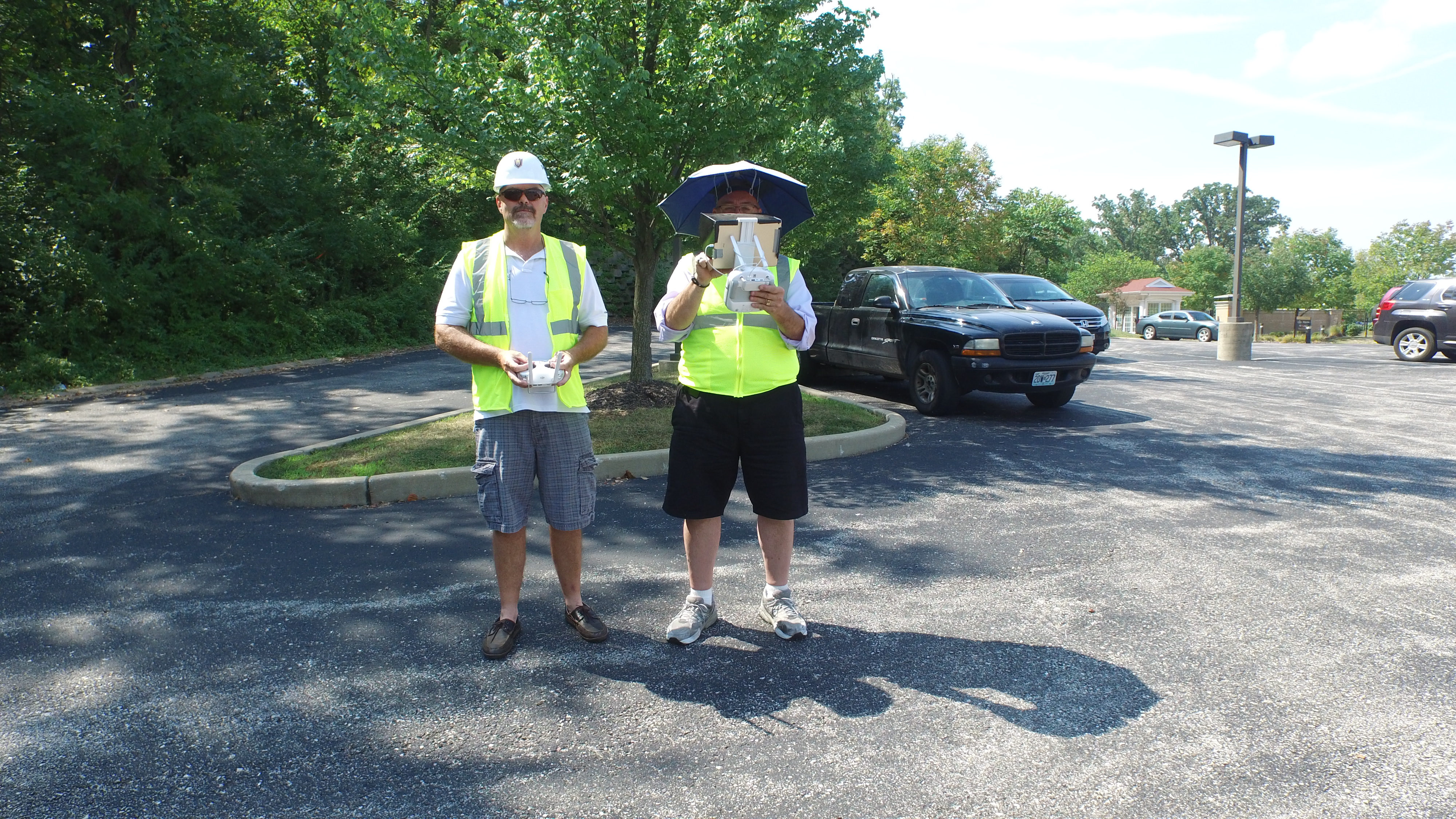
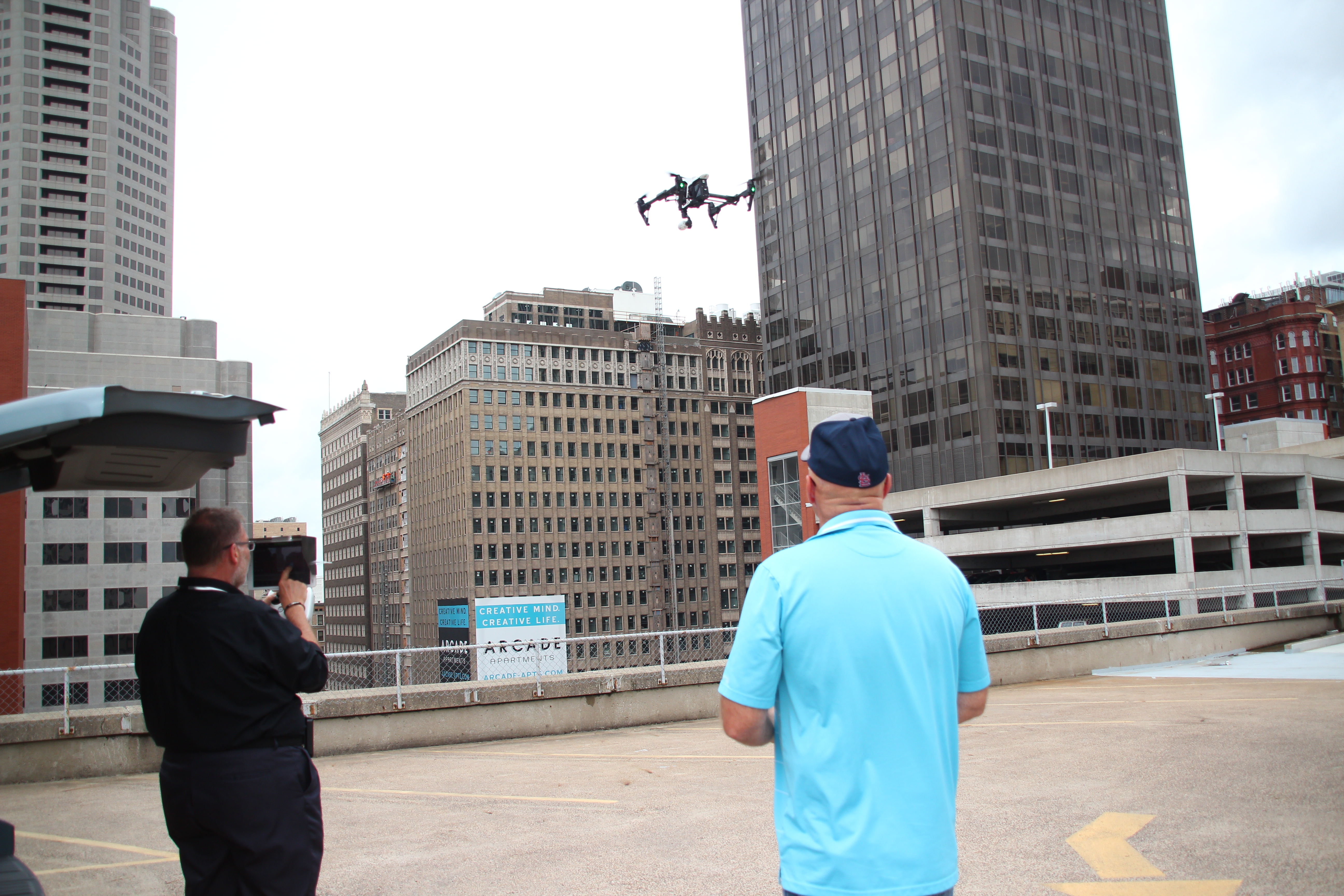
What Infrared FLIR Thermal Drone Services Actually Are
A thermal drone uses an infrared camera, often from a FLIR-based imaging system, to detect temperature differences across surfaces. Unlike conventional cameras that rely on visible light, thermal sensors interpret heat signatures. This allows the drone to produce images and video that highlight hot spots, cold spots, and abnormal thermal patterns.
That capability is valuable because many physical problems first appear as temperature differences. Moisture intrusion, insulation failure, electrical irregularities, energy loss, HVAC inefficiencies, overloaded components, and certain roof issues may all produce thermal anomalies. A well-executed drone flight can help identify areas that deserve closer review without immediately sending personnel onto roofs, ladders, lifts, or hazardous locations.
For businesses in St. Louis, that means a thermal drone is not just another camera in the air. It is a specialized imaging platform that helps organizations evaluate property conditions, improve documentation, and streamline how they communicate technical information.
Why Businesses Use Thermal Drones Instead of Only Conventional Inspections
One of the strongest benefits of thermal drone services is efficiency. Large commercial roofs, multi-building campuses, industrial sites, and difficult-to-access elevations can take significant time and labor to inspect manually. A thermal drone can cover broad areas quickly while keeping personnel on the ground.
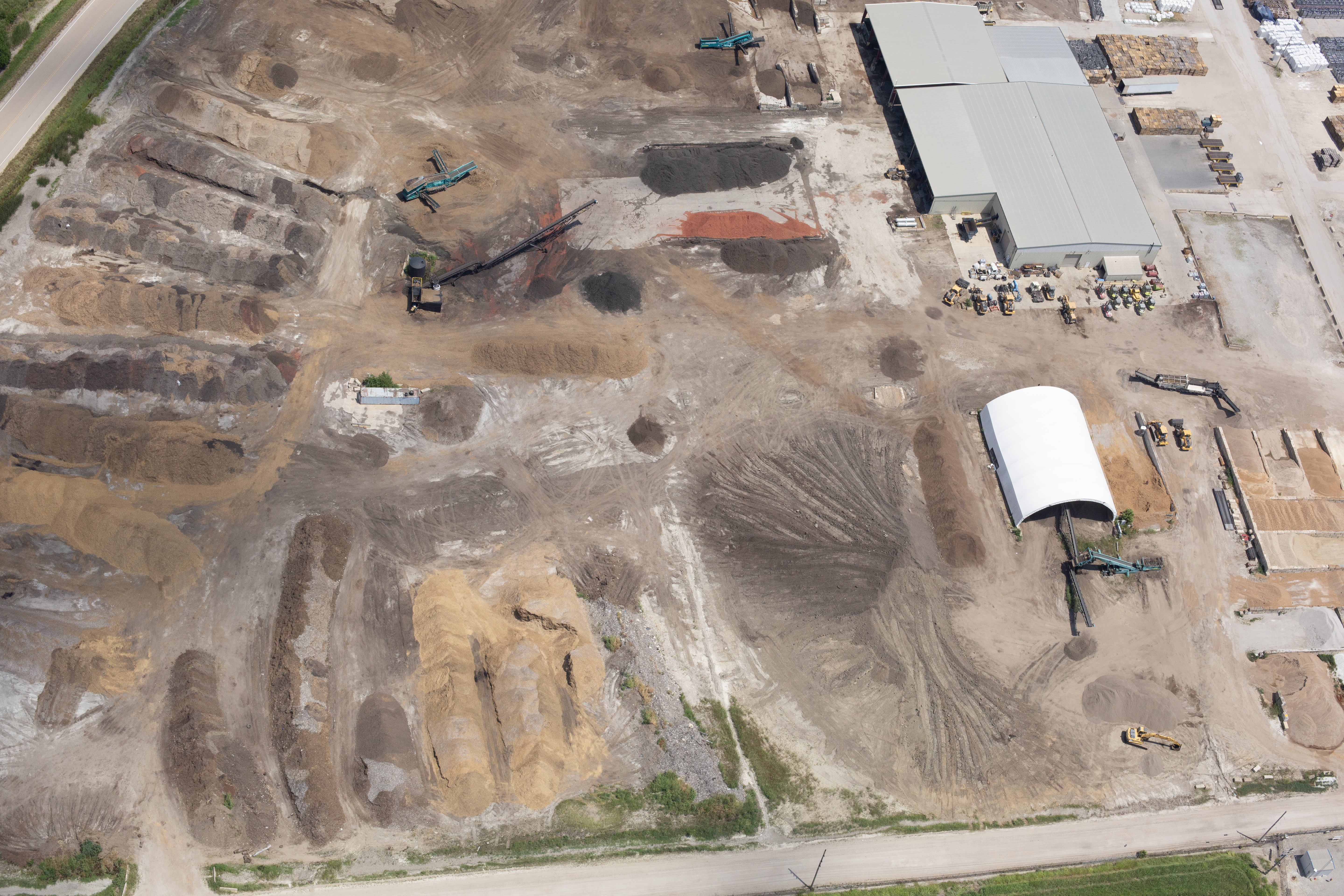
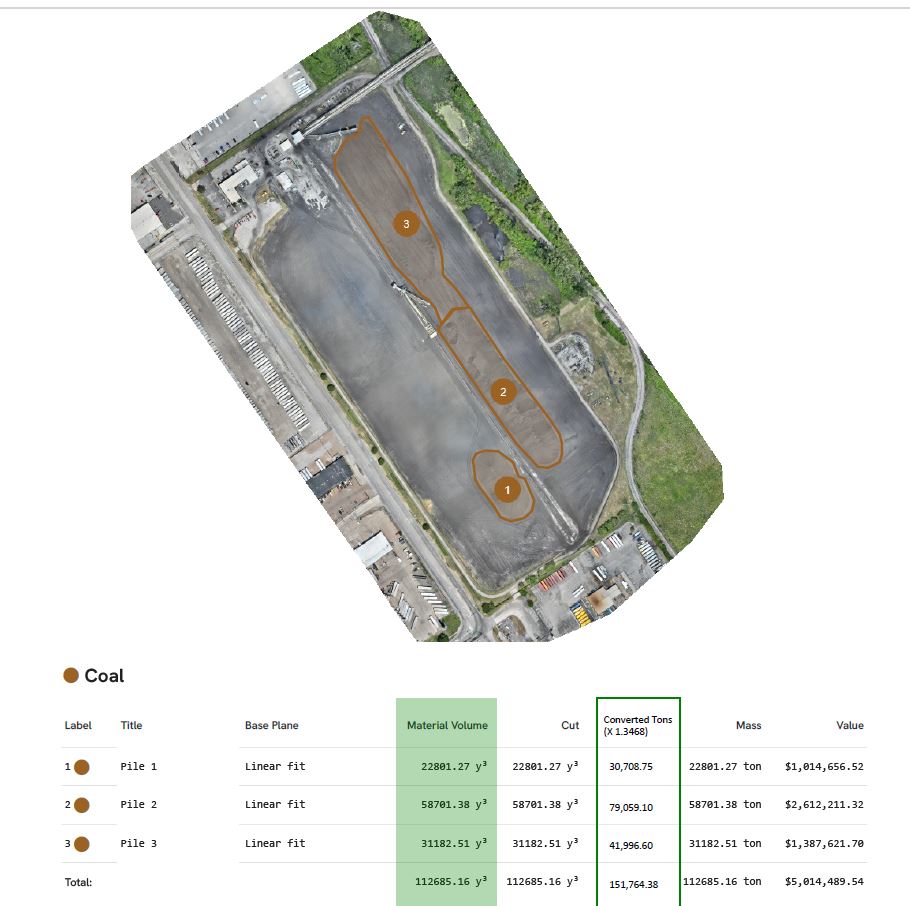
Safety is another major advantage. Inspecting steep roofs, fragile surfaces, elevated structures, or restricted-access areas can introduce risk. A drone reduces the need for direct physical access during the initial imaging phase. That does not replace deeper testing or professional repair work where needed, but it can dramatically improve the early assessment stage.
Thermal drones also provide context. Ground-based thermal inspections can be useful, but aerial views often show broader patterns that would otherwise be missed. A localized issue may turn out to be part of a larger trend across a roof system, building envelope, or site. Seeing those patterns from above can help decision makers prioritize the right next steps.
Finally, thermal imagery is highly effective for communication. Business stakeholders often need to see a problem clearly before approving repairs, maintenance budgets, or further investigation. Thermal visuals, especially when paired with standard aerial photography and edited deliverables, can make technical findings easier to understand.
Common Applications for Infrared FLIR Thermal Drone Services in St. Louis
Thermal drone services apply to a broad range of commercial and organizational needs. One of the most common uses is roof inspection. Flat and low-slope commercial roofing systems can hide moisture, insulation inconsistencies, and surface anomalies that are difficult to identify visually. Thermal imaging can help reveal areas that may deserve more targeted follow-up.
Building envelope analysis is another practical use. Exterior walls, windows, roof edges, and transitions can show unusual heat patterns that may indicate insulation gaps, air leakage, or moisture-related concerns. For offices, schools, municipal buildings, warehouses, hospitals, and industrial properties, that information can support maintenance planning and capital improvements.
Electrical systems can also benefit from thermal imaging. Certain components may generate excessive heat due to imbalance, overload, resistance, or wear. Thermal drone work is not a replacement for licensed electrical assessment, but it can support screening, visual documentation, and prioritization.
Solar panel arrays are another strong fit. Thermal imaging may reveal underperforming panels or inconsistent heat signatures within a system. For organizations that rely on solar infrastructure, drone-based thermal imaging can be a useful monitoring and maintenance aid.
Construction, energy, and industrial operations may also use thermal drone imagery to document site conditions, monitor assets, and capture evidence for reports and presentations. Depending on the project, the thermal data can support operational, technical, or marketing goals.
Why Experience Matters in Thermal Drone Work
Thermal drone services are not simply about launching a drone and recording images. Good results depend on planning, timing, environmental awareness, camera knowledge, flight discipline, and post-production judgment.
Surface materials behave differently. Weather conditions matter. Time of day matters. Wind, moisture, sun exposure, and recent temperature shifts can all affect what the camera sees. That means successful thermal work requires more than basic drone operation. It requires an understanding of when the imagery is likely to be most useful and how to capture it in a way that creates actionable results.
This is where many businesses benefit from working with an experienced production company rather than a generic drone operator. A production-minded team understands not only how to gather the imagery, but also how to package it for practical use. Decision makers rarely want raw files alone. They want visuals that can be reviewed, shared, presented, archived, and repurposed.
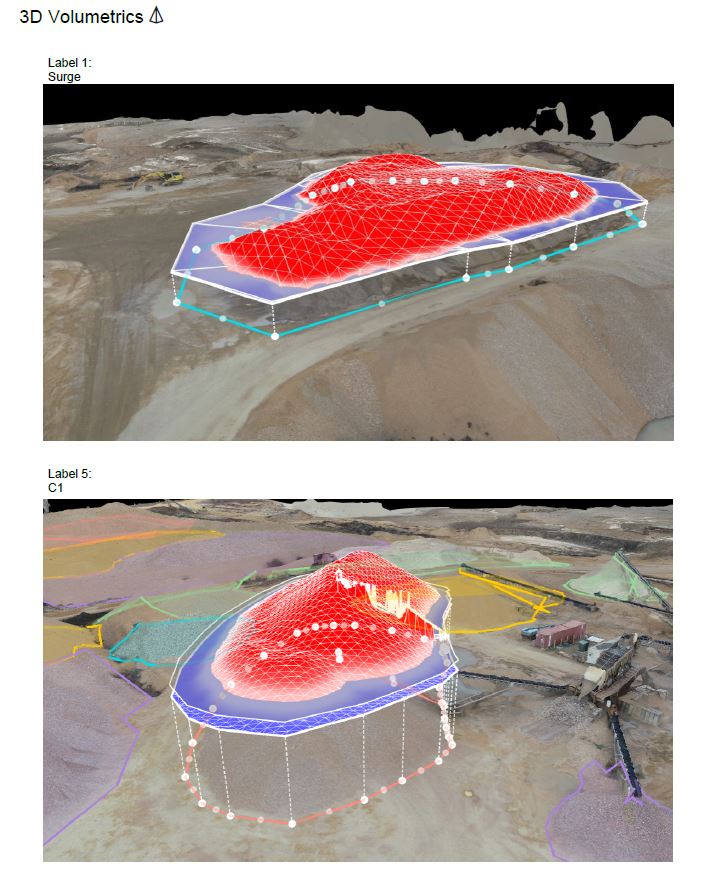
Thermal Imaging Is Powerful, but It Must Be Used Correctly
One of the most important points for business clients is this: thermal imaging shows temperature differences, not definitive diagnoses. It can reveal patterns that suggest areas of concern, but those patterns still need to be interpreted appropriately and, in many cases, verified by specialists.
That does not reduce its value. In fact, it makes thermal drone imaging more useful when it is positioned correctly. It is an efficient screening and documentation tool. It helps narrow the search area, improve visibility, and guide next actions. It can save time, improve reporting, and make conversations with contractors, engineers, insurers, and stakeholders much more productive.
A professional thermal drone provider should present the work honestly and clearly. The goal is not hype. The goal is reliable image acquisition and useful deliverables that support better business decisions.
The Marketing and Communication Value of Thermal Drone Content
For many organizations, thermal drone services are not only operationally useful. They also have communication and branding value. Roofing firms, construction companies, engineering consultants, energy service providers, restoration contractors, facility managers, and industrial service businesses can use thermal visuals to demonstrate expertise and differentiate themselves.
Thermal imagery can strengthen proposals, case studies, presentations, website content, trade-show materials, internal briefings, and before-and-after stories. It adds a layer of sophistication and technical credibility that standard visuals alone often cannot provide.
That matters to marketing teams and business development leaders. When your organization can clearly show a problem, a process, and a solution, you are in a stronger position to build trust. Thermal visuals, when edited and presented well, can become highly valuable assets beyond the original inspection purpose.
Integrating Thermal Drone Services Into a Larger Production Strategy
Many businesses make the mistake of treating technical drone work and marketing content as separate categories. In practice, the strongest results often come when both are considered together.
A single thermal drone project can generate multiple forms of value. It can support inspection needs, provide visual documentation, help leadership understand an issue, and generate content for future presentations or client education. When paired with conventional drone footage, ground-level photography, interviews, graphics, and editing, the result is a more complete production package.
For example, a facility condition project might include thermal aerials, standard aerial footage, exterior still photography, interview clips with a project lead, and edited deliverables for both internal review and external promotion. That kind of repurposing is where a full-service production company can bring far more value than a provider focused only on basic capture.
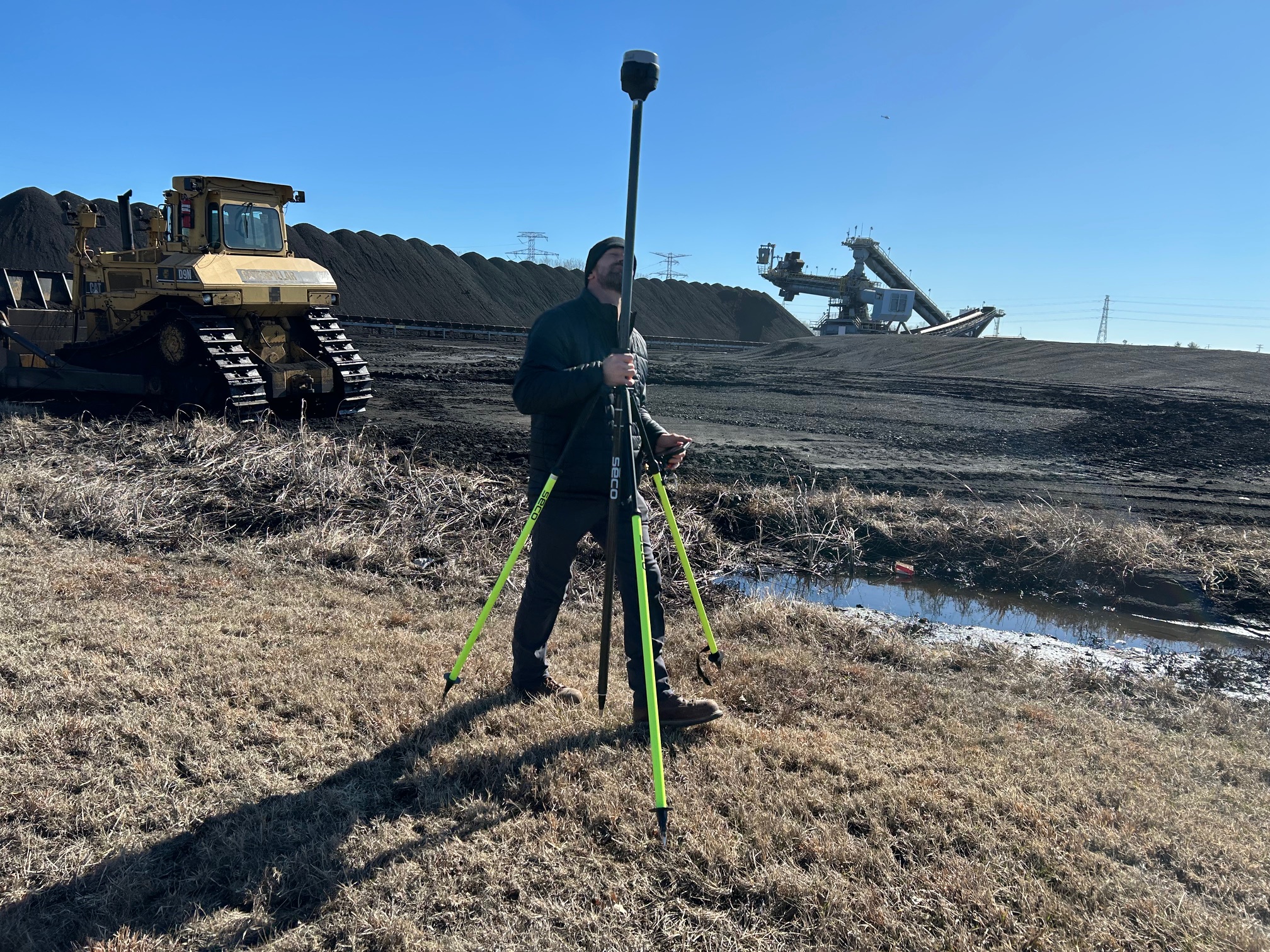
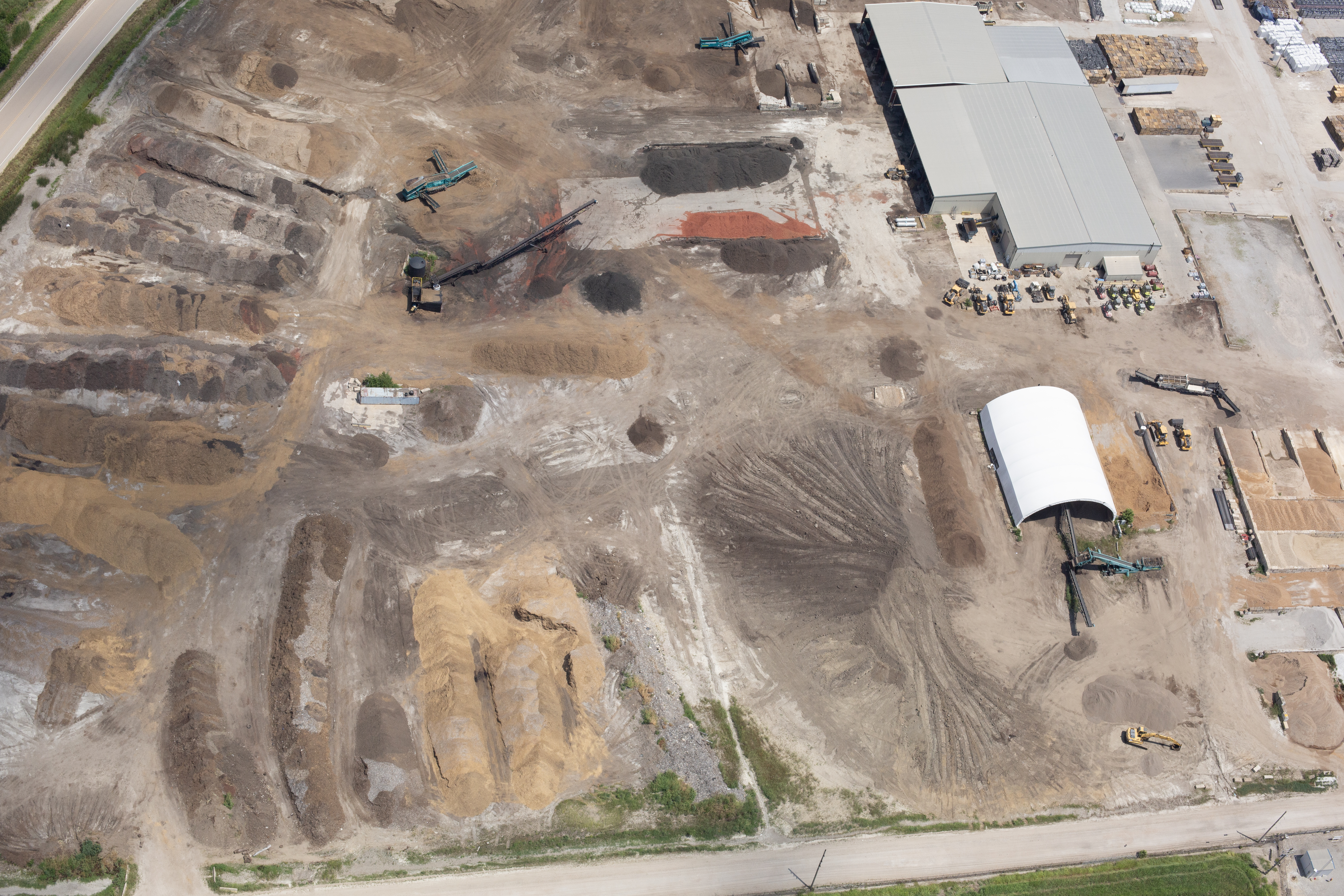
What Decision Makers Should Expect From a Professional Thermal Drone Provider
Business and organizational clients should expect a provider to do more than fly. They should expect planning, communication, image discipline, and professionally organized deliverables.
That means understanding the project objective before the flight begins. Is the purpose maintenance documentation, visual support for engineering review, marketing content, insurance-related records, asset management, or stakeholder communication? The objective affects how the imagery should be captured and delivered.
Clients should also expect a combination of visible-spectrum and thermal assets when useful. In many cases, side-by-side context makes the thermal imagery more understandable. Post-production can also include labeling, organization, clip selection, editing, and formatting for presentation or archive use.
Most importantly, clients should expect a team that understands both technical capture and visual communication. That combination leads to clearer outcomes and better long-term value.
Why Infrared FLIR Thermal Drone Services Make Sense in the St. Louis Market
St. Louis has a wide mix of property types, industries, and organizational needs. Commercial real estate, manufacturing, healthcare, education, construction, logistics, utilities, and civic institutions all operate in environments where building condition, operational efficiency, and visual documentation matter.
Thermal drone services fit naturally into that landscape. They help organizations inspect larger spaces more efficiently, reduce unnecessary access challenges, identify concerns earlier, and communicate findings more clearly. In a region where businesses often balance aging infrastructure with ongoing development and modernization, these services can be especially practical.
For local organizations, there is added value in working with a team that understands the St. Louis business environment and can provide broader production support when needed. That local familiarity can make projects smoother and deliverables more aligned with how regional businesses actually use media.
The Long-Term Value of Better Image Acquisition
The real value of infrared FLIR thermal drone services is not just in capturing unusual-looking imagery. It is in helping organizations see more, understand more, and communicate more effectively.
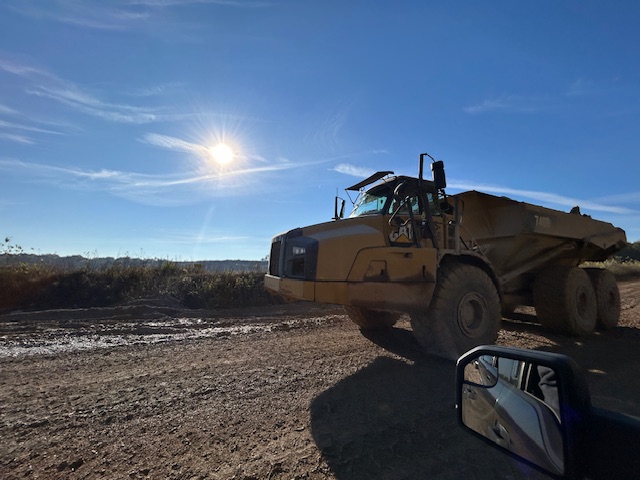
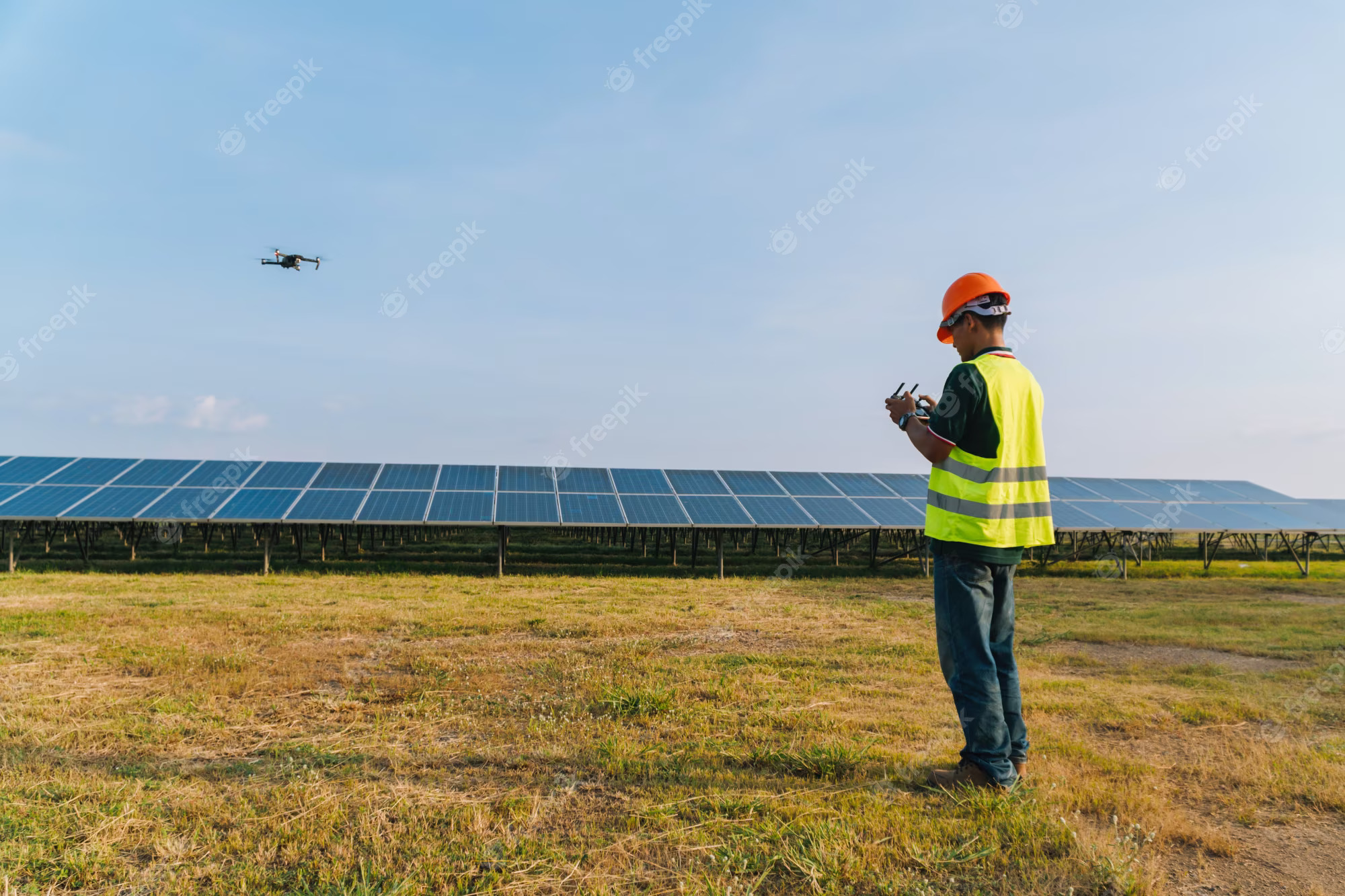
When thermal imaging is captured properly, it can reduce guesswork, improve documentation, support safer workflows, and create a stronger visual foundation for decisions. For some clients, that means more efficient property evaluation. For others, it means stronger reporting, better presentations, or more compelling branded content.
In every case, the quality of the outcome depends on the quality of the production process. The drone, the thermal sensor, and the software all matter. But so do experience, planning, editing, and the ability to transform raw capture into useful media.
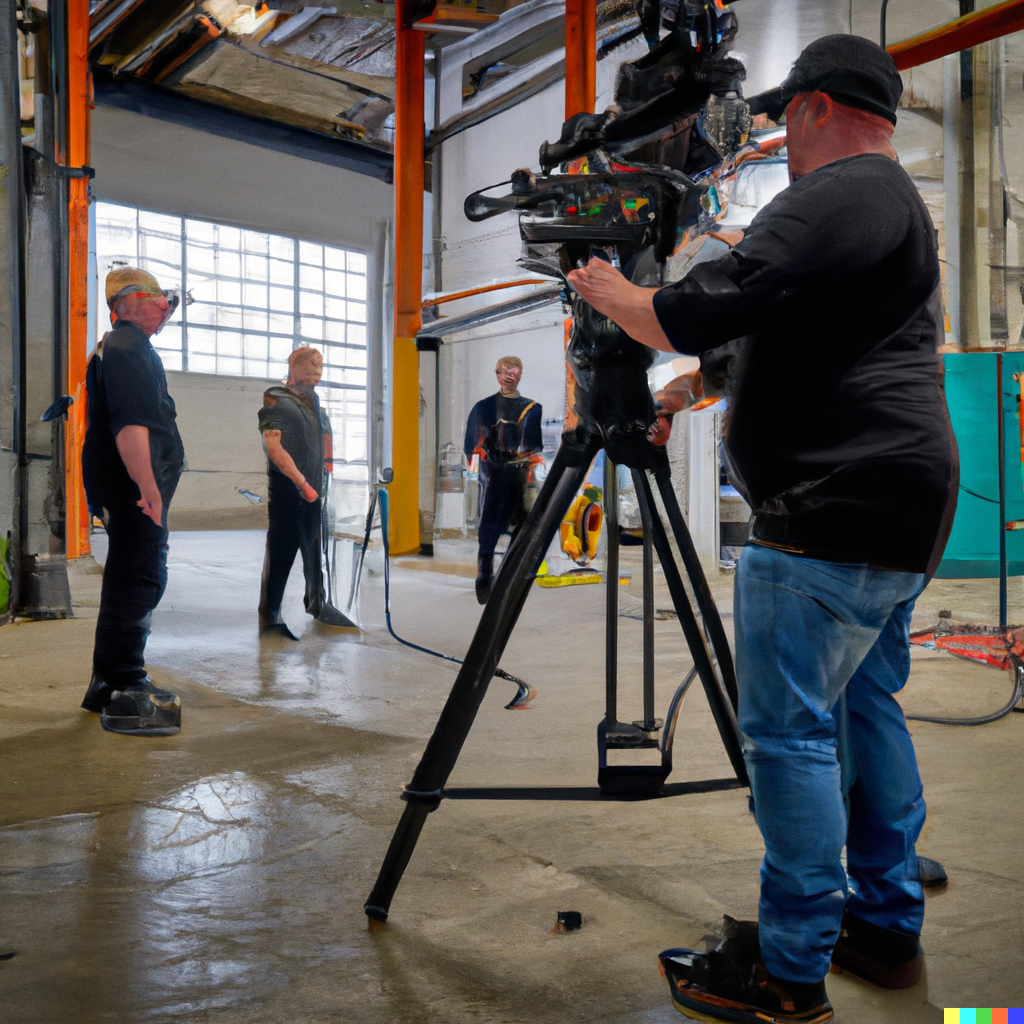

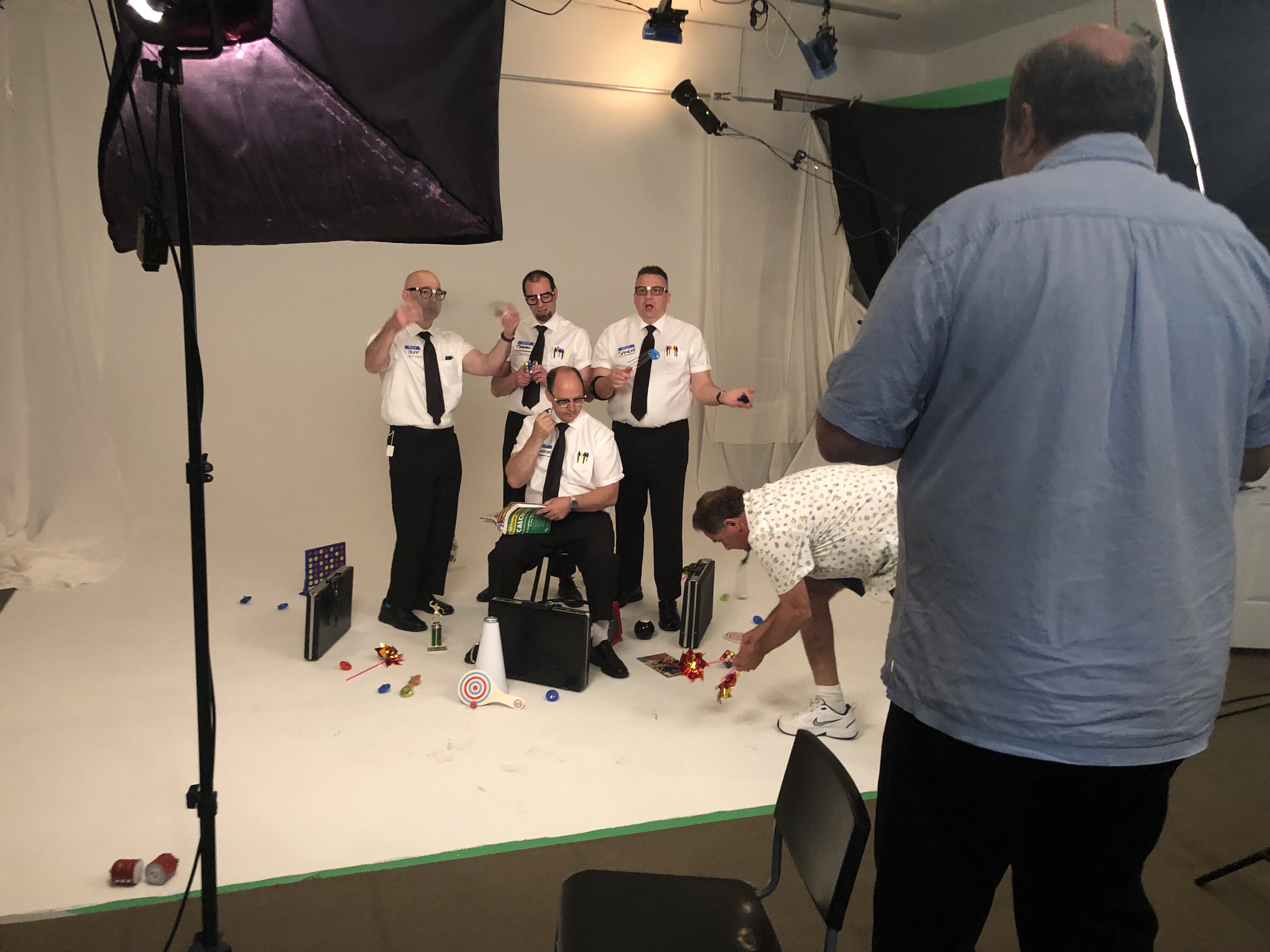
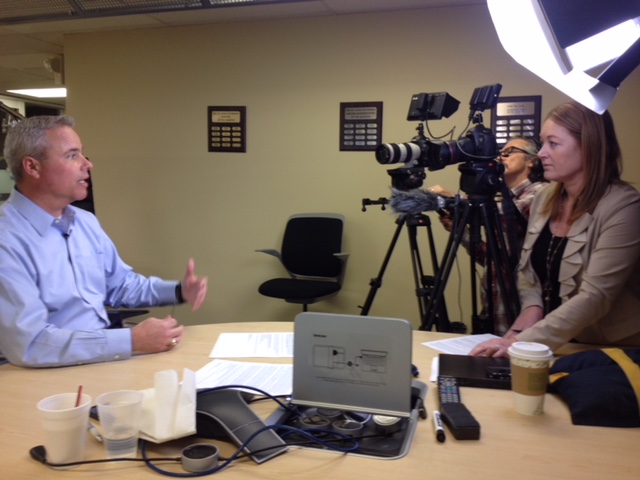
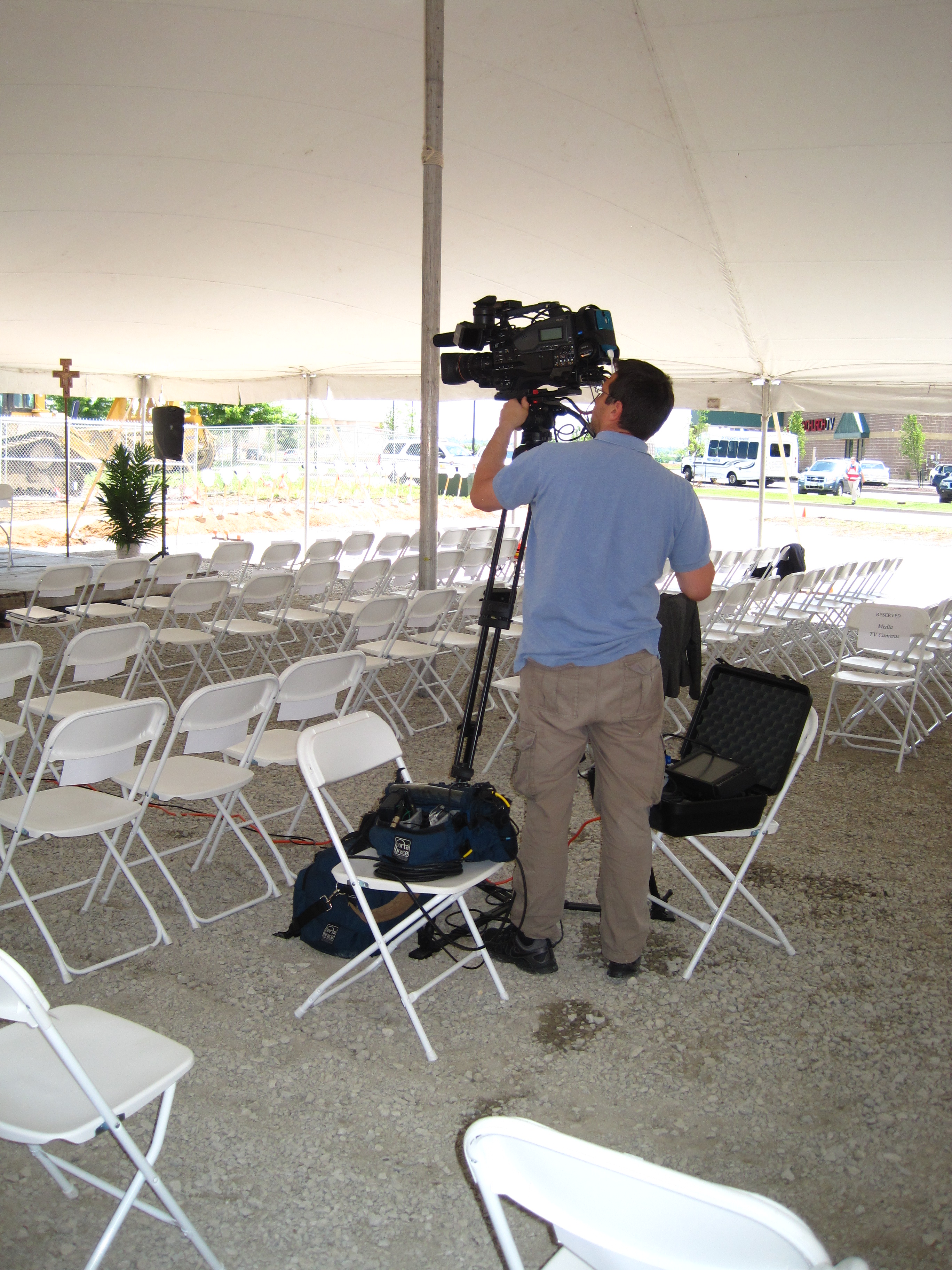
At St Louis Video Crew, we are an experienced full-service professional commercial photography and video production company with the right equipment and creative crew service experience for successful image acquisition. We offer full-service studio and location video and photography, as well as editing, post-production and licensed drone services. St Louis Video Crew can customize your productions for diverse types of media requirements. Repurposing your photography and video branding to gain more traction is another specialty. We are well-versed in all file types and styles of media and accompanying software. We use the latest in Artificial Intelligence for all our media services. Our private studio lighting and visual setup is perfect for small productions and interview scenes. Our studio is large enough to incorporate props to round out your set. We support every aspect of your production—from setting up a private, custom interview studio to supplying professional sound and camera operators, as well as providing the right equipment—ensuring your next video production is seamless and successful. We can fly our specialized drones indoors. As a full-service video and photography production corporation, since 1982, St Louis Video Crew has worked with many businesses, marketing firms and creative agencies in the St. Louis area for their marketing photography and video. When your organization needs infrared FLIR thermal drone services in St. Louis, St Louis Video Crew brings the technical capability, production experience, and creative support to deliver imagery that is both informative and highly usable.