Cost-Efficient Company Event Photography and Video Services: The Strategic Advantage Every Business Needs
Company events occupy a unique position in your marketing and communications calendar. Unlike a controlled studio production scheduled around ideal conditions, or an advertising campaign built to a precise creative brief, company events happen on a fixed date, in a defined environment, with a specific audience assembled — and then they are gone. The presentation is delivered. The award is presented. The announcement is made. The conversations happen. The energy of the room rises and falls and dissipates.
What remains is entirely dependent on whether a professional production team was there to capture it.
For marketing directors, brand managers, corporate communications executives, and organizational leaders who make decisions about photography and video production investment, company event documentation represents one of the most strategically important — and most frequently underoptimized — content opportunities in the annual budget. This article examines why that is, what cost-efficient company event production actually looks like when executed correctly, and how the organizations that get it right are building measurable advantages in brand equity, content volume, and marketing reach that their competitors simply are not.
Why Company Events Demand a Production Strategy, Not Just a Camera
There is a persistent tendency among organizations to treat company event documentation as a logistical checkbox rather than a strategic content investment. Someone is dispatched with a camera. A local photographer is booked for a few hours without a defined brief. The footage from last year is referenced as a general guide for what is needed this time around.
This approach generates documentation. It does not generate assets.
The distinction matters enormously. Documentation is a record of what happened. Assets are content that works — content that can be deployed across marketing channels, repurposed for multiple audiences and platforms, and used to advance specific organizational objectives long after the event itself has become a memory.
Company events, when approached as strategic production environments rather than logistical occasions, generate assets of extraordinary breadth and depth. The reason is straightforward: your company event concentrates in one location, for one defined period of time, the exact combination of people, environments, brand expressions, and authentic human moments that your marketing program needs but rarely has efficient access to.
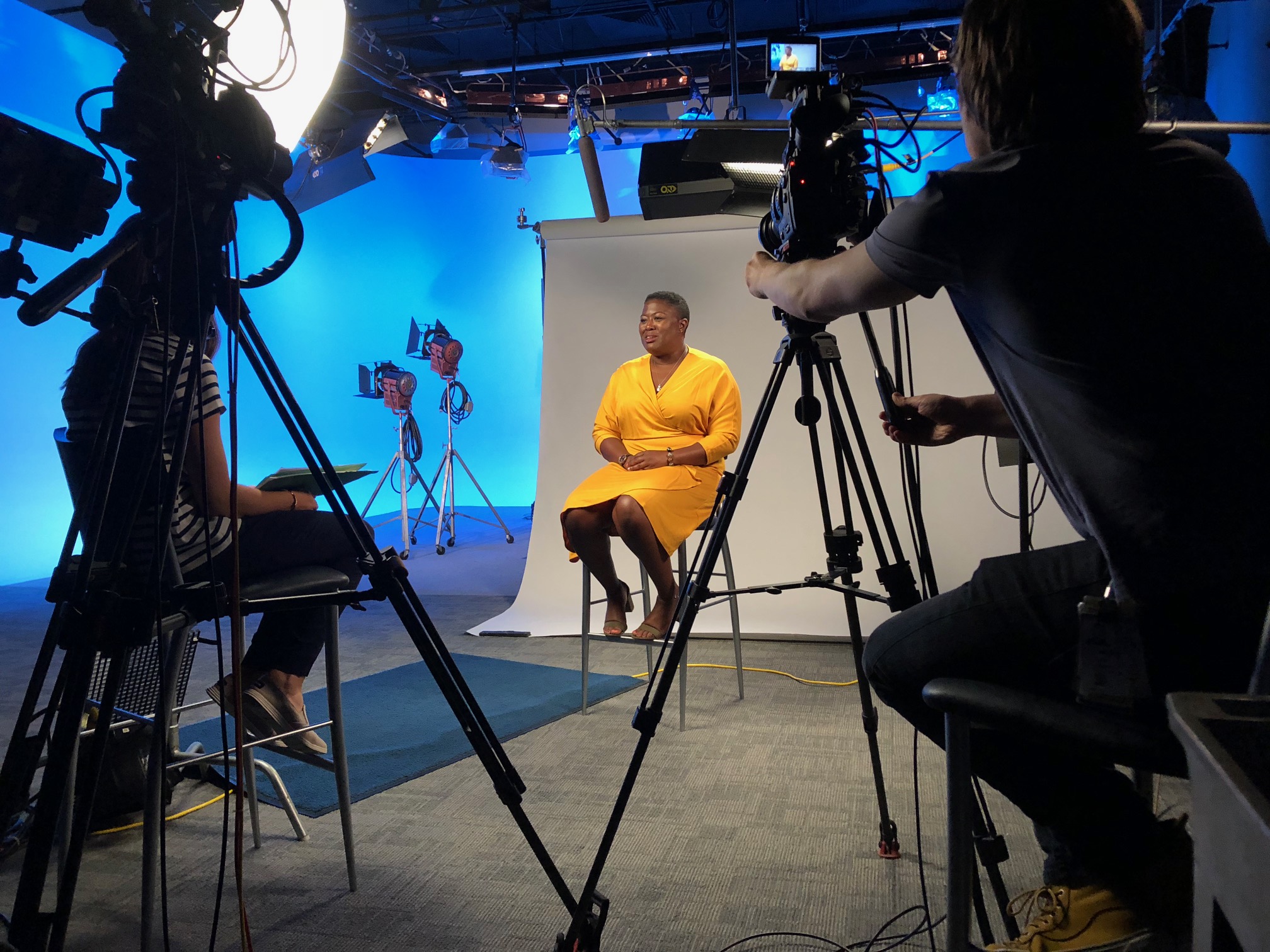
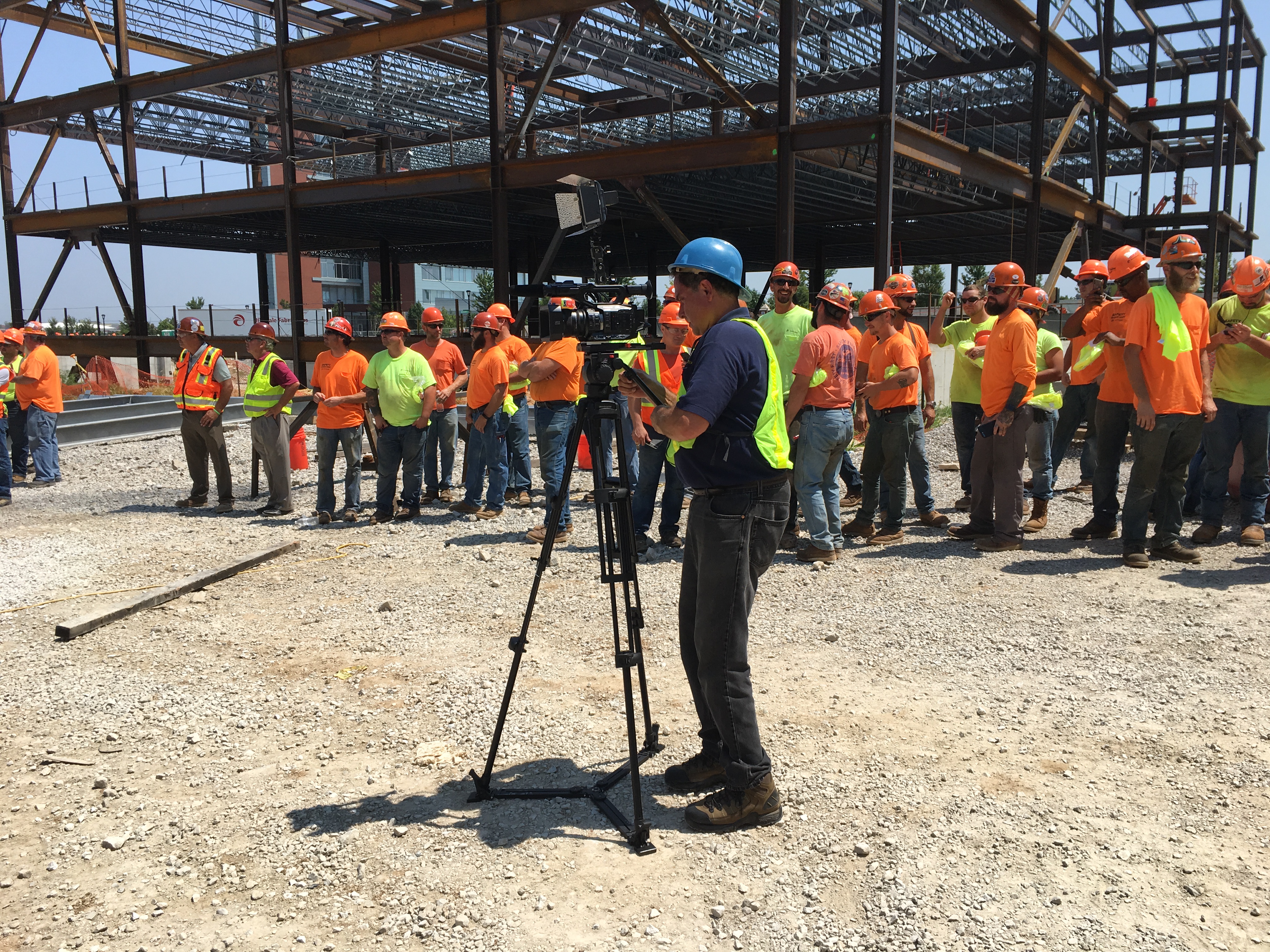
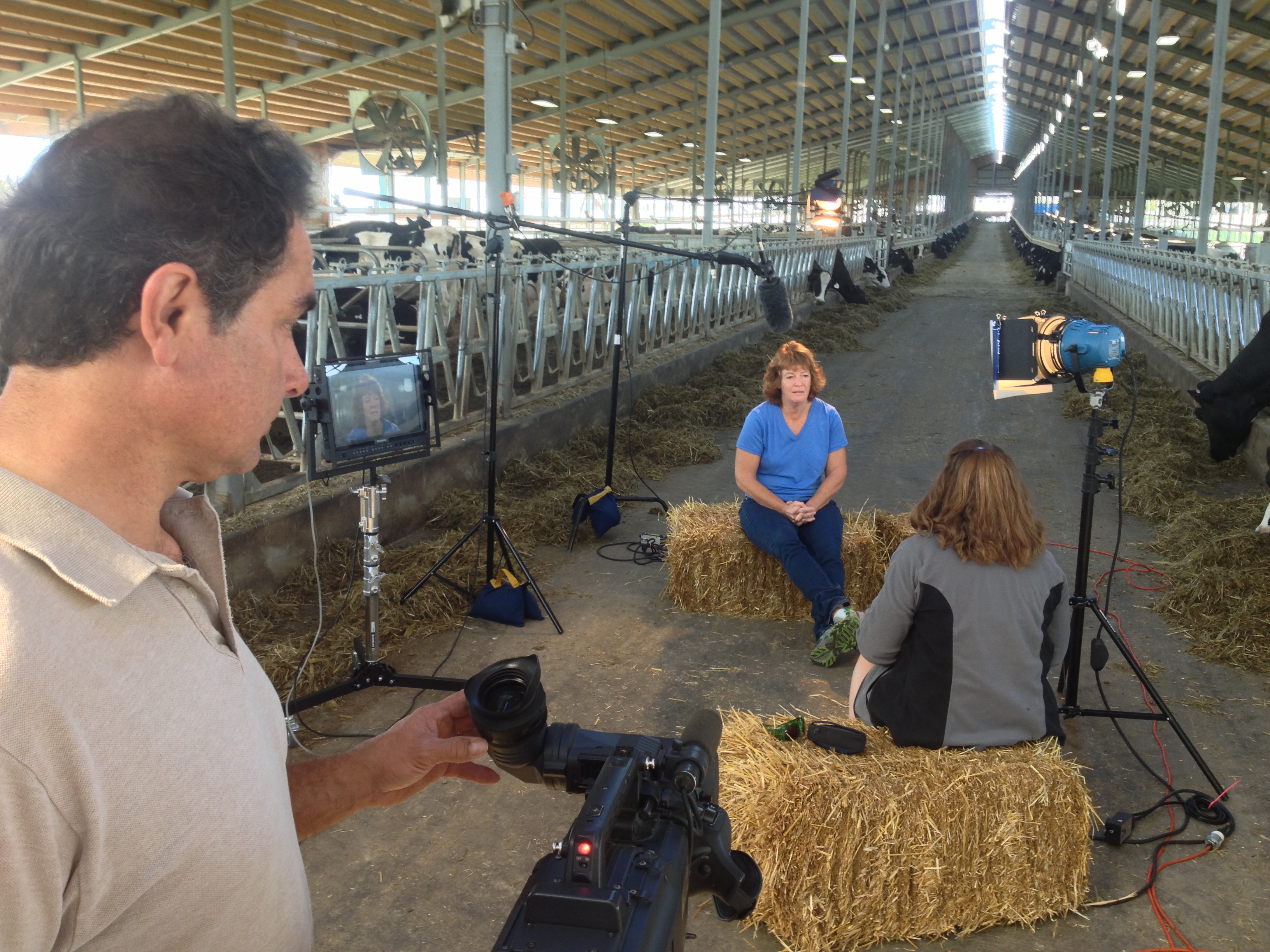
Your leadership is present and engaged. Your team is assembled in a professional context. Your clients and partners are visible in your brand environment. Your organizational culture, energy, and community standing are on active display. The announcements being made, the recognition being conferred, the conversations being had, and the relationships being built — all of it is the authentic raw material of compelling brand content.
A professional production crew with a strategic plan converts that raw material into a library of deployable marketing assets. A camera dispatched without a plan captures some of it, in formats that may not serve your needs, with audio quality that may render the video unusable, and without the editorial intelligence to identify and prioritize the moments that matter most to your brand.
The cost difference between these two approaches is smaller than most decision-makers assume. The output difference is enormous.
The Full Scope of What a Company Event Can Generate
Before examining how cost-efficient production is achieved, it is worth establishing what a single well-documented company event is capable of generating when the production engagement is designed with the full content potential in mind.
Video deliverables from a professionally documented company event can include a comprehensive event archive for internal records, a polished highlight reel for your website and YouTube channel, short-form social recap content for LinkedIn and other professional platforms, speaker and presenter segments edited as standalone content, executive interview and thought leadership pieces captured on-site, client and partner testimonial videos, a promotional piece for your next event in the series, B-roll footage of your team and culture for use in future productions, vertical-format social content for mobile-first platforms, and internal communications video for employee engagement and organizational alignment.
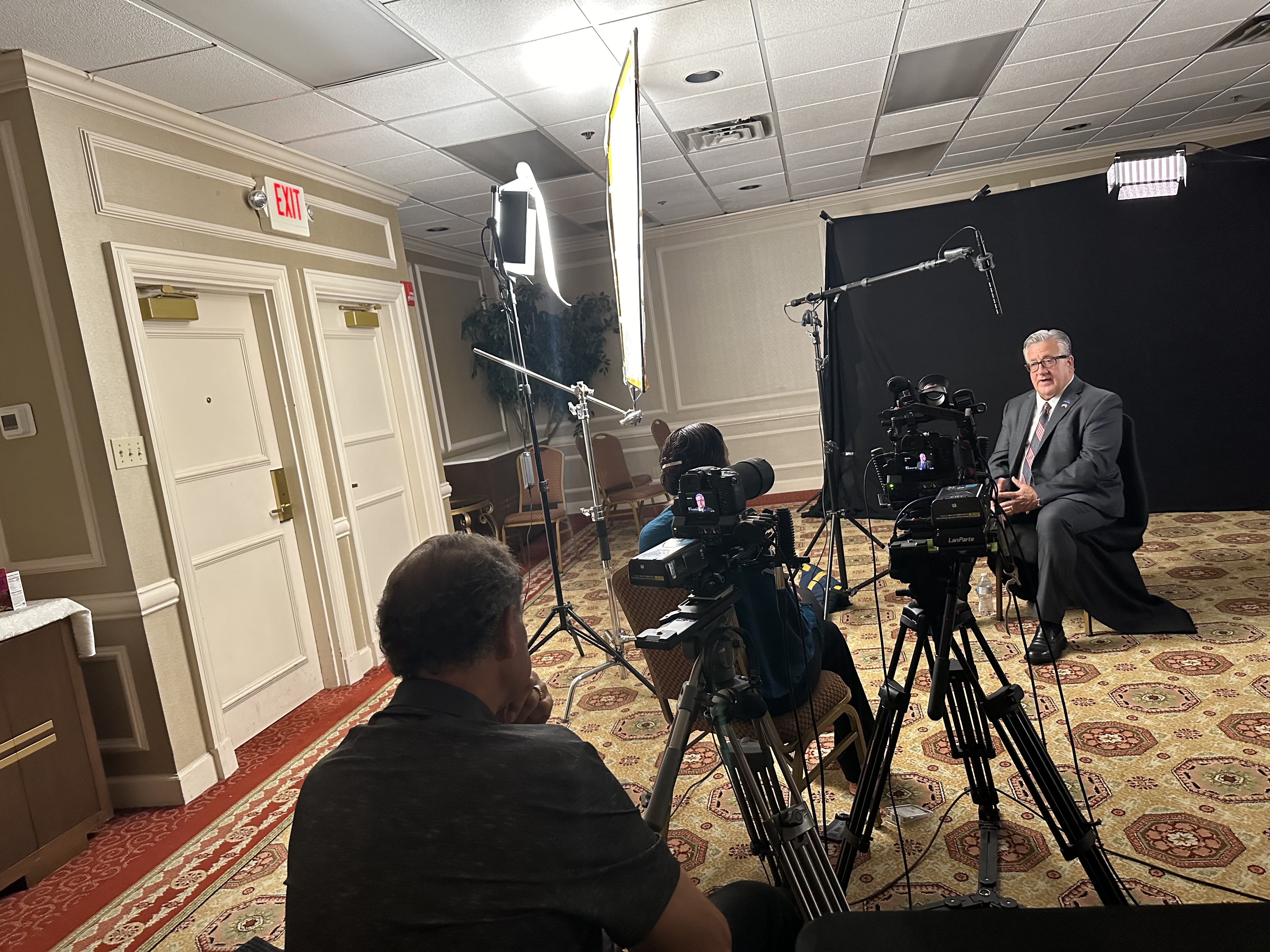
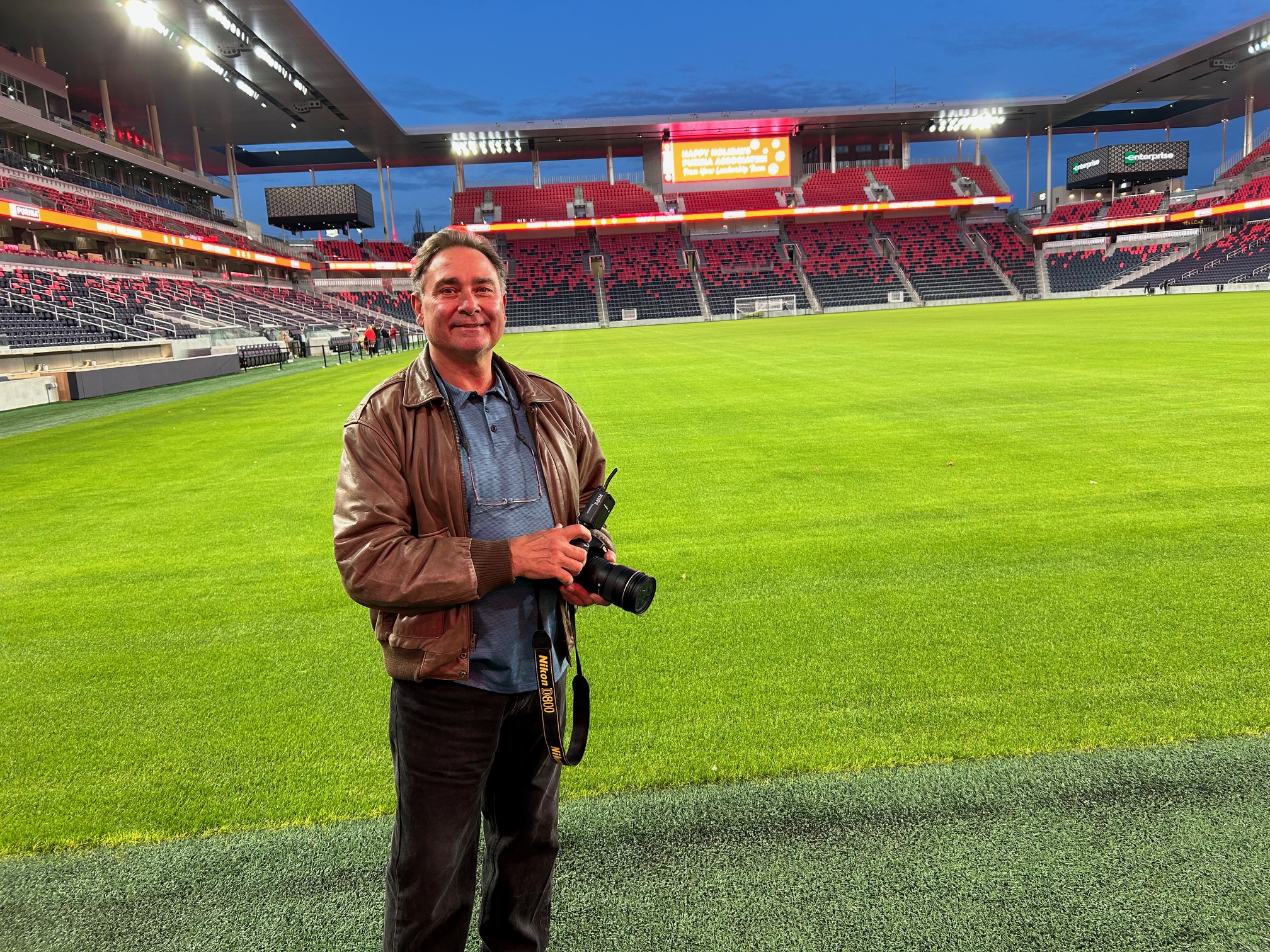
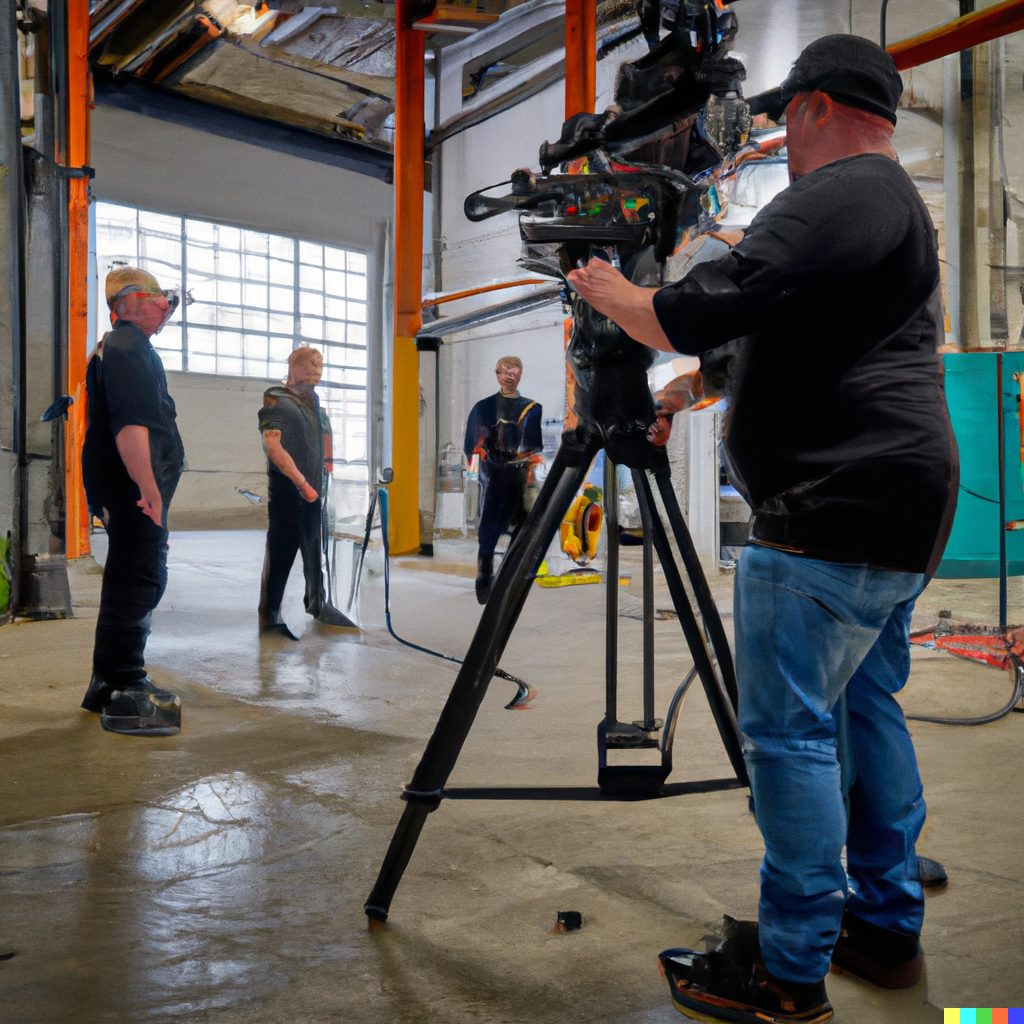
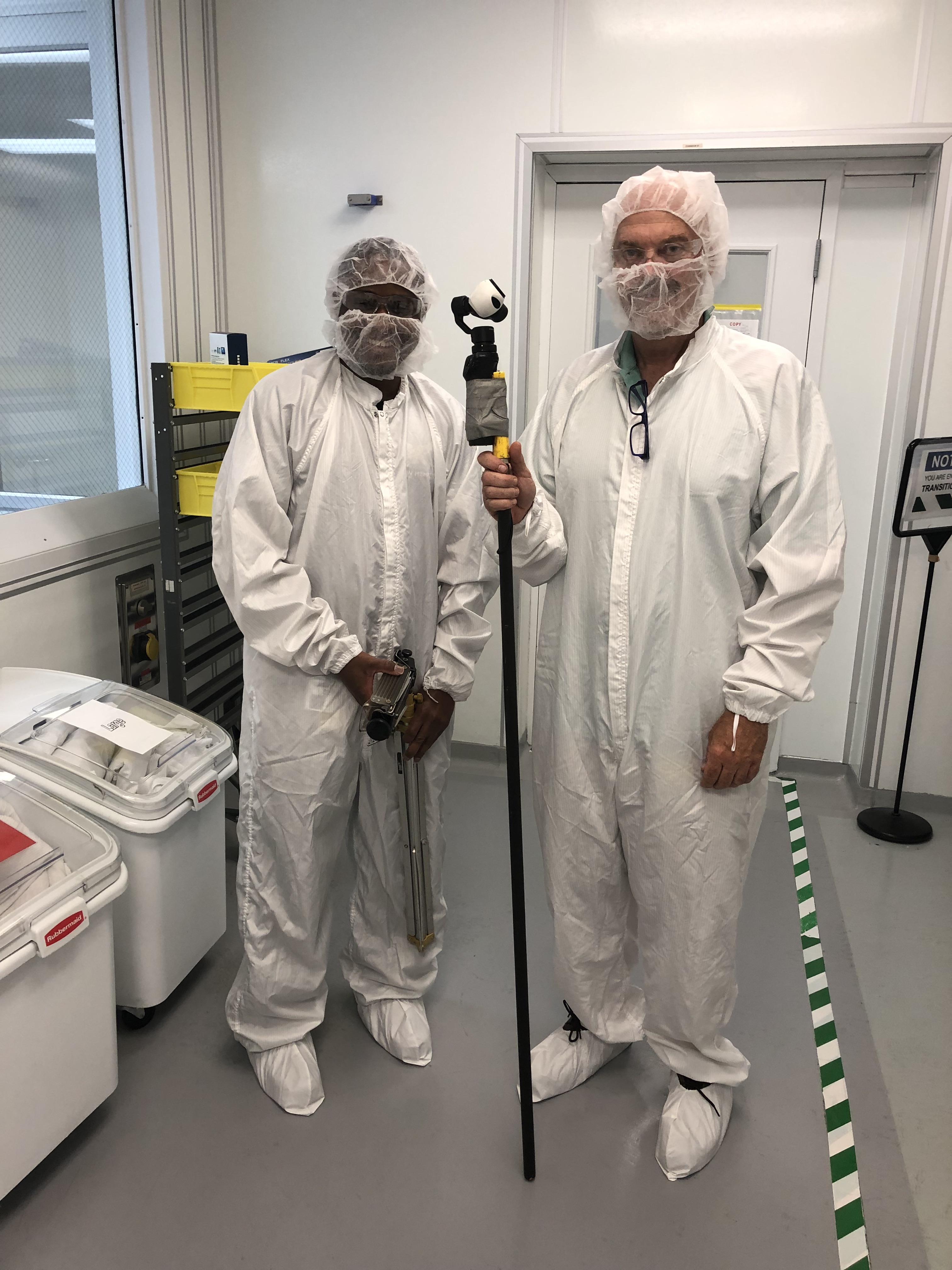
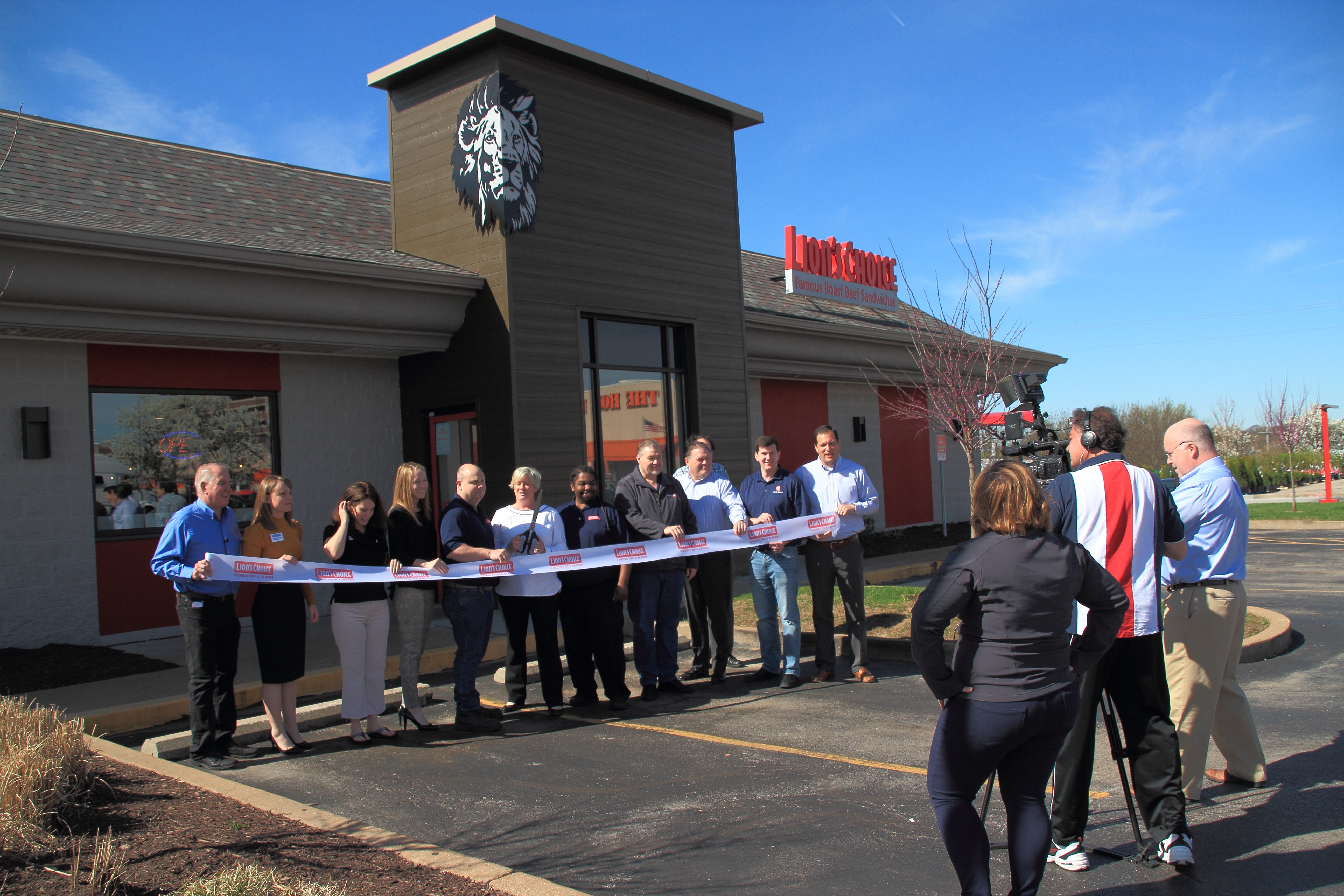
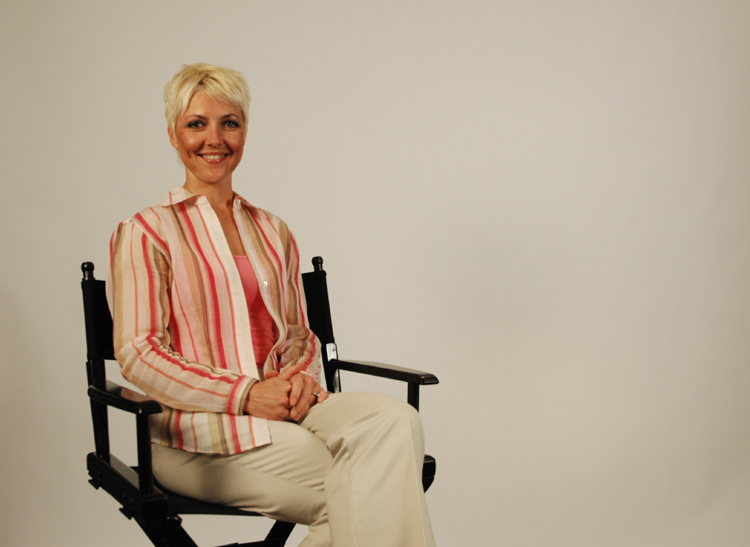
Photography deliverables can include editorial event stills for press and media distribution, website and digital presence imagery, executive and team portraits captured in a professional event environment, audience and community engagement photography, branded environment and venue photography, product or service demonstration imagery captured in context, social media content across multiple format requirements, and archival imagery for annual reports, capability statements, and organizational history documentation.
This is not a hypothetical list. It is a practical deliverables inventory that an experienced production crew, working from a clear content strategy and a comprehensive pre-production plan, can generate from a single company event engagement. Every item on this list serves a different channel, a different audience, and a different organizational objective — and all of it originates from one production investment.
The Architecture of Cost-Efficient Event Production
Cost efficiency in company event photography and video is not achieved by spending less on individual production components. It is achieved by designing the production investment to generate maximum asset value across the full scope of your content requirements. These are the structural elements that make that possible.
A Complete Pre-Production Plan
Pre-production is the phase that determines whether your event production investment is cost-efficient or cost-wasteful — and it is the phase that most clearly separates experienced production partners from vendors who simply respond to a brief and show up on the day.
A complete pre-production plan for company event documentation begins with a marketing objectives briefing — a structured conversation in which the production team develops a thorough understanding of what your organization needs the content to accomplish. Which channels will the content serve? What audiences are you addressing? What organizational messages need to be communicated, and through whose voice? What actions do you want the content to motivate in the people who see it?
From this foundation, the pre-production process builds a deliverables map — a specific, format-explicit accounting of every output the production needs to generate, including video lengths, platform specifications, aspect ratios, photography applications, and distribution timelines. The deliverables map is the master document from which all crew assignments, equipment decisions, shot priorities, and post-production planning flow.
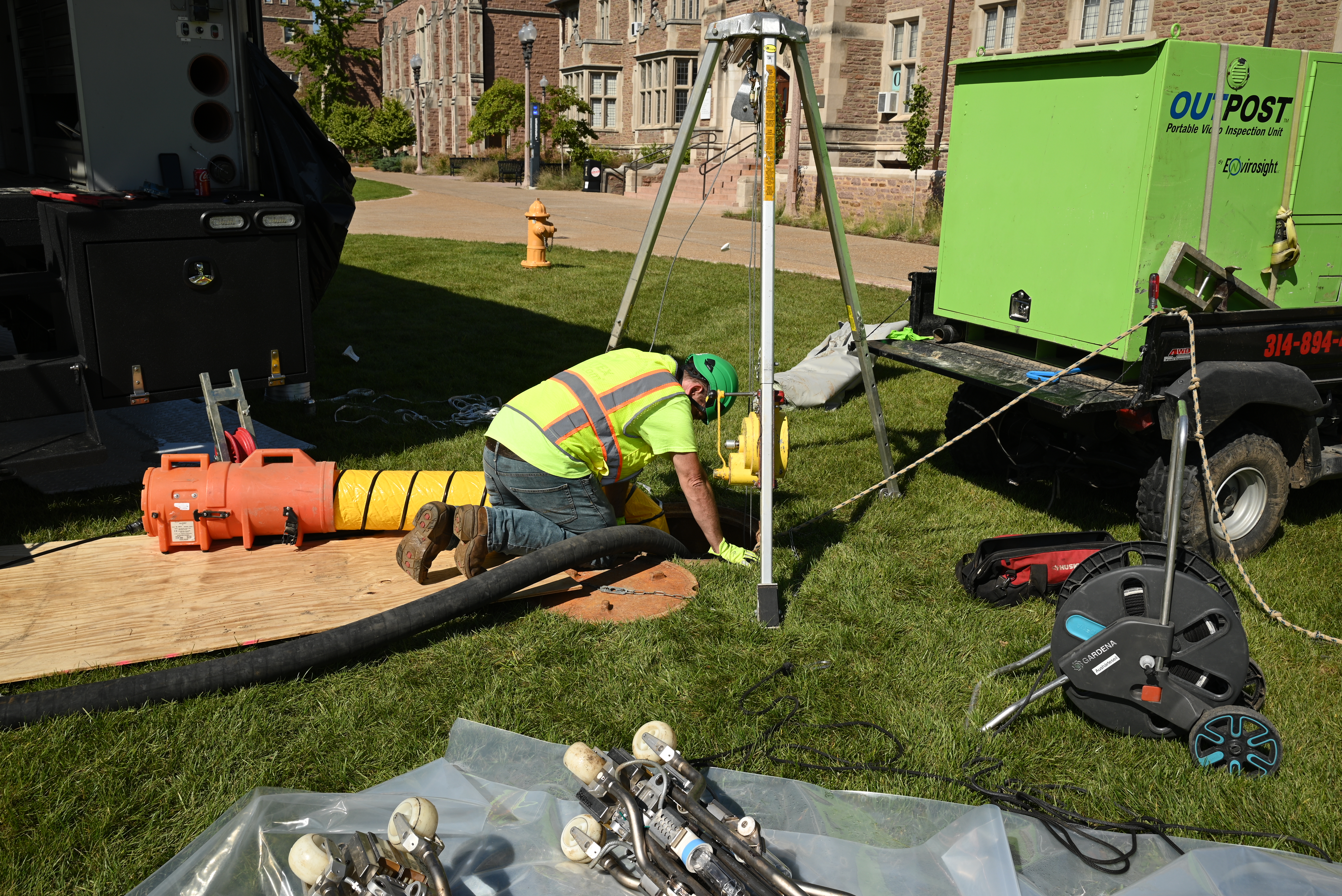
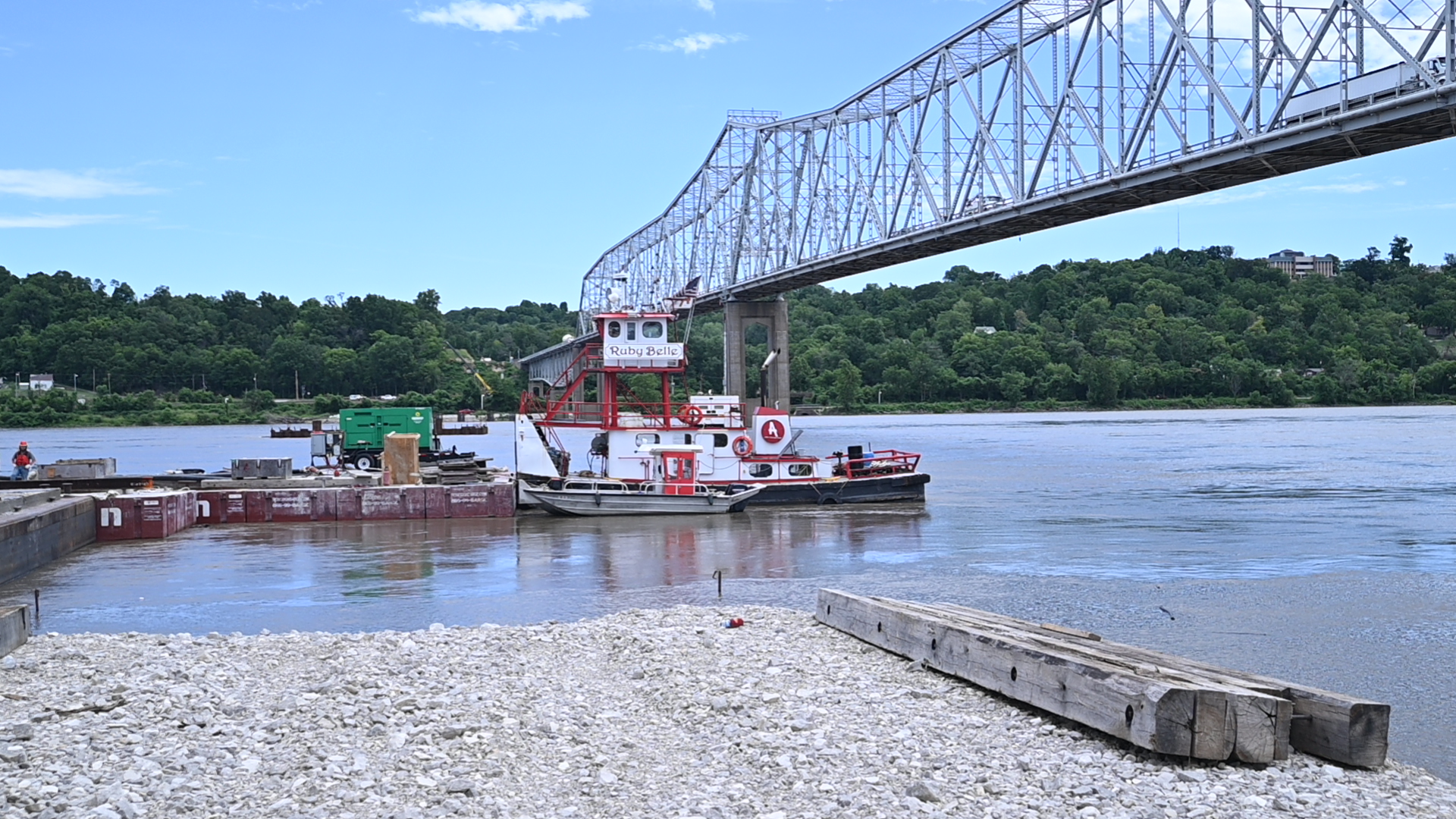
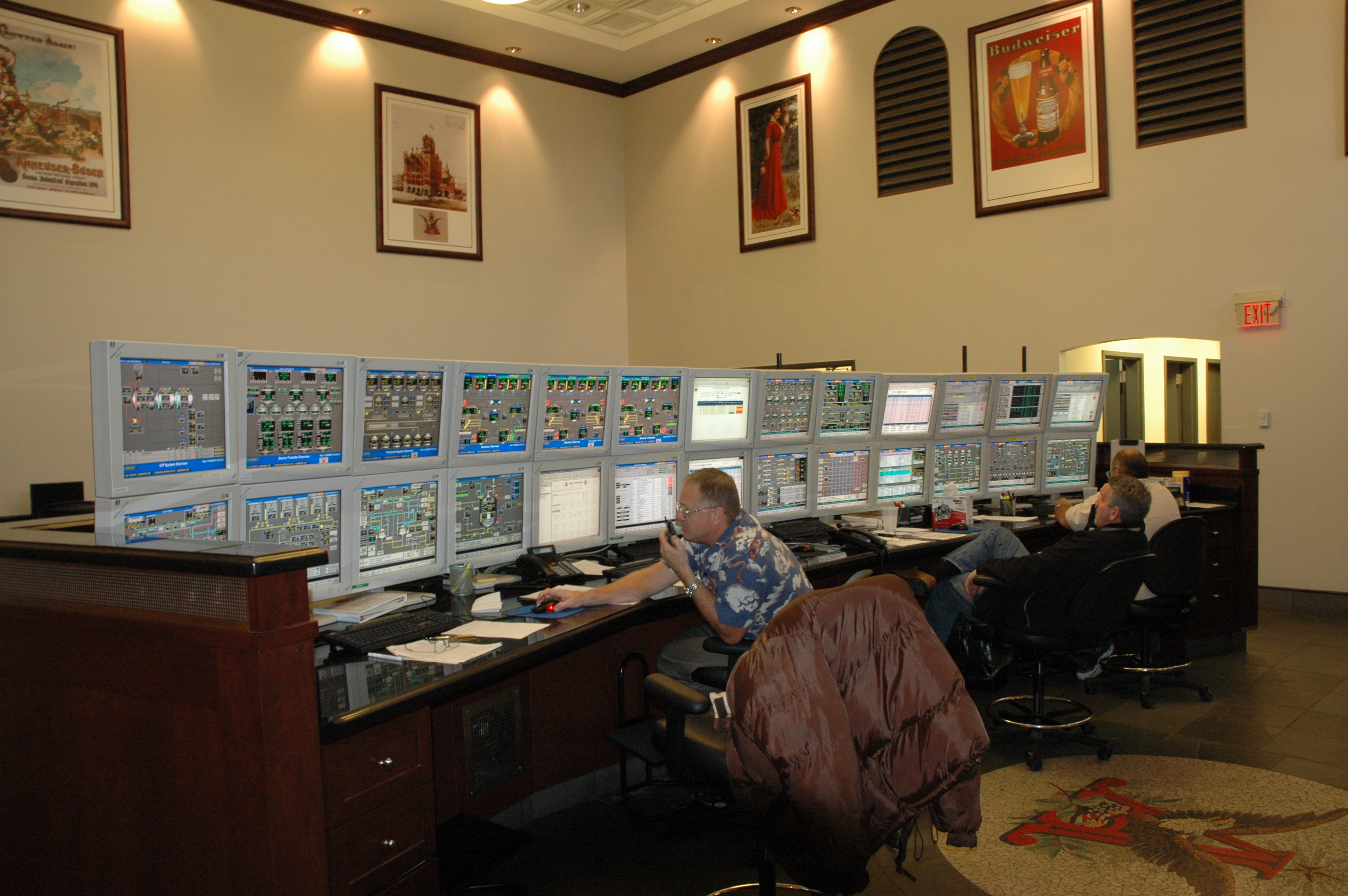
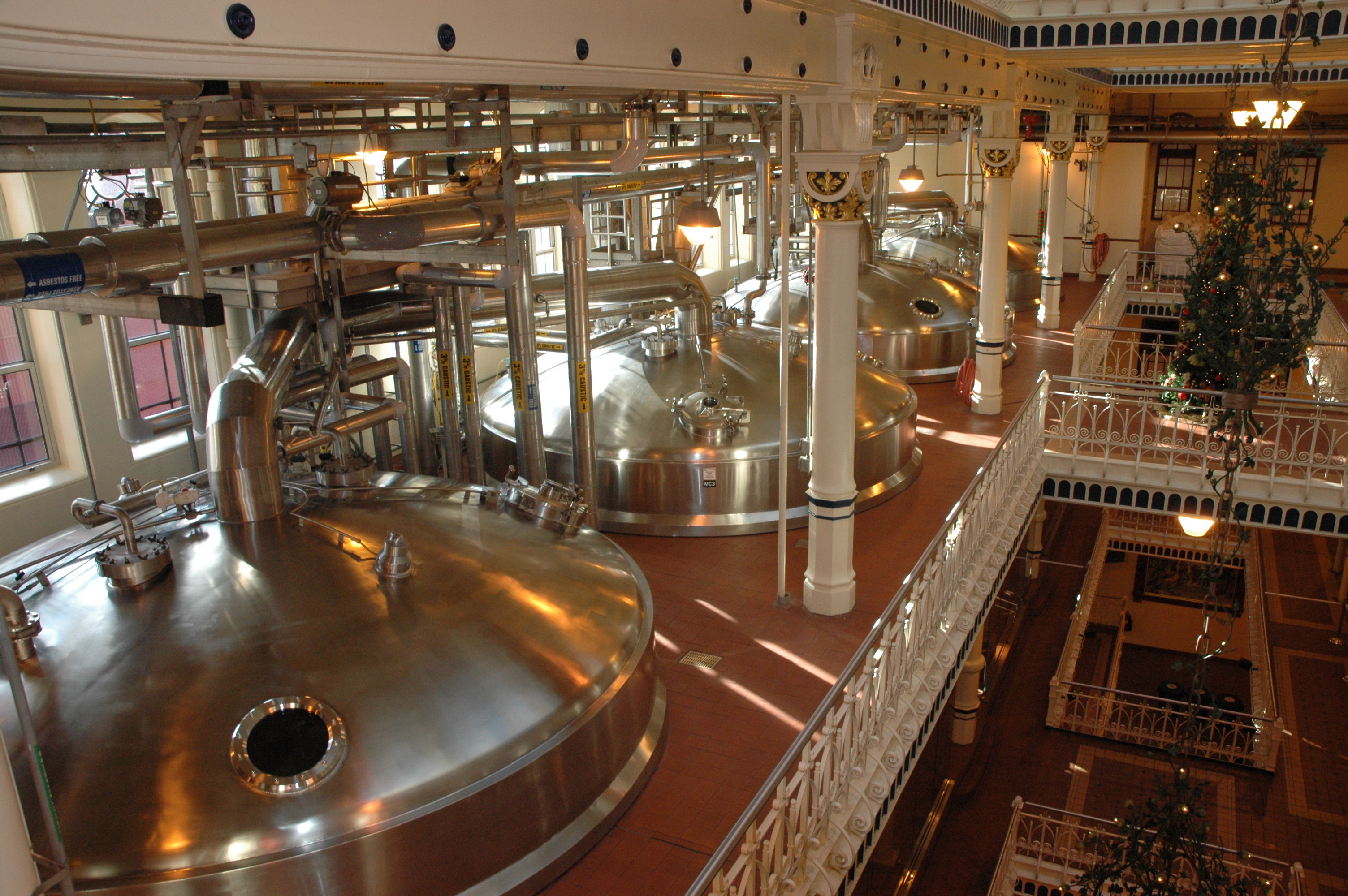
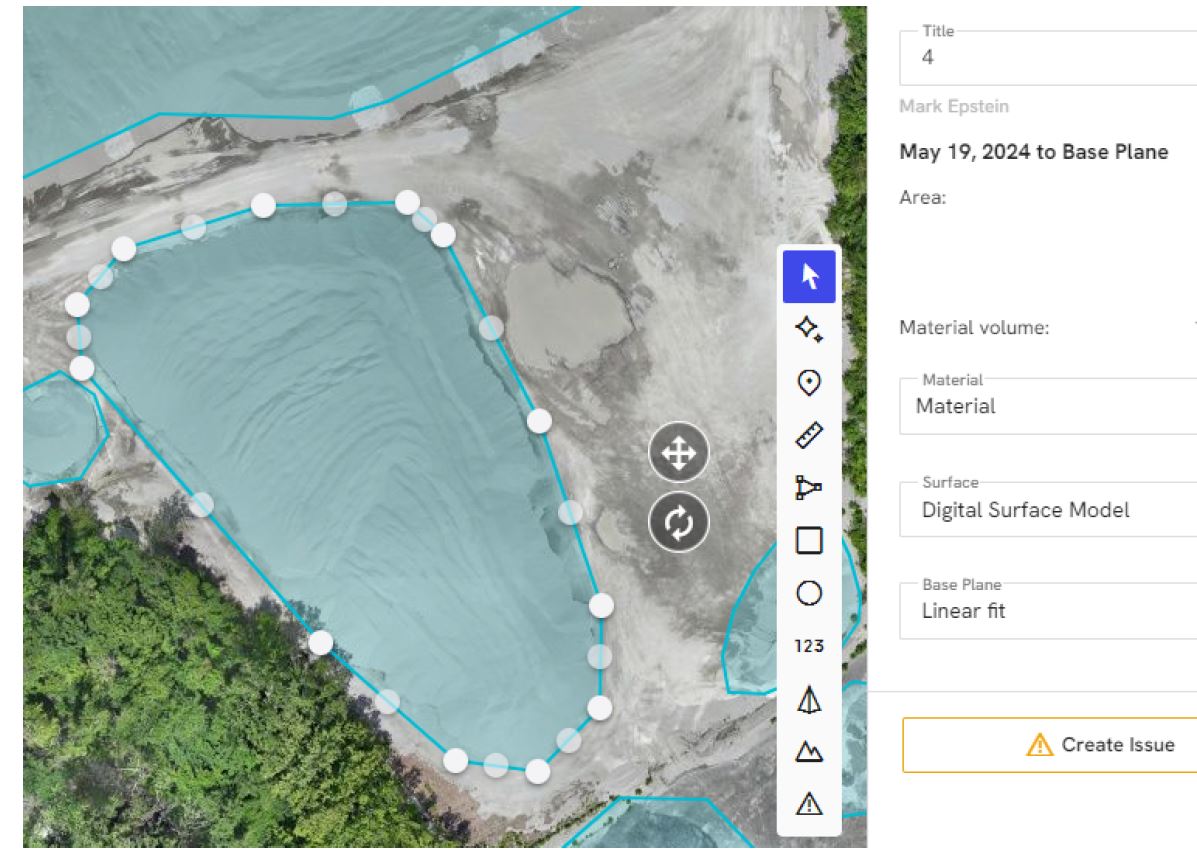
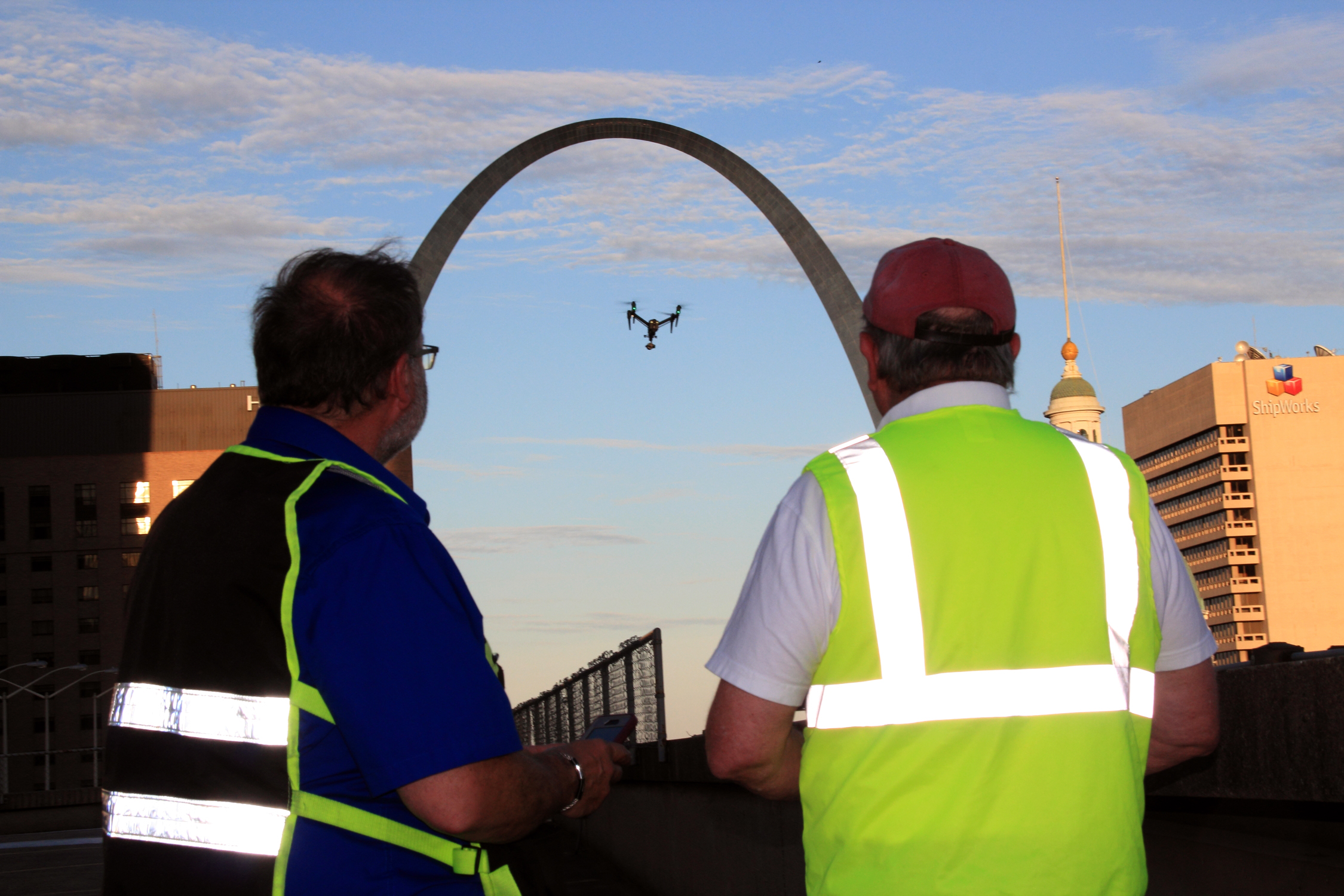
The process also includes a thorough assessment of the event environment — venue layout, ambient lighting conditions, acoustic characteristics, stage configuration, audience positioning, and any physical or logistical constraints that affect crew placement or equipment selection. For venues accessible in advance, an on-site assessment is invaluable. For venues known only through floor plans and specifications, a detailed pre-production inquiry conducted with production expertise identifies the relevant variables before the day arrives.
Finally, pre-production produces a detailed shot list — organized by priority, mapped to the event run-of-show, and distributed to every member of the production crew. The shot list is not a creative constraint. It is a production efficiency instrument that ensures the entire crew is oriented toward the same coverage objectives and that priority content is never missed because no one knew it was a priority.
Organizations that invest in thorough pre-production consistently receive more value from their event production budgets — because the production day is executing a precision plan rather than discovering the event as it unfolds.
Experienced Crew With Clear Role Definition
The relationship between crew experience and production cost efficiency runs counter to the instinct that equates more experienced professionals with higher total cost. In practice, experienced production crew reduces total engagement cost by compressing production time, eliminating errors that require costly remediation, and generating source material that moves through post-production efficiently and cleanly.
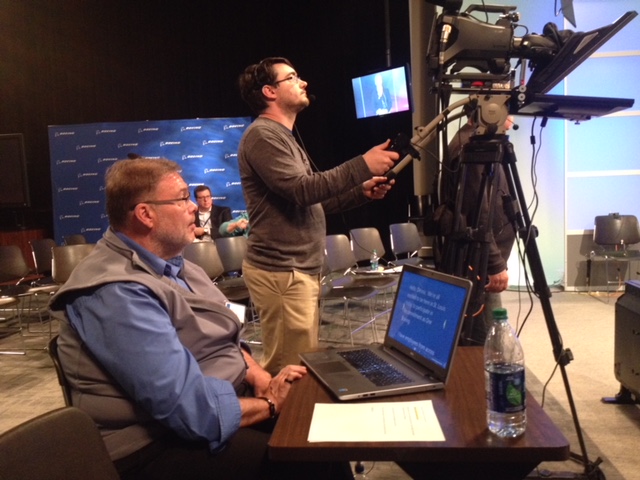
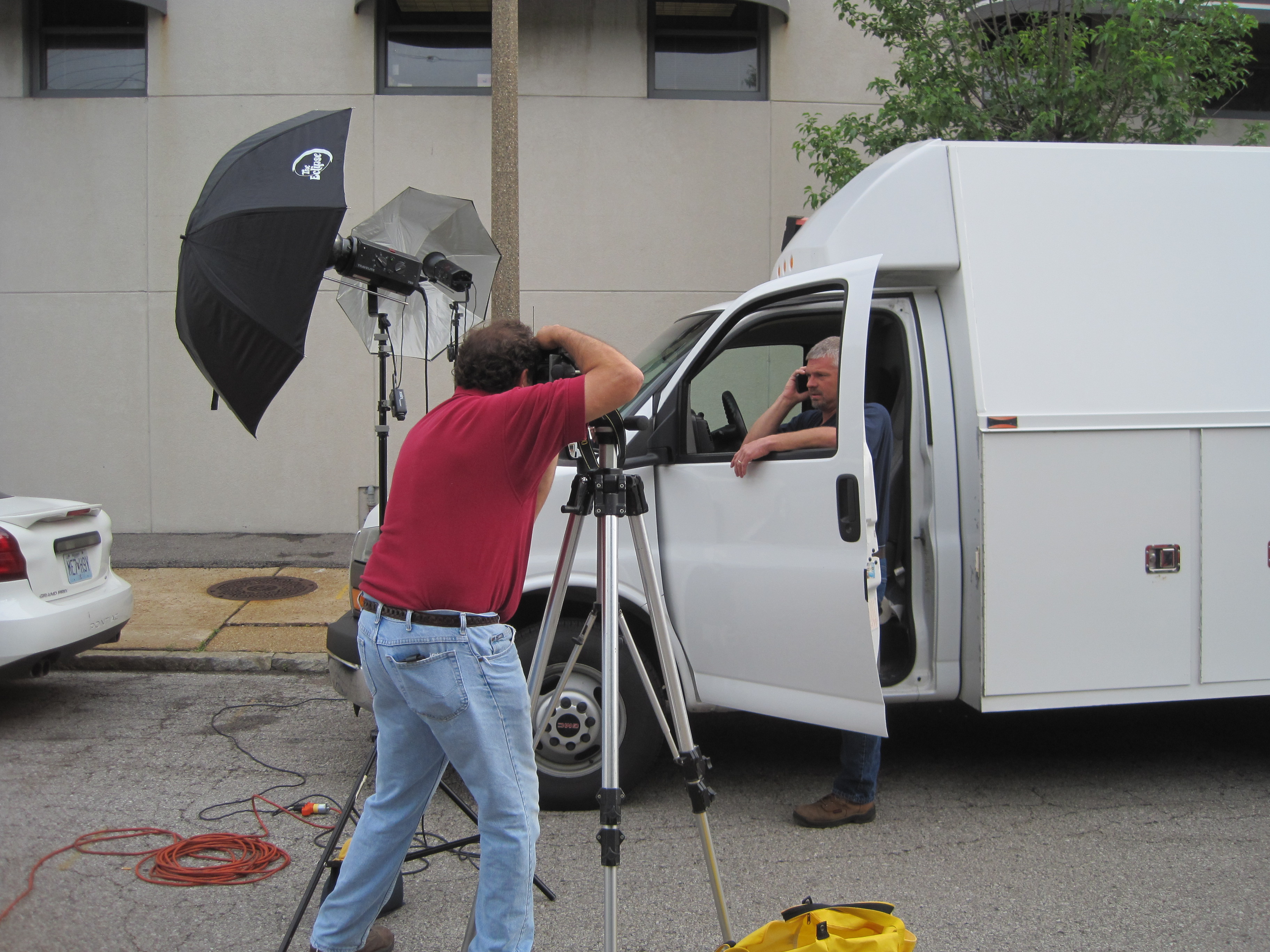
An experienced camera operator frames shots correctly, anticipates movement and action, manages changing light conditions without disrupting coverage, and structures their footage library so that the edit suite receives material that actually edits — not raw footage that requires extensive remediation before it can be cut. An experienced audio technician identifies and resolves acoustic problems before they contaminate the recording. An experienced producer manages the run-of-show against the shot list in real time, making the hundreds of judgment calls that a company event requires — which speaker needs a microphone check, when to break from the scheduled program to capture an unplanned but significant moment, when to redirect the photographer to a priority subject — without disrupting the event or missing content that matters.




The rate differential between experienced and inexperienced crew is recovered in post-production savings alone, before accounting for the qualitative difference in deliverable output or the irreplaceable value of moments that an underprepared crew missed and cannot recover.
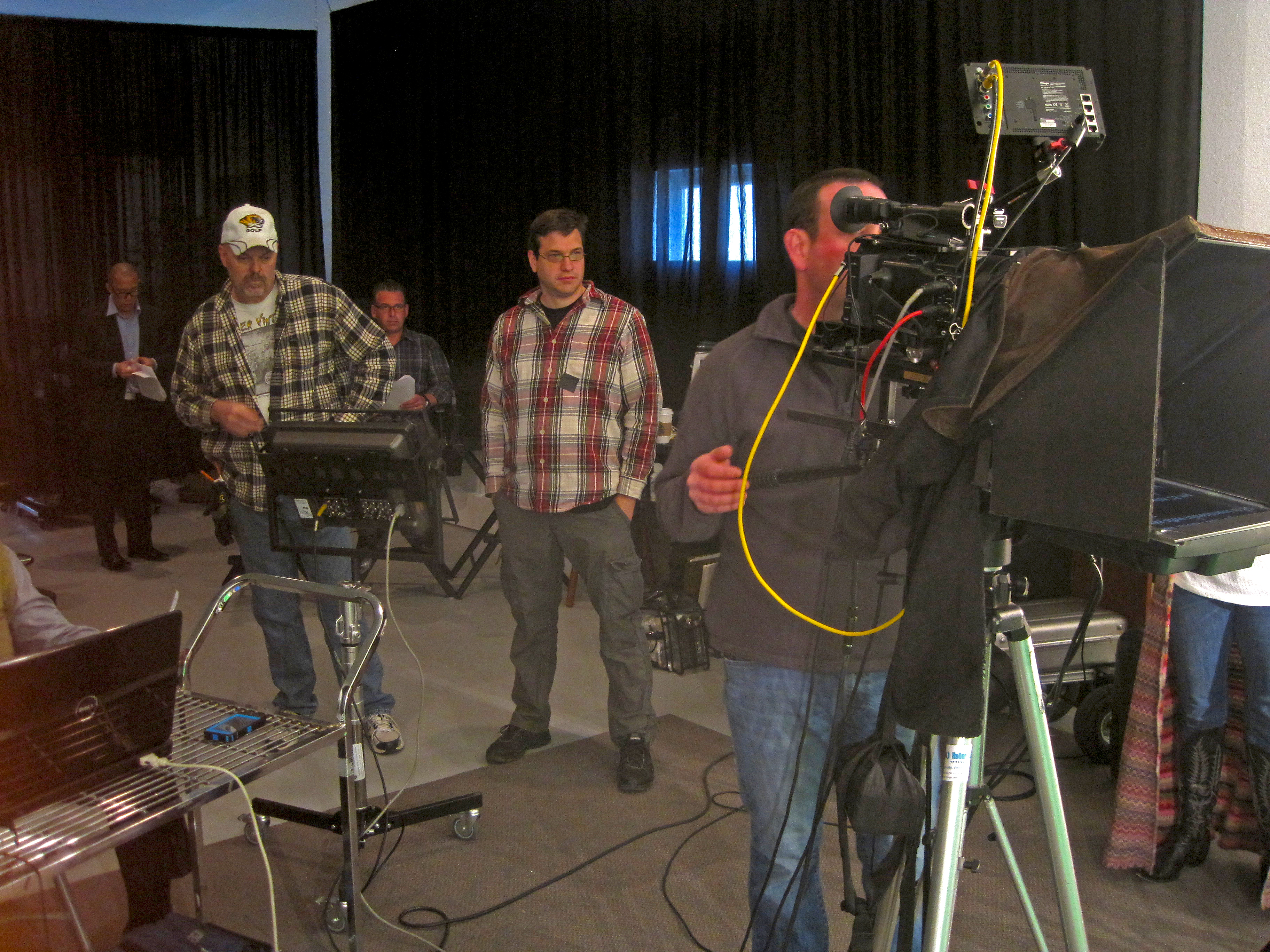
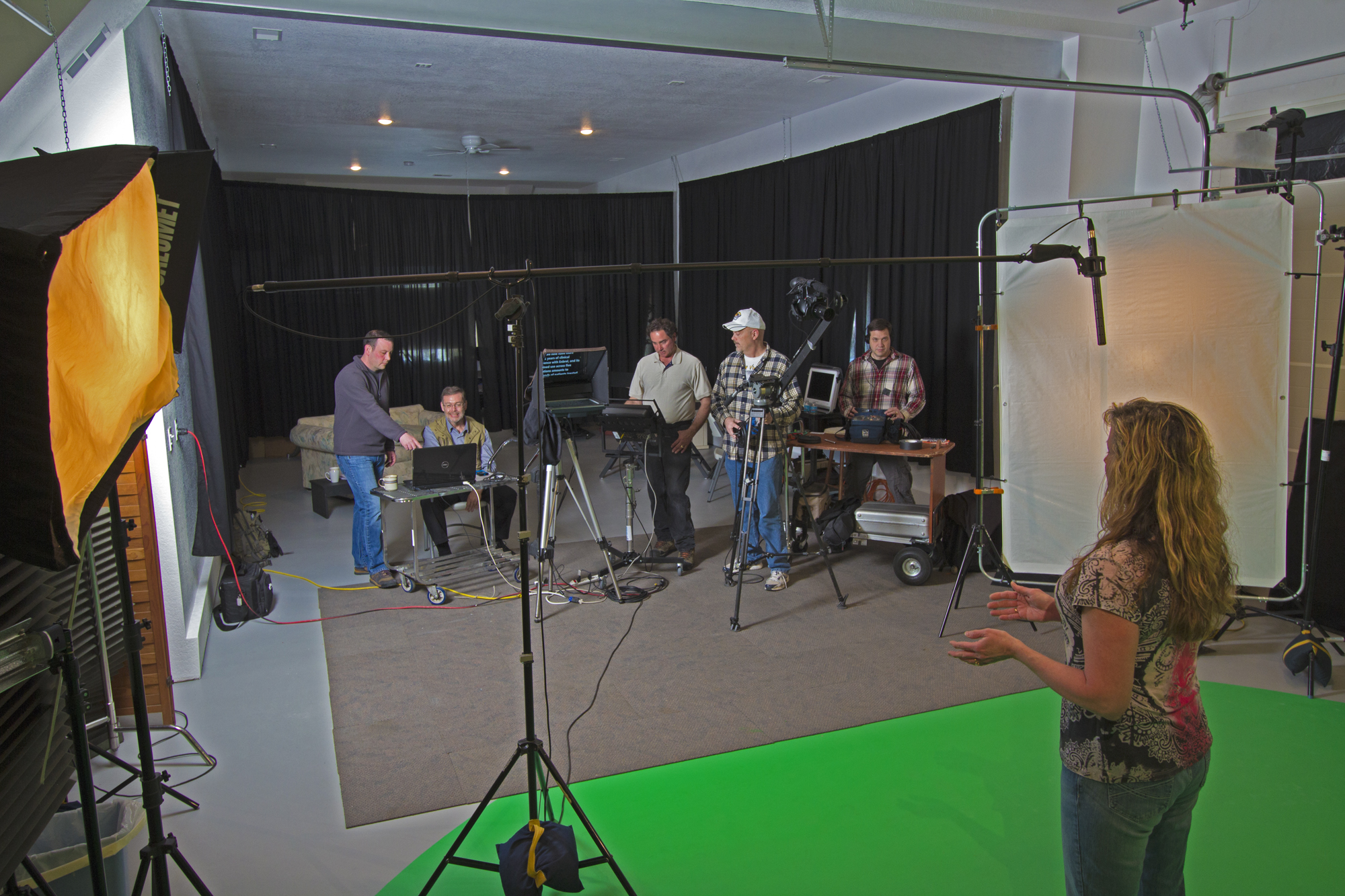
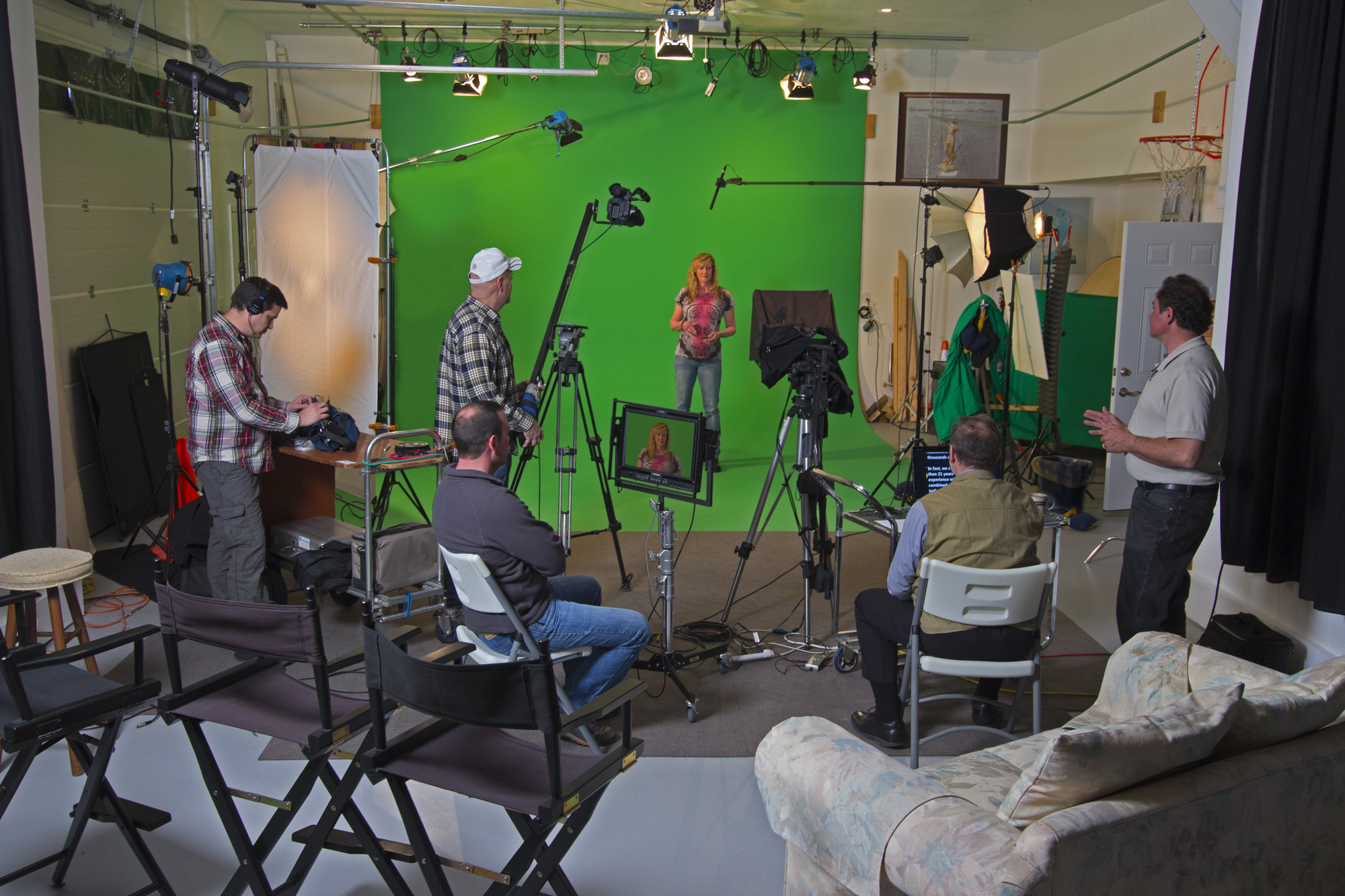
Role definition matters as much as individual experience. A production crew in which every member has a clear, specific assignment — primary camera, secondary camera, dedicated audio, dedicated photography, producing — operates with a level of efficiency and coordination that a same-size crew without clear assignments cannot approach. When the photographer and videographer are coordinating rather than competing for position, when the audio technician is monitoring levels rather than managing a secondary responsibility, and when the producer is directing coverage rather than operating a camera, the production crew functions as a precision instrument rather than a collection of individuals improvising around each other.
Equipment Matched to the Environment
Professional production equipment should be selected based on a thorough understanding of the specific event environment and the technical requirements of the deliverables to be generated — not based on a standard package applied uniformly to every engagement, and not based on what appears most impressive on a gear list.
The lighting conditions of your company event venue are among the most important equipment selection variables. A ballroom with controlled theatrical lighting has different camera and supplemental lighting requirements than a conference center with mixed fluorescent overhead sources, an outdoor event space with variable natural light, an industrial facility with challenging mixed-source illumination, or a boardroom with window-dominant natural light. A production partner who assesses the venue environment in pre-production and selects equipment accordingly is managing your budget with intelligence. One who arrives with a standard kit regardless of the environment is not.
Audio equipment selection deserves equal deliberation. The number and type of wireless microphone systems required, the approach to interfacing with a venue house sound system, the strategy for capturing room ambience and audience response, and the monitoring and recording configuration appropriate for the specific acoustic environment — all of these decisions should be made in pre-production, based on the program structure and venue characteristics of your specific event.
Camera system selection should reflect deliverable requirements clearly and specifically. The image quality specifications of your final outputs, the low-light performance required by your venue conditions, the dynamic range needed for your event environment, and the format flexibility required by multi-platform distribution — these are the variables that drive appropriate camera selection.


Simultaneous Multi-Format Capture
One of the defining practices of genuinely cost-efficient event production is designing the shooting approach to serve multiple output formats from the same capture — so that footage and photography generated on the production day can be assembled into the full range of deliverables without requiring reshoots, format adaptations that compromise quality, or additional production mobilizations.
This requires knowing, before the production day begins, every format in which your content will be distributed. Widescreen 16:9 for website and YouTube. Vertical 9:16 for Instagram Reels and LinkedIn mobile. Square 1:1 for grid posts and certain advertising placements. Broadcast specifications for media distribution. Print-resolution photography for press and publication use. Web-optimized photography for digital channels.
A production crew that understands the full format requirements captures with all of them in mind — framing shots to accommodate both horizontal and vertical crops, ensuring movements work across format adaptations, capturing photography at resolutions that serve both print and digital applications, and structuring the footage library so the post-production team can build every required output from the same source material.
When this is executed correctly, the post-production cost of generating your full deliverables suite is a fraction of what it would be if format adaptations were attempted after the fact.
On-Site Interview Production: The Highest-Return Component of Any Event Engagement
Among all the content production opportunities that company events create, on-site interview capture generates the highest return relative to its incremental production cost — and it is the opportunity most consistently left underutilized by the organizations that would benefit most from it.
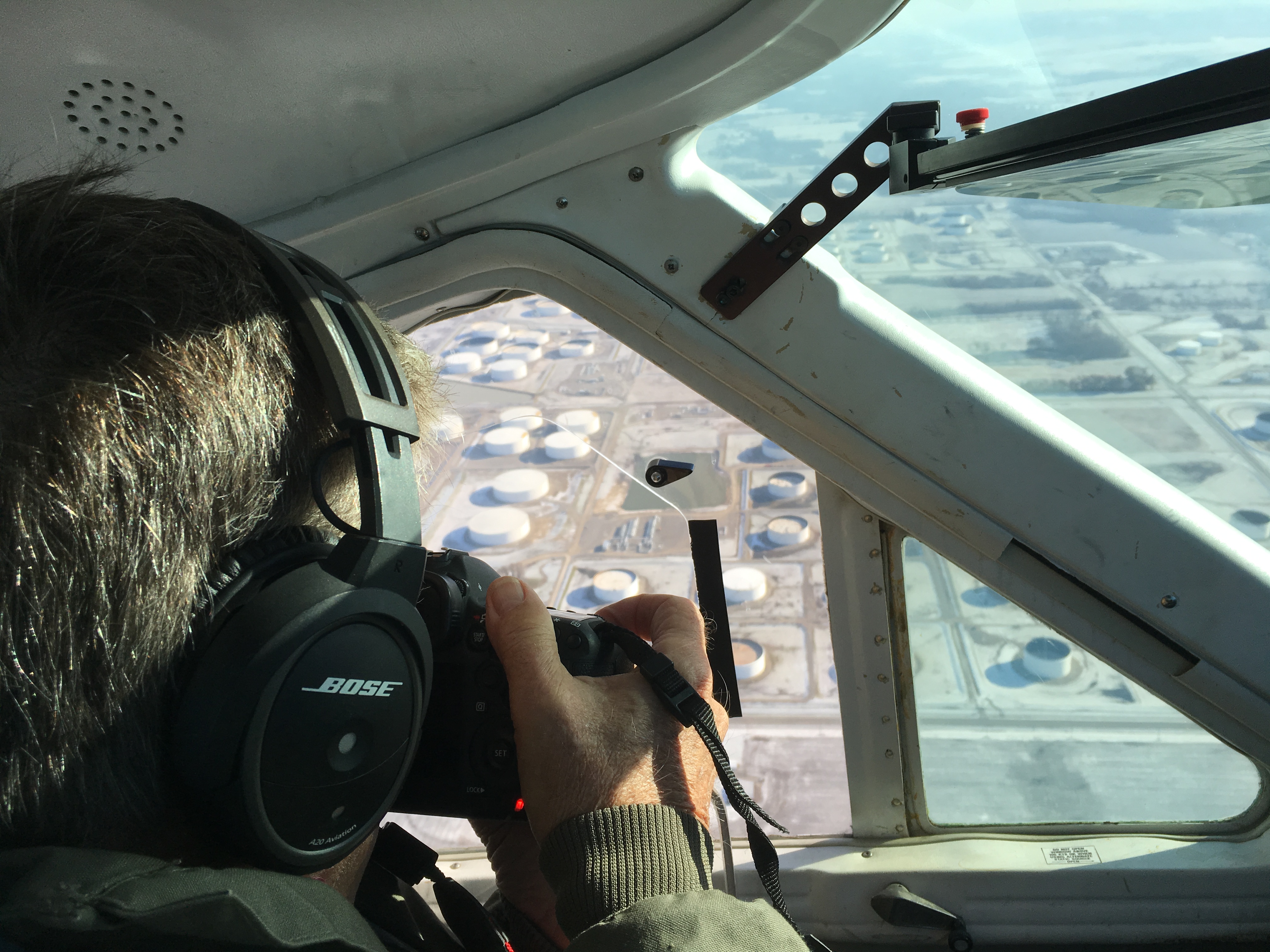
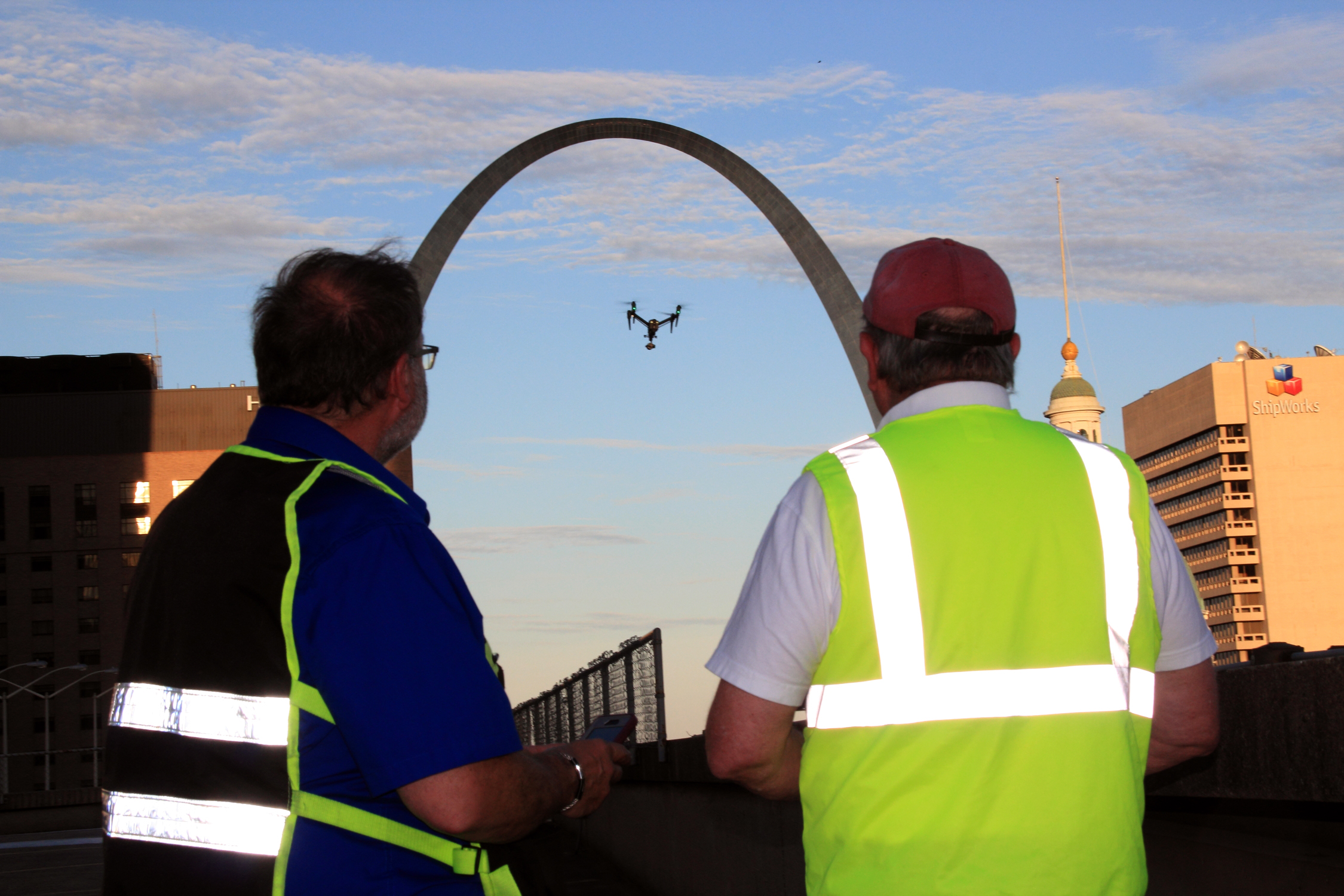
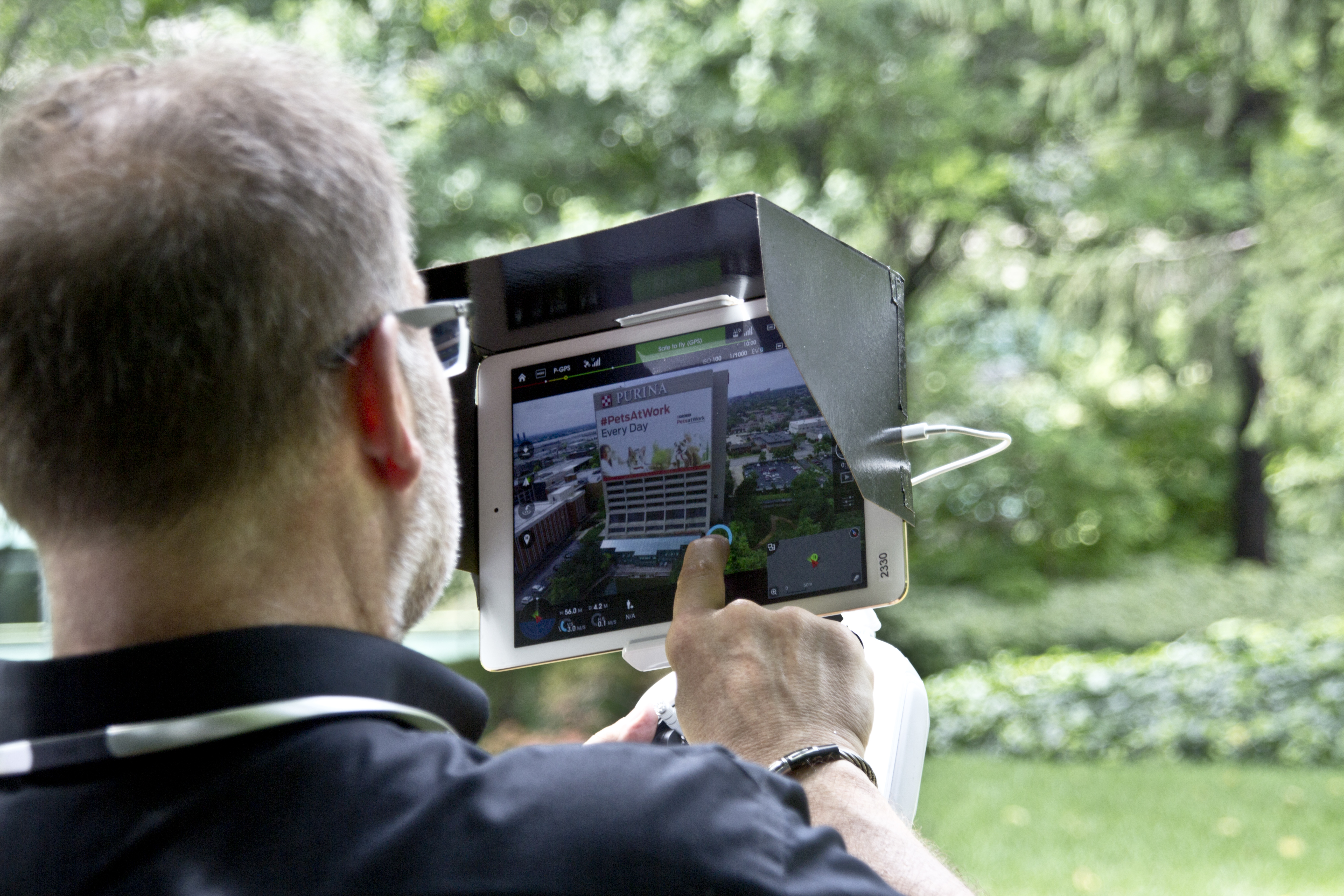
The logic is direct. Your company event has assembled, in one location, the people who are most valuable to your content program. Clients who have achieved measurable results with your product or service and can speak to them authentically. Executives whose perspective and voice have genuine thought leadership value. Subject matter experts whose commentary serves your content marketing objectives. Partners and collaborators who can speak credibly to your organizational quality. Team members whose passion communicates culture in ways that institutional brand messaging cannot approach.
Producing structured interview content with these individuals outside the event context requires individual scheduling coordination across multiple calendars, separate production mobilizations for each subject, individual location setups, and a cumulative production investment that is multiples of the incremental cost of capturing the same content within the event engagement.
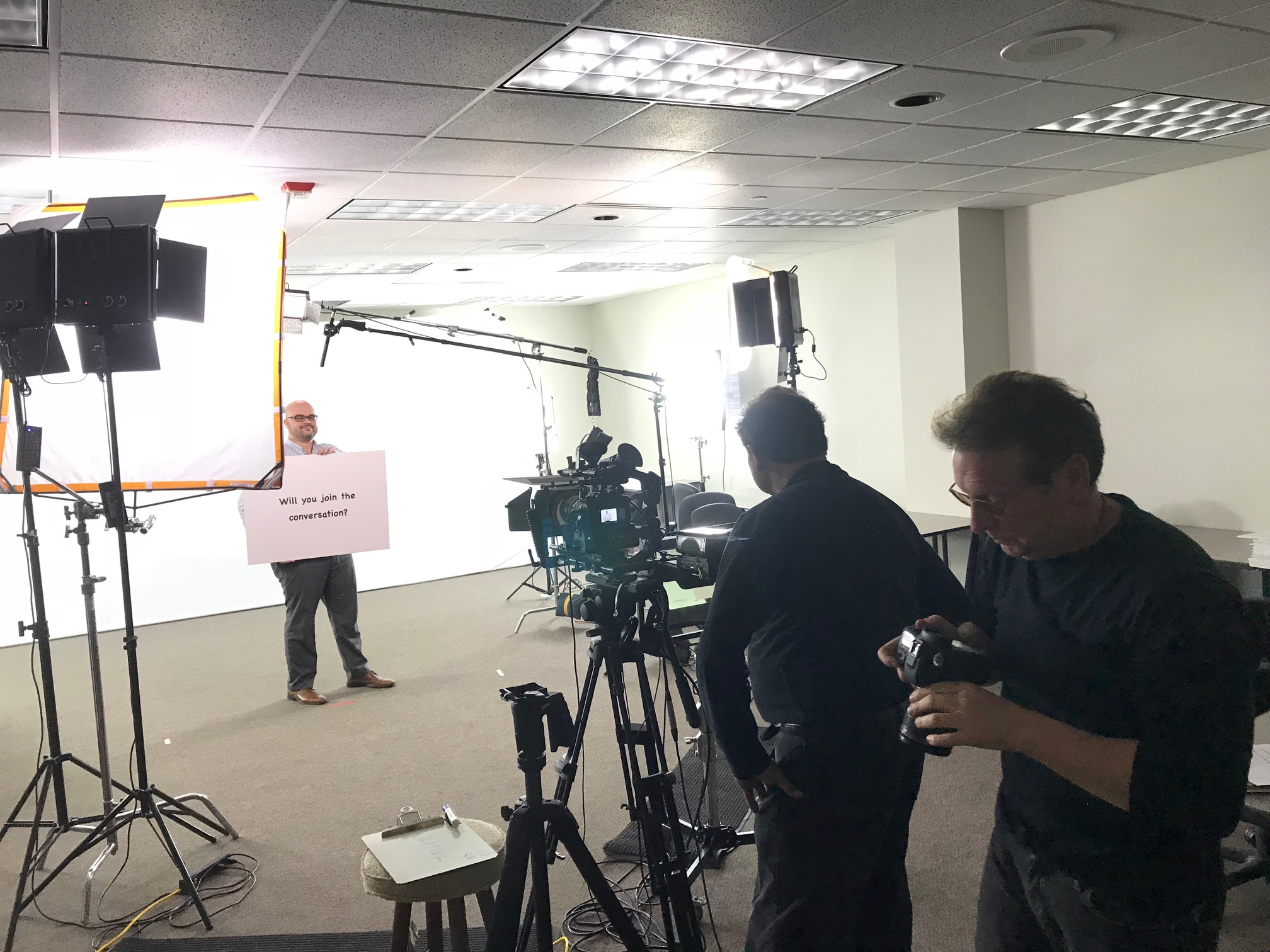
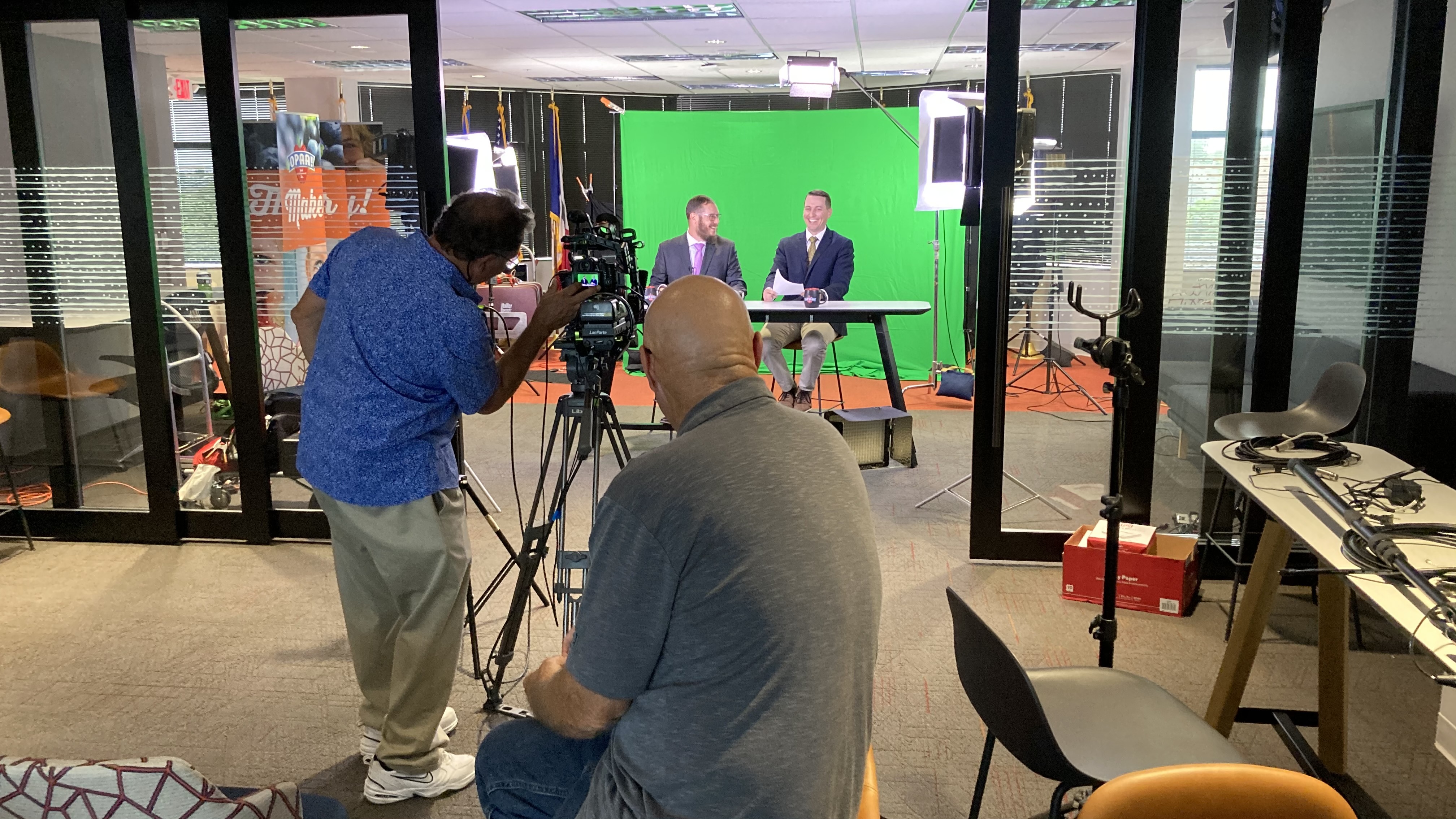
A professional crew can establish a compact, properly lit, and professionally configured interview setup in any quiet space accessible from your event floor — a breakout room, a hospitality suite, a corridor alcove, or any adjacent space configured with professional lighting and audio. With a structured question framework prepared in advance and a producer managing the flow of interview subjects through the schedule, this setup generates an extraordinary volume of high-quality interview content in the natural margins of your event program.
314-913-5626 stlouisvideocrew@gmail.com
- Posted in: st louis video crews
- Tagged: business, business events photography and video, Commercials, corporate event video, Corporate Profile Videos, digital-marketing, drone aerial video, drone b-roll, drone live streaming video, Event drone streaming, Event photos, event webcast, Exercise Videos, How-to Videos, Infomercials, Instagram influencer reel, Interviews, Interviews and B-roll, Live Event Filming, marketing, marketing campaign, Media production, multimedia casting, Music Videos, photography, Product Videos, Promotional Videos Business to Business Videos, Real Estate Videos, social media advertising, Social Media Viral Videos, st louis event streaming, st louis video crews, st louis video production, technology, television ad, Testimonial Videos, Time Lapse Videos, video freelancer, web advertising, webcasting and video streaming, youtube product demo