Remote Video Made Easy: Shoot-and-Ship Interviews and B-Roll with St Louis Video Crew
Whether you’re building a brand story, launching a campaign, or gathering footage for national distribution, shoot-and-ship production is the efficient, scalable solution.
At St Louis Video Crew, we specialize in capturing professional video interviews and supplemental footage here in St. Louis, then promptly delivering the files to your editors—wherever they are. It’s the ideal way to extend your content reach without the hassle of long-distance travel or complicated logistics.
What Is Shoot-and-Ship?
Shoot-and-ship is a remote production service model. Instead of flying your team across the country to film someone on-camera, you hire a trusted local video crew to do the work for you. The footage is then packaged and sent to your in-house team or external post-production partners.
This approach is particularly valuable when you:
- Need an executive, team member, or client interviewed on location
- Want to gather local footage for a national campaign
- Have a tight turnaround or limited travel budget
- Are managing production remotely and need boots on the ground
How the Process Works
1. Pre-Shoot Coordination
We start by learning what your goals are: the purpose of the video, key messaging, and visual tone. Whether you provide a detailed brief or just high-level direction, we tailor the shoot to match your vision.
2. On-Location or In-Studio Filming
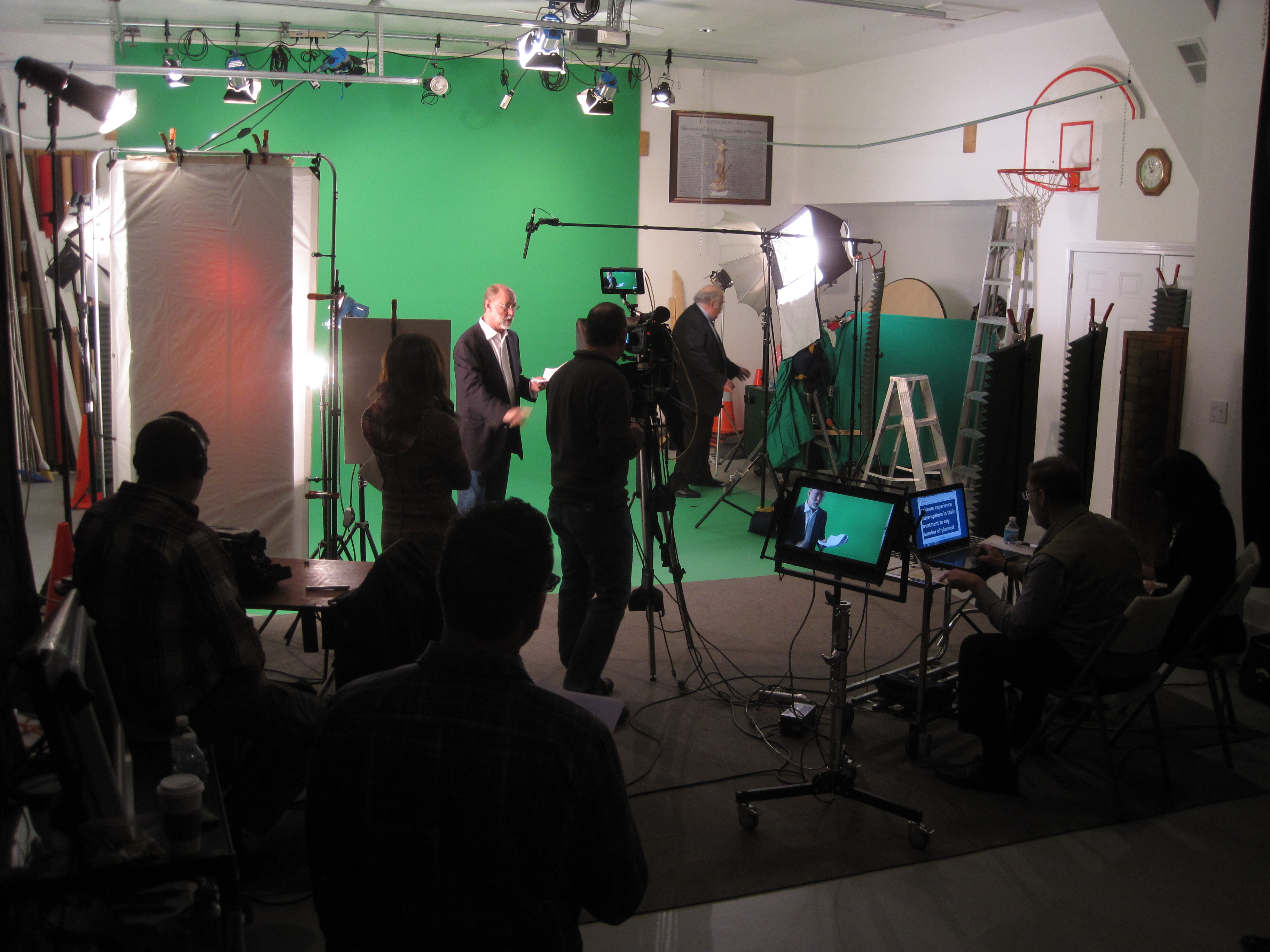
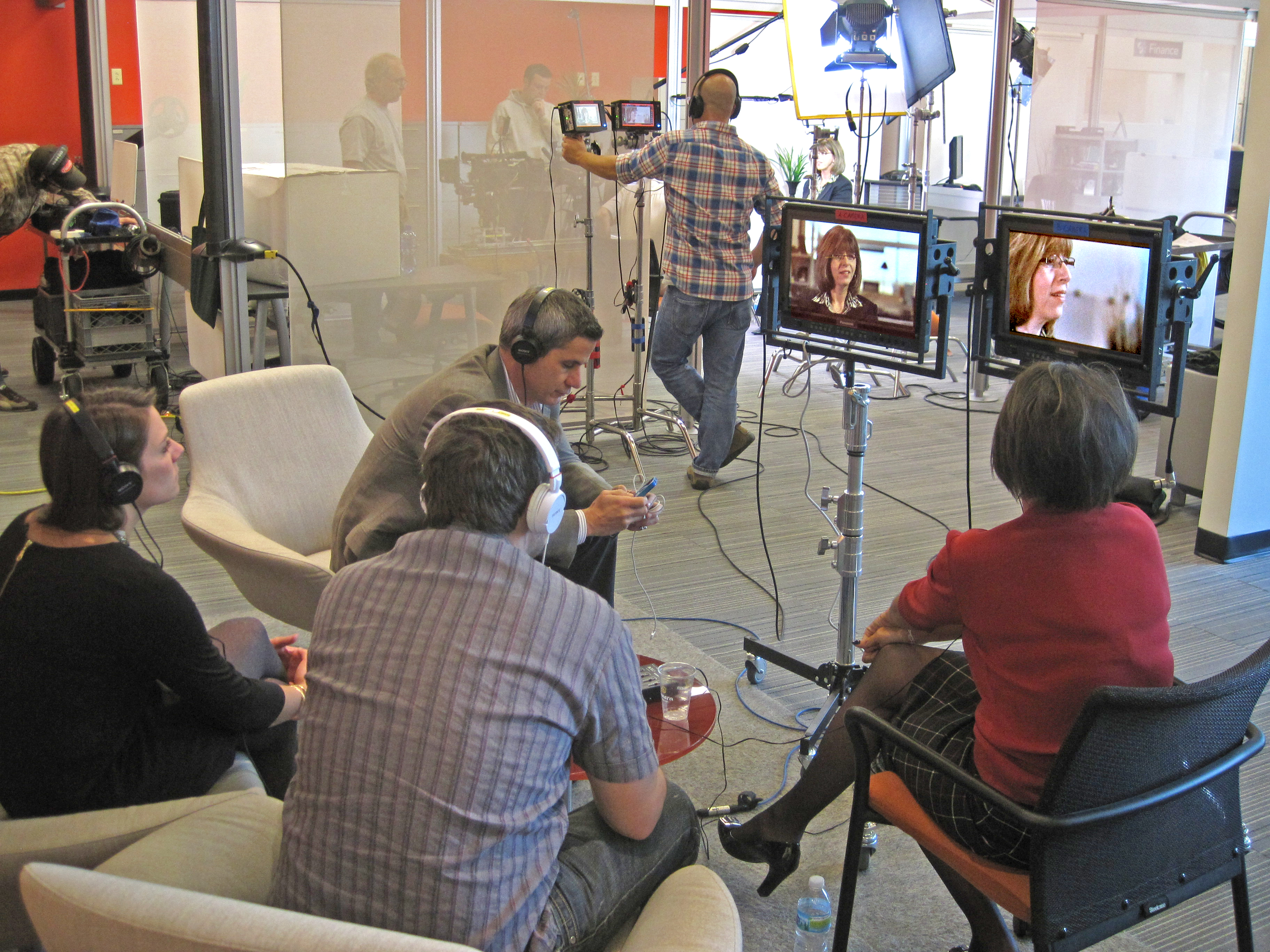
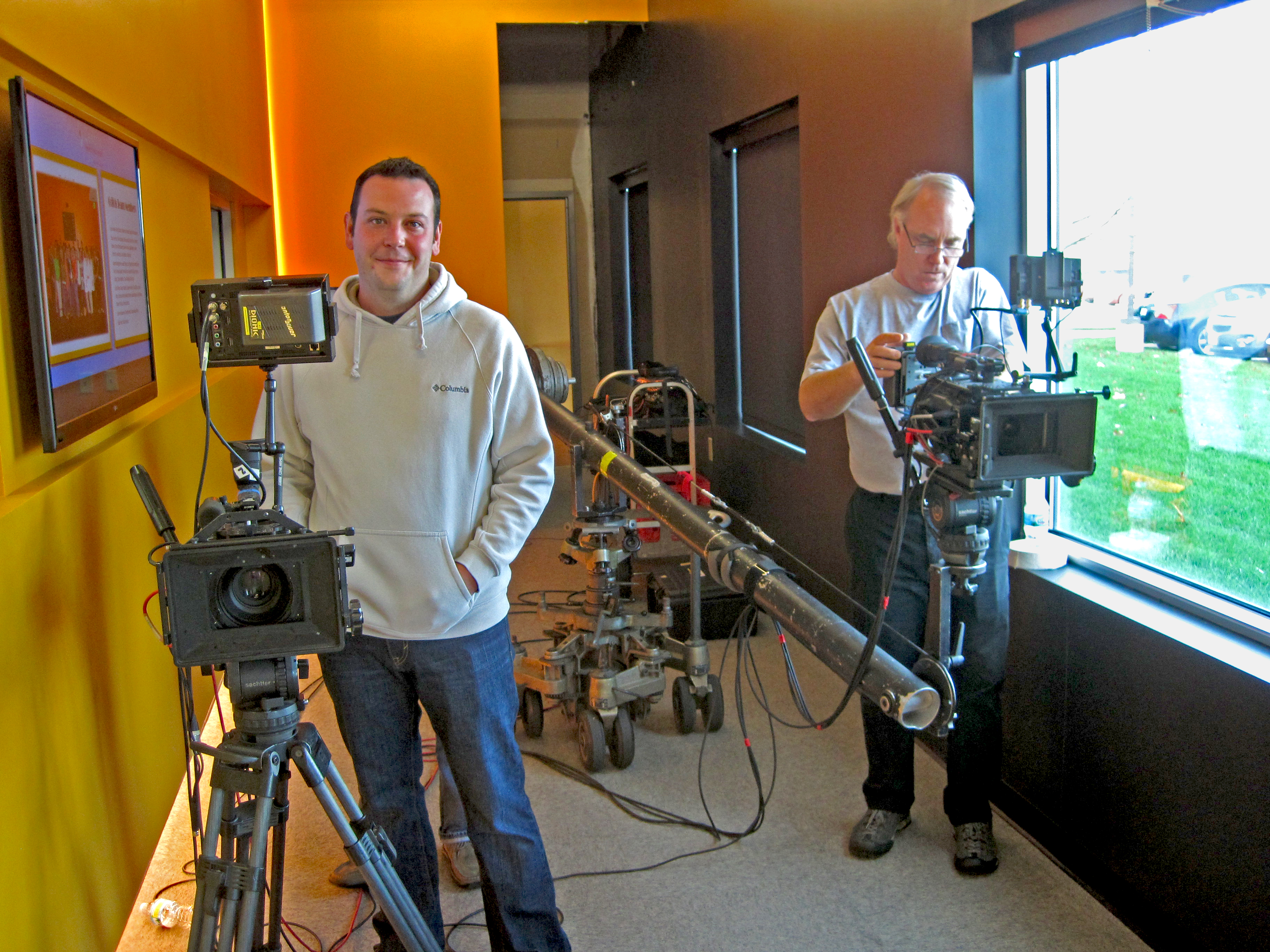
Our experienced crew handles lighting, camera setup, audio, and on-site production. Whether we’re filming in an office, warehouse, or our private studio, we create a polished look that meets your brand’s standards.






3. B-Roll Footage Capture
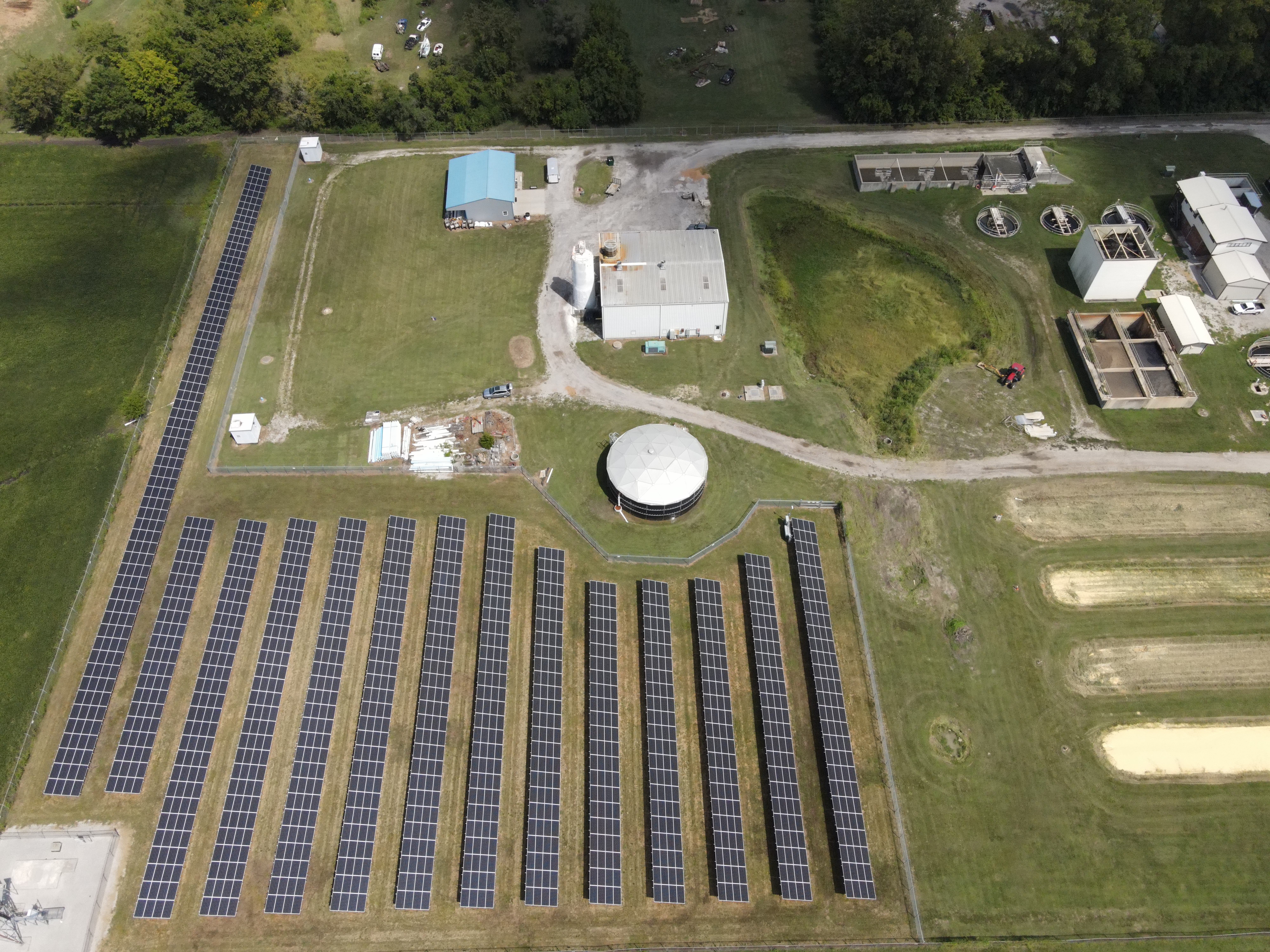
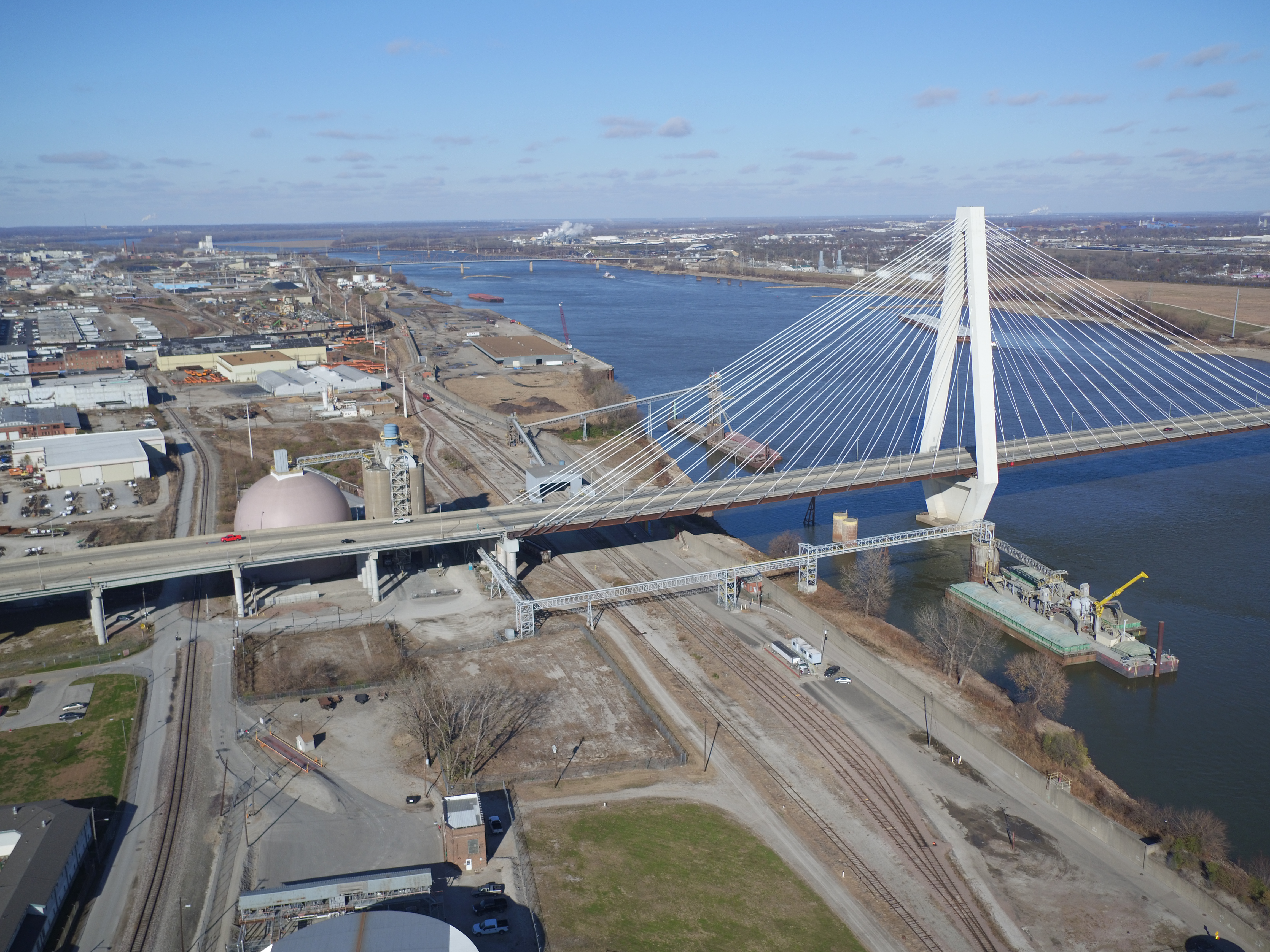
To complement your interview, we capture supporting visuals—office activity, team interactions, products in use, facility footage, or location-based storytelling elements that help tie your message together.
4. File Prep and Delivery
Once filming is complete, we organize, back up, and deliver your files securely. Everything is clearly labeled and ready for your editors to begin working right away.
Why St. Louis Is an Ideal Shoot-and-Ship Location
St. Louis is a strategic production hub with a wide variety of business, industrial, and lifestyle settings. The city’s central location also makes it an efficient choice for coast-to-coast campaigns. From corporate environments to urban streetscapes, historic landmarks to clean modern interiors, St. Louis offers a visual diversity that works for many brands.
Why Work with St Louis Video Crew?
St Louis Video Crew is a full-service professional photography and video production company, trusted by companies, marketing teams, and agencies since 1982. We bring decades of experience, creative talent, and technical know-how to every project—big or small.
Here’s what we bring to every shoot-and-ship engagement:
- Full-service studio and on-location video and photography, customized to your content needs
- Professional editing, post-production, and licensed drone operations, including indoor flight capability
- Expertise in repurposing video and photography assets for web, social media, training, or broadcast use
- Fluency with all file types, formats, and software platforms for easy integration into your existing workflow
- Use of the latest AI technology to enhance visual quality and streamline production processes
- A private, customizable studio environment, perfect for interviews, testimonials, product videos, or training modules


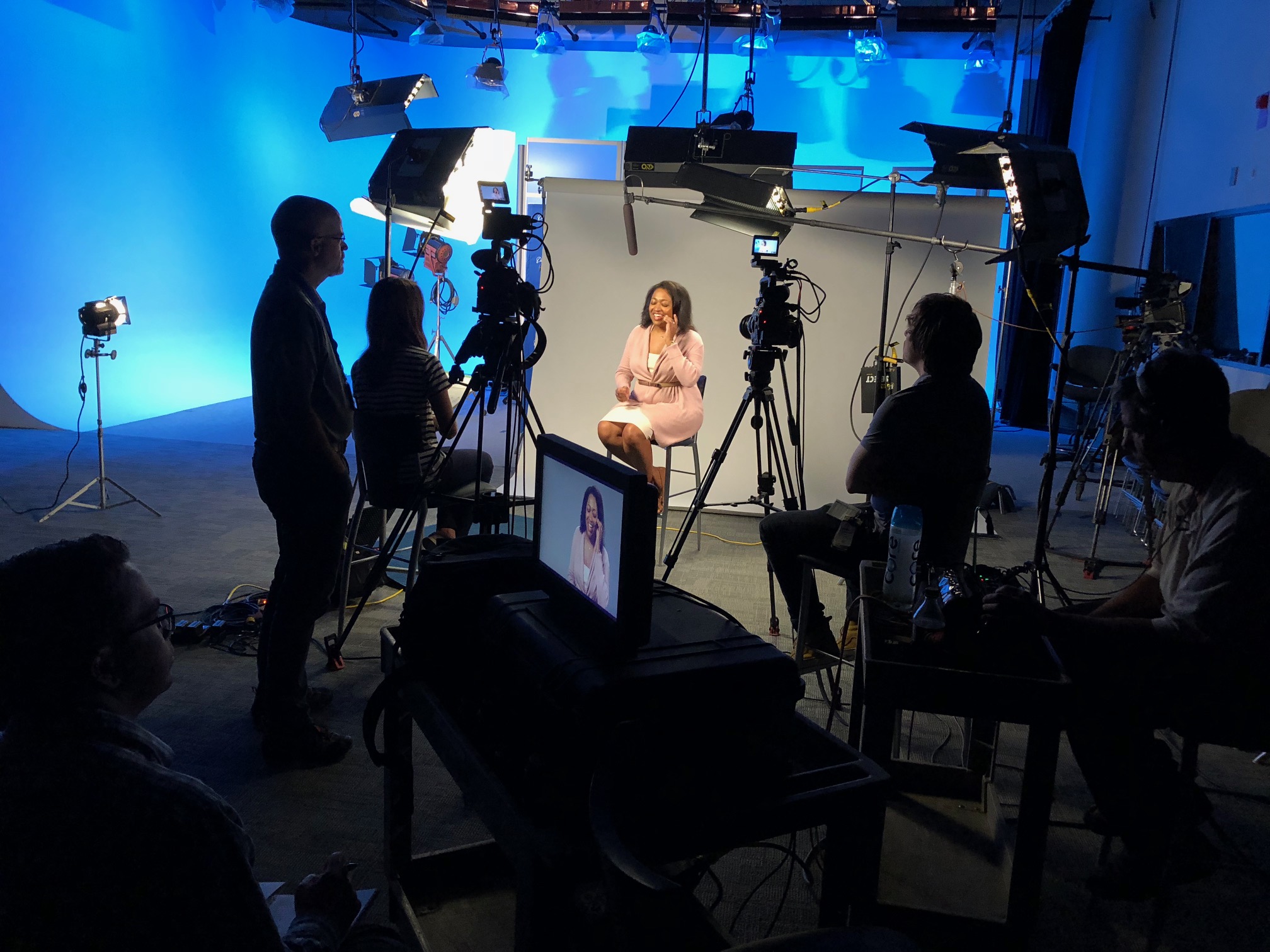


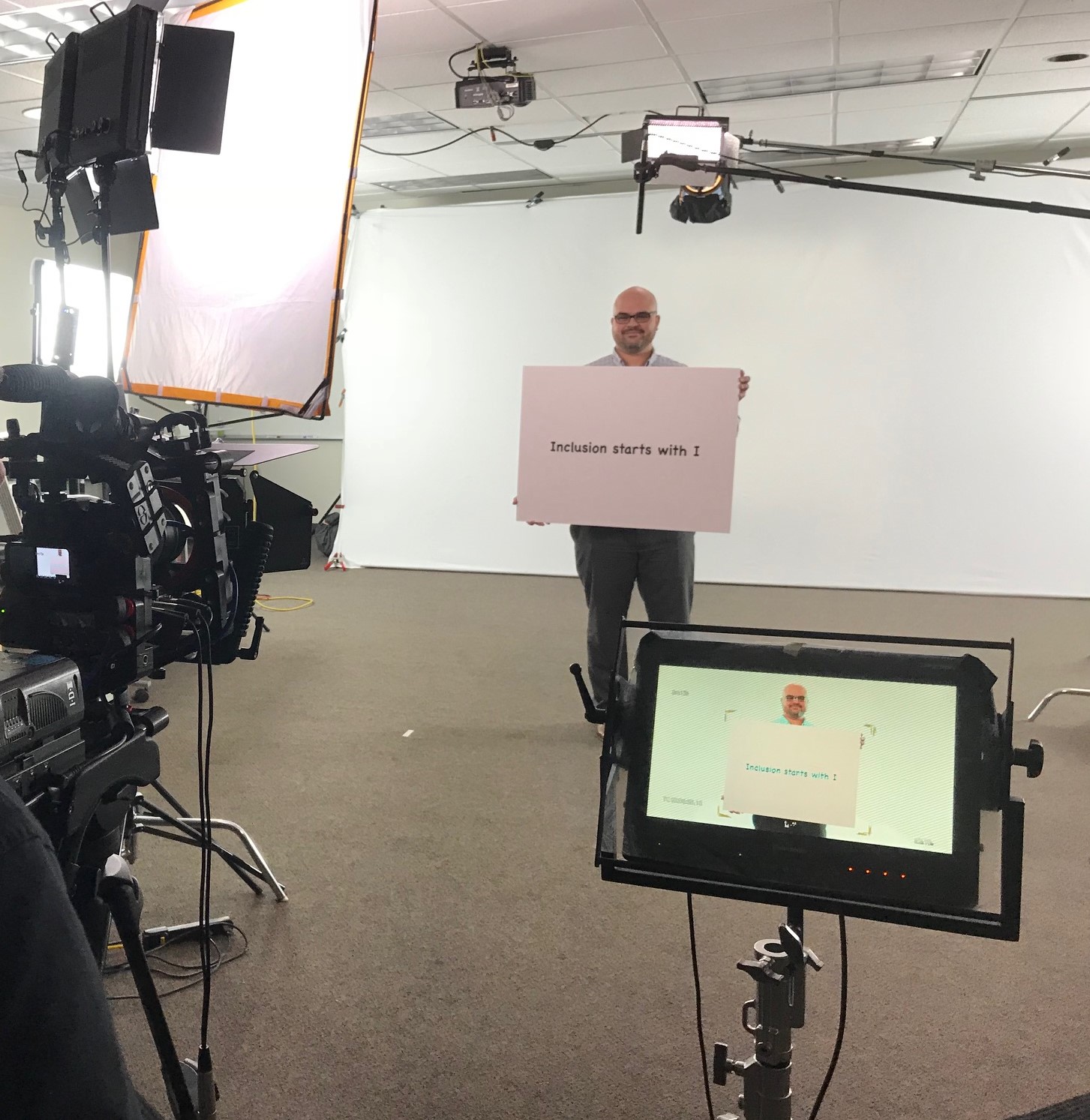
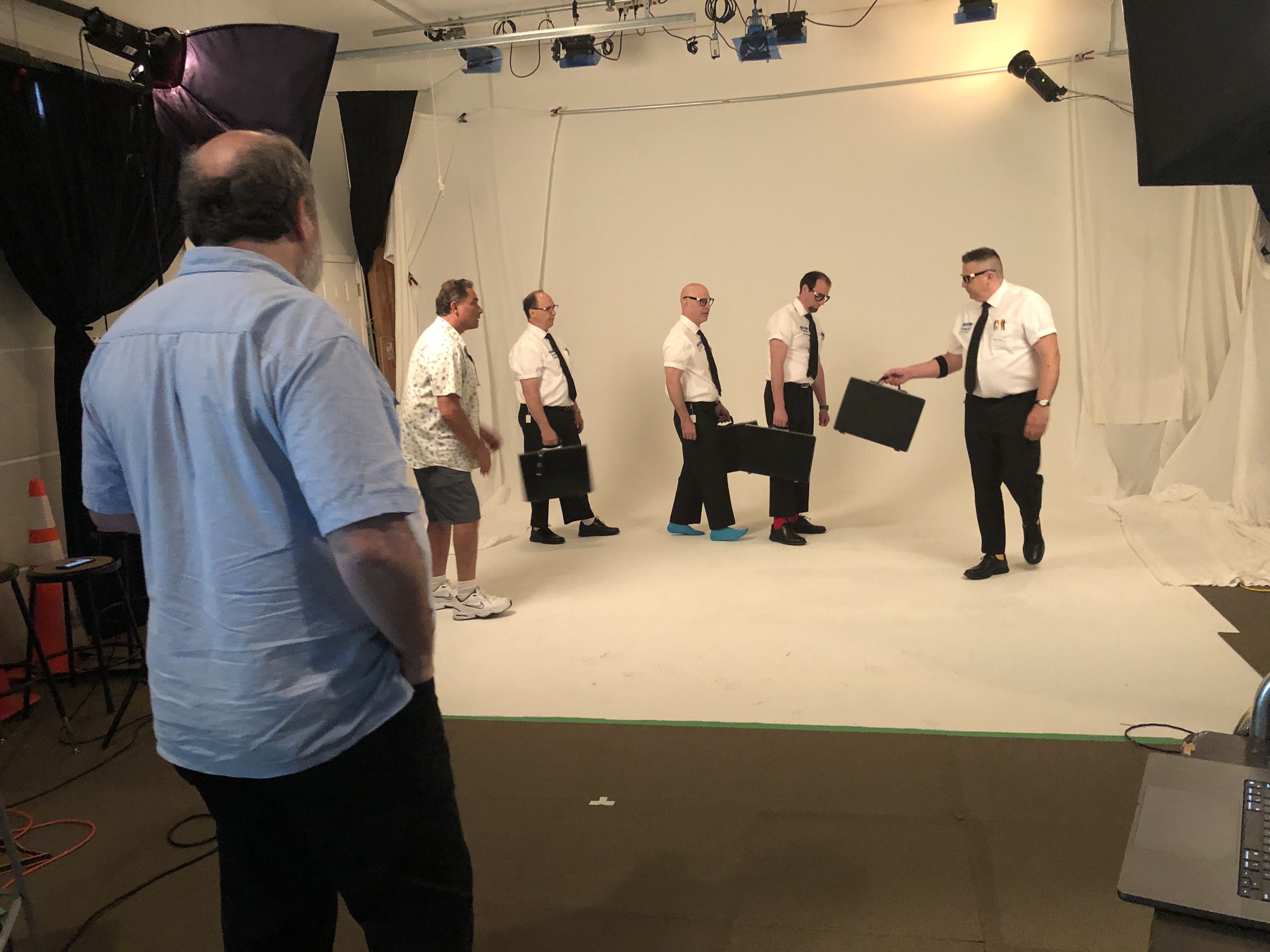
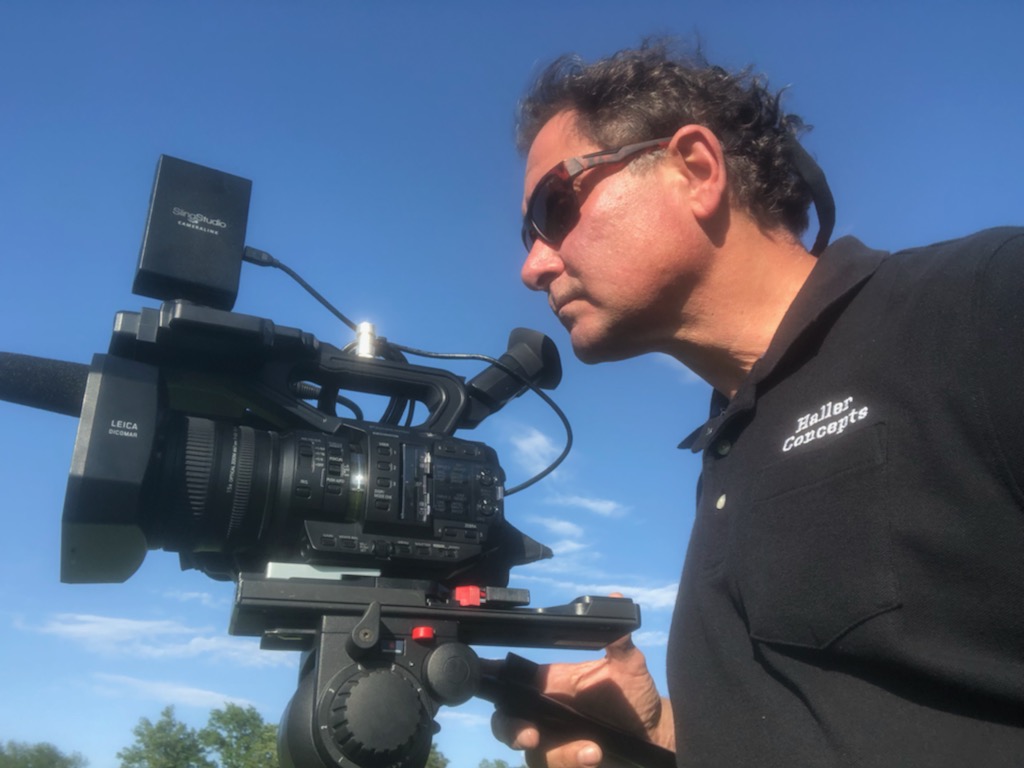
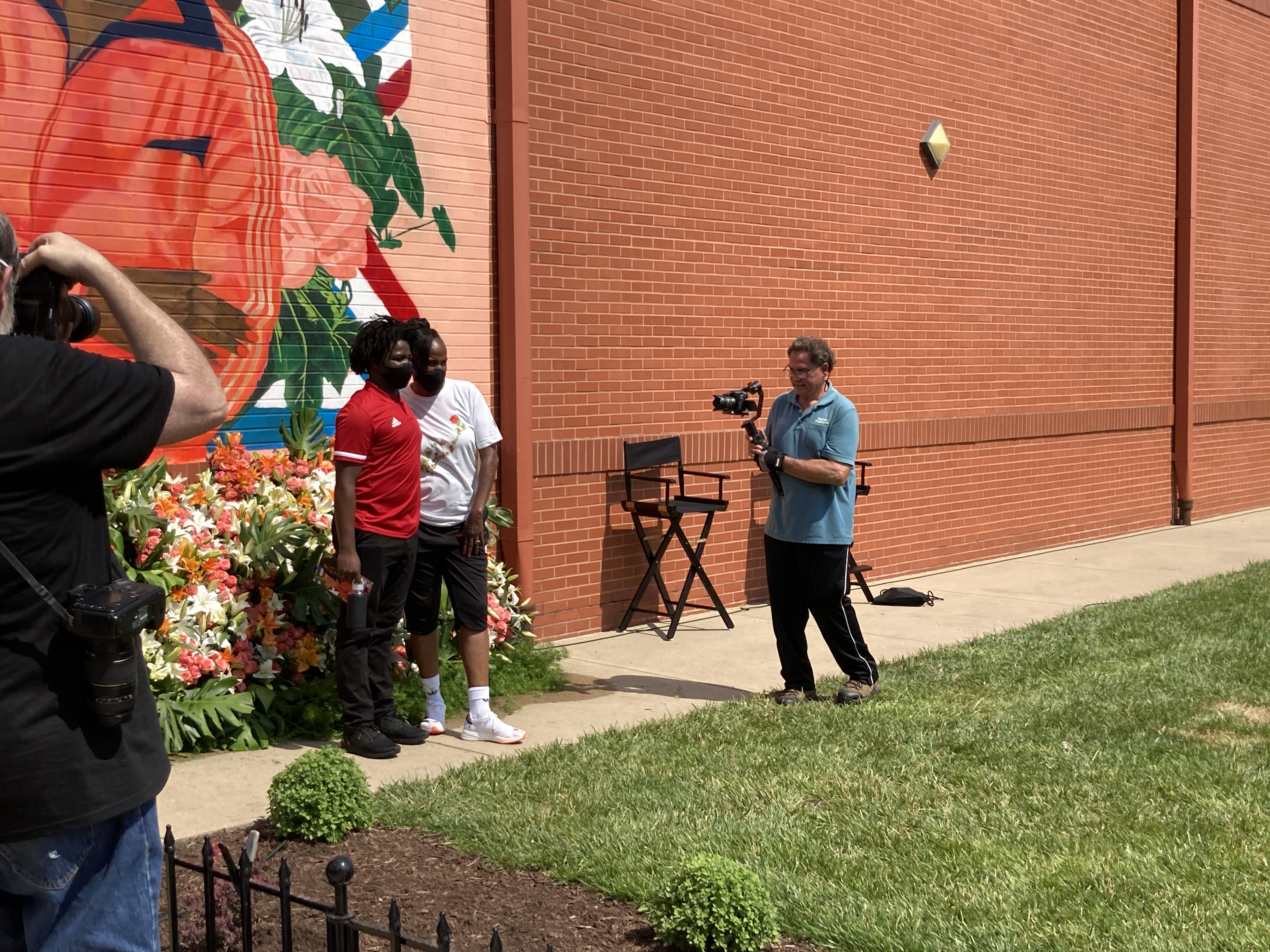
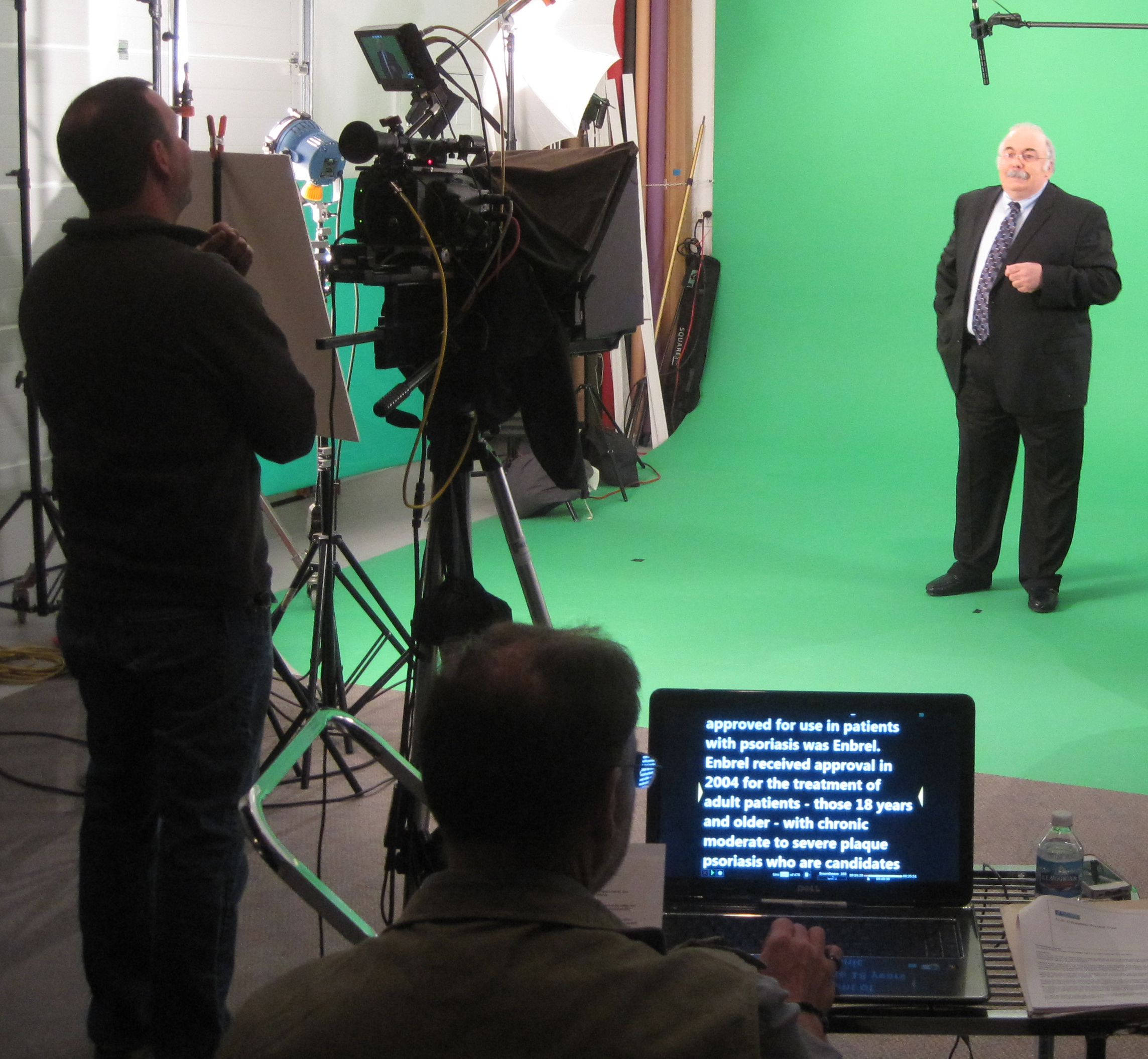
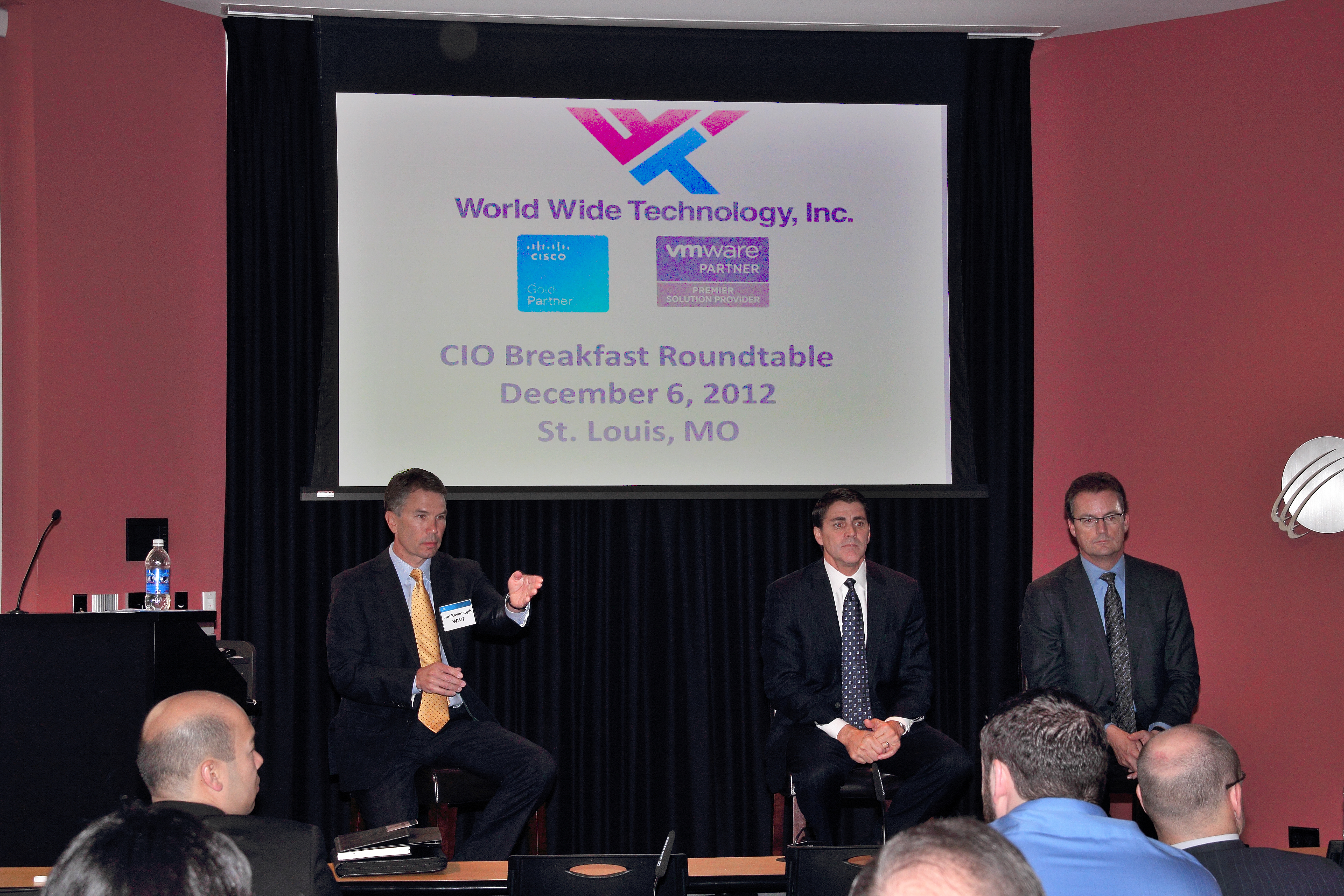
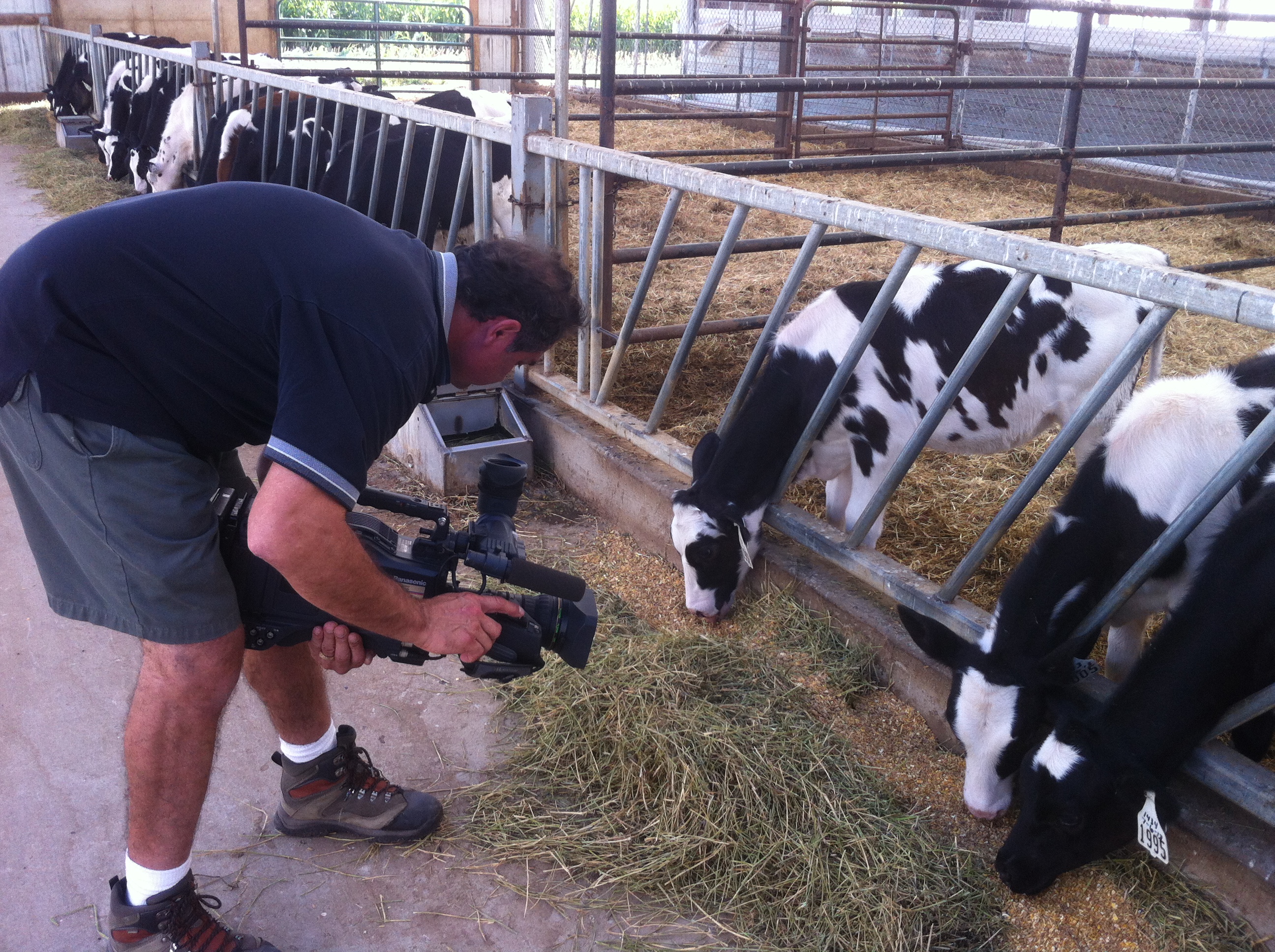
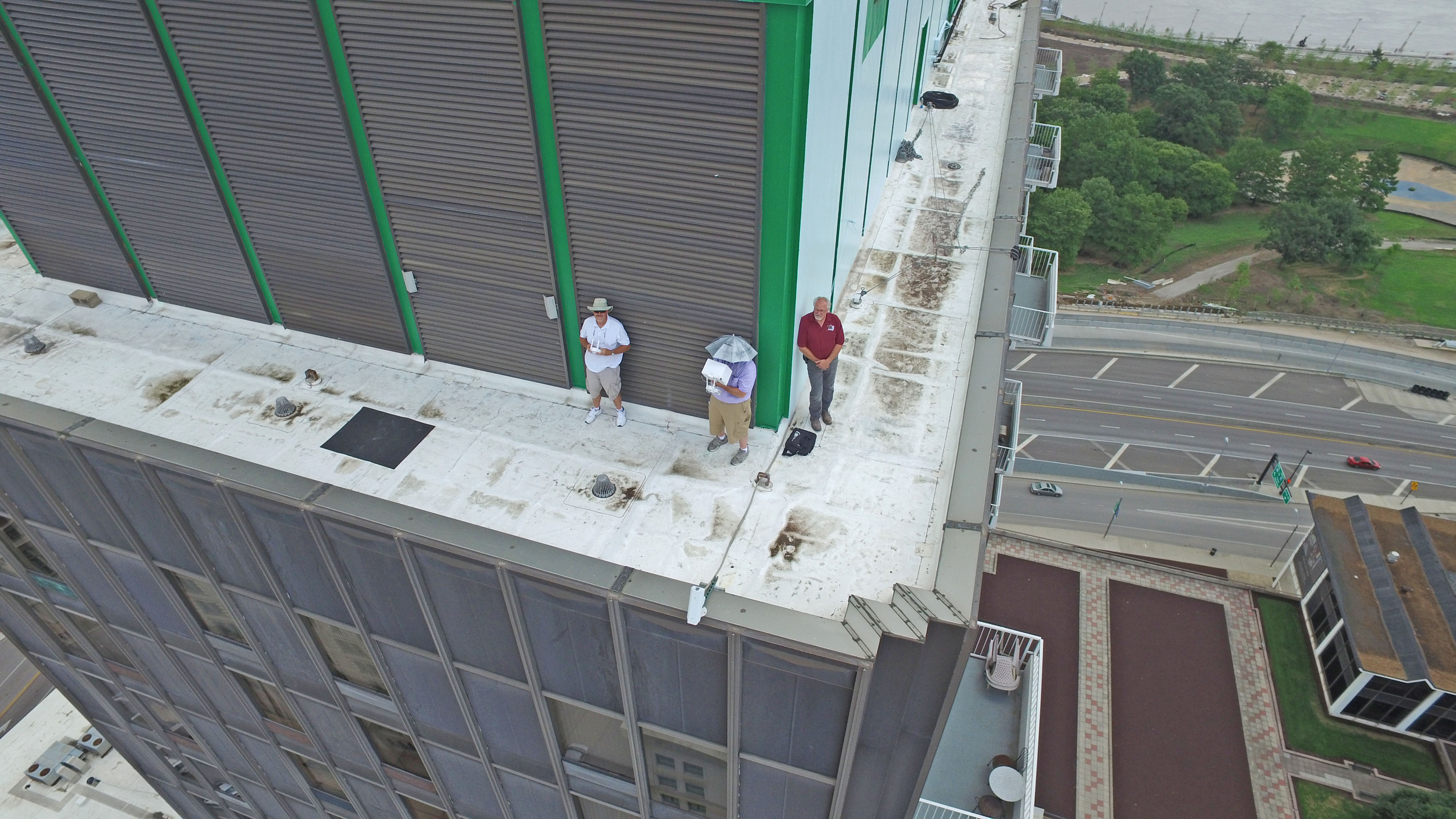
Whether you’re producing a single executive message or capturing footage for a multi-part campaign, our crew ensures a smooth, professional experience from planning through delivery. We handle everything on the ground so your team can stay focused on the big picture.
Need high-quality video interviews and B-roll in St. Louis—without sending your team on the road? Partner with St Louis Video Crew for a seamless shoot-and-ship experience.
Easy Tips for Choosing the Right Crew for Small Video Productions
In the world of business storytelling, not every production requires a Hollywood-sized team. In fact, many of the most effective corporate videos—interviews, testimonials, product demos, training content, or social media spots—are executed by compact, highly skilled crews. For decision makers tasked with sourcing video services, knowing how to choose the right crew for a small-scale production can make the difference between a smooth shoot and a logistical headache.
At St Louis Video Crew, we’ve specialized in lean, efficient video production since 1982. Drawing on our decades of experience, here are some simple yet essential tips for selecting the right crew for your next small-scale shoot.
1. Understand the Scope of Your Project
Before hiring a crew, define the basic needs of your production:
- What’s the objective of the video?
- How many locations will be involved?
- Will the shoot include interviews, product b-roll, or live-action sequences?
- What is the desired runtime and final format (web, internal, social media, broadcast)?
A clear scope helps you identify how many crew members you’ll actually need—many smaller videos can be executed with just a director of photography, an audio technician, and a producer or PA.
2. Look for Multi-Disciplinary Talent
With a small crew, versatility is key. You’ll want professionals who are comfortable juggling multiple roles:
- A camera operator who can also light interviews
- A producer who can assist with on-site logistics
- An audio tech who understands editing workflows
Experienced small crews don’t just fill positions—they solve problems and keep your production moving.
3. Check for Relevant Experience and Portfolio Fit
Not all video crews are created equal. Look for companies or individuals who have a strong track record with the type of video you need:
- If it’s a corporate testimonial, ask to see interview samples.
- For internal training content, check that they’ve worked with other businesses in similar industries.
- For promotional footage, review their b-roll and editing capabilities.
An experienced crew will already know how to light, shoot, and direct talent in the style you’re after—with minimal coaching.







4. Ensure They Have the Right Equipment for the Job
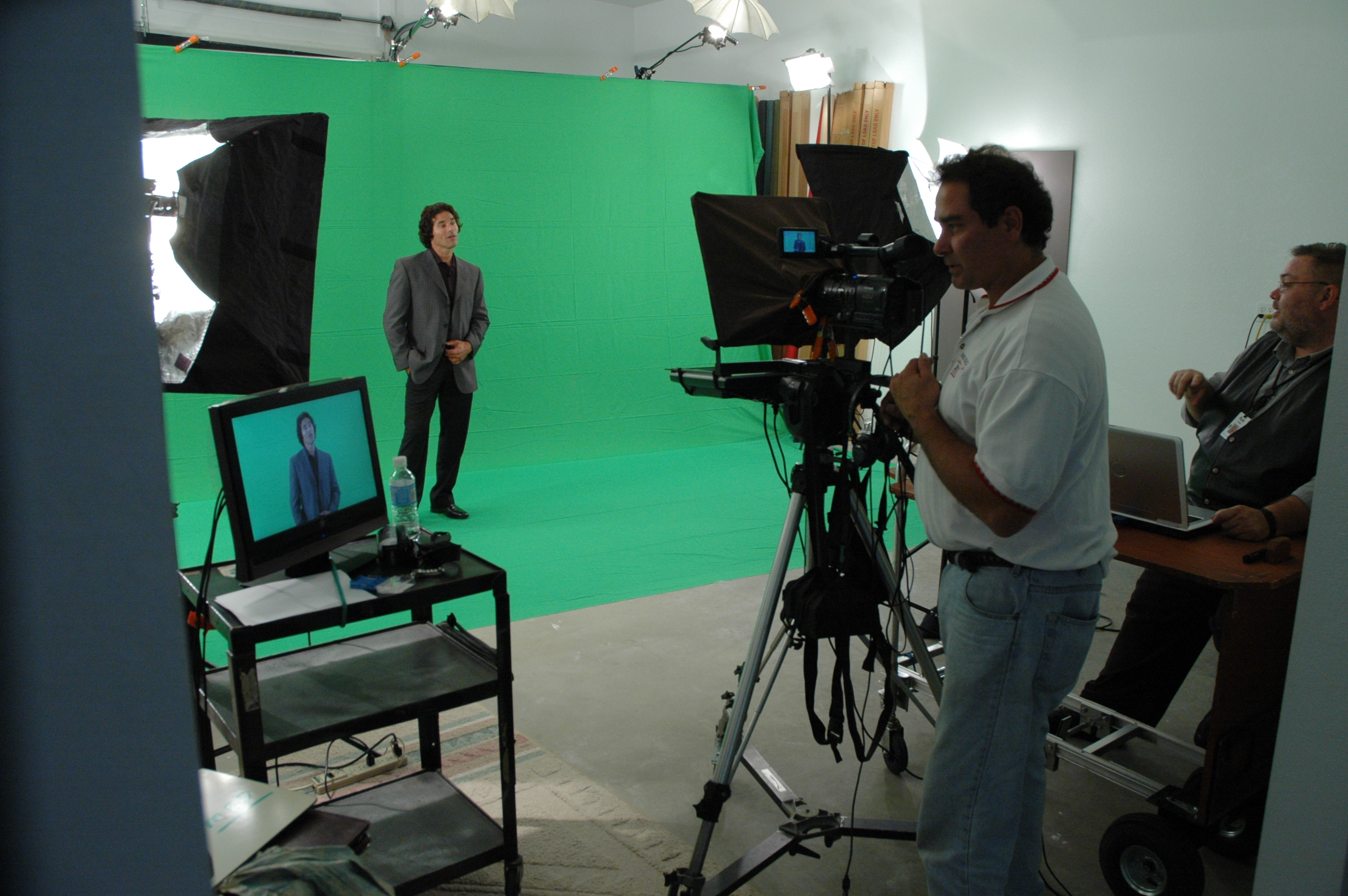
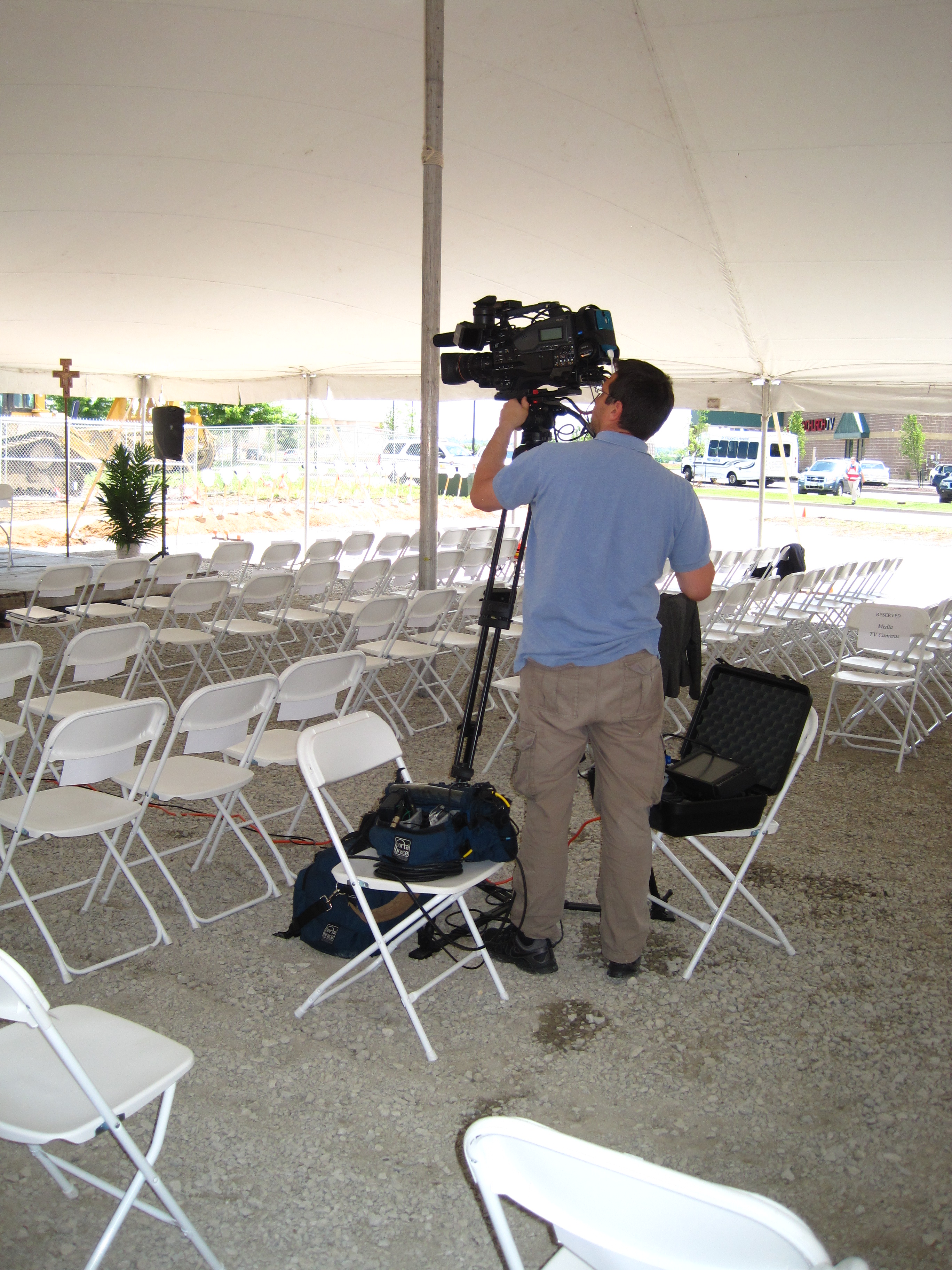
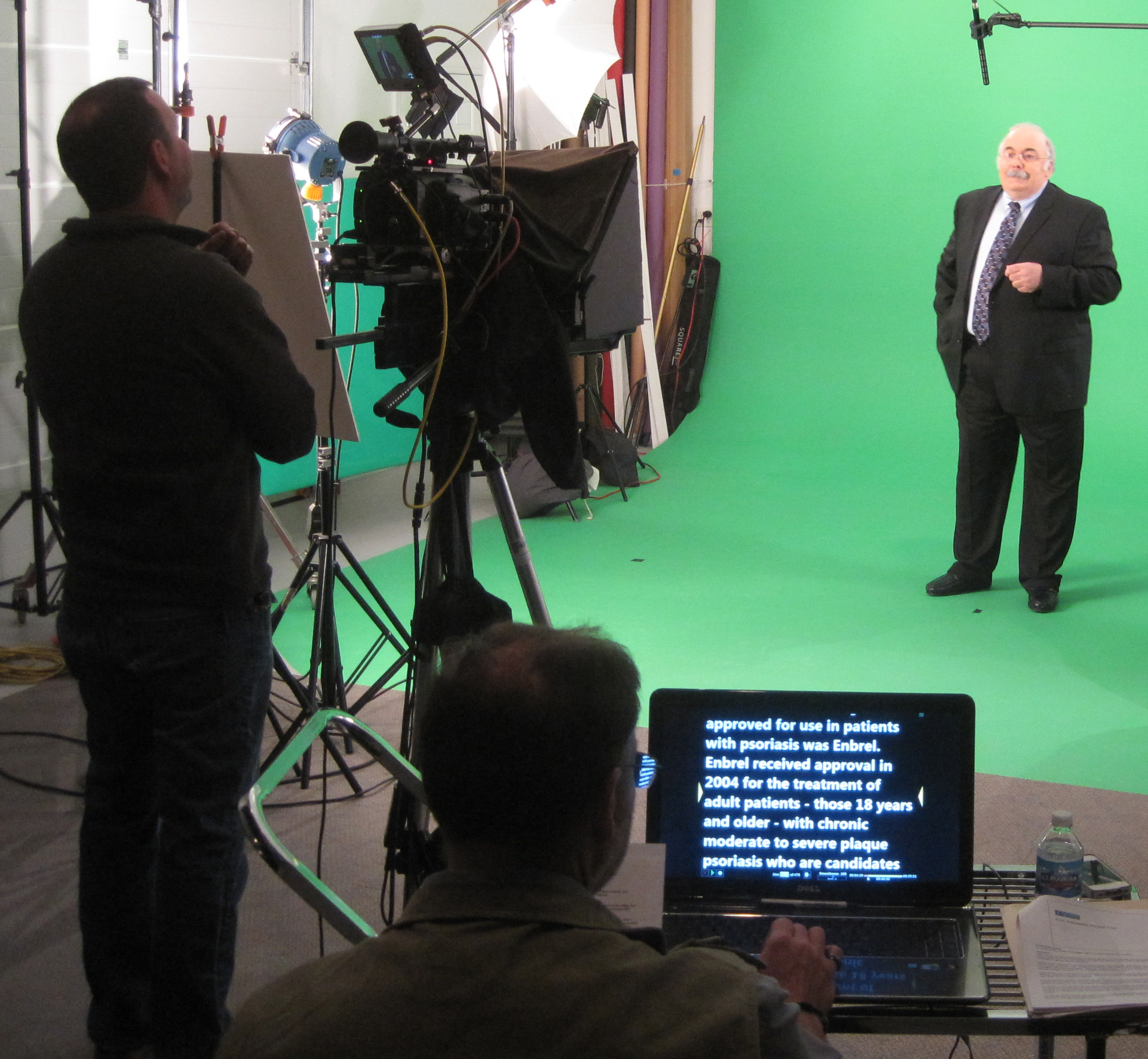
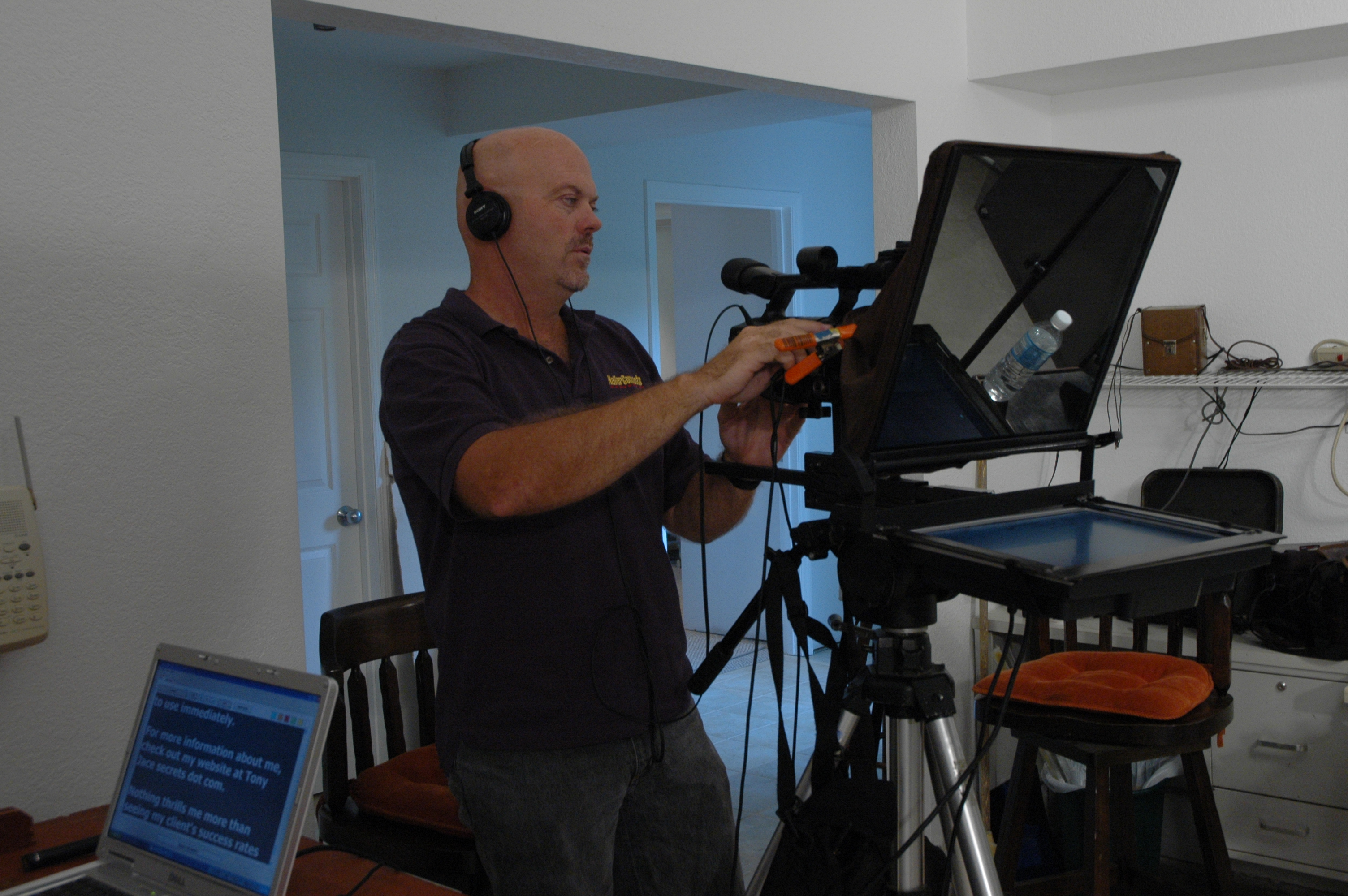
A compact crew doesn’t mean limited tools. The right team will have streamlined, high-performance gear that’s ideal for small shoots:
- Lightweight cinema cameras
- Portable lighting setups
- Wireless lavaliers or boom mics
- On-site monitoring systems
At St Louis Video Crew, we also incorporate artificial intelligence tools to enhance real-time framing, noise reduction, and media organization—all while keeping our footprint small.
5. Prioritize Communication and Flexibility
With a smaller crew, clear and proactive communication becomes even more critical. Look for a team that:
- Responds quickly to questions
- Offers clear breakdowns of process and timelines
- Is willing to adapt to changing conditions or last-minute updates
A tight-knit crew should feel like a true partner in your content creation—not just hired hands.
6. Evaluate Post-Production Support
The best small crews don’t just walk off set after the shoot. They also handle post-production efficiently, offering:
- Editing and color correction
- Audio sweetening
- File delivery in multiple formats
- Repurposing for different platforms
This end-to-end support is essential for maximizing the ROI of your video.
Why St Louis Video Crew is the Smart Choice for Small Productions
At St Louis Video Crew, we understand that smaller productions require big-picture thinking and detail-oriented execution. Since 1982, we’ve helped businesses, marketing teams, and creative agencies in St. Louis produce high-quality content using the right-size team.
We offer:
- Full-service studio and location video and photography
- Expert editing and post-production
- Licensed drone pilots (including for indoor drone flights)
- Private studio spaces with modular lighting setups and props
- Skilled crews familiar with all major file types, codecs, and delivery formats
- Artificial intelligence tools to enhance every step of the media pipeline
Whether you’re filming an executive interview, client testimonial, short-form promotional piece, or internal communications video, our streamlined crew brings the experience and equipment to get it done right—with minimal disruption and maximum impact.
Let’s talk about your next video project. We’ll make sure the right crew is ready—so you can focus on your message, not the logistics.
Our team of industry professionals will take your production to another level. Whether we like to believe it or not, we can’t do everything on our own. It takes a team of creative, passionate, and dedicated crew to get the job done right.
Make Your Recruitment Videos Stand Out: Proven Strategies for Engaging Top Talent.
In today’s competitive job market, first impressions count more than ever. For companies looking to attract the best and brightest talent, traditional job listings are no longer enough. Top candidates want to see the culture, mission, and personality of your organization—before they even hit “apply.” That’s where powerful, well-produced recruitment videos come into play.
As an experienced videographer, photographer, and producer at St Louis Video Crew, we’ve seen firsthand how recruitment videos can dramatically increase engagement, reinforce employer branding, and help businesses fill roles faster with better-fit candidates. Here’s how your company can make recruitment videos that stand out, resonate with your audience, and drive results.
1. Lead with Authenticity
Candidates can spot staged, insincere content a mile away. Instead of hiring actors or scripting every word, feature real employees speaking from the heart. Showcase a day-in-the-life of your team, using natural interviews and authentic behind-the-scenes footage. Real stories build trust and show transparency—two things job seekers value highly.
2. Tell a Compelling Story
Your recruitment video shouldn’t just be a highlight reel of benefits or job duties. Instead, focus on your company’s mission and the role your people play in fulfilling it. A strong narrative—complete with a beginning, middle, and end—gives structure to your video and makes it more memorable.
Use storytelling techniques like:
- A team member’s journey from entry-level to leadership
- A major project and the collaboration behind it
- Why employees stay—and what drives them daily
3. Capture Your Workplace Culture
Workplace culture can be a deciding factor for top talent. Use your video to show the environment, collaboration style, perks, diversity, and overall energy of your team. B-roll of team meetings, office celebrations, or community outreach events can add color and dimension to your message.
4. Tailor the Video to the Role and Audience
Are you recruiting developers, creatives, or warehouse workers? Each group will resonate with different visuals, language, and content. A one-size-fits-all video may miss the mark. Instead, segment your video content to speak directly to the pain points, passions, and aspirations of each target audience.
For example:
- Developers may want to see the tech stack, code reviews, and innovation mindset.
- Sales candidates may be drawn to growth stories, team energy, and incentives.
- Creative professionals may respond to flexibility, project diversity, and creative freedom.
5. Keep It Concise but Impactful
Attention spans are short—especially on social media. Aim for 60 to 90 seconds for your primary recruitment video, but consider creating a series of shorter clips for platforms like LinkedIn, Instagram, or TikTok. Hook your audience in the first 5 seconds with bold visuals, a compelling quote, or a punchy statement.







6. Use High-Quality Production Values
While authenticity is key, poor production can hurt your brand. Shaky footage, bad lighting, and echoey audio send the wrong message. Work with professionals who understand how to light interviews, frame scenes for emotional impact, and mix audio clearly. Subtle things like lighting, camera angles, and sound design make a big difference in how your company is perceived.
7. Optimize for Multi-Platform Viewing
Recruitment videos should be easily shareable and adaptable for different platforms. Square formats for Instagram, horizontal for YouTube and websites, and vertical for stories and TikTok are all worth considering. Add subtitles, especially for mobile viewers, and keep branding consistent across edits.
8. Include a Clear Call to Action
Don’t forget to guide the viewer on what to do next. Whether it’s visiting your careers page, reaching out to your HR team, or subscribing for future job updates, a strong call to action helps convert interest into action.
Why Work With St Louis Video Crew?
At St Louis Video Crew, we’ve been helping organizations bring their brand stories to life since 1982. We’re a full-service professional commercial photography and video production company, offering:
- Studio and location video and photography
- Post-production editing, visual effects, and branded graphics
- Licensed drone pilots for aerial perspectives—even indoors
- Advanced AI tools to streamline workflows and enhance content
- Custom-built studio setups with expert lighting for interviews and testimonials
- A deep understanding of file types, delivery formats, and marketing platforms
We specialize in customizing productions to meet a wide range of media requirements, including recruitment campaigns. From scripting and storyboarding to final delivery, our creative team ensures your recruitment videos don’t just check the box—they stand out.
And because we know how to repurpose media for multiple platforms, we help you extend the value of your content—whether that’s turning a recruitment video into a web ad, internal HR tool, or part of your social media strategy.
Let St Louis Video Crew help you create video content that attracts not just more applicants—but the right ones.
Ready to elevate your recruitment strategy with video?
Get in touch with St Louis Video Crew to schedule a consultation—we’ve got the creative vision, technical gear, and seasoned professionals to make your next production a success.
Planning Saves Money on Testimonial Videos — Here’s How to Maximize ROI with Smart Pre-Production
Testimonial videos are among the most powerful marketing tools a business can produce. They build trust, showcase real-world results, and help prospects visualize their own success through your services. But without a solid plan, even the most sincere client testimonial can become a costly and chaotic endeavor.
At St Louis Video Crew, we know that strategic planning isn’t just about logistics—it’s about optimizing every phase of production to ensure quality results and cost-effective outcomes. Whether you’re working with a tight marketing budget or aiming to scale your video efforts efficiently, investing time upfront in planning will help you save significantly in the long run.
Why Planning Is Crucial for Testimonial Video Production
1. Reduces Wasted Time on Set
Without a clear shot list, storyboard, and interview outline, crews often spend unnecessary hours on-site trying to capture the right footage. These delays can lead to overtime costs, reshoots, or missed moments. With proper planning, every crew member—from director to camera operator—knows exactly what to capture and how to execute it efficiently.
2. Aligns Creative Vision with Business Goals
Pre-production planning includes understanding your audience, identifying the key message, and determining where and how the video will be distributed (social, web, trade shows, etc.). By locking down your goals early, the content can be tailored precisely to your messaging and format—saving on editing time and potential reworks later.
3. Helps You Choose the Right Interviewees
Not everyone is comfortable on camera, and not every client story is suited for video. Planning allows you to screen testimonial candidates in advance, coach them, and select the individuals who will be most natural and compelling. This saves time during filming and improves the chances of a smooth, one-take interview.
4. Avoids Unnecessary Reshoots
When testimonial videos are shot without a detailed plan, gaps in footage, audio issues, or lack of visual variety often surface in post-production. Smart planning includes pre-visualizing b-roll opportunities, testing audio levels, and scouting locations in advance—all of which ensure that everything you need is captured the first time.
5. Enables Efficient Repurposing of Content
Planning ahead with multi-use in mind lets you extract more value from your testimonial shoot. When we know a client also wants behind-the-scenes content, vertical clips for social media, or photography for blog posts—we plan the shoot with this versatility in mind. This minimizes production days and maximizes deliverables.
Pre-Production Essentials That Save Money
To get the most value out of your testimonial video project, be sure to prioritize the following:
- Creative Brief – Establish objectives, tone, style, and usage scenarios.
- Interview Questions – Structure questions that draw out authentic, quotable answers.
- Scheduling & Location Scouting – Choose quiet, well-lit environments to minimize setup and post-production time.
- Shot List & Storyboard – Outline the key visuals and supporting b-roll before filming.
- Talent Prep – Offer interviewees guidance and wardrobe suggestions in advance.
- Production Calendar – Plan shoot dates around availability of your team, crew, and subjects to avoid rushed or rescheduled sessions.
Why St Louis Video Crew Is the Right Partner
At St Louis Video Crew, we bring decades of experience helping organizations like yours produce effective, budget-smart testimonial videos. As a full-service professional commercial photography and video production company, we understand that efficiency comes from preparation—and that’s where we shine.




Our services include:
- Studio and location video production
- Photography, editing, and post-production
- Licensed drone pilots, including indoor flying
- Private studio lighting setups for interview scenes
- Creative crew services and equipment operators
- AI-enhanced workflows for media management and optimization
We are experts in repurposing your photography and video assets to gain more traction across platforms, and we’re fluent in all media file types, styles, and accompanying software. Our studio is perfectly suited for small productions and custom interview setups, complete with room for props to round out your brand environment.
Since 1982, we’ve partnered with businesses, marketing firms, and creative agencies throughout the St. Louis area, delivering polished, purpose-driven video and photography that resonates with audiences and respects your budget.
Ready to create a testimonial video that delivers results without breaking the bank? Let St Louis Video Crew help you plan the perfect production—efficient, effective, and tailored to your brand.
Video Crew vs. Freelancers: Which One Do You Need?
In the fast-paced world of business and marketing, high-quality video content is essential for branding, engagement, and conversion. Whether you’re producing a commercial, a corporate interview, or social media content, choosing the right team to execute your vision is crucial. The decision often boils down to hiring a professional video crew or working with a freelancer. Understanding the differences between the two can help ensure your project’s success.
The Advantages of Hiring a Video Crew
A professional video crew, such as St Louis Video Crew, brings a comprehensive and coordinated approach to video production. Here’s why a full-service video crew might be the best choice for your business:
1. A Team of Experts
A video crew consists of specialists who excel in their specific roles—videographers, sound technicians, lighting experts, editors, and directors. This ensures that every aspect of your production is handled by a trained professional, leading to a higher quality final product.
2. Access to Professional Equipment
A well-equipped video crew comes with high-end cameras, professional lighting setups, advanced audio recording tools, and even licensed drone pilots. This eliminates the need for businesses to rent or purchase expensive equipment and ensures superior production value.
3. Efficiency and Reliability
Video crews work together regularly and follow established workflows, reducing setup time and minimizing errors. This level of efficiency ensures that projects are completed on schedule without compromising on quality.
4. Scalability for Large Productions
For projects that require multiple camera angles, complex lighting setups, or a full post-production workflow, a video crew is the ideal choice. They have the resources to scale up production to meet any level of demand.
5. Post-Production Expertise
Beyond shooting the footage, a professional video crew provides expert editing, color grading, sound design, and motion graphics to elevate the final product. Having a dedicated team ensures consistency in style and messaging across all deliverables.



The Benefits of Hiring a Freelancer
Freelancers are often a viable option for smaller, less complex projects or for businesses working within a tight budget. Here’s when a freelancer might be the right choice:
1. Cost-Effectiveness
Freelancers generally charge lower rates than a full video crew, making them an attractive option for startups, small businesses, or companies with minimal video production needs.
2. Flexibility
Since freelancers work independently, they often have more flexibility to adjust schedules and work within tight deadlines. They can be a great choice for quick turnaround projects.
3. Niche Expertise
Some freelancers specialize in specific types of video production, such as animation, documentary-style filming, or event coverage. If your project falls within their niche, you might get excellent results from a freelancer.
Choosing the Right Option for Your Business
The decision between hiring a full video crew or a freelancer comes down to your project’s requirements. If you need a high-end, polished production with multiple elements, a professional video crew is the best investment. If you’re producing simple content with minimal post-production needs, a freelancer might suffice.
Why St Louis Video Crew is Your Best Choice
At St Louis Video Crew, we understand the challenges of video production and offer a complete solution tailored to your needs. We are a full-service professional commercial photography and video production company equipped with the right tools, experienced crew, and creative vision for successful image acquisition. Our team specializes in studio and location video production, photography, editing, and post-production. We also offer licensed drone pilots to capture aerial footage and can fly drones indoors for specialized shots.
We excel in customizing productions for diverse media requirements and repurposing content to extend its value. Our expertise covers all file types, media styles, and editing software, ensuring seamless compatibility with your existing marketing efforts. Our private studio lighting and visual setups are ideal for small productions and interviews, with enough space to incorporate props and set designs that enhance your brand storytelling.
From private custom interview studio setups to providing sound and camera operators, we offer everything needed to make your next video production perfect. With over four decades of experience, St Louis Video Crew has worked with businesses, marketing firms, and creative agencies in the St. Louis area since 1982, delivering top-tier marketing photography and video production services.
Ready to elevate your video content? Contact St Louis Video Crew today and let’s bring your vision to life!
Studio or Location Video Production: Tips to Make the Right Choice
When it comes to video production, businesses and organizations face an important decision: should they opt for a studio setting or shoot on location? Both studio and location shoots have their distinct advantages and challenges, making it essential to carefully evaluate your project’s needs before making a decision. In this blog, we will explore the factors that influence the choice between studio and location video production and provide tips on how to make the right choice for your next production.
Understanding the Differences Between Studio and Location Production
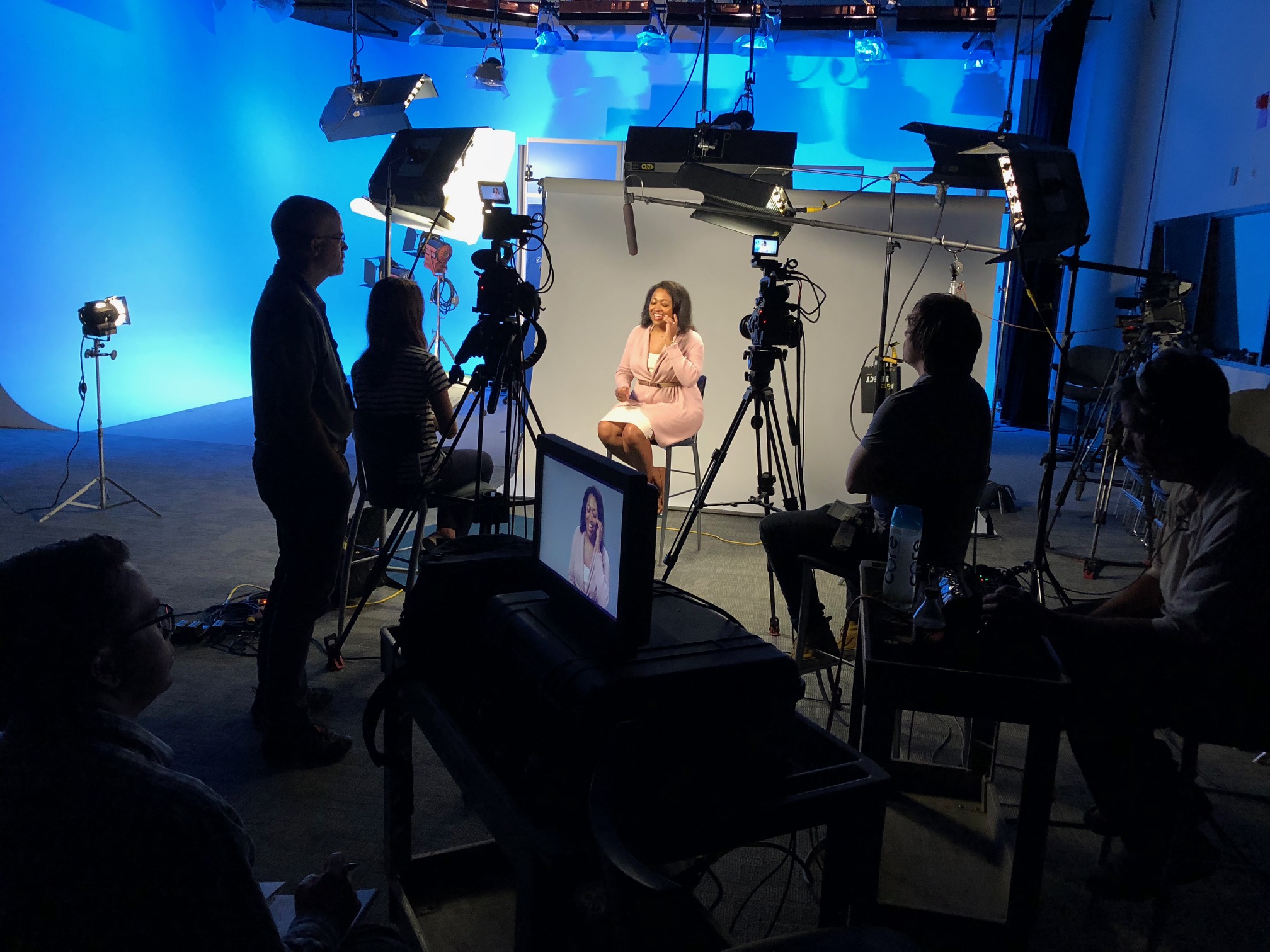
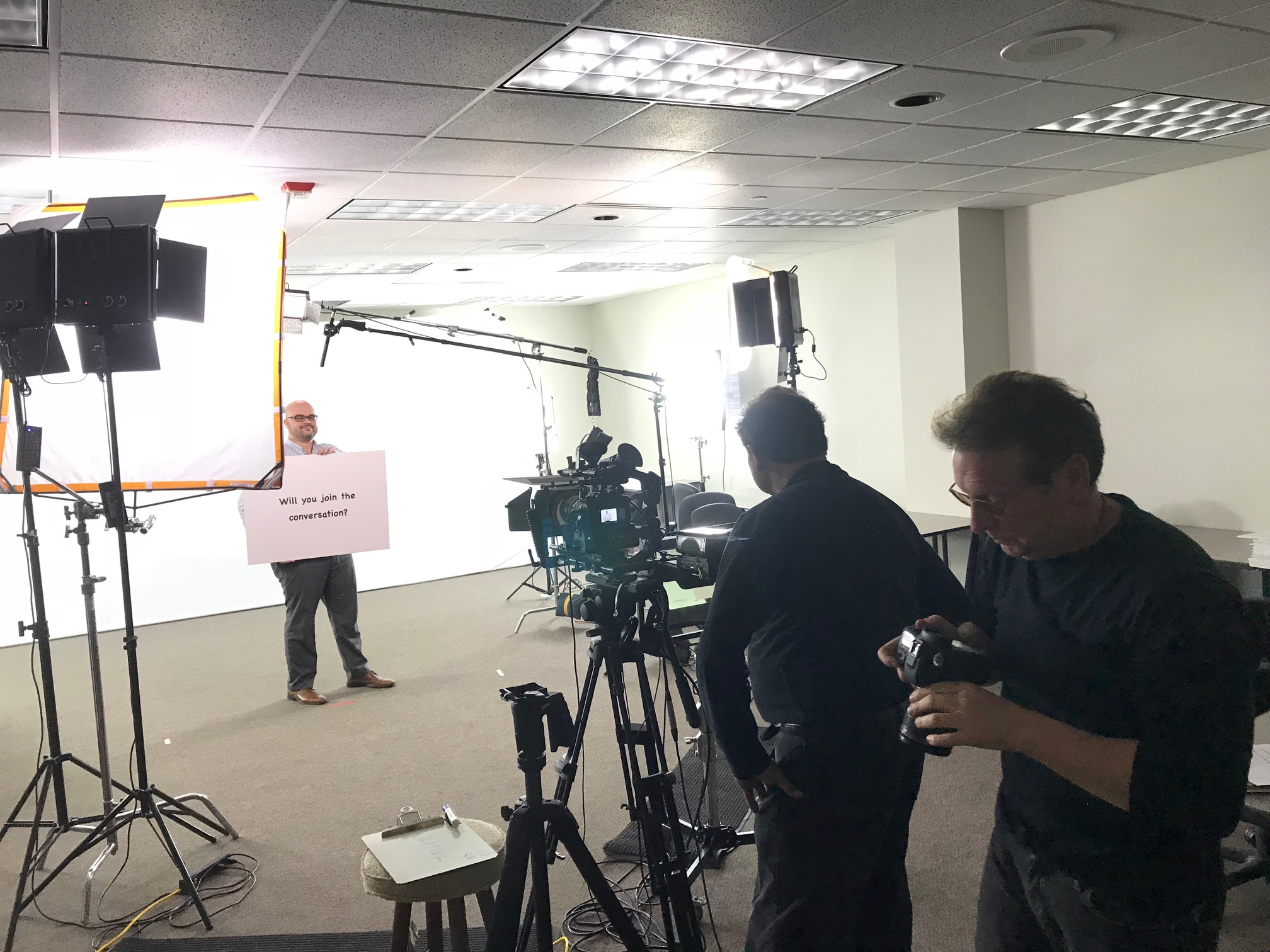
Studio Video Production Studio video production takes place in a controlled, indoor environment where every aspect of the production is customized to suit your vision. It typically involves a private studio space equipped with controlled lighting setups, backdrops, and the flexibility to adapt the environment as needed.
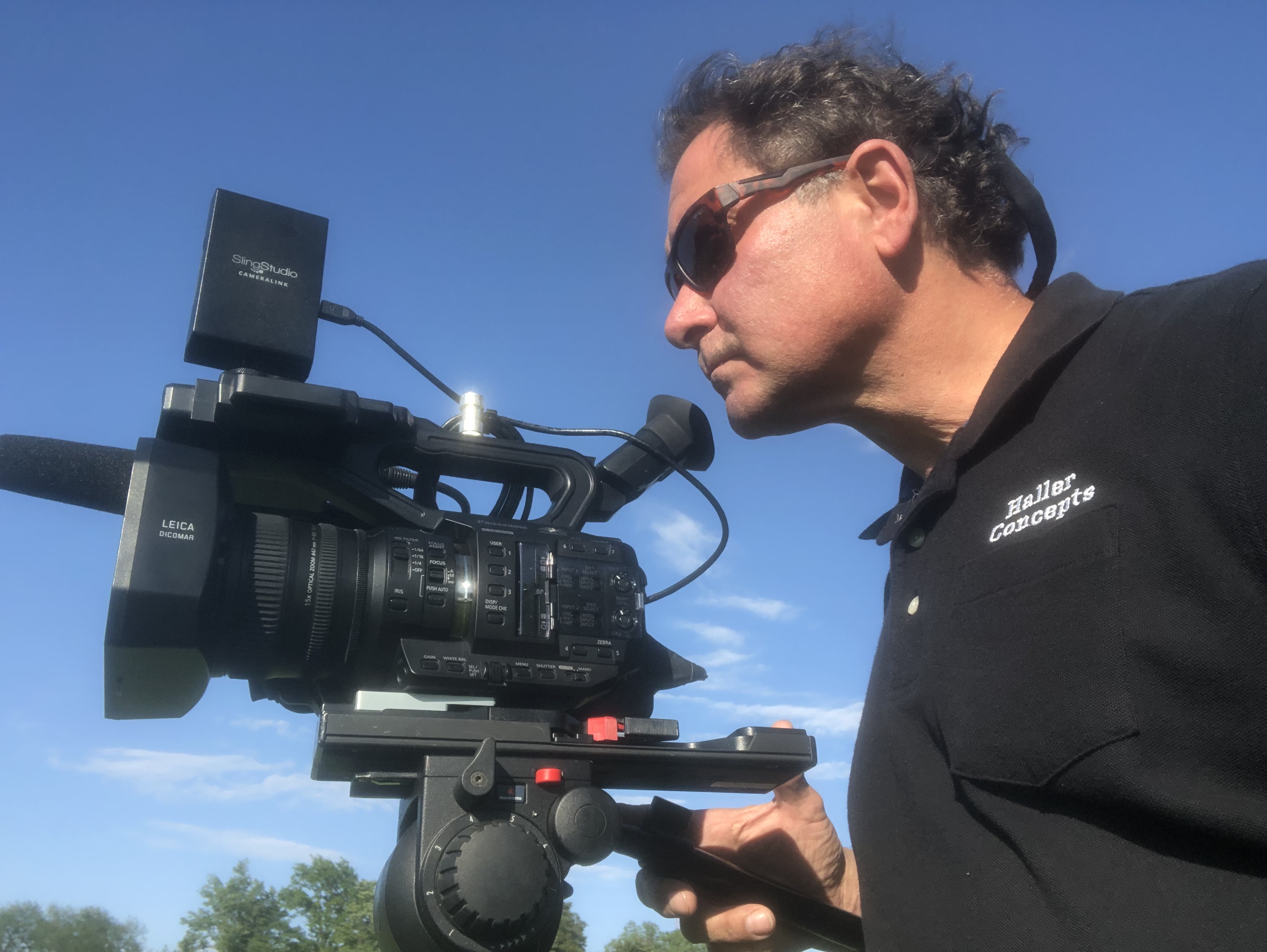
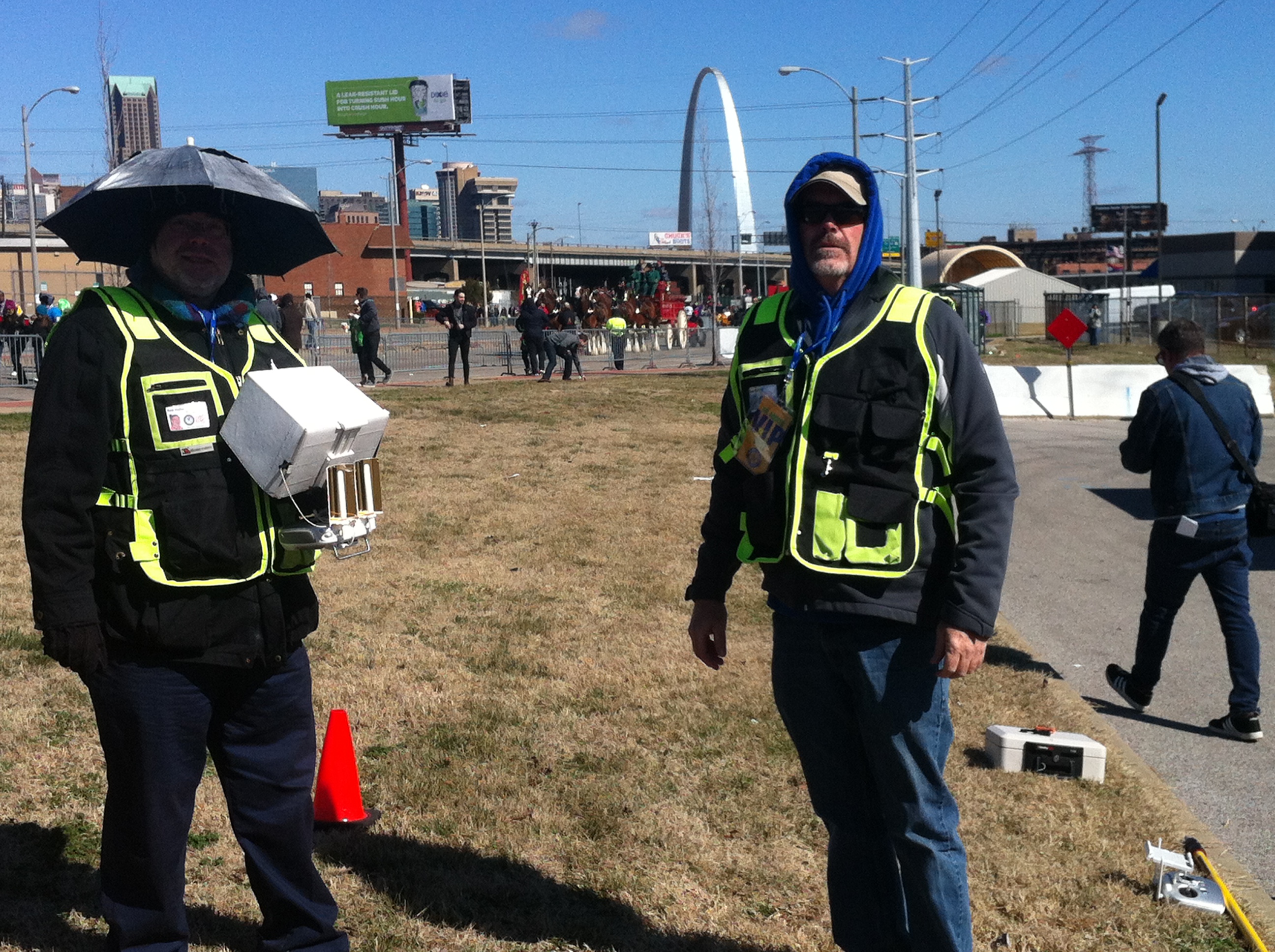
Location Video Production Location video production, on the other hand, takes place in a real-world setting, such as a business office, outdoor environment, or other meaningful spaces. Shooting on location allows you to capture the authenticity of a setting, creating an immersive experience for viewers. It’s ideal for storytelling that requires a sense of place and context.
Key Considerations for Choosing the Right Type of Shoot
1. Purpose of the Video
What is the goal of your video?
- Studio production: If your video requires specific lighting setups, controlled environments, or intricate camera work, a studio is often the best choice. Studio shoots are ideal for corporate interviews, training videos, product demonstrations, or videos that need a controlled look.
- Location production: If your video is focused on authenticity or needs to showcase a particular location (e.g., an office space, factory, or outdoor environment), location production offers the real-world atmosphere necessary to tell the story effectively.
2. Creative Control and Flexibility
- Studio production: Studios provide a high level of creative control. You can design the set, select the lighting, and manage the environment with precision, ensuring your vision is brought to life exactly as intended. If you need a more dynamic setup that includes props or custom lighting, a studio setting gives you complete freedom.
- Location production: Location shoots require you to adapt to the environment. While this can provide organic and natural footage, it can also present challenges with lighting, weather, and unpredictable elements that could affect the production schedule.
3. Budget and Logistics
- Studio production: Studios are generally more cost-effective when it comes to complex, controlled productions. The ability to stay in one place for the entire shoot can help reduce costs related to travel and permits.
- Location production: Location shoots can be more expensive due to travel, permits, and additional setup costs. However, if your concept demands a specific location, the investment may be worthwhile for the authenticity it adds to the final product.
4. Time Constraints
- Studio production: The time required to set up and shoot in a studio is often shorter since everything is prepared in advance. With a private studio space, there are no surprises, which helps keep the production on schedule.
- Location production: Location shoots tend to have more logistical challenges, from traffic to weather issues. Outdoor shoots, for example, are subject to environmental conditions that can cause delays. Planning for extra time may be necessary to account for unforeseen obstacles.
5. Type of Video Content
- Studio production: For corporate interviews, professional headshots, internal training videos, and product demonstrations, a studio setting is often more efficient and effective. The controlled lighting and ability to manage the background ensure that your video looks polished and consistent.
- Location production: For brand commercials, lifestyle videos, or storytelling that emphasizes a unique setting, location production will add significant value. A location-based video lets you show off the real-world aspects of your business, product, or service, which resonates well with audiences looking for authenticity.
The Best of Both Worlds: Combining Studio and Location Production
In many cases, the best solution is a hybrid approach that combines studio and location shooting. For example, you could film interviews or talking-head segments in a studio and then head to an outdoor or on-location setting for additional footage that ties into the story.



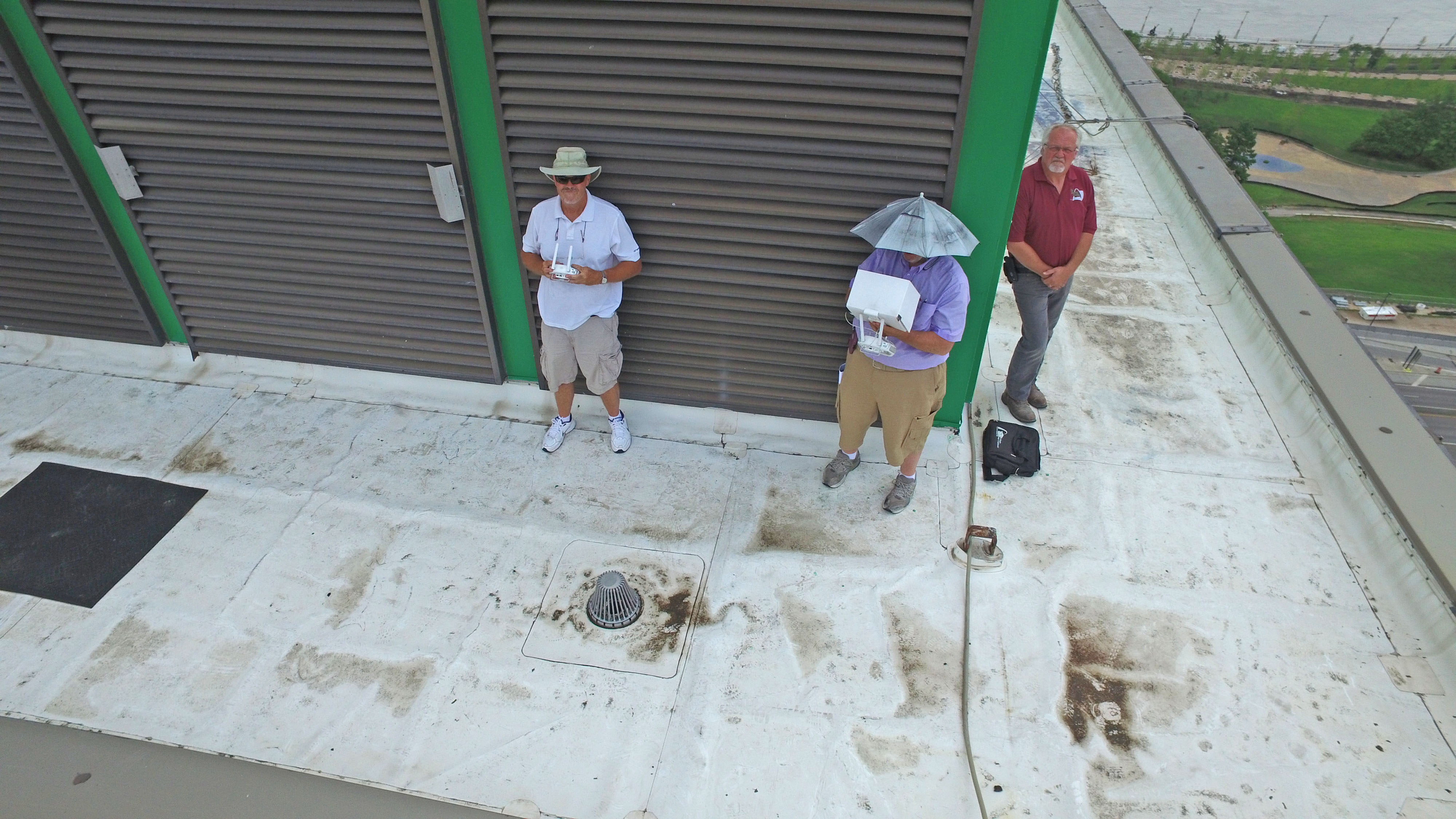
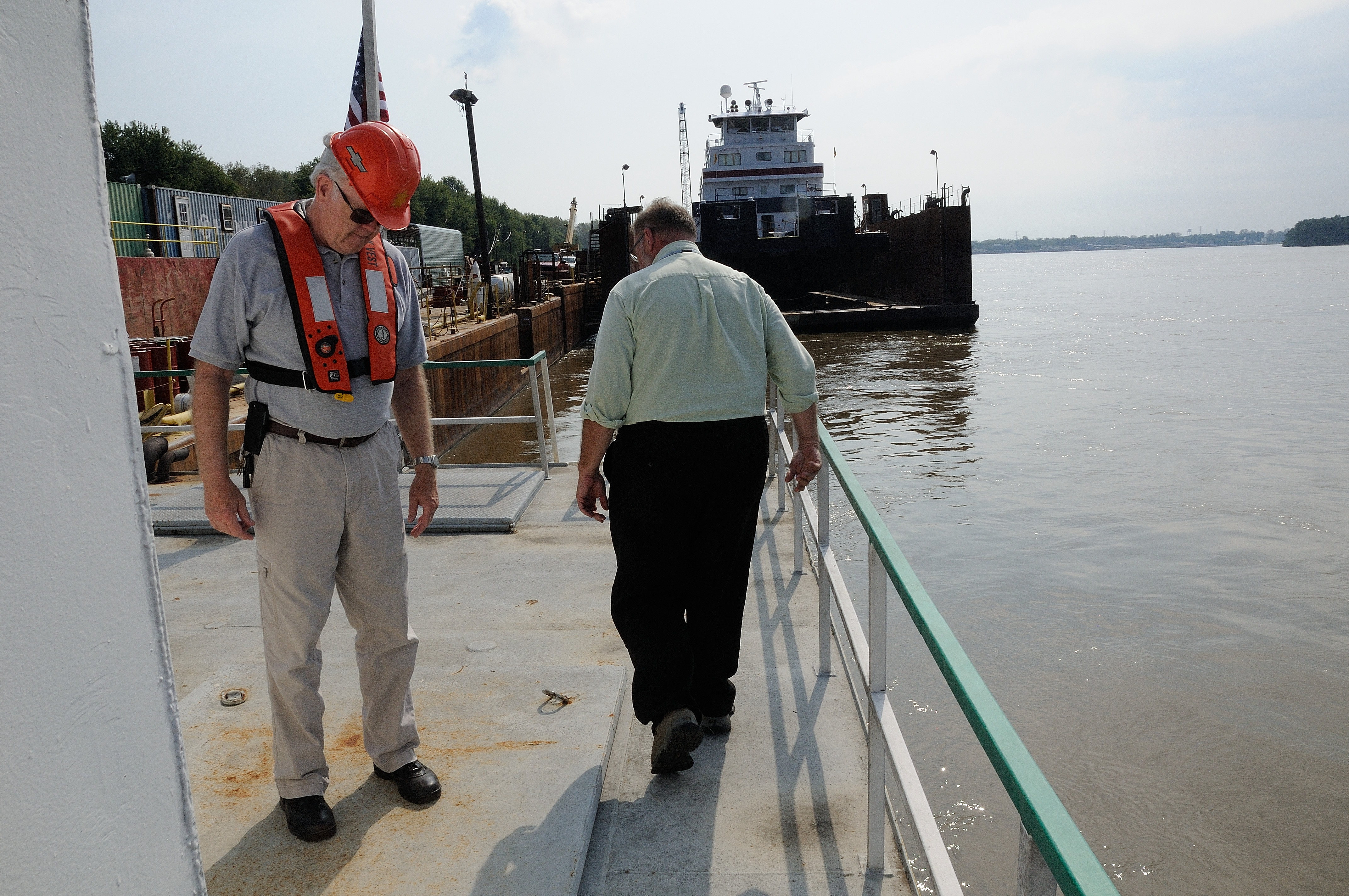
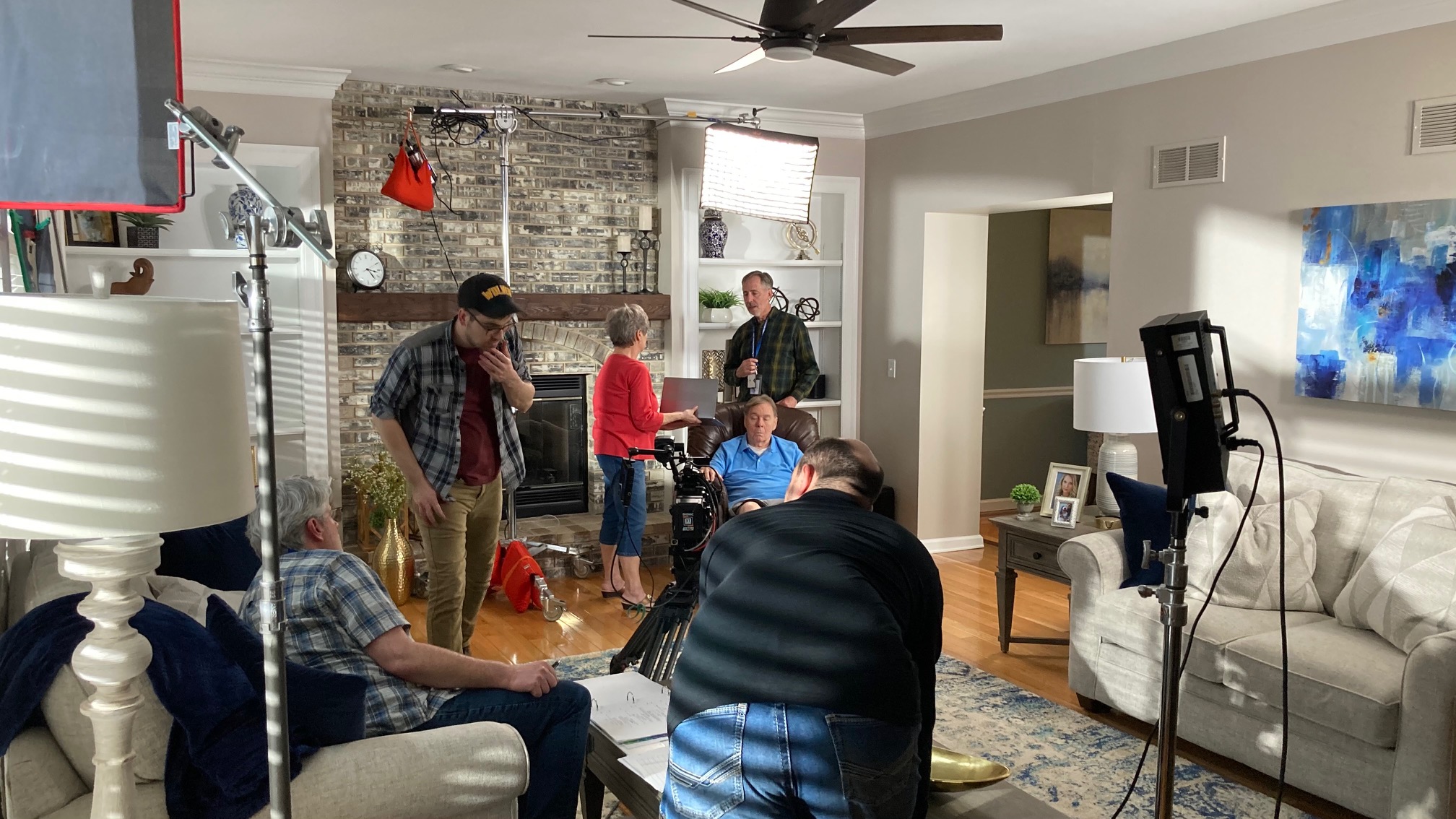


Why St Louis Video Crew is the Right Choice for Your Next Production
When you work with St Louis Video Crew, you’re partnering with a company that has been providing expert commercial photography and video production services in the St. Louis area since 1982. Our team specializes in both studio and location shoots, providing the flexibility to customize your production based on your unique needs.
Whether you’re looking for the controlled environment of a studio or the authentic setting of a location, St Louis Video Crew has the right equipment and experience to make your vision a reality. We offer full-service studio and location video and photography, as well as editing, post-production, and licensed drone pilots to capture stunning aerial footage for your project.
We understand the importance of repurposing your photography and video branding to gain more traction in the market. Our team is well-versed in all file types, media styles, and accompanying software, ensuring your content meets the highest standards.
Our private studio offers the perfect setting for small productions and interview scenes, and we can customize it with props and visual setups to complement your brand’s look. Additionally, we have the equipment to fly specialized drones indoors, allowing us to capture breathtaking footage from angles that others simply can’t.
St Louis Video Crew’s extensive experience working with businesses, marketing firms, and agencies in the St. Louis area means we can handle every part of your production, from private custom interview studio setups to providing sound and camera operators. With us, you get more than just a video—you get a tailored production that aligns with your brand and message.
Let us help make your next video production perfect. Contact St Louis Video Crew today to learn more about our studio and location services and how we can bring your vision to life.
How to Keep Your Audience Engaged in Training Videos
Training videos are an essential tool for educating employees, customers, and stakeholders in a way that is both efficient and scalable. However, keeping your audience engaged during these videos can be challenging. Without the right strategies, even the most well-produced videos can lose their effectiveness if the viewer’s attention starts to drift. In this post, we’ll explore expert techniques to keep your audience engaged from start to finish, ensuring your training videos are both informative and captivating.
1. Start Strong with a Hook
The beginning of your training video sets the tone for the rest of the content. If you don’t capture the viewer’s attention early, they may lose interest quickly. To prevent this, consider starting with a strong hook:
- Ask a question: Engage your audience by addressing a common pain point or challenge they face.
- State a shocking statistic: A surprising statistic related to the topic can intrigue viewers and compel them to keep watching.
- Use an intriguing visual: Sometimes a visually appealing shot or a compelling demonstration can pique interest right away.
Starting your video with a hook immediately tells your audience why they should continue watching and what they will gain from it.
2. Keep It Concise and Focused
In today’s fast-paced world, viewers don’t have the patience for long-winded explanations. To retain your audience’s attention, focus on delivering key information in a concise and structured way. Break your video into short segments, each with a specific goal or takeaway. Avoid overwhelming your viewers with too much information at once. Here’s how:
- Create a clear outline: Plan your video’s structure and break it into bite-sized sections. This makes it easier for viewers to digest the information.
- Stay on topic: Keep the content relevant to the training objectives. Avoid digressions that may distract or confuse your audience.
By focusing on the essentials, you increase the chances that viewers will stay engaged and retain what they learn.
3. Use Visuals to Reinforce Key Points
Training videos are more engaging when they are visually dynamic. The human brain processes visual information faster than text alone, so incorporating strong visuals is crucial for keeping your audience engaged. Here’s how to use visuals effectively:
- Use graphics and animations: Diagrams, charts, and animations help clarify complex ideas and break up the monotony of talking-head segments.
- Show, don’t just tell: Whenever possible, demonstrate concepts rather than just explaining them. A product demonstration or a real-life example can be much more engaging than a verbal description.
- Keep visuals relevant: Ensure that visuals directly support the content and aren’t simply used for decoration. This keeps the viewer focused on the material at hand.
Effective visuals help reinforce learning and keep the audience’s attention where it needs to be.
4. Incorporate Interactive Elements
One of the best ways to engage your audience is by making them active participants in the learning process. Interactive elements break up the passive experience of watching and encourage viewers to engage more deeply with the material. Consider the following interactive elements:
- Quizzes and polls: Ask questions throughout the video and provide immediate feedback. This not only reinforces learning but also helps keep the audience’s mind active.
- Branching scenarios: Allow viewers to make decisions and see the outcomes based on their choices. This works well for training videos related to customer service, safety protocols, or decision-making processes.
Interactive features keep viewers on their toes and make the learning experience more engaging and enjoyable.
5. Vary Your Pace and Delivery
Monotony is a key enemy of audience engagement. If your training video sticks to one tone or pace throughout, viewers may become bored and tune out. To keep your audience’s attention:
- Vary your delivery: Use changes in tone, pace, and emphasis to add energy and highlight key points.
- Switch up visuals: Alternate between different types of shots, such as close-ups, wide shots, and cutaways. This keeps the visual flow dynamic and prevents stagnation.
- Include multiple speakers: If possible, involve more than one person in the video. Whether it’s interviews with experts or group discussions, multiple voices can maintain interest and provide different perspectives.


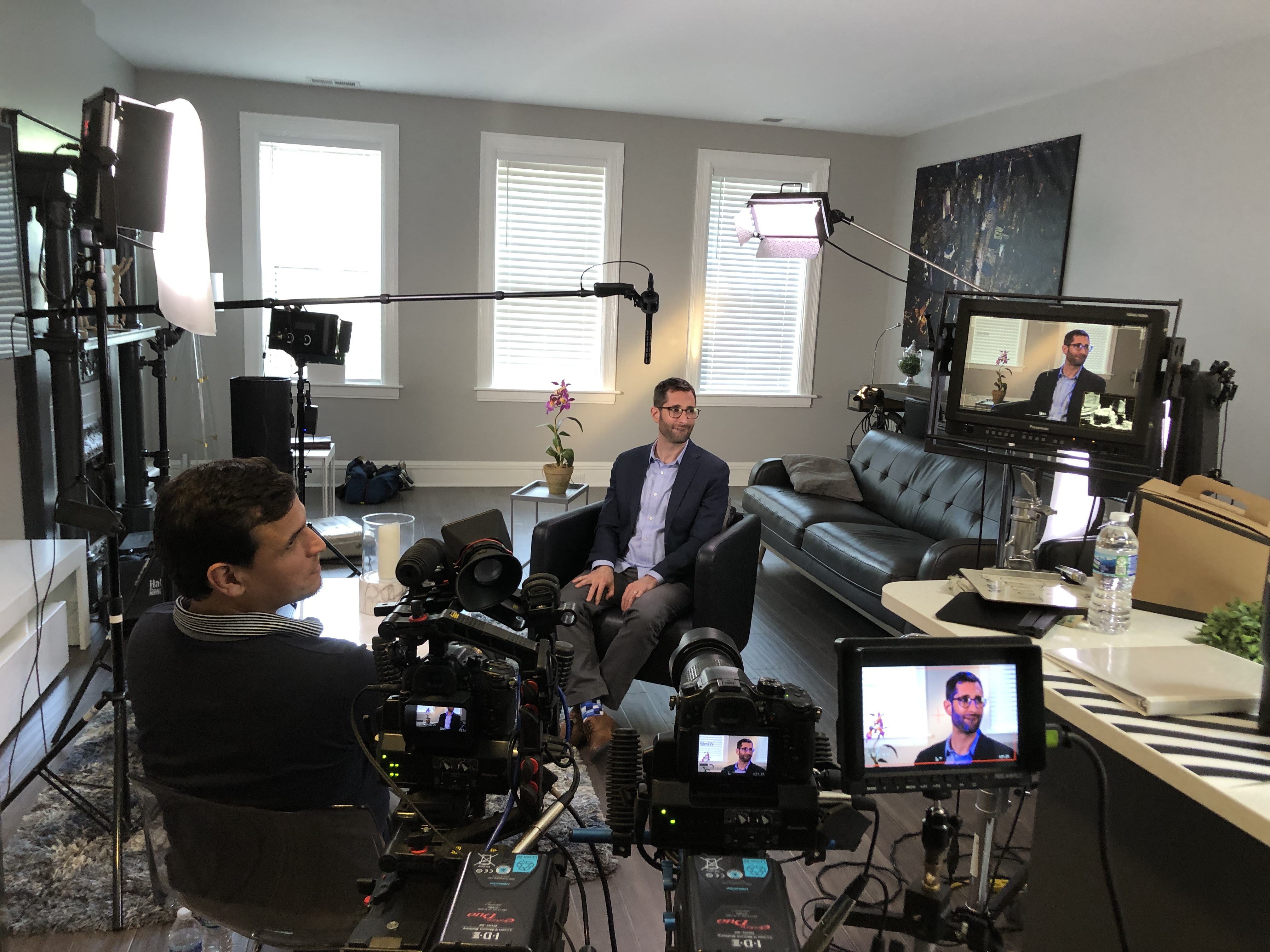

By mixing up the pace and delivery, you keep the video fresh and engaging for your audience.
6. Focus on Storytelling
People remember stories far better than they remember dry facts. Incorporating storytelling into your training videos can significantly increase engagement and retention. A good story helps contextualize the information and makes it more relatable. Here’s how to apply storytelling in your training videos:
- Use real-world examples: Share success stories, challenges, or case studies that demonstrate the principles you’re teaching.
- Follow a narrative structure: Introduce a problem, explain the solution, and showcase the positive outcomes. This gives the training a beginning, middle, and end that makes it feel more compelling.
- Character-driven content: Show how individuals or teams are impacted by the lessons in the video. This adds a personal touch and helps the audience connect with the content.
Storytelling humanizes the learning process and keeps your audience emotionally invested in the video.
7. End with a Clear Call to Action
At the conclusion of your training video, leave your audience with a clear, actionable next step. Whether it’s applying what they’ve learned in the workplace, completing a quiz, or watching the next module, your call to action will guide them toward taking the next step in their learning journey. Make your call to action clear, concise, and relevant to the content you’ve just presented.
Why Choose St Louis Video Crew for Your Corporate Training Videos
At St Louis Video Crew, we specialize in producing high-quality training videos that keep your audience engaged from start to finish. As a full-service professional commercial photography and video production company, we offer everything you need to create dynamic, impactful training videos.
Our team is equipped with the latest video production technology and has extensive experience working with businesses, marketing firms, and agencies in the St. Louis area since 1982. From full-service studio and location video and photography to editing, post-production, and licensed drone pilots, we have the expertise and resources to meet all your media requirements.
We can customize your productions for various media needs, including repurposing your content to extend the reach and impact of your branding. Our private studio is designed to accommodate small productions and interviews, and we provide sound and camera operators, as well as everything else necessary to ensure your production is perfect. We also have the capability to fly specialized drones indoors for unique aerial shots.
Let St Louis Video Crew help you create engaging training videos that deliver results and enhance the learning experience for your audience.
What to Include in B-Roll for Better Video Interviews: A Guide for Business and Organization Leaders
When planning a video interview, the footage of your interviewee is only part of the story. To create a more compelling and visually engaging video, including B-roll is essential. B-roll is supplementary footage that enhances your main narrative, providing context and depth to your interview while maintaining viewer interest. As a business or organization decision-maker, understanding how to incorporate effective B-roll into your video production can elevate the final product.
Why B-Roll Is Crucial for Video Interviews
In video interviews, B-roll helps convey the message and tone without relying solely on talking heads. It allows you to:
- Provide Visual Context: B-roll shows viewers what the interviewee is talking about. For example, if they discuss a product, B-roll can showcase close-ups of the product in use, highlighting features that support their words.
- Enhance Storytelling: The right B-roll can tell a story even when there are no words. It’s the visual language that complements the spoken content.
- Keep Viewers Engaged: Continuous shots of a person talking can become monotonous, but adding dynamic B-roll keeps the viewer’s attention, making the video more engaging.
- Add Professionalism and Polish: Well-integrated B-roll gives your video a more polished, professional feel, enhancing the overall production quality.
Types of B-Roll to Include
When deciding what to include in your B-roll, the key is to ensure it aligns with the message you want to convey and adds value to the interview.
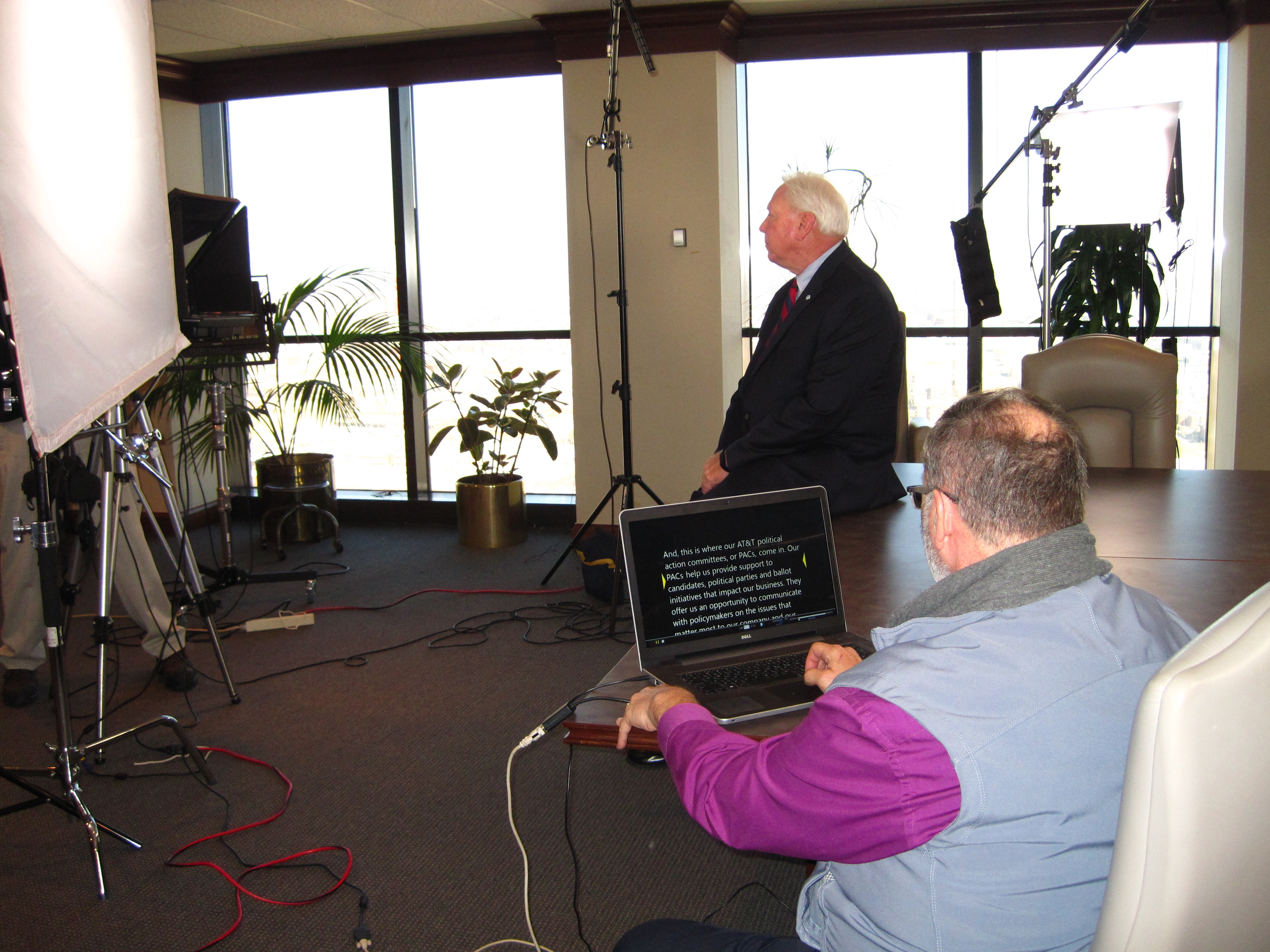
- Environmental B-Roll Capture the surroundings of your interview to set the scene. This could include shots of the office, workplace, or the location where the interview is happening. If your interview is about a product or service, include shots of people interacting with your product in a natural setting.
- Product or Service Shots If the interview discusses your company’s products or services, B-roll footage of those items in action is crucial. This type of B-roll can include close-ups, product usage, or behind-the-scenes glimpses of how the product is made or serviced.
- Action Shots Incorporate footage of your team or business in action. For example, shots of your employees working, interacting with clients, or participating in events can give the audience a more holistic view of your company’s culture and operations.
- Process or Workflow Show any processes or workflows mentioned in the interview. This could include footage of production lines, office interactions, or customer service moments, helping the audience visualize how things are done within your company.
- Emotional or Candid Shots If your interview is personal or motivational, consider including emotional B-roll that reflects the tone of the conversation. These candid moments often resonate more deeply with the audience.
- Productivity or Success Metrics If your interview touches on key achievements or successes, use B-roll to display metrics, charts, or accomplishments. This can be done through overlay graphics or even shots of employees celebrating milestones.
- Establishing Shots These are wide-angle shots of your office building, event venue, or any location where the interview is conducted. Establishing shots help ground the viewer in the physical space and provide context.
- B-Roll of Interviewee in Action Filming the interviewee during the interview in more natural poses or interactions can bring authenticity to the video. You might also capture the interviewee walking, interacting with colleagues, or speaking with clients.

How to Capture the Best B-Roll
Capturing the right B-roll requires thoughtful planning. Here are a few tips to ensure your B-roll supports your interview:
- Shoot More Than You Need: You can always cut extra footage, but it’s hard to add it later. Make sure to film enough diverse B-roll to cover all aspects of the interview.
- Stay On-Brand: All B-roll should align with your brand’s image, message, and tone. Whether it’s formal, casual, creative, or technical, ensure that the visuals match the overall atmosphere of your interview.
- Use Natural Light: Whenever possible, use natural light or well-placed artificial lighting to highlight key elements in your B-roll. Avoid harsh shadows or overly dark shots.
- Consider Motion: Static shots can work, but moving B-roll, such as a pan or a tilt, adds more dynamism and keeps the visual flow interesting.
Editing B-Roll Into Your Interview
When integrating B-roll into your video interviews, it’s essential to edit it in a way that enhances the story without overwhelming the audience. The B-roll should flow seamlessly with the interview, acting as a visual guide for what the interviewee is describing.
Use B-roll to cover cuts or awkward pauses in the interview. If the interviewee mentions something significant, like the launch of a new product, insert a corresponding B-roll shot of that product. Make sure the transitions between interview footage and B-roll are smooth, creating a natural rhythm for the viewer.
How St. Louis Video Crew Can Help with Your B-Roll and Video Production Needs
At St. Louis Video Crew, we understand the importance of B-roll in creating a compelling video interview. As an experienced videography and photography team, we specialize in delivering high-quality productions that incorporate all the essential elements for a polished and engaging final product.
With years of experience, St. Louis Video Crew has perfected the art of capturing the right visuals to complement and enhance your interviews. Our creative team uses state-of-the-art equipment, including drones that can even fly indoors for unique aerial shots, ensuring your B-roll and main footage are captured from the perfect angles.
Our full-service video production includes both studio and location shoots, along with editing and post-production. We can create custom lighting setups, perfect for small productions or interview scenes, and accommodate props for added set design. Whether you need sound and camera operators or a specialized drone pilot, we have all the resources to make your production smooth and efficient.
Since 1982, St. Louis Video Crew has been serving businesses, marketing firms, and agencies in the St. Louis area. We offer tailored video and photography services that can repurpose your existing footage to give your branding more traction. Our expertise in all file types, media styles, and software ensures a seamless production process, allowing you to focus on what matters most—getting your message out to the right audience.
With St. Louis Video Crew, your next video production will not only include compelling interviews but also the B-roll needed to tell a complete and visually captivating story. Reach out to us today to start planning your next production!



























 St Louis Video Crew