Infrared FLIR Thermal Drone Services in St. Louis
Infrared FLIR thermal drone services have become one of the most practical tools available for businesses and organizations that need more than standard aerial photography. While traditional drone video and photography show what a building, site, or structure looks like, thermal drone imaging helps reveal conditions that may not be visible to the naked eye. For decision makers overseeing facilities, construction, operations, maintenance, engineering, insurance documentation, and marketing communications, that difference can be substantial.
In St. Louis, where businesses manage everything from aging commercial roofs and industrial properties to large institutional campuses and active construction sites, thermal drone services provide a safer, faster, and more informative way to inspect and document assets. When the work is handled by an experienced production team that understands both imaging and deliverables, infrared thermal capture becomes more than a technical exercise. It becomes a valuable business tool.
At St Louis Video Crew, we see thermal drone work as part of a larger visual communication strategy. The imagery itself matters, but so does how it is planned, captured, processed, and presented. That is especially important when business leaders need visuals that support decisions, documentation, presentations, and long-term marketing value.
What Infrared FLIR Thermal Drone Services Actually Are
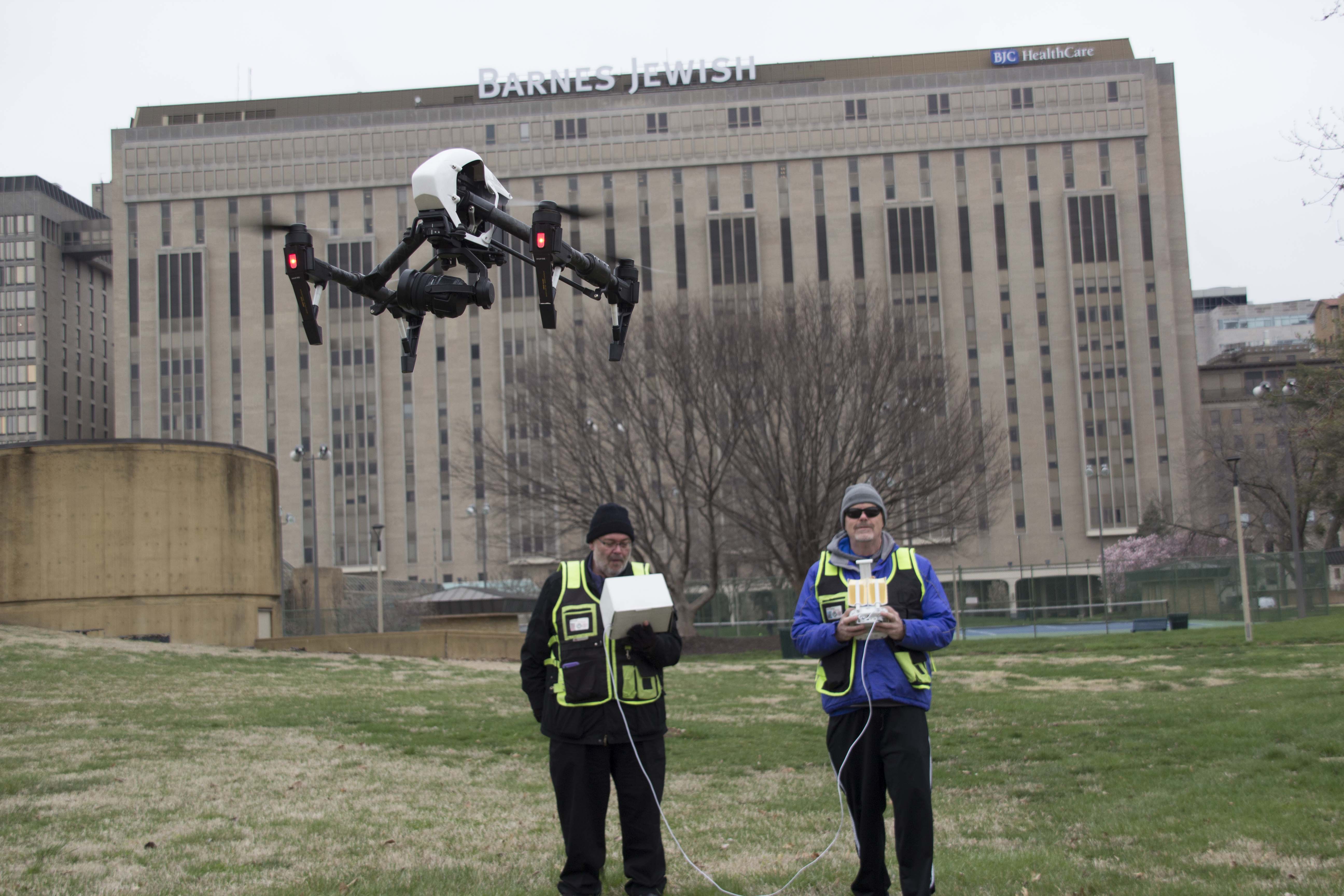
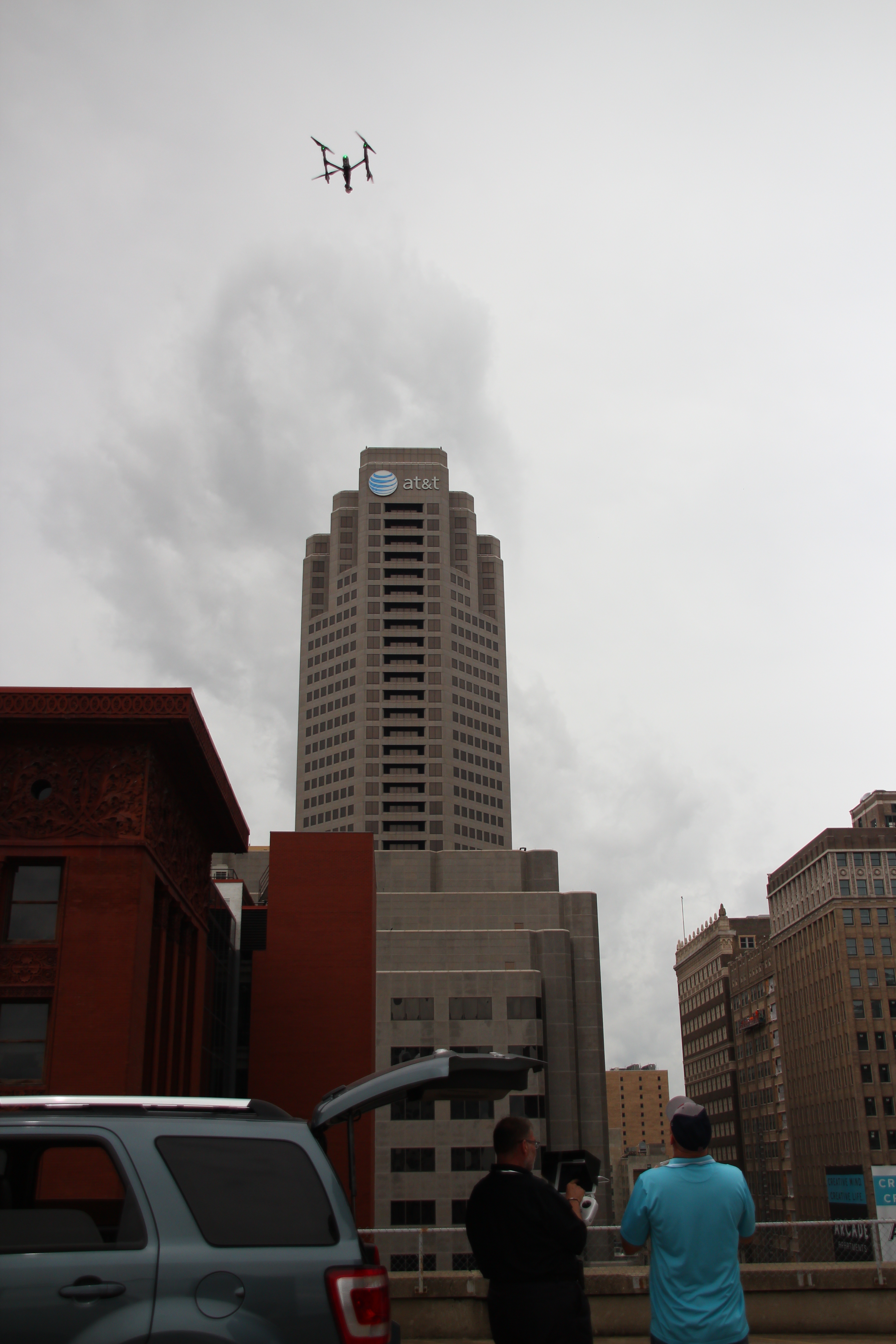
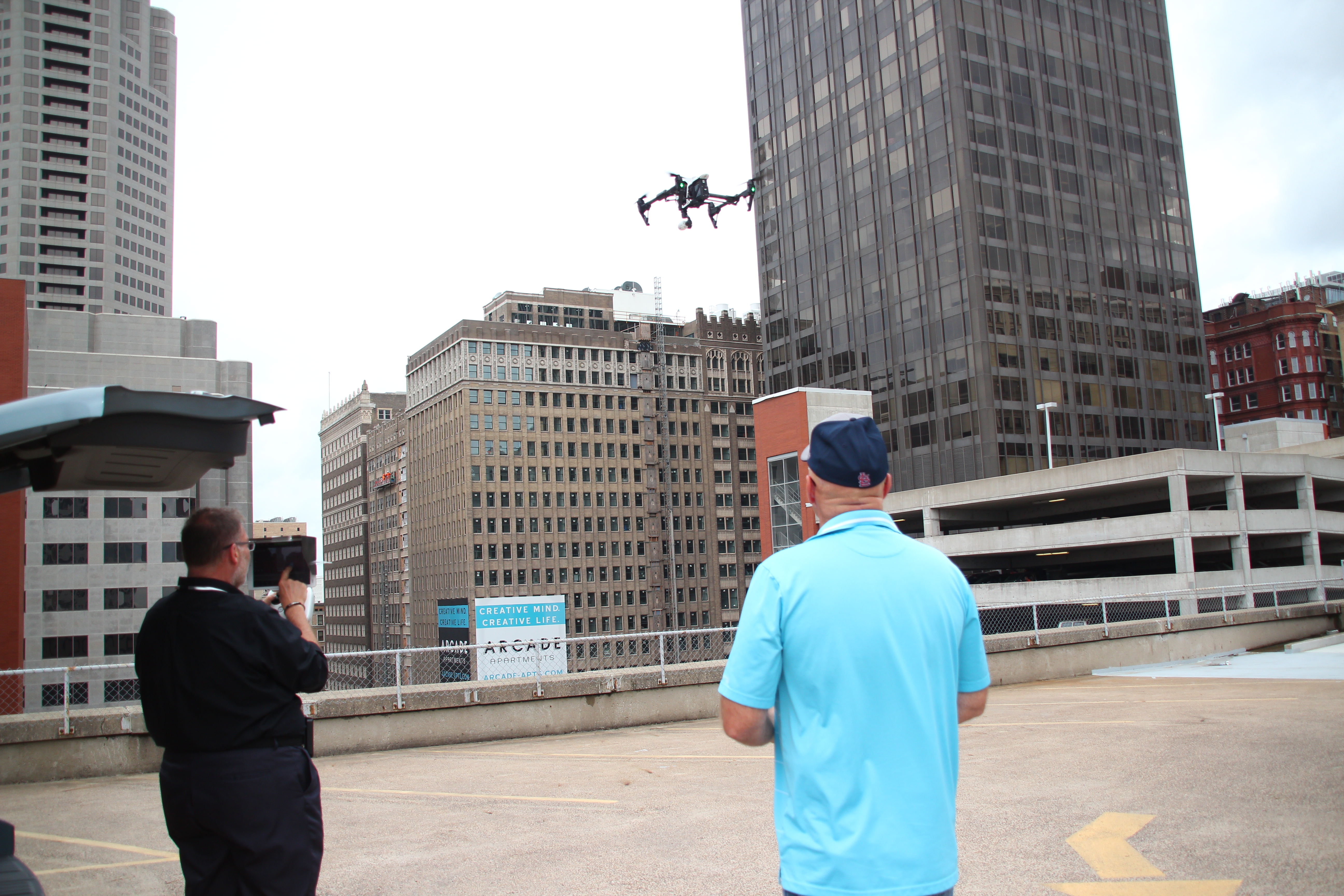
A thermal drone uses an infrared camera, often from a FLIR-based imaging system, to detect temperature differences across surfaces. Unlike conventional cameras that rely on visible light, thermal sensors interpret heat signatures. This allows the drone to produce images and video that highlight hot spots, cold spots, and abnormal thermal patterns.
That capability is valuable because many physical problems first appear as temperature differences. Moisture intrusion, insulation failure, electrical irregularities, energy loss, HVAC inefficiencies, overloaded components, and certain roof issues may all produce thermal anomalies. A well-executed drone flight can help identify areas that deserve closer review without immediately sending personnel onto roofs, ladders, lifts, or hazardous locations.
For businesses in St. Louis, that means a thermal drone is not just another camera in the air. It is a specialized imaging platform that helps organizations evaluate property conditions, improve documentation, and streamline how they communicate technical information.
Why Businesses Use Thermal Drones Instead of Only Conventional Inspections
One of the strongest benefits of thermal drone services is efficiency. Large commercial roofs, multi-building campuses, industrial sites, and difficult-to-access elevations can take significant time and labor to inspect manually. A thermal drone can cover broad areas quickly while keeping personnel on the ground.
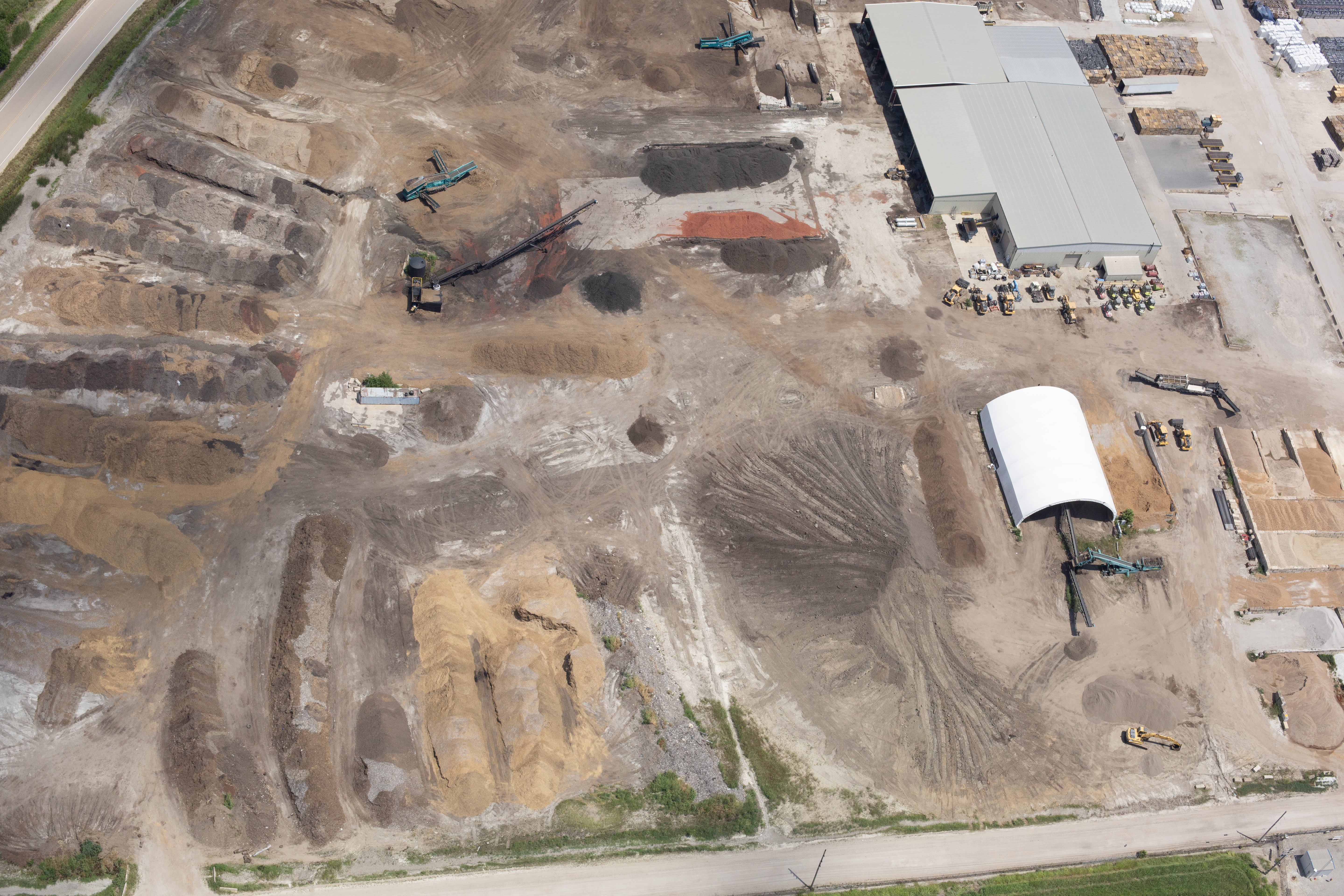
Safety is another major advantage. Inspecting steep roofs, fragile surfaces, elevated structures, or restricted-access areas can introduce risk. A drone reduces the need for direct physical access during the initial imaging phase. That does not replace deeper testing or professional repair work where needed, but it can dramatically improve the early assessment stage.
Thermal drones also provide context. Ground-based thermal inspections can be useful, but aerial views often show broader patterns that would otherwise be missed. A localized issue may turn out to be part of a larger trend across a roof system, building envelope, or site. Seeing those patterns from above can help decision makers prioritize the right next steps.
Finally, thermal imagery is highly effective for communication. Business stakeholders often need to see a problem clearly before approving repairs, maintenance budgets, or further investigation. Thermal visuals, especially when paired with standard aerial photography and edited deliverables, can make technical findings easier to understand.
Common Applications for Infrared FLIR Thermal Drone Services in St. Louis
Thermal drone services apply to a broad range of commercial and organizational needs. One of the most common uses is roof inspection. Flat and low-slope commercial roofing systems can hide moisture, insulation inconsistencies, and surface anomalies that are difficult to identify visually. Thermal imaging can help reveal areas that may deserve more targeted follow-up.
Building envelope analysis is another practical use. Exterior walls, windows, roof edges, and transitions can show unusual heat patterns that may indicate insulation gaps, air leakage, or moisture-related concerns. For offices, schools, municipal buildings, warehouses, hospitals, and industrial properties, that information can support maintenance planning and capital improvements.
Electrical systems can also benefit from thermal imaging. Certain components may generate excessive heat due to imbalance, overload, resistance, or wear. Thermal drone work is not a replacement for licensed electrical assessment, but it can support screening, visual documentation, and prioritization.
Solar panel arrays are another strong fit. Thermal imaging may reveal underperforming panels or inconsistent heat signatures within a system. For organizations that rely on solar infrastructure, drone-based thermal imaging can be a useful monitoring and maintenance aid.
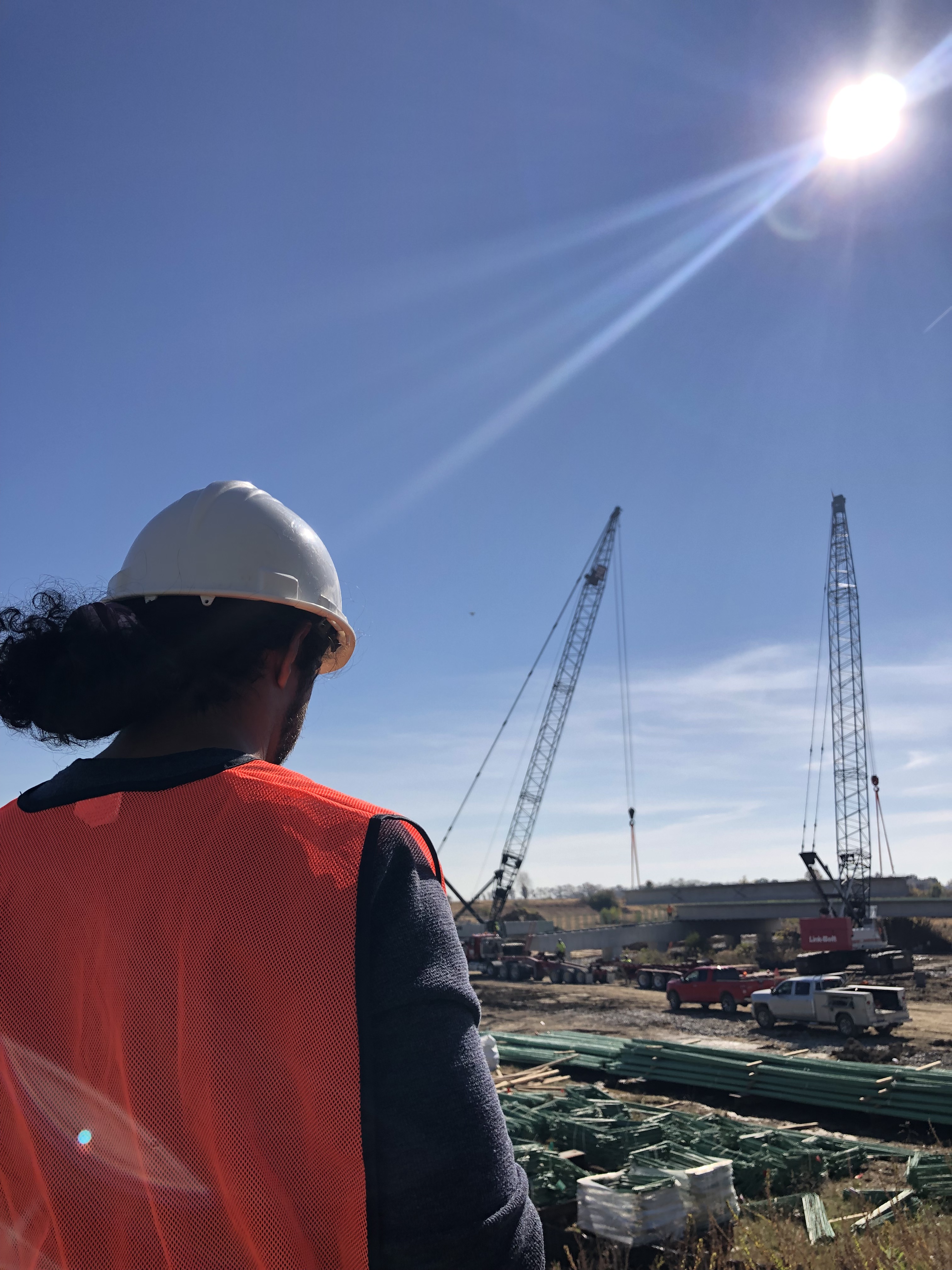
Construction, energy, and industrial operations may also use thermal drone imagery to document site conditions, monitor assets, and capture evidence for reports and presentations. Depending on the project, the thermal data can support operational, technical, or marketing goals.
Why Experience Matters in Thermal Drone Work
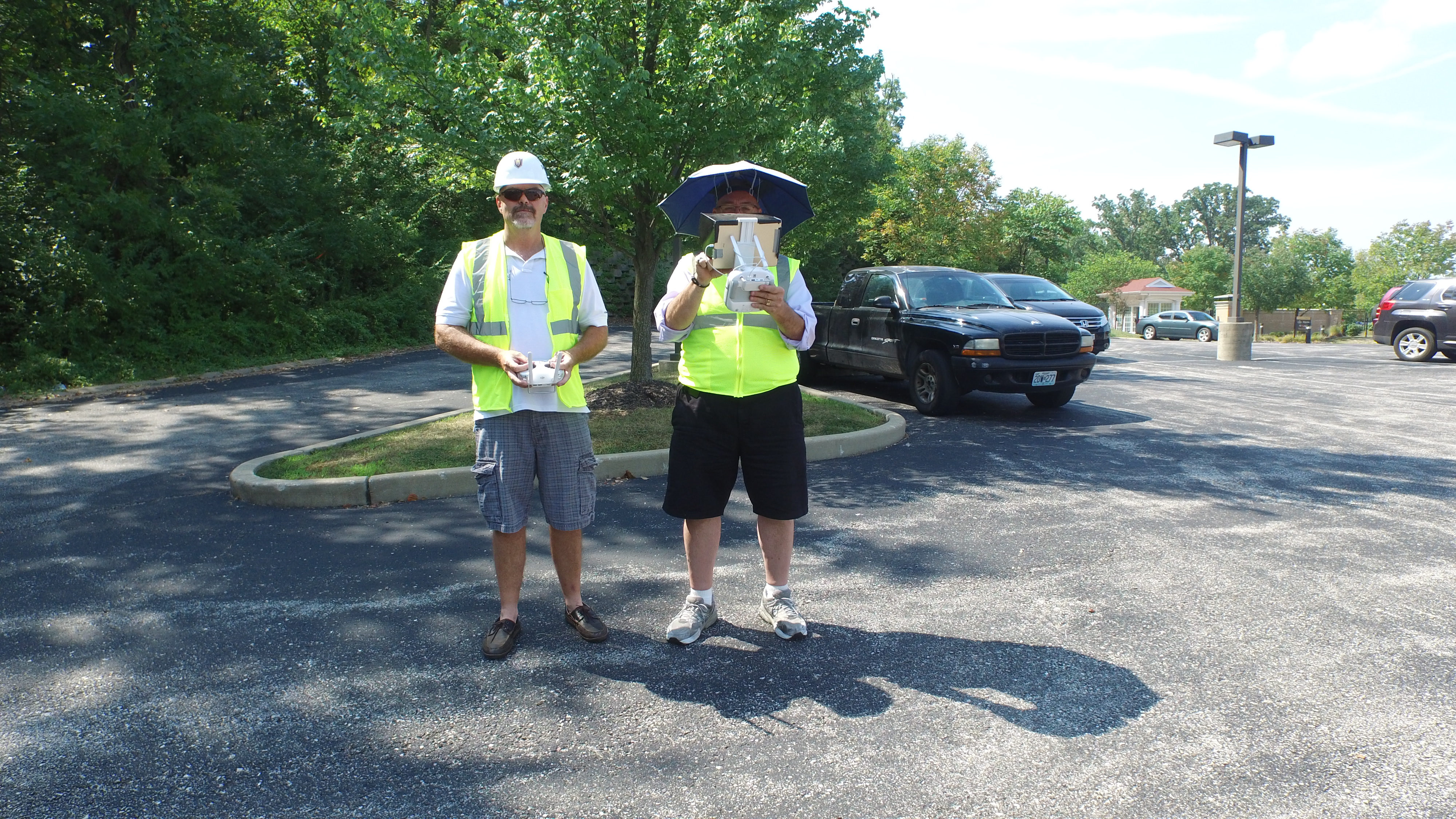
Thermal drone services are not simply about launching a drone and recording images. Good results depend on planning, timing, environmental awareness, camera knowledge, flight discipline, and post-production judgment.
Surface materials behave differently. Weather conditions matter. Time of day matters. Wind, moisture, sun exposure, and recent temperature shifts can all affect what the camera sees. That means successful thermal work requires more than basic drone operation. It requires an understanding of when the imagery is likely to be most useful and how to capture it in a way that creates actionable results.
This is where many businesses benefit from working with an experienced production company rather than a generic drone operator. A production-minded team understands not only how to gather the imagery, but also how to package it for practical use. Decision makers rarely want raw files alone. They want visuals that can be reviewed, shared, presented, archived, and repurposed.
Thermal Imaging Is Powerful, but It Must Be Used Correctly
One of the most important points for business clients is this: thermal imaging shows temperature differences, not definitive diagnoses. It can reveal patterns that suggest areas of concern, but those patterns still need to be interpreted appropriately and, in many cases, verified by specialists.
That does not reduce its value. In fact, it makes thermal drone imaging more useful when it is positioned correctly. It is an efficient screening and documentation tool. It helps narrow the search area, improve visibility, and guide next actions. It can save time, improve reporting, and make conversations with contractors, engineers, insurers, and stakeholders much more productive.
A professional thermal drone provider should present the work honestly and clearly. The goal is not hype. The goal is reliable image acquisition and useful deliverables that support better business decisions.
The Marketing and Communication Value of Thermal Drone Content
For many organizations, thermal drone services are not only operationally useful. They also have communication and branding value. Roofing firms, construction companies, engineering consultants, energy service providers, restoration contractors, facility managers, and industrial service businesses can use thermal visuals to demonstrate expertise and differentiate themselves.
Thermal imagery can strengthen proposals, case studies, presentations, website content, trade-show materials, internal briefings, and before-and-after stories. It adds a layer of sophistication and technical credibility that standard visuals alone often cannot provide.
That matters to marketing teams and business development leaders. When your organization can clearly show a problem, a process, and a solution, you are in a stronger position to build trust. Thermal visuals, when edited and presented well, can become highly valuable assets beyond the original inspection purpose.
Integrating Thermal Drone Services Into a Larger Production Strategy
Many businesses make the mistake of treating technical drone work and marketing content as separate categories. In practice, the strongest results often come when both are considered together.
A single thermal drone project can generate multiple forms of value. It can support inspection needs, provide visual documentation, help leadership understand an issue, and generate content for future presentations or client education. When paired with conventional drone footage, ground-level photography, interviews, graphics, and editing, the result is a more complete production package.
For example, a facility condition project might include thermal aerials, standard aerial footage, exterior still photography, interview clips with a project lead, and edited deliverables for both internal review and external promotion. That kind of repurposing is where a full-service production company can bring far more value than a provider focused only on basic capture.
What Decision Makers Should Expect From a Professional Thermal Drone Provider
Business and organizational clients should expect a provider to do more than fly. They should expect planning, communication, image discipline, and professionally organized deliverables.
That means understanding the project objective before the flight begins. Is the purpose maintenance documentation, visual support for engineering review, marketing content, insurance-related records, asset management, or stakeholder communication? The objective affects how the imagery should be captured and delivered.
Clients should also expect a combination of visible-spectrum and thermal assets when useful. In many cases, side-by-side context makes the thermal imagery more understandable. Post-production can also include labeling, organization, clip selection, editing, and formatting for presentation or archive use.
Most importantly, clients should expect a team that understands both technical capture and visual communication. That combination leads to clearer outcomes and better long-term value.
Why Infrared FLIR Thermal Drone Services Make Sense in the St. Louis Market
St. Louis has a wide mix of property types, industries, and organizational needs. Commercial real estate, manufacturing, healthcare, education, construction, logistics, utilities, and civic institutions all operate in environments where building condition, operational efficiency, and visual documentation matter.
Thermal drone services fit naturally into that landscape. They help organizations inspect larger spaces more efficiently, reduce unnecessary access challenges, identify concerns earlier, and communicate findings more clearly. In a region where businesses often balance aging infrastructure with ongoing development and modernization, these services can be especially practical.
For local organizations, there is added value in working with a team that understands the St. Louis business environment and can provide broader production support when needed. That local familiarity can make projects smoother and deliverables more aligned with how regional businesses actually use media.
The Long-Term Value of Better Image Acquisition
The real value of infrared FLIR thermal drone services is not just in capturing unusual-looking imagery. It is in helping organizations see more, understand more, and communicate more effectively.
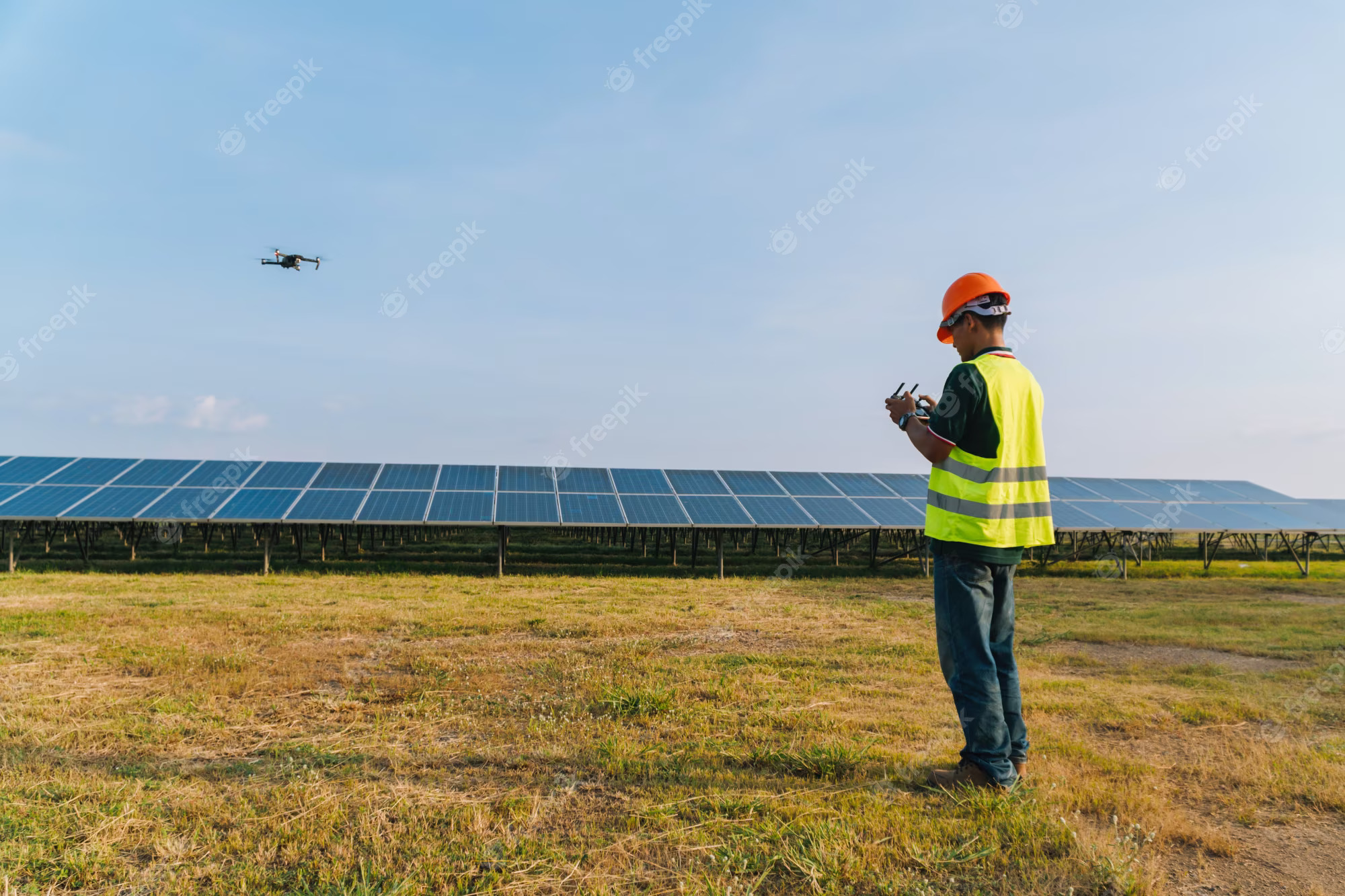
When thermal imaging is captured properly, it can reduce guesswork, improve documentation, support safer workflows, and create a stronger visual foundation for decisions. For some clients, that means more efficient property evaluation. For others, it means stronger reporting, better presentations, or more compelling branded content.
In every case, the quality of the outcome depends on the quality of the production process. The drone, the thermal sensor, and the software all matter. But so do experience, planning, editing, and the ability to transform raw capture into useful media.

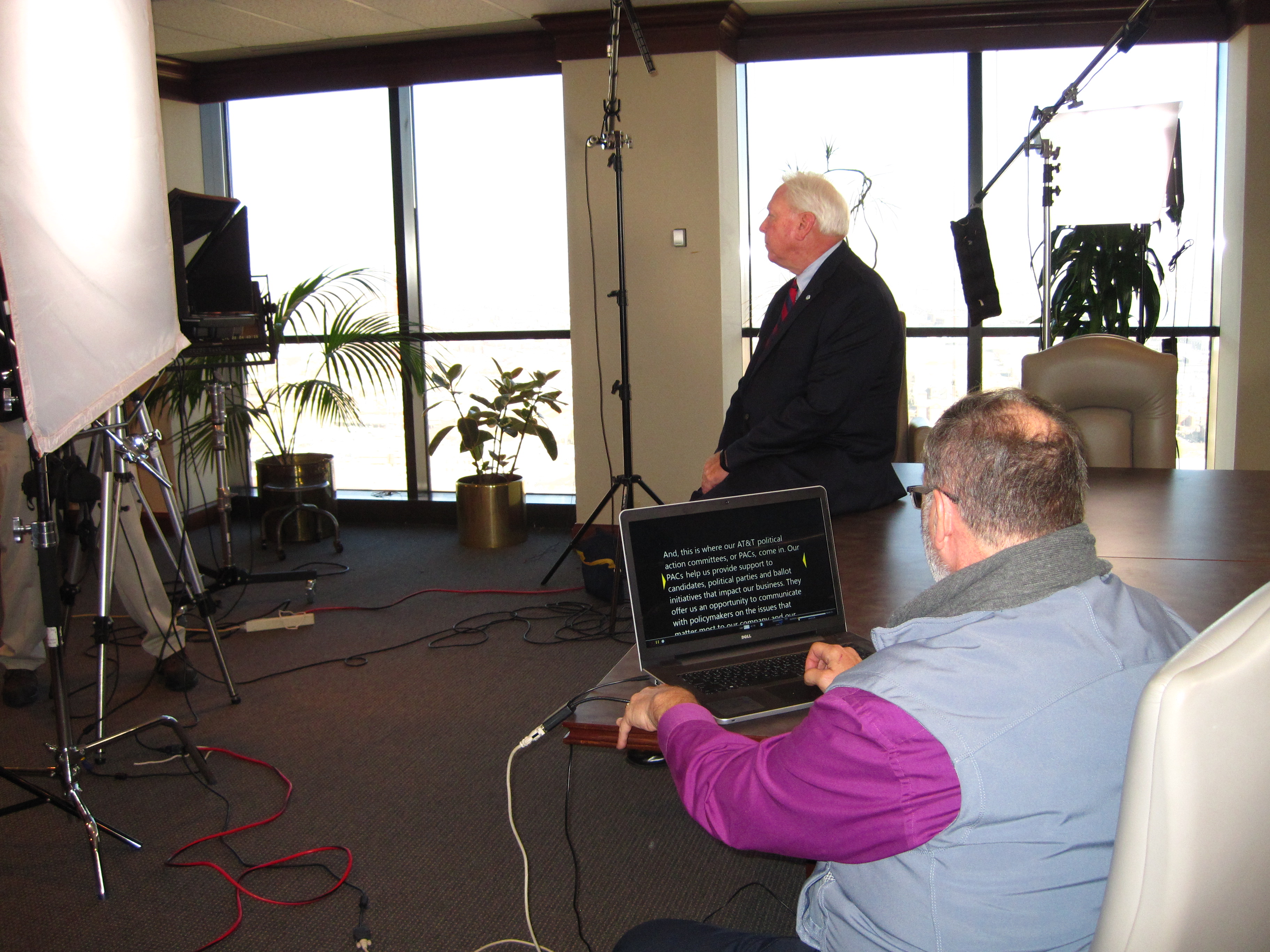
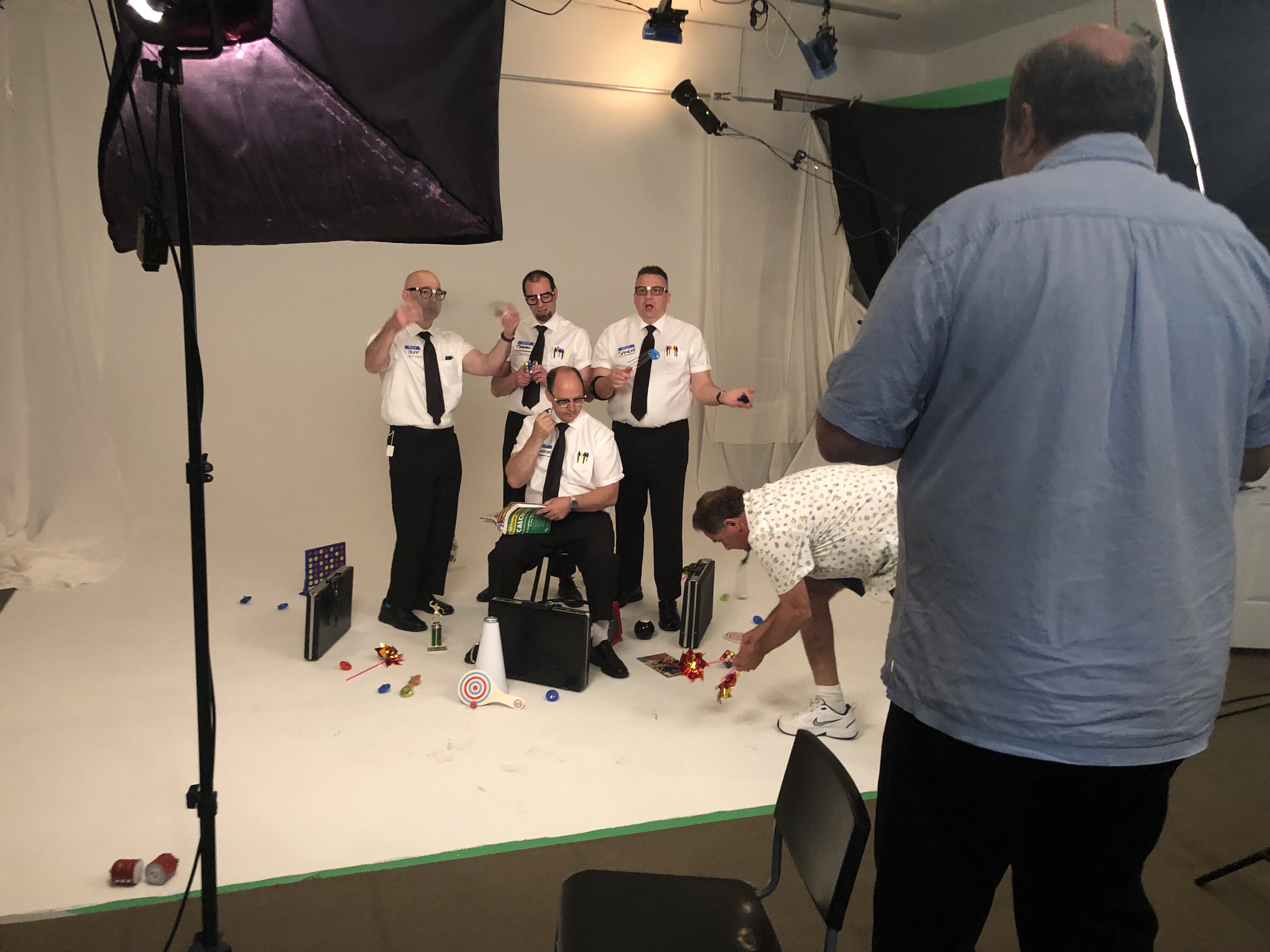

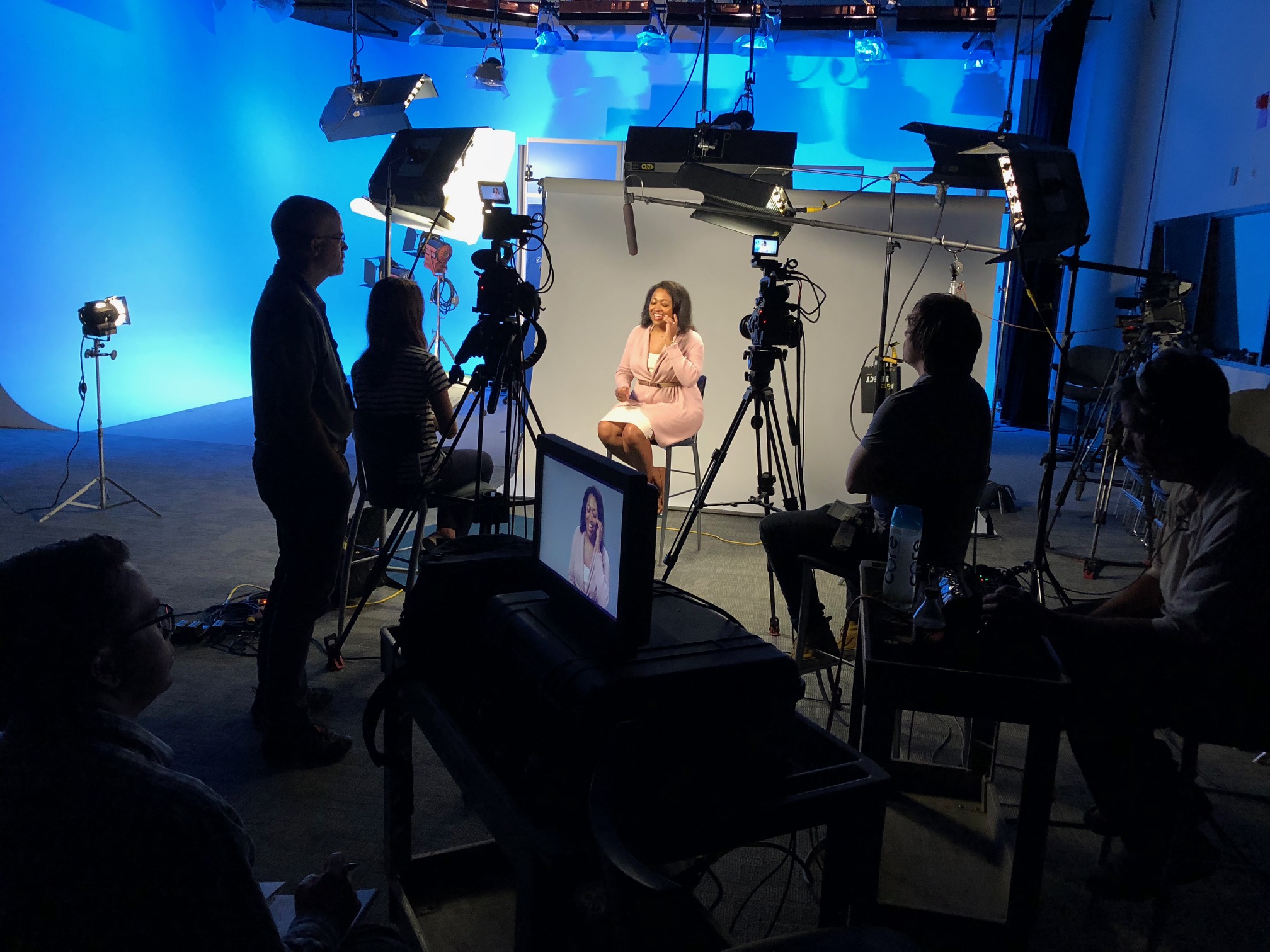
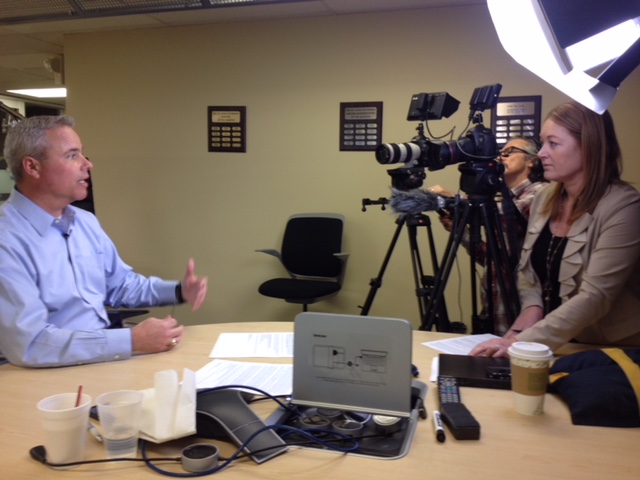

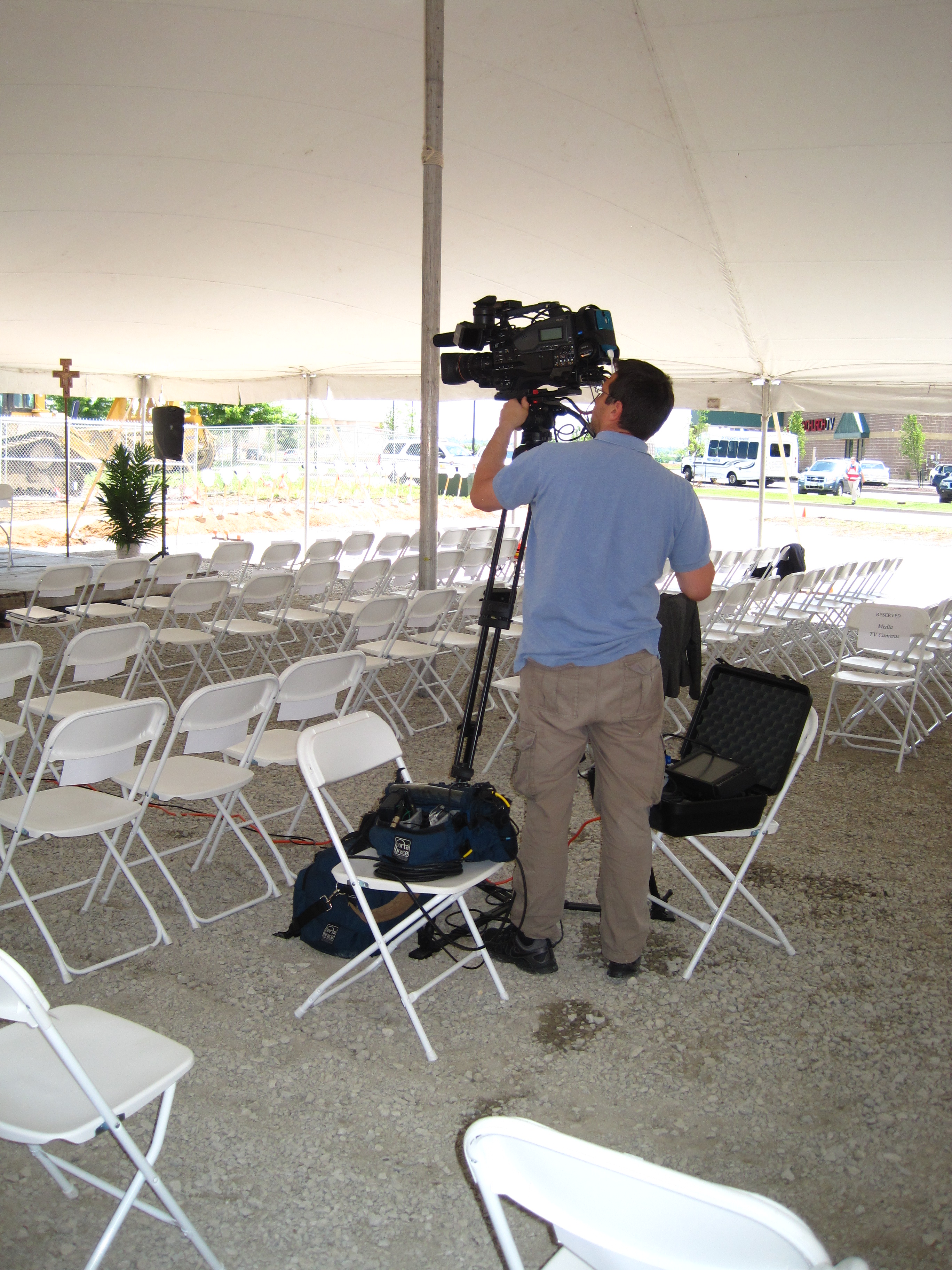
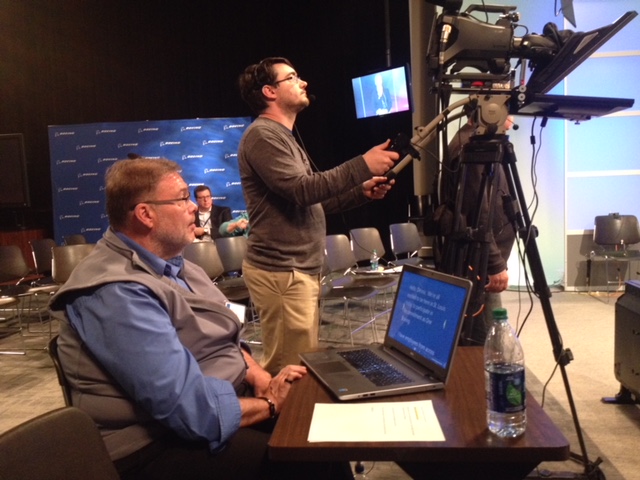
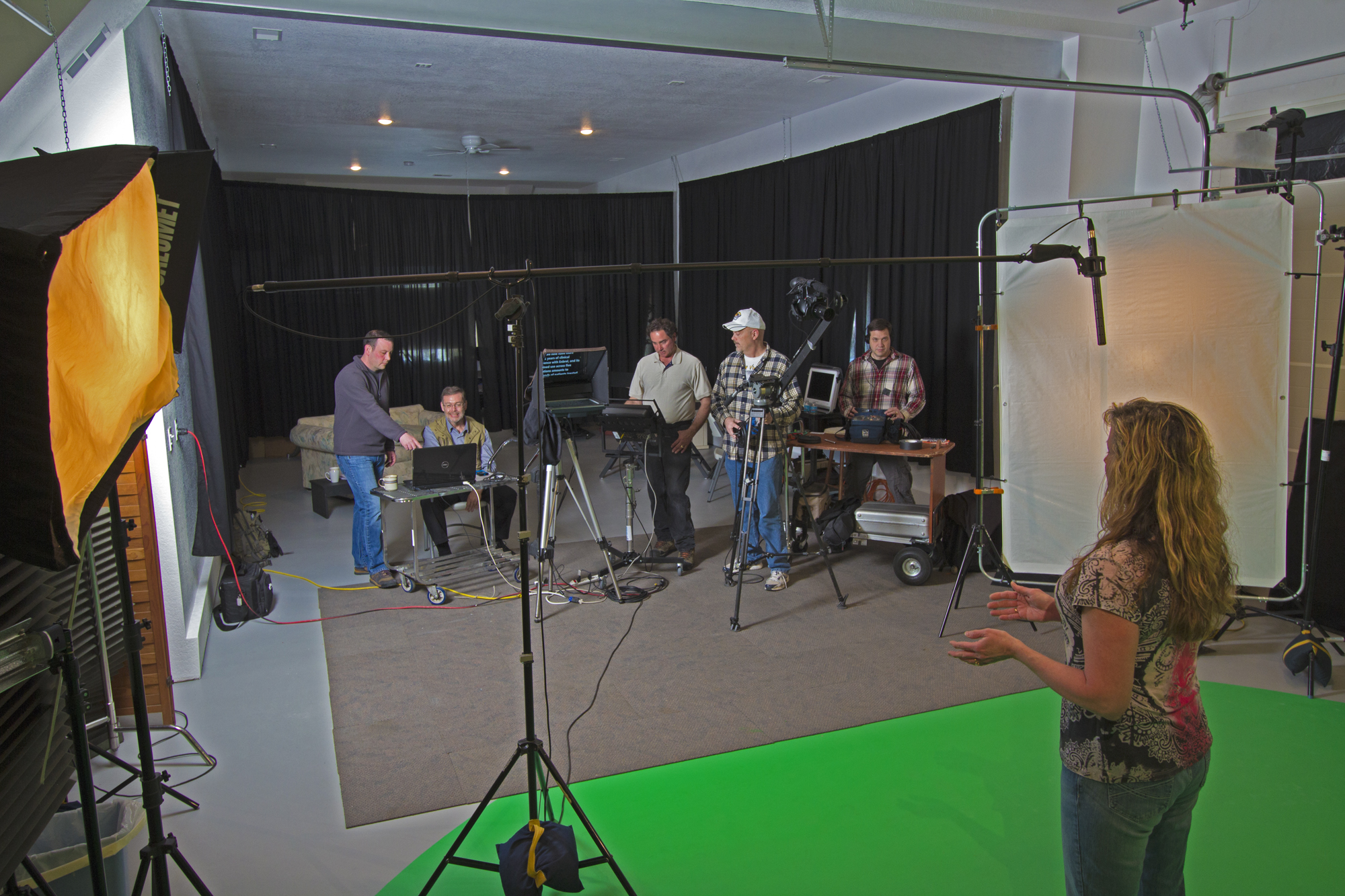
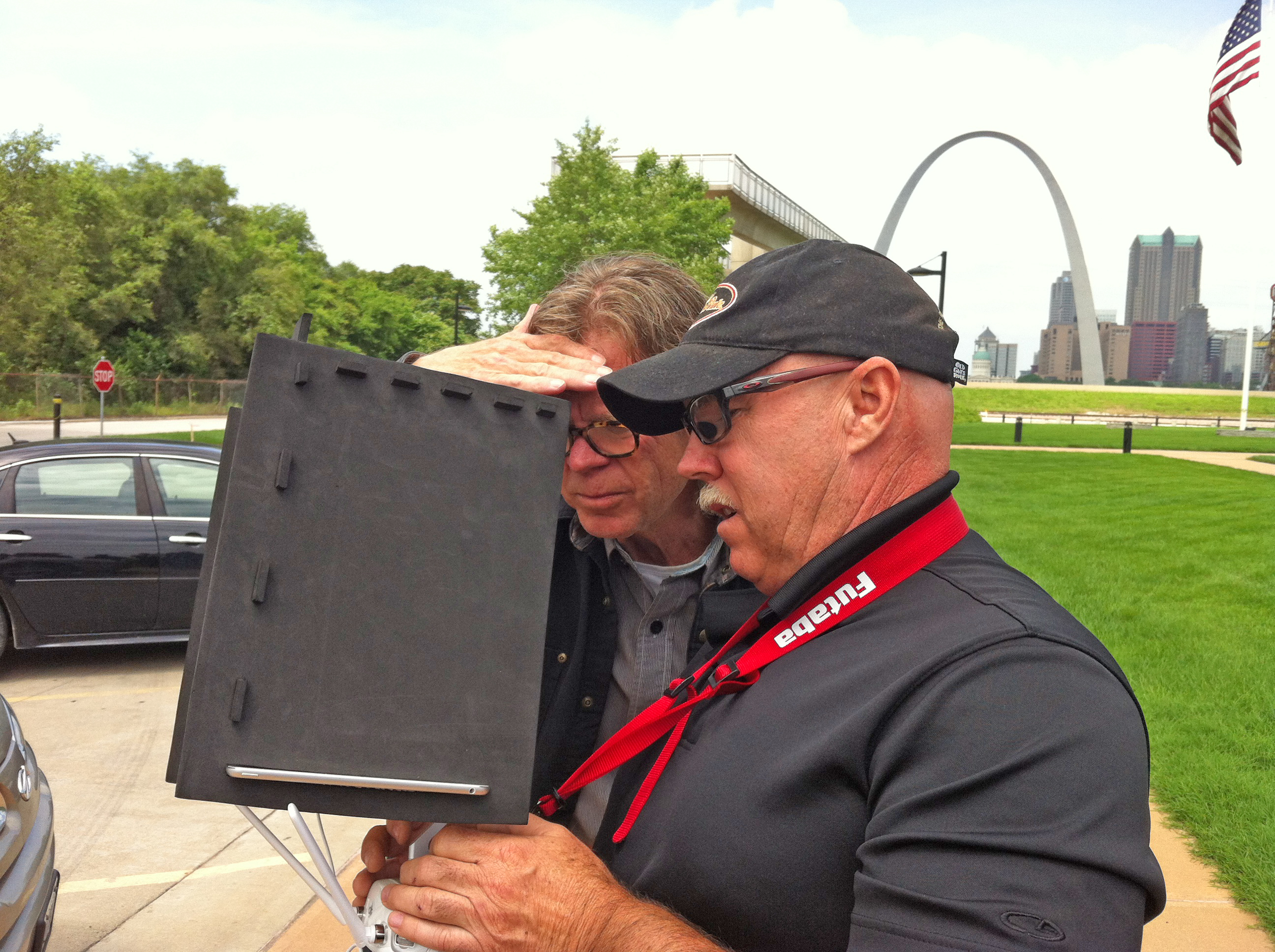
At St Louis Video Crew, we are an experienced full-service professional commercial photography and video production company with the right equipment and creative crew service experience for successful image acquisition. We offer full-service studio and location video and photography, as well as editing, post-production and licensed drone services. St Louis Video Crew can customize your productions for diverse types of media requirements. Repurposing your photography and video branding to gain more traction is another specialty. We are well-versed in all file types and styles of media and accompanying software. We use the latest in Artificial Intelligence for all our media services. Our private studio lighting and visual setup is perfect for small productions and interview scenes. Our studio is large enough to incorporate props to round out your set. We support every aspect of your production—from setting up a private, custom interview studio to supplying professional sound and camera operators, as well as providing the right equipment—ensuring your next video production is seamless and successful. We can fly our specialized drones indoors. As a full-service video and photography production corporation, since 1982, St Louis Video Crew has worked with many businesses, marketing firms and creative agencies in the St. Louis area for their marketing photography and video. When your organization needs infrared FLIR thermal drone services in St. Louis, St Louis Video Crew brings the technical capability, production experience, and creative support to deliver imagery that is both informative and highly usable.
314-913-5626 stlouisvideocrew@gmail.com
- Posted in: st louis video crews
- Tagged: 3-D Imaging, Aerial inspection St. Louis, Aerial mapping St. Louis, Aerial photography St. Louis, Aerial survey St. Louis, Aerial videography St. Louis, Construction drone photography St. Louis, digital-marketing, drone live events, Drone photography St. Louis, drone roof inspections, Drone services St. Louis, Drone videography St. Louis, drones, FLIR Thermal, Industrial drone services St. Louis, Infrared Drone, lidar drone, marketing, Orthomosaic drone, photography, Real estate drone photography St. Louis, St Louis Airplane Aerial Photographer, St. Louis aerial imaging, St. Louis drones, technology, thermal drone, Thermography Drone, Utility inspection drone services St. Louis, Volumetric Drone


























 St Louis Video Crew