Don’t Skip Site Photos — They Sell Services
If you sell a service—construction, engineering, logistics, manufacturing, healthcare, professional services, property management—your “product” is mostly invisible. It’s process, expertise, outcomes, trust. That’s exactly why site photos matter more than most organizations realize.
Decision makers don’t just want to hear that your team is qualified. They want to see proof: environments you’ve worked in, problems you’ve solved, scale you can handle, safety and compliance, and the real people doing real work. Site photos are the fastest way to make intangible value feel concrete—and that’s what moves a prospect from curiosity to confidence.
Below is the practical, field-tested case for treating site photography as a core sales asset, not an afterthought.
Site photos aren’t “nice to have”—they’re revenue evidence
Most service organizations invest heavily in proposals, capability decks, and case studies—then rely on a handful of generic stock images or outdated project photos. The message becomes unintentionally vague: “Trust us.”
Site photography flips that dynamic. It becomes visual evidence of:
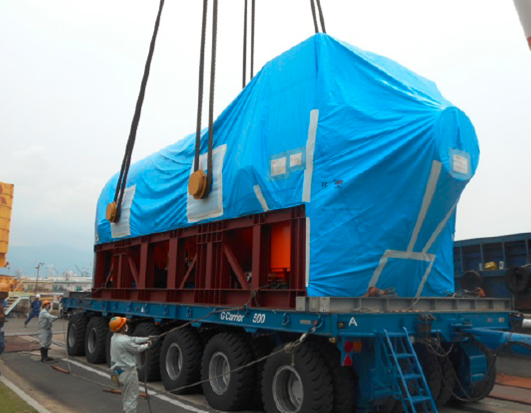
- Scale: the size of projects and complexity of environments you can handle
- Credibility: real teams, real locations, real outcomes
- Consistency: documented quality across time, sites, and clients
- Risk management: safety practices, process discipline, QA/QC culture
- Differentiation: the real-world details competitors can’t copy
When buyers compare similar vendors, the winner is often the one who communicates competence most clearly. Site photos do that in seconds.
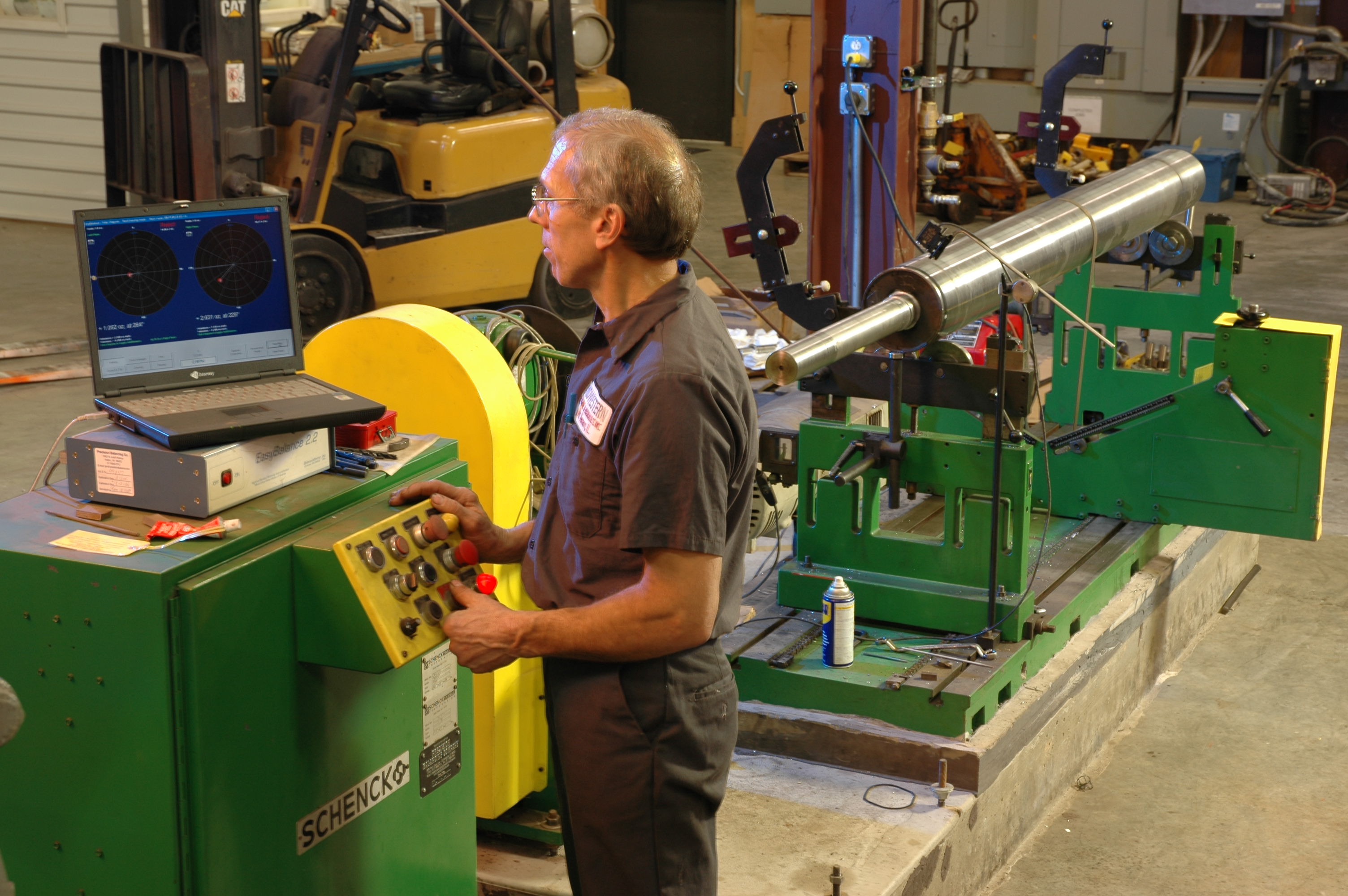
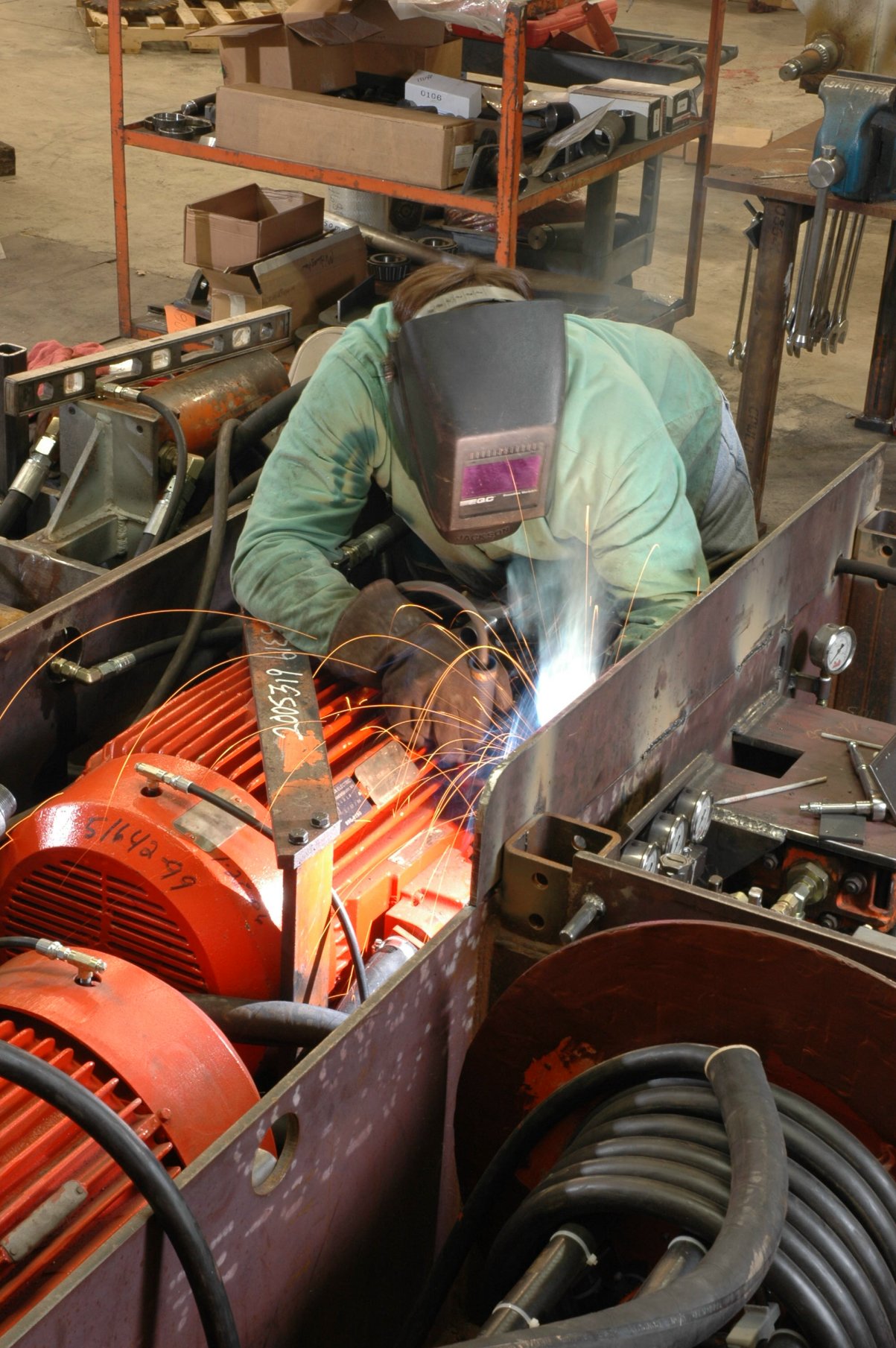
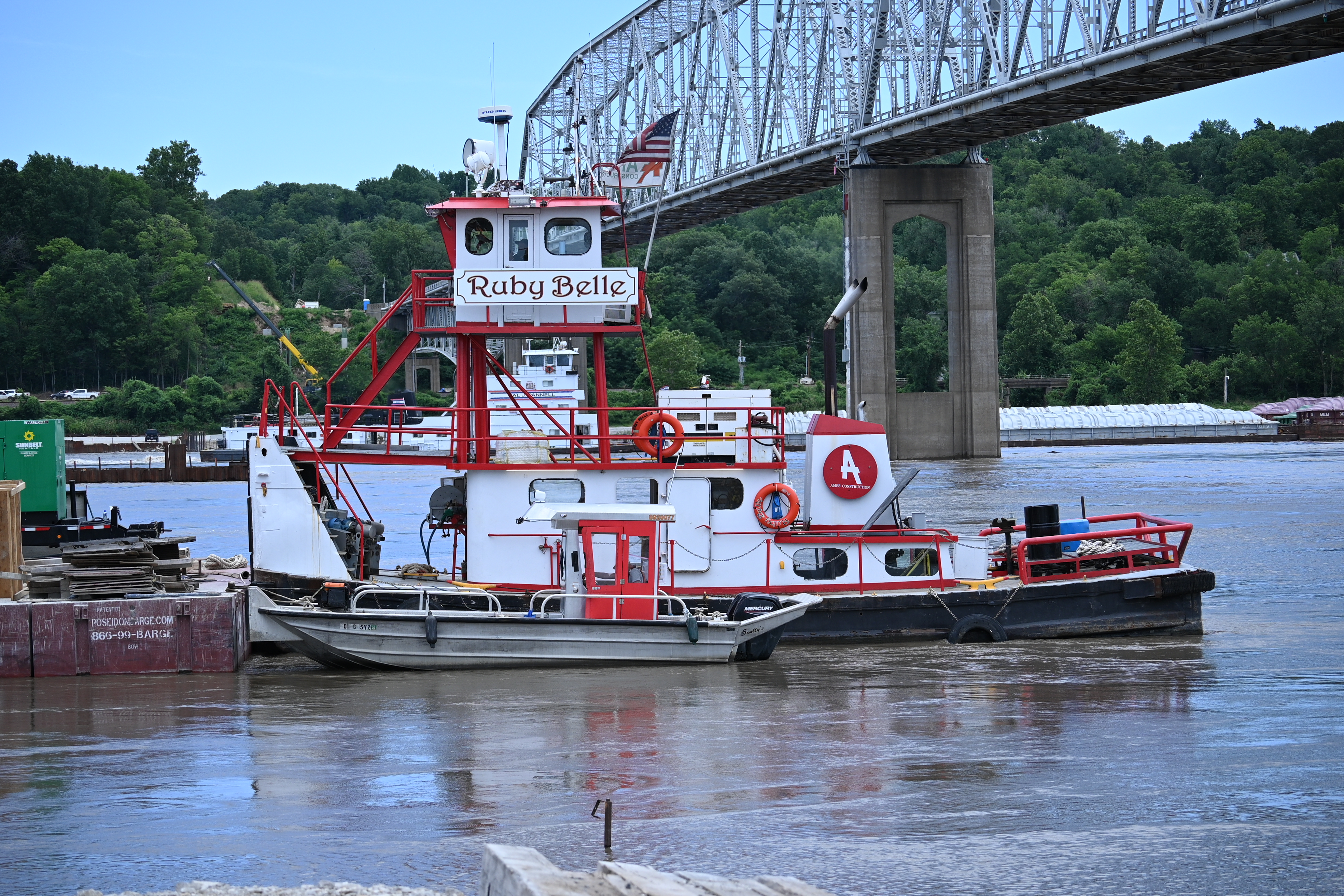

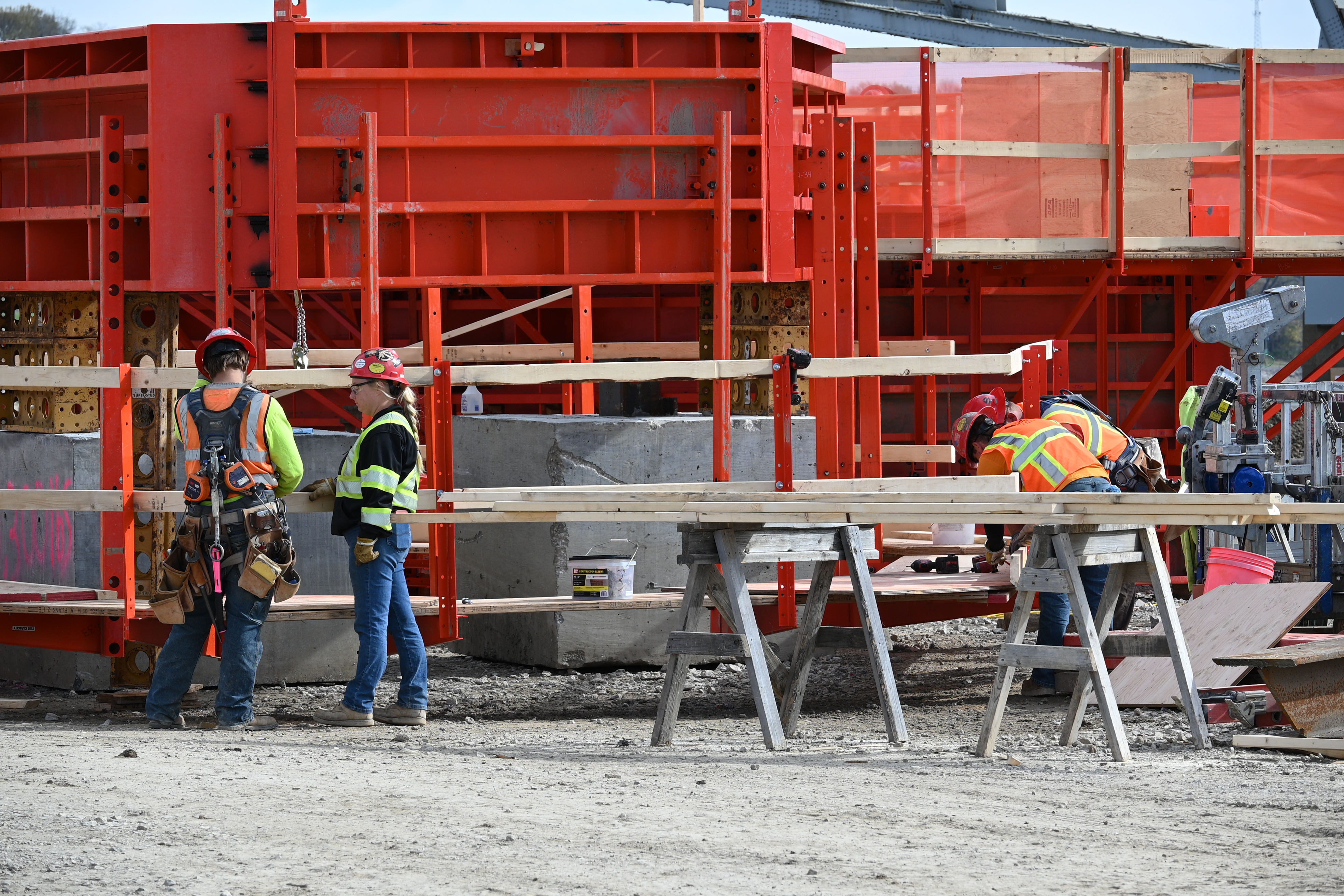

What site photos actually sell (and how buyers read them)
A decision maker may not know your technical craft, but they’re trained to recognize signals of reliability. Great site photos communicate:
1) Competence under real conditions
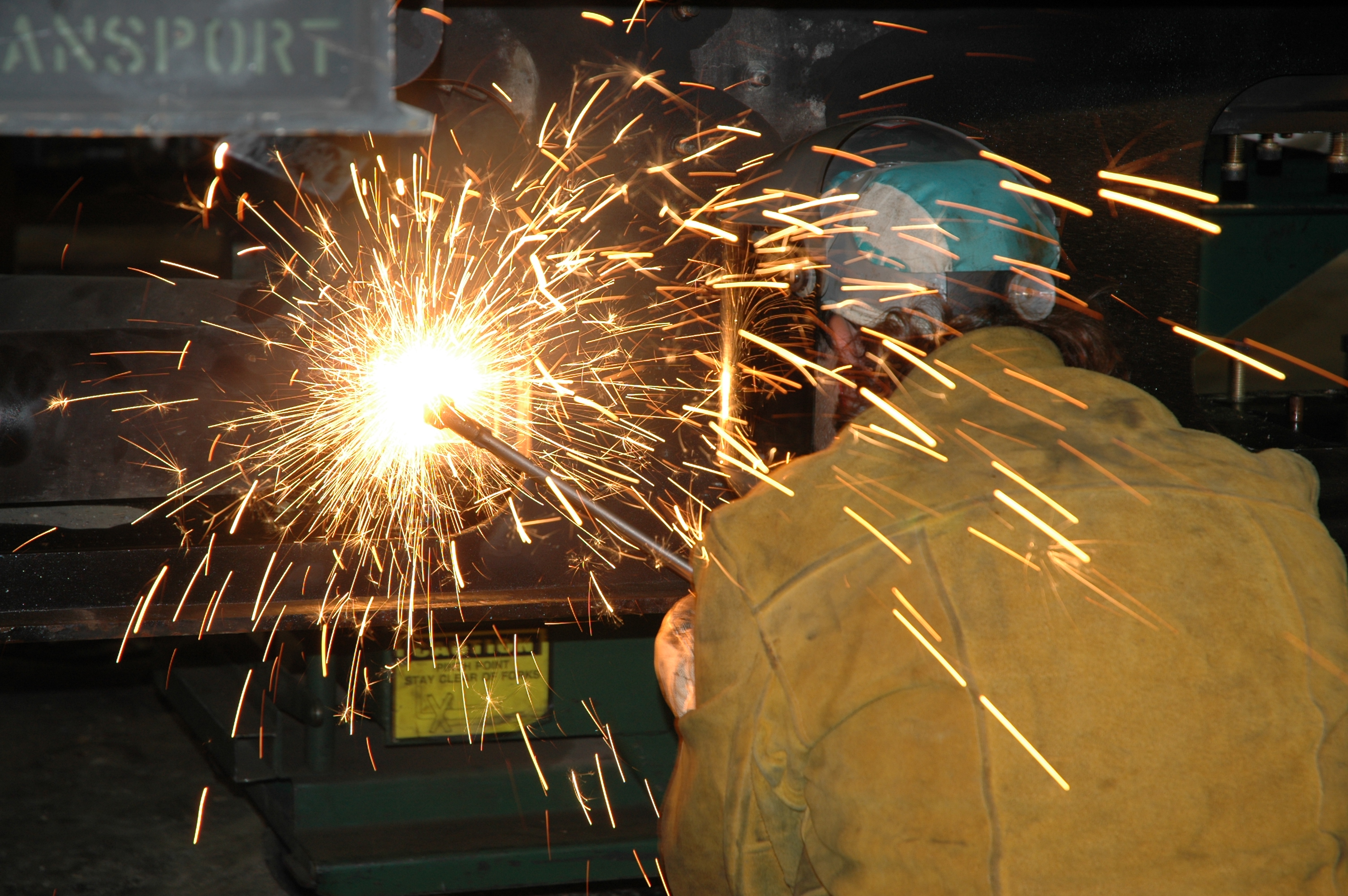
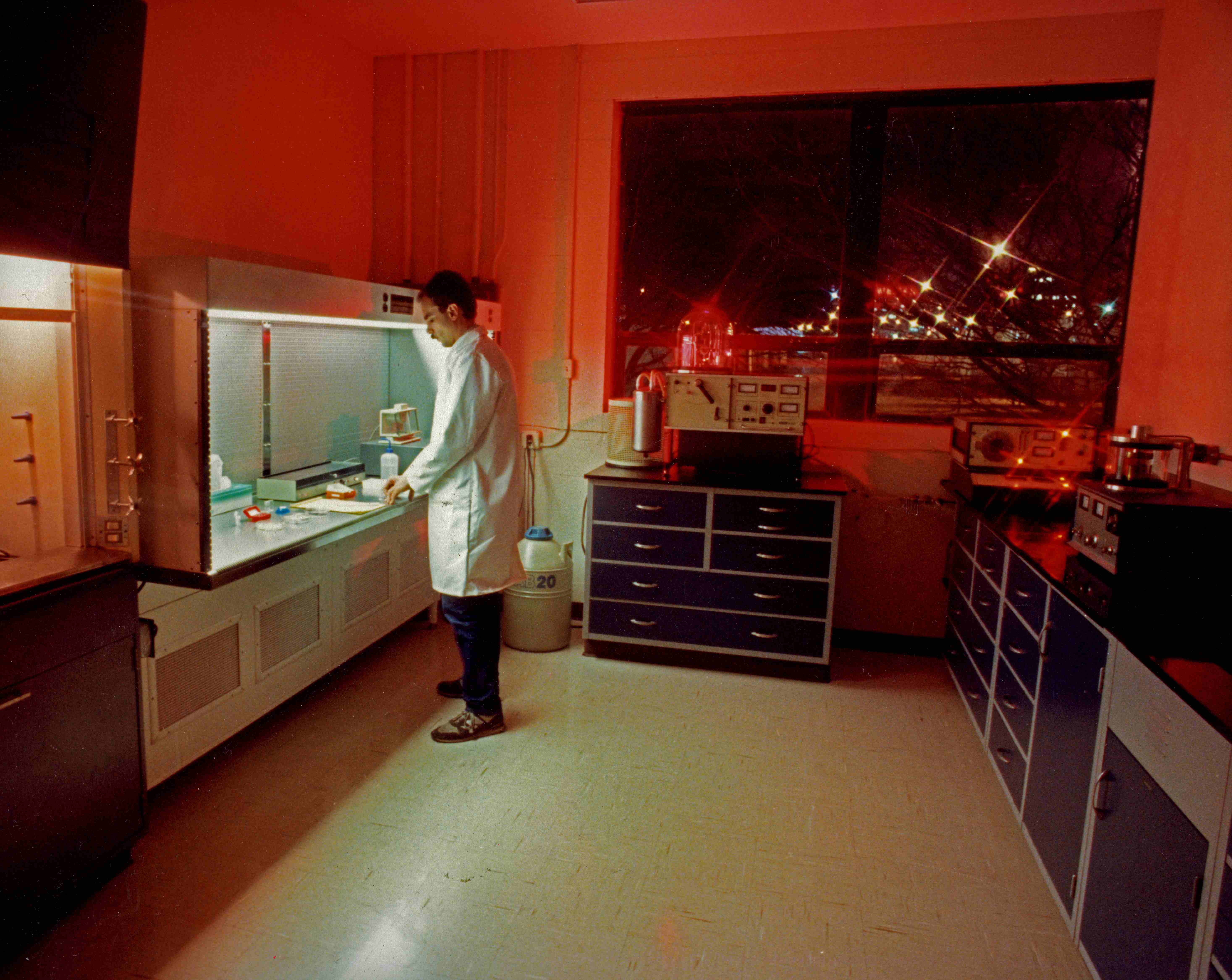
Not staged, not sanitized. Real constraints: low light, tight spaces, weather, PPE requirements, machinery in motion. If you can work well there, you can work well anywhere.
2) Process, not just results
For service businesses, the “how” is the product. Photos of workflows, checklists, instrumentation, pre-task planning, set-ups, and sign-offs show maturity.
3) Safety and professionalism
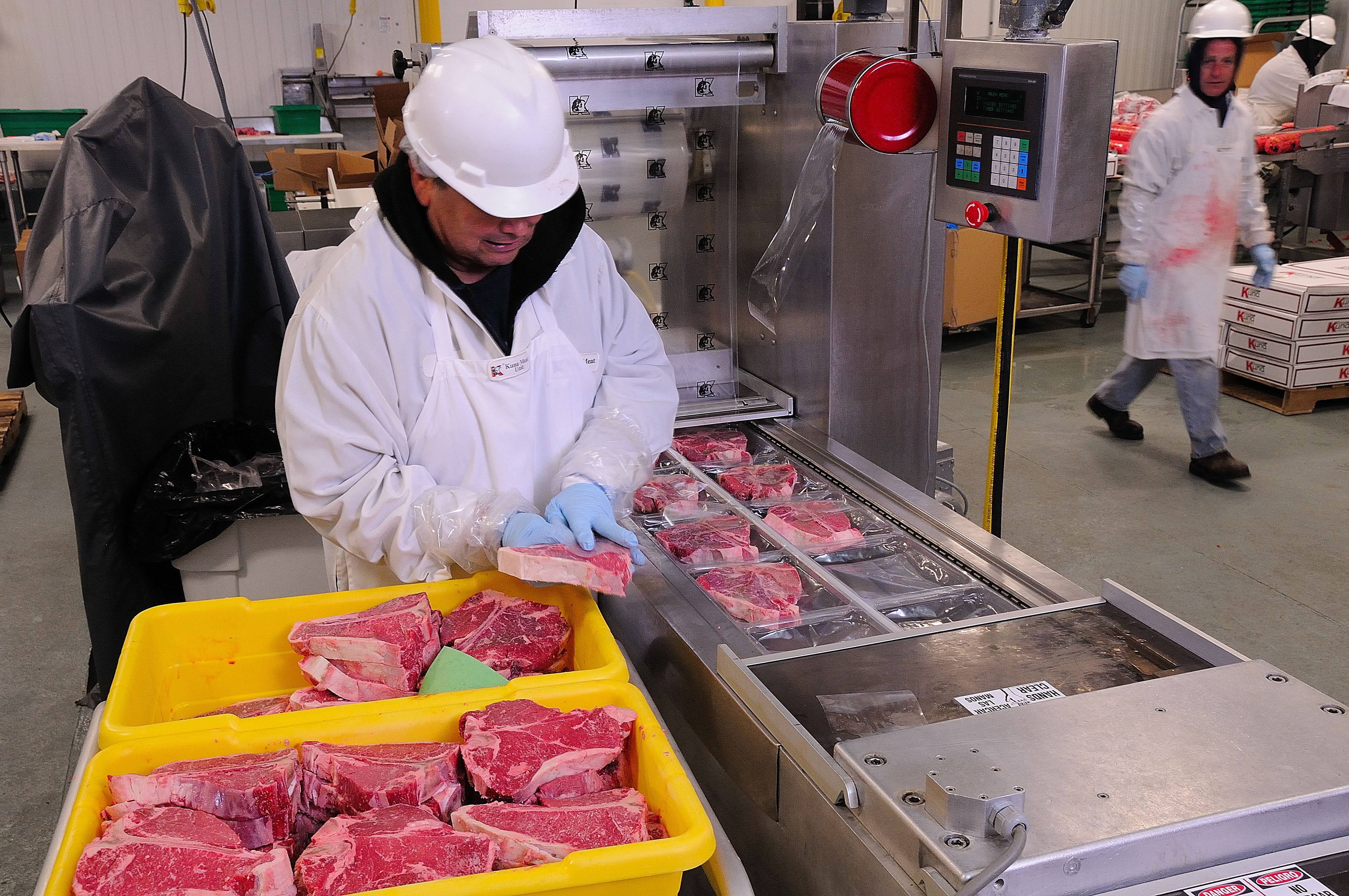
Clean work areas, correct PPE, proper barricades, spotters, signage, rigging practices—these visuals matter. They reduce perceived risk.
4) Quality control
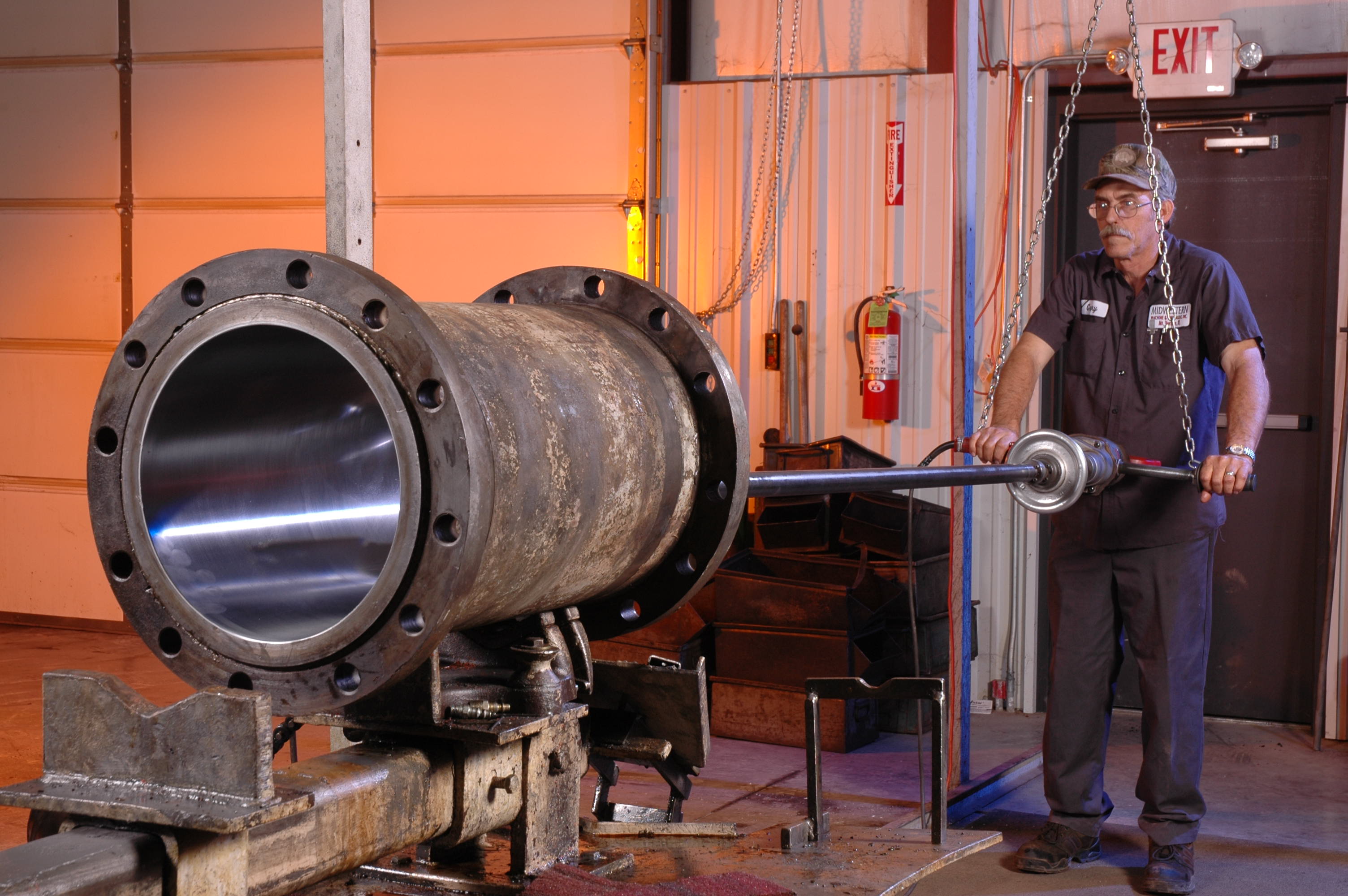
Close-ups of tolerances, finish work, measurements, tool calibration, inspection steps, and documentation build trust—especially for technical and regulated industries.
5) Team strength
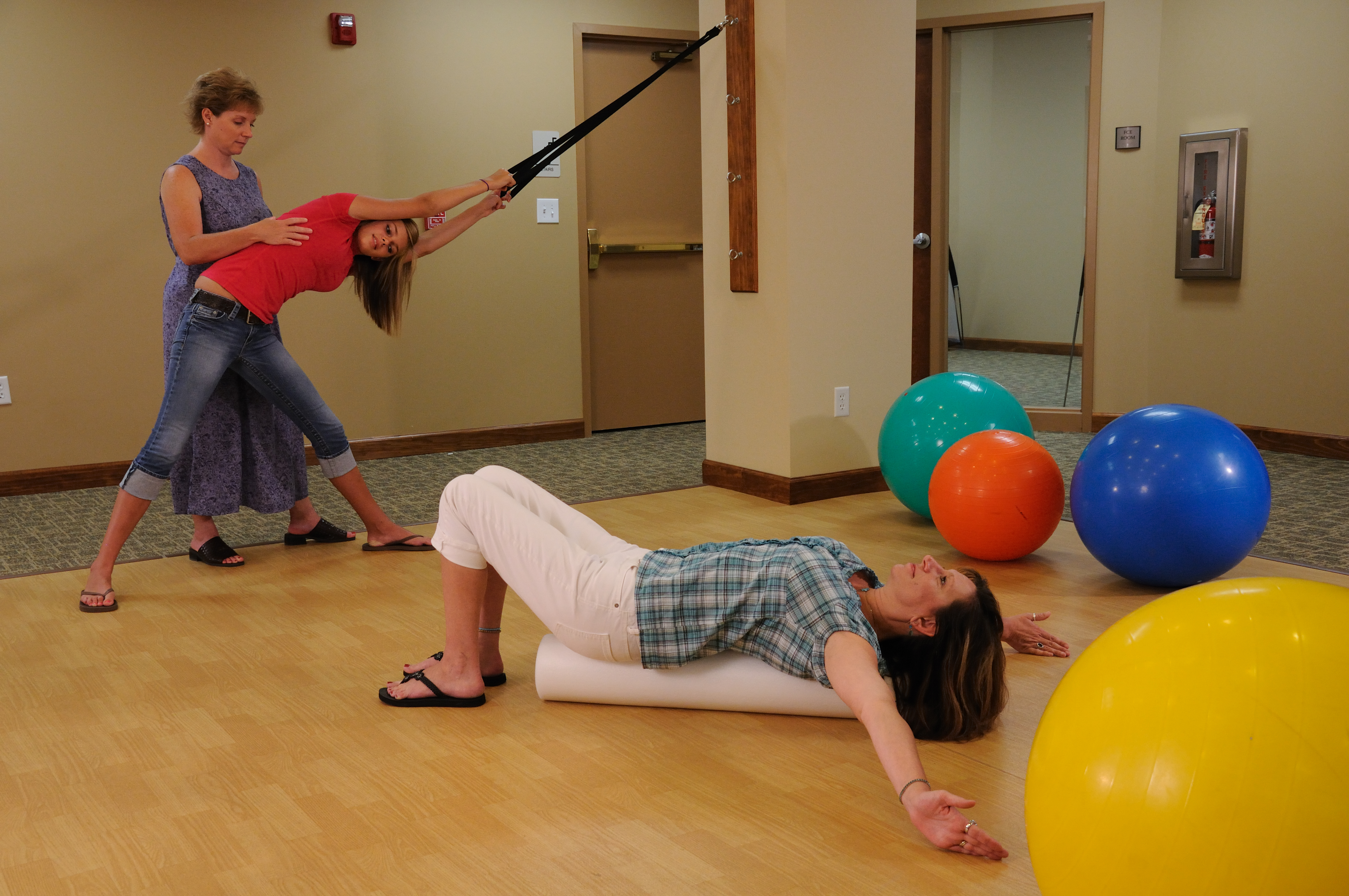
Humans connect with humans. Photos that show skilled staff solving problems—without turning them into cheesy “posing”—make your company feel real, stable, and accountable.
The hidden cost of skipping site photography
When organizations don’t capture site imagery consistently, a few predictable things happen:
- The marketing team scrambles for visuals after the project ends
- Proposals recycle the same tired photos, making every bid look identical
- Sales reps spend more time explaining and defending credibility
- Case studies feel abstract because they lack visual proof
- Competitors with better visuals appear more established—even if they aren’t
In other words: you pay for missed opportunities, longer sales cycles, and lower conversion rates.




Where site photos do the most selling
If you want ROI, prioritize distribution. Site imagery works best when it shows up everywhere a buyer evaluates you:
Website (high intent)
- Service pages: “Here’s what this looks like in the field.”
- Industry pages: “Here’s work like yours.”
- About/team pages: “Here’s who you’re trusting.”
- Case studies: “Here’s proof.”
Proposals and capability decks (decision moments)
A single strong photo sequence can remove pages of explanation. Visuals reduce friction and speed approvals.
Social and email (frequency + familiarity)
Site photos provide authentic content that doesn’t feel like “marketing.” Consistent publishing builds familiarity before a buyer ever calls.
Recruiting and internal communications (secondary but real ROI)
Top candidates want to see what they’ll work on. Site photos also reinforce pride and culture.





The anatomy of a high-performing site photo library
The biggest failure isn’t quality—it’s coverage. You don’t need 500 images from one job. You need a repeatable set of categories that supports sales and marketing all year.
Here’s the capture framework we recommend:
A) Establishing + context (the “scope” shots)
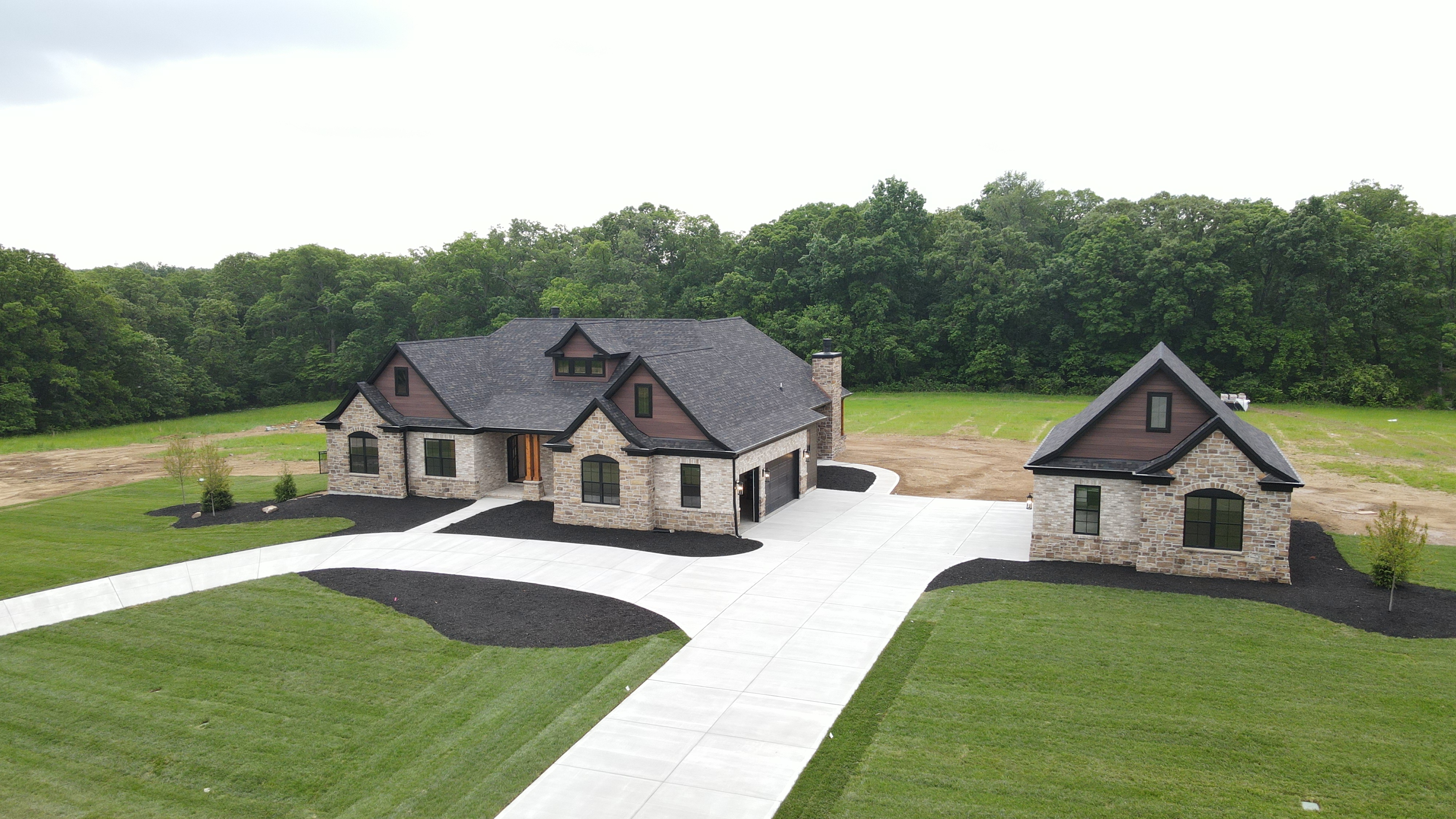
- Exterior, approach, signage, facility context
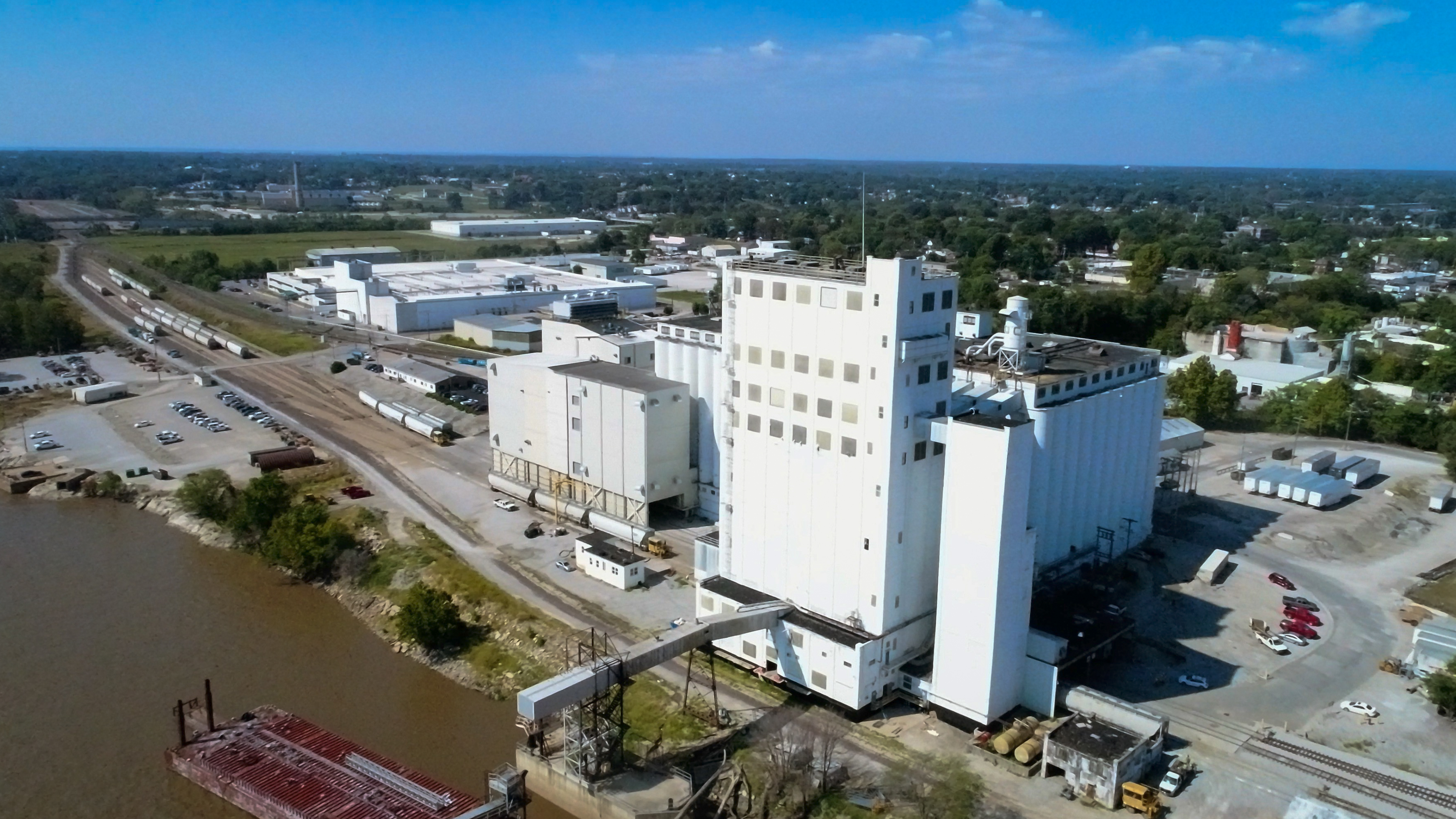
- Wide shots that show scale and constraints
- Before/after where possible
B) Work-in-progress (the “proof of process” set)
- Teams collaborating, staging, setup
- Tools and methods in action
- Key milestones and transitions
C) Detail + quality (the “this is why we’re good” set)
- Close-ups of workmanship, instrumentation, labeling
- Inspection steps, measurements, finish details
- Materials, components, and critical interfaces
D) Safety + compliance (the “risk reassurance” set)
- PPE compliance, barricades, spotters
- Lockout/tagout visuals (where permitted)
- Documentation boards, permits, safety briefings
E) People + leadership (the “trust the team” set)
- Skilled staff doing real work (not awkward posing)
- Foremen/project managers on-site
- Client interaction moments (when approved)
If you capture those five sets consistently, marketing becomes easy and sales has assets for nearly every objection.
How to make site photography painless for operations
Field teams are busy. The solution isn’t “ask them to take a few pics.” The solution is a production plan that respects operations.
1) Pre-plan the shot list like a checklist
A short, repeatable shot list tied to your services prevents randomness and ensures coverage.
2) Work within safety and site rules

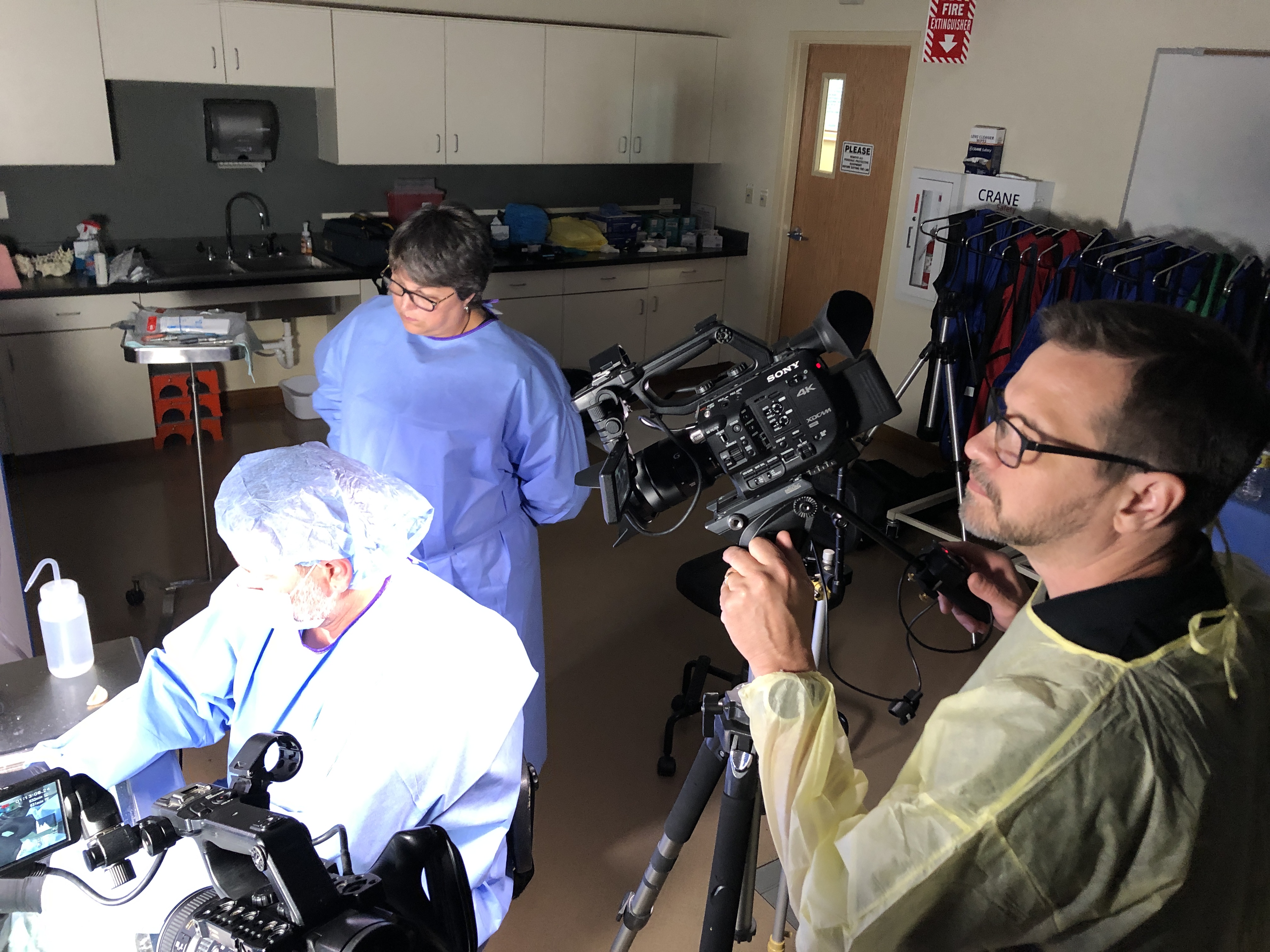
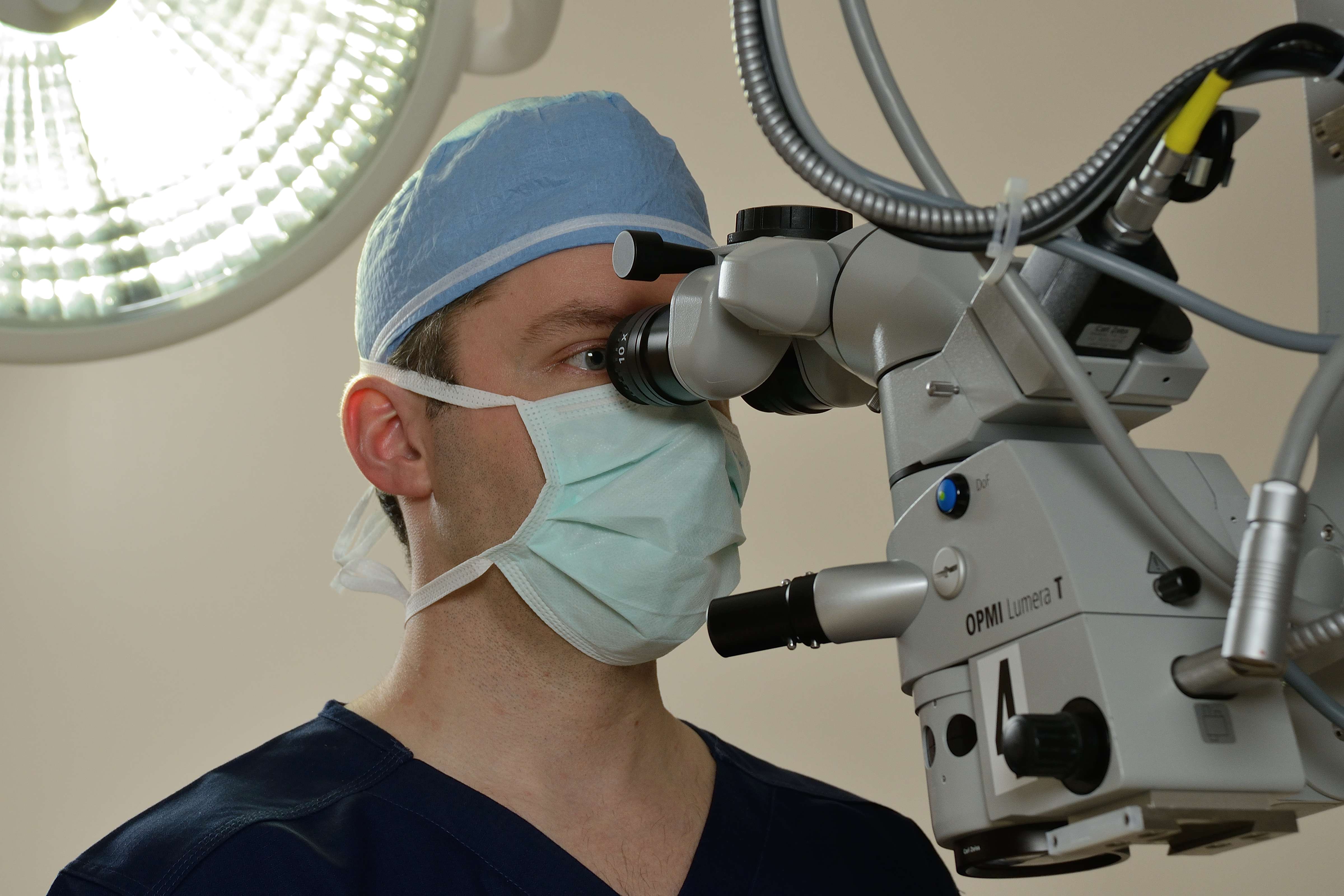

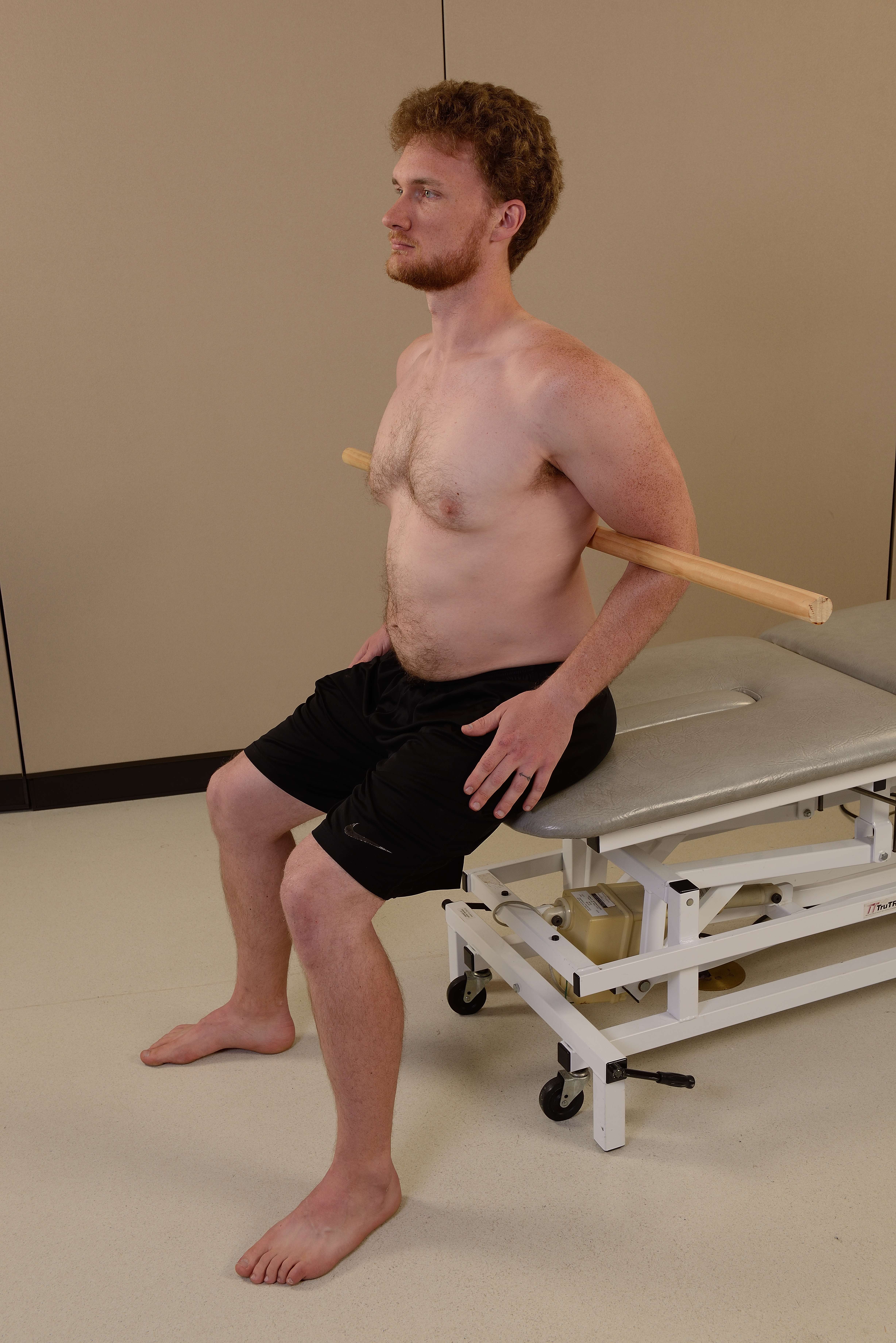
A professional crew knows how to operate around hazards, PPE requirements, and restricted areas without slowing production.
3) Schedule smarter, not longer
We often capture everything needed in a tight window:
- early setup
- a key mid-day sequence
- a milestone moment
- a final wrap shot
4) Create a naming + tagging system
Images only sell if you can find them. A consistent file structure and keywording strategy matters as much as the shoot.
5) Build releases and approvals into the workflow
If there are client restrictions, badging requirements, or sensitive IP, you handle it before cameras roll.
Video + site photos: the multiplier most teams miss
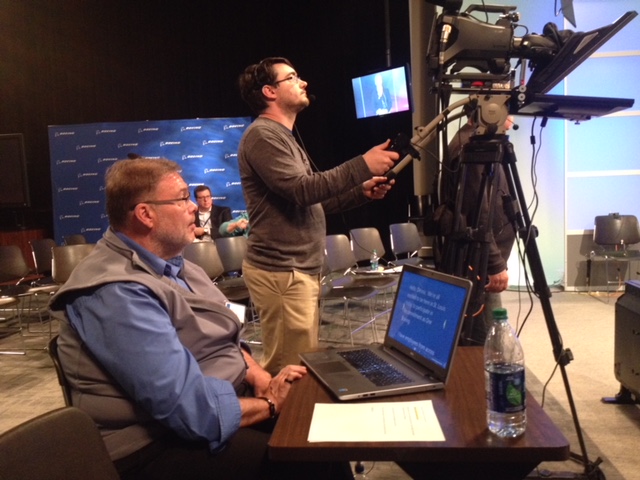
A site shoot is the perfect time to collect short video clips:
- 5–10 second process clips
- team collaboration
- equipment in action
- environmental context
That footage fuels:
- social cutdowns
- website headers
- proposal “proof reels”
- recruiting content
- internal training pieces
One field visit can generate weeks or months of usable content when planned correctly.
Indoor drone capability: visuals from places most vendors can’t reach
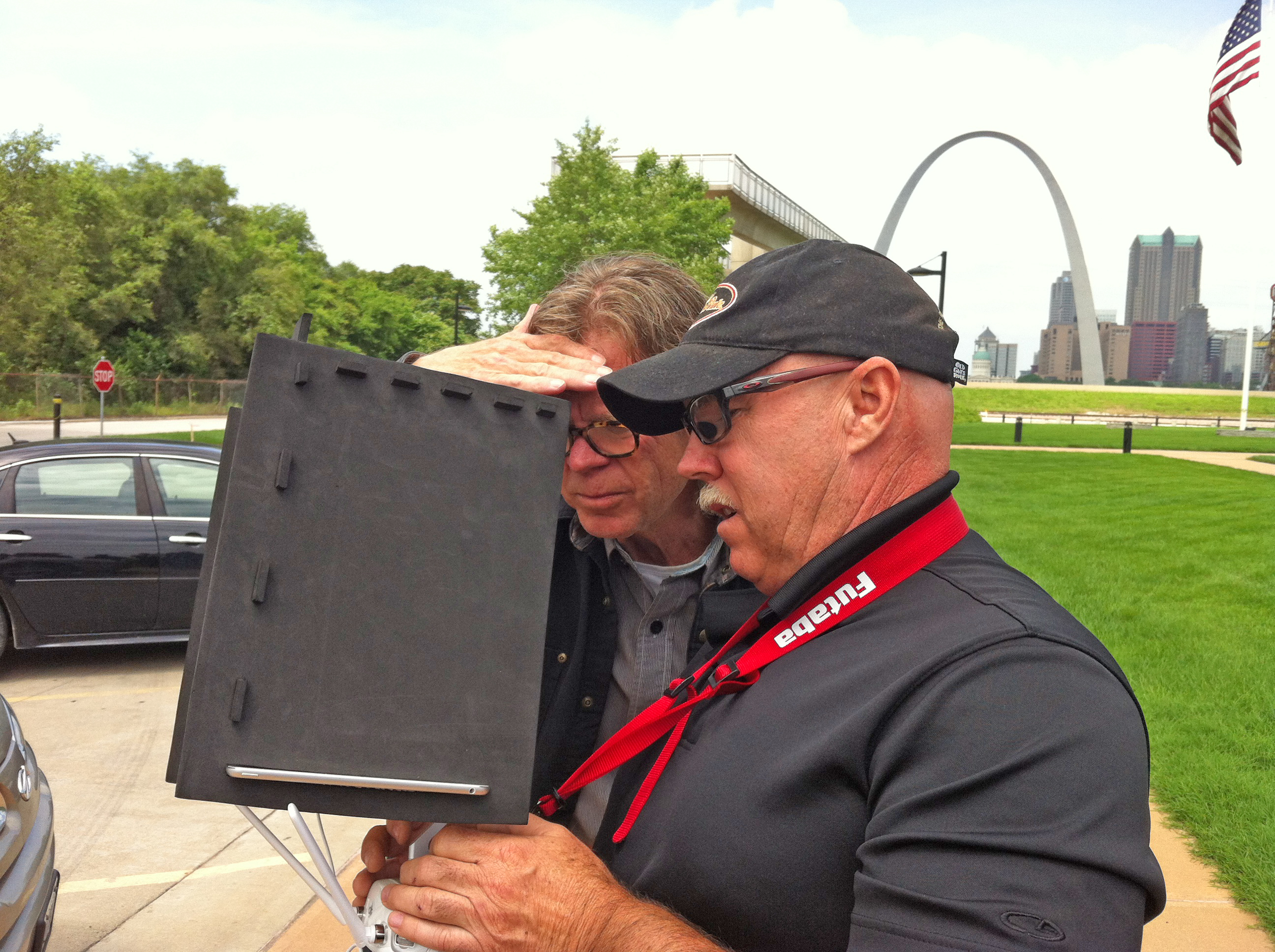
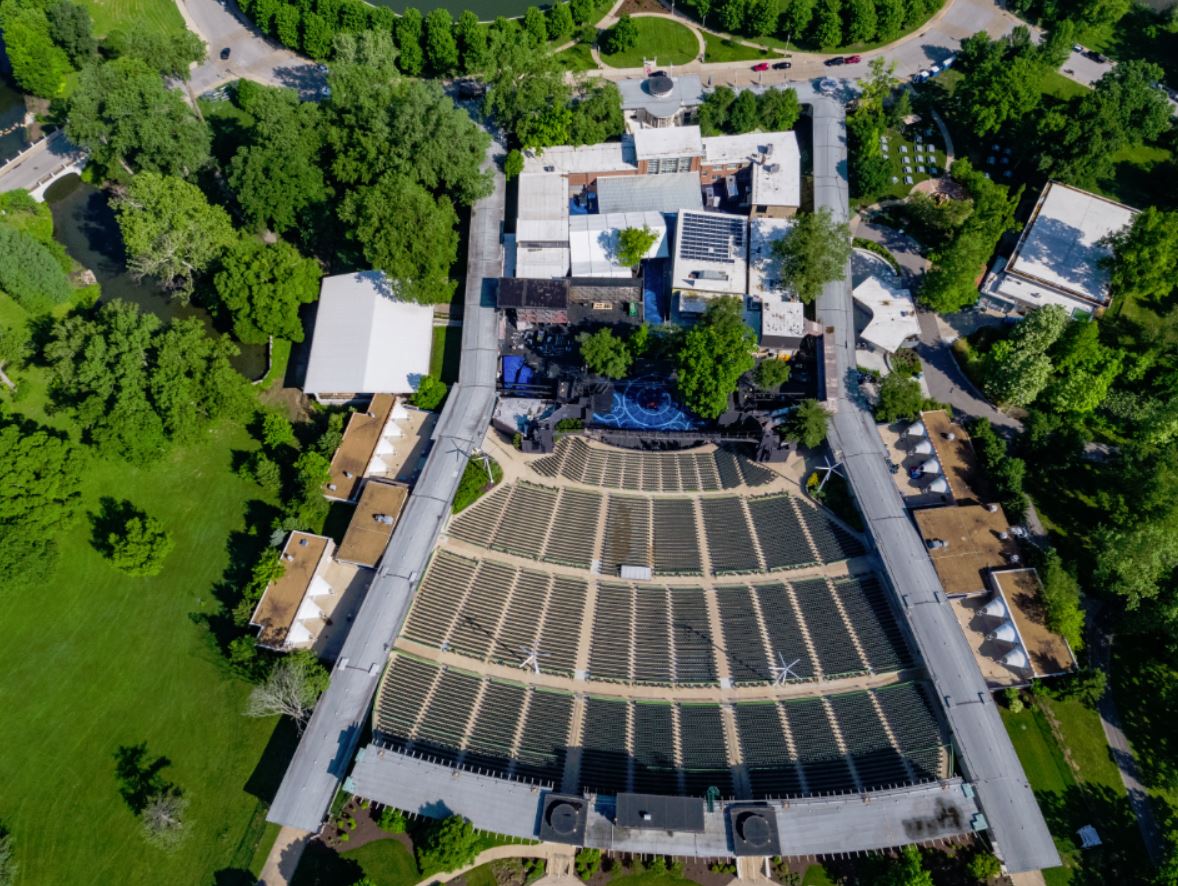
Some environments are hard to cover safely with traditional cameras—tight interiors, high ceilings, complex structures, or sensitive areas where access is limited. Specialized indoor drone work can capture perspective shots that are otherwise impractical, time-consuming, or risky.
The key is doing it professionally: proper planning, experienced pilots, safety protocols, and a clear understanding of the story the visuals need to tell.
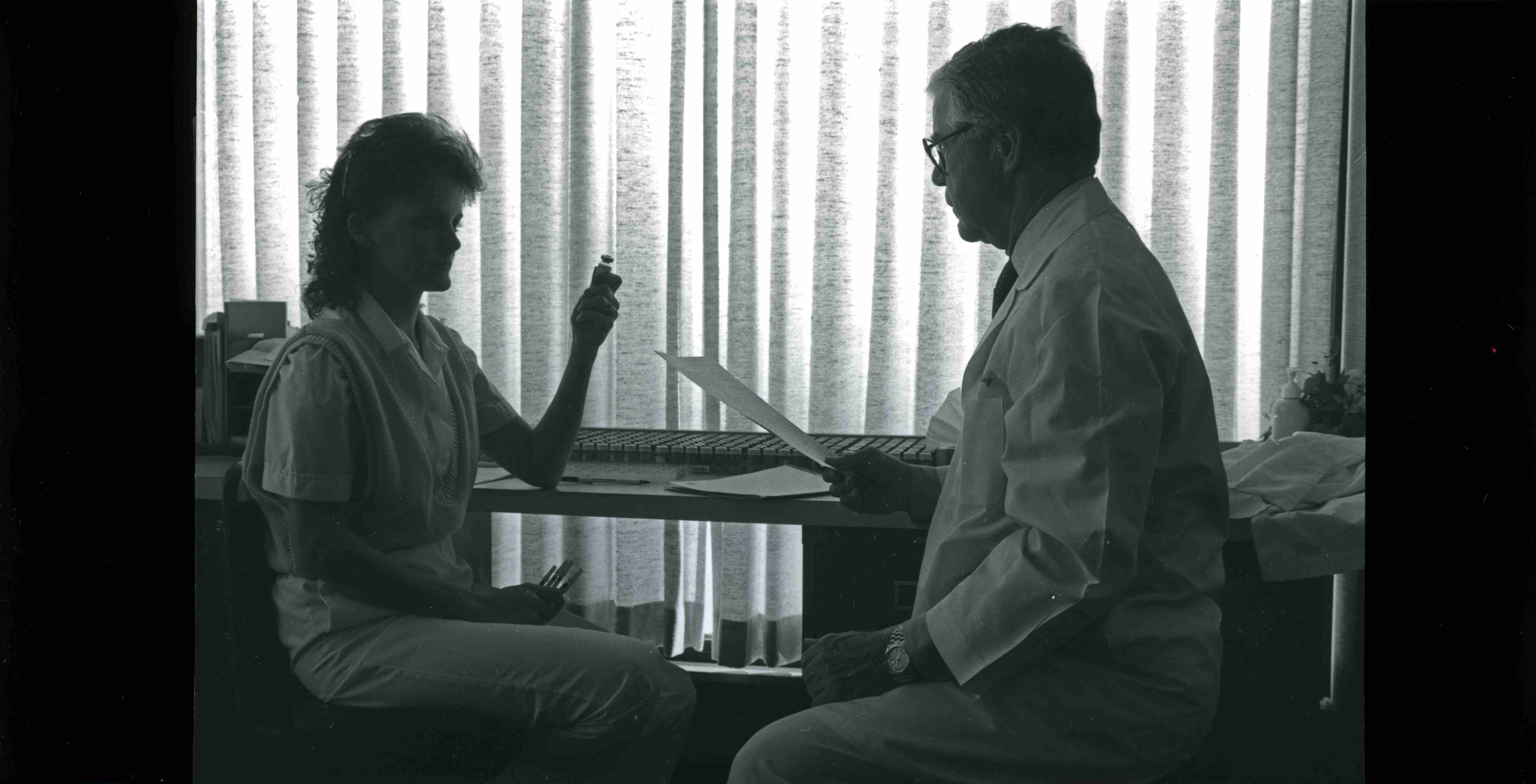
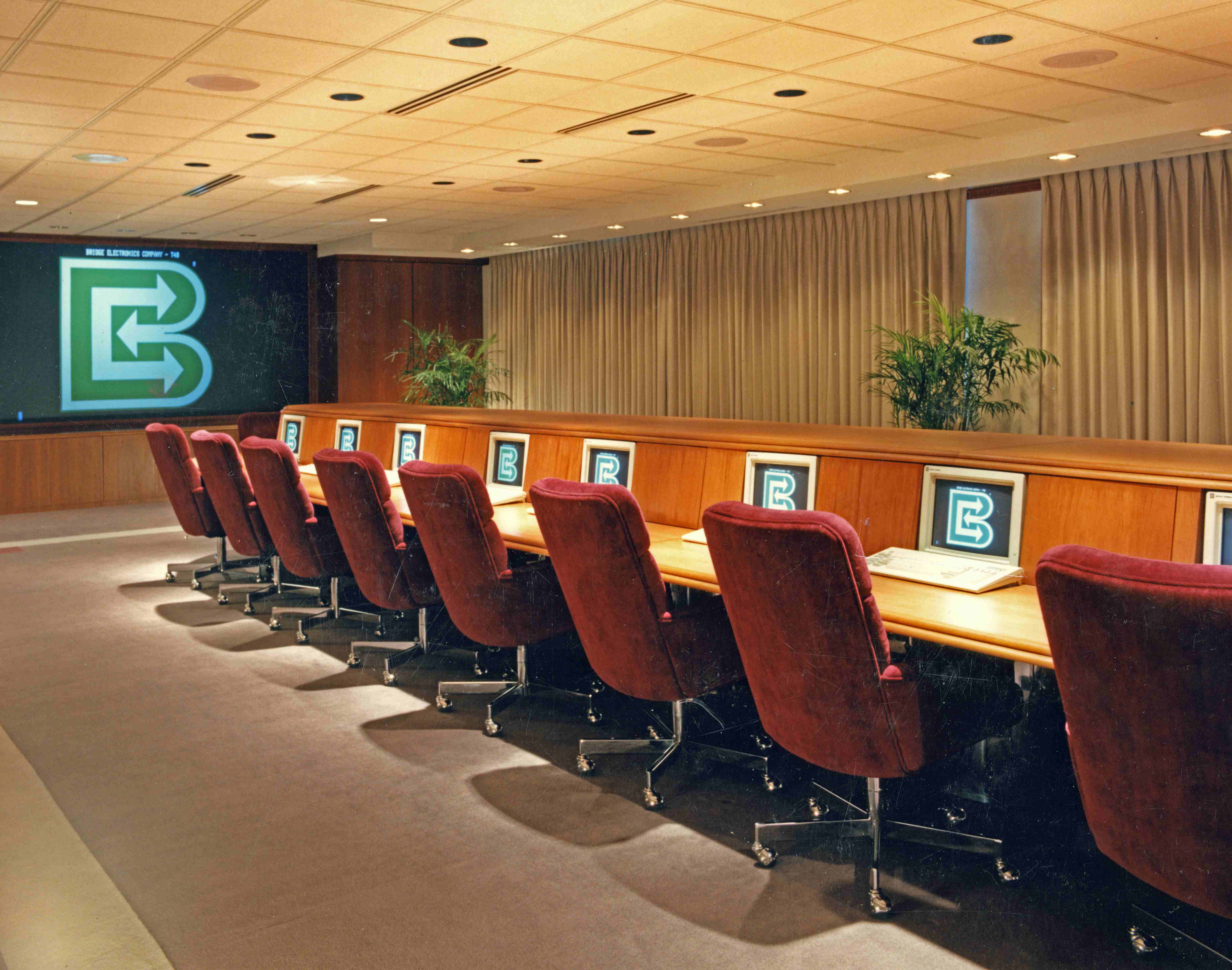
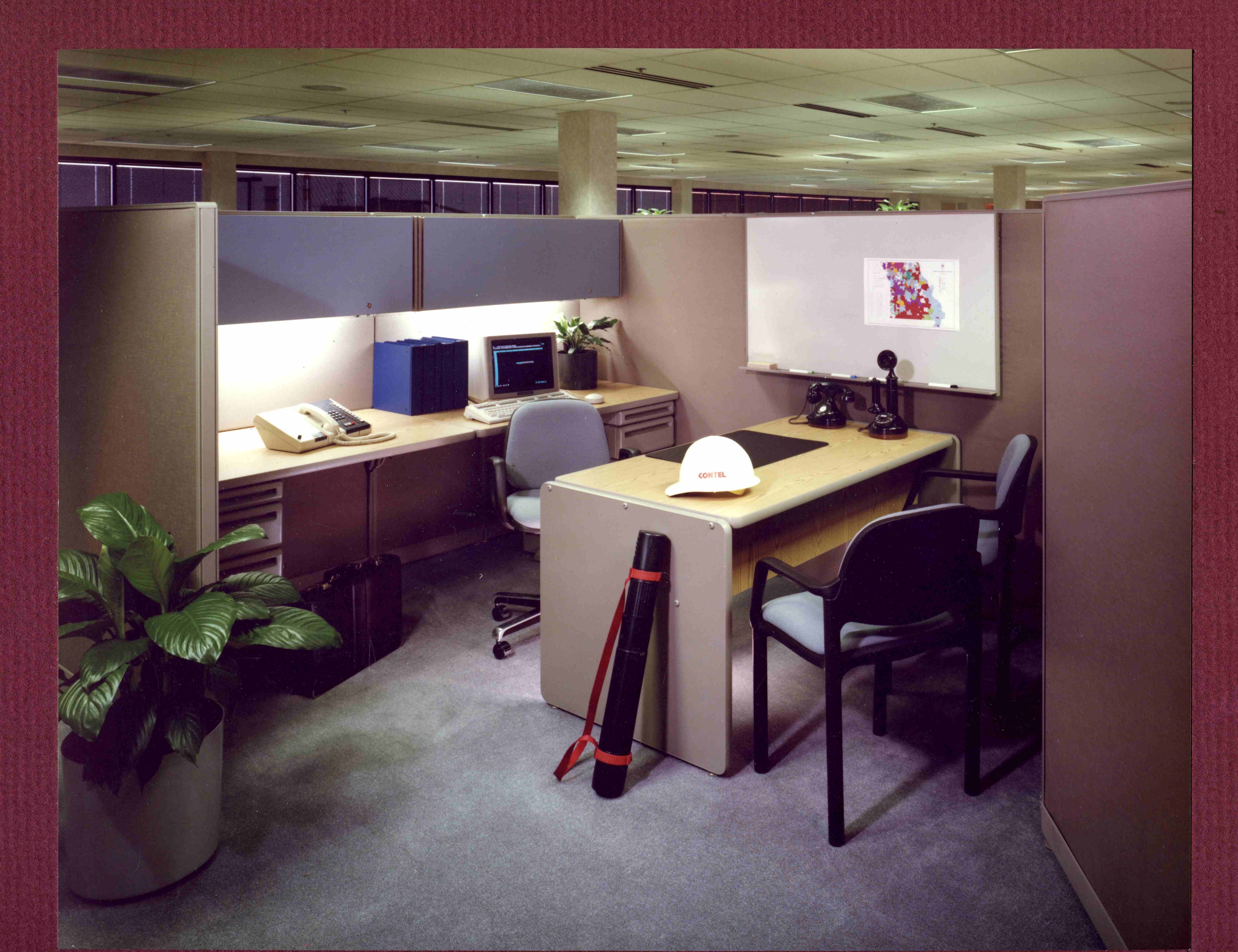
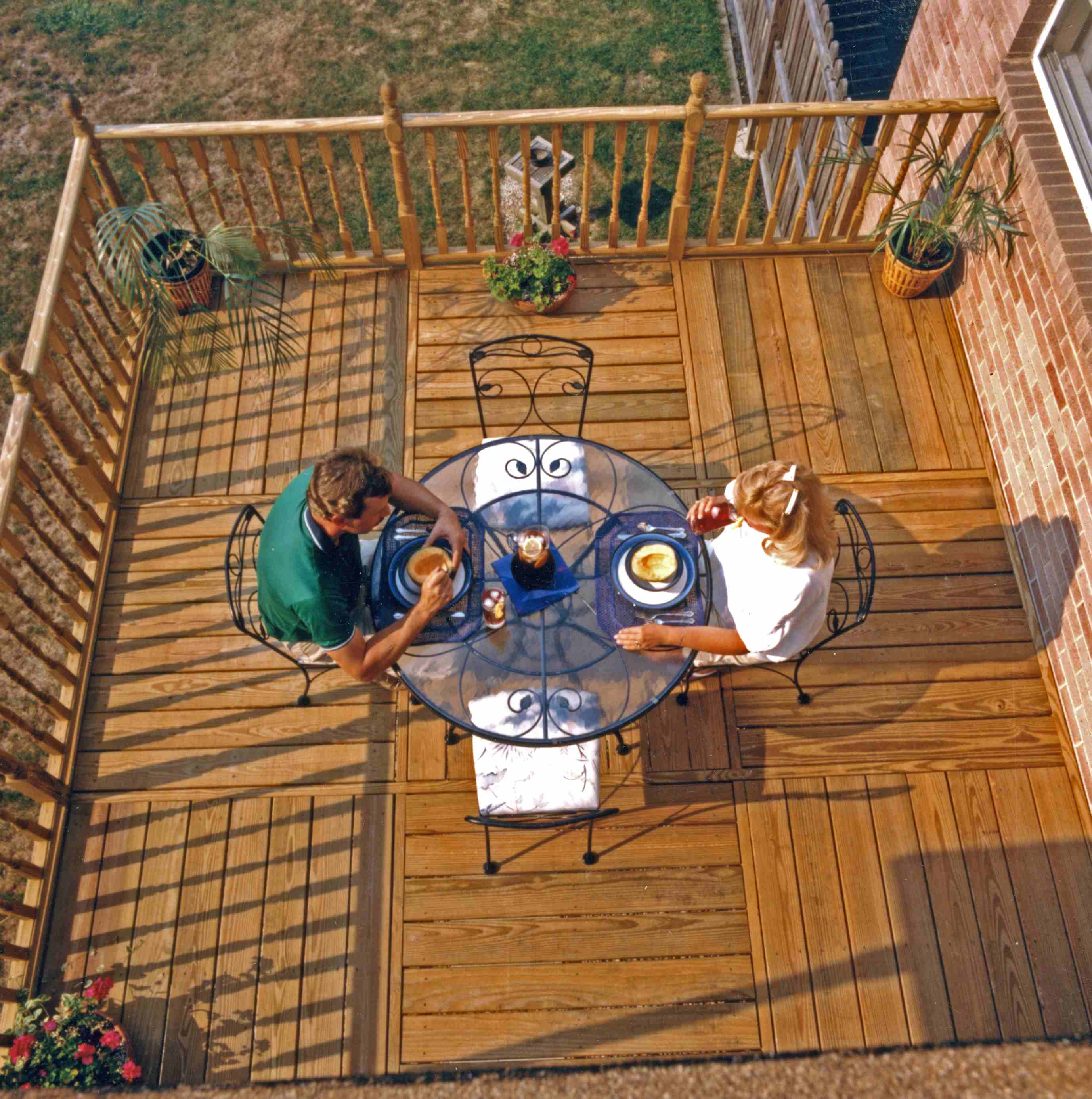
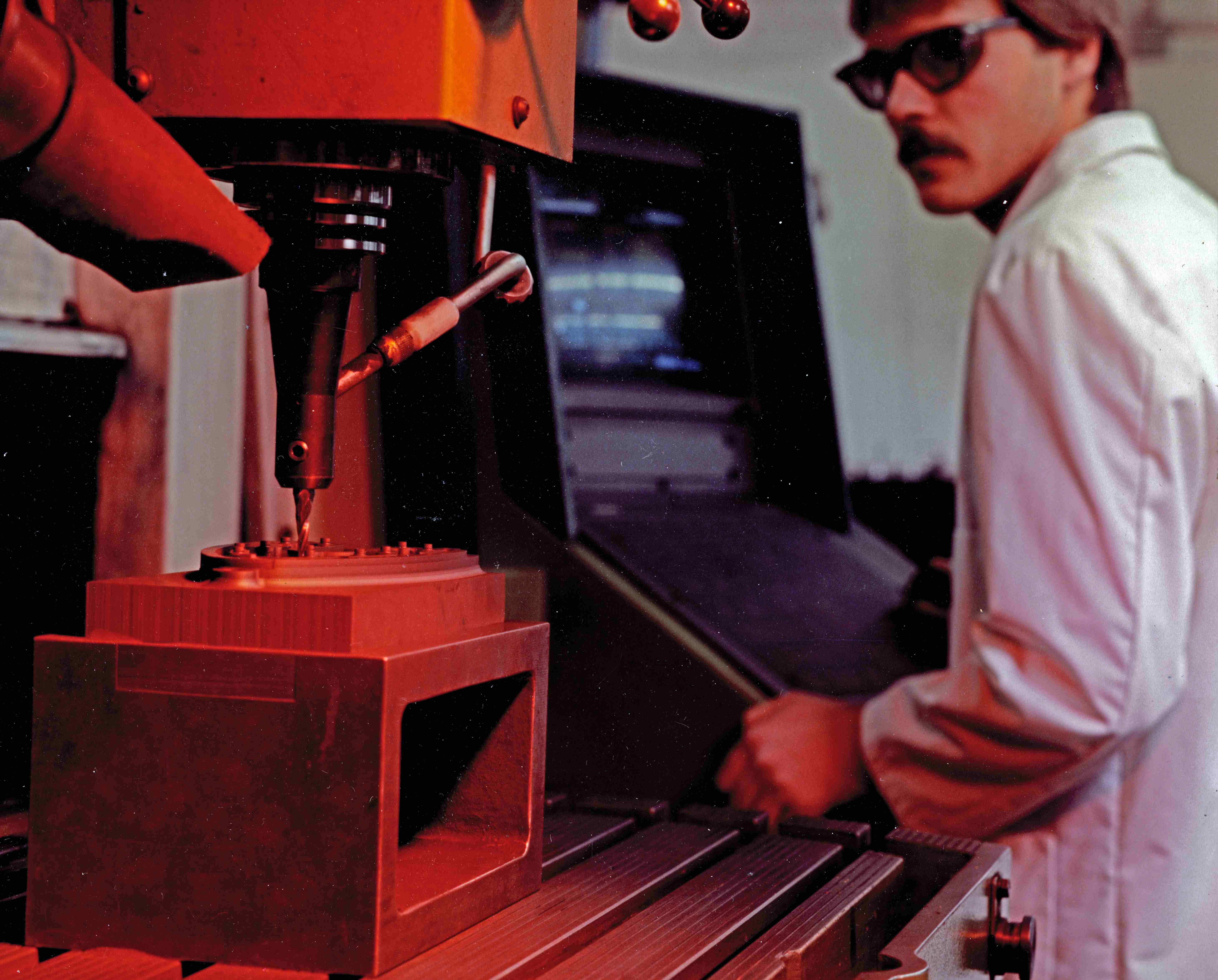
Repurposing: how to turn one shoot into an entire quarter of marketing
The highest ROI comes when you treat site imagery as a “content engine.” From one well-planned capture day, you can produce:
- refreshed website service imagery
- a case study page with a visual timeline
- proposal slides by industry/service
- social posts (process, people, progress, before/after)
- email banners and campaign visuals
- recruiting and culture content
- internal training visuals
That’s how site photos stop being a cost and become a growth asset.
The standard you should demand from professional site imagery
For decision makers, here are the quality markers that separate “random photos” from sales-grade assets:
- Consistent exposure and color across mixed lighting
- Clear subject hierarchy (what the viewer should notice first)
- Composition that communicates scale and process
- Thoughtful detail shots that prove competence
- Safe, compliant field practices (no photos that create liability)
- Deliverables organized for real-world use: web, print, pitch decks, and social
- Correct file formats and sizes for each platform
- Metadata and naming conventions that make assets searchable
You’re not buying pictures. You’re buying clarity.
Why St Louis Video Crew is built for this work
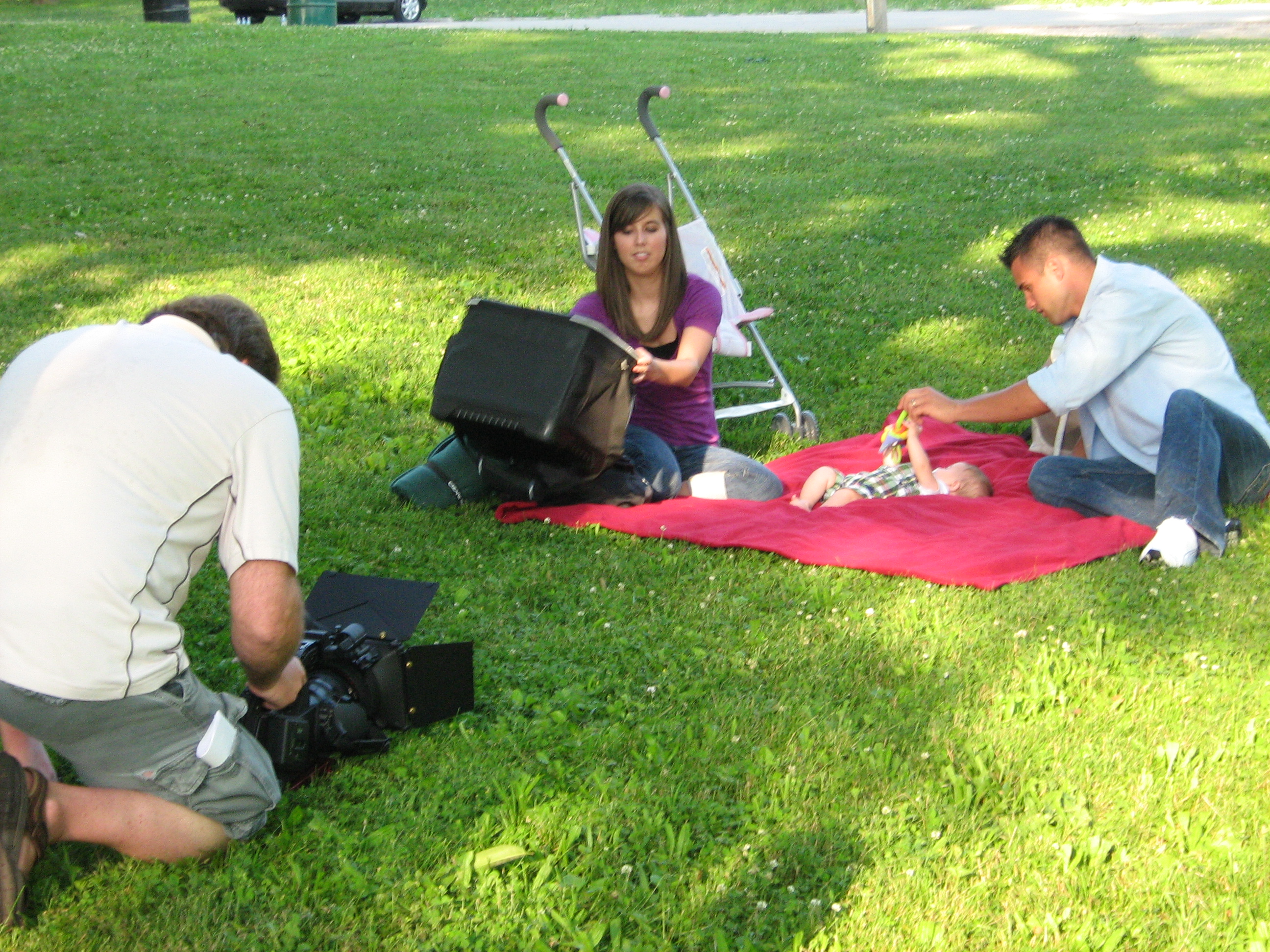
St Louis Video Crew has been producing professional commercial photography and video for businesses, marketing firms, and creative agencies in the St. Louis area since 1982. We know how to capture real environments without disrupting operations—and how to turn field visuals into usable marketing and sales tools.
We’re a full-service production company with the right equipment and the crew experience for successful image acquisition:
- Full-service studio and location video and photography
- Editing and post-production for polished deliverables across web, social, broadcast, and internal use
- Licensed drone pilots, including the ability to fly specialized drones indoors when the situation calls for it
- Custom production planning for different industries, sites, and compliance requirements
- Repurposing expertise so your shoot fuels multiple campaigns, not a single post
- Deep experience across file types, codecs, resolutions, and workflows, and the accompanying software your team already uses
- The latest Artificial Intelligence tools integrated into our workflow—speeding selects, organization, versioning, captions, and turnaround without sacrificing quality
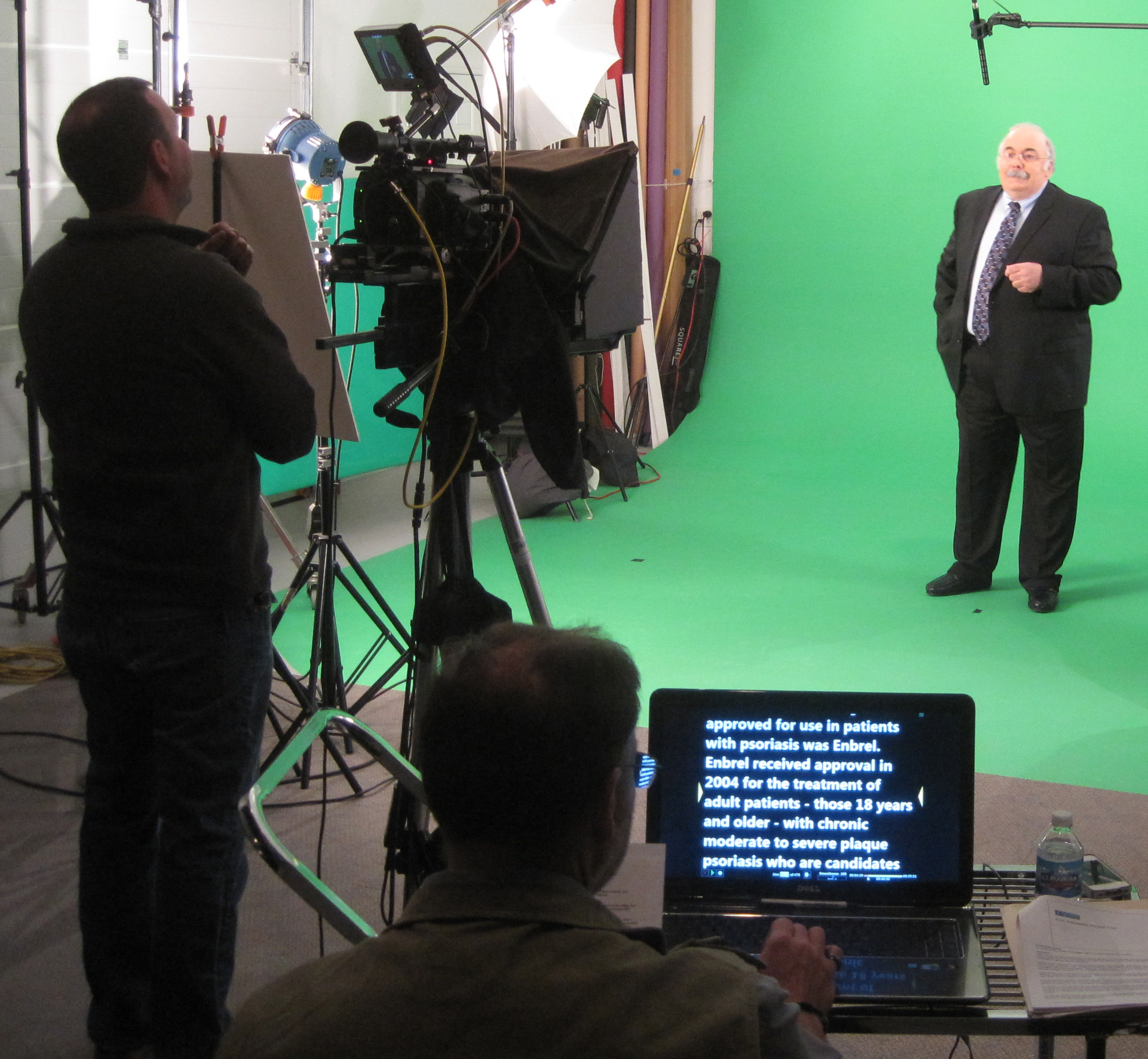
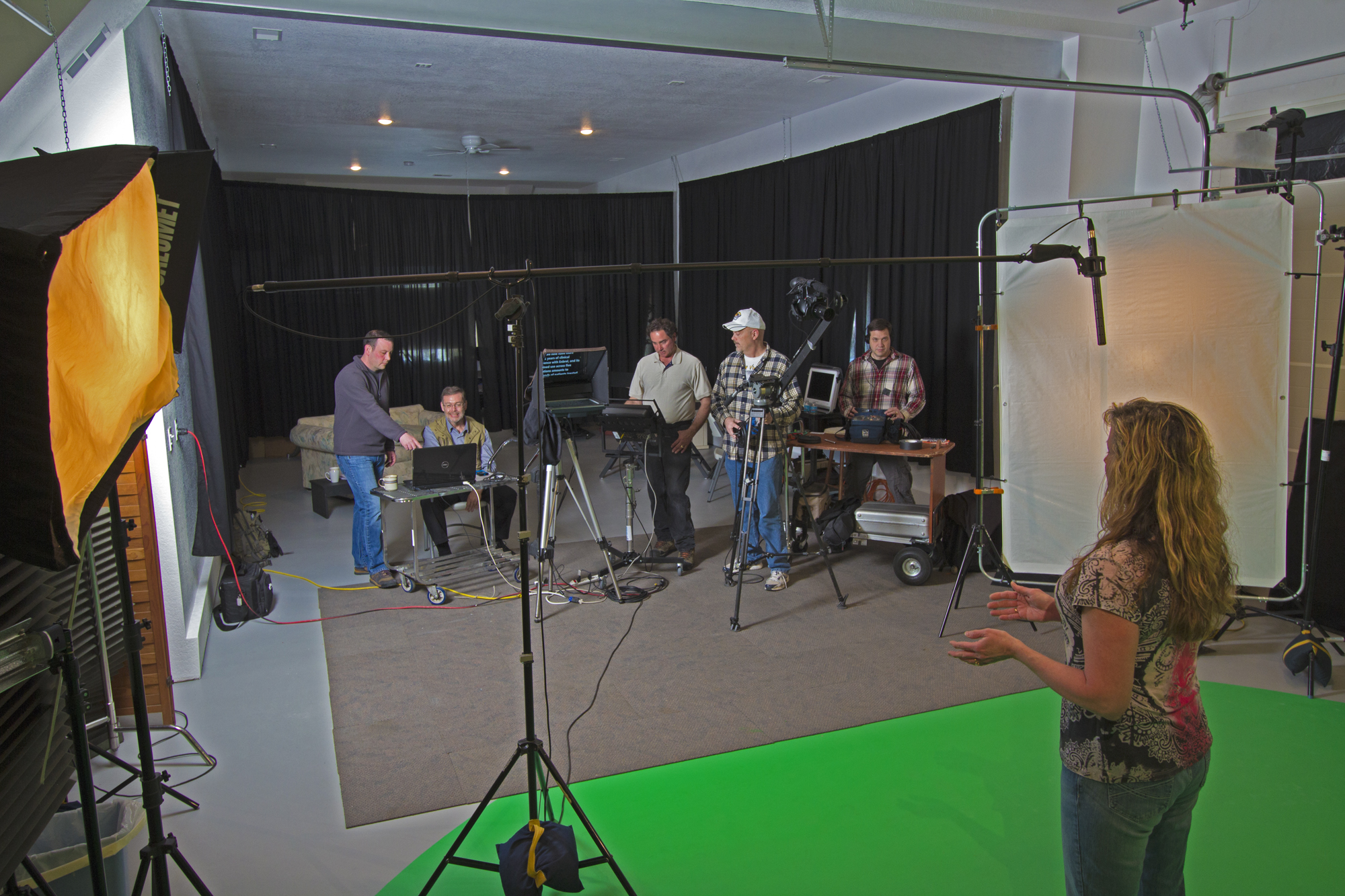
- A private studio lighting and visual setup that’s perfect for small productions and interview scenes, with space for props to round out your set
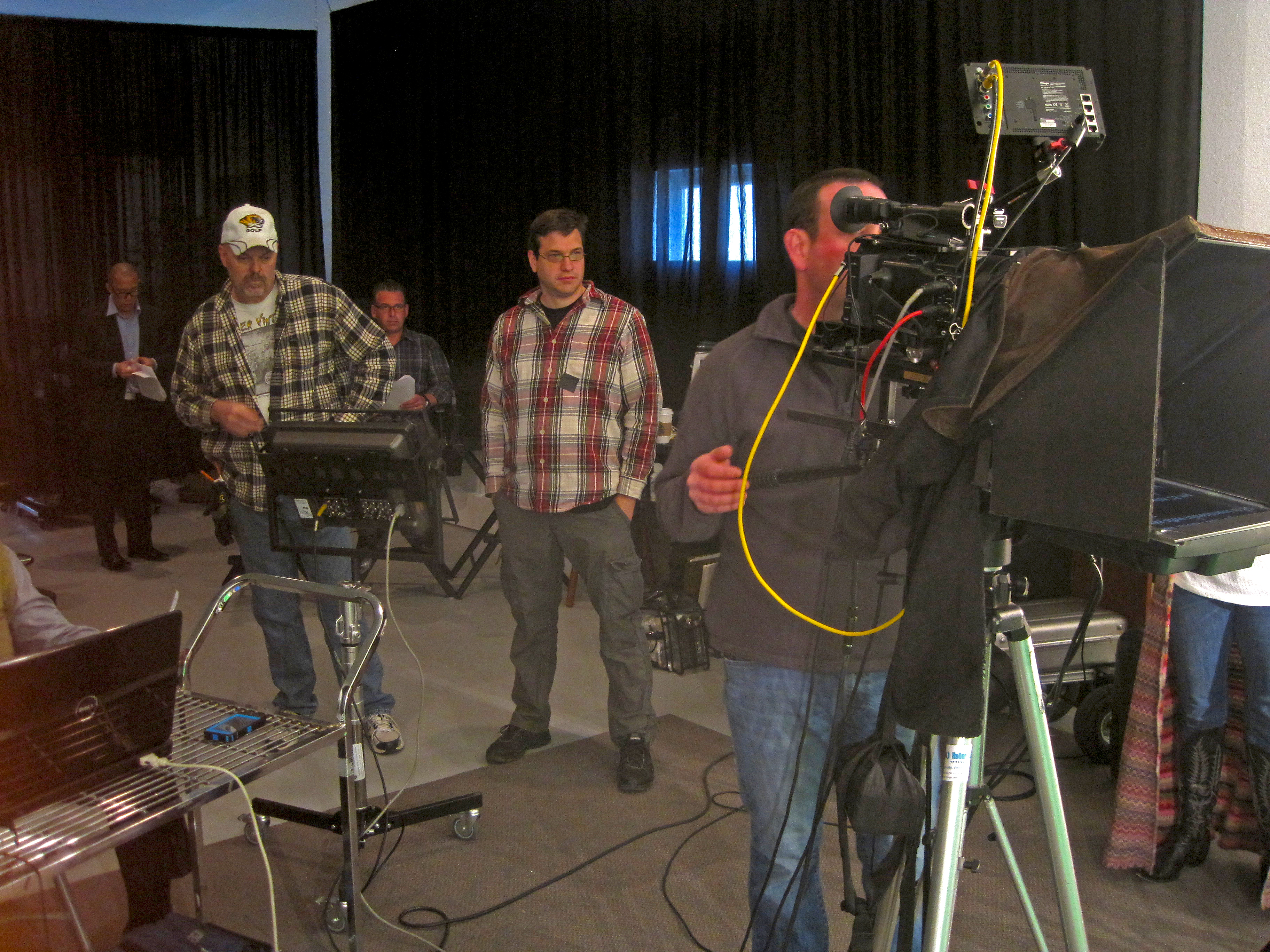
- End-to-end support—from building a custom interview studio to supplying professional sound and camera operators and the right equipment—so your production is seamless
If your services deserve to be trusted, your visuals should prove it. Don’t skip site photos—they sell services.
314-913-5626 stlouisvideocrew@gmail.com
- Posted in: st louis video crews
- Tagged: AI headshots, Banking Headshots, Commercial photographer St. Louis, Construction Headshots, digital-marketing, Event photographer St. Louis, Family photographer St. Louis, Fashion photographer St. Louis, Financial Services Headshots, Headshot photographer St. Louis, Hospital and Healthcare Headshots, Legal Services Headshots, Manufacturing Headshots, marketing, Mobile Headshots, model and actor headshots, Nature photographer St. Louis, Non-Profit Headshots, On-site Headshots, photographer, photography, Portrait photographer St. Louis, product photographer, Real estate photographer St. Louis, seo, St. Louis architectural photographer, St. Louis boudoir photographer, St. Louis fine art photographer, St. Louis landscape photographer, St. Louis maternity photographer, St. Louis newborn photographer, St. Louis pet photographer, St. Louis photo studio, St. Louis photographer, St. Louis photography services, St. Louis sports photographer
































 St Louis Video Crew