Get Customers Talking: 36 Field-Tested Questions that Turn Testimonials into Sales Assets
Video testimonials are not “nice to have”—they’re proof. When you capture the right moments in a customer’s own words, you give prospects a low-friction way to trust you faster, de-risk a purchase, and move to action. As crews who have filmed thousands of interviews, we find the difference between a polite compliment and a persuasive testimonial usually comes down to one thing: the questions you ask and the sequence you ask them in.
Below is a practical playbook you can hand to your producer or internal team. Use it to design testimonial interviews that are truthful, on-brand, and commercially effective.
The Story Spine That Converts
Great testimonials follow a simple arc:
- Context (who they are, why we should listen)
- Problem (stakes, friction, failed attempts)
- Decision (why they chose you over alternatives)
- Implementation (how it actually went)
- Outcomes (specifics, numbers, before/after)
- Recommendation (what they’d tell a peer)
We build our question set to naturally walk the customer through this arc—no scripts required.
The Question Bank (36 prompts)
Use these as modular building blocks. Ask open-ended, single-idea questions; stay quiet after you ask; and invite examples. Where you see brackets, tailor to your offering.
A) Warm-Up & Authority (set credibility)
- State your name, title, and what success looks like in your role.
- What does your organization do, and who do you serve?
- What key metric or responsibility are you held accountable for?
- Where were you in the growth cycle when you engaged us?
- What initially made this initiative a priority?
B) Problem & Stakes (make the “before” vivid)
- Before working with [us], what was the situation really like?
- What had you already tried, and why didn’t it stick?
- What was the cost of inaction—time, money, risk, morale, brand?
- Who felt the pain most (team, customers, leadership), and how?
- What would have happened if you didn’t solve this?
C) Decision Drivers (defensible choice)
- What criteria made your shortlist—and who else did you compare?
- What stood out about [our team/approach] during evaluation?
- What risks or objections did you have, and how were they resolved?
- Who else weighed in, and what ultimately tipped the decision?
- If you had to summarize the deciding factor in one sentence, what is it?




D) Implementation & Collaboration (trust the process)
- How did kickoff and planning work from your perspective?
- Describe the production or delivery experience—what surprised you?
- How did our team communicate, adapt, and handle curveballs?
- What did we do that saved you time or reduced complexity?
- If you were advising a peer, how would you tell them to prepare?
E) Outcomes & Proof (numbers beat adjectives)
- What changed first—what’s the earliest win you noticed?
- Can you quantify results (conversion, leads, cost per [X], cycle time, NPS, brand lift, training completion, safety incidents, etc.)?
- What benefit did your customer feel (fewer steps, clarity, confidence)?
- How do these results compare to your expectations or previous vendors?
- Which outcome makes you say, “That alone justified the investment”?
F) Objections Handled (speak to the silent stakeholder)
- What would you say to a CFO/COO who’s skeptical about budget or ROI?
- What about brand risk, compliance, or legal—how did we address it?
- If someone worries about disruption to their team, what would you tell them?
G) Soundbites & Social Proof (make it quotable)
- If this solution disappeared tomorrow, what would you miss most?
- Finish this sentence: “Working with [St Louis Video Crew] is like…”
- In one line, what should a peer know before they choose a vendor?
- What three words describe the experience and why each word?
H) Future & Advocacy (momentum)
- What are you planning next now that this is in place?
- Where else do you see this partnership adding value?
- Would you introduce us to a colleague—why?
- If you could talk to your past self before the project, what advice would you give?
Pro tip: Ask for permission to restate a powerful sentence and have them say it again more concisely. That gives you a clean “hero line” for captions, titles, and thumbnails.
Sequencing That Keeps Energy High
- Start easy, then raise stakes. Open with warm-ups, move to pain, then progress to outcomes once trust is built.
- One topic per question. Don’t stack questions; it fragments answers in the edit.
- Elastic silence. After a strong answer, pause. People often add the best detail after the pause.
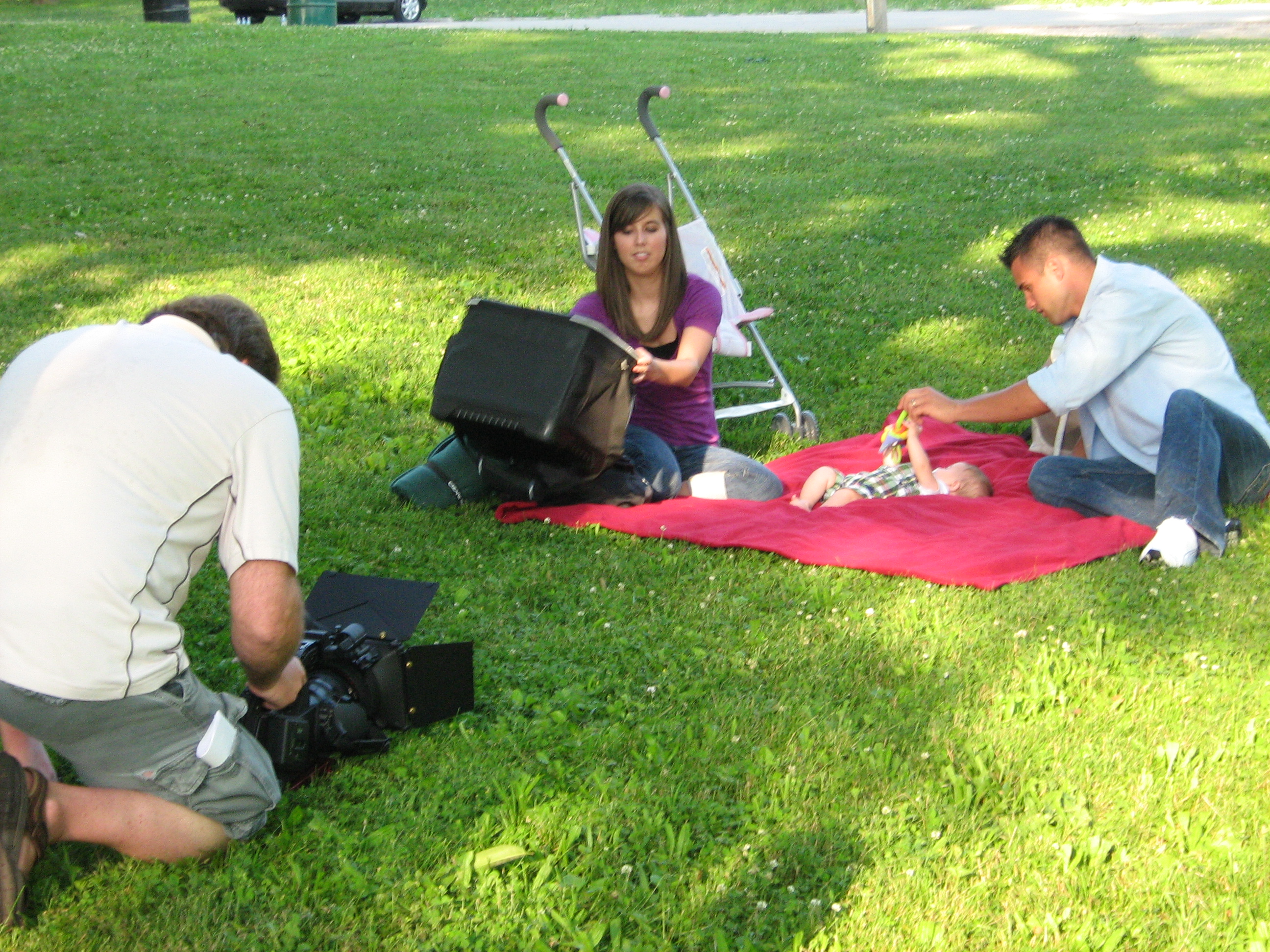
- B-roll cues. While you interview, note visual cutaways (screens, product usage, people, locations) to capture immediately after.


On-Camera Coaching That Protects Your Brand
- Audience cue. “Speak to someone who has your job in a similar company.”
- Present tense. Encourage present-tense phrasing for energy: “This helps us reduce…”
- No acronyms without translation. Ask for the plain-English version you can subtitle.
- Answer in the question. Coach them to include context: “Before [solution], we… Now we…”
Production Notes That Raise Perceived Quality
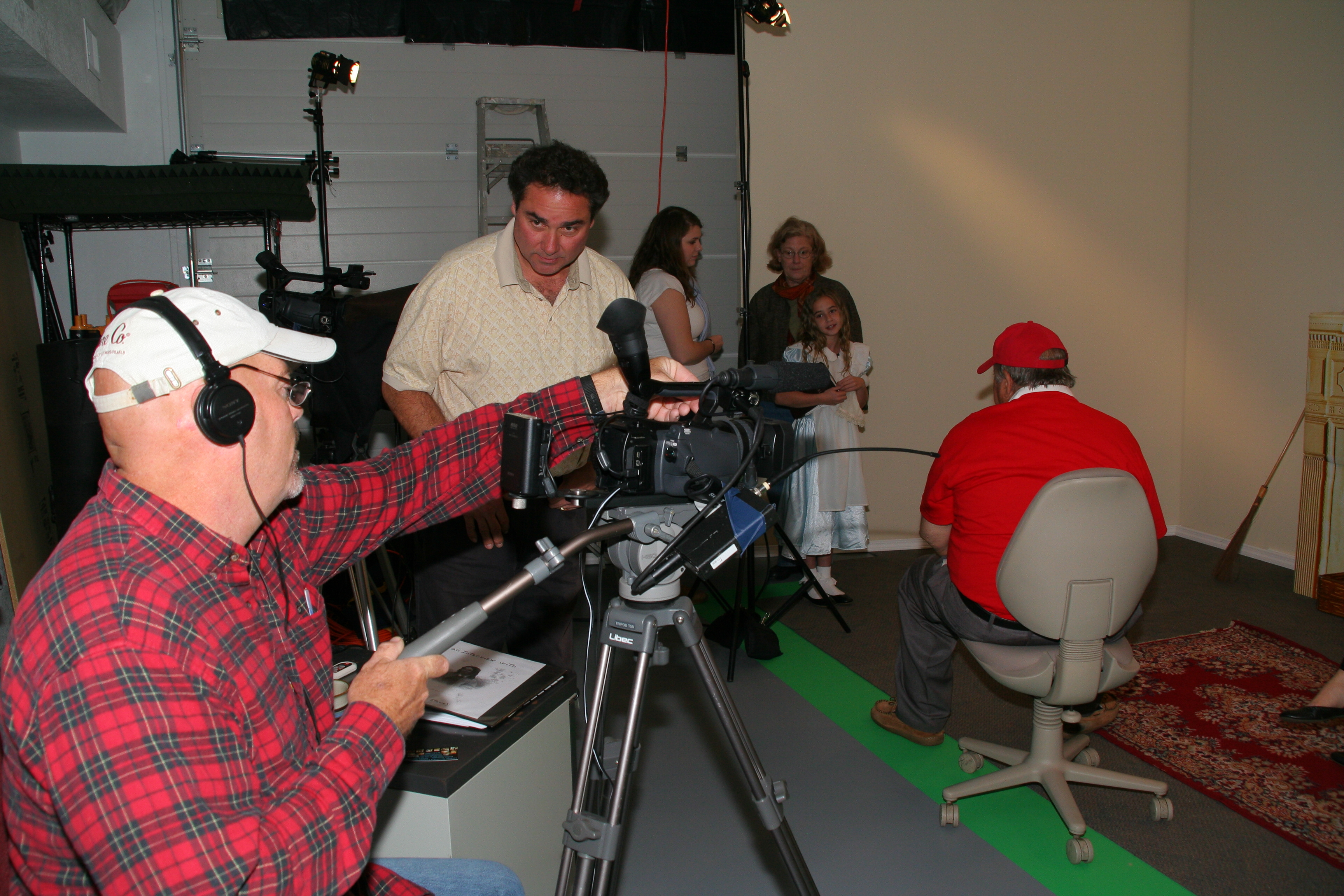
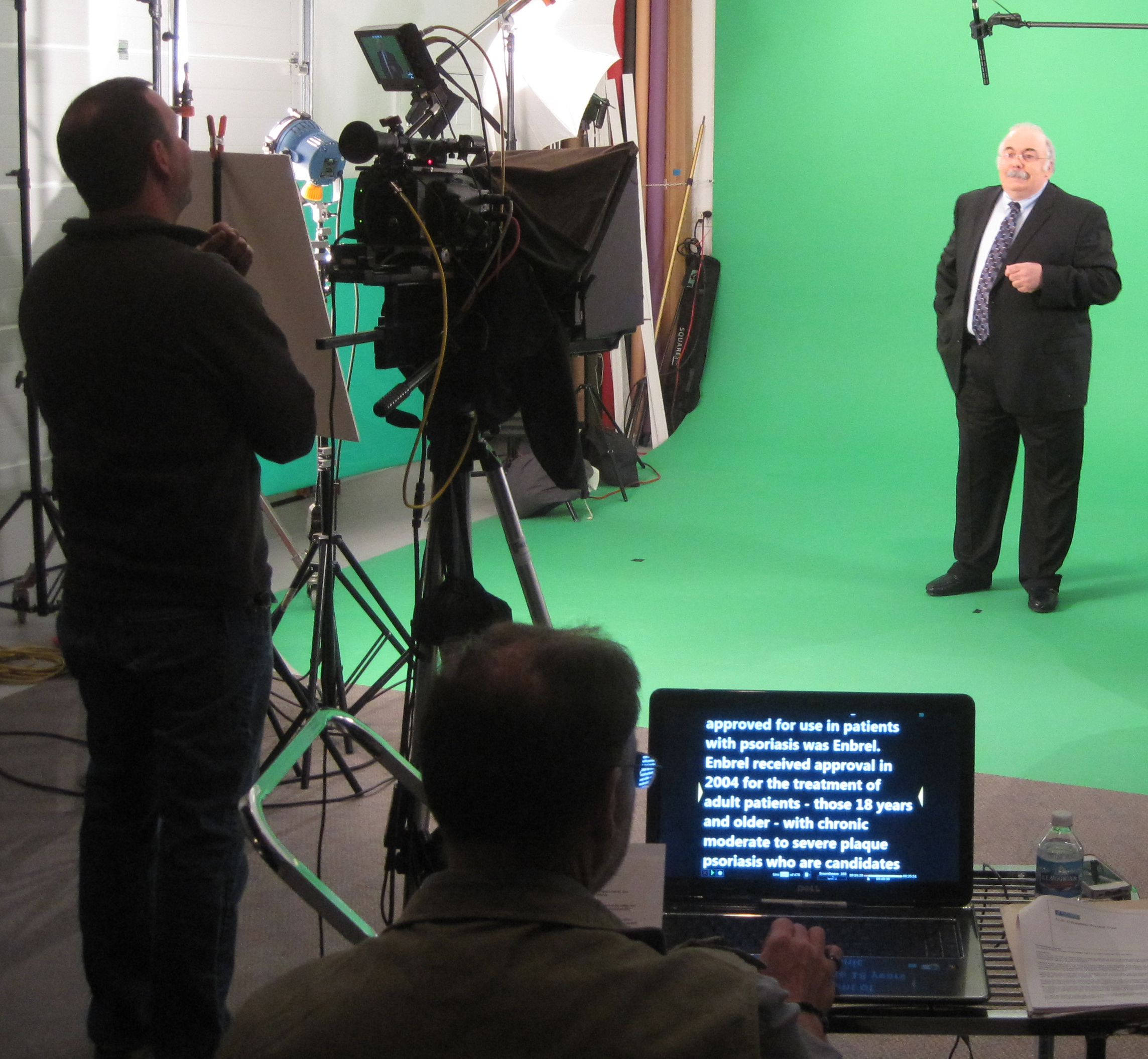
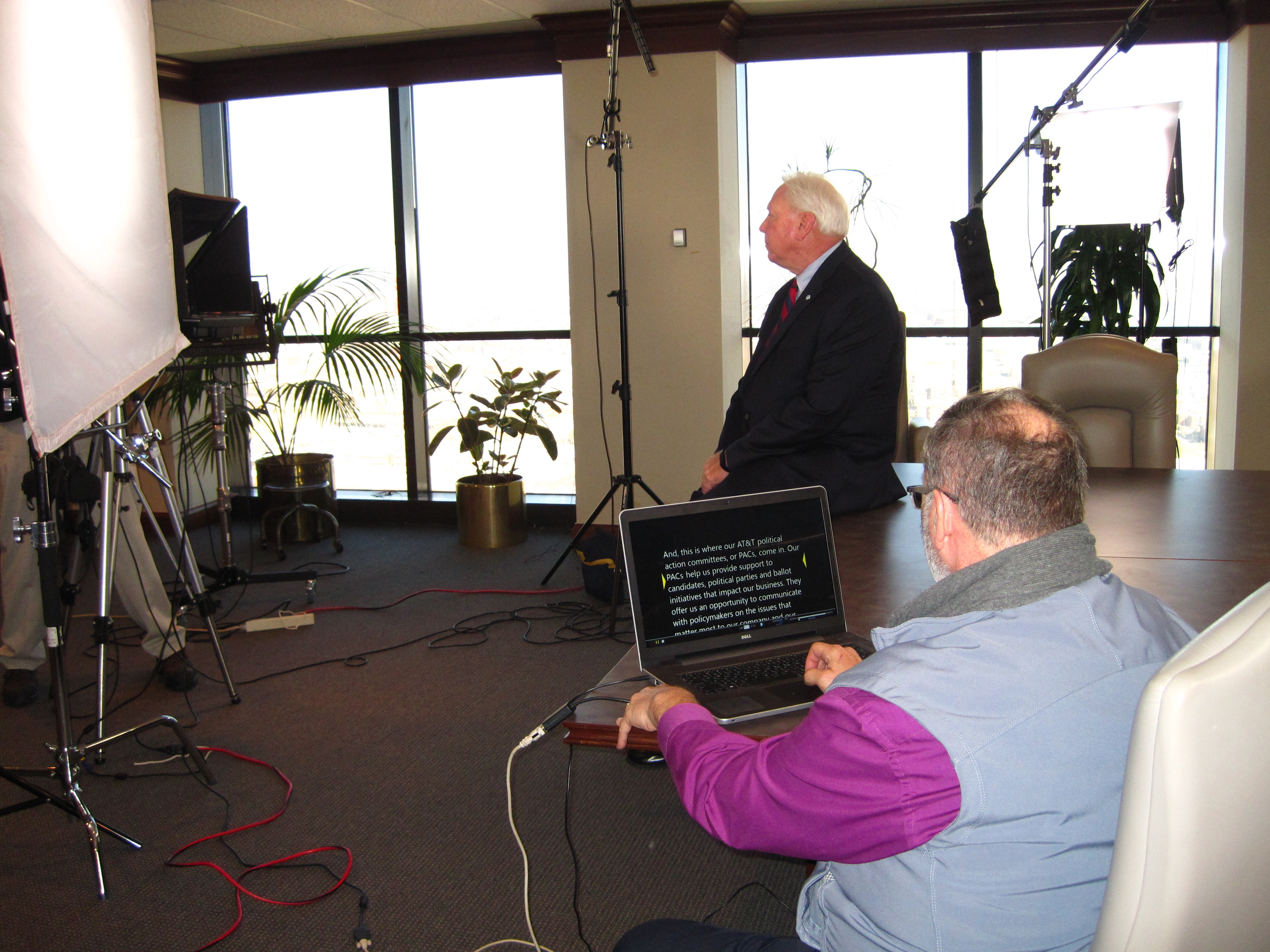
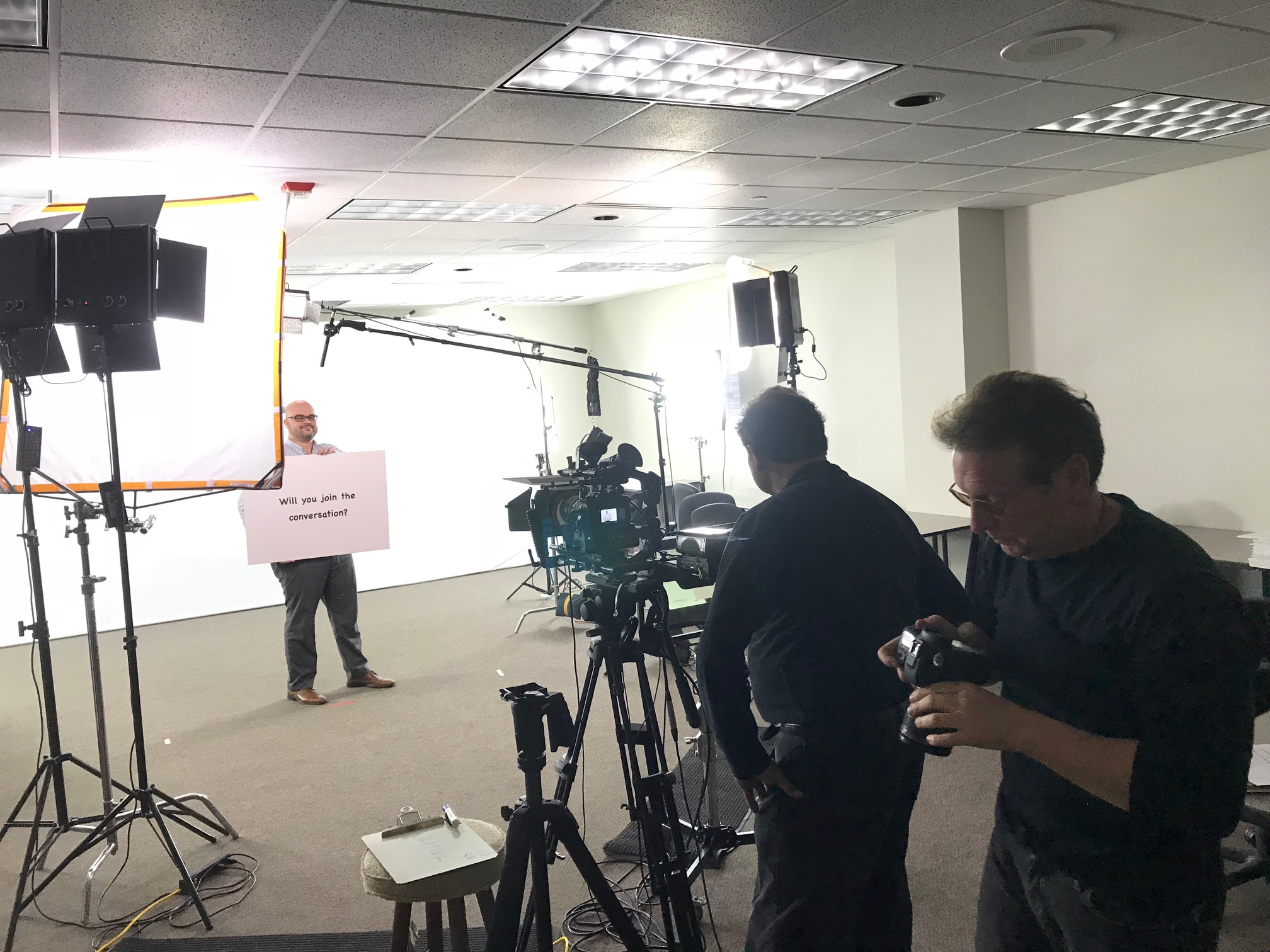
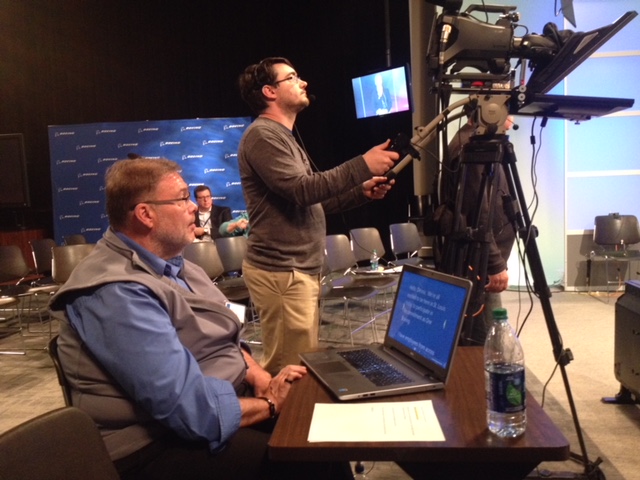
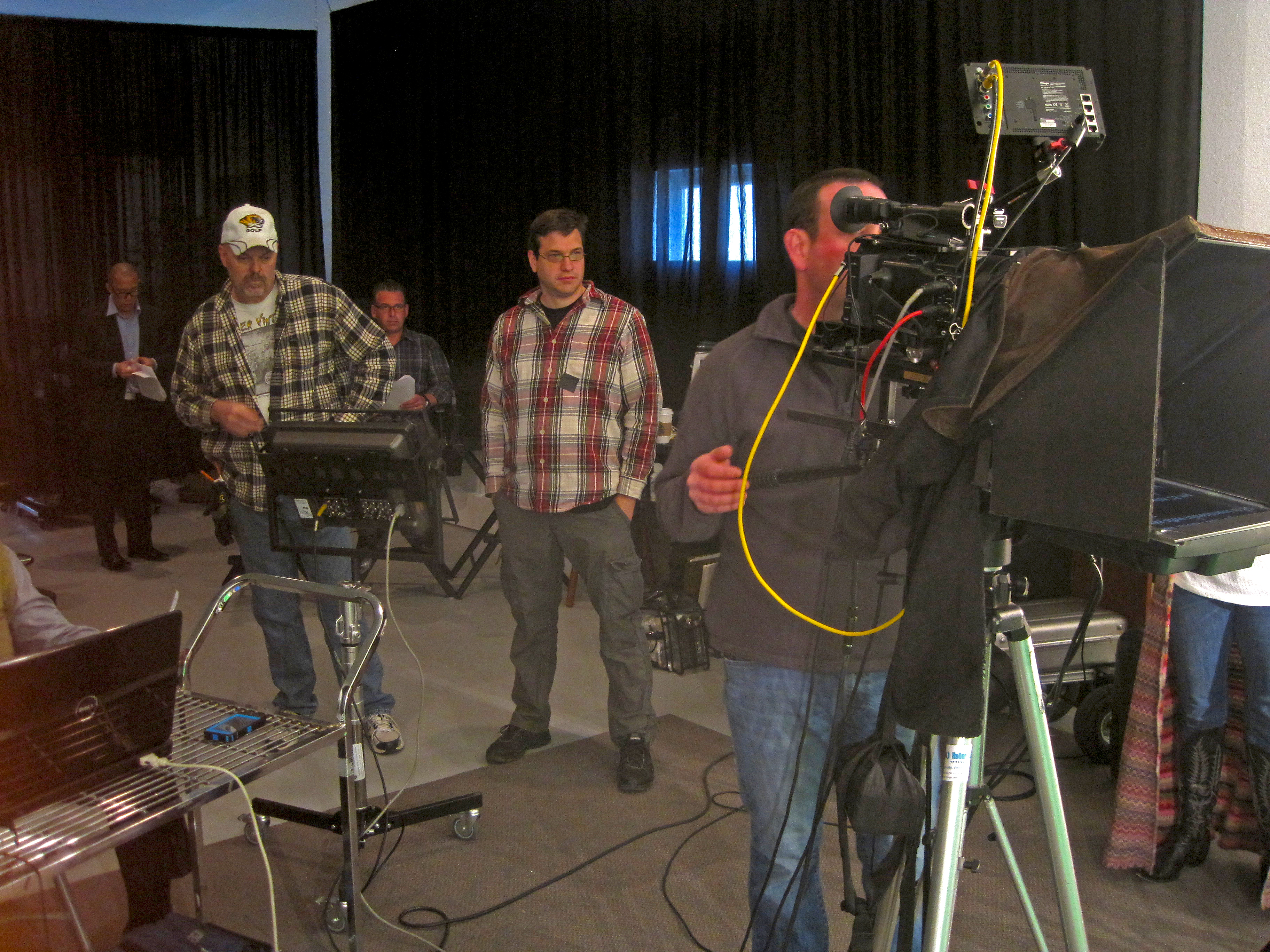
- Sound first. Lav + boom redundancy, room tone capture, and active noise checks every setup change.
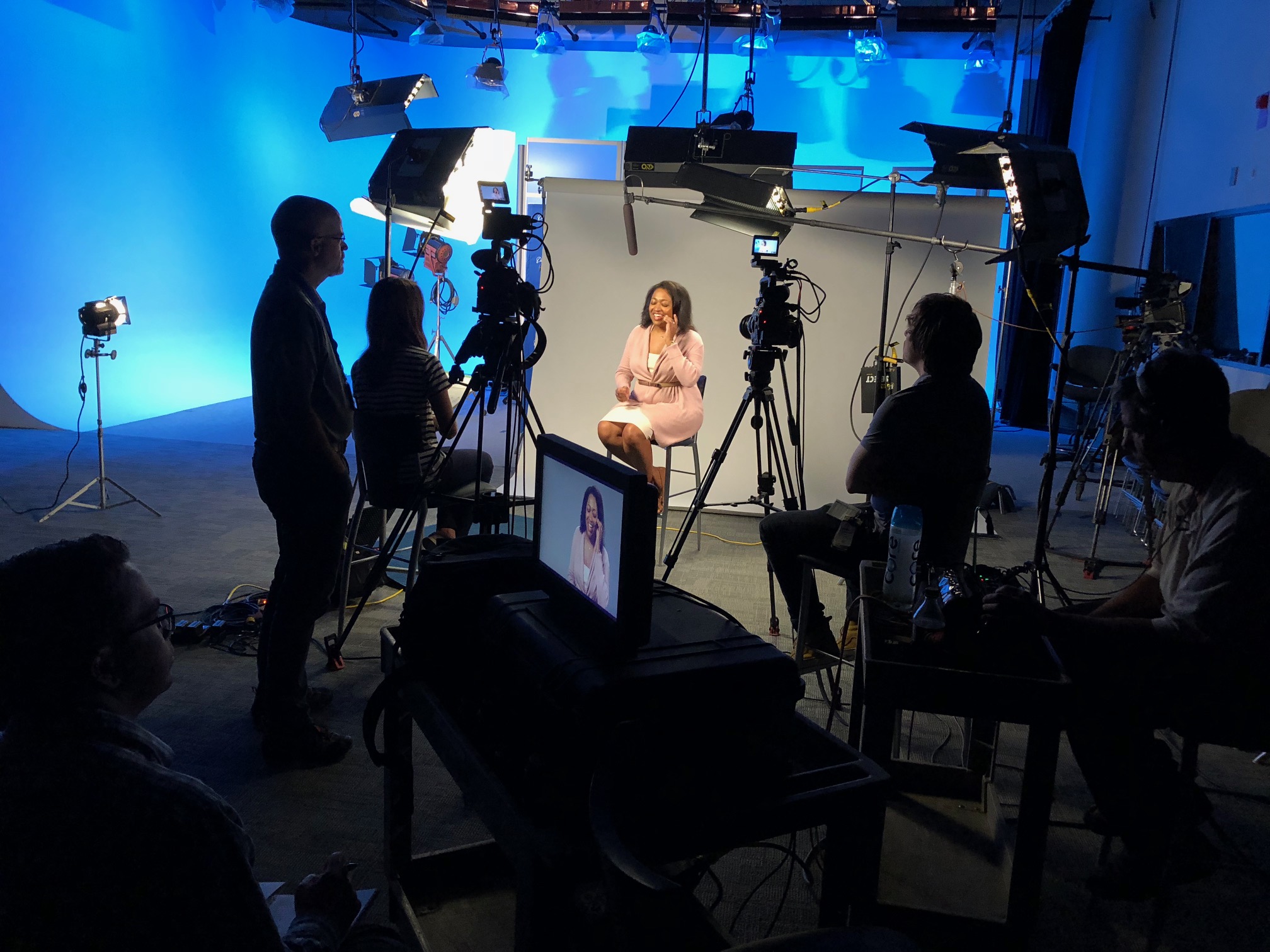
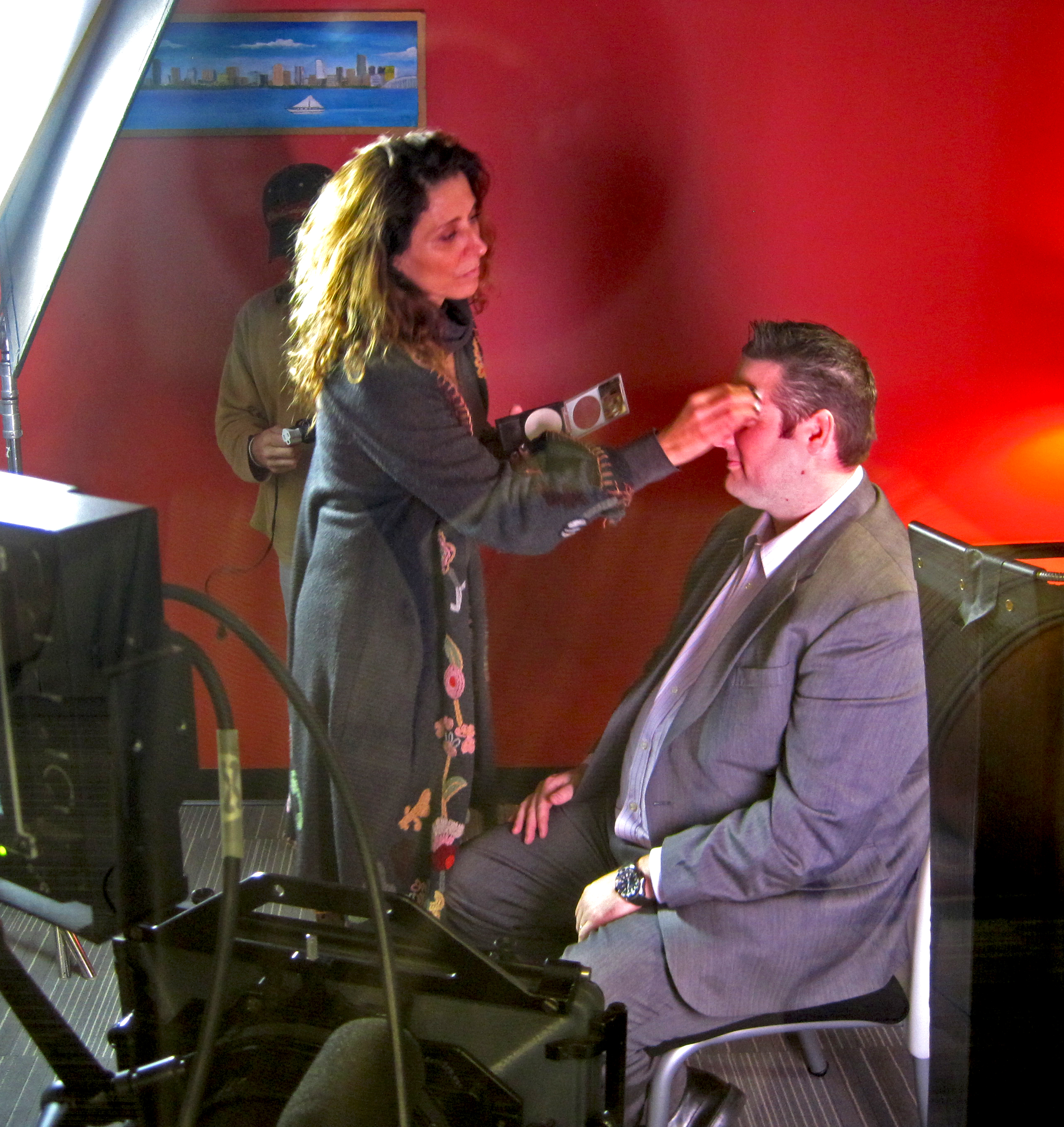
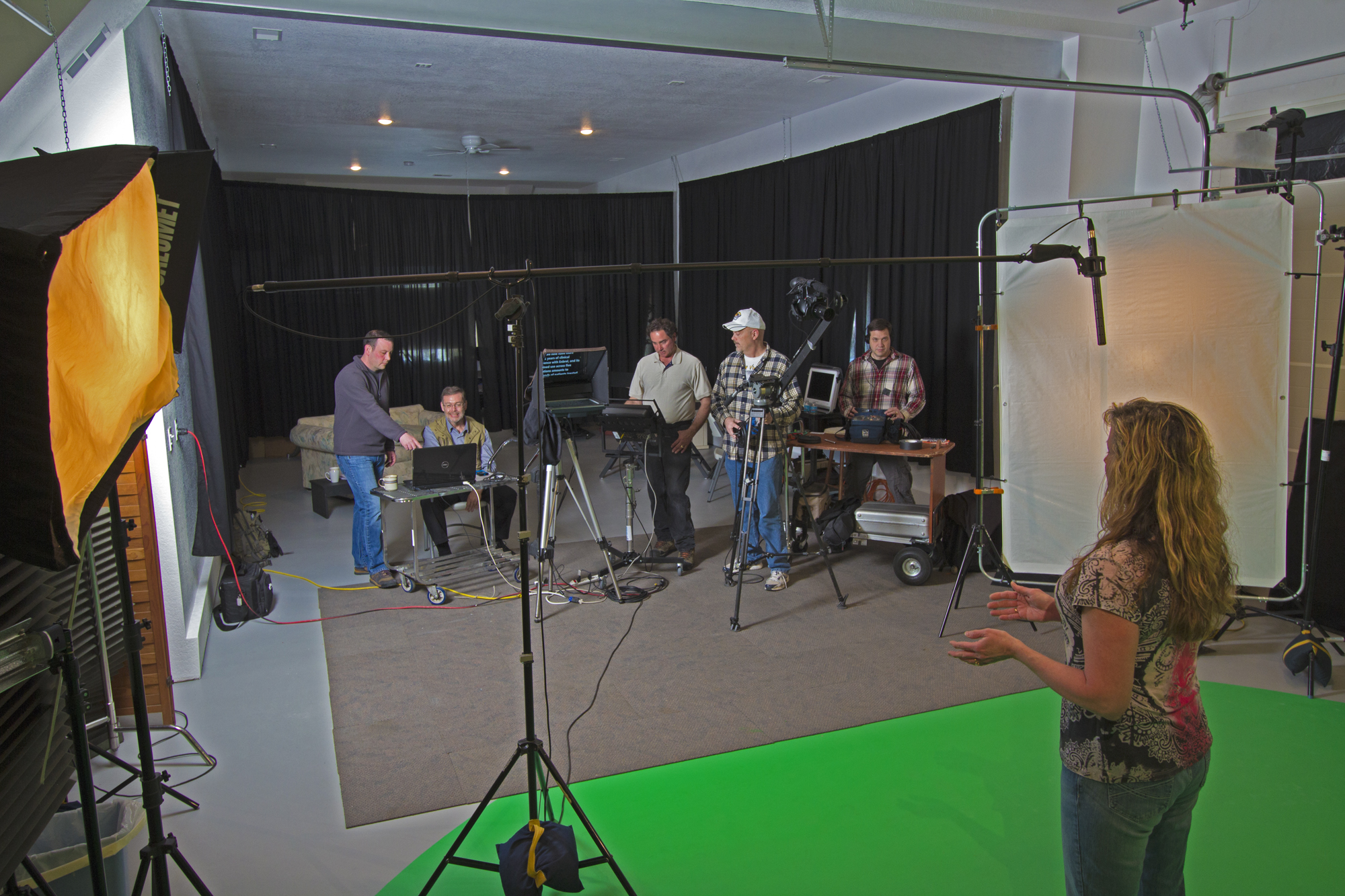
- Lighting that flatters. Key-fill-rim for separation; bring negative fill to shape. Keep backgrounds alive with practicals or brand color accents.
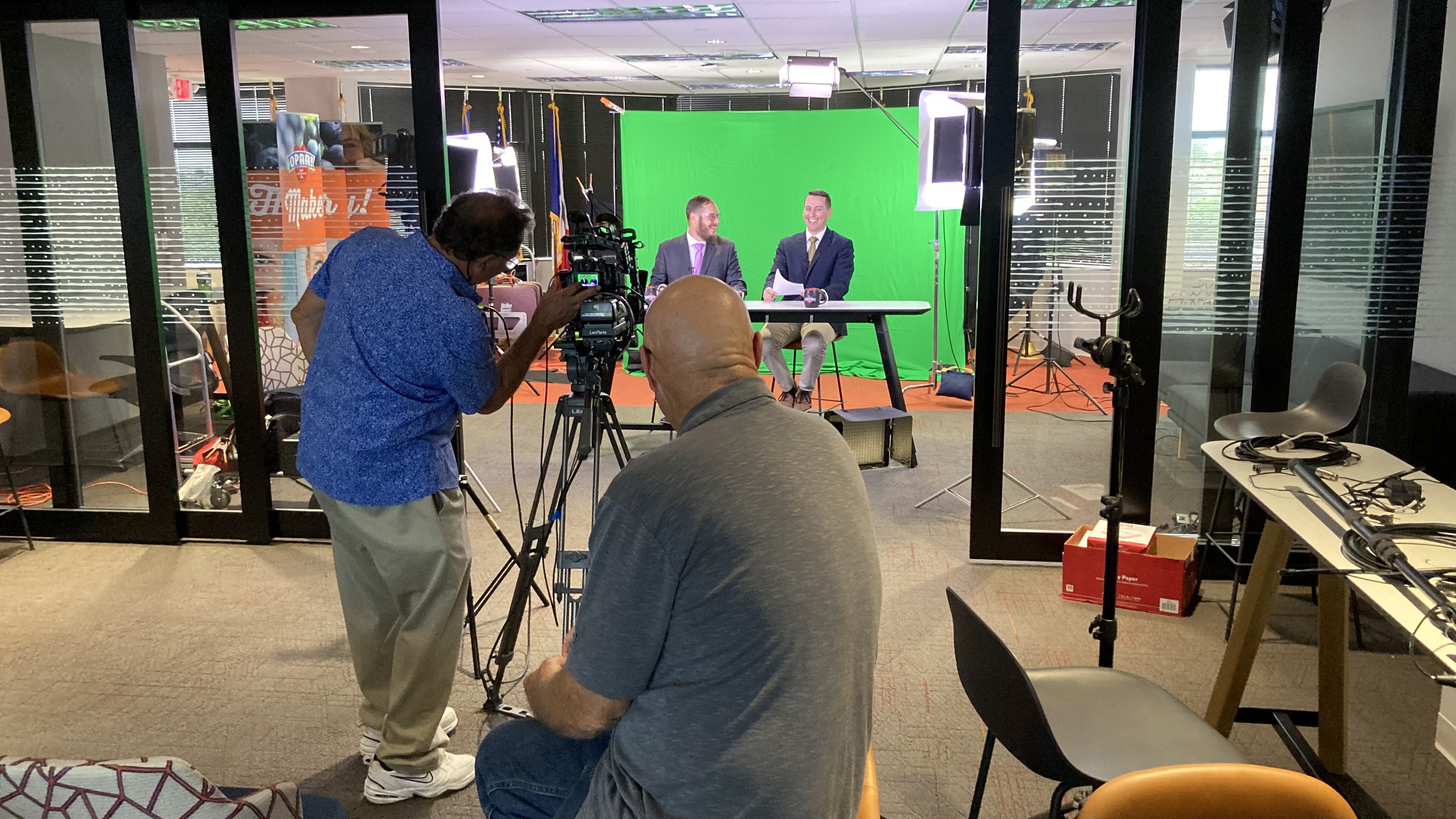
- Eye line & composition. Choose documentary (off-axis) or direct-to-camera intentionally based on channel and call to action.
- Pacing assets. Capture b-roll in layers: environment, process, product details, reactions, outcomes.
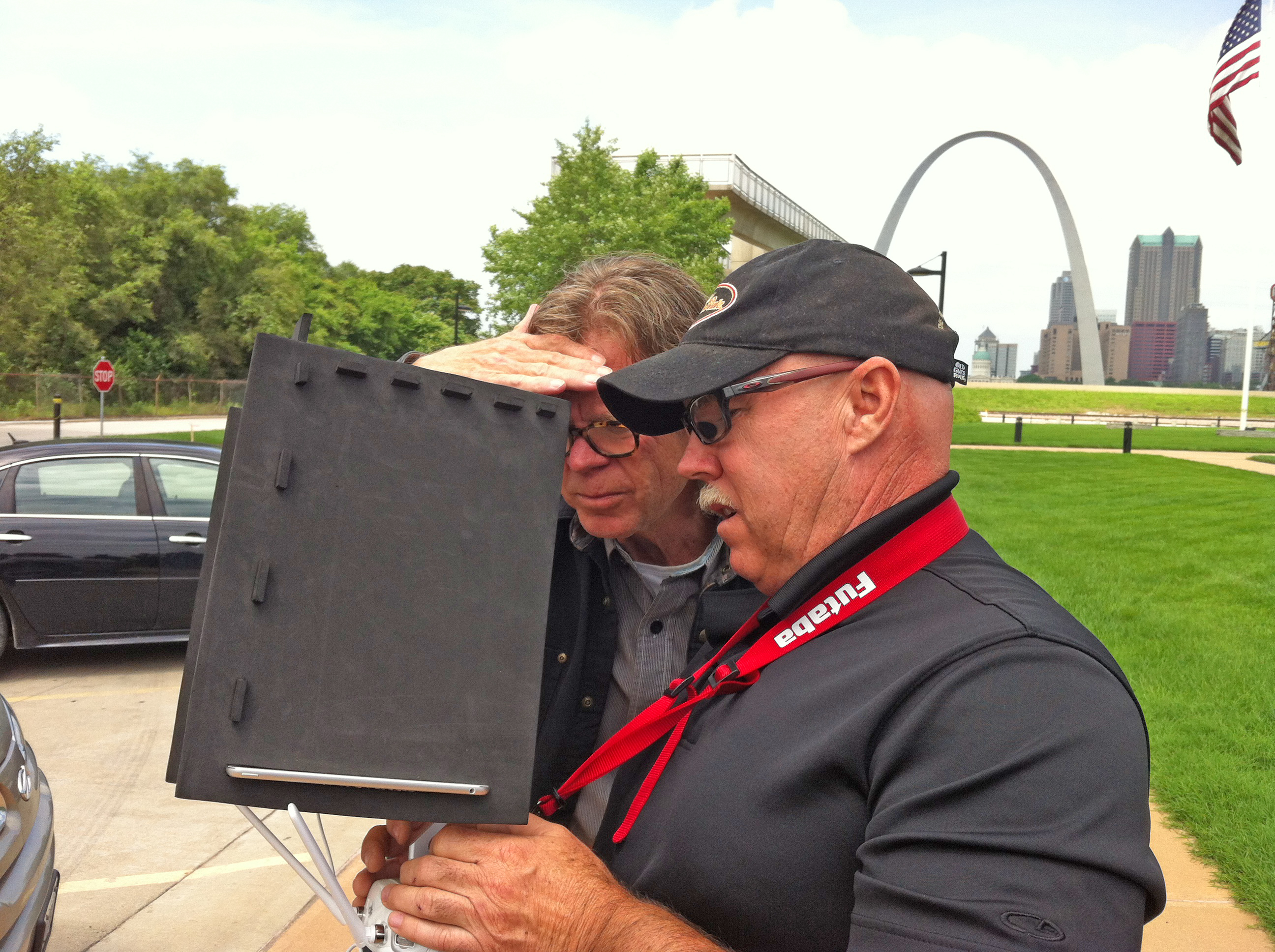
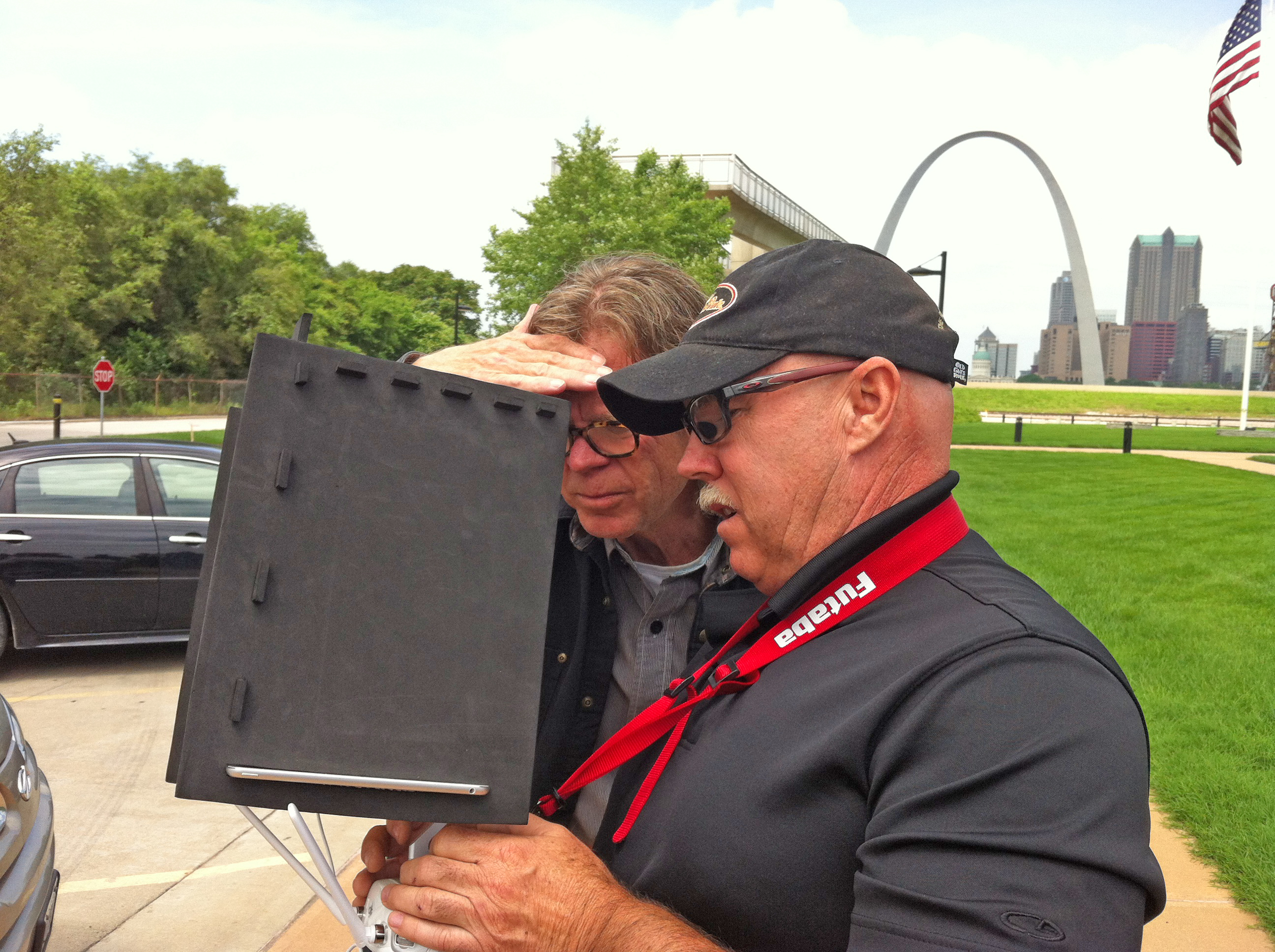
- Motion for context. Consider dynamic establishing shots; we can safely fly specialized drones indoors to create movement and spatial understanding when appropriate.
AI-Accelerated Post That Preserves Authenticity
Use AI to speed and scale, not to fabricate:
- Transcription and paper-edits for faster rough cuts.
- Smart cleanup (noise reduction, re-timing, filler removal) that keeps the speaker’s voice natural.
- Brand-matched color and captions for accessibility and compliance.
- Cutdown automation to generate shorts, reels, and chaptered versions for sales decks and landing pages.
- Provenance & permissions. Maintain chain-of-custody, releases, and version control; disclose any generative elements when used (e.g., background extensions).
Distribution Strategy (so your testimonial actually sells)
- Owned: Product pages, pricing pages, case-study hubs, and thank-you pages.
- Sales enablement: 30-, 60-, and 120-second versions embedded in sequences; include time-coded talking points.
- Paid & social: Hook within 2–3 seconds; add burned-in captions; test thumbnail treatments.
- PR & events: Pull 10–15 second quotes for award submissions, trade booths, and analyst briefings.
- Measure: Track plays, completion, assisted conversions, meeting set rate, and influenced pipeline. Refresh annually or when metrics plateau.
Legal, Releases, and Risk
- Obtain appearance releases and location permissions before cameras roll.
- Avoid third-party logos, charts, or on-screen software without clearance.
- Use licensed music and fonts.
- For regulated industries, align scripts and final cuts with compliance review and secure storage policies.
Quick Checklist (printable)
- Story spine defined and approved
- Interviewee briefed; wardrobe and location set
- Question set tailored to role and industry
- Releases signed; compliance path confirmed
- A-roll + redundancy; room tone captured
- B-roll shot list completed
- AI-assisted captions, color, QC pass
- Cutdowns and aspect ratios delivered
- Distribution plan with KPIs in place
About St Louis Video Crew
St Louis Video Crew is a full-service professional commercial photography and video production company with the right equipment and creative crew service experience for successful image acquisition. We offer full-service studio and location video and photography, as well as editing, post-production and licensed drone pilots. St Louis Video Crew can customize your productions for diverse types of media requirements. Repurposing your photography and video branding to gain more traction is another specialty. We are well-versed in all file types and styles of media and accompanying software. We use the latest in Artificial Intelligence for all our media services. Our private studio lighting and visual setup is perfect for small productions and interview scenes, and our studio is large enough to incorporate props to round out your set. We support every aspect of your production—from setting up a private, custom interview studio to supplying professional sound and camera operators, as well as providing the right equipment—ensuring your next video production is seamless and successful. We can fly our specialized drones indoors. As a full-service video and photography production corporation, since 1982, St Louis Video Crew has worked with many businesses, marketing firms and creative agencies in the St. Louis area for their marketing photography and video. If you’re ready to turn customer praise into measurable proof, we’re ready to roll.
314-913-5626 stlouisvideocrew@gmail.com
- Posted in: st louis video crews
- Tagged: business, Commercials, content-marketing, Corporate Profile Videos, Corporate/Athletic/Educational Training Videos, digital-marketing, Documentaries, Documentary-style productions, Educational videos, Event video production, Exercise Videos, How-to Videos, Infomercials, Interviews, Interviews and B-roll, Interviews and testimonials, Live Event Filming, marketing, Marketing video production, Music Videos, Product Videos, Promotional Videos Business to Business Videos, Public service productions, Real Estate Videos, Short Films, Social Media Viral Videos, social-media, Testimonial Videos, Time Lapse Videos, Training videos


























 St Louis Video Crew